Skip to content
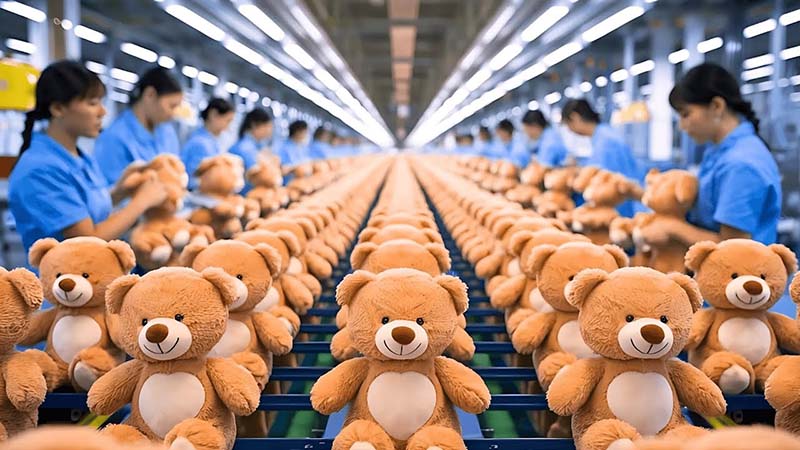
I’m Amanda from Kinwin in China. We manufacture plush toys for global buyers. In this guide, I explain how top brands earn trust and repeat sales, why some names dominate retail and collector markets, how new DTC and eco brands are changing expectations, and how factories like ours align with leading standards for long-term partnerships. I’ll keep the language clear and actionable.
What criteria determine the best stuffed animal brands in the global market?
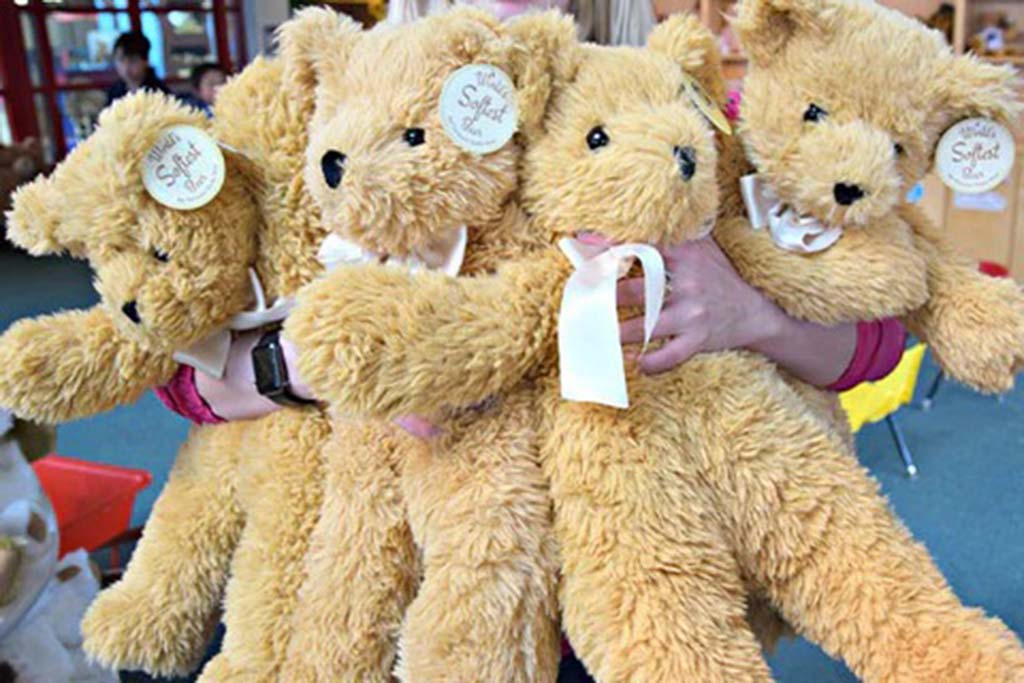
A “best” brand does more than make cute toys. It delivers consistent quality, safe materials, clear storytelling, and on-time supply. The product must feel premium in hand and look great in photos. The brand must pass audits, respond to reviews, and manage stock wisely. When these parts work together, retailers reorder, and fans keep collecting.
Table 1 — Brand Excellence Scorecard (1/5)
| Criterion | What “Best” Looks Like | Why It Matters | Quick Checks |
|---|---|---|---|
| Product feel | Soft hand, tidy face, strong seams | Drives 5★ reviews | Touch test, seam pull |
| Safety & compliance | EN 71 / ASTM / CPSIA on file | Retail onboarding speed | Lot-level test reports |
| Design system | Recognizable eyes, palette, silhouette | Instant brand recognition | Style guide exists |
| Packaging | Gift-ready, photo-friendly | Higher conversion & ASP | Mockups, shelf test |
| Supply reliability | Forecast + fast replenishment | Stay in stock during spikes | Capacity plan, lead times |
| Ethics & ESG | Traceable sourcing, worker safety | Retail acceptance & PR | Audit results, certifications |
| Story & community | Clear mission, fan engagement | Repeat buyers | Email/UGC cadence |
Which heritage brands have defined quality and craftsmanship in plush manufacturing?
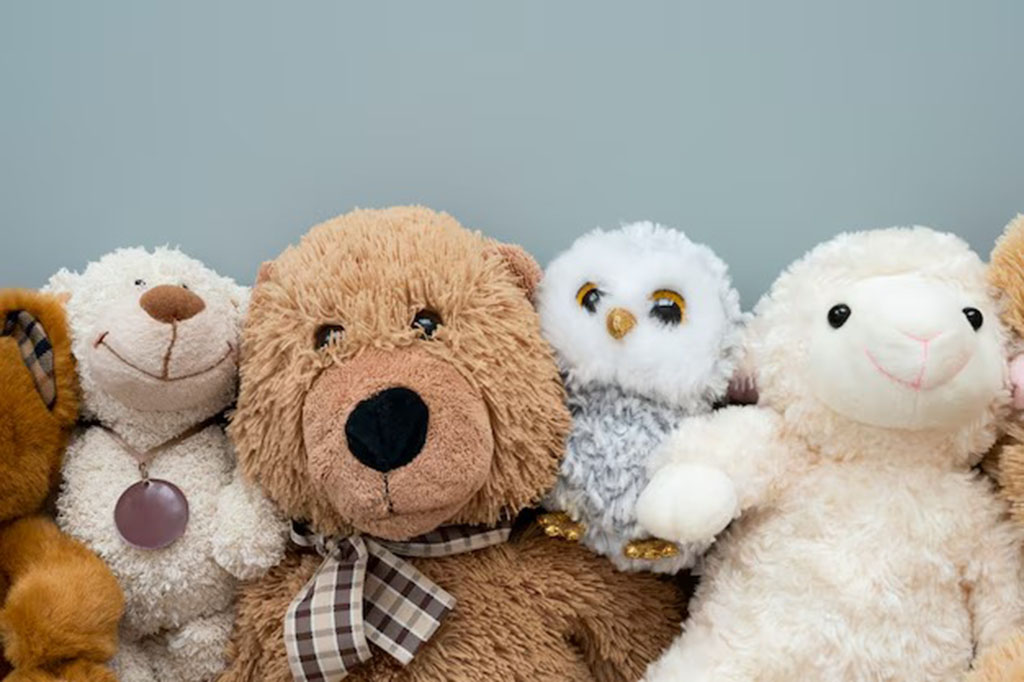
Heritage brands win trust through craft, materials, and history. They use stable patterns, dense or well-sheared piles, and durable stitching. They document inputs and maintain rigorous QC. Many heritage players also lead in repair services, limited runs, and collector tags—signals of long-term value. Even if you do not license them, you can learn from their playbook: repeatable silhouettes, sharp QC, and thoughtful packaging that survives shipping.
What we borrow for OEM projects
- Short-pile faces for neat photos.
- Reinforced seams at limbs and neck.
- Consistent embroidery spec across sizes.
- Care cards that actually help parents.
How do licensed character brands dominate retail and collector segments worldwide?
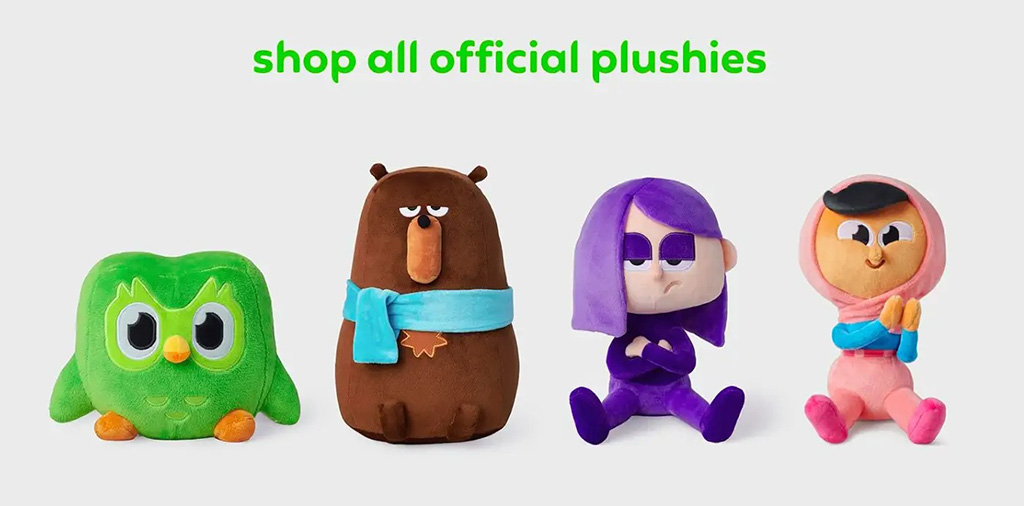
Licensed lines sell because fans already love the character. Movies, games, and shows build demand outside the toy aisle. The plush must look right at a glance and ship in sync with media moments. Compliance is strict, color control is tight, and retail windows are short. Top license holders run tiered price ladders (mini, core, jumbo) and seasonal drops to keep interest high.
Table 2 — Licensed Success Levers (2/5)
| Lever | Why It Works | Factory Notes |
|---|---|---|
| On-model accuracy | Fans spot tiny errors | Use approved turnarounds and color lab dips |
| Launch timing | Rides media hype | Book capacity early; pre-build cartons |
| Size ladder | Mini/core/jumbo upsell | Shared BOM, consistent faces |
| Collector tags | Emotional + resale value | Numbered editions for hero SKUs |
| Strong QC | Low defect rate | Pre-shipment AQL + photo sign-off |
Which emerging DTC and eco-conscious brands are reshaping consumer expectations?
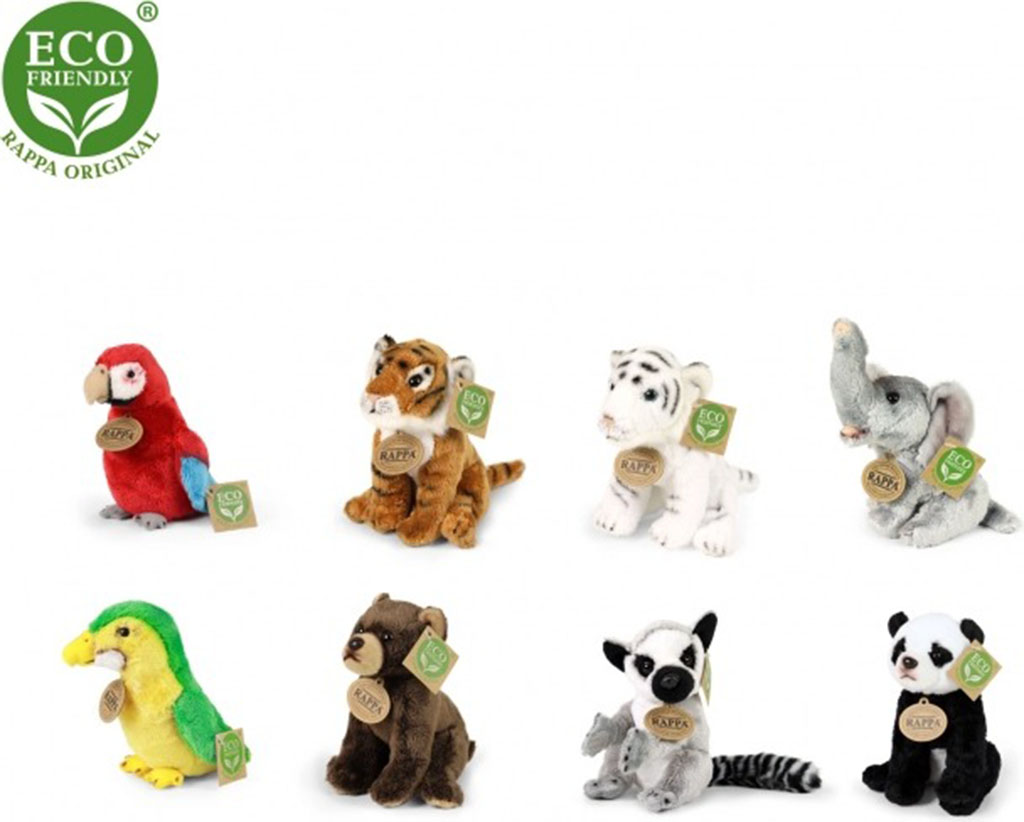
DTC brands grow by speaking directly to buyers, moving fast on colorways, and telling clear values stories. Eco-forward brands use rPET fiberfill, OEKO-TEX fabrics, and plastic-free packaging. They publish simple impact notes, not long reports. Fans respond to honesty, soft touch, and real washability. Price can be higher if handfeel and mission are strong.
Signals of a rising DTC/eco brand
- Clean design language; consistent eyes and palette.
- Easy returns and quick customer support.
- Care instructions that actually preserve softness.
- Short videos showing real squeezes and wash tests.
Table 3 — DTC & Eco Brand Playbook (3/5)
| Pillar | Buyer Promise | What to Build |
|---|---|---|
| Softness | “Softer than expected” | Short-pile minky/velboa, sheared, heat-set |
| Transparency | “What’s inside?” | rPET option, fiber spec sheet |
| Care | “Machine washable” | Reinforced seams, laundry-bag note |
| Packaging | “No plastic waste” | Paper bands, FSC boxes, soy inks |
| Pace | “New colors often” | Tight palette, fast lab dips |
How do safety certifications, material standards, and ethical sourcing impact brand reputation?
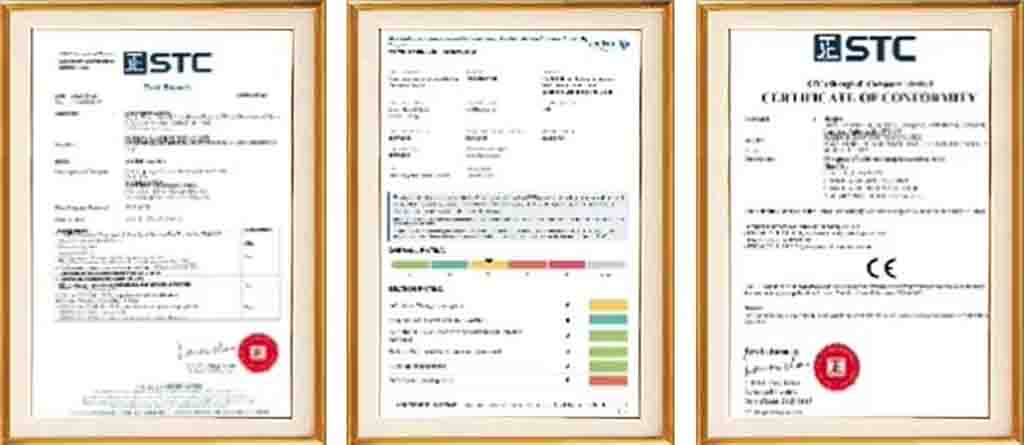
Safety and ethics move a brand from “cute” to credible. For global markets, keep EN 71 / ASTM / CPSIA reports by color and lot. Use suppliers with REACH declarations and option for OEKO-TEX or GRS (for rPET). Ethical sourcing—worker safety, reasonable hours, and audited sites—protects listings and keeps doors open with top retailers.
Table 4 — Compliance & Ethics Map (4/5)
| Area | Standard/Proof | Why Retailers Care | Practical Tip |
|---|---|---|---|
| Chemical safety | EN 71-3, CPSIA | Legal requirement | Archive reports per color-lot |
| Mechanical | Seam/small-parts tests | Real use safety | Stress test high-wear seams |
| Documentation | COA, DoC, tracking labels | Faster onboarding | Use uniform file naming |
| ESG | Audit results, policies | Brand trust & PR | Share highlights in line sheets |
What marketing, storytelling, and influencer strategies elevate top stuffed animal brands?
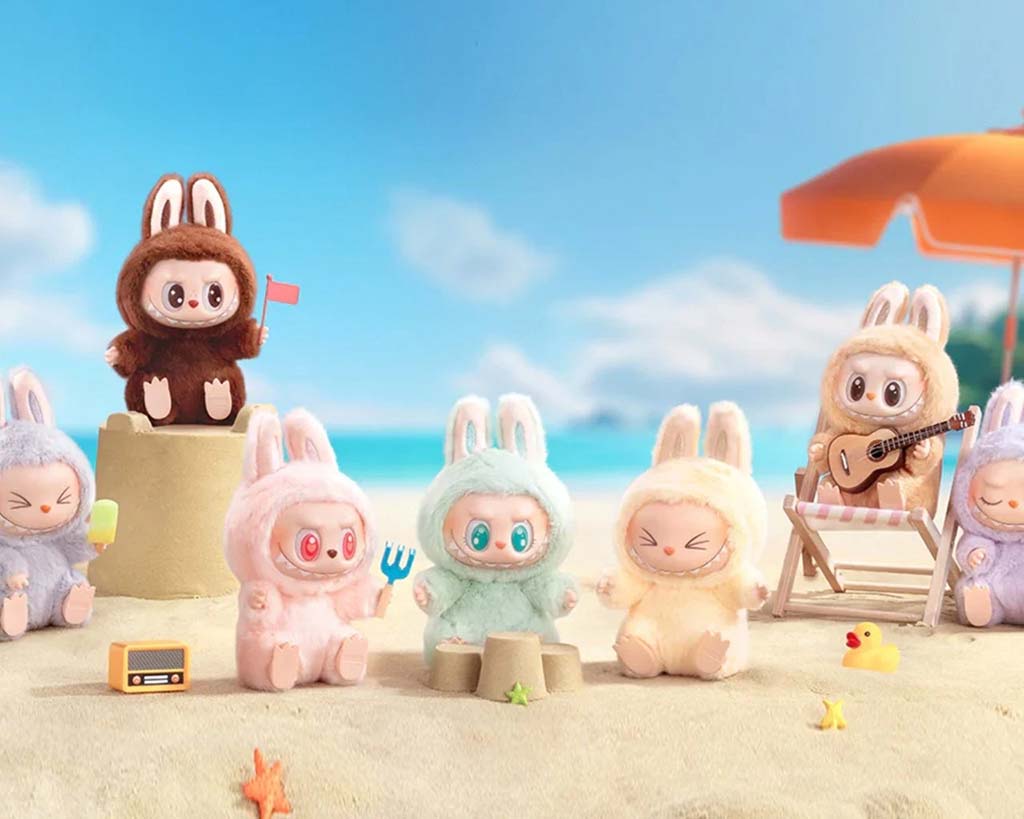
Winning brands show, not tell. They use lightbox photos, gentle squeeze videos, and UGC of shelves, beds, and gift moments. Influencer programs pick micro-creators with high save/share rates, not just likes. Email and SMS launches follow a drop calendar. Reviews are mined for words buyers use; those words go back into PDP bullets.
Content kit we send to partners
How can OEM/ODM factories align with leading brands’ standards to build long-term partnerships?
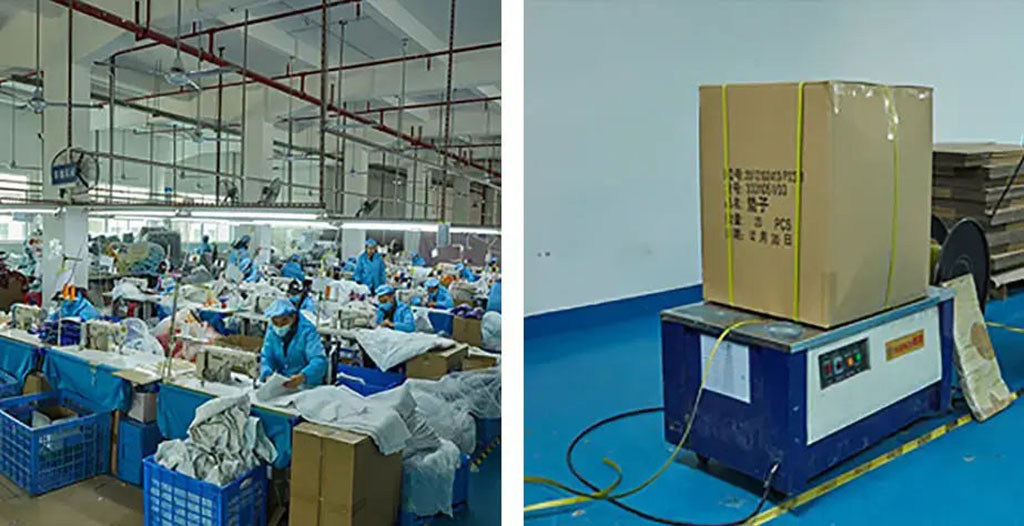
Factories must be predictable. That means stable fabrics, repeatable embroidery, on-time tests, and fast corrections. We work from a brand bible (eyes, nose, blush, palette), share pre-pro photos, and hold pilot runs for tricky SKUs. We keep a 30-day re-order path on fibers and trims. We also prepare seasonal capacity for drops.
Table 5 — Factory-to-Brand Alignment (5/5)
| Brand Need | Factory Practice | Outcome |
|---|---|---|
| Consistent faces | Embroidery fixtures + spec sheets | Recognizable brand look |
| Low returns | Reinforced seams, short-pile faces | Better reviews & margins |
| Fast onboarding | Lot-labeled test reports | Retail approvals faster |
| Replenishment | Booked fabrics, backup trims | Stay in stock in Q4 |
| ESG confidence | Audits, training, safety logs | Fewer escalations |
How I can help
I’m Amanda from Kinwin. We run OEM/ODM plush programs with CE/ASTM experience and export to the USA, Europe, Japan, South Korea, and the Middle East. Share your target buyer, price band, and launch window. I’ll propose design boards, fabric specs, packaging, and a compliance plan—so your next line feels premium and passes labs the first time.
Conclusion
A good plush toy is safe, soft, durable, and appealing while also offering branding opportunities. At Kinwin, we help global buyers develop customized plush solutions that meet safety standards and stand out in competitive markets. Contact us at [email protected] or visit kinwintoys.com to discuss your next project and explore how our factory can support your success.