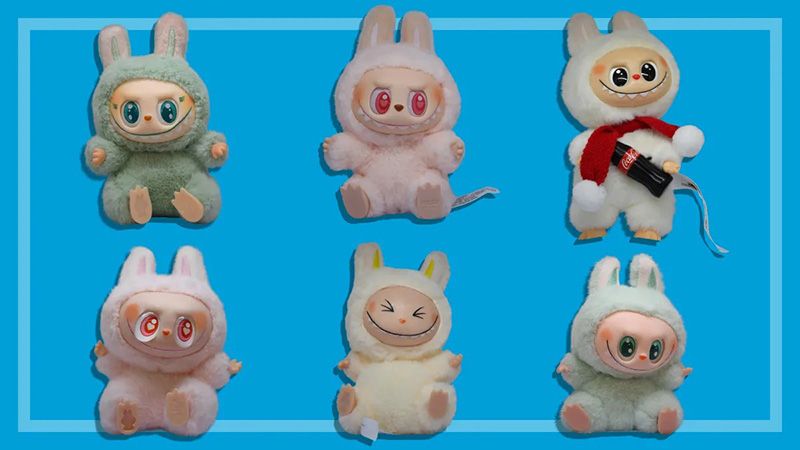
When people search “best stuffed animals”, they are not only looking for something cute. They want a toy that feels safe, soft, durable, and worth the money. For brands and retailers, “best” also means fewer complaints, strong reviews, and a product that matches your positioning.
I’m Amanda from Kinwin, a plush toy manufacturer in China. Every season I see how small choices in materials, design, and factory capability decide whether a stuffed animal feels premium or only “okay”. In this guide, I’ll walk you through what really defines the best stuffed animals in today’s market, in simple language and from a practical B2B point of view.
What qualities define the best stuffed animals in today’s market?
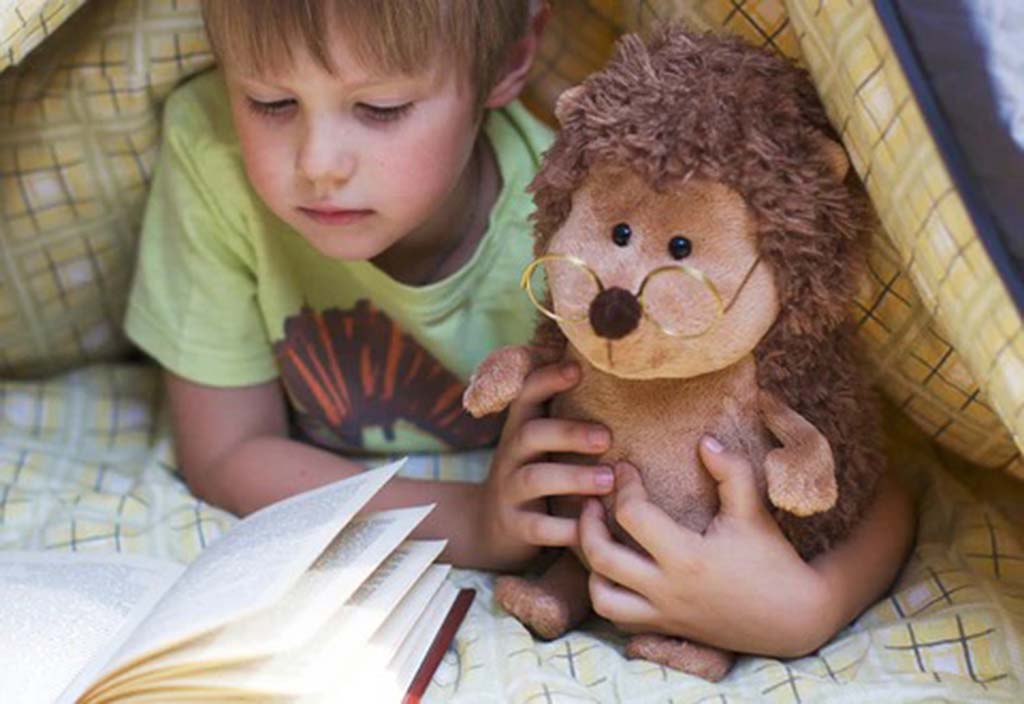
In today’s market, the best stuffed animals combine emotional value with technical quality. End customers may not use professional words, but they instantly feel the difference between a “cheap plush” and a “favorite plush”.
From my experience with global buyers, the strongest stuffed animals share these core qualities:
- Safe – No small parts for young ages, secure seams, safe materials
- Soft and comfortable – Pleasant to hug, not scratchy, not too hard
- Durable – Hold shape after many hugs and a few washes
- Appealing design – Clear personality, cute or stylish look that matches your market
- Age-appropriate – Features, size, and functions that match the target user
- Compliant – Meet relevant toy safety standards (EN71, ASTM, CPSIA, etc.)
- Consistent – Same quality across batches and reorders
- Aligned with brand story – Color, style, and packaging that match the brand
For B2B buyers, “best” also means low return rates, good margin, and reliable supply. A beautiful plush that constantly fails tests or arrives late will still damage your brand.
| Key Quality | What End Customers Feel | What You Should Check as a Buyer |
|---|---|---|
| Safety | Parents feel relaxed when child hugs or chews it | Age labels, small parts, seam strength, test reports |
| Softness | Child does not want to let go | Fabric type, stuffing quality, handfeel of samples |
| Durability | Toy survives daily play | Seams, fabric weight, stitching quality, washing tests |
| Appealing design | “This one is so cute – I want it!” | Character style, colors, expression, local taste |
| Age-appropriateness | Toy feels “right” for its user | Size, weight, features, accessories, safety eyes vs embroidery |
| Compliance | No legal trouble, smooth listing on platforms | EN71 / ASTM / CPSIA reports, CE/UKCA where needed |
| Consistency | Every unit looks similar on shelf | Factory’s QC system, AQL standard, previous batch samples |
| Brand alignment | Plush supports, not confuses, your brand image | Pantone matching, packaging, story, sustainability claims |
When you define “best stuffed animals” for your brand, try to write down your top 3 priorities (for example: “maximum softness”, “eco story”, “giftable packaging”). This gives your manufacturer a clear direction.
How do materials and construction impact softness, durability, and safety?
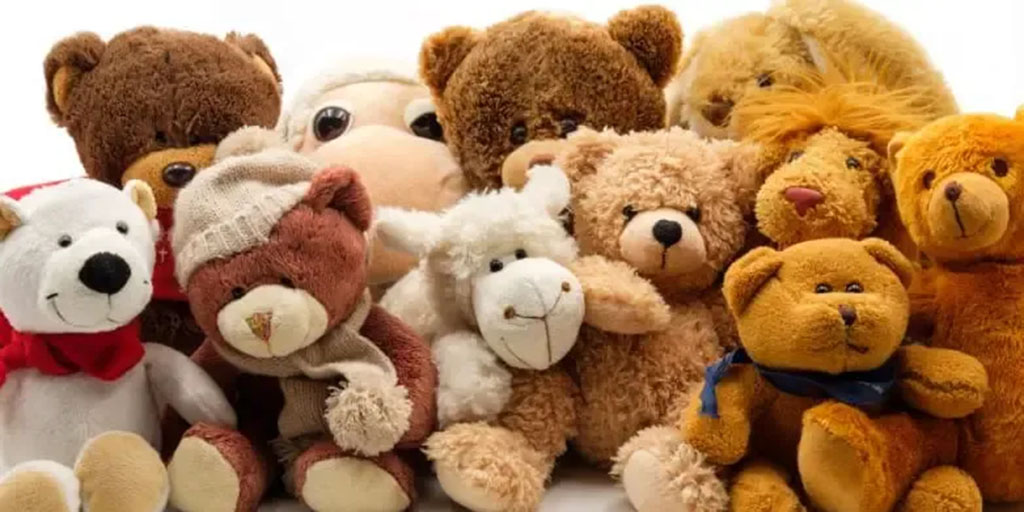
Even the most beautiful design will fail if the materials and construction are wrong. The best stuffed animals feel good in the hand because the outer fabric, inner filling, and stitching all work together.
Outer fabric
Most high-quality stuffed animals use soft plush fabrics like:
- Minky / super soft plush – very soft, great for baby and comfort toys
- Velboa / short plush – smooth, good shape definition, common for many animals
- Faux fur – longer pile for special characters or realistic animals
- Cotton / linen blends – for a “natural” or minimalist style
The fabric’s pile length, density, and fiber type decide how soft, shiny, or matte the toy looks.
Stuffing
Inside, the best toys usually use polyester fiberfill (polyfill), sometimes in finer, “microfiber” quality for extra softness. Premium toys often use layered stuffing: softer around the outside, slightly firmer inside to keep shape.
Construction
Construction covers how parts are joined:
- Seam type and seam allowance
- Thread strength
- How securely eyes, noses, and accessories are attached
- Whether there is internal support (discs, wires, frames)
All of this impacts durability and safety. For babies and toddlers, embroidered eyes and noses are often best. For older kids and adults, well-tested safety eyes and noses are acceptable.
| Component / Area | Common Options in Good Stuffed Animals | Impact on Softness | Impact on Durability & Safety |
|---|---|---|---|
| Outer fabric | Minky, velboa, faux fur, cotton blends | Directly affects handfeel | Stronger, heavier fabric = better seam performance |
| Inner stuffing | Polyester fiberfill (standard or microfiber), sometimes blends | Controls hug softness | Resilience and long-term shape retention |
| Seams | Double-stitched key points, hidden seams where possible | Indirect effect | Prevents tearing and stuffing leaks |
| Eyes & noses | Embroidery, safety eyes, fabric appliqué | Texture around face | Choking hazard control (especially for <3 years) |
| Accessories | Clothes, ribbons, zippers, Velcro | Adds play and style | Needs careful attachment and age-appropriate design |
| Internal supports | Discs, joints, wire frames (where used) | Affects pose and stiffness | Must be fully enclosed and tested for safety |
When you review pre-production samples, don’t only look. Hug them, twist them slightly, and imagine a child pulling an ear or leg. If you feel weak points, your customers will too.
Which design features enhance appeal across different age groups?
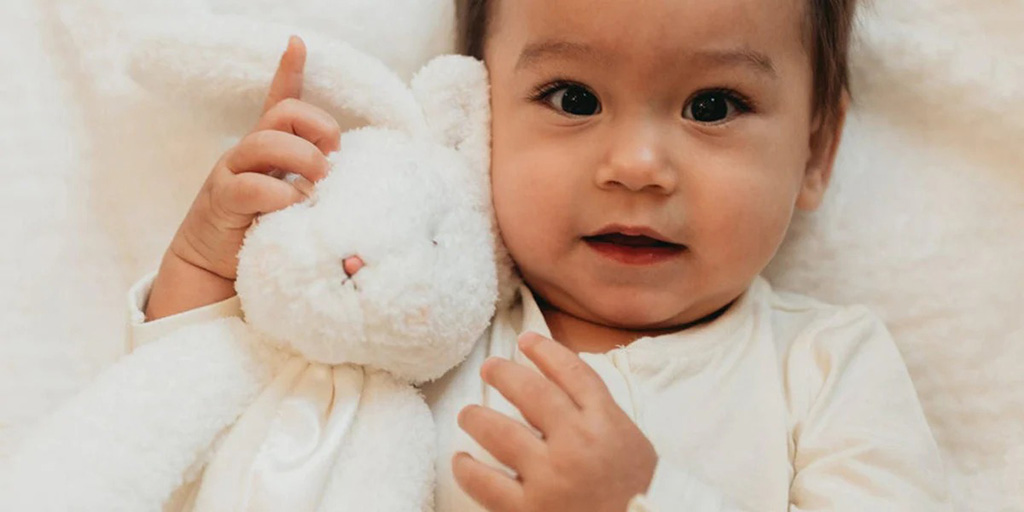
The “best” stuffed animal for a six-month-old baby is not the same as the best plush for a 20-year-old collector. Age group design is very important if you want strong sell-through and fewer returns.
Babies (0–3 years)
Parents care strongly about safety and washability. Typical features:
- Simple, friendly faces
- Embroidered details (no hard parts)
- Soft, low-contrast colors (or clear but not neon)
- Easy-to-hold size and shape
- Machine washable construction
Children (3–8 years)
Children at this age want characters, stories, and play value. Design features that work well:
- Clear personalities (pirate bear, superhero bunny, unicorn, dinosaur, etc.)
- Accessories (small bags, capes, clothes) – safely designed for age
- Bright but tasteful colors
- Sizes that fit small arms but still feel “big enough”
Tweens, teens, and adults
Here the plush function changes. Toys become decor, fashion, and comfort items. Good features include:
- Aesthetic colors that match rooms and outfits (neutrals, pastels, trendy tones)
- Minimal or “stylish” faces (small eyes, simple mouths)
- Quirky themes (food, plants, moods, memes)
- Sizes from small desk buddies to large floor plush
| Target Age Group | Key Design Priorities | Good Feature Examples | Things to Avoid |
|---|---|---|---|
| 0–3 years (babies) | Safety, softness, washability | Embroidered eyes, short soft plush, simple shapes | Small loose parts, long pile that sheds |
| 3–8 years (kids) | Character, play value, color | Capes, bags, fantasy animals, moderate bright colors | Overly fragile accessories, too “babyish” styling |
| 9–14 years (tweens) | Personality, trendiness, collectability | Cute but “cool” faces, sets, themed series | Designs that feel too childish or too serious |
| Teens & young adults | Aesthetic, comfort, decor | Pastel animals, food plush, mood plush, big cushions | Very noisy colors, low-quality fabrics |
| Adult collectors | Unique design, limited editions, quality finishing | Special fabrics, limited tags, signed editions | Poor stitching, generic designs, weak packaging |
When you plan a product line, it helps to choose one main target age and maybe one secondary group. Trying to design one plush for everyone usually leads to a bland, confusing product.
How do top brands differentiate their stuffed animals through innovation?
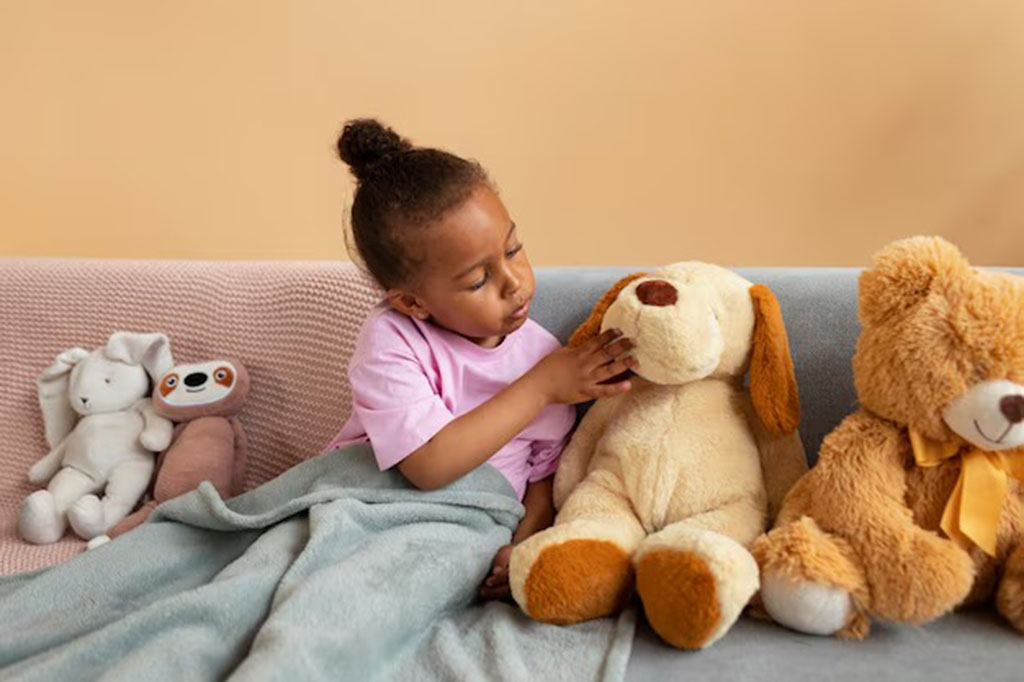
Many buyers ask, “Why do some brands charge so much more for stuffed animals?” The answer is often innovation: not only in design, but in materials, concepts, and customer experience.
Here are common innovation directions I see from leading brands:
- Material innovation
- Ultra-soft fabrics, special textures, or mix of materials
- Recycled or organic materials for sustainability stories
- Functional finishes (easy-clean, anti-bacterial for baby ranges)
- Concept and storytelling
- Strong character universes (families of characters, storybooks, animations)
- Mood and self-care themes (“comfort plush”, “anxiety buddies”, etc.)
- Plush combined with books, apps, or digital experiences
- Functional innovation
- Weighted plush for calming effect
- Convertible plush (plush that turns into a pillow, blanket, or bag)
- Sensory plush with different textures, crinkle sounds, or light modules
- Limited and collectible strategies
- Seasonal and limited drops
- Numbered editions for collectors
- Collaborations with artists, fashion brands, or influencers
For retailers and brand owners, these innovations allow higher price points and deeper emotional connection with customers.
| Innovation Type | Example Direction | Value for End Users | Value for Brands & Retailers |
|---|---|---|---|
| Material innovation | Recycled plush fabric, ultra-soft short plush | Feels special, fits eco or comfort expectations | Supports premium pricing and marketing stories |
| Story & universe | Character families, books + plush sets | Encourages repeat purchase and imaginative play | Builds IP value and licensing potential |
| Functional features | Weighted plush, convertible plush-to-blanket | Offers more than “just a toy” | Differentiates from generic plush in same price band |
| Sensory & therapeutic | Textured panels, crinkle, soft lights or sound | Helps with self-regulation and sensory needs | Opens doors to new channels (therapy, wellness) |
| Collectible strategy | Limited color runs, festivals themes, artist collabs | Exciting hunt, community sharing | Creates urgency and fan culture, if used fairly |
If you want to compete in the “best stuffed animals” category, it is smart to plan at least one innovation angle for your range, even if it is simple (for example, eco stuffing + strong story).
What certifications and safety standards classify a stuffed animal as “premium”?
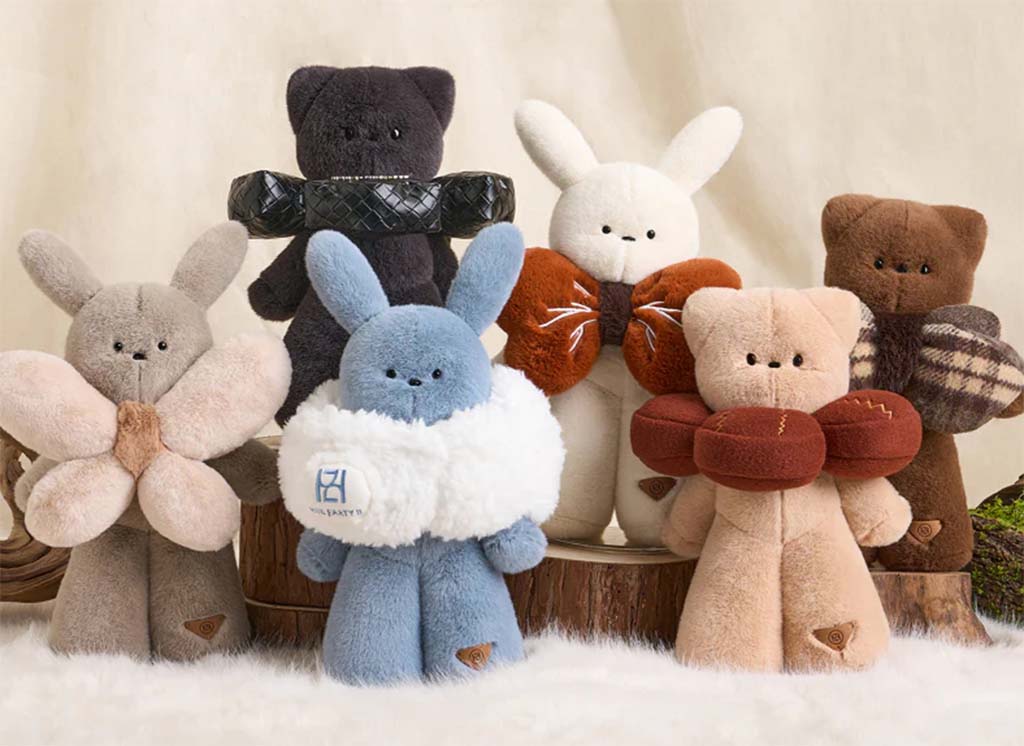
Many buyers connect the idea of “best” with safety and certifications. A truly premium stuffed animal is not only soft and cute; it must also pass strict safety tests and be produced in responsible factories.
For global markets, important product-level standards include:
- EN71 (Europe / UK) – Mechanical & physical tests, flammability, and chemical safety
- CE marking (EU) / UKCA marking (UK) – Declaration that the product meets relevant EU/UK regulations
- ASTM F963 (USA) – Mechanical, flammability, and chemical safety for toys
- CPSIA (USA) – Lead and phthalate limits, tracking labels, Children’s Product Certificate (CPC)
- ISO 8124 – International toy safety standard used by many countries
On the factory side, buyers often look for:
- ISO 9001 – Quality management system
- BSCI / SMETA / SEDEX / ICTI, etc. – Social compliance, working conditions, and ethical sourcing
- ISO 14001 – Environmental management (for some buyers)
A stuffed animal does not automatically become “premium” because it has a certificate. But when a product is tested to these standards and the factory runs under such systems, it usually shows a higher level of control and professionalism.
| Standard / Certification | Scope / Region | What It Checks | Why It Supports “Premium” Positioning |
|---|---|---|---|
| EN71 (parts 1–3) | Europe / UK | Mechanics, flammability, heavy metals & chemicals | Essential for selling in EU/UK toy channels |
| CE / UKCA marking | Europe / UK | Overall conformity with safety legislation | Visible proof of compliance for consumers |
| ASTM F963 | USA | Mechanical, flammability, sharp points, etc. | Required by many US retailers and platforms |
| CPSIA & CPC | USA | Lead, phthalates, tracking labels, documentation | Necessary for legal sale of children’s products |
| ISO 8124 | Global / various markets | Similar to EN71/ASTM in structure | Useful benchmark for many regions |
| ISO 9001 | Factory-level (global) | Quality management systems | Shows consistent processes and documentation |
| BSCI / SMETA / SEDEX | Factory-level social audits | Working conditions, ethical trade | Supports ESG claims and large retail partnerships |
| OEKO-TEX / similar | Fabrics/materials | Harmful substances in textiles | Extra reassurance for baby or eco-focused ranges |
For your own label or private brand, positioning your stuffed animals as “EN71 + ASTM tested” and produced in audited factories gives you a strong foundation for premium pricing and long-term trust.
How do pricing, sourcing, and brand reputation influence buyer decisions?
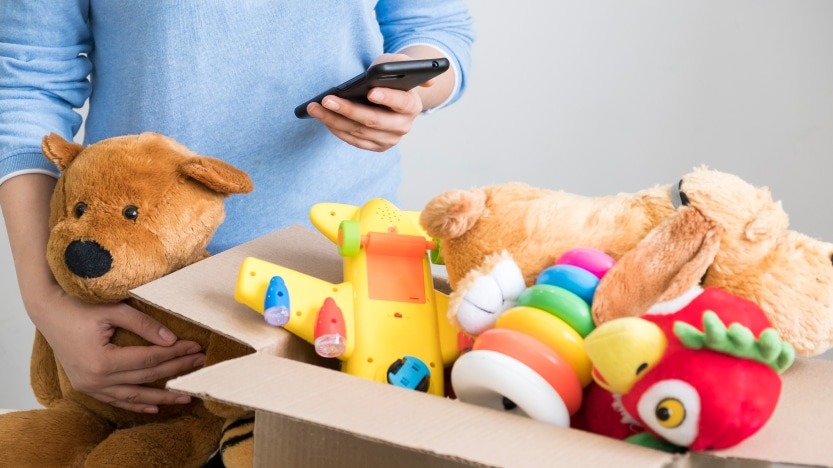
Even when a stuffed animal looks and feels great, buyers still make decisions based on price, sourcing path, and brand reputation. For B2B buyers like you, this includes:
- Wholesale price and suggested retail price
- Perceived value compared to competitors
- Factory location, lead time, and communication quality
- Public reviews and word-of-mouth
Pricing tiers
You can think of stuffed animals in rough tiers:
- Entry-level / budget – Lower price, basic materials, mass channels
- Mid-range – Better fabrics, nicer design, stronger compliance
- Premium – Very soft materials, strong brand story, tested in multiple markets, giftable packaging
Not every product must be premium. But you should be clear about which tier you want, then choose materials, complexity, and certification strategy accordingly.
Sourcing routes
Today, many buyers use a mix of:
- Direct factory partnerships in China or other manufacturing countries
- Trading companies or agents who manage multiple factories
- Online B2B platforms to discover new suppliers
- Licensed brand partnerships (for IP plush)
Direct factory relationships usually give more control and better long-term pricing, but they require more communication and some experience.
Brand reputation
For end consumers, brand reputation often decides whether they pay more for a stuffed animal. Positive reviews about softness, durability, and safety bring repeat orders. Negative reviews about smell, poorly attached parts, or safety concerns can damage sales very quickly.
| Decision Factor | How It Influences End Buyers | What You Can Do as a B2B Buyer |
|---|---|---|
| Retail price | Customers compare with nearby products | Balance material and complexity with your price target |
| Perceived value | “Does this feel worth this price?” | Invest in handfeel, design, and packaging for higher tiers |
| Sourcing path | Affects your landed cost and lead times | Choose reliable factories with clear capacity and QC |
| Delivery reliability | Late shipments = empty shelves and lost sales | Check factory planning, peak-season experience |
| Brand & product reviews | Build or break trust over time | Focus on consistent quality and honest marketing |
| Country-of-origin image | Some markets trust certain origins more | Work with partners who share clear compliance evidence |
When you aim to sell “the best stuffed animals” for your segment, try to align price, sourcing, and reputation. A very cheap plush marketed as “luxury” will confuse customers. A well-made, fairly priced plush with clear test reports and consistent reviews will keep selling year after year.
Conclusion
The best stuffed animals today are not just cute. They are safe, soft, durable, and carefully designed to match their age group and brand story, supported by solid materials, reliable factories, and proper safety tests. At Kinwin, we help global buyers develop stuffed toys that feel truly “best in class” for their market, from fabric and filling choices to design, testing, and on-time delivery. If you are planning a new plush range or want to upgrade your current collection, you are welcome to contact me at [email protected] or visit kinwintoys.com so we can explore how our factory can support your next successful stuffed animal project.