A great stuffed animal name does more than sound cute. It helps the toy feel like a “friend,” makes gifting easier, and gives a brand a stronger identity. When customers remember a name, they remember the product—and they come back for more.
From my side as a plush manufacturer working with B2B buyers, I see naming as part of product strategy. The best names fit the toy’s look and personality, work across cultures, and can scale into a full series. In this guide, I’ll break down the most common naming categories, what trends people respond to, and how brands can build unique, trademark-ready names for plush lines.
What naming categories are most commonly used for stuffed animals?
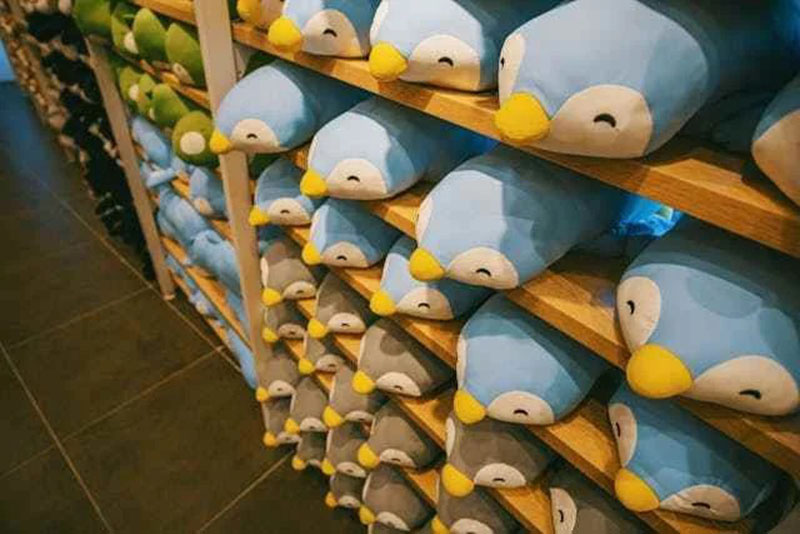
Most stuffed animal names fall into a few simple patterns. These patterns repeat because they are easy to remember and easy to say. If your goal is a name that sells, starting with proven categories is smart.
Here are the most common naming categories I see in retail and brand programs:
| Naming Category | How It Works | Examples (Style) | Why It’s Popular |
|---|---|---|---|
| Classic human names | Real first names | “Charlie,” “Lily,” “Oliver” | Feels like a real friend |
| Cute sound names | Rhymes, repeats, soft sounds | “BooBoo,” “Mimi,” “Pip” | Easy for kids to say |
| Animal-based names | Based on the species | “Bunny,” “Puppy,” “Bear” | Simple and instantly clear |
| Trait-based names | Based on a feature | “Fluffy,” “Spotty,” “Tiny” | Matches visual design fast |
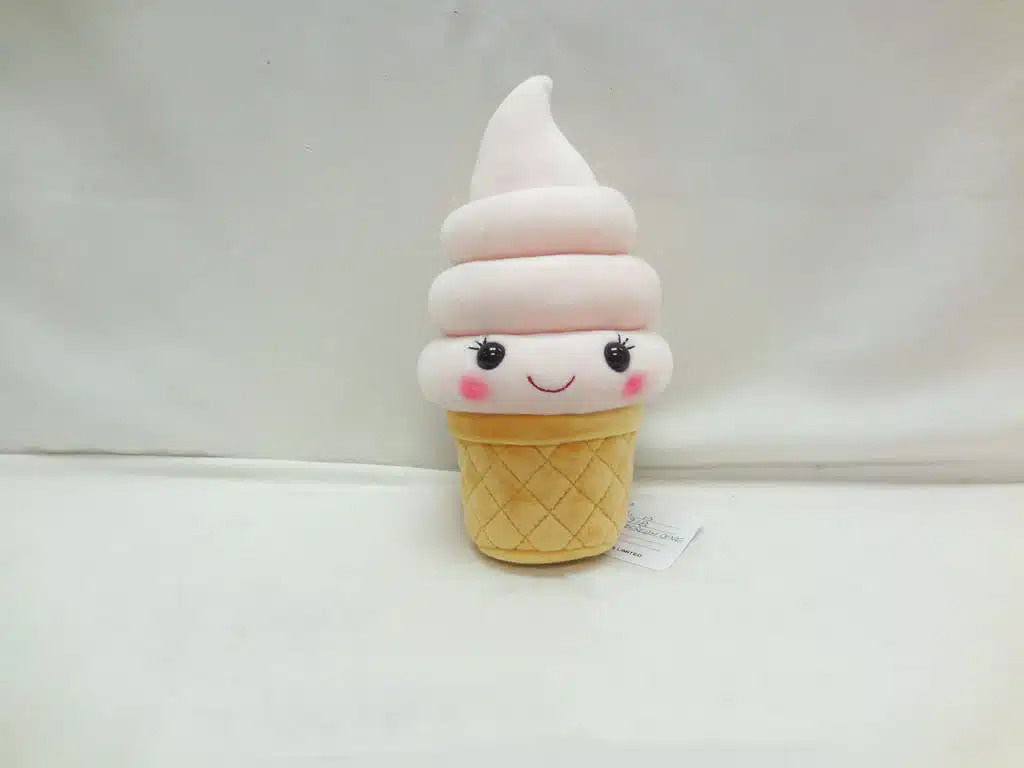
| Food and dessert names | Sweet, cozy associations | “Mochi,” “Cookie,” “Muffin” | Warm, gift-friendly vibe |
| Nature names | Plants, sky, seasons | “Willow,” “Sunny,” “Maple” | Soft and calm aesthetic |
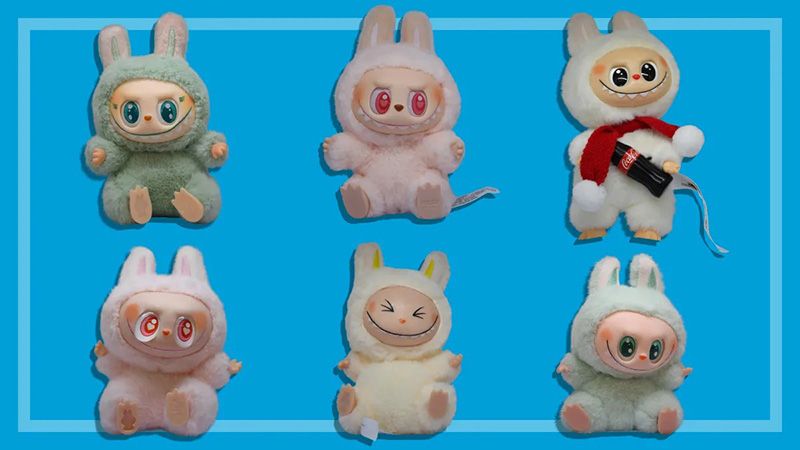
| Fantasy names | Invented, magical sound | “Lunara,” “Zippyx,” “Nori” | Feels unique for brands |
| Job/role names | The toy “is” something | “Captain,” “Doctor,” “Chef” | Strong character story potential |
For B2B plush lines, the best strategy is usually a consistent system: one naming style for the whole collection. It makes the line feel professional and easy to collect.
How do character traits and design themes influence stuffed animal names?
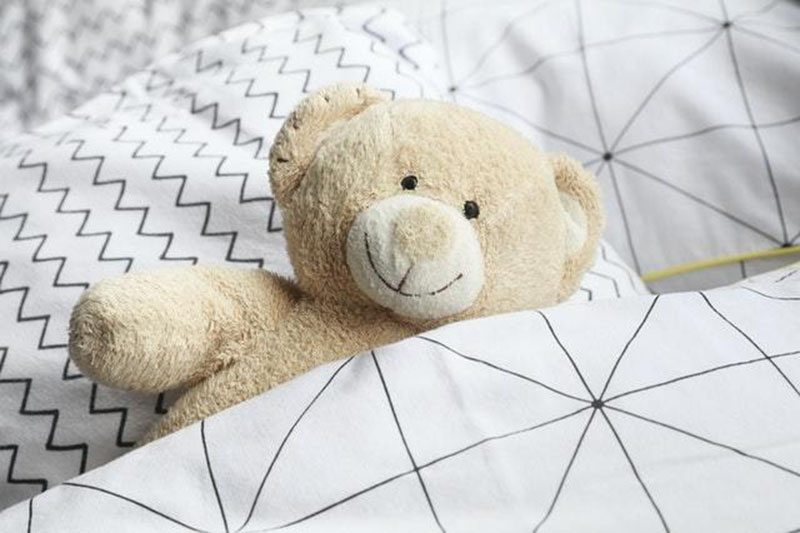
A plush name should match what customers see and feel. If the toy looks sleepy and calm, a high-energy name feels wrong. If the toy looks bold and sporty, a soft baby name may reduce its impact.
When I help clients name plush characters, I first list the toy’s “brandable traits”:
- Expression: sleepy, happy, mischievous, serious
- Shape: round, tall, chunky, mini
- Texture: fluffy, smooth, fuzzy, velvety
- Movement: floppy, springy, stiff, poseable
- Theme: jungle, ocean, dessert, space, farm
- Role: best friend, protector, travel buddy, mascot
Then I match the name to the strongest traits. This makes the name feel natural, not forced.
| Design Trait | Name Direction That Fits | Example Name Styles | What It Communicates |
|---|---|---|---|
| Very fluffy / long pile | Soft, gentle syllables | “Floof,” “Cloudy,” “Puff” | Comfort and warmth |
| Round and squishy | Short, bouncy names | “Mochi,” “Boba,” “Squish” | Fun, huggable feel |
| Sleepy face | Calm, slow names | “Drowsy,” “Luna,” “Dozy” | Bedtime comfort |
| Brave / protector vibe | Strong, role-based names | “Scout,” “Captain,” “Ranger” | Adventure story |
| Ocean theme | Light, flowing names | “Coral,” “Marina,” “Wave” | Clean, fresh mood |
| Dessert theme | Cozy food names | “Cookie,” “Pudding,” “Honey” | Giftable sweetness |
The goal is simple: a customer should look at the plush and think, “Yes, that name fits.”
Which naming trends resonate most with children, parents, and gift buyers?
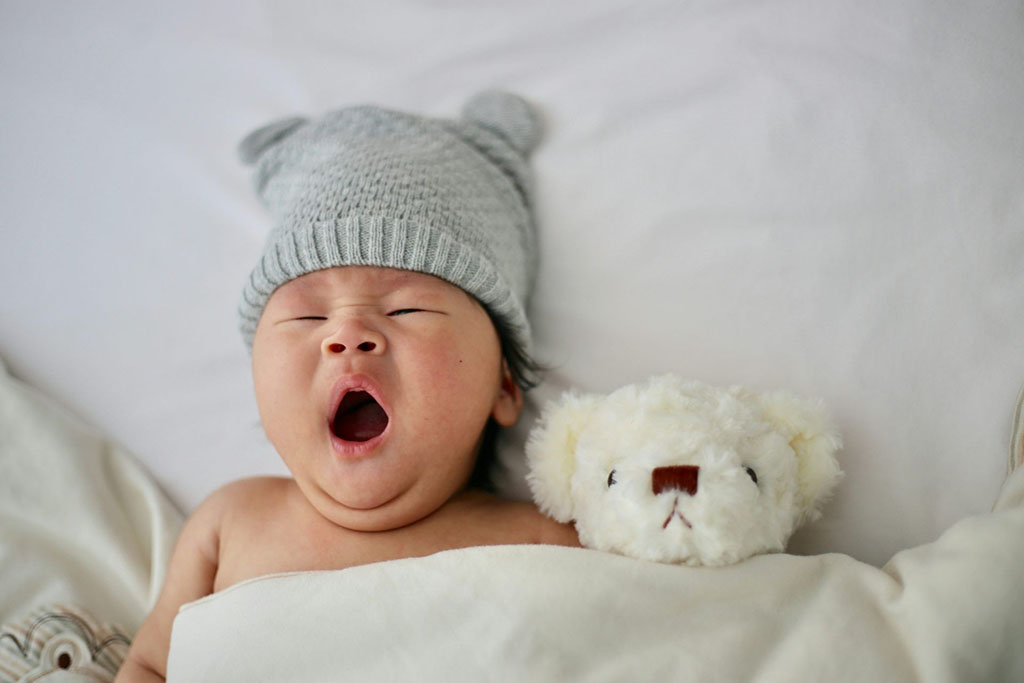
Different buyers react to different naming styles. If you sell mainly to parents buying baby gifts, “cute and calm” wins. If you target kids, “fun and easy to shout” wins. If you target gift buyers, “warm and memorable” wins.
Here are the naming trends that consistently perform well across markets:
1) Short names (1–2 syllables)
Short names are easier for kids and easier for packaging and hangtags.
Examples of style: “Milo,” “Pip,” “Lulu,” “Nina.”
2) Food-inspired comfort names
Food names feel cozy and safe. They also photograph well for social media.
Examples of style: “Mochi,” “Cookie,” “Biscuit,” “Peach.”
3) Soft “L” and “M” sounds
Names with soft consonants sound friendly in many languages.
Examples: “Luna,” “Mimi,” “Mallow,” “Lily.”
4) Story-ready names
Names that suggest a role or personality help parents explain the toy to children.
Examples: “Buddy,” “Scout,” “Sunny,” “Captain.”
You can map name choices to buyer types like this:
| Buyer Group | What They Want Emotionally | Naming Trend That Works | Name Examples (Style) |
|---|---|---|---|
| Children | Fun, easy to say, playful | Rhymes + repeats | “BooBoo,” “Pipi,” “Kiki” |
| Parents | Safe, calm, sweet | Soft human + nature names | “Lily,” “Noah,” “Willow” |
| Gift buyers | Memorable and warm | Food + “best friend” names | “Cookie,” “Honey,” “Buddy” |
| Collectors | Unique and branded | Invented + series naming | “Lunara,” “Nori,” “Kobee” |
As a manufacturer, I also watch how names look on tags and product pages. Some names are cute spoken out loud but look weak in print. A “best” name should work in both places.
How do licensed, branded, and original names differ in commercial value?
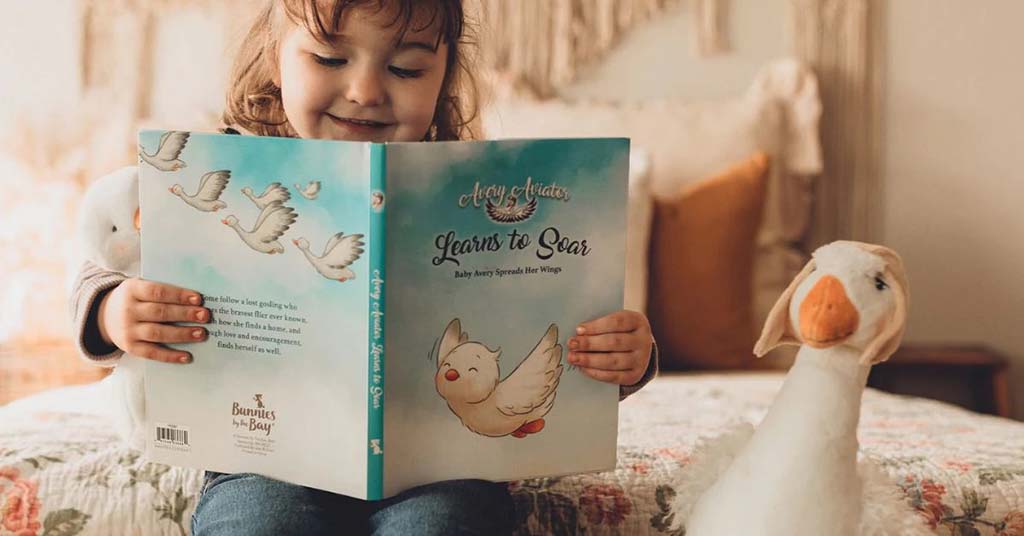
Not all plush names have the same business value. In B2B, I see three main buckets:
- Licensed names (from movies, games, and famous IP)
- Branded line names (a company’s own product family name)
- Original character names (your own character naming system)
Licensed names
Licensed names come with built-in demand. Fans already know the character, so the name drives sales quickly. But licensing brings fees, strict approvals, and limited control.
Branded line names
These are names like “Bashful Series,” “Squishy Friends,” or “Sleepy Pals.” A strong line name helps your assortment look organized and easy to collect.
Original character names
This is where brands can build long-term value. A memorable character name can become a trademark asset. It also supports story cards, animations, and social media content.
Here’s the commercial comparison:
| Name Type | Commercial Strength | Main Costs / Limits | Best Use |
|---|---|---|---|
| Licensed name | Fast demand and trust | Royalties, approvals, restrictions | Big retail programs, fan markets |
| Branded line name | Strong assortment identity | Must be protected and consistent | Building a recognizable product family |
| Original character name | Long-term brand asset | Needs marketing and consistency | DTC brands, collectible series, gift lines |
For many of my B2B clients, the best path is:
Start with original character names + a strong line name, then scale into licensing later if needed.
What role do cultural and regional preferences play in stuffed animal naming?
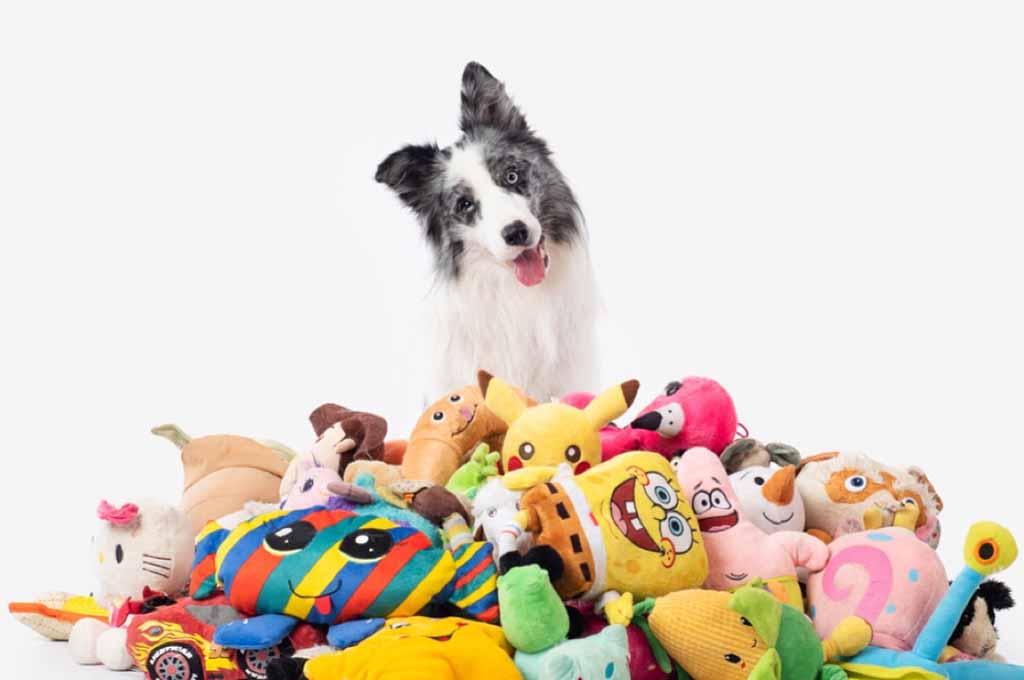
A name that sells in the US may not sell in Japan or the Middle East. Cultural and language differences affect what sounds “cute,” what is easy to pronounce, and what meanings people attach to words.
Here are practical issues brands must consider:
- Pronunciation: avoid sounds that are hard for key markets
- Unintended meanings: check slang or negative meanings
- Name length: some markets prefer shorter names
- Local aesthetics: some markets like sweet names, others like cool names
- Writing systems: Roman alphabet vs. local scripts affects packaging design
A simple cross-market strategy is to use names with:
- Clear vowels (a, e, i, o, u)
- Few difficult consonant clusters
- No “th” or “r/l” heavy patterns if targeting markets where those sounds are difficult
- Positive, universal themes (sun, moon, honey, buddy, cloud)
Here’s a quick guide:
| Market Factor | What Works Better | What to Avoid |
|---|---|---|
| Global pronunciation | 1–2 syllables, clear vowels | Long names with complex clusters |
| Cross-cultural safety | Positive nature/food words | Words with possible slang meanings |
| Premium gifting | Calm and elegant names | Overly “babyish” sounds for adult gift markets |
| Collector markets | Unique invented names | Generic names that feel “cheap” |
When we support exports at Kinwin, I often recommend clients create two layers:
- a simple global name (easy to say), and
- optional local nicknames used in marketing.
How can brands develop unique, trademark-ready names for plush toy lines?
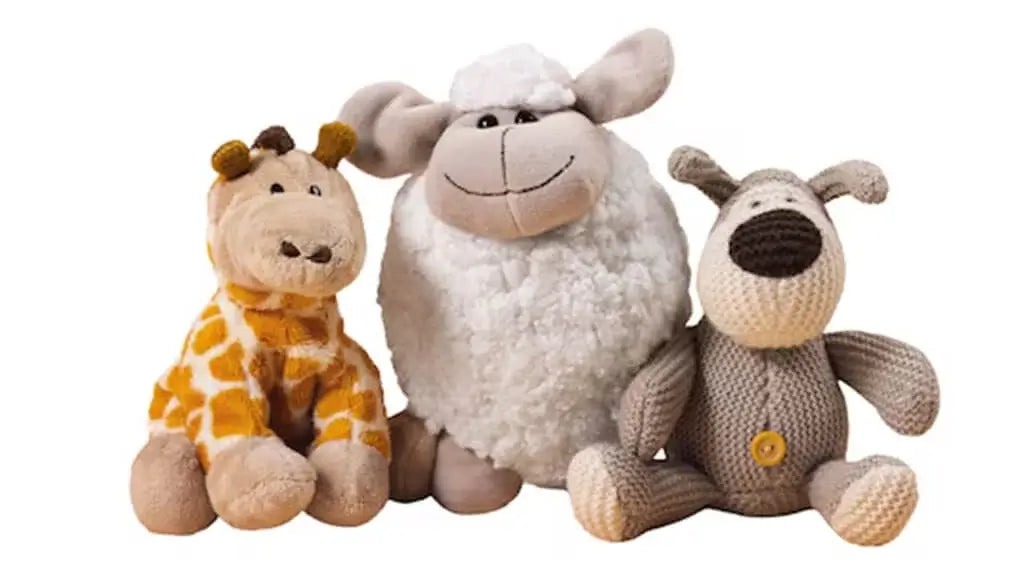
This is the most important part for B2B brands. If you want a name that can become a real asset, you need a system—not random inspiration.
Here is the process I recommend:
Step 1: Define your naming territory
Choose 1–2 themes and stay consistent:
- Cozy foods
- Nature and weather
- Space and stars
- Friendly human names
- Adventure roles
- Magical invented names
Step 2: Build a line name + character name structure
A scalable plush brand usually needs:
- Line name (the collection identity)
- Character name (each plush’s personal name)
Example structure:
- Line: “Cloud Pals”
- Characters: “Milo,” “Luna,” “Pip,” “Honey”
Step 3: Use a “sound rule” for brand consistency
For example:
- All names start with M/L/S
- All names are two syllables
- All names end with “-y” or “-o”
This makes the line feel intentional.
Step 4: Check availability and reduce conflict risk
Before printing 50,000 hangtags, brands should do basic checks:
- Search online for same-name plush lines
- Check trademark databases in key markets (US, EU, UK)
- Check domain availability if you want a brand site
- Check social handle availability if you plan TikTok/Instagram
Step 5: Keep names visually strong
Name design matters for packaging:
- Short names fit hangtags
- Clean spelling reduces returns and confusion
- Avoid special characters that break listings
Here’s a “trademark-ready” naming scorecard:
| Trademark-Ready Factor | Strong Approach | Weak Approach |
|---|---|---|
| Distinctiveness | Invented or uncommon word | Generic “Cute Bear” style |
| Pronunciation | Easy globally | Difficult consonant clusters |
| Searchability | Unique enough to find online | Too common, hard to rank |
| Scalability | Works as a series | Only fits one toy |
| Brand fit | Matches your style and story | Feels random and inconsistent |
What I advise B2B buyers to do next
If you’re building a plush line, I suggest you create:
- 1 line name
- 12–30 character names
- A simple naming rule (sound + theme)
- A shortlist of “hero names” for bestsellers
This makes product development faster, supports packaging and storytelling, and improves SEO because customers can search your name directly.
At Kinwin, we can support this work during ODM development: once the character design and product direction are clear, naming becomes much easier—and we can align hangtags, packaging, and brand visuals around it.
Conclusion
A good plush toy is safe, soft, durable, and appealing while also offering branding opportunities. At Kinwin, we help global buyers develop customized plush solutions that meet safety standards and stand out in competitive markets. Contact us at [email protected] or visit kinwintoys.com to discuss your next project and explore how our factory can support your success.