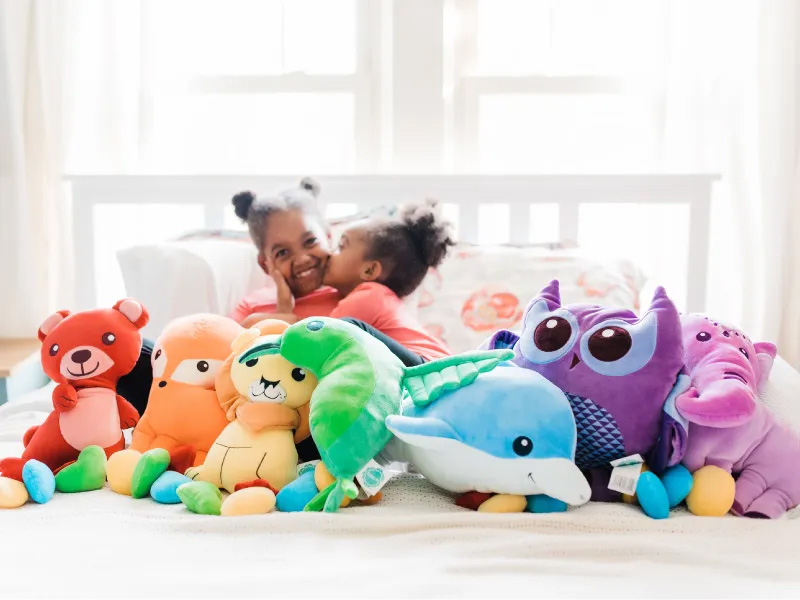
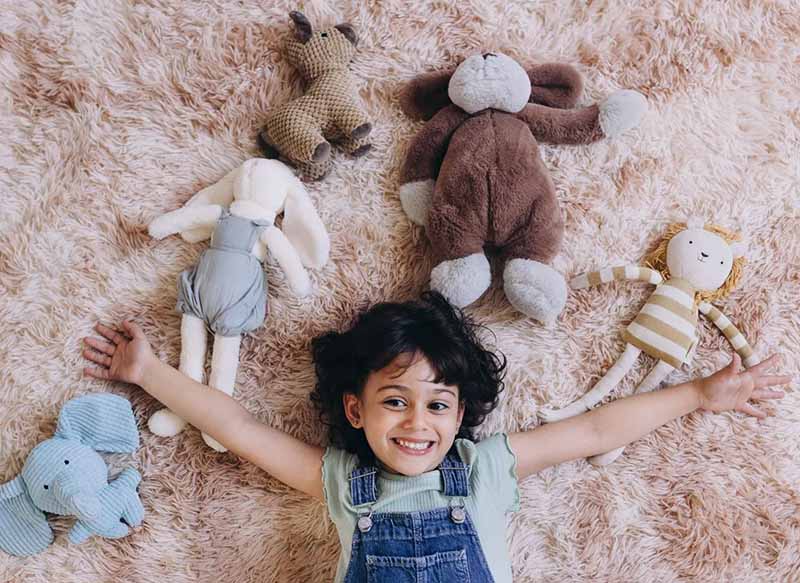
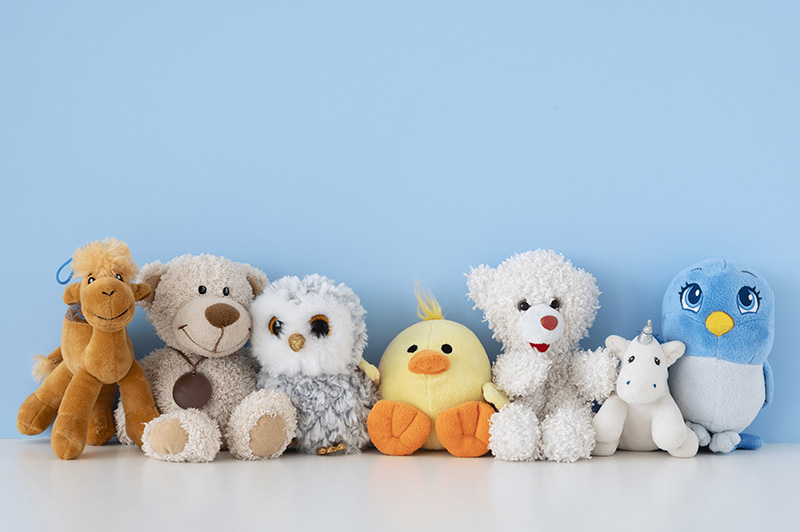
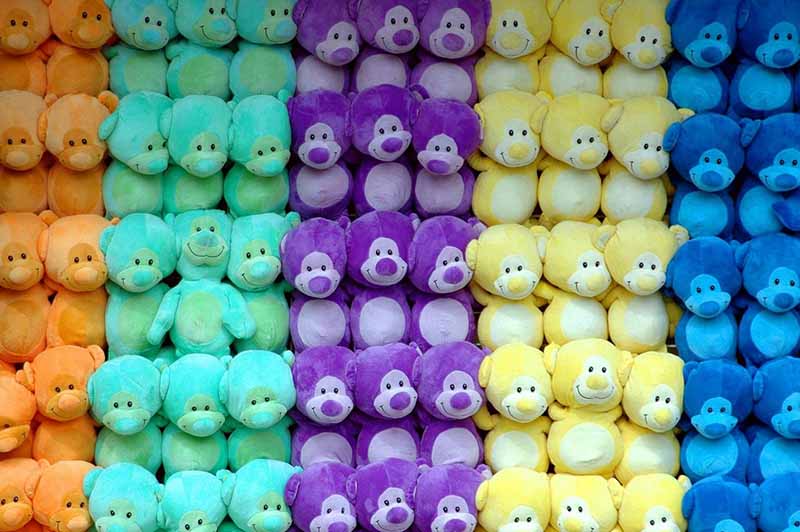
When people search for “best soft toys”, they are usually thinking about more than just cute faces. They want toys that are very soft, safe for children, strong enough for daily hugs, and worth the price.
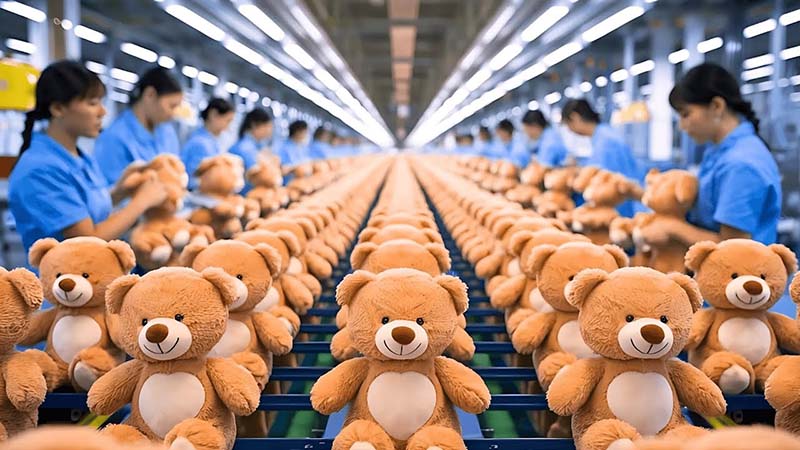
I’m Amanda from Kinwin, a plush toy manufacturer in China. Every season, I help brands, retailers, and e-commerce sellers develop soft toys for markets like the USA, Europe, Japan, and beyond. In this guide, I’ll explain what really makes a soft toy “the best” from both a parent’s view and a B2B buyer’s view, using simple English and clear structure.
What key qualities define the best soft toys in today’s market?
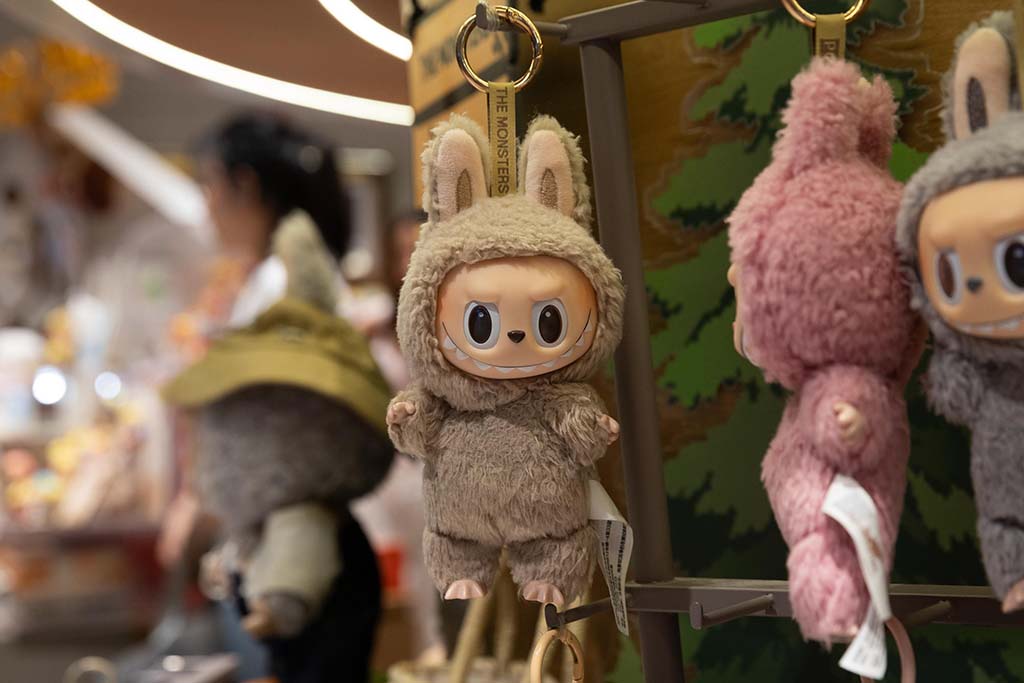
The best soft toys today combine emotional comfort with technical reliability. Children and adults want toys that feel friendly and soothing. Parents and buyers want toys that are safe, durable, and support the brand’s image.
In practice, top-performing soft toys share a group of clear qualities. When you define these early, it becomes easier to brief your factory and control your product line.
Core qualities of the best soft toys
- Safe for the target age group
- Soft and pleasant to touch and hug
- Durable under normal play and some washing
- Emotionally appealing in design and expression
- Age-appropriate in size, weight, and features
- Compliant with toy safety standards for target markets
- Consistent from batch to batch
- Aligned with brand positioning and storytelling
| Quality Dimension | What End Users Feel or See | What You Need to Control as a Buyer or Brand |
|---|---|---|
| Safety | Parents feel relaxed when children play and sleep with it | Age grade, small parts, seam strength, test reports |
| Softness | “So soft!” reaction when touching or hugging | Fabric type, pile length, stuffing quality |
| Durability | Toy still looks and feels good after many hugs and some washes | Fabric weight, thread, construction, stuffing density |
| Emotional appeal | Cute, calm, funny or stylish – clear personality | Design concept, face style, proportions, colours |
| Age-appropriateness | Feels “right” for baby, child, teen or adult | Size, weight, accessories, complexity |
| Compliance | Trust in product and brand | EN71 / ASTM / CPSIA / local standards |
| Batch consistency | All pieces look similar on shelf or in parcels | SOPs, AQL inspection, stable suppliers |
| Brand fit | Soft toy supports brand values and price level | Colour palette, labelling, packaging, marketing story |
When you start a project, write a short statement like: “We want super-soft, mid-price soft toys for kids aged 3–8 with full EN71 and ASTM testing.” This single line will guide many later decisions.
How do fabric and filling materials impact softness, durability, and safety?
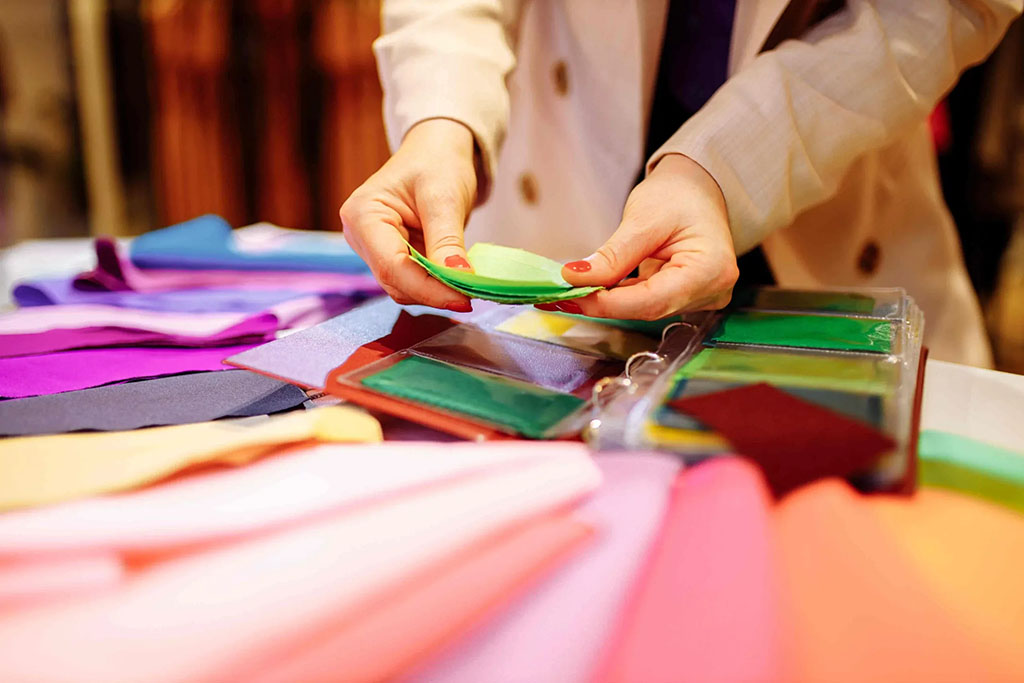
Materials decide how a soft toy feels, how long it lasts, and how easy it is to pass tests. Even with a perfect design, the wrong fabric or stuffing will make the toy feel cheap, scratchy, or unsafe.
Fabric choices
Most best-selling soft toys use one or more of these fabrics:
- Minky / super soft plush – very soft, short dense pile, perfect for comfort toys
- Short plush / velboa – smooth, low pile, great for clear shapes and embroidery
- Faux fur – medium or long pile for animal or fantasy characters
- Fleece – cozy, forgiving for sewing, good for clothing and some bodies
- Cotton / cotton blends – “natural” look, good for décor or minimalist soft toys
Fabric must be colorfast, non-scratchy, and suitable for the target market’s safety rules.
Filling and internal feel
Inside, most soft toys use polyester fiberfill (polyfill). Better-quality fiberfill gives:
- Smoother, cloud-like feel
- Better “bounce back” after squeezing
- Less clumping over time
For premium or special concepts, you may add:
- Recycled fiberfill – for eco-lines
- Plastic pellets in inner bags – to add weight in the base or paws
- Foam pieces – for cushions or special support shapes
| Material Type | Common Options for Best Soft Toys | Impact on Softness & Feel | Impact on Durability & Safety |
|---|---|---|---|
| Outer fabric | Minky, short plush, faux fur, fleece, cotton blends | Direct control of handfeel and visual look | Must resist pilling and keep colour after washing |
| Pile length & density | Short dense pile vs. long fluffy pile | Short dense = neat and smooth; long = fluffy | Long pile needs more control on shedding and tangling |
| Stuffing (fiberfill) | Standard polyfill, fine/microfiber, recycled fill | Finer fibers feel softer and more “premium” | Fill must be clean, even, and fully enclosed |
| Weight elements | Plastic pellets, glass beads (for adult/therapy) | Heavier, grounded feel; better sitting posture | Must be in secure inner bags; not for under-3 if loose |
| Small parts & trims | Embroidery, felt, safety eyes, ribbons, clothes | Affect face and style more than softness | Design must follow age rules and small parts tests |
For baby lines or very young users, I normally recommend:
- Soft minky or short plush
- Medium-soft high-quality fiberfill
- Embroidered features only
- No loose pellets or hard trims
This gives maximum softness and simplest path to safety approval.
Which construction methods create long-lasting and child-safe soft toys?
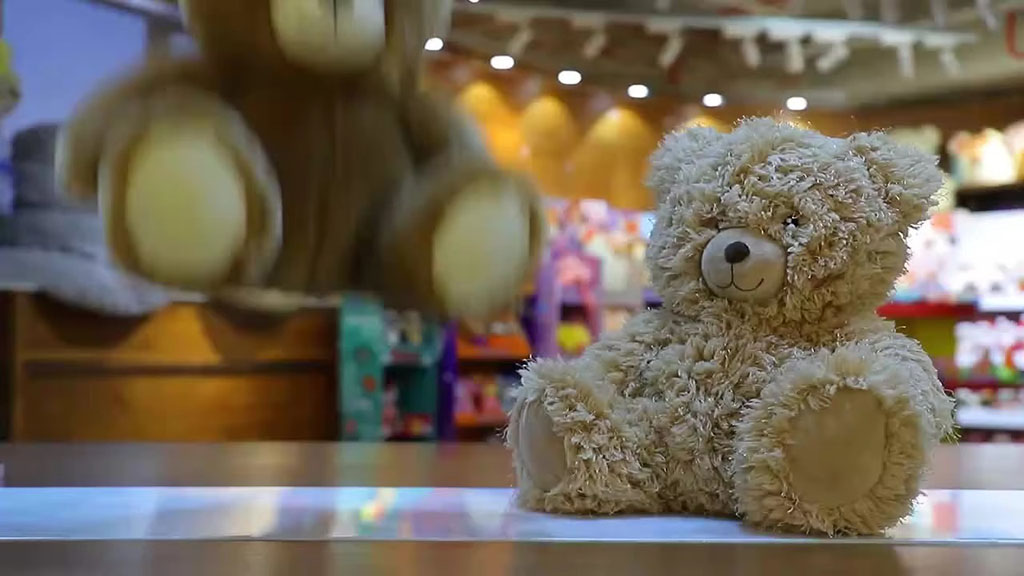
Construction is where you protect your design in real life. Good construction keeps stuffing inside, prevents seams from opening, and helps the toy keep its shape after many hugs.
The best soft toys use smart patterning and strong stitching. This is true for both handmade products and large factory runs.
Core construction principles
- Balanced pattern – clear, smooth curves and enough width in narrow parts
- Consistent seam allowance – usually 0.5–1 cm, same across all panels
- Correct stitch length – shorter on curves for smoother shapes and stronger seams
- Reinforced stress points – neck, limb joints, base, and openings
- Neat closing – invisible or clean hand stitching on final openings
| Construction Area | Good Practice for Best Soft Toys | Benefit for Product Performance | Risks if Ignored |
|---|---|---|---|
| Pattern design | Smooth curves; generous narrow parts; clear proportions | Attractive shape; easier stuffing; fewer defects | Twisted limbs, flat heads, and “wonky” silhouettes |
| Seams & stitch length | Straight stitch; 2–2.5 mm on curves; neat seam allowance | Strong, smooth seams; fewer visible puckers | Seams that open or wave after stuffing |
| Edge finishing | Zigzag or overlock on fabrics that fray | Less fraying; cleaner interior | Frayed edges that weaken seams over time |
| Reinforcement points | Double stitching at neck, arm/leg joins, and base | Resistance to pulling and shaking | Holes appearing at joints after normal play |
| Internal structure | Lining bags for pellets; joint discs when needed | Stable sitting; controlled weight distribution | Pellets shifting, leaking, or unbalanced posture |
| Final closing | Ladder (invisible) stitch or neat topstitch | Professional look; less risk of re-opening | Messy repair lines; obvious gaps at stuffing point |
Simple construction strategy by age
- Baby and toddler toys
- Strong seams, fully soft details, and no internal hard structures.
- Children’s play toys (3–8 years)
- Reinforced joints, tested safety eyes (if used), and thoughtful limb shaping.
- Teen and adult soft toys
- Can accept more complex structures, but seam quality still matters for reviews and brand perception.
If you are approving samples, always do a quick “stress test” by hand: pull limbs, squeeze the belly, and twist lightly. If you feel weakness or hear threads popping, ask the factory to adjust before you approve mass production.
How do leading brands innovate to elevate soft toy design and performance?
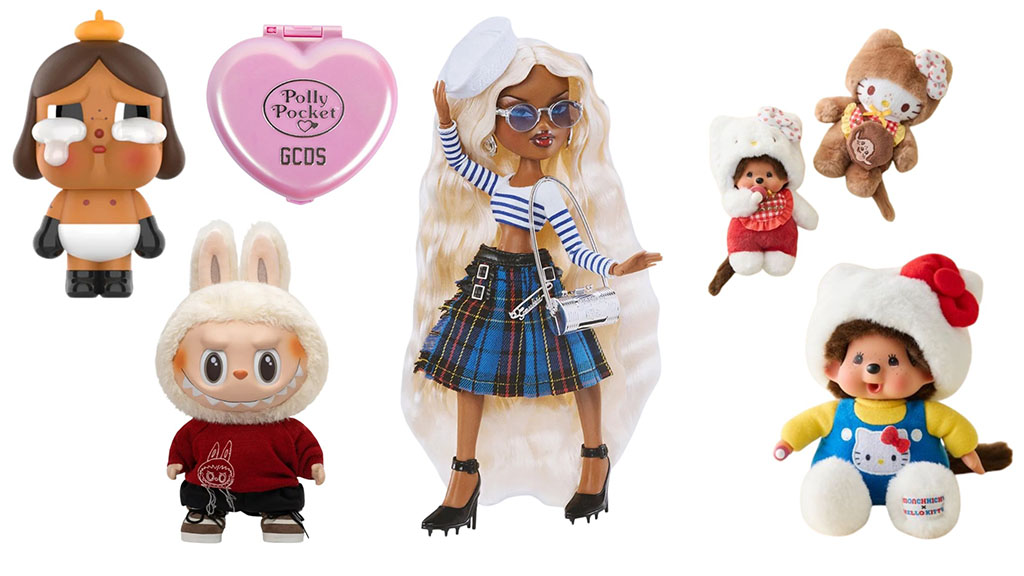
In a crowded market, “soft” is not enough. Leading brands win with innovation in comfort, function, style, and experience. They turn simple soft toys into emotional tools, décor pieces, or fandom must-haves.
Common innovation directions
- Comfort and wellness
- Weighted soft toys for calming and anxiety relief
- Very large “hugging” cushions and body pillows
- Extra-soft fabrics with signature textures
- Sensory and developmental
- Soft toys with crinkle, different textures, and gentle sounds
- High-contrast patterns for baby visual development
- Integrated storybooks or activity elements
- Lifestyle and décor
- Aesthetic pastel toys as room décor
- Soft toys shaped like food, plants, or abstract forms
- Minimalist faces that fit adult bedrooms and offices
- IP and fandom
- Soft toy versions of game, anime, movie, or music characters
- Limited editions, collaborations, and seasonal drops
- Soft toys as part of larger brand universes
- Sustainability
- Recycled fabrics and filling
- Transparent material stories and eco-labels
- Take-back or donation programs
| Innovation Area | Example Ideas | Benefit for End Users | Benefit for Brands & Retailers |
|---|---|---|---|
| Comfort & wellness | Weighted soft toys, giant cuddle cushions | Better sleep, stress relief, emotional support | Higher perceived value; new product categories |
| Sensory & learning | Textured panels, crinkle parts, gentle sound modules | Supports development and sensory exploration | Strong fit for baby, education, and therapy channels |
| Lifestyle & décor | Pastel animal cushions, food-shaped soft toys | Matches home style; more adult-friendly | Opens lifestyle and concept store channels |
| Fandom & IP | Game character plush, artist collaboration soft toys | Emotional connection; collectability | Licensing income and strong fan communities |
| Sustainability | Recycled fabrics/filling, clear eco messaging | Feel-good, responsible purchasing | Supports ESG goals and eco retailer partnerships |
| Personalisation & gifting | Name embroidery, event-themed designs | More meaningful gifts, “one-of-a-kind” feeling | Higher average order value, strong social sharing |
When you plan a new soft toy line, it is often enough to choose one or two innovation angles that fit your brand and go deep. Trying to use every trend at once can make the product confused and expensive.
What certifications and standards classify a soft toy as premium quality?
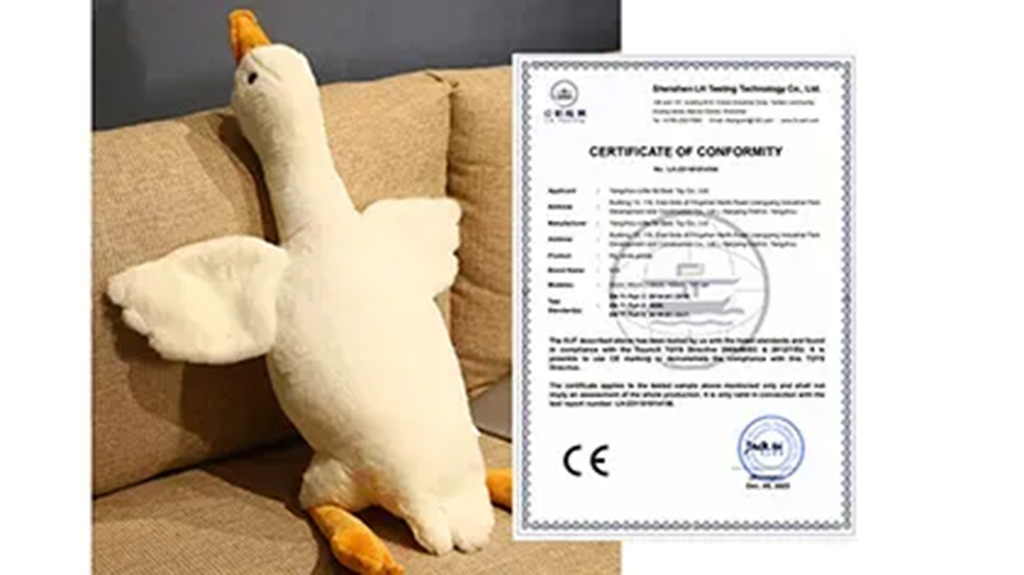
For many parents, a soft toy is only “best” if it is proven safe. For buyers and platforms, formal compliance is essential. Premium quality today includes both physical quality and a clear test and documentation trail.
Key product safety standards
- EN71 (Europe / UK) – mechanical and physical tests, flammability, and chemical safety
- CE marking (EU) and UKCA marking (UK) – show the product meets local toy regulations
- ASTM F963 (USA) – mechanical/physical tests, including small parts and sharp edges
- CPSIA (USA) – lead and phthalate limits, tracking labels, and documentation
- ISO 8124 and regional standards – used in many other markets
Factory and material related standards
- ISO 9001 – quality management system
- BSCI / SMETA / SEDEX / ICTI – social compliance and ethical sourcing audits
- OEKO-TEX or similar textile standards – for fabrics tested against harmful substances
| Standard / Certification | Level & Region | What It Covers for Soft Toys | Why It Signals Premium Quality |
|---|---|---|---|
| EN71 (parts 1–3) | Product – Europe / UK | Mechanics, flammability, heavy metals and chemicals | Required for most EU/UK toy channels |
| CE / UKCA marking | Product – EU / UK | Conformity with toy safety legislation | Visible proof of compliance on packaging and labels |
| ASTM F963 | Product – USA | Mechanical, physical and flammability safety | Required by many US retailers and platforms |
| CPSIA & CPC | Product – USA | Lead, phthalates, tracking, documentation | Legal basis for children’s products in the US |
| ISO 8124 | Product – various markets | Similar structure to EN71/ASTM | Useful for global and emerging markets |
| ISO 9001 | Factory | Quality management and documentation | Shows stable systems and repeatable quality |
| BSCI / SMETA / SEDEX etc. | Factory | Working conditions, ethics, social compliance | Important for large retail chains and big brands |
| OEKO-TEX or similar | Materials (fabrics, trims) | Harmful substance limits in textiles | Extra reassurance, especially for baby lines |
When you talk with a manufacturer, ask for recent test reports of similar products and current factory audit certificates. This quickly shows if they are used to making export-ready soft toys for serious markets, not just simple gifts.
How do sourcing strategies, pricing, and brand reputation influence purchases?
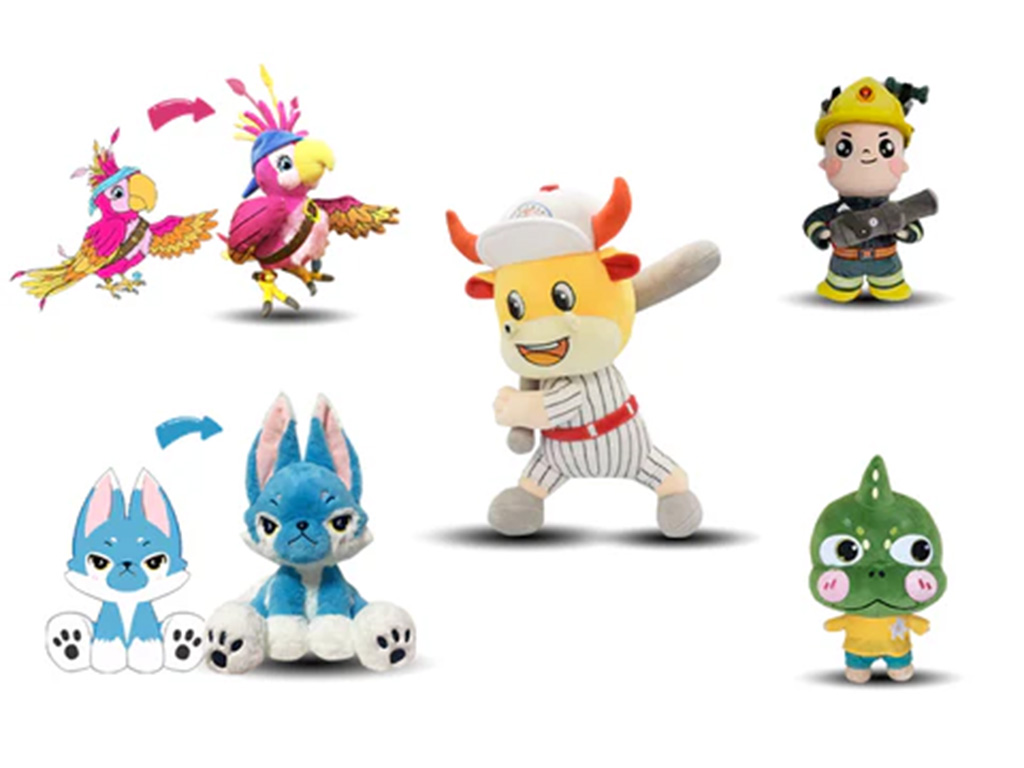
Even when two soft toys look similar in photos, buyers do not always choose the cheapest one. They judge perceived value, brand trust, and risk. For B2B buyers, sourcing path and supplier quality also shape what “best” means for their business.
Pricing and value levels
Most soft toys fit into three value levels:
- Budget – simple fabrics, basic shapes, minimal tests; good for promotions and low price channels.
- Mid-range – softer fabrics, better stuffing, nice design, full safety testing; good for most retail and stable online brands.
- Premium – top-level softness, strong brand story, special packaging, full global compliance; good for lifestyle stores, fan products, and gift markets.
If you clearly choose your target level, you can avoid “quality mismatch”, where a product feels cheap at a high price or overbuilt for a low price.
Sourcing strategies
Typical sourcing options:
- Direct from factories – more control, better price over time, but needs clear communication and development support.
- Through trading companies or agents – easier if you buy many categories, slightly higher cost, less control of actual factory.
- Through brand owners and licensors – for IP-based soft toys, with licence fees and tighter brand rules.
The “best” option for you depends on your scale, risk tolerance, and need for visibility into the production process.
Brand reputation and reviews
Parents and gift buyers check:
- Product photos and descriptions
- Verified reviews about softness, durability, and safety
- Brand history and response to customer issues
For you, this means that consistent quality is as important as initial design. A soft toy that looks great in the first batch but drops in quality later will hurt your rating and future sales.
| Business Factor | What End Customers Experience | What You Should Manage as a Brand or Buyer |
|---|---|---|
| Retail price | Compared with other options on shelf or search page | Set price to match quality level and story |
| Perceived value | “Does this feel worth this price?” | Invest in soft fabrics, clean seams, and packaging |
| Sourcing path | Indirect, but affects quality and delivery | Choose partners with real soft toy experience |
| Lead time & reliability | Stock-outs, late gifts, or delayed launches | Plan production early; check factory capacity |
| Quality consistency | Reviews mention “always great” or “sometimes bad” | Keep stable materials, patterns, and QC processes |
| Safety & transparency | Parents see clear labels and honest information | Communicate test standards and care instructions |
| Brand trust | Customers feel safe to buy again and again | Align every product with your long-term positioning |
When you want to offer the “best soft toys” in your niche, try to keep price, quality, and message in line. A well-made, fairly priced soft toy with clear safety information, clean design, and strong reviews will keep selling year after year.
Conclusion
The best soft toys in today’s market are not just cute and fluffy. They combine safe materials, smart construction, thoughtful design, and honest compliance with a clear brand story and sourcing plan. At Kinwin, we help global buyers develop soft toys that feel truly “best in class” for their customers—soft in the hand, safe for children, durable in daily use, and ready for EN71, ASTM, CPSIA and other tests. If you are planning a new soft toy range or want to upgrade your current collection, you are welcome to contact me at [email protected] or visit kinwintoys.com so we can explore how our factory can support your next successful project.