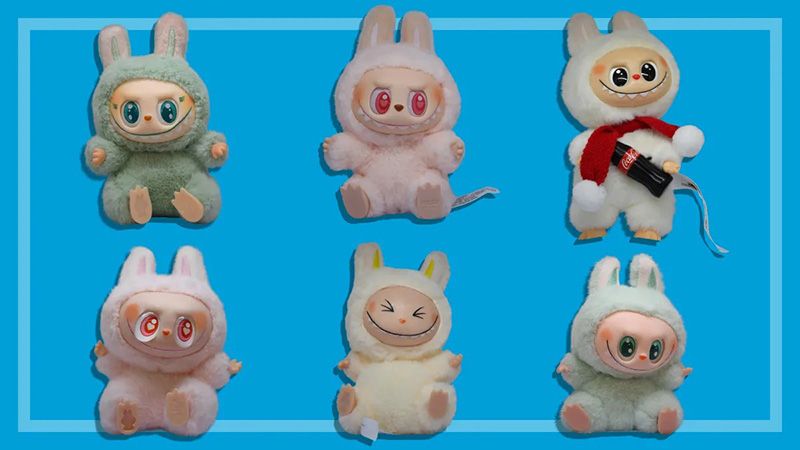
When people talk about “the best quality stuffed animals,” they don’t only mean cute faces. They mean toys that feel luxurious, last for years, and stay safe for children. For brands and retailers, this level of quality also protects reputation, supports higher price points, and reduces returns.
I work as a plush toy manufacturer in China, helping global buyers develop high-end stuffed animals for retail, e-commerce, and branded projects. In this guide, I’ll share how I look at “best quality”—from fabrics and fillings to construction, safety, branding, and price—using simple English so non-native readers can follow easily and use these ideas in sourcing or product development.
What qualities define truly high-quality stuffed animals today?
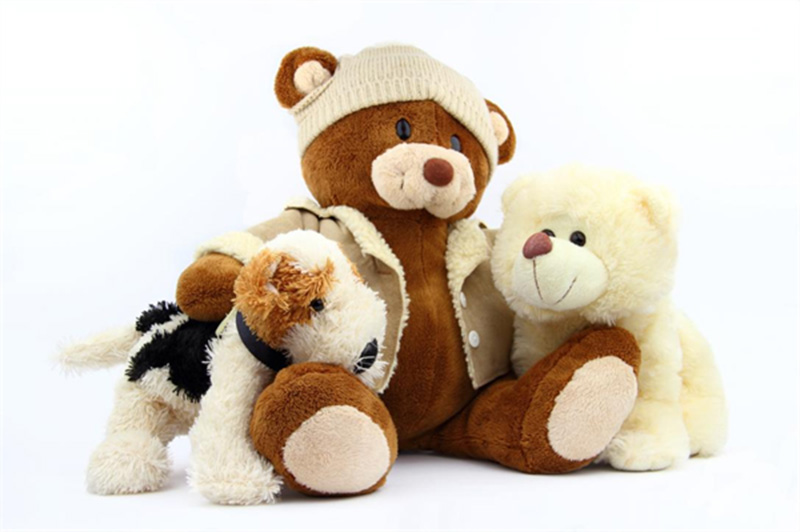
High-quality stuffed animals are a balance of many elements: touch, structure, safety, and visual design. When everything works together, your customer feels the difference within seconds—by holding the plush, squeezing it, and looking at the face.
From a buyer’s point of view, top-quality plush toys usually share these traits:
- Soft, pleasant hand-feel with no scratchy or rough spots.
- Stable shape that doesn’t collapse or twist easily.
- Clean proportions: the toy looks “right” from every angle.
- Neat seams with no loose threads or open areas.
- Safe construction for the target age group.
- Consistent quality from sample to bulk order.
For business use, quality also includes brand fit: does the plush toy match your brand’s style, values, and customer expectations?
Table 1 – Core qualities of best-in-class stuffed animals
| Quality Area | What It Looks Like in the Toy | Why It Matters for Buyers and Brands |
|---|---|---|
| Softness & comfort | Smooth plush, no rough patches, pleasant to hug | Encourages cuddling, increases emotional value |
| Shape & proportion | Balanced head–body ratio, natural pose | Looks premium in photos, on shelves, and in hands |
| Structural stability | Stands or sits as designed, no odd leaning | Reduces returns and customer complaints |
| Surface finish | Tight seams, no exposed stuffing, no loose threads | Signals care and professionalism |
| Safety | Age-appropriate design, secure parts, non-toxic materials | Protects children and brand reputation |
| Consistency | Little variation across units and batches | Essential for scaling and repeat orders |
When you combine these points, “quality” becomes something you can see, feel, and measure, not just a word in marketing.
How do premium fabrics and advanced fillings enhance durability and softness?
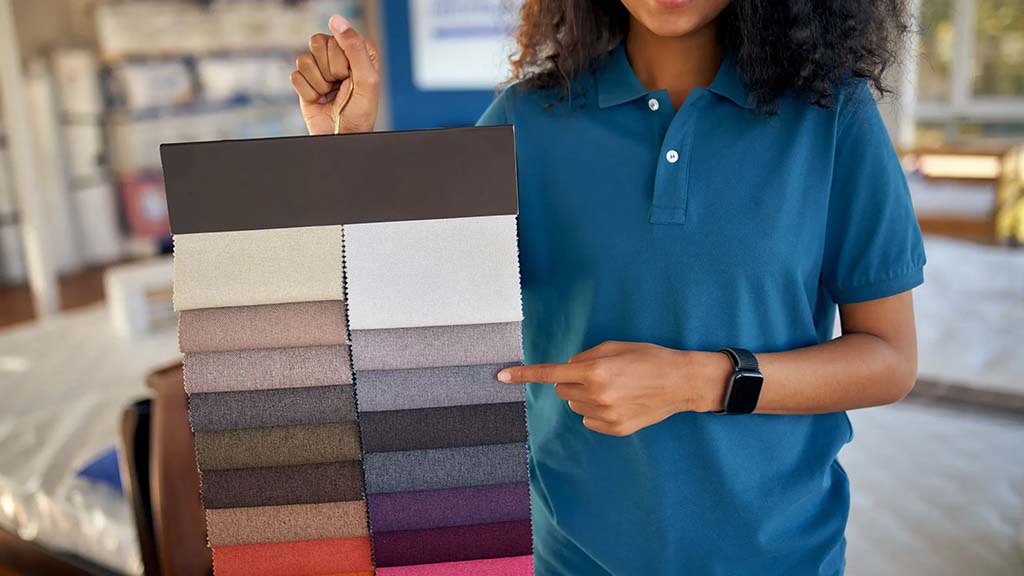
The outer fabric and inner filling are the heart of a stuffed animal. Even with a great design, poor material choices can make the plush feel cheap, flatten quickly, or fail testing.
Premium fabrics
High-quality stuffed animals often use:
- Short plush / velboa with good density for clean, sharp shapes.
- Minky / micro plush for extra-soft, baby-friendly surfaces.
- Well-constructed faux fur for realistic animals and luxury designs.
Key fabric signals of quality:
- Even color and no patchy shading (unless designed that way).
- Dense pile that doesn’t show backing too easily.
- Pile that recovers well after gentle brushing or squeezing.
Advanced fillings
Inside, the best quality stuffed animals usually use clean, high-grade polyester fiberfill with good “bounce.” Some premium lines also use:
- High-resilience fiberfill that keeps shape longer.
- Recycled fiberfill for eco-focused brands (still needs to pass all tests).
- Weighted pellets in inner pouches for better sitting and a calming feel.
The goal is a soft but not floppy toy: easy to hug, but still structured enough to keep its original design.
Table 2 – Fabric and filling choices in premium stuffed animals
| Component | Higher-Quality Option | Effect on Durability and Softness |
|---|---|---|
| Outer plush | Dense short plush, quality minky, stable faux fur | Smooth touch, fewer bald spots, long-term appearance |
| Pile density | Medium–high density with consistent backing | Better coverage and resistance to wear |
| Color stability | Good color fastness under rubbing and cleaning | Less fading, less risk of dye transfer |
| Stuffing | Clean polyester fiberfill, high-resilience grades | Keeps shape, resists clumping, stays pleasant to hug |
| Weighted elements | Pellets inside sewn pouches (never loose) | Better balance, premium feel, safer weight control |
| Eco options | Recycled plush and filling from reliable sources | Supports sustainability story without losing quality |
When you choose fabrics and fillings carefully, the toy feels more expensive, even before you talk about price.
Which construction methods ensure long-lasting structure and clean seams?
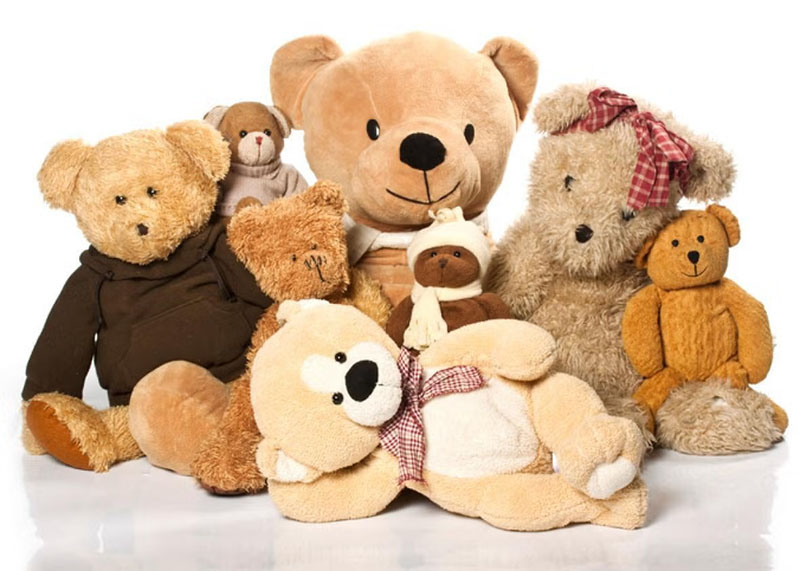
Construction is where a stuffed animal either earns its “best quality” label or fails. Good patterns and strong sewing make sure the plush holds its shape, passes strength tests, and looks neat for a long time.
Pattern and structure
High-quality construction starts with:
- Well-engineered patterns that support the intended pose (sitting, standing, lying).
- Clear shaping in head, muzzle, tummy, and limbs.
- Enough panels and darts to create round forms, not flat shapes.
Sewing and seam work
Best practices in manufacturing include:
- Straight, even stitching with correct stitch length.
- Reinforced seams at stress points (neck, joints, base).
- Hidden ladder stitch or well-finished closing seams.
- Internal reinforcement with extra fabric in high-stress zones if needed.
When you squeeze or pull a premium plush, seams should feel solid but flexible, not fragile.
Table 3 – Construction methods behind high-quality stuffed animals
| Construction Area | Premium Practice | Result in the Finished Toy |
|---|---|---|
| Pattern design | Multiple panels for complex curves | Smooth, rounded shapes with no “boxy” look |
| Seam strength | Lockstitch, double stitching at stress points | Resists pulling and rough handling |
| Stitch length | Medium-short, consistent along seams | Strong seams, clean appearance |
| Closing seams | Ladder stitch or carefully hidden closing | Almost invisible closure, more premium feel |
| Internal support | Extra fabric reinforcements where needed | Longer life, fewer seam failures |
| Quality checks | In-line inspection of sewing and stuffing | Captures defects before packing and shipping |
For brands and retailers, strong construction means fewer complaints and returns, and more positive reviews about “how well-made it feels.”
What safety certifications signal top-tier stuffed animal quality?

A stuffed animal cannot be called “best quality” if it is not safe. For children’s products, safety is not a bonus; it is a basic requirement.
High-end stuffed animals usually comply with major toy safety standards such as:
- EN 71 series (Europe): covers mechanical safety, flammability, and chemical migration.
- CE marking for toys sold in the EU/EEA.
- ASTM F963 (USA) and related CPSIA requirements for lead, phthalates, and tracking labels.
- ISO 8124 as an international reference standard.
For many large buyers, quality also means:
- Regular third-party lab testing (not just internal testing).
- Needle detection to ensure no broken needles remain inside toys.
- Documented quality systems in the factory (e.g., ISO 9001 or internal QC flow).
Table 4 – Safety and compliance signals of high-quality plush
| Area of Safety / Quality | What to Look For | Why It Indicates Higher Quality |
|---|---|---|
| Mechanical safety | EN71-1, ASTM F963, ISO 8124 test reports | Confirms seams, small parts, and construction safety |
| Chemical safety | EN71-3, REACH, CPSIA compliance | Ensures limits on heavy metals and harmful chemicals |
| Flammability | EN71-2 or equivalent tests | Reduces flammability risk |
| Factory metal control | Written needle-detection and tool-control process | Prevents hidden metal fragments |
| QC documentation | Clear inspection steps and records | Supports consistent, repeatable quality |
| Labeling & traceability | Age warnings, care labels, tracking labels | Helps recall management and regulatory compliance |
For many of my clients, the phrase “best quality” always includes “proven safe and compliant across markets”—especially when selling in both the USA and Europe.
How do leading brands distinguish themselves in premium plush markets?
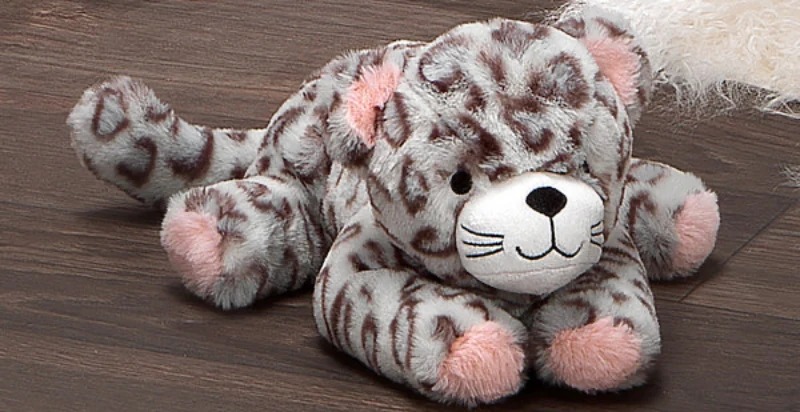
In the premium segment, leading brands don’t compete only on softness. They compete on design language, emotional story, consistency, and trust.
Some ways brands distinguish themselves:
- Signature design style – recognizable faces, shapes, and color palettes.
- High-quality photography and packaging – supports a premium feel from first contact.
- Thoughtful character design – themes around comfort, friendship, or specific lifestyles.
- Extra finishing details – custom labels, subtle embroidery, unique textures.
- Reliable restocking and updates – steady core lines plus seasonal or limited editions.
From the factory side, I see that premium brands often invest more in:
- Longer development cycles to perfect patterns and prototypes.
- Better fabric sourcing and strict color/quality approval.
- Tighter QC before shipment.
Table 5 – Differentiation tactics of premium plush brands
| Differentiation Area | What Leading Brands Typically Do | Effect on Customer Perception |
|---|---|---|
| Visual identity | Use a consistent face style and shapes | Makes toys instantly recognizable |
| Material choices | Choose soft, dense plush and clean stuffing | Customers feel “this is different” on first touch |
| Character & storytelling | Build collections around feelings, stories, or themes | Creates emotional bond and collectability |
| Branding & packaging | High-quality tags, labels, and boxes | Supports premium pricing and gifting |
| Product range strategy | Keep strong core items, rotate fresh designs | Encourages repeat purchases |
| Quality communication | Share safety standards, materials, and care tips | Builds trust with parents and gift buyers |
If you want your own plush line to feel premium, it’s not only about materials—it’s also about a clear, consistent identity and reliable quality across every batch.
How do price, sourcing, and craftsmanship impact perceived quality?
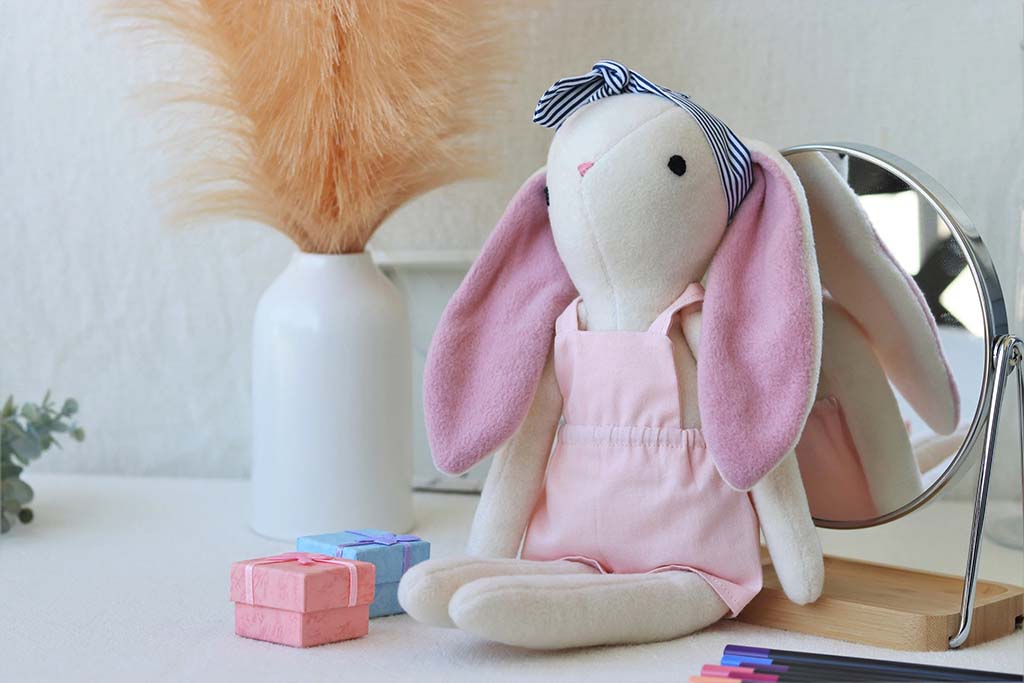
Customers judge quality not only with their hands, but also with their eyes and wallet. Price, sourcing story, and craftsmanship all shape how “high quality” feels.
Price vs perceived value
Higher price alone does not guarantee quality, but in many markets, customers expect better materials and construction when they pay more. The key is to align:
- Ex-factory cost → reflects fabric, filling, design time, and QC effort.
- Retail price → reflects market position and brand value.
If a plush feels cheap at a high price, the brand loses trust. If it feels amazing at a fair price, the brand gains loyal fans.
Sourcing and craftsmanship
From a manufacturing standpoint, perceived quality improves when:
- You work with a specialized plush factory, not a general product vendor.
- Pattern makers and sample makers have real plush experience.
- The team respects small details: face symmetry, ear alignment, seam direction, pile direction.
Customers may not know the technical language, but they see the result in the toy:
- The face looks just like the photos.
- Each piece in the box matches the sample.
- The toy feels “worth the price.”
Table 6 – How cost, sourcing, and craftsmanship shape quality perception
| Factor | Good Practice | Impact on Customer Experience |
|---|---|---|
| Ex-factory cost planning | Invest in fabric, stuffing, and QC where it matters most | Delivers real, noticeable quality |
| Retail positioning | Set price that matches materials and brand story | Helps customers feel they got fair value |
| Factory specialization | Choose factories focused on plush toys | Better engineering, stronger quality culture |
| Craftsmanship | Skilled pattern makers and seamstresses | Clean faces, balanced shapes, neat finishing |
| Sourcing transparency | Honest info on materials and safety | Builds long-term trust |
| Batch consistency | Same quality across all orders and re-orders | Strengthens brand reputation over time |
In my daily work, I often remind buyers: “You don’t need the most expensive plush in the world. You need the best quality for your target price, market, and story.” That is where a good manufacturing partner becomes very important.
Conclusion
Truly high-quality stuffed animals are the result of many connected decisions: premium fabrics and good fillings, smart construction, verified safety, a strong brand identity, and skilled craftsmanship at the factory level. When you treat all these elements as one system, you give your customers plush toys that feel trustworthy, special, and worth keeping for years.
At Kinwin, my team and I help global buyers design and produce stuffed animals that meet these standards—combining soft, tested materials, careful pattern work, strong QC, and clear communication around safety certifications like EN71, ASTM, and CPSIA. If you’re planning a premium plush line or want to upgrade the quality of your current collection, you’re very welcome to contact me at [email protected] or visit kinwintoys.com to explore how our factory can support your next project.