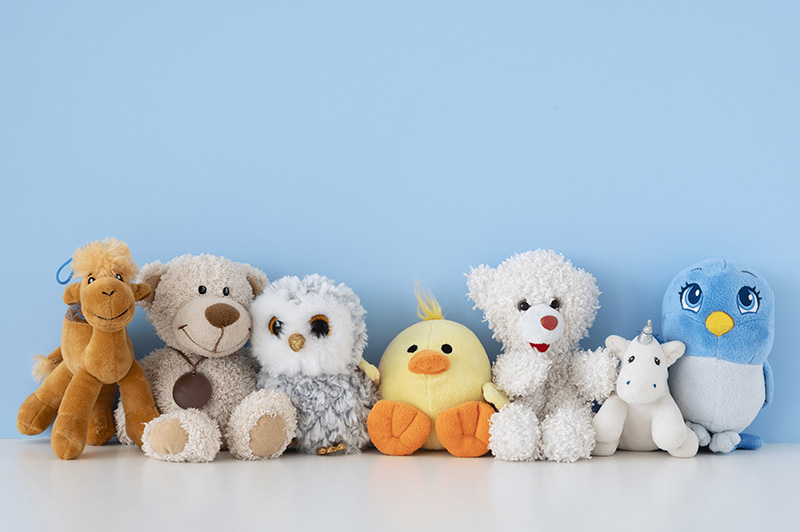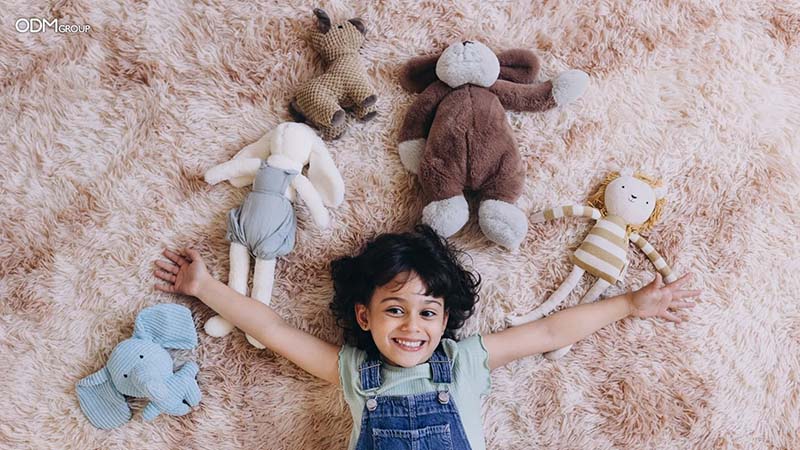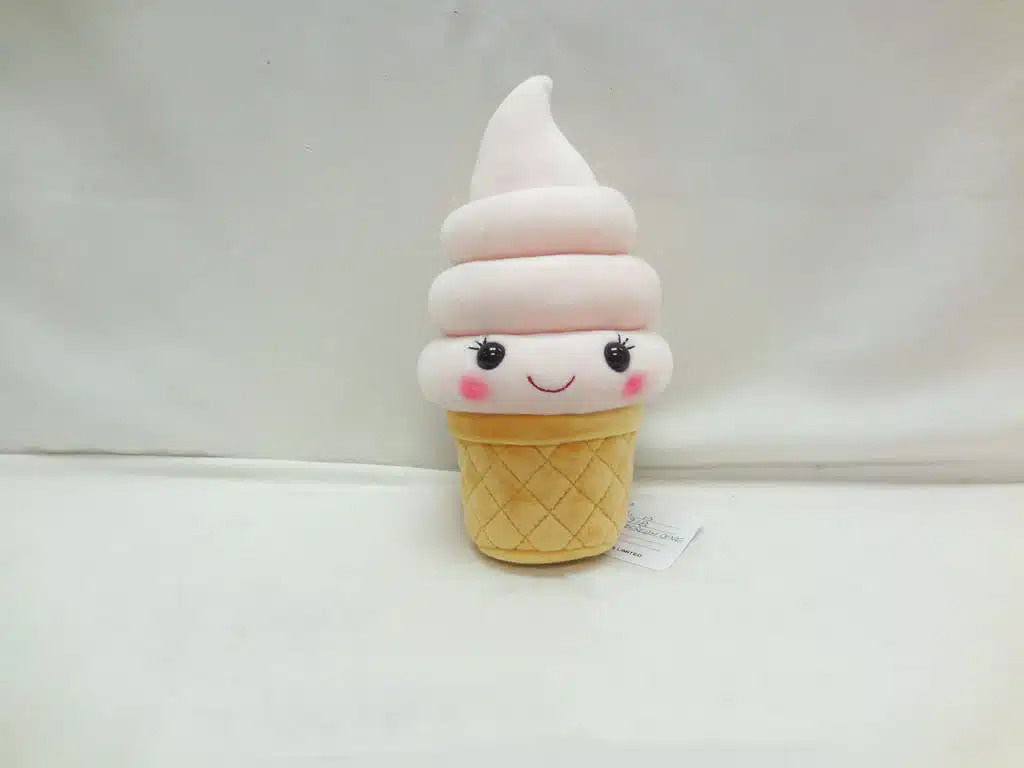
When people look for the “best plushies”, they are usually asking one big question: Which plushies feel amazing, last a long time, and are safe to love every day?
As a plush toy manufacturer in China, I see this question from both sides: buyers who care about quality and safety, and end customers who care about comfort and cuteness. In this guide, I’ll walk you through how I evaluate plushies in our factory at Kinwin, and how you can use the same thinking for your own brand, store, or home.
What qualities define the best plushies in today’s market?
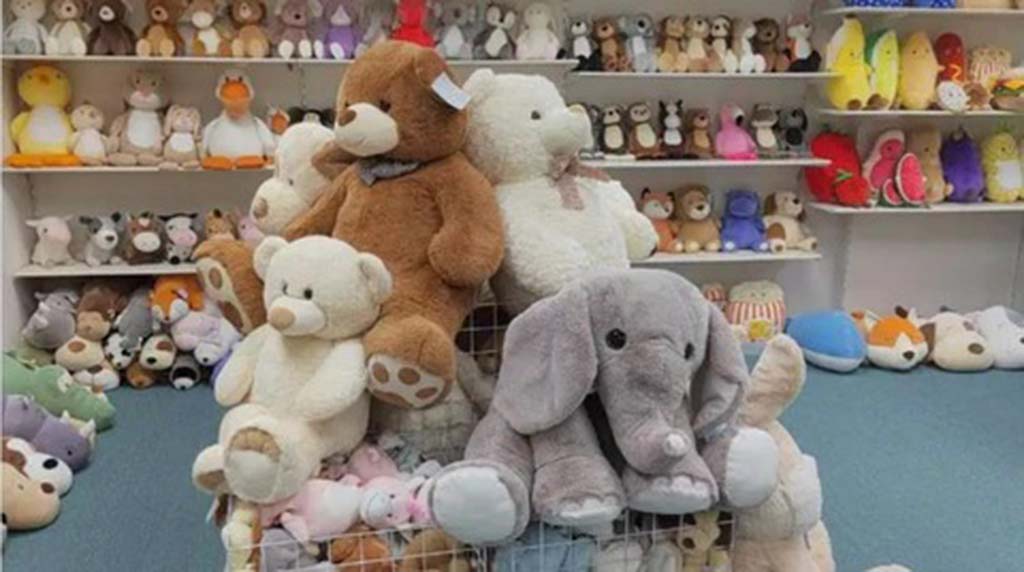
The best plushies are more than “soft toys.” They combine touch, shape, safety, durability, and emotional appeal. If one of these parts fails, the plushie may look good in photos but disappoint in real life.
When I review new samples in our showroom, I always ask five simple questions:
- Does it feel soft and pleasant when I touch it?
- Does it look balanced and cute from every angle?
- Does it feel safe for the target age group?
- Does it look like it can survive real daily use?
- Does it create an emotional reaction – “I want to hug this”?
If the answer is “yes” to all five, we are very close to a “best plushie” for that market.
Core qualities at a glance
You can use this as a quick checklist when comparing plushies or planning your own line:
Table 1: Key qualities that define top plushies
| Quality Area | What You Should Look For | Why It Matters |
|---|---|---|
| Softness & touch | Smooth fabric, no scratchy seams or hard spots | First impression; makes people want to hug it |
| Shape & proportion | Symmetrical head and body, stable sitting or standing | Looks premium on shelf and in photos |
| Safety | No loose parts, safe eyes/nose, age-appropriate design | Protects children and your brand reputation |
| Durability | Strong seams, consistent stuffing, fabric resists pilling | Fewer returns and complaints |
| Emotional appeal | Friendly expression, fitting style for the target audience | Drives impulse purchases and repeat interest |
| Value for money | Quality matches the price level and brand promise | Supports healthy profit and long-term trust |
If you are a brand owner or buyer, these points should also show in your product pages, photos, and descriptions. Customers may not use the same words, but they feel these differences very clearly.
How do materials and construction influence softness and durability?
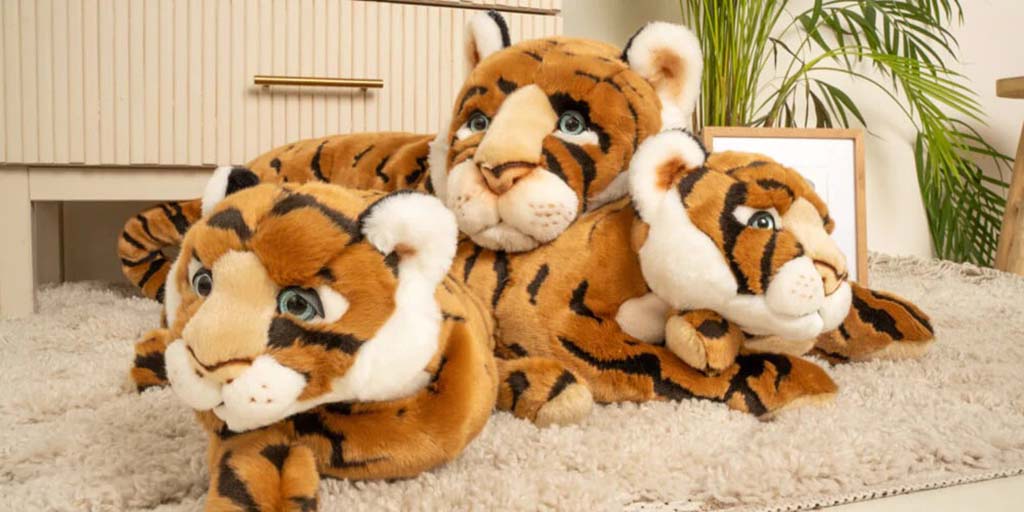
Softness starts with fabric and stuffing. Durability starts with stitching and the way we build the plushie. These two sides must work together.
In our factory, we usually focus on three material layers:
- Outer fabric – what the customer touches.
- Inner structure – linings, reinforcements, and stuffing.
- Details – embroidery, labels, accessories.
A great plushie uses the right combination for its target age group and price point.
Common materials and what they mean
Here is a simple overview of materials we often use:
Table 2: Typical plush materials and their performance
| Part of Plushie | Common Material Choices | Effect on Softness & Durability |
|---|---|---|
| Outer fabric | Short plush, velboa | Smooth, neat surface; good for prints and mascots |
| Outer fabric | Minky / coral fleece | Extra soft, cozy; ideal for baby and “super soft” lines |
| Outer fabric | Long-pile faux fur | Fluffy, high volume; great for bears and fantasy plush |
| Stuffing | Polyester fiberfill | Light, bouncy, retains shape after hugs |
| Stuffing (eco) | Recycled polyester fiber | Similar feel; supports “green” marketing |
| Extra weight | Plastic pellets / glass beads | Adds weight; used for weighted or premium plush |
| Details | Embroidery thread, felt, print | Gives expression and style; must be secure |
A plushie can use “standard” materials and still feel premium if construction is strong. The opposite is also true: expensive fabric cannot fix bad construction.
Construction details that change everything
The way we build the plushie decides whether the softness will last:
- Cutting direction
Pile direction should be consistent, so the plush looks smooth, not patchy. - Seam quality
Tight, even stitching with correct seam allowance keeps seams from opening and reduces rough edges. - Stuffing method
Layered stuffing and zone control (head, body, limbs) prevent lumps and hollow areas. - Reinforcements
Extra stitching or lining in high-stress areas (neck, joints, handles) helps the plush stand everyday pulling and hugging.
When materials and construction are aligned, the plushie feels soft on the first day and still looks good after months of love. That is what most customers mean by “best plushies,” even if they don’t use technical terms.
Which design elements enhance appeal across different age groups?
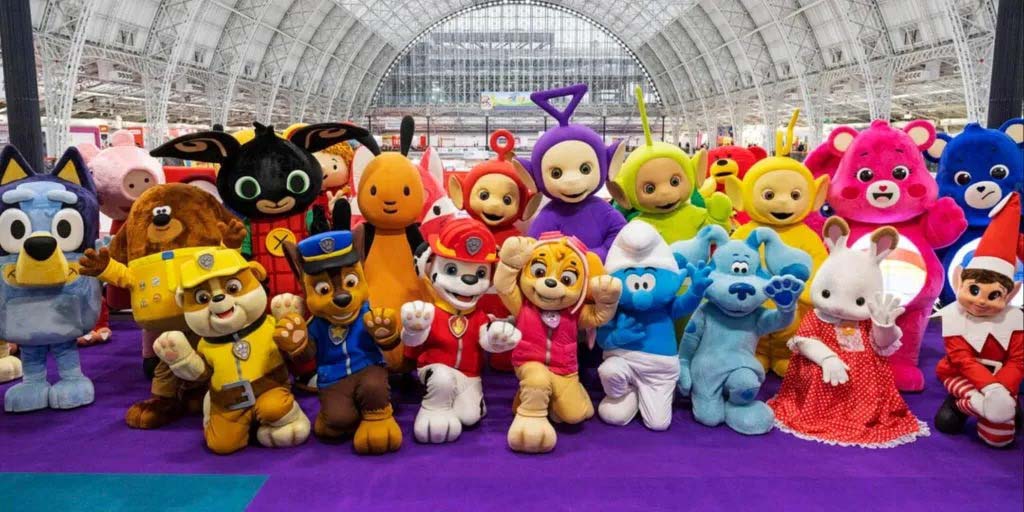
The “perfect” plushie for a baby is not the same as the perfect plushie for a teenager or a collector. Design should match age and use scenario.
In our OEM and ODM projects, we always begin with one question: “Who is going to hug this?”
From there, we adjust size, shape, color, expression, and level of detail.
Design by age group
You can use this as a simple planning tool:
Table 3: Plush design focus by age group
| Age Group | Typical Size & Style | Key Design Priorities |
|---|---|---|
| Babies (0–3) | Small to medium; rounded, simple shapes | Extra softness, embroidered features, gentle colors |
| Kids (3–7) | Medium; cute animals and characters | Clear expressions, fun colors, easy-to-hold shapes |
| Tweens (8–12) | Medium to large; themed or trendy designs | More personality, accessories, fantasy or animal themes |
| Teens & young adults | Medium to large; aesthetic or fandom-based | On-trend colors, stylized faces, social-media friendly |
| Adult collectors | Various sizes; detailed characters | High accuracy, special fabrics, limited editions |
Design details that matter at any age
Some design elements are important for all age groups:
- Face and eyes
Tiny changes in eye position and mouth curve can shift mood from “sad” to “cute” to “proud.” Friendly, relaxed faces work best for most products. - Color palette
Soft neutrals and pastels feel calm and modern. Bright colors are great for kids, but too many loud tones can look “cheap” if not balanced. - Body balance
Plushies that sit or stand well are easier to photograph and display. This helps both e-commerce brands and physical stores. - Texture balance
You can mix smooth and slightly textured areas (for example, smooth body with textured ears) to add interest without overwhelming the design.
When you connect design choices to a clear age group and lifestyle image, your plushies feel like they “belong” to your brand and your customers.
How do leading brands innovate to create standout plushies?
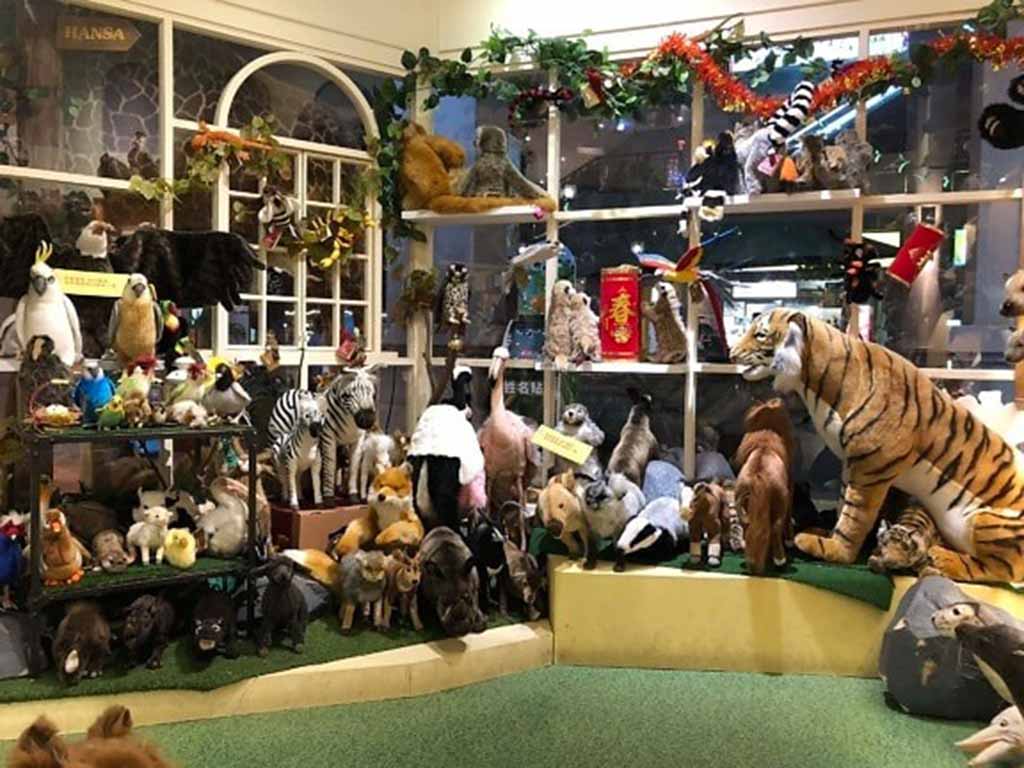
In today’s market, many plushies look similar at first glance. Leading brands stay ahead by adding something extra:
- A clear concept behind the plush line.
- A special twist in materials or function.
- A strong story that connects with a community.
You can think of innovation in three simple layers: material, function, and storytelling.
How brands push plushies to the next level
Here are some common innovation paths I see in real projects:
Table 4: Typical innovation strategies for standout plushies
| Innovation Area | Practical Examples | Effect on Customer Perception |
|---|---|---|
| Materials | Recycled plush, ultra-soft minky, mixed textures | Feels more premium, eco-conscious, or unique |
| Function | Weighted plushies, reversible designs, pockets, magnets | Adds play value and “wow” factor |
| Sensory features | Crinkle parts, gentle rattles, different textures | Supports sensory play, especially for younger users |
| Storytelling / IP | Original character world, licensed characters, lore cards | Creates emotional connection and collectability |
| Aesthetics | Minimalist “aesthetic” lines, pastel palettes, stylized faces | Fits social media and modern room decor |
You do not need high-tech features to innovate. Even a simple idea—like a calm pastel animal family with short positive phrases on the tags—can make your plushies feel different from generic products.
As a factory, our role is to turn these ideas into safe, stable, repeatable products. We help match the creative concept with realistic materials, structure, and cost.
How do pricing, sourcing, and brand reputation guide buyer choices?
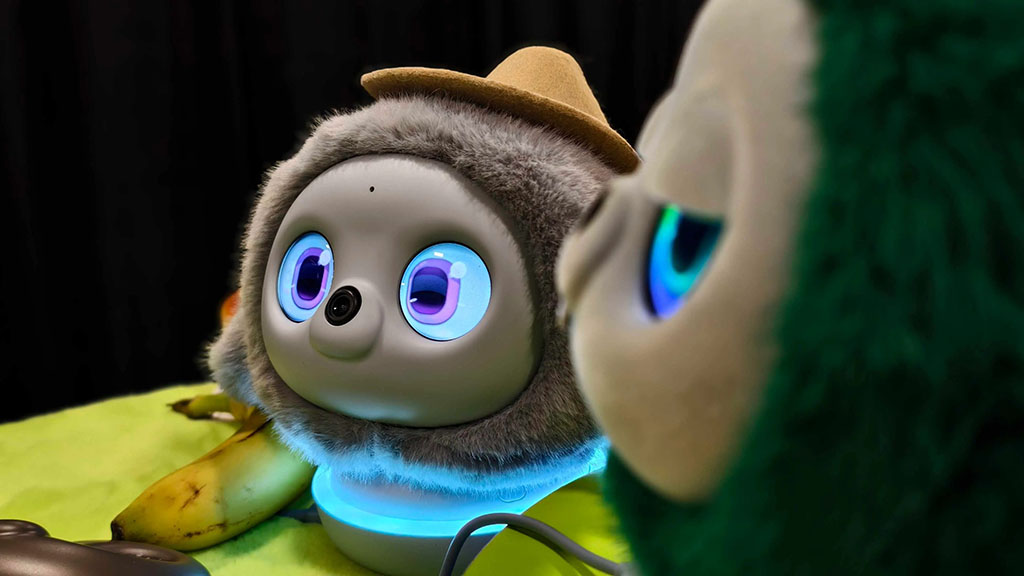
Even when you understand quality, design, and safety, you still have to work within budgets and sourcing realities. Not every plushie needs to be ultra-premium, but every plushie should honestly match its price and brand promise.
When I talk with buyers, I always see three main questions:
- What retail price do we want to reach?
- What quality level and features does that price need?
- Which factory or supplier can support this level consistently?
Different buyer profiles, different strategies
Here is a simple way to think about it:
Table 5: Pricing and sourcing strategies by buyer type
| Buyer Type | Main Focus | Sourcing Strategy That Works Best |
|---|---|---|
| Value-focused retailers | Competitive price, stable quality | Simple designs, standard fabrics, larger MOQs |
| Mid-range lifestyle brands | Good balance of design, quality, and cost | Custom characters, selective premium touches |
| Premium / boutique brands | High detail, special materials, strong storytelling | Smaller runs, more handwork, strict QC |
| E-commerce brand owners | Strong reviews, low return rates | Extra attention to sample stage and QC; great photos |
| Licensing / IP holders | Brand protection and character accuracy | Close control of samples, strict safety and color control |
Choosing the right manufacturing partner
Price is important, but the cheapest quote is not always the best deal. A reliable factory should help you:
- Choose fabrics and fillings that fit your target price and quality.
- Translate 2D artwork or ideas into realistic plush shapes.
- Provide clear samples and improve them based on your feedback.
- Maintain consistent quality across repeated orders.
- Support safety testing for your main markets.
At Kinwin, we work as an OEM & ODM partner for many different types of buyers: Amazon brands, retailers, gift companies, theme parks, and more. The most successful projects always start with an honest discussion about price, target customer, and brand level. From there, we build the “best plushies” for your situation—not just in theory.
Conclusion
The best plushies in today’s market are soft, safe, and thoughtfully designed, but they are also honest about their price and purpose. When you choose quality fabrics, strong construction, age-appropriate designs, and reliable safety standards—and partner with a factory that understands all these layers—your plushies feel better in every hug and perform better in every review. At Kinwin, my team and I help global buyers turn ideas and characters into plush collections that balance softness, durability, and brand value. If you are planning a new plushie range or want to improve an existing one, you are welcome to contact me at [email protected] or visit kinwintoys.com to explore how our factory can support your long-term success.