Choosing plush toys for infants looks simple, but many details sit behind each soft bear or bunny. Safety standards, materials, stitching, and design all matter. When these details are right, parents relax and babies enjoy safe, comforting play.
The best plush toys for infants are soft, securely made, free from loose parts, and tested to strict standards such as EN71 and ASTM. Fabrics should be gentle on skin, filling should be clean and stable, and seams must hold under daily use. Designs that add gentle sensory elements—like varied textures, subtle sounds, and simple faces—support early development while still being safe from birth.
In this guide, I will walk you through the key things I consider when helping brands design or source infant plush toys from our Kinwin factory in China. Whether you are a parent, retailer, or brand owner, you can use these principles to choose safer and more satisfying products.
What qualities define safe and suitable plush toys for infants?
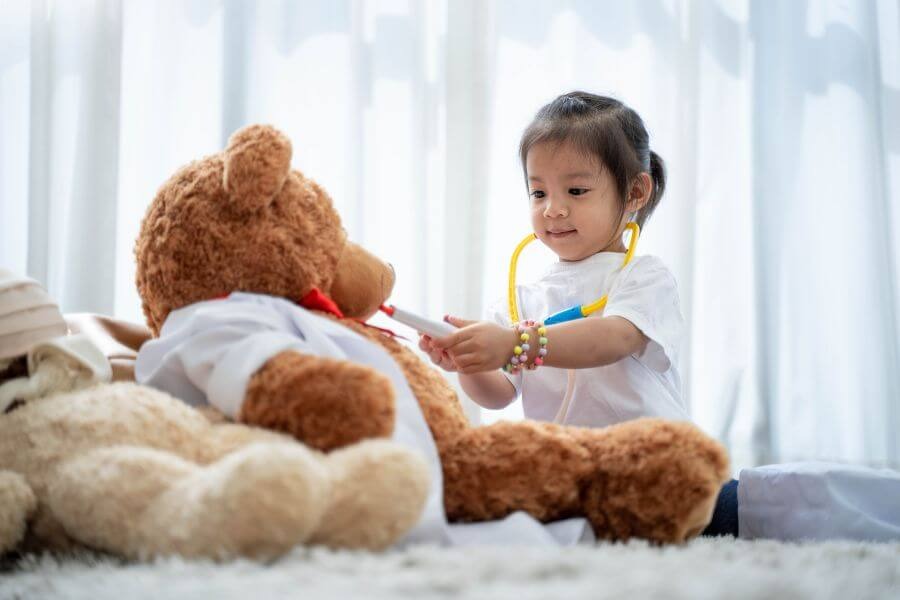
For infants, a plush toy is more than a gift. It may become a “first friend” and a daily sleeping partner. This means the toy must be extremely safe, easy to clean, and sized for small hands and mouths. Cuteness alone is not enough. You want a plush that stands up to chewing, pulling, and frequent washing without losing shape or breaking apart.
From my view as a manufacturer, the most important qualities are: no small detachable parts, strong seams, non-toxic materials, and a design that avoids sharp edges or hard internal components. Toys for infants should also be light, breathable, and simple in shape, so they do not cover the face or limit movement. If a toy can pass strict lab tests and still feel soft and friendly, it is a strong candidate for this age group.
(Image suggestion: a small infant-safe plush bunny with embroidered eyes and a soft, flat body.)
Core qualities of infant-safe plush toys
You can use this checklist when screening products or suppliers:
Table 1 – Key qualities of plush toys suitable for infants
| Quality Area | What You Should See | What You Should Avoid |
|---|---|---|
| Safety of parts | Embroidered or firmly fixed features | Hard plastic eyes that can detach |
| Seams & construction | Strong seams, no open threads or gaps | Loose stitching, exposed seam allowances |
| Materials | Soft, non-toxic, colorfast fabrics and fillings | Unknown dyes, shedding fibers, rough fabrics |
| Size & weight | Light, easy to hold, does not cover face easily | Very large, heavy toys for small infants |
| Cleanability | Clear washing instructions, holds shape after washing | Toys that deform or leak filling when washed |
Why these qualities matter in daily use
In real life, infants explore with their mouths and hands. They pull ears, bite noses, and drag toys across the floor. A weak seam or small hard part can quickly become a safety risk. At Kinwin, we run tensile tests on seams, perform needle detection, and check for sharp points because we know how tough daily use can be.
For your brand or your home, looking for these simple qualities before purchase can prevent bigger issues later. Safer, better-made plush toys build trust—between parents and your brand, and between parents and the toys they bring into their homes.
How do materials and construction impact infant safety and comfort?
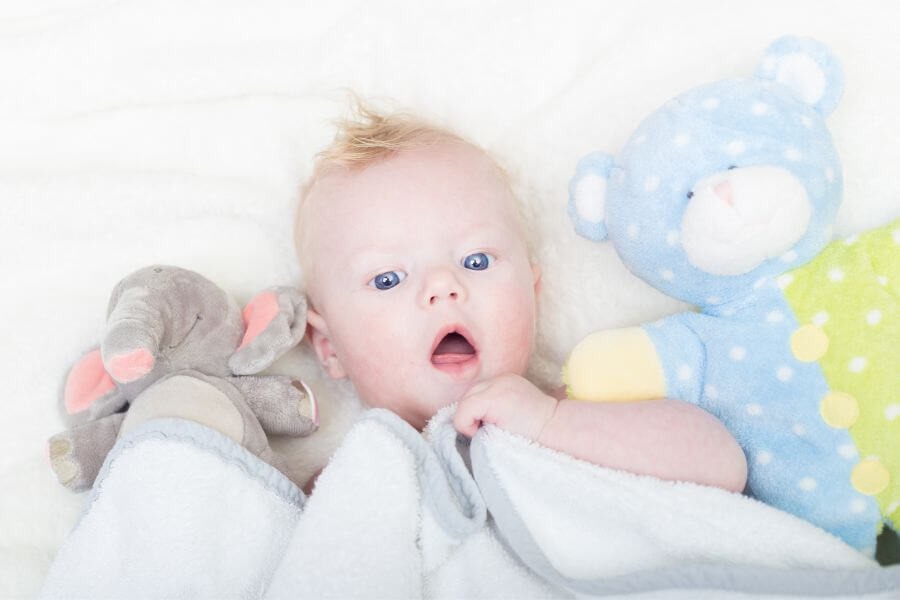
Material and construction choices sit at the heart of infant-safe plush design. Even when a toy looks similar on the shelf, the fabric composition, filling quality, and stitching methods can be very different. These hidden details decide how the toy feels on sensitive skin and how it behaves after many washes.
For infants, the ideal plush toy uses soft, breathable outer fabrics such as short-pile plush, velour, or cotton blends, combined with high-quality polyester fiberfill inside. The construction should feature strong stitching, no sharp internal parts, and securely attached labels. When all of this is planned correctly, you get a toy that feels gentle, does not shed, and stays in good condition far beyond the first few months.
(Image suggestion: close-up of high-quality short plush fabric, with seams and stitching visible.)
Comparing common fabrics and fillings for infants
Here is a simple overview of typical material choices:
Table 2 – Materials and their impact on infant safety and comfort
| Component | Common Options | Safety & Comfort Impact | Notes for Infant Use |
|---|---|---|---|
| Outer fabric | Short plush, velour, cotton knit | Soft touch, low shedding, good colorfastness | Very suitable when certified and tested |
| Outer fabric | Long plush, faux fur | Very soft but may shed more fibers | Use with caution for very young infants |
| Filling | Polyester fiberfill | Lightweight, bouncy, washable, hypoallergenic for most | Standard choice for infant plush toys |
| Filling | Recycled polyester fiber | Same feel, adds sustainability story | Great for eco-focused infant lines |
| Internal parts | Plastic rattles, crinkle film | Adds sensory interest but must be well enclosed | Ensure strong inner pouch and seams |
Construction details that make a difference
Even with good materials, weak construction can spoil a toy. Some key points we always watch at Kinwin:
- Seams: Should be tight, even, and reinforced at stress points (like arms and neck).
- Eyes, nose, and trims: For infants, embroidery or very securely anchored parts are best.
- Labels and tags: Should be soft, securely sewn, and not too long or sharp.
When you examine a sample, gently tug on ears, arms, and labels. If you see any movement in the seam or feel stitches stretch, the toy is not ready for infant use.
Comfort is also part of safety. Rough fabrics or hard stuffed areas can irritate the skin or disturb sleep. Choosing smooth fabrics and avoiding over-stuffing around the head and neck areas helps babies rest more comfortably.
Which plush toy designs best support early sensory development?
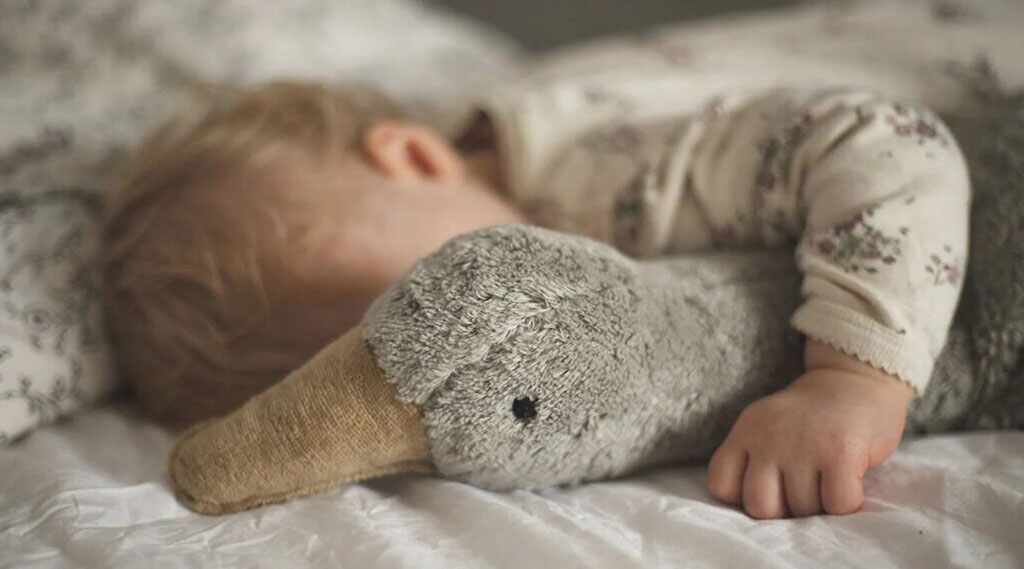
Infants learn through their senses. A well-designed plush toy can support this early development in a safe and gentle way. We often help brands combine simple shapes with thoughtful sensory details to create toys that are both calming and stimulating at the right level.
For the first months, designs with high-contrast colors, simple friendly faces, and varied textures are very helpful. Soft rattles, quiet crinkle sounds, and small tags or knots for little fingers to explore can all encourage sensory exploration. The key is balance: the toy should not be too noisy or busy. Simple, repeating elements are usually best.
(Image suggestion: an infant plush with a soft rattle inside, textured ears, and simple black-and-white facial features.)
Design types and the senses they support
You can think of infant plush design in terms of which sense it mainly supports:
Table 3 – Plush toy design types for infant sensory development
| Design Type | Main Senses Engaged | Example Features |
|---|---|---|
| High-contrast plush | Vision | Black-and-white patterns, bold color blocks |
| Crinkle-ear plush | Hearing + touch | Soft ears that make gentle crinkle sounds |
| Rattle plush | Hearing | Soft internal rattle with low volume |
| Textured plush / comforter | Touch | Mix of smooth, ribbed, and bumpy fabrics |
| Tag or knot plush | Touch + fine motor | Short fabric tags or knots for finger grasping |
Keeping stimulation safe and age-appropriate
In our factory projects, we always adjust the sensory level based on target age. For newborns, we focus on simple contrast and soft touch. For slightly older infants, we add gentle sounds and more textures.
Some key points to consider:
- Sound level: Rattles and crinkle parts should be soft, not sharp or loud.
- Placement: Textures and tags should be easy to reach but not long enough to wrap around fingers or neck.
- Balance: The toy should still feel like a cuddle object, not just a tool.
When you combine sensory features with a friendly, stable shape, infants get both emotional comfort and gentle stimulation that supports development. This is why many of our infant designs are flat comforters or small, lightly stuffed characters with added texture zones.
What certifications verify infant-safe plush toy standards?
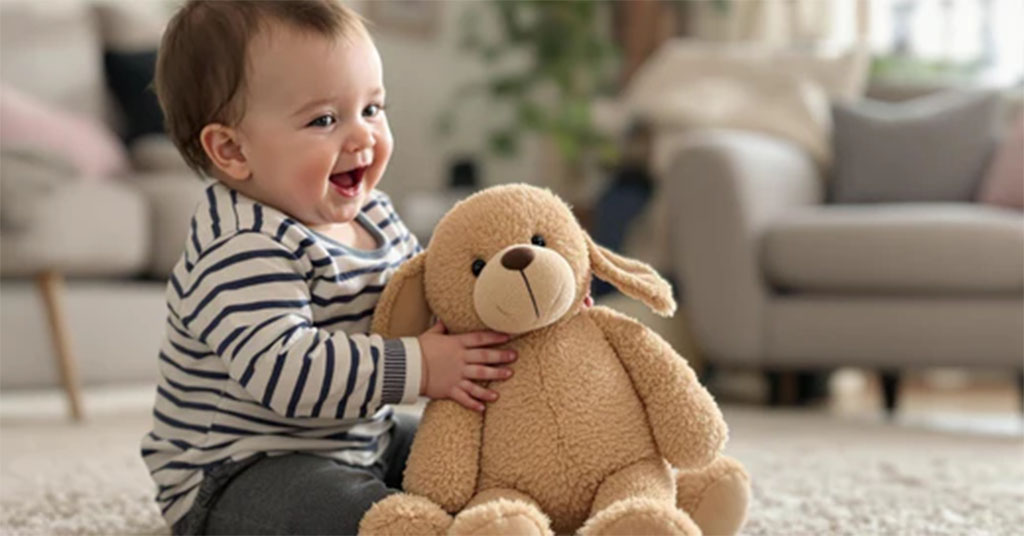
Certifications give parents and buyers confidence that a toy has been tested beyond basic visual checks. For infant plush, these certifications cover mechanical safety, chemical safety, flammability, and labeling. When you see recognized marks, you know the product meets specific rules in that market.
As a manufacturer exporting to the USA, Europe, Japan, and other regions, we work with standards such as EN71, CE marking, ASTM F963, and CPSIA. For soft goods, some brands also look for OEKO-TEX® on fabrics. Understanding these labels helps you select suppliers and products that match your required safety level.
(Image suggestion: product tags showing CE mark, EN71 text, and ASTM reference on a plush toy.)
Main certifications for infant plush toys by region
Here is a simple overview of the most common ones:
Table 4 – Key safety standards and certifications for infant plush toys
| Region / Market | Main Standards / Marks | What They Cover |
|---|---|---|
| Europe | EN71, CE marking | Mechanical safety, flammability, chemicals |
| USA | ASTM F963, CPSIA | Mechanical safety, heavy metals, phthalates |
| General fabrics | OEKO-TEX® Standard 100 | Harmful substances in textiles |
| Other markets | Local toy regulations | Often align with EN71 or ASTM-like standards |
How buyers and parents can use these certifications
For B2B buyers, these standards should be part of your supplier discussions. You can ask for test reports, certificates, and recent lab results. At Kinwin, we keep updated test records for many materials and finished products, which helps clients pass retailer audits.
For parents, looking for marks like CE or references to EN71 / ASTM on the label is a quick way to filter products. While certification is not the only sign of quality, it is a strong base. Combined with your own checks on seams, materials, and design, it helps you choose safer plush toys for infants.
How should parents choose plush toys based on age and needs?
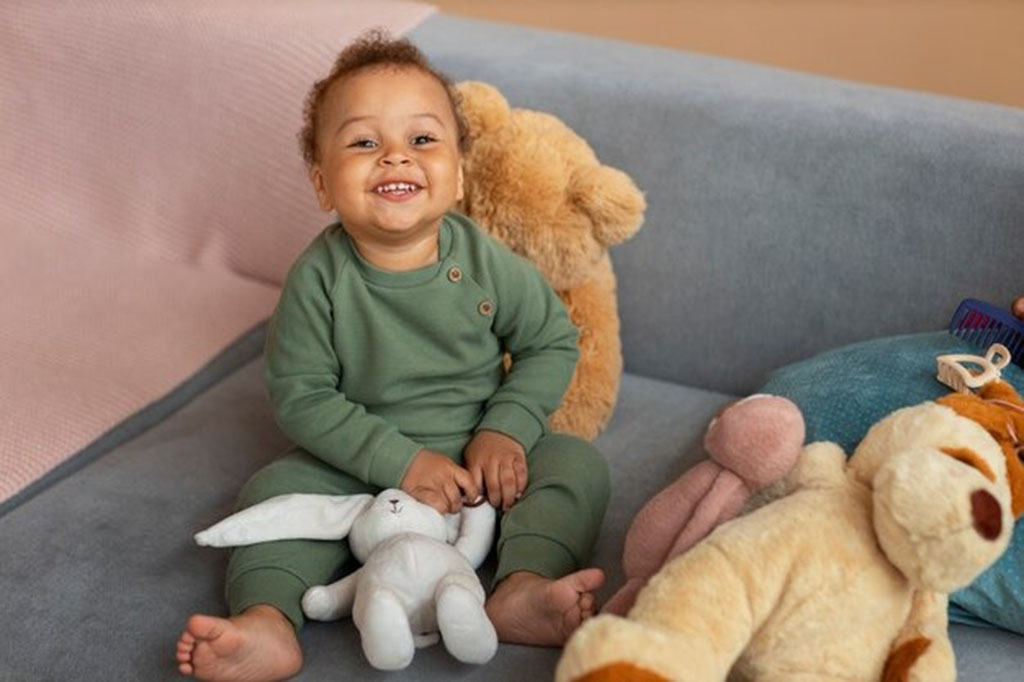
Infant needs change quickly in the first two years. A toy that works well for a three-month-old may not be ideal at eighteen months. When I help brands plan ranges, we always build age stages into the design and size plan. You can do the same when you choose plush toys for your home or store.
In general, younger infants need smaller, lighter, simpler toys. As babies grow, they can handle slightly larger plush, more sensory features, and simple interactive elements. At every stage, safety and cleanability remain the base requirements. Washable designs are especially important when toys are used daily for sleep or comfort.
(Image suggestion: three plush toys of increasing size, labeled 0–6 months, 6–12 months, 12–24 months.)
Matching plush toys to age groups
Here is a simple guide you can follow:
Table 5 – Age-based guidance for choosing infant plush toys
| Age Range | Recommended Plush Type | Key Features to Look For |
|---|---|---|
| 0–6 months | Small comforters, flat plush | Light, soft, high contrast, no small parts |
| 6–12 months | Soft rattles, textured plush | Easy to grasp, gentle sounds, varied textures |
| 12–24 months | Medium-sized characters, loveys | Strong seams, more expression, still no small parts |
| 24+ months | Larger plush, simple role-play | Durable stitching, washable, more detail allowed |
Considering lifestyle and specific needs
Beyond age, think about:
- Sleep habits: If the toy will go into the crib, choose flat or small designs that do not cover the face.
- Allergy concerns: Favor high-quality polyester fillings and fabrics tested to recognized standards.
- Washing routine: If you wash often, pick toys with clear washing symbols and proven shape stability.
Retailers and brands can use this same thinking to plan their assortments. Clear age and usage guidance on packaging helps parents choose faster and builds trust in your brand.
Conclusion
The best plush toys for infants are gentle, secure, and carefully designed to support both safety and early development. When brands and parents choose soft, tested materials, strong construction, and age-appropriate designs, babies enjoy safer hugs and calmer sleep, and families feel more at ease. At Kinwin, we help global buyers create infant-focused plush collections that meet strict standards while still feeling warm, modern, and lovable. If you are planning or upgrading an infant plush line, you are welcome to contact me at [email protected] or visit kinwintoys.com to discuss how our factory can support your next project and long-term success.