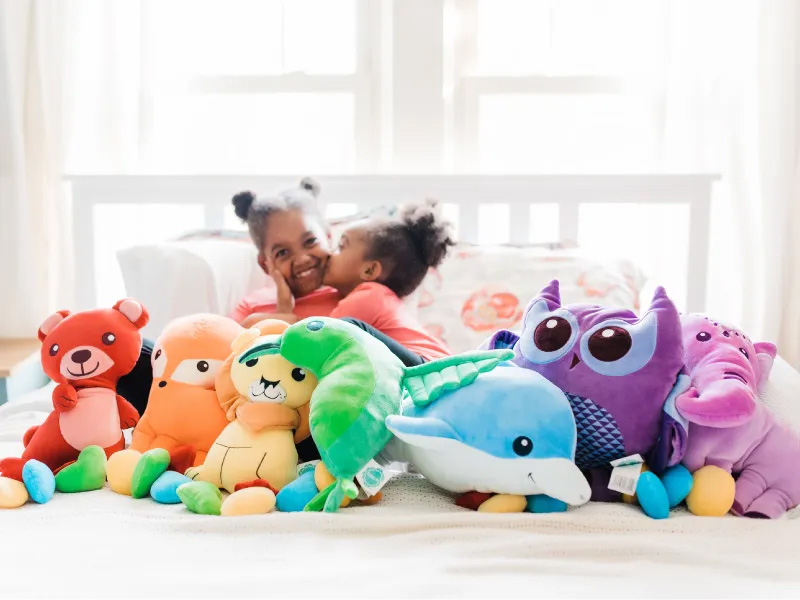
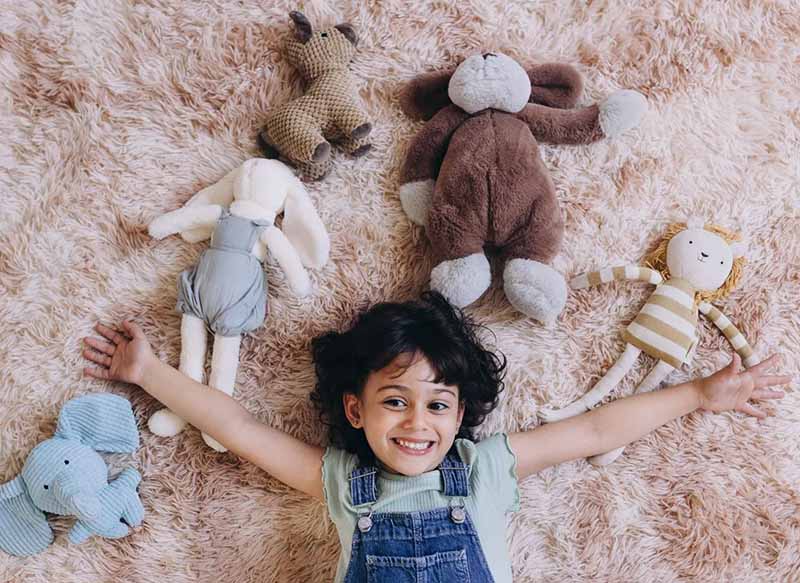
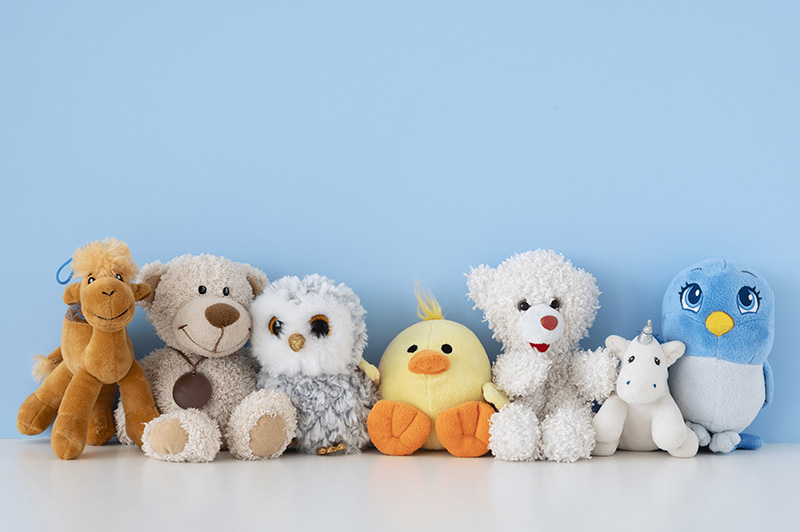
When people search “best plush toys”, they usually want more than something cute. They want toys that are safe, soft, durable, and worth the price. For brand owners and buyers, “best” also means fewer returns, strong reviews, and a reliable supply chain behind the product.
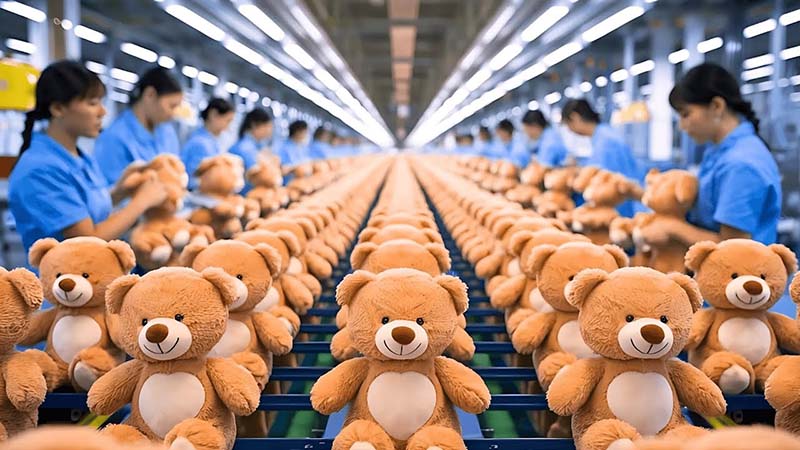
I’m Amanda from Kinwin, a plush toy manufacturer in China. Every year I see how small differences in fabric, stuffing, design, and factory control decide whether a plush toy becomes a favorite or ends up at the back of a shelf.
In this guide, I’ll walk you through what really defines the best plush toys in today’s market, in simple English and from a practical B2B point of view.
What qualities define the best plush toys in today’s market?
From the customer’s side, the best plush toys feel safe and comfortable, and they create an emotional connection. From the buyer’s side, the best plush toys are stable in quality, easy to sell, and aligned with brand positioning.
In most projects I handle, high-performing plush toys share these core qualities:
- Safety first – No dangerous small parts for young ages, strong seams, safe materials
- Softness and comfort – Pleasant to touch and hug, no scratchy or rough areas
- Durability – Keep shape and colour after many hugs, squeezes, and a few washes
- Clear personality – Face, colours, and silhouette that match the target market
- Age-appropriate design – Features and size that fit the user’s age and abilities
- Compliance – Meet EN71, ASTM, CPSIA and other rules where needed
- Consistency over time – Reorders that match the approved sample and earlier batches
- Brand alignment – Fits your brand story, price tier, and visual identity
When all these parts work together, your plush toy feels “right” in the customer’s hand and strong in your product line.
| Core Quality | What End Customers Notice | What You Should Confirm as a Buyer |
|---|---|---|
| Safety | No loose parts, no bad smell, nothing scary | Age labels, small parts design, seam strength, lab tests |
| Softness | “So soft!” feeling when touching or hugging | Fabric type, pile length, stuffing grade |
| Durability | Toy still looks good after play and washing | Fabric weight, stitching, internal structure |
| Personality | Cute, stylish, or funny expression they like | Style match with your brand and market |
| Age-appropriateness | Feels right for baby, child, teen, or adult | Size, weight, functions and accessories |
| Compliance | Sometimes not visible but very important for parents | EN71 / ASTM / CPSIA / other reports and documents |
| Consistency | Every piece looks similar on the shelf | AQL level, factory QC system, sample vs bulk comparison |
| Brand alignment | Plush supports your brand image, not fight it | Colours, labels, packaging, sustainability claims |
If you define “best plush toys” clearly for your own brand, it becomes much easier to brief a factory and choose the right materials and tests.
How do materials and construction influence softness and durability?
Materials and construction are the technical heart of any plush toy. Customers might not know the fabric names, but they can instantly feel the difference between a low-quality plush and a well-made one.
Key material choices
Outer fabrics
Common fabrics for premium plush toys include:
- Short plush / velboa – Smooth surface, low pile, good for clear shapes and embroidery
- Minky / super soft plush – Very soft with slightly longer short pile, ideal for huggable toys and baby products
- Faux fur – Longer pile for realistic or dramatic characters
- Fleece – Cozy, warm feel, often used for clothing details or certain styles
- Cotton / linen blends – Natural look, good for minimal or décor plush
Inner filling
Inside, most plush toys use polyester fiberfill (polyfill). Quality differences in fiber fineness, crimp, and cleanliness change the toy’s softness and resilience. For higher-end lines, finer or silicone-treated fibers can improve the handfeel.
Sometimes we mix fiberfill with plastic pellets or other fillings to add weight in the bottom or paws, so the toy can sit better or feel more “grounded” in the hand.
Construction and stitching
Even with good materials, poor construction will damage your product. Important points:
- Seam type and seam allowance – Enough seam allowance and strong stitching in stress areas (neck, limbs, body openings)
- Double stitching in key points to prevent tearing
- Hidden seams where the user holds the toy, to avoid discomfort
- Correct fabric cutting direction so pile lies neatly and colours look uniform
- Secure attachment of eyes, noses, and accessories
If a toy fails at the seam or loses its stuffing, customers will not remember the nice design. They will remember the problem.
| Component / Area | Typical Options / Practice | Impact on Softness | Impact on Durability |
|---|---|---|---|
| Outer fabric | Short plush, minky, faux fur, fleece, cotton blends | Directly controls handfeel and visual quality | Heavier, stronger fabrics give better seam performance |
| Inner filling | Standard or microfiber polyfill, sometimes pellets | Controls squishiness and hugging comfort | Good resilience keeps shape after repeated squeezing |
| Seam construction | Single or double stitching, hidden seams | Indirect impact (rough seams can be felt from outside) | Key factor in preventing tears and stuffing leaks |
| Feature attachment | Embroidery, safety eyes, appliqué, buttons | Changes the face feel and texture | Poor attachment creates choking and break risks |
| Pattern design | Simple or complex shapes, 3D shaping | Influences how “rounded” and soft the overall toy feels | Poor patterns cause stress points and deforming shapes |
When you review samples, always do a quick “stress test” with your hands: pull gently at limbs, squeeze the body, and twist the toy slightly. If the seams feel weak, your customers will find out later at home.
Which design features enhance user experience across age groups?
The best plush toys feel “correct” for their users. A baby’s comfort toy, a six-year-old’s play friend, and a 25-year-old’s décor plush all need different design choices.
Babies and toddlers (0–3 years)
Parents focus on safety, comfort, and washability. Effective design choices include:
- Embroidered eyes and noses (no hard parts)
- Compact, easy-to-grip shapes
- Very soft fabrics, often short minky
- Gentle, calm colours or simple high-contrast patterns
- Simple features that will not catch little fingers
Children (3–8 years)
Kids want characters and story. Strong designs often have:
- Clear themes (dinosaur, unicorn, superhero, princess, etc.)
- Clothing or accessories that support pretend play
- Brighter colours or fun patterns
- Sizes that feel “big enough” but still easy to carry
Tweens, teens, and adults
Here plush toys become lifestyle items: décor, stress relief, and fandom. Good design choices:
- Aesthetic colours (pastels, neutrals, trendy tones)
- Minimalist or gentle expressions
- Interesting themes (food plush, plants, fantasy characters, mood plush)
- Forms that sit well on beds, sofas, and desks
| Age Group / User Type | Main Needs & Expectations | Helpful Design Features | Things to Avoid |
|---|---|---|---|
| Babies (0–3 years) | Safety, softness, easy to clean | Embroidered features, short pile, small size, loops to attach | Hard eyes, loose accessories, long pile that sheds |
| Kids (3–8 years) | Play value, imagination, colour | Themed characters, clothes, props, bright but not harsh colours | Overly fragile details, too “baby” styling |
| Tweens & teens | Trend, identity, collectability | Cool or cute faces, sets and series, fashionable colours | Designs that feel childish or old-fashioned |
| Young adults | Comfort, décor, self-expression | Pastel/neutral plush, mood characters, larger cushions | Very noisy prints, poor-quality fabrics that pill |
| Adult collectors | Unique design, limited runs, quality finishing | Special fabrics, numbered tags, strong packaging | Generic looks, weak stitching, no story behind product |
When you brief a design, clearly state your primary age group and core use scene (“bedtime buddy”, “desk décor”, “fan collectible”). It will help everyone make better decisions from concept to packaging.
How do leading brands innovate to elevate plush toy performance?
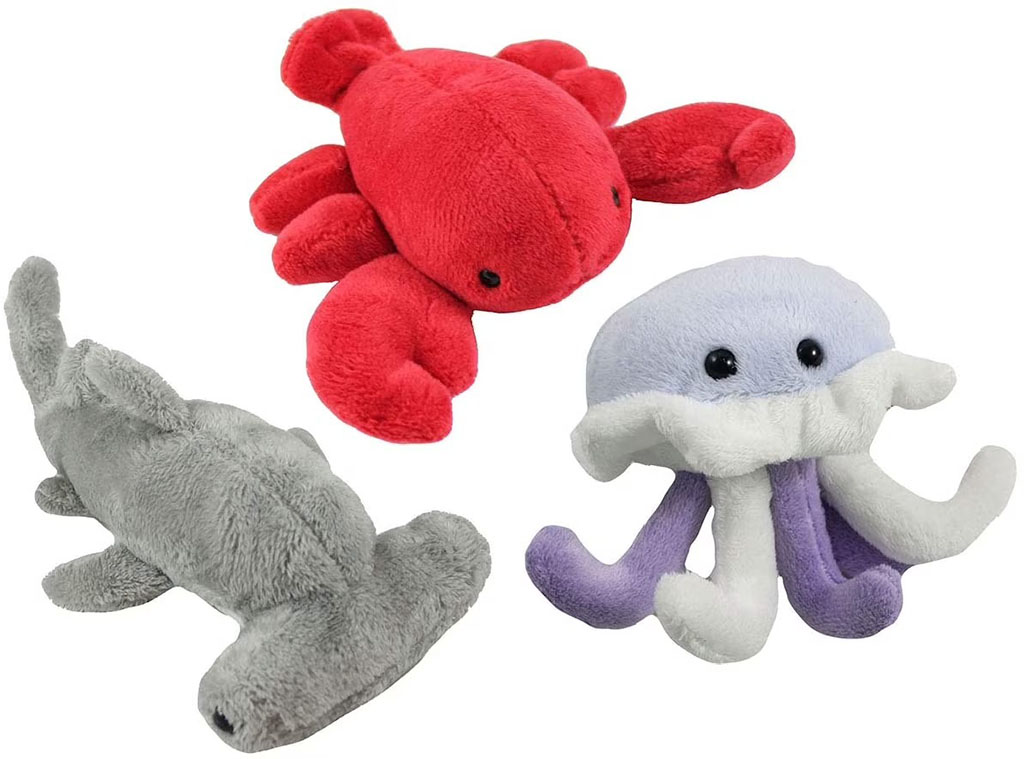
In a crowded market, leading brands do not win only by price. They stand out by innovation in materials, functions, storytelling, and customer experience.
1. Material and comfort innovation
Top brands often:
- Use ultra-soft fabrics or mixed textures
- Develop signature “handfeel” for their lines
- Offer recycled or organic materials for eco-focused collections
- Add weighted elements for calming, or special fillings for support
2. Storytelling and character universes
Strong brands create worlds, not just single toys. They:
- Build families of characters with names and backstories
- Release books, animations, or online content linked to plush lines
- Encourage collecting through series and seasonal drops
3. Functional and sensory features
Some lines go beyond “cute” and add:
- Weighted plush for anxiety relief and deep pressure comfort
- Crinkle, rattle, and textured panels for sensory play
- Convertible features (plush-to-pillow, plush-to-blanket, plush-with-bag)
4. Sustainability and transparency
More buyers ask for:
- Recycled stuffing and fabrics
- Clear information about materials and testing
- Factory audits and ESG stories they can share with their customers
| Innovation Area | Example Approaches | Benefit for End Users | Benefit for Brands & Retailers |
|---|---|---|---|
| Material & comfort | Ultra-soft fabrics, weighted fill, eco materials | Better comfort, more trust, eco satisfaction | Higher perceived value, stronger brand story |
| Character & narrative | Named characters, storybooks, digital content | Emotional connection and repeat play | IP value, licensing options, stronger loyalty |
| Functional features | Weighted toys, convertible plush, sensory panels | Extra utility (sleep aid, travel support, sensory help) | Differentiation from generic plush, broader use cases |
| Sustainability | Recycled fabrics/fill, certified materials | Feel-good purchase, support for eco values | Opens doors to eco-focused retailers and campaigns |
| Collectible strategy | Seasonal releases, limited editions, collabs | Fun to collect and share | Creates urgency and ongoing sales, if managed fairly |
If you want your plush toys to compete as “best in class”, it helps to choose at least one innovation angle—comfort, eco story, or storytelling—and build it deeply into your range.
What safety standards classify a plush toy as high-quality?
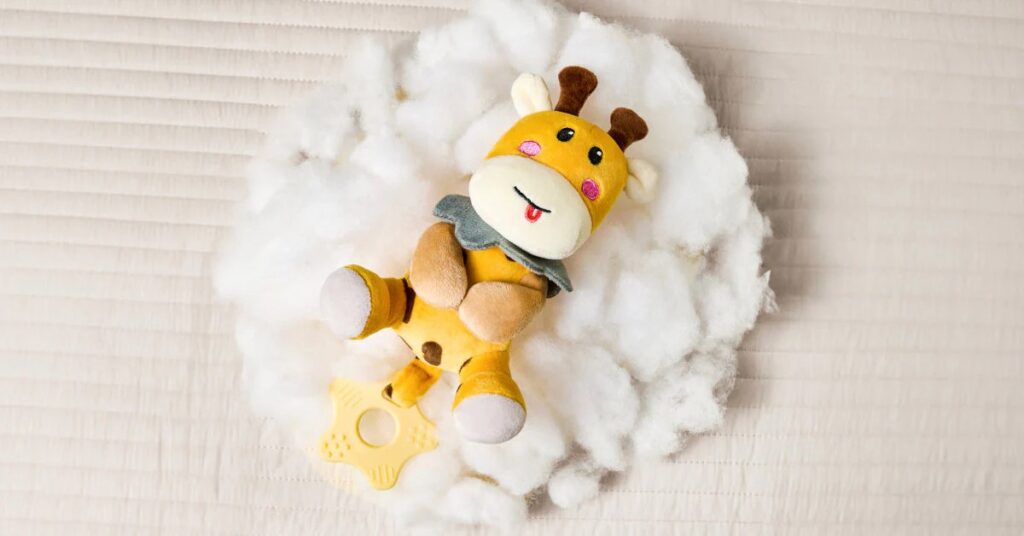
In many markets, a plush toy cannot be called “high-quality” if it does not meet strict safety rules. Parents, retailers, and platforms like Amazon or Walmart all look for evidence that toys have been tested.
While names vary by country, most professional plush toys are tested against some or all of these frameworks:
- EN71 (Europe / UK) – Mechanical/physical tests, flammability, and chemical safety
- CE marking (EU) and UKCA marking (UK) – Based on compliance with EU/UK toy safety laws
- ASTM F963 (USA) – Mechanical, flammability, and other safety checks
- CPSIA (USA) – Lead, phthalates, tracking labels, documentation
- ISO 8124 – International toy safety standard referenced in many regions
A “high-quality” plush toy for children should:
- Pass age-appropriate small parts and seam strength tests
- Use safe dyes and materials within regulated chemical limits
- Have clear labels and instructions (age grade, wash care, warnings)
On the factory side, buyers often also request:
- ISO 9001 – Quality management system
- BSCI / SMETA / SEDEX / ICTI – Social responsibility audits
| Safety / Quality Framework | Scope / Region | What It Checks for Plush Toys | Why It Supports “High-Quality” Positioning |
|---|---|---|---|
| EN71 (parts 1–3) | Europe / UK | Mechanics, flammability, heavy metals & chemicals | Essential for EU/UK retail; shows baseline safety |
| CE / UKCA marking | Europe / UK | Conformity with toy safety rules | Visible proof of compliance for customers |
| ASTM F963 | USA | Physical hazards, flammability, sharp points, etc. | Required by many US retailers and platforms |
| CPSIA & CPC | USA | Lead, phthalates, tracking labels, documentation | Legal requirement for children’s products |
| ISO 8124 / local standards | Many global markets | Similar to EN71/ASTM in structure | Useful for multi-region projects |
| ISO 9001 | Factory-level | Quality management processes | Suggests consistent production and documentation |
| BSCI / SMETA / SEDEX audits | Factory-level | Social compliance and working conditions | Important for big brands and ESG-sensitive buyers |
When you choose a manufacturing partner, ask for recent test reports and audit certificates for similar plush toys. This is usually the fastest way to see if they are ready to make truly high-quality products for your markets.
How do pricing, sourcing, and brand reputation guide buyer choices?
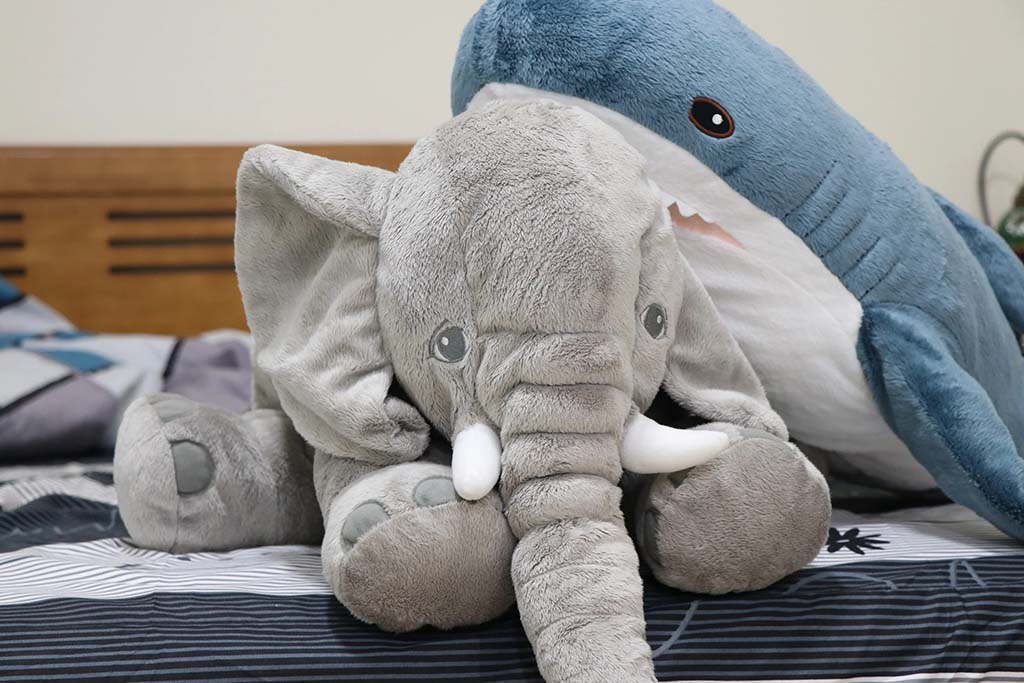
Even when two plush toys look similar, buyers will not always choose the cheaper one. They also consider perceived value, brand trust, and impact on their own reputation.
Pricing and value tiers
Plush toys usually fall into three broad price tiers:
- Budget – Lower price, basic fabrics, simple designs, minimal testing package
- Mid-range – Better fabrics and stuffing, nicer design, full compliance for main markets
- Premium – Very soft materials, strong storytelling, attractive packaging, full compliance, often eco or IP value
You do not need every product to be premium. But you should decide clearly which tier each line belongs to, and choose materials, design complexity, and test scope to match.
Sourcing strategy
Buyers today use a mix of sourcing paths:
- Direct cooperation with factories in China or other hubs
- Trading companies or agents to manage projects across multiple factories
- Online B2B platforms for initial supplier discovery
- Licensed IP deals where the brand owner defines the factory choices
The best plush toys for your brand are not always the ones with the lowest FOB price. They are the ones that bring stable quality, on-time delivery, and fewer problems during safety checks or platform audits.
Brand reputation
End consumers care about brand reputation, especially for children’s products and gift items. If your plush toys:
- Look and feel consistent
- Receive good reviews about softness and durability
- Have no safety incidents
…then your brand reputation grows, and future collections are easier to sell.
If there are many complaints about smell, broken seams, or unsafe parts, customers will hesitate to buy again—even if the next batch looks better.
| Decision Factor | How It Influences End Customers | What You Should Plan as a B2B Buyer |
|---|---|---|
| Retail price | Compared against nearby products | Match material level and story to your price target |
| Perceived value | “Does this feel worth it?” | Invest in handfeel, design, and packaging for higher tiers |
| Sourcing model | Affects your cost, lead time, and flexibility | Choose partners with proven toy experience and capacity |
| Delivery reliability | Empty shelves or late campaigns hurt trust | Check factory planning, past performance, and buffers |
| Safety & quality history | Reviews and word-of-mouth build or break trust | Maintain stable quality and transparent testing |
| Brand fit | Plush must feel like part of your brand world | Align colours, characters, and stories with your identity |
When you position your plush toys as “best” in your segment, try to keep price, quality, and brand promise in balance. A low-cost plush sold as “luxury” will confuse customers. A well-made, fairly priced plush with honest safety claims can build long-term loyalty.
Conclusion
The best plush toys in today’s market are more than cute objects. They are carefully designed products that combine safe materials, smart construction, age-right design, and reliable compliance, all wrapped in a story that fits your brand. At Kinwin, we help global buyers turn their ideas into soft, durable, and test-ready plush toys that perform well in both retail and online channels. If you are planning a new plush collection or want to upgrade your current range, you are welcome to contact me at [email protected] or visit kinwintoys.com so we can explore how our factory can support your next “best plush toys” project.