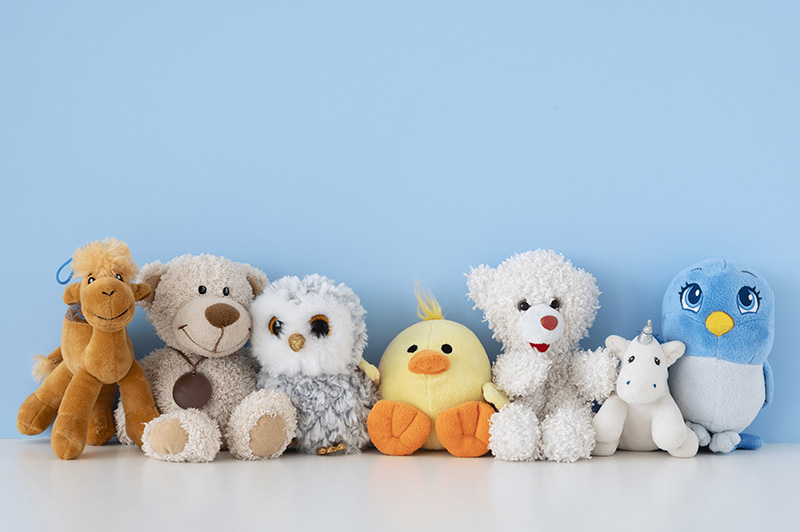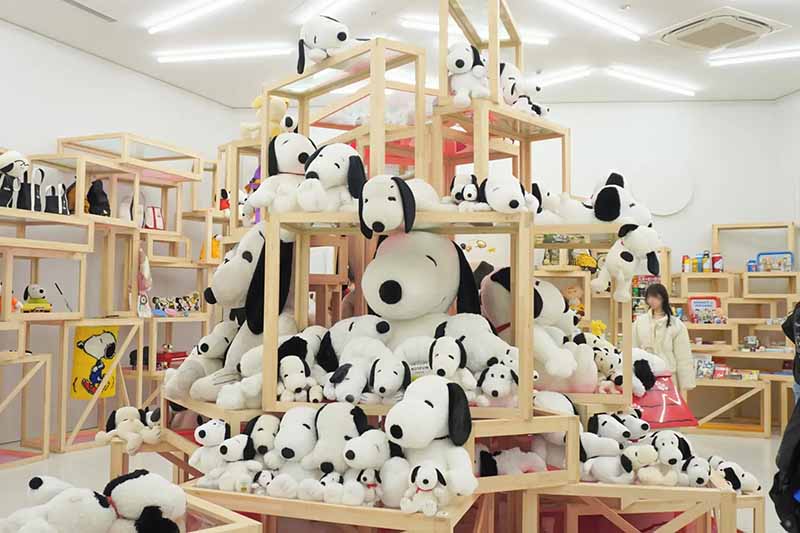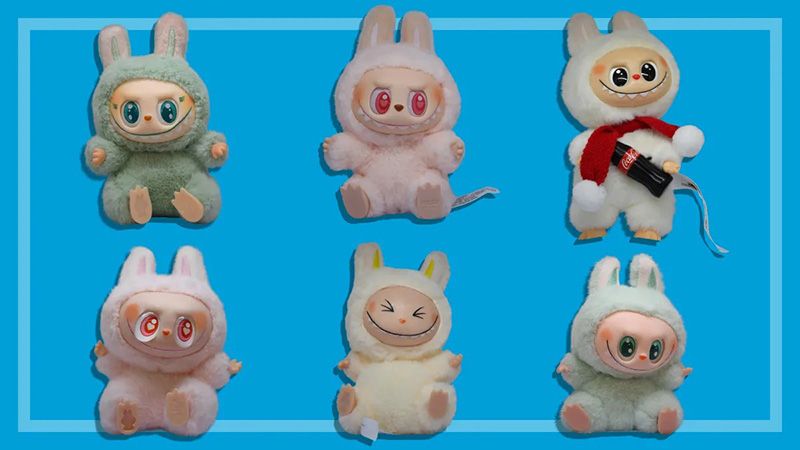
Choosing the right OEM plush toy manufacturer is not just a sourcing decision—it is a long-term business strategy. The factory you work with will directly affect your product quality, development speed, compliance risk, and brand reputation. From my experience working with global buyers, the most successful OEM partnerships are built on specialization, process maturity, and mutual understanding—not just price.
Before evaluating samples or negotiating costs, buyers must first understand what kind of OEM experience truly matters for their specific plush toy project. This is where many sourcing decisions either succeed or fail.
What OEM Experience and Product Categories Should a Plush Toy Factory Specialize In?

Not all plush toy factories are suitable for OEM cooperation, even if they claim “OEM & ODM” on their website. True OEM capability is built through long-term focus on specific product categories, repeated execution, and accumulated problem-solving experience. A factory that produces everything from bags to apparel to plush toys often lacks the depth required for stable OEM output.
From an OEM buyer’s perspective, the most reliable factories are those that specialize deeply in plush-related categories, such as character plush toys, promotional plush, baby-safe plush, weighted plush, or licensed IP products. Category specialization directly impacts pattern accuracy, material familiarity, sewing consistency, and compliance readiness.
For example, a factory experienced in character-based plush will already understand proportion control, facial embroidery precision, and approval workflows. A factory focused on baby plush will naturally prioritize fabric safety, seam strength, and small-part risk control. These differences are not learned overnight—they come from years of repetition.
OEM experience should also be evaluated by project complexity, not just years in business. A factory that has successfully handled multi-SKU programs, repeat seasonal orders, or strict compliance markets (USA, EU, Japan) is far more valuable than one that has only completed simple, low-risk orders.
| Evaluation Area | What Buyers Should Look For | Why It Matters in OEM |
|---|---|---|
| Product focus | Plush-only or plush-dominant factory | Ensures technical depth |
| Category specialization | Character, baby, promo, weighted plush | Reduces learning risk |
| OEM track record | Repeat orders, long-term clients | Proves stability |
| Market experience | USA / EU / Japan compliance | Lowers regulatory risk |
| Project complexity | Multi-SKU, licensed, custom designs | Indicates real OEM ability |
In OEM cooperation, depth always beats breadth. A factory that truly understands your plush category will anticipate issues before they appear, communicate more accurately, and deliver more consistent results over time. This is the foundation upon which all other OEM factors—sampling, QC, pricing, and scalability—are built.
How Do Design Support, Pattern Making, and Sampling Accuracy Impact OEM Success?
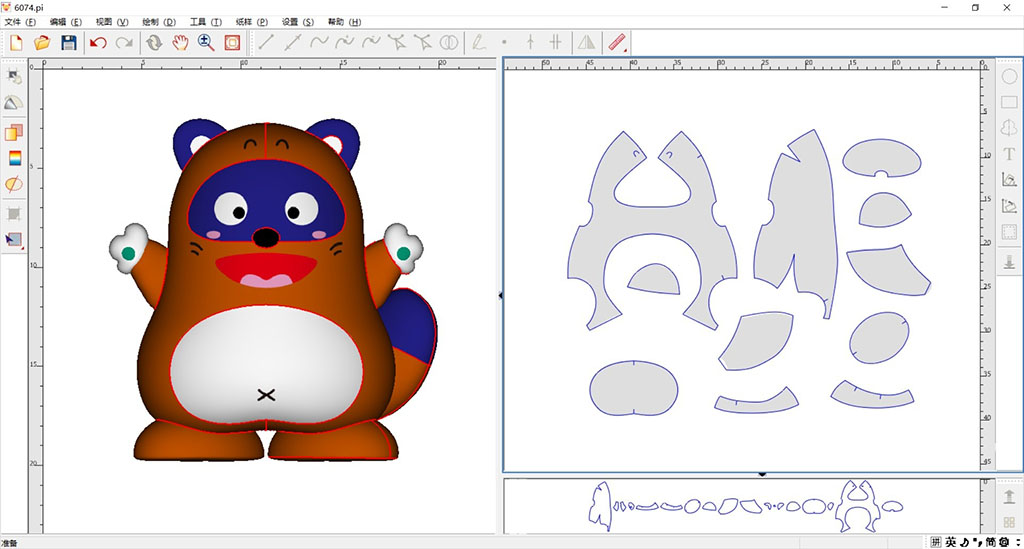
In OEM plush toy cooperation, design support and sampling capability are where ideas either become market-ready products or stall indefinitely. Many buyers underestimate this stage, assuming that once a factory “can sew,” results will follow. In reality, OEM success is largely determined by how well a manufacturer can translate abstract concepts into precise, repeatable physical forms.
Strong design support starts with the factory’s ability to understand intent, not just files. OEM buyers often provide mixed inputs—reference photos, rough sketches, brand guidelines, or competitor samples. A capable OEM factory knows how to interpret these inputs, identify potential production risks early, and propose adjustments without diluting the brand’s core design language.
Pattern making is the technical backbone of plush accuracy. Experienced pattern makers understand how 2D patterns behave once sewn and stuffed. They account for fabric stretch, pile direction, seam allowance, and internal structure so that proportions remain correct after filling. Weak pattern making leads to distorted shapes, uneven faces, and samples that look acceptable only from one angle.
Sampling accuracy is not about getting it “roughly right.” In professional OEM projects, especially for brands and licensed programs, acceptable accuracy often means 90–95% match to the approved design. This level of precision reduces revision cycles, speeds up approvals, and ensures that mass production matches the golden sample.
| Capability Area | OEM Expectation | Impact on Final Outcome |
|---|---|---|
| Design understanding | Interprets concepts, not just files | Fewer revisions |
| Pattern making | Accounts for fabric & stuffing behavior | Shape accuracy |
| Sampling precision | 90–95% design match | Faster approvals |
| Revision efficiency | Clear feedback implementation | Shorter timelines |
| Technical advice | Proactive risk identification | Cost & quality control |
In long-term OEM cooperation, strong design and sampling capability creates predictability. Buyers gain confidence that new designs will not require endless corrections, while factories can plan production more accurately. This mutual efficiency is what separates transactional suppliers from true OEM partners.
What Quality Control Systems and Production Standards Ensure Stable OEM Output?
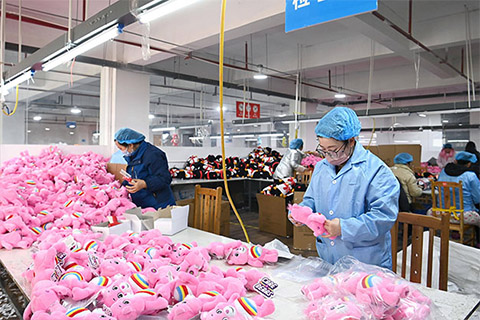
Stable OEM output does not come from experience alone—it comes from structured, repeatable quality control systems that operate consistently from raw material intake to final shipment. For plush toy OEM cooperation, quality issues rarely appear randomly; they usually result from missing checkpoints, unclear standards, or inconsistent execution across production stages.
A professional plush toy OEM factory should operate under a layered QC framework, not a single end-of-line inspection. This typically includes incoming material inspection (IQC), in-process quality control (IPQC), and final quality control (FQC). Each stage serves a different purpose and prevents different types of defects. Without this structure, problems are often discovered too late—after time and materials have already been wasted.
Production standards are equally critical. OEM output stability depends on clear SOPs (Standard Operating Procedures) for sewing, stuffing, embroidery, assembly, and packing. These standards ensure that different operators, shifts, or production lines can produce the same result. In plush manufacturing, even small inconsistencies in stitching tension or stuffing density can lead to noticeable variations in appearance and hand-feel.
Another key indicator is how factories manage golden samples and reference standards. Reliable OEM partners lock approved samples, measurement charts, and defect tolerances before mass production begins. These references guide line inspections and reduce subjective judgment during quality checks.
| QC Area | OEM Best Practice | Why It Matters |
|---|---|---|
| Incoming QC (IQC) | Fabric & accessory inspection | Prevents hidden defects |
| In-Process QC (IPQC) | Line checks during sewing & stuffing | Early problem detection |
| Final QC (FQC) | AQL-based inspection | Shipment reliability |
| SOP documentation | Standardized work methods | Consistent output |
| Golden samples | Locked visual & measurement reference | Reduces variation |
For OEM buyers, stable quality is not about zero defects—it is about controlled, predictable outcomes. A factory with mature QC systems can explain where issues occur, how they are corrected, and how recurrence is prevented. This transparency builds trust and allows OEM cooperation to scale without quality drifting over time.
How Can Buyers Verify Safety Compliance, Certifications, and Testing Capabilities?
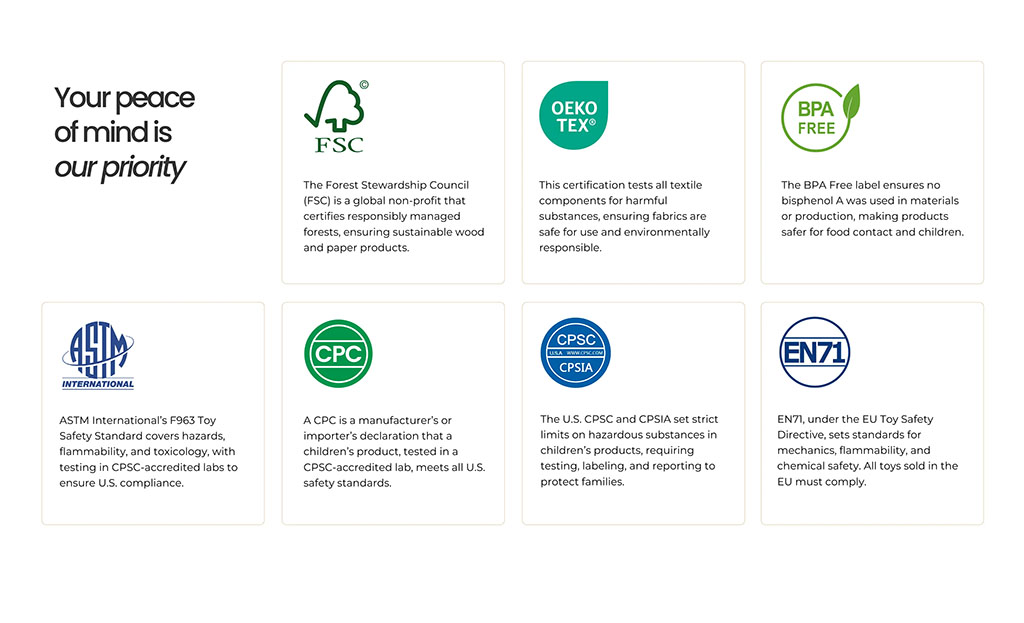
In OEM plush toy cooperation, safety compliance is not a formality—it is a risk management system that protects brands from recalls, customs delays, and legal exposure. Buyers should never rely on verbal assurances or outdated certificates. Verification must be systematic, market-specific, and evidence-based.
The first step is understanding which regulations apply to your target markets. For example, plush toys sold in the U.S. must comply with ASTM F963 and CPSIA, while the EU requires EN71 and CE conformity. Japan, South Korea, and the Middle East each have their own frameworks. A qualified OEM factory should immediately recognize these requirements and explain how they apply to fabrics, fillings, accessories, inks, and packaging.
Certification verification goes beyond checking logos. Buyers should request valid test reports issued by accredited third-party laboratories, such as SGS, TÜV, Intertek, or BV. Reports must be product-specific, up to date, and aligned with the exact materials used in production. A common OEM risk occurs when factories reuse reports from similar products—this practice is not compliant and exposes buyers to audit failure.
Testing capability also includes how the factory manages ongoing compliance, not just pre-shipment testing. Strong OEM partners maintain internal material traceability, supplier declarations, and routine spot testing to ensure consistency across batches. They also understand how to prepare Children’s Product Certificates (CPC), technical files, and test summaries required by importers and retailers.
| Verification Area | What Buyers Should Request | Risk Reduced |
|---|---|---|
| Market regulations | Clear target-market mapping | Miscompliance |
| Test reports | Accredited lab, product-specific | Customs rejection |
| Certification validity | Current & traceable documents | Legal exposure |
| Internal controls | Material tracking & re-testing | Batch inconsistency |
| Documentation support | CPC, CE files, declarations | Retail audit failure |
For OEM cooperation, compliance capability is not proven by a single report—it is proven by process awareness and documentation discipline. Factories that proactively explain testing scope, renewal cycles, and compliance limits are far safer partners than those who simply say “we can pass tests.”
What Communication Efficiency and Project Management Skills Matter in OEM Cooperation?
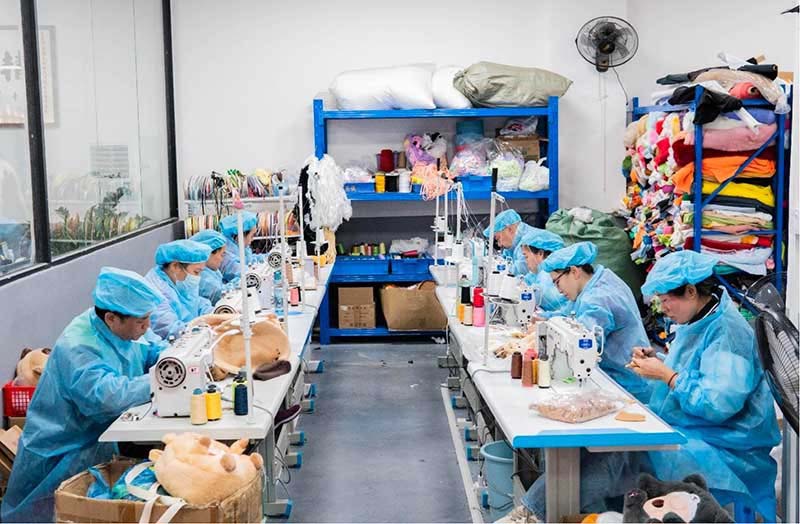
In OEM plush toy cooperation, communication quality often determines whether a project runs smoothly or becomes costly and frustrating. Even technically capable factories can fail as OEM partners if information is delayed, misunderstood, or poorly documented. For buyers managing multiple SKUs, timelines, and stakeholders, communication efficiency is not a soft skill—it is an operational requirement.
Effective OEM communication starts with structured information flow. Reliable factories assign a dedicated project manager who understands plush construction, compliance requirements, and buyer expectations. This person acts as a single point of coordination between design, sampling, production, QC, and logistics teams. Without this role, messages become fragmented and accountability weakens.
Project management skills are reflected in how factories handle timelines, revisions, and decision tracking. Strong OEM partners proactively provide sampling schedules, production milestones, and approval checkpoints. They document changes clearly—what was modified, why it was adjusted, and how it affects cost or lead time. This transparency prevents misunderstandings and reduces revision loops.
Responsiveness is another critical indicator. OEM buyers do not expect instant replies, but they do expect predictable response windows and clear next steps. Factories that acknowledge questions quickly, even before providing full answers, help buyers manage internal planning and stakeholder communication.
| Communication Area | OEM Best Practice | Impact on Cooperation |
|---|---|---|
| Project ownership | Dedicated project manager | Clear accountability |
| Information flow | Centralized & documented | Fewer errors |
| Timeline management | Defined milestones & updates | On-time delivery |
| Revision handling | Clear change records | Cost & scope control |
| Responsiveness | Predictable reply timing | Buyer confidence |
In long-term OEM cooperation, good communication reduces friction, accelerates decision-making, and builds trust. Buyers can plan launches more accurately, while factories can allocate resources more efficiently. This alignment becomes increasingly important as OEM programs scale in volume and complexity.
How Do Capacity Planning, Cost Transparency, and Long-Term Support Define the Right OEM Partner?
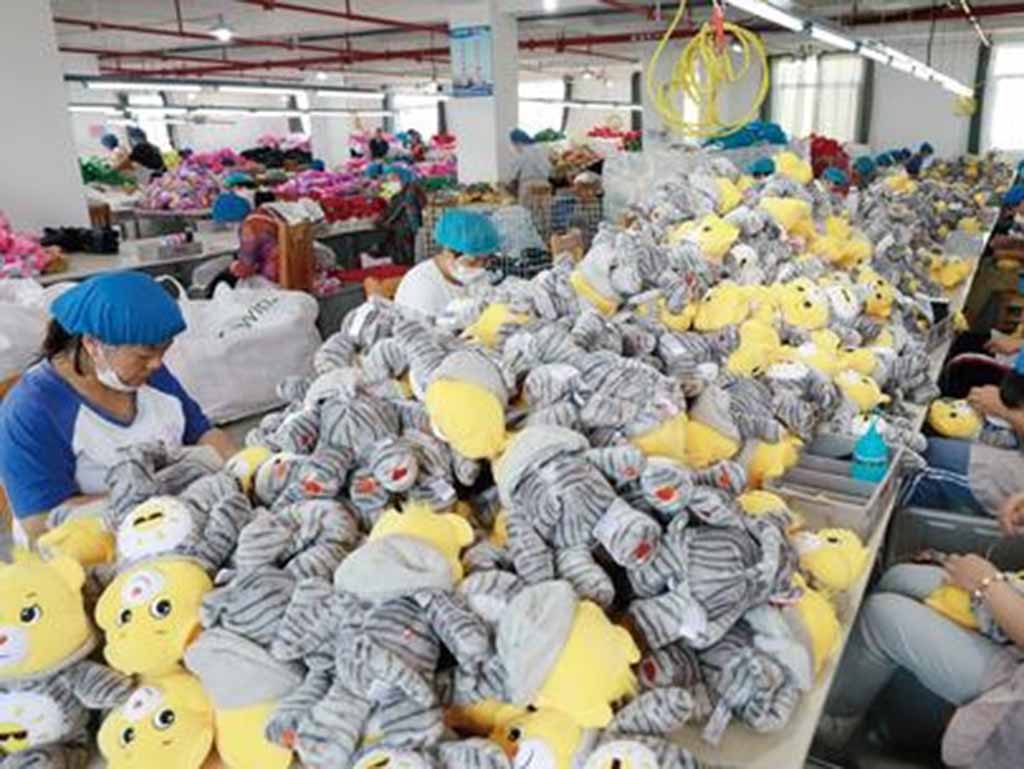
In OEM plush toy cooperation, the true test of a manufacturer is not how well they handle the first order, but how reliably they support growth over time. Capacity planning, cost transparency, and long-term operational support together define whether a factory is merely a supplier—or a strategic OEM partner.
Capacity planning goes beyond stating a monthly output number. Professional OEM factories understand production rhythm, seasonal fluctuations, and SKU complexity. They can explain how many lines are available, how capacity is reserved for repeat clients, and how sudden volume increases are absorbed without compromising quality. This matters greatly for brands planning seasonal launches, promotions, or multi-market rollouts.
Cost transparency is equally critical. Reliable OEM partners break down pricing logic clearly—materials, labor, processes, packaging, testing, and logistics assumptions. They communicate cost drivers upfront, especially when design changes affect structure, fabric usage, or labor intensity. This transparency allows buyers to make informed trade-offs instead of facing unexpected cost increases later.
Long-term support is where OEM relationships mature. Strong partners help buyers optimize designs for manufacturability, suggest material alternatives during supply disruptions, and support re-orders with consistent quality. They retain production data, patterns, and QC benchmarks, ensuring continuity even as volumes grow or markets expand.
| OEM Dimension | What Strong Partners Provide | Buyer Benefit |
|---|---|---|
| Capacity planning | Line allocation & scale strategy | On-time growth |
| Volume flexibility | Support for peak & repeat orders | Reduced risk |
| Cost transparency | Clear pricing structure | Budget control |
| Design optimization | Cost-saving suggestions | Margin protection |
| Long-term support | Data & process continuity | Stable OEM scaling |
Ultimately, the right OEM partner is one who plans with you, not just for you. They understand your growth path, communicate constraints honestly, and invest in the relationship beyond individual orders. This is what transforms OEM cooperation into a competitive advantage rather than a sourcing challenge.
Conclusion
Finding the best plush toy manufacturer for OEM cooperation requires more than comparing prices or samples. It demands a structured evaluation of specialization, design capability, quality systems, compliance discipline, communication efficiency, and long-term operational support. When these elements align, OEM cooperation becomes predictable, scalable, and strategically valuable—allowing brands to grow with confidence in product quality, compliance, and delivery.
📧 Contact: [email protected]
🌐 Visit: https://kinwintoys.com