Newborn plush is a special category. Parents want something soft and meaningful, but they also worry about safety, chemicals, and “Is this really suitable for a baby?” I understand that concern.
From my factory and export experience, the “best newborn stuffed animals” are not the biggest or most detailed toys. They are the ones designed with newborn realities in mind: sensitive skin, mouth contact, frequent washing, and strict safety expectations. One more key point: pediatric safe-sleep guidance says to keep stuffed toys and other soft objects out of the baby’s sleep space. So newborn plush is best used for supervised awake time, bonding, and gifting, not inside the crib during sleep.
Below, I’ll explain how I evaluate newborn-friendly plush from a B2B viewpoint—materials, design, size/weight, certifications, sourcing, and market trends—so you can make better product decisions and reduce risk.
What safety and material standards are essential for newborn-friendly stuffed animals?
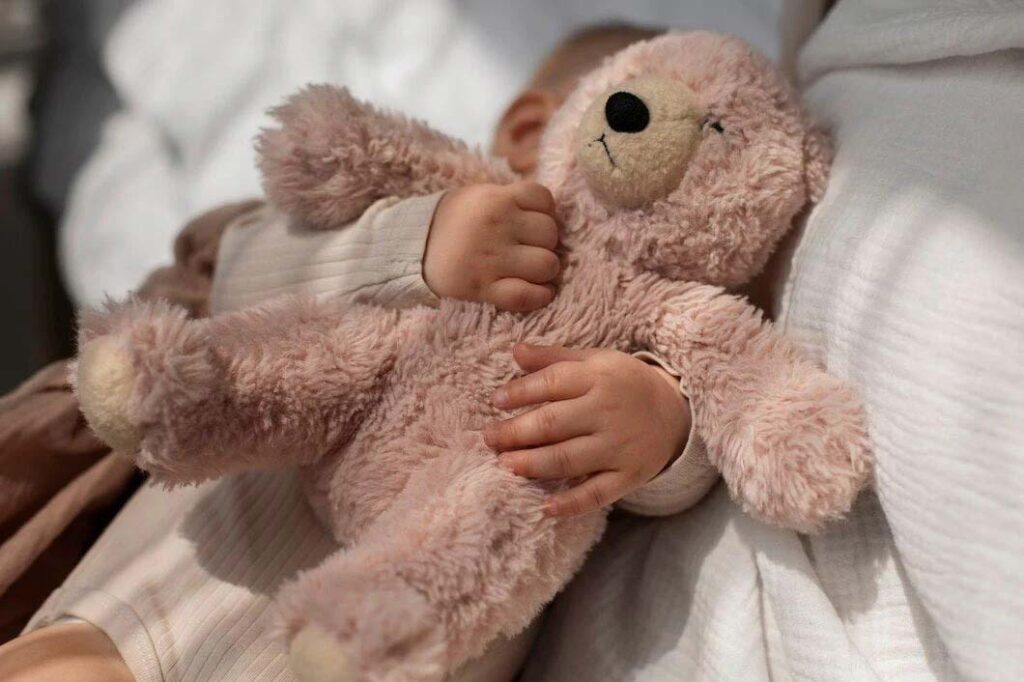
For newborn products, “soft” is not enough. The first requirement is low risk: no choking hazards, low chemical risk, strong seams, and washable construction.
Newborns often explore with their mouths. Their skin is sensitive. Parents wash items frequently. That means newborn plush must be built like a high-contact textile product, not only a cute toy.
At the same time, you must be careful about how the product is used. Even if a plush is newborn-friendly as a gift, safe-sleep guidance still says no soft objects in the baby’s sleep area because they increase risks like suffocation and entrapment.
Here is the basic “newborn-friendly” standard I use in product development:
| Must-Have Standard | What It Means in Product Terms | Why It Matters for Newborns | Factory Actions That Support It |
|---|---|---|---|
| No small detachable parts | No buttons, beads, loose plastic decorations | Reduces choking risk | Embroidery face, stitched labels |
| Strong seam integrity | Seams do not open under stress | Babies pull, chew, twist | Reinforced seams at ears/arms |
| Low-odor, clean materials | Fabrics and stuffing should not smell “chemical” | Parents notice immediately | Qualified suppliers + incoming checks |
| Wash-ready build | Holds shape after washing | Newborn items are washed often | Pre-shrink control + stuffing selection |
| Skin-safe textiles | Avoid rough pile and shedding | Sensitive newborn skin | Higher density plush + brushing control |
From my side at Kinwin, when we develop newborn plush for B2B buyers, we treat the toy as a baby-contact product: the wrong fabric, loose threads, or unstable dye can destroy trust quickly.
Which design features enhance sensory development in newborn plush toys?
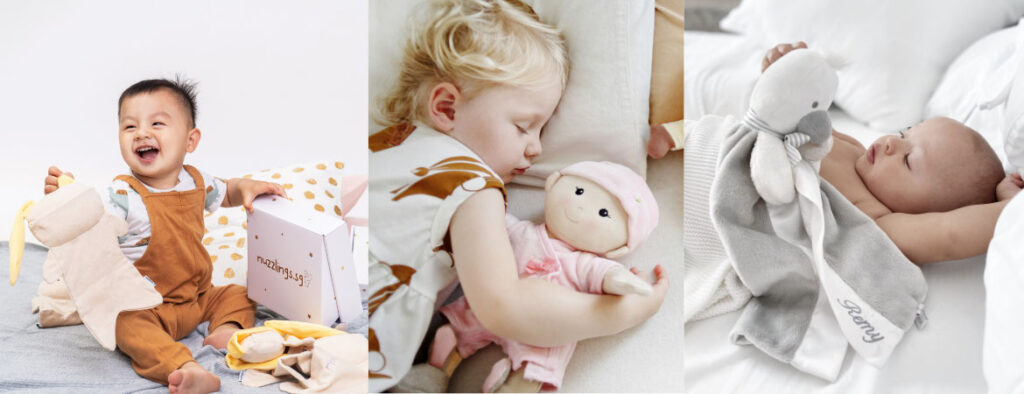
Newborn sensory needs are simple: gentle touch, calm visuals, and safe, predictable textures. Over-stimulation can be a problem. This is why many successful newborn plush designs look “quiet” and clean.
The best newborn plush designs usually include:
- Soft, consistent textures (no scratchy sections)
- Simple shapes that are easy to hold
- High-contrast but gentle color placement (not too busy)
- Secure, low-profile details (embroidery over hard parts)
- Light sound features only if safe and tested (and often avoided for newborn products)
A key point: sensory design should not encourage unsafe sleep use. Because safe-sleep guidance says to keep soft toys out of the sleep space, newborn plush should be positioned for awake bonding: tummy time, stroller time, calm play with caregiver present, and gifting photos—then removed before sleep.
Here’s a practical design checklist:
| Sensory Feature | What It Looks Like in Plush | Newborn Benefit | Safer Newborn-Friendly Approach |
|---|---|---|---|
| Texture variation | Two or three gentle fabrics (e.g., plush + smooth knit) | Touch exploration | Avoid long fur and rough trims |
| Easy-grip elements | Small ears, short limbs, soft tabs | Helps tiny hands grasp | Reinforce attachment points |
| Calm face design | Simple embroidered eyes/nose | Low stimulation, safe | No glued eyes for infant range |
| Gentle contrast | Soft neutrals + one clear accent | Visual engagement | Avoid busy prints everywhere |
| Comfort format | Small plush or flat “lovey” style | Easy to cuddle with supervision | Keep out of crib during sleep |
If your target customer is like “Jessica” (a US buyer focused on safety and quality), these design choices help her sell with confidence: she can explain not only “cute,” but also “thoughtful and baby-appropriate.”
How do size and weight considerations affect suitability for newborns?
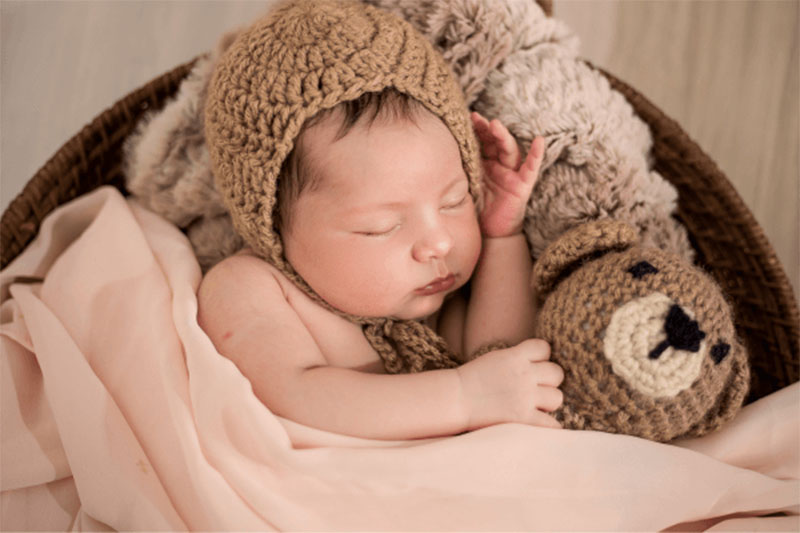
For newborn plush, smaller is often better. Large plush can look impressive, but it’s harder to control for safe use, harder to wash, and easier to misuse in sleep spaces.
Also, “weight” is a sensitive topic. Many pediatric sources warn against weighted items for infants, and safe-sleep guidance prioritizes a clear sleep area without soft objects. So for newborn-focused plush, I recommend lightweight, unweighted designs unless the product is clearly for older ages and tested appropriately.
From a manufacturing view, newborn-friendly plush usually performs best in these ranges:
- Length/height: around 15–25 cm for plush animals
- Lovey format: small plush head + flat cloth body
- Weight: light enough that it does not press heavily on the face or chest if mishandled
- Thickness: avoid pillow-like bulk for infant-targeted items
Here is how size/weight links to suitability:
| Size/Weight Factor | What “Good for Newborn” Looks Like | Risk If Too Big/Heavy | My Practical Recommendation |
|---|---|---|---|
| Overall size | Small, easy to hold | Encourages unsafe sleep use, hard to manage | 15–25 cm plush or lovey format |
| Bulk/volume | Slim profile, not pillow-like | Can cover nose/mouth if misused | Avoid thick cushion-style for newborn |
| Weight | Light, unweighted | Higher hazard if used in sleep area | Keep newborn plush light |
| Head size | Moderate, not oversized | Heavy head droops, stress seams | Balance head/body proportions |
| Stuffing density | Medium-soft, not overfilled | Hard to squeeze, feels “stiff” | Define stuffing spec and tolerance |
For B2B product pages and packaging, I also suggest simple guidance: “For supervised use” and clear age grading, because parents can misunderstand what “newborn” means in a sleep context.
What certifications and compliance criteria should B2B buyers verify for infant plush products?
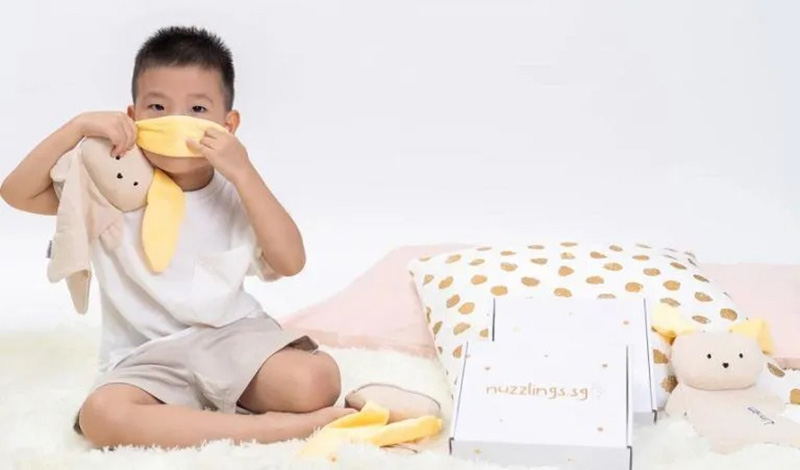
For newborn plush, compliance is not optional. It is a major part of what makes a product “best.”
For the EU, toy safety is harmonized under EU rules and compliant toys bear the CE marking. In the US, toy safety typically aligns with ASTM F963 requirements, and the CPSC provides guidance on which sections apply and about certification and third-party testing.
Important nuance: some infant items may be treated as toys, some as childcare articles, depending on design and intended use. Either way, for B2B buyers, the goal is the same: documented safety and traceability.
Here’s what I recommend buyers verify at minimum:
| Market | Core Compliance Items to Check | What It Protects You From | What to Ask Your Supplier For |
|---|---|---|---|
| EU/UK | CE marking pathway + EN71 testing strategy (commonly EN71-1/-2/-3) | Customs issues, recalls, retailer rejection | Test reports + technical file support |
| USA | ASTM F963 applicability + CPC/third-party testing expectations | Legal risk, marketplace takedowns | CPSC-accepted lab reports + CPC support |
| Chemical safety | CPSIA lead/phthalates compliance approach (US) | Chemical noncompliance claims | Material declarations + batch test plan |
| Global reference | ISO 8124 awareness (many regions reference it) | Easier multi-market planning | Region mapping + shared test strategy |
If you are a B2B buyer, the best practice is not “test once and forget.” It is:
- Test the approved material set (fabric, thread, print, stuffing).
- Lock it into a BOM (bill of materials).
- Use the same sources for repeat orders.
- Retest when materials change.
That is how premium brands stay consistent across seasons.
Where do leading manufacturers source hypoallergenic and BPA-free components?
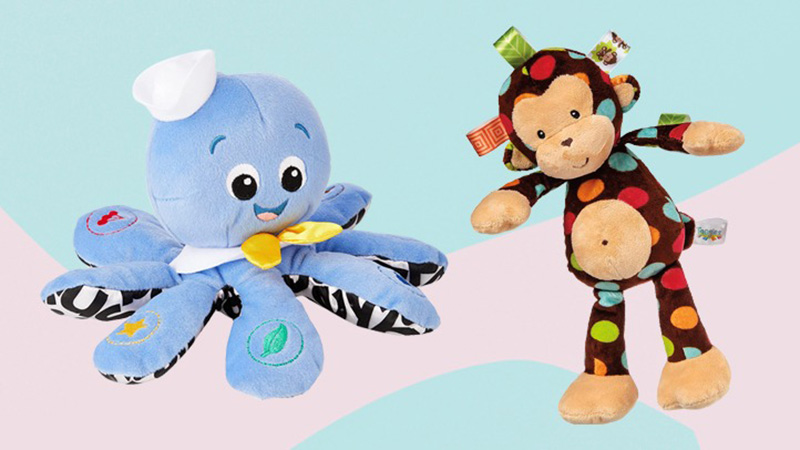
This question matters because “hypoallergenic” and “BPA-free” are popular buyer keywords—but they must be handled carefully and honestly.
Hypoallergenic: what it usually means in practice
In plush, “hypoallergenic” is often used to describe clean, low-irritation materials, especially high-quality polyester fiberfill and smooth fabrics that do not shed much. But it is not a universal guarantee for every baby, because babies can react to many things (detergents, fragrances, dust, etc.). For B2B brands, it’s safer to focus on verified material safety and “tested for harmful substances” rather than making broad medical claims.
A strong, credible approach is to use textile certifications and documented chemical testing. OEKO-TEX® STANDARD 100, for example, is a widely recognized label for textiles tested for harmful substances.
BPA-free: where it matters most
BPA is mainly connected to certain plastics. For plush toys, BPA risk is usually not in the main fabric, but in plastic accessories (teethers, rings, squeakers, packaging components). BPA rules vary by location; for example, some US states have BPA restrictions for specific childcare products such as feeding bottles and similar items.
So for newborn plush, the practical “BPA-free” sourcing focus is:
- Avoid hard plastic parts for infant items when possible
- If plastic is needed (like a clip or ring), source from suppliers that can provide material declarations and test support
- Keep designs simple: embroidery, soft textiles, and no rigid modules
Here’s a sourcing and documentation view that works well for B2B buyers:
| Component Area | Lower-Risk Newborn Choice | What to Request From Suppliers | Why It Helps Your Brand |
|---|---|---|---|
| Outer fabric | Low-shed, baby-soft plush or knit | Fabric specs + harmful substance testing approach (e.g., OEKO-TEX where applicable) | Builds trust for sensitive skin |
| Stuffing | Clean, stable polyester fiberfill | Fiberfill declarations + consistency control | Reduces odor and shape complaints |
| Prints/inks | Low-migration, tested inks | Ink compliance info + batch control | Protects from chemical complaints |
| Plastic add-ons | Ideally none; if needed, certified plastic | Material declarations and region-specific compliance support | Supports “BPA-free” and safety claims |
| Packaging contact parts | Food-contact-safe approach if relevant | Vendor compliance documents | Prevents surprises in retail audits |
As a factory, when we support newborn programs, we help buyers choose “simple, safe, testable” components first. This reduces risk and speeds up compliance.
How do market trends and caregiver preferences shape the best newborn stuffed animal selections?
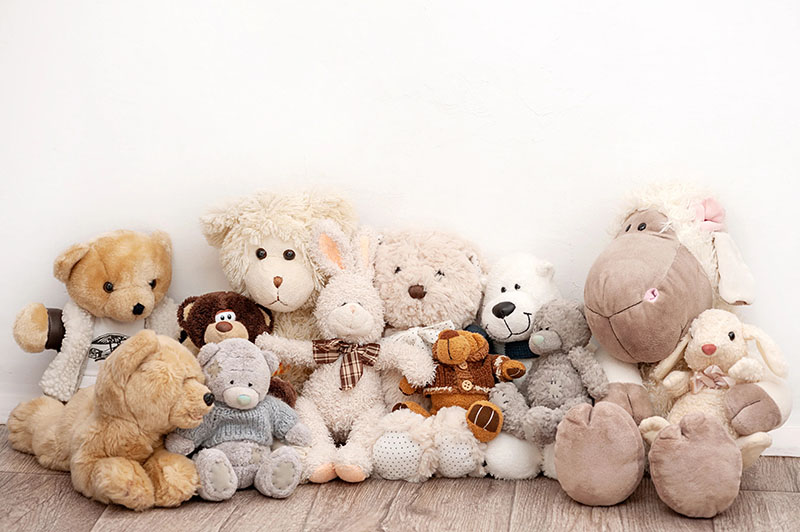
Newborn plush trends change, but caregiver priorities stay quite stable:
- “Is it safe?”
- “Is it soft?”
- “Is it easy to clean?”
- “Is it giftable and photogenic?”
- “Can I trust the brand and supplier?”
In 2025, I see three strong trend directions in newborn plush:
- Minimal, calm design
Neutral colors, clean shapes, gentle faces. Parents want nursery-friendly aesthetics. - Comfort formats
Loveys and small plush that are easy to hold during supervised bonding. Parents like items that feel comforting without being bulky. - Proof and transparency
Caregivers and retailers want clearer evidence: safety standards, material details, and compliance documentation. This aligns with strict safe-sleep messaging that keeps cribs clear of soft objects.
From a retail and product-strategy view, “best newborn stuffed animals” are those that match how parents actually buy:
- Newborn plush is often a gift. Packaging and story matter.
- Many parents prefer a plush that looks premium but not loud.
- They value “safe for baby” messaging—but they also respond well when brands explain how to use it safely (supervised cuddle time, remove before sleep).
Here’s a market-focused framework:
| Preference Trend | What Caregivers Want | What Products Win | What B2B Buyers Gain |
|---|---|---|---|
| Calm aesthetic | Nursery-friendly look | Neutral/pastel, simple animals | Wider gifting audience |
| Easy care | Washable, durable | Strong seams, stable stuffing | Fewer returns and complaints |
| Safety-first | Clear, credible safety | Embroidery face, simple trims | Better retailer acceptance |
| “Proof” buying | Certifications and clarity | Documented compliance path | Stronger brand trust |
| Social sharing | Photogenic softness | Clean silhouette, premium handfeel | Better organic marketing |
For B2B buyers like Jessica (US, safety-focused, quality-driven), these trends make decision-making easier. You can stock or launch a newborn plush line that is aligned with modern caregiver expectations, not just cute designs.
Conclusion
A good plush toy is safe, soft, durable, and appealing while also offering branding opportunities. At Kinwin, we help global buyers develop customized plush solutions that meet safety standards and stand out in competitive markets. Contact us at [email protected] or visit kinwintoys.com to discuss your next project and explore how our factory can support your success.