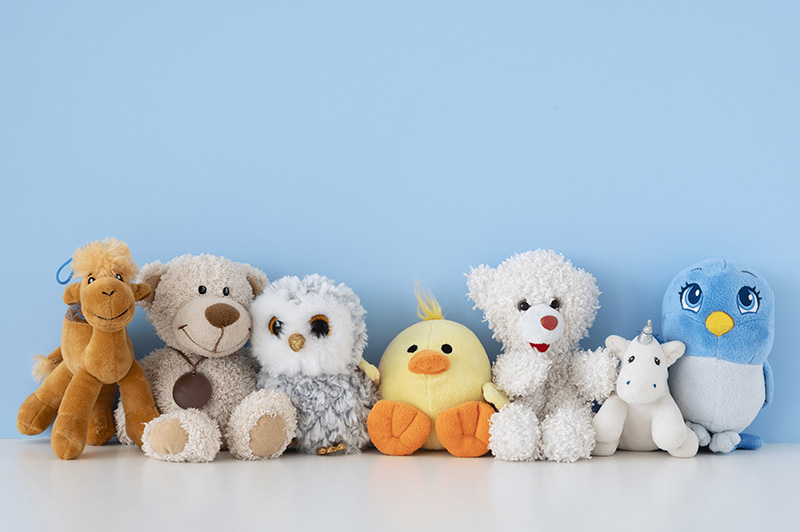
Large stuffed animals create instant emotional impact. They feel generous, comforting, and memorable—whether placed in a child’s room, a retail window, or a promotional display. But from a manufacturing and sourcing perspective, big plush is not just “small plush, made bigger.” Size changes everything: materials, structure, safety, logistics, and even how customers perceive value.
In this guide, I’ll explain how I evaluate and develop best-in-class large stuffed animals for global B2B buyers. I’ll focus on what really matters: durability, safety compliance, supply chain efficiency, and market performance—using simple language and practical logic so you can make confident decisions.
What defines a “large” stuffed animal in manufacturing and retail specifications?
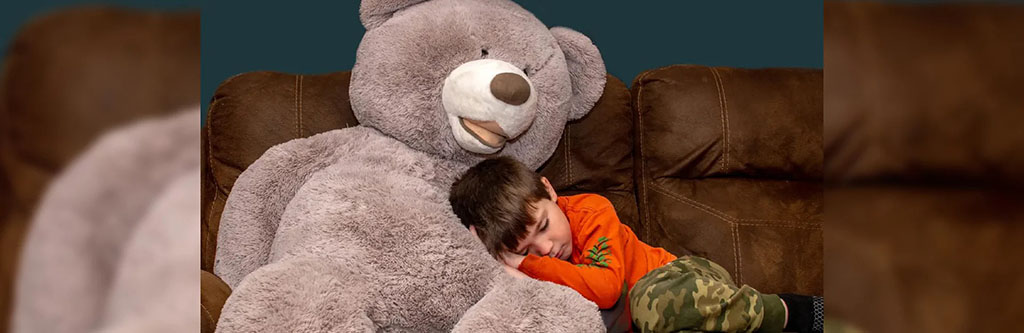
In daily conversation, “large” is subjective. In manufacturing and retail, we define size using clear specifications, because size directly affects cost, safety testing, packing, and shipping.
In most plush projects, a stuffed animal becomes “large” when it crosses 60 cm (24 inches) in height or length. Above this point, the product is no longer treated as a standard toy. It becomes a statement item, often purchased for gifting, décor, or emotional comfort rather than everyday play.
From my experience, large plush typically falls into three practical size tiers:
| Size Category | Typical Dimensions | How It’s Used | Key Manufacturing Impact |
|---|---|---|---|
| Medium-large | 60–80 cm (24–31 in) | Premium gifts, retail feature items | Higher fabric use, stronger seams needed |
| Large | 80–120 cm (31–47 in) | Bedroom décor, big gifting moments | Structural reinforcement becomes important |
| Oversized / jumbo | 120 cm+ (47 in+) | Display pieces, promotions, emotional comfort | Logistics, safety, and packing dominate |
Retailers also care about visual volume, not just length. A 90 cm bear with a wide body feels much larger than a tall but slim plush. That “perceived size” strongly influences pricing and consumer reaction.
For buyers, the key question is not only how big, but also:
- Will it hold shape over time?
- Can it be moved, hugged, or leaned on without collapsing?
- Can it be packed and shipped efficiently?
Those answers depend on materials and internal structure, not size alone.
Which materials and structural reinforcements optimize durability for oversized plush toys?
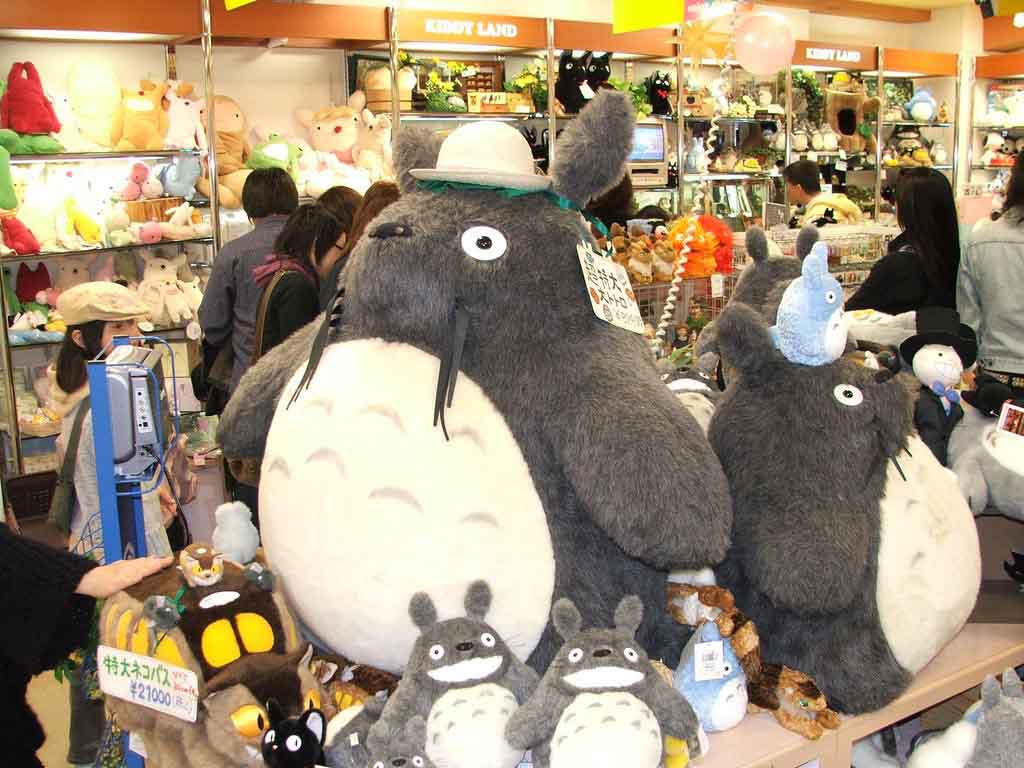
As plush gets larger, gravity becomes the enemy. Heads droop, seams stretch, and stuffing migrates downward if the internal design is not engineered correctly. This is why large stuffed animals require different material and construction strategies than standard sizes.
Materials that perform better at large scale
For large plush, materials must balance softness and strength. Fabrics that feel great in a 30 cm toy may stretch too much at 100 cm.
Here’s how material choices typically change as size increases:
| Component | Preferred Options for Large Plush | Why They Work Better at Scale |
|---|---|---|
| Outer fabric | High-density short plush, velboa, premium minky | Less stretch, better surface stability |
| Backing cloth | Thicker knit backing or reinforced base fabric | Prevents deformation and sagging |
| Inner filling | High-resilience polyester fiberfill | Holds volume, slower compression over time |
| Thread | High-tensile polyester thread | Withstands weight and pulling force |
| Inner supports | Fabric baffles, foam panels (selective use) | Maintains body shape in large sections |
Very long-pile faux fur can look impressive, but on very large plush it often mats, tangles, or hides poor structure. For premium results, I usually recommend controlled pile lengths with good density.
Structural reinforcements that matter
Large plush toys need internal engineering, even if customers never see it. Common reinforcement methods include:
- Internal baffles or partitions to prevent stuffing from sliding downward
- Layered stuffing zones (firmer core, softer outer layer)
- Reinforced neck and shoulder seams to support heavy heads
- Wider seam allowances and adjusted stitch density
- Flat or weighted bases to help sitting stability
You can see the difference clearly in long-term use. A well-structured large plush still looks inviting after months; a poorly built one slumps and feels “cheap” very quickly.
| Reinforcement Area | Purpose | Result for End User |
|---|---|---|
| Neck and head | Prevent head droop | Plush keeps friendly posture |
| Body core | Support overall mass | Better hugging and leaning experience |
| Base / bottom | Improve sitting stability | Plush stays upright |
| Seam stress zones | Reduce tearing risk | Longer product life |
For B2B buyers, these reinforcements are not optional upgrades—they are what separates a display-quality plush from a return-prone product.
How do safety and compliance standards vary for large stuffed animals?
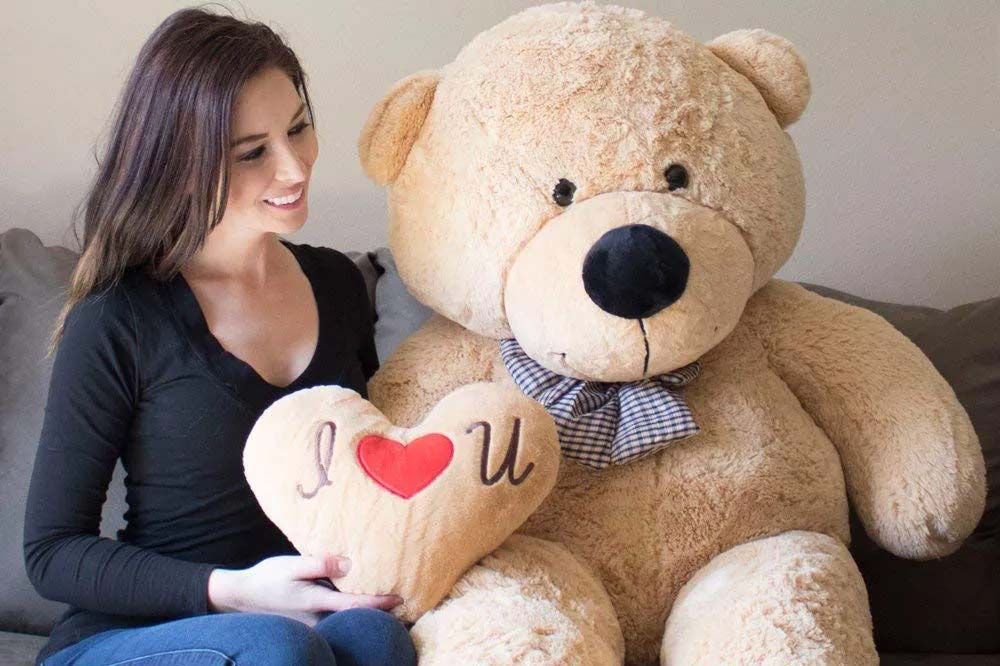
Many buyers assume that “big plush = safer plush” because it has fewer small parts. In reality, large size introduces different safety risks, and regulators look closely at weight, seam strength, and labeling.
Large stuffed animals sold as toys must still comply with standards such as EN71 (EU) and ASTM F963 (USA) when applicable. However, some large plush products are marketed as decorative items or cushions, which may change labeling and testing scope—but this must be handled carefully and honestly.
Key safety considerations for large plush
| Safety Aspect | Why It’s Critical for Large Plush | Typical Control Measures |
|---|---|---|
| Seam strength | Greater internal force from heavy stuffing | Reinforced seams, pull testing |
| Tip-over risk | Tall plush can fall onto children | Stable base design, weight distribution |
| Suffocation risk | Large surface area can cover face (for young ages) | Clear age grading, not for under-3 use |
| Chemical compliance | More fabric and dye used | Certified materials, batch testing |
| Label clarity | Buyers may misuse size without guidance | Clear warnings and age recommendations |
For very large plush (especially over 120 cm), I often advise buyers to clearly grade the product for older children, teens, or adults, even if the design looks cute. This reduces regulatory risk and aligns with real usage.
From a factory perspective, compliance affects:
- Fabric and dye sourcing
- Stitching and reinforcement specs
- Label wording and placement
- Packaging claims and imagery
A “best” large stuffed animal is not just impressive—it is honest about who it is for and how it should be used.
What are the most effective supply chain strategies for producing and distributing large plush products?
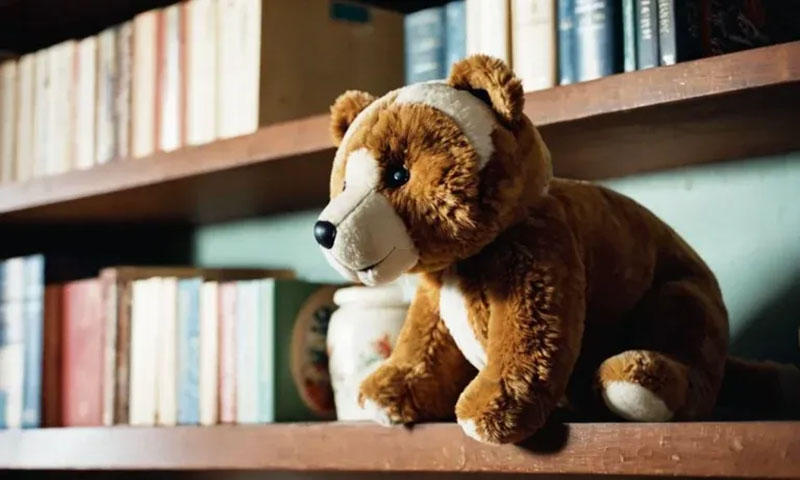
Large plush changes the economics of your supply chain. Fabric consumption rises fast, production handling becomes slower, and shipping efficiency drops if planning is poor.
Production planning strategies
To control cost and quality, we usually:
- Optimize pattern layout to reduce fabric waste
- Use modular patterns (same head, different body lengths)
- Limit unnecessary complexity in limbs and accessories
- Schedule large plush in dedicated production windows
This improves consistency and avoids constant machine adjustment.
Packing and shipping strategies
Shipping is often the biggest surprise for new buyers of large plush. Volume, not weight, drives cost. Smart packing strategies make a huge difference:
| Packing Method | When It Works Best | Trade-Offs |
|---|---|---|
| Vacuum compression | Soft, flexible plush without rigid cores | Needs recovery time after unpacking |
| Partial compression | Medium-large plush with structure | Balance between shape and volume |
| Non-compressed | Display-ready or luxury plush | Highest shipping cost |
| Modular packing | Detachable parts or foldable bodies | More assembly at destination |
For international shipments, carton strength and moisture protection are also critical. Large plush cartons are more likely to deform during transit if not designed correctly.
From a buyer’s view, the right question is not “Can we make it big?” but “Can we ship it profitably and reliably?”
Which retail and wholesale channels perform best for large stuffed animal sales?
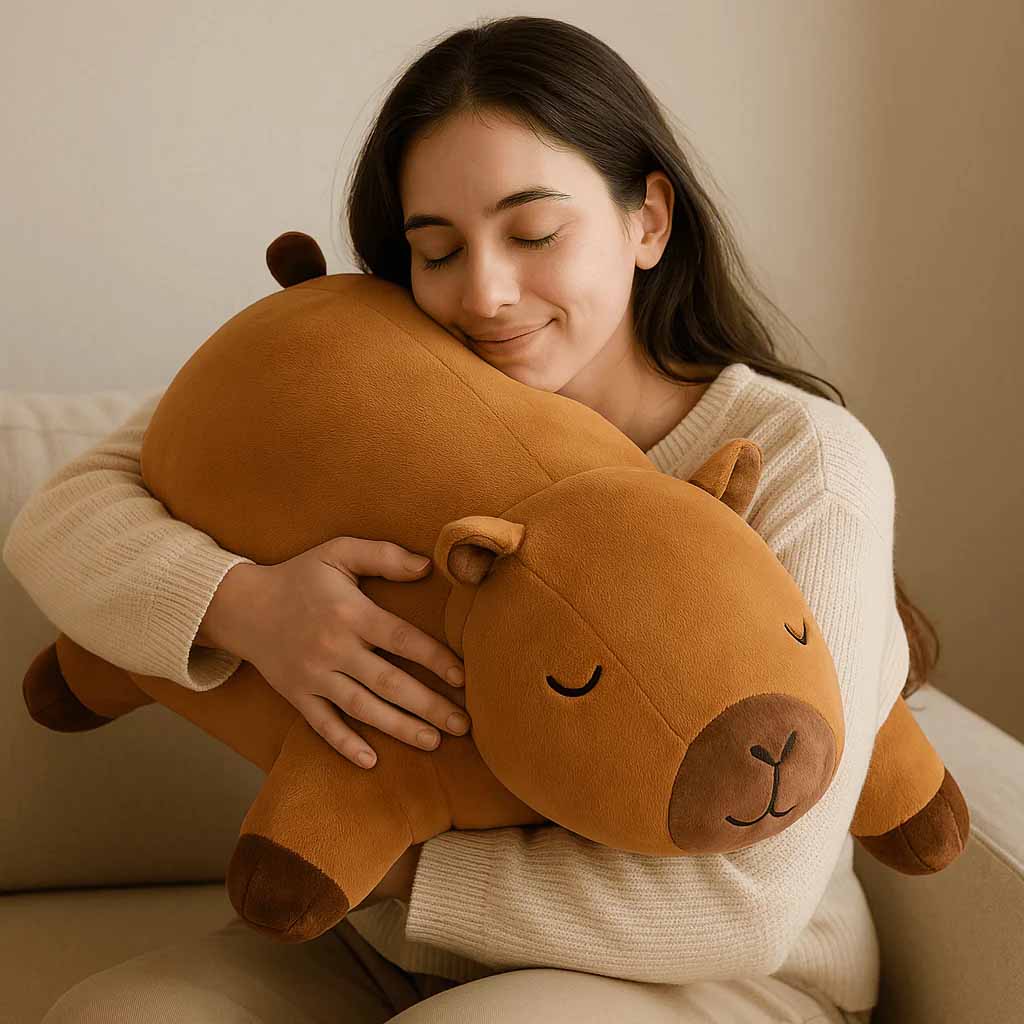
Large stuffed animals sell differently from small plush. They are rarely impulse purchases. Customers usually buy them for specific emotional moments: birthdays, anniversaries, Valentine’s Day, graduations, or promotional displays.
Best-performing channels
| Channel Type | Why Large Plush Works Well Here | Typical Buyer Motivation |
|---|---|---|
| Gift shops | Strong emotional gifting context | “Wow-factor” gifts |
| Flower & event stores | Bundled with flowers or balloons | Romantic or celebratory occasions |
| Department stores | Space to display large items | Premium gifting |
| Online DTC brands | Viral photos and size contrast | Social-media-driven purchases |
| Promotional channels | High visibility for brands and events | Marketing impact |
Large plush performs especially well when display space and storytelling are strong. A giant bear hidden on a shelf does not sell; one placed near an entrance often does.
For wholesalers and distributors, large plush usually moves slower but at higher unit value. That means inventory planning and seasonal timing are more important than constant replenishment.
How do design trends and consumer demand influence large stuffed animal popularity?
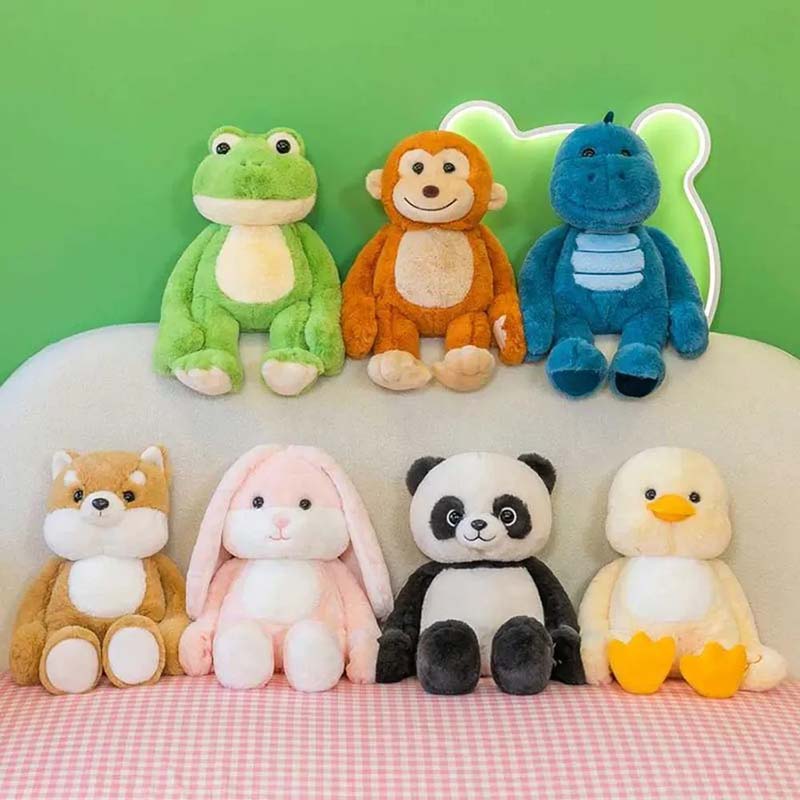
Design trends strongly affect which large plush becomes a bestseller and which becomes dead stock. Size amplifies both success and failure.
Current demand drivers
From what I see across export markets, large plush demand is driven by:
- Emotional comfort (stress relief, companionship)
- Social media visibility (scale looks impressive on camera)
- Minimalist but cute design (simple shapes read better at size)
- Character recognition (familiar animals, mascots, or icons)
Overly complex designs often fail at large scale because details get lost and costs rise quickly. Clean silhouettes and friendly proportions usually perform better.
| Design Factor | Impact on Large Plush Success | Practical Advice |
|---|---|---|
| Silhouette | Must be clear from distance | Avoid overly thin limbs |
| Face design | Needs strong expression | Larger embroidery, simple features |
| Color palette | Should feel calm and gift-friendly | Avoid too many small color blocks |
| Texture | Must look good and feel good | Consistent pile, no patchy surfaces |
| Theme | Universal emotions work best | Bears, dogs, bunnies outperform niches |
Large plush also benefits from storytelling: naming the product, explaining its size, and suggesting occasions for gifting. This helps customers justify the higher price.
Conclusion
A good plush toy is safe, soft, durable, and appealing while also offering branding opportunities. At Kinwin, we help global buyers develop customized plush solutions that meet safety standards and stand out in competitive markets. Contact us at [email protected] or visit kinwintoys.com to discuss your next project and explore how our factory can support your success.