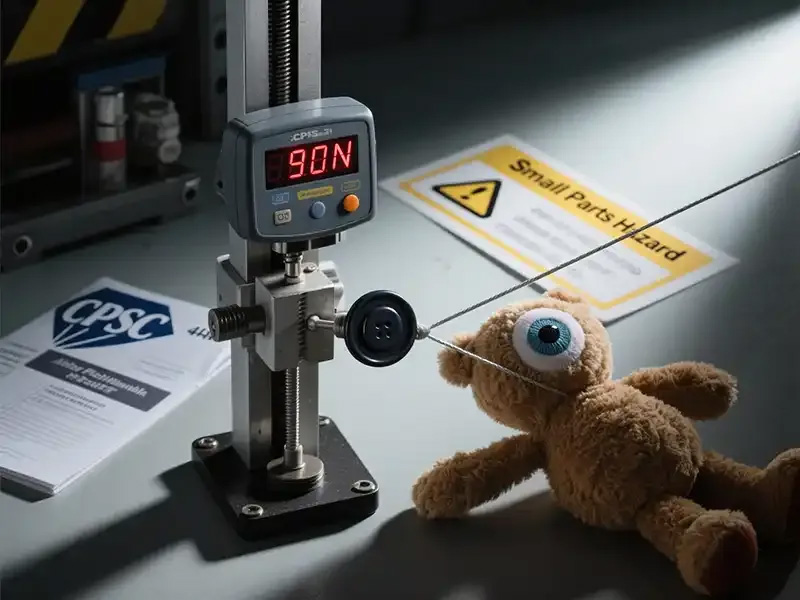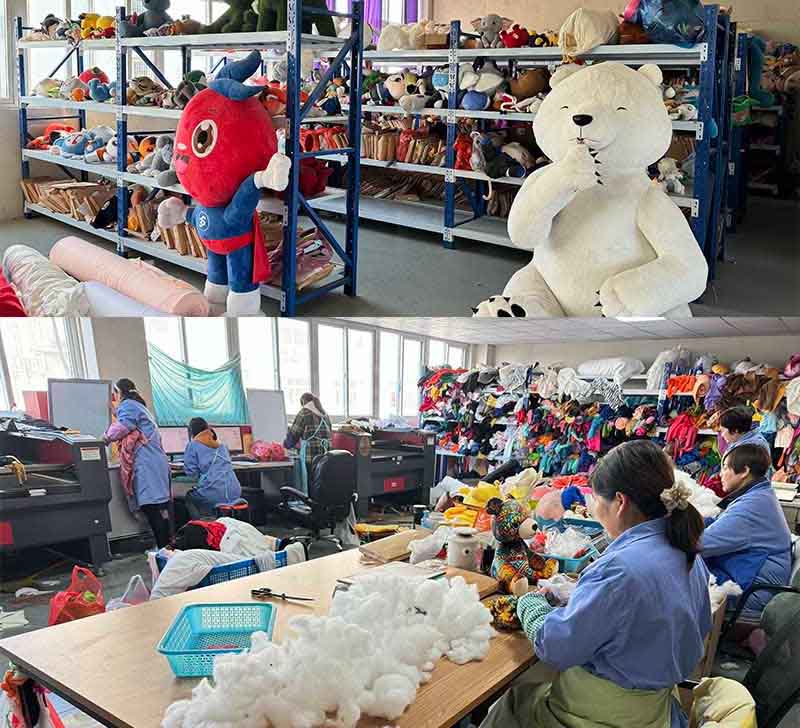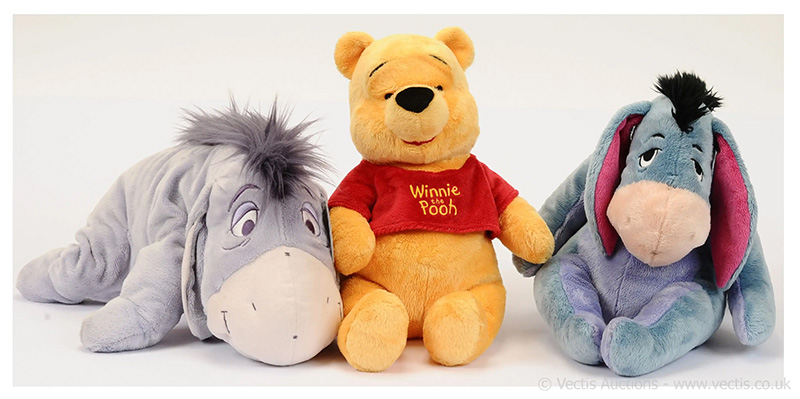
A fabric swatch board showing minky, short-pile plush, faux fur, velour, fleece, and sherpa, labeled by pile height and backing type.
If you ask me “what is the best fabric for plushies,” I will ask one question back: best for what market and what use? A baby gift plush, a premium collectible, and a promotional plush all need different fabric choices.
As Amanda at Kinwin, I pick plush fabrics based on softness, durability, safety compliance, and production stability. A fabric can feel amazing in one sample, but if it sheds, pills, fades, or changes hand-feel across fabric lots, it will create returns and bad reviews. In this guide, I’ll show you how professional manufacturers choose plush fabrics, what properties matter most, how pile and backing change the feel, which compliance topics you must plan for, how fabric affects cost and MOQ, and which fabrics work best for printing and embroidery.
What fabric properties most directly impact plushie softness and durability?
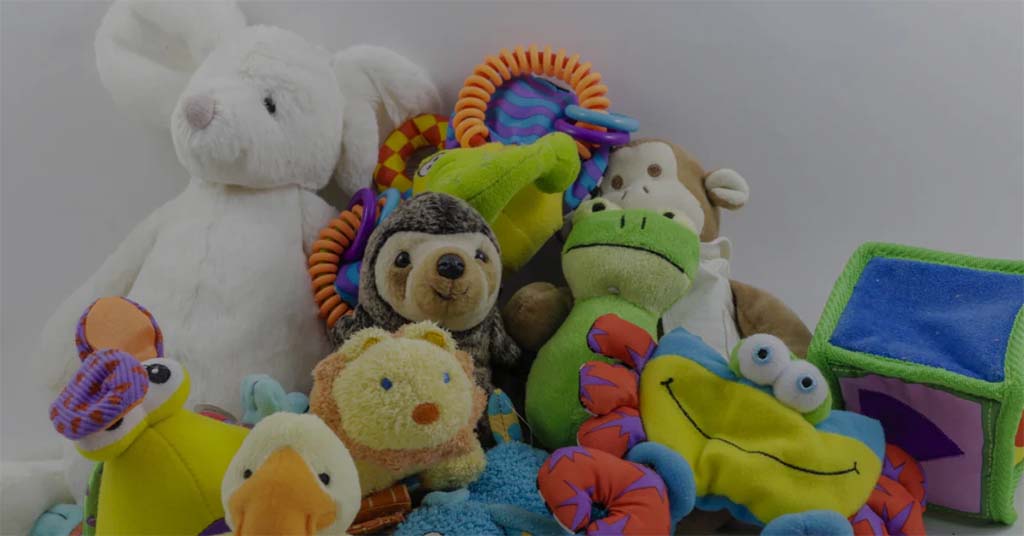
Softness is what customers notice first, but durability is what protects your brand long term. In manufacturing, I evaluate plush fabric using a few “high-impact” properties that predict both comfort and lifespan.
Softness is mainly driven by:
- fiber fineness (finer fibers feel smoother)
- pile density (denser pile feels richer)
- surface finish (brushed vs. dry hand-feel)
Durability is mainly driven by:
- backing strength (how well it holds stitches)
- abrasion resistance (how quickly it rubs flat)
- shedding control (fiber stability)
- seam performance (fabric not tearing at stitch holes)
If a plush will be hugged daily, thrown in a backpack, or washed often, durability matters as much as softness. Many “super fluffy” fabrics feel great in the store but flatten quickly under pressure. That’s why I always test compression and rebound before final fabric approval.
| Property | What It Controls | How to Check Fast | Why Buyers Should Care |
|---|---|---|---|
| Pile density | Premium feel and fullness | Touch + pinch test | Low density feels cheap quickly |
| Fiber fineness | Smoothness against skin | Rub on inner wrist | Rough feel leads to returns |
| Backing strength | Stitch holding power | Stretch + stitch pull sample | Weak backing causes seam splits |
| Shedding rate | Cleanliness and safety | Tape test + shake test | Shedding triggers complaints |
| Abrasion resistance | Long-term appearance | Rub test (controlled friction) | Flattened pile looks “old” |
| Colorfastness | Visual quality after cleaning | Wash test + rub test | Fading hurts brand trust |
When your customer is shopping online, they can’t touch the product first. So the fabric must “perform” after delivery, not only look good in photos.
Which plush fabrics are most commonly used in professional manufacturing?
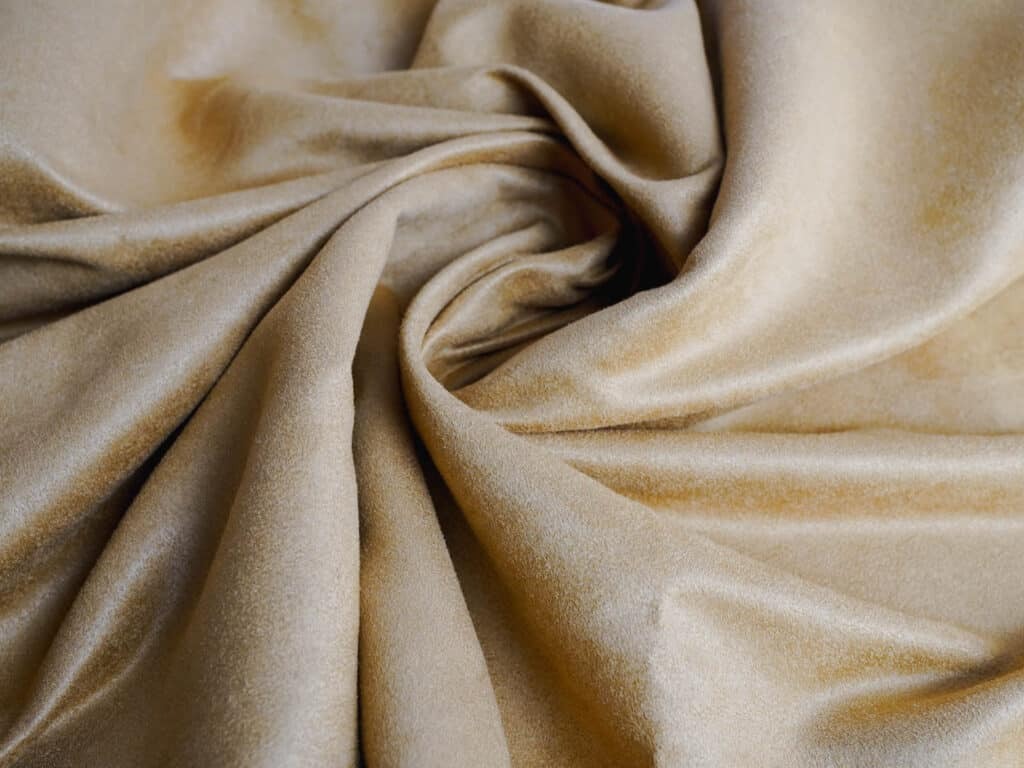
Most plush products on the market are built from a small set of proven fabric families. Each has a typical “best use” and a predictable cost/quality range.
In my factory planning, I usually group plush fabrics into these categories:
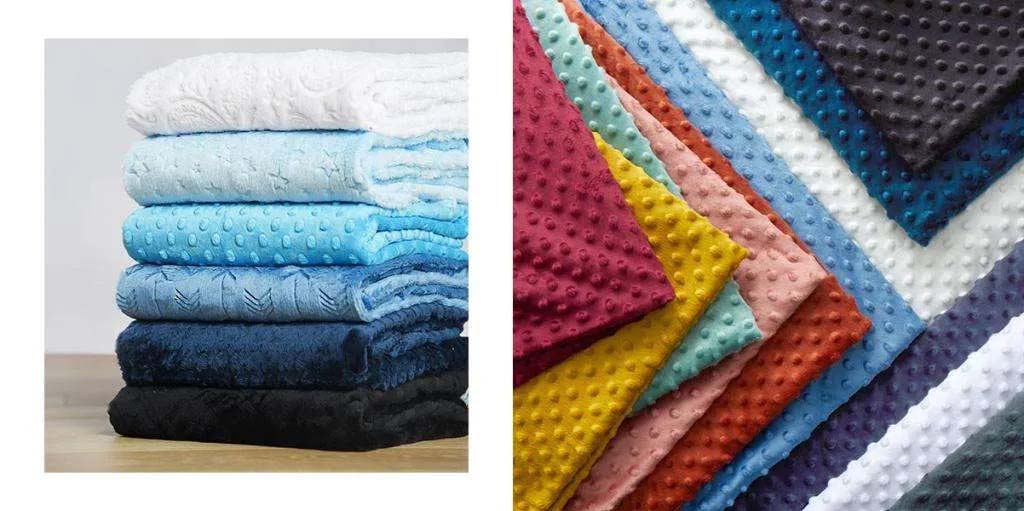
- Minky (short pile, smooth touch): very soft, great for baby/toddler feel and premium touch
- Short-pile plush (velboa / crystal plush types): stable, cost-effective, good for mass retail
- Faux fur (medium to long pile): realistic animals, premium look, higher shedding risk
- Velour / velvet (smooth, elegant): good for dolls, character plush, and “clean face” designs
- Fleece (warm, cozy): blankets, pillows, comfort plush, but can pill if low grade
- Sherpa / teddy fleece: fluffy and warm, popular for winter themes, texture-forward designs
No fabric is “best” in every project. For most B2B buyers, the best fabric is the one that meets your softness target and stays stable across large orders.
| Fabric Family | Typical Feel | Typical Strength | Common Use | Main Watch-Out |
|---|---|---|---|---|
| Minky | Very smooth, skin-friendly | Good | Baby gifts, premium cuddle plush | Stain visibility; needs good dye control |
| Short-pile plush (velboa type) | Soft, classic plush feel | Very good | Mass retail plush, promos | Cheap grades can feel dry |
| Faux fur | Realistic, fluffy | Medium–good | Pet/animal realism | Shedding, tangling, seam hide issues |
| Velour/Velvet | Smooth, refined | Good | Dolls, character faces | Can show crush marks |
| Fleece | Cozy, warm | Medium | Pillows, blankets, comfort items | Pilling in low grades |
| Sherpa | Textured, fluffy | Medium | Winter plush, texture toys | Can mat after wash |
If you want a safe default for many markets, a high-density short-pile plush is often the most stable choice for scale.
How do pile length, density, and backing affect plushie appearance and feel?
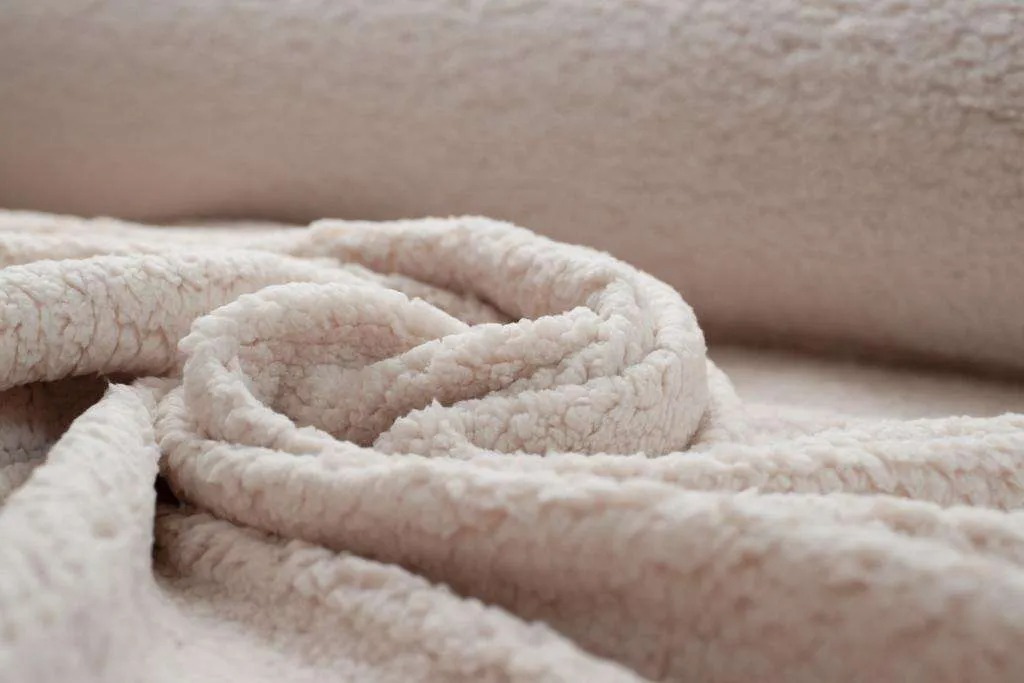
Many fabric decisions look minor on a swatch, but they become major on a finished plush. Pile length, density, and backing change:
- how clear the face embroidery looks
- how “expensive” the plush appears
- how well seams hold over time
- how the plush looks after compression shipping
Pile length
- Short pile gives clean lines, sharp facial detail, and easier embroidery
- Long pile gives a fluffy look, hides seams, but can blur facial features
Density
- Higher density feels fuller and more premium
- Low density feels thin and can show backing through the pile
Backing
Backing is the hidden hero. Strong backing reduces seam tearing and keeps the plush stable. Weak backing can stretch during sewing, causing misalignment and distortion.
| Fabric Structure Factor | What You See on the Plush | Best For | Common Problem | Simple Fix |
|---|---|---|---|---|
| Short pile (2–6 mm) | Clean, sharp face | Character plush, kids plush | Less “fluffy” look | Add soft stuffing and round shapes |
| Medium pile (6–15 mm) | Balanced realism | Animals, general plush | Face details can soften | Use shorter pile on face panels |
| Long pile (15–40 mm) | Very fluffy, premium look | Collectibles, fluffy animals | Tangles, sheds, hides embroidery | Trim around eyes/mouth and control pile direction |
| High density | Rich hand-feel | Premium retail | Higher cost | Use only on main touch zones |
| Low density | Light and cheap | Promotions | Backing shows, looks flat | Upgrade grade or add lining |
| Strong backing | Stable sewing | All scalable production | Slightly stiffer hand | Choose backing that balances stretch and strength |
A common professional method is multi-fabric zoning: short pile on the face, medium pile on the body, and a smooth fabric for inner ears or paws. This keeps both clarity and comfort.
What safety, chemical, and compliance standards apply to plush fabrics?
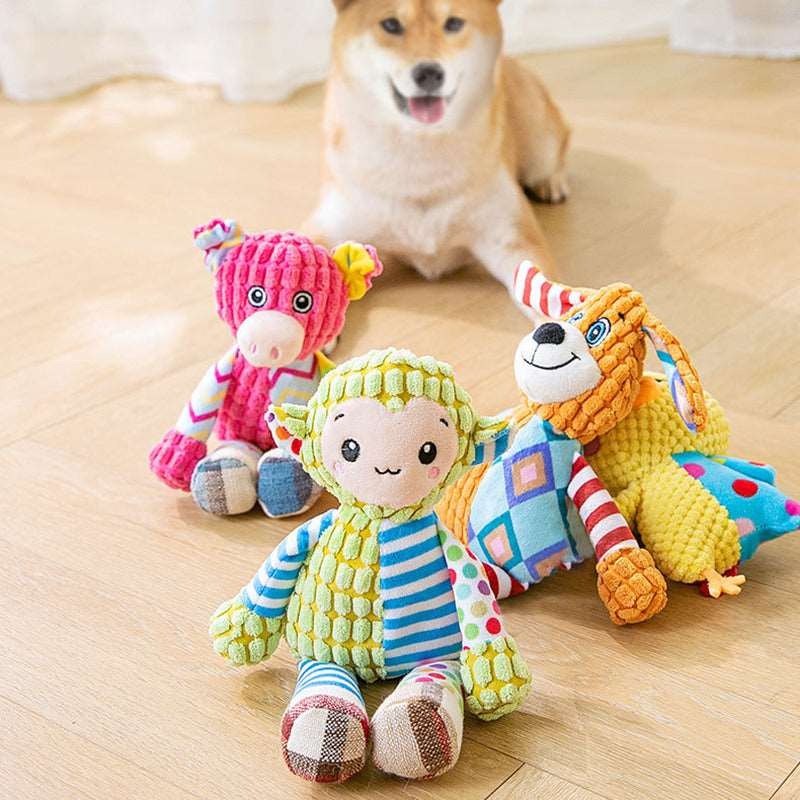
For B2B sourcing, “best fabric” must also mean “safe fabric.” Plush fabrics often touch skin and sometimes mouths, especially for young children. So you need to plan for chemical compliance, flammability expectations, and labeling requirements based on your target market.
In real export projects, buyers usually ask for:
- restricted substances compliance (dyes, finishes, prints)
- material safety documentation from suppliers
- age grading alignment (under 3 is stricter)
- physical safety performance when sewn (seams, shedding, durability)
The most important manufacturing truth is: compliance starts at fabric selection, not at the lab stage. If a fabric uses unstable dyes, unknown coatings, or inconsistent finishing, it increases your testing risk and delays.
| Compliance Topic | What It Covers | Why It Matters for Plush Fabrics | What I Ask Fabric Suppliers For |
|---|---|---|---|
| Restricted chemicals | Dyes, finishes, heavy metals, etc. | Skin contact safety and legal limits | Material test reports / declarations |
| Colorfastness | Dye stability under rubbing and washing | Prevents staining and fading complaints | Rub test + wash test results |
| Shedding/fiber stability | Loose fibers and lint | Cleanliness, user comfort | Shedding tests and pile stability checks |
| Flammability expectations | Fabric burn behavior | Market access and risk control | Region-specific guidance and test planning |
| Traceability | Lot-to-lot consistency | Reduces “new batch feels different” | Lot numbers + supplier control records |
| Age grading fit | Under-3 vs older users | Stronger safety expectations for young kids | Fabric and trim choices aligned to age |
If your plush is for toddlers or close-contact sleep use, I always recommend low-shed, smooth fabrics and conservative surface finishes.
How does fabric choice influence cost, MOQ, and large-scale production stability?
In B2B manufacturing, fabric is usually the largest variable cost in a plush. It also affects MOQ and delivery risk. The “best” fabric for a startup test order is often not the same as the “best” fabric for a 100,000-unit program.
Here are the cost drivers I see most often:
- fabric weight (GSM) and pile density
- special dye lots (custom color matching)
- printed fabrics (setup cost, color control)
- long pile faux fur (waste and sewing time)
- supply stability (lead time and minimum yardage)
For large-scale production, stability matters more than chasing the softest possible fabric. A stable fabric with consistent lots helps you keep:
- consistent hand-feel
- consistent color
- predictable cutting and sewing behavior
- fewer defects in bulk runs
| Fabric Choice | Typical Cost Impact | MOQ Impact | Production Stability | Best Use Case |
|---|---|---|---|---|
| Standard short-pile plush | Low–medium | Lower | Very stable | Mass retail, promos |
| Premium dense short pile | Medium | Medium | Stable (with good supplier) | Premium retail lines |
| Minky | Medium–high | Medium | Stable, but needs dye control | Baby gifts, premium cuddle |
| Long pile faux fur | Medium–high | Medium–high | More variable | Realistic animals, collectibles |
| Custom dyed color | Medium–high | Higher | Stable after color approval | Brand signature colors |
| Printed fabric panels | Medium–high | Medium–high | Requires tight QC | Complex markings, characters |
If you are testing a new SKU, I suggest using a fabric that is easy to source repeatedly. After you validate sales, then you can upgrade to premium grades or custom colors.
Which fabric options best support customization, printing, and embroidery?
Customization is where fabric selection becomes strategic. Many buyers want:
- logo embroidery
- custom facial expressions
- printed patterns (spots, stripes, gradients)
- clean color blocks that match brand style
Not all plush fabrics handle decoration equally.
Embroidery
Short-pile plush, minky, and velour usually embroider cleanly. Long pile faux fur can hide embroidery and make lines look blurry unless you trim around the stitch area.
Printing
Printing works well for complex markings, but print quality depends on fabric surface stability. Very long pile can distort prints. Smooth and short-pile surfaces usually print more clearly.
Appliqué and patchwork
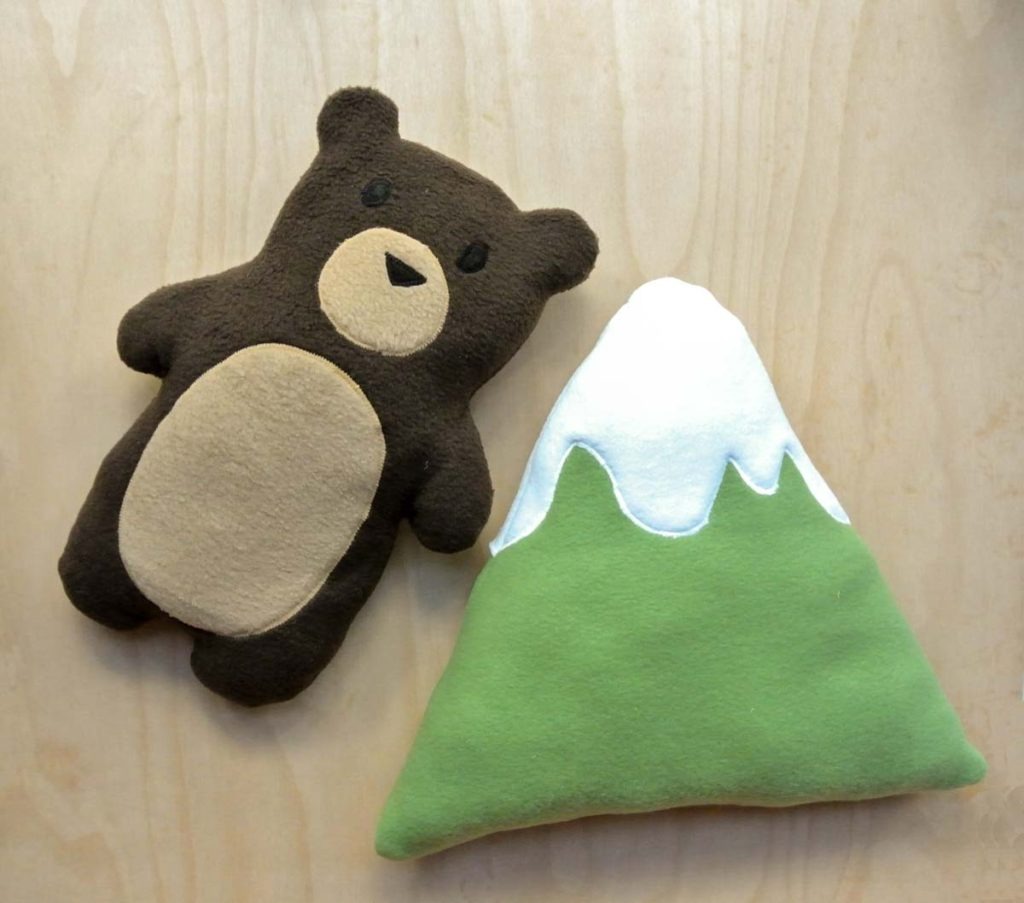
If you need sharp color boundaries (like black/white), pieced panels or appliqué often look more premium than print alone.
| Customization Method | Best Fabric Match | Why It Works | Common Problem | Best Practice |
|---|---|---|---|---|
| Embroidery logos | Short pile, minky, velour | Clear stitch definition | On long fur it disappears | Use embroidery zones with short pile |
| Facial embroidery | Short pile, velour | Clean expression lines | Pile hides details | Trim pile around eyes/mouth if needed |
| Digital printing | Short pile, smooth fabrics | Crisp graphics and marks | Print looks fuzzy on long pile | Use printed panels on short pile sections |
| Appliqué patches | Short pile, fleece | Sharp boundaries | Edges can lift if weak stitching | Reinforce edges and choose stable backing |
| Sublimation/heat methods | Depends on fiber type | Bright colors | Not all plush fibers accept it | Confirm compatibility early |
| Color blocking panels | Any stable plush with strong backing | Premium look | Sewing complexity increases | Use simple panel count for scale |
If your brand needs strong customization, the safest approach is fabric zoning: choose one “decoration-friendly” fabric for face and logo areas, and a separate fabric for the body that delivers the desired softness and look.
Conclusion
The best plushie fabric is the one that stays soft, safe, and consistent from sample to mass production while fitting your budget and market. At Kinwin, we help global buyers select the right fabrics, control quality, and scale plush lines that meet safety expectations and sell well. Contact me at [email protected] or visit kinwintoys.com to discuss your next plush project and explore how our factory can support your success.