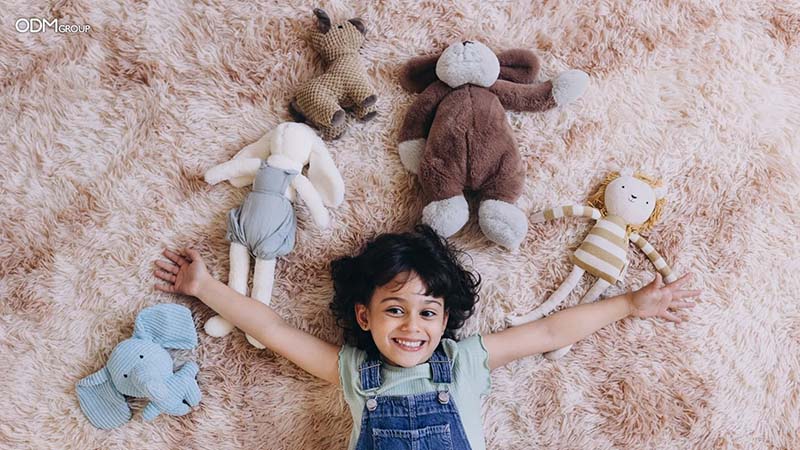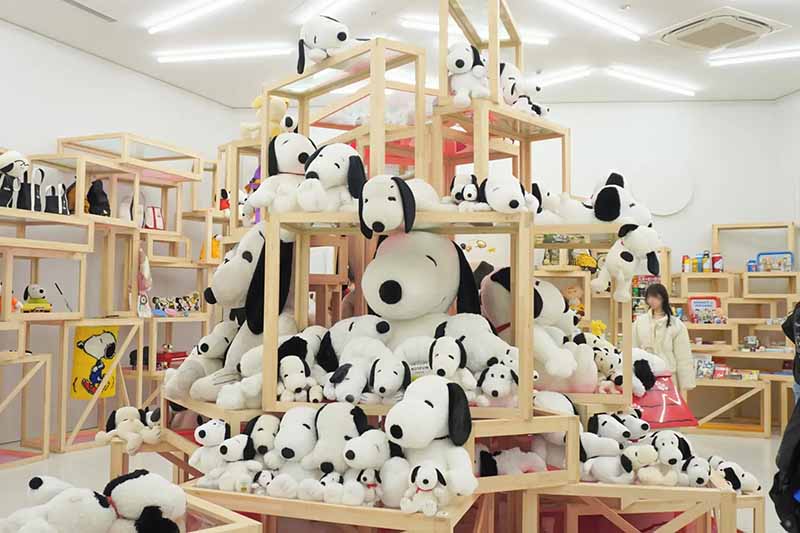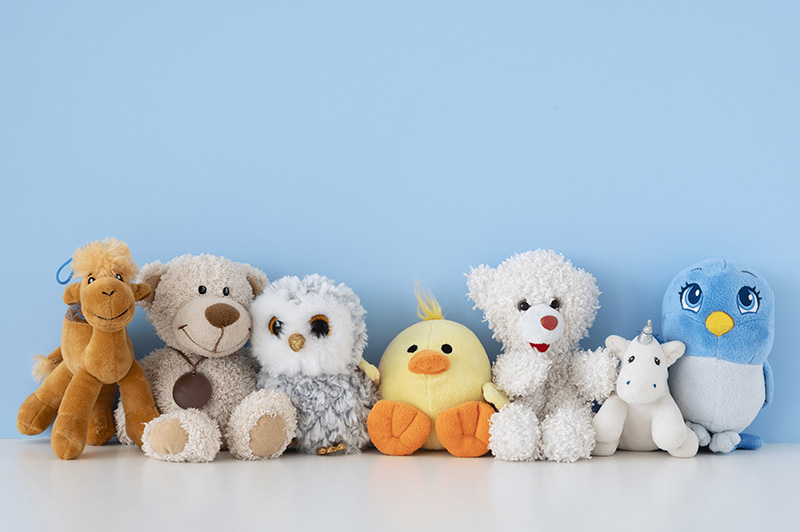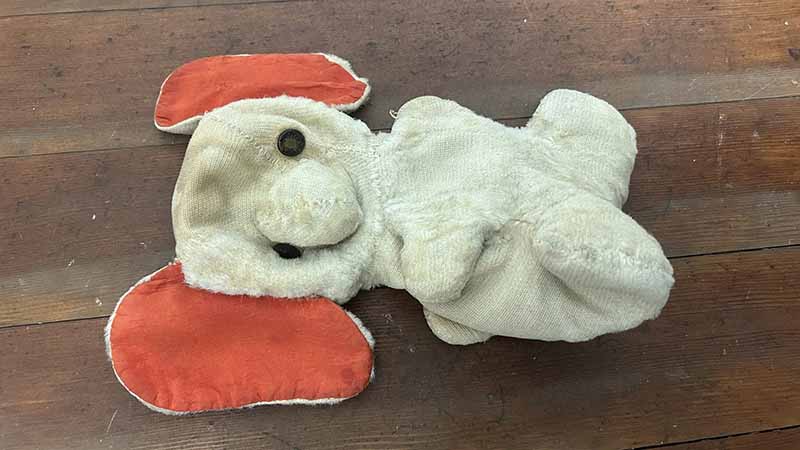
When people say “best ever stuffed animals,” they usually mean plush toys that feel safe, soft, durable, and emotionally special—the kind you keep for years, gift with confidence, and proudly display in stores.
As a manufacturer, I don’t rank plush by “cute only.” I look at materials, construction, safety compliance, design strength, and production consistency. In this guide, I’ll show you the same evaluation logic I use when helping B2B buyers build premium plush lines that can compete in high-expectation markets like the USA and Europe.
What criteria define the highest-quality stuffed animals in the plush toy industry?
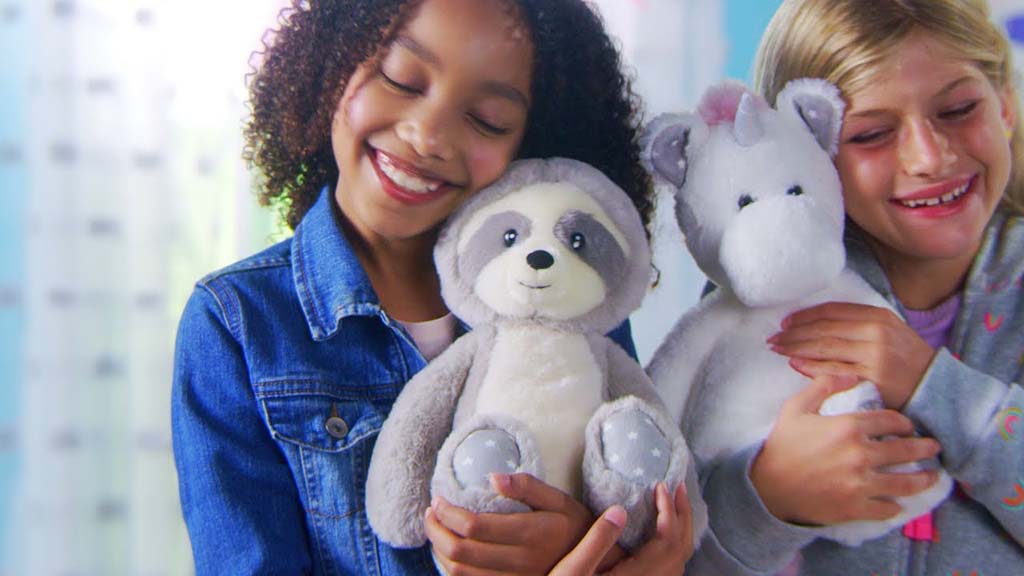
The highest-quality stuffed animals perform well in real life: they stay soft after use, hold shape after hugs, keep seams tight, and maintain a clean look after shipping and handling. Quality is not one feature—it’s a system.
When I evaluate “best ever” plush, I focus on six criteria:
- Safety and age-appropriate design (no risky parts for the target age)
- Handfeel (softness, comfort, and surface smoothness)
- Shape stability (how well it keeps form over time)
- Build integrity (seams, attachments, and reinforcement)
- Detail quality (embroidery, appliqué, prints, and overall finish)
- Consistency (the 500th unit looks like the first)
A plush can look premium online but fail in the customer’s hands if it pills, sheds, or loses shape. That’s why I recommend buyers score plush toys using a simple checklist.
| Quality Criterion | What “Best Ever” Looks Like | Common Failure Signs | What Buyers Should Ask |
|---|---|---|---|
| Safety | Age-fit design, secure details, clear labeling | Loose parts, sharp trims, unclear warnings | “Which age grade is this designed for?” |
| Softness | Pleasant touch, no scratchy fibers | Rough pile, stiff backing cloth | “What fabric type and GSM are used?” |
| Durability | Strong seams, stable stuffing, no deformation | Split seams, lumpy stuffing, twisted limbs | “What seam and pull tests are done?” |
| Shape & balance | Good proportions, sits/stands as intended | Head droop, uneven limbs, tipping | “How is stuffing spec controlled?” |
| Finish | Clean embroidery, no glue marks, tidy seams | Visible glue, loose threads, misalignment | “How do you control embroidery placement?” |
| Consistency | Low variation across batches | Random face differences, color mismatch | “Do you use a golden sample and SOP?” |
For premium segments, these criteria must work together. If one weak link breaks (for example, poor seam strength), the whole product reputation drops.
Which materials and construction standards contribute to premium plush performance?
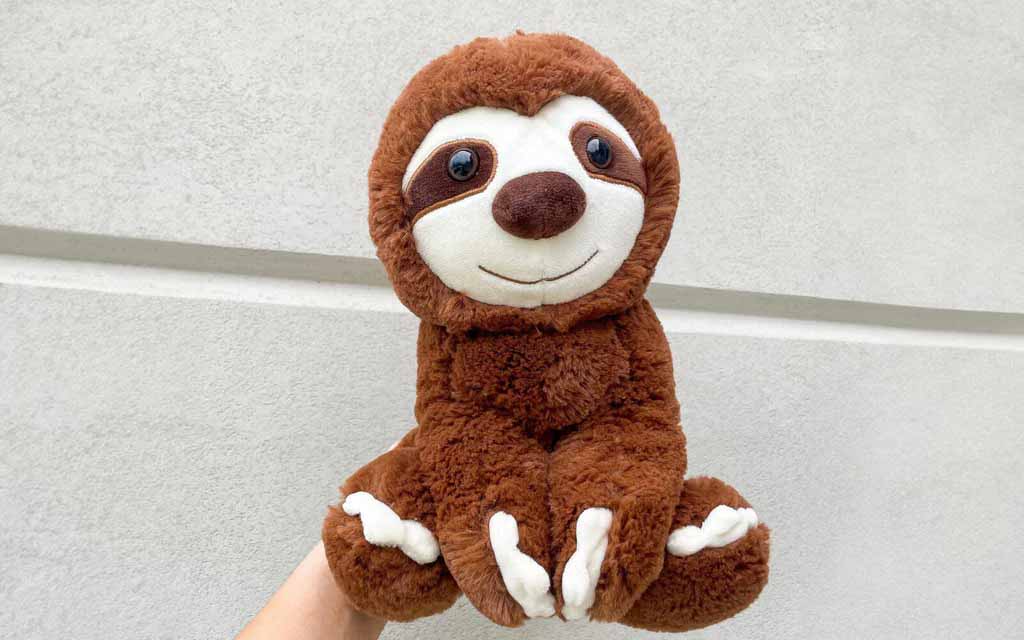
Premium plush starts with the right material choices—then it becomes real through construction standards. In production, “cheap feel” often comes from thin fabrics, low-quality filling, weak stitching, or rushed finishing.
Materials that support premium handfeel and longevity
For premium performance, I usually look at three layers:
- Outer fabric: Determines touch, appearance, and how well details show
- Inner filling: Controls softness, rebound, and long-term shape
- Threads and trims: Decide seam strength and detail stability
Good options commonly include soft minky-like fabrics, quality short plush, velboa for clean shapes, and controlled faux fur for special styles. For filling, consistent polyester fiberfill is the most widely used because it is clean, stable, and scalable.
| Component | Premium Options | Why It Performs Better | Notes for B2B Projects |
|---|---|---|---|
| Outer fabric | Minky, high-density short plush, premium velboa | Soft touch, good color, durable surface | Choose pile length based on detail sharpness |
| Filling | High-grade polyester fiberfill | Holds shape, stays fluffy, fewer lumps | Specify fill weight and density clearly |
| Thread | High-strength polyester thread | Strong seams, less breakage | Use stronger thread in stress points |
| Details | Embroidery, appliqué, woven labels | Cleaner and safer than glue parts | Embroidery density affects clarity |
| Backing/lining | Stabilizers, inner support fabric | Improves structure and reduces distortion | Useful for large heads or long limbs |
Construction standards that separate premium from average
Premium construction is not “more complicated for no reason.” It is targeted engineering:
- Correct seam allowance and stitch density for the fabric type
- Reinforced joints where kids pull (arms, ears, tail, neck)
- Clean turning and shaping so curves look smooth
- Consistent stuffing method (no hard lumps, no empty corners)
- Secure attachments for accessories and facial details
In factory work, we rely on process controls, not guesswork. That means a clear spec sheet, a golden sample, and repeatable sewing instructions.
| Construction Area | Premium Standard | Why It Matters | Typical Upgrades |
|---|---|---|---|
| Seams | Tight stitching, stable seam allowance | Prevents splits and deformation | Double stitch at stress zones |
| Attachments | Reinforced insert points | Stops ears/arms tearing off | Bar-tacks or box stitches |
| Stuffing | Even distribution with target weight | Keeps shape stable and premium feel | Filling weight tolerance control |
| Embroidery | Clean density + accurate placement | Face quality drives purchase decision | Use placement jigs/templates |
| Finishing | Thread trimming, brushing, final shaping | “Gift-ready” appearance | 100% visual inspection on key points |
If you want “best ever” performance, avoid overdesigning fragile features. A plush can be detailed and still durable—but only when details are built into the pattern and seam plan, not added as weak extras.
How do safety certifications (CE, ASTM) impact the ranking of stuffed animals?
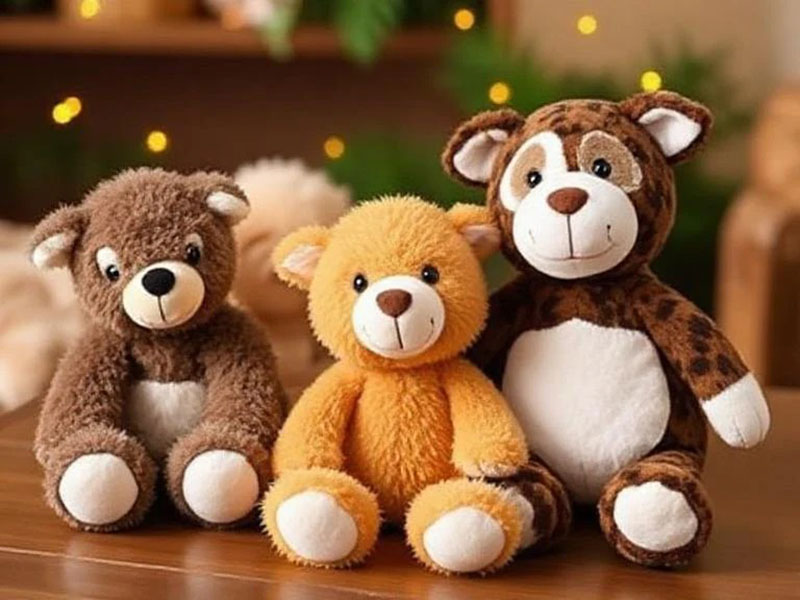
For me, safety compliance is not a marketing slogan. It is a real filter that affects whether a plush belongs in premium retail, baby gift channels, or large platforms.
If a plush targets the EU market, CE marking and EN71 compliance are often required. For the US market, ASTM F963 and related rules are widely expected. These frameworks shape how we design plush: what materials we choose, how we attach parts, and how we label the product.
The key point: a plush cannot be “best ever” if it is unsafe, untestable, or unclear in labeling.
| Certification Focus | What It Influences in Plush Design | Practical Impact on “Best Ever” Ranking |
|---|---|---|
| Mechanical safety | Small parts risk, seam strength, attachment security | Forces better construction and safer detailing |
| Chemical safety | Dyes, inks, heavy metals, restricted substances | Pushes factories to use compliant materials |
| Flammability (where applicable) | Fabric and filling behavior | Affects material selection and documentation |
| Labeling & traceability | Age grading, warnings, tracking labels | Builds buyer trust and reduces recalls |
How compliance changes product decisions
When a buyer wants CE/ASTM-friendly plush, we make stricter choices:
- Prefer embroidered faces for younger ages
- Reduce risky trims (long ribbons, loose beads)
- Improve seam strength and reinforcement
- Use compliant fabrics, inks, and stuffing suppliers
- Document materials clearly for testing and audits
This is why compliant plush often costs more—it includes quality controls and safer design choices. For B2B buyers, compliance is also a business advantage: it supports smoother customs clearance, fewer customer complaints, and better retailer acceptance.
What role do design innovation and licensing play in establishing best-in-class plush products?
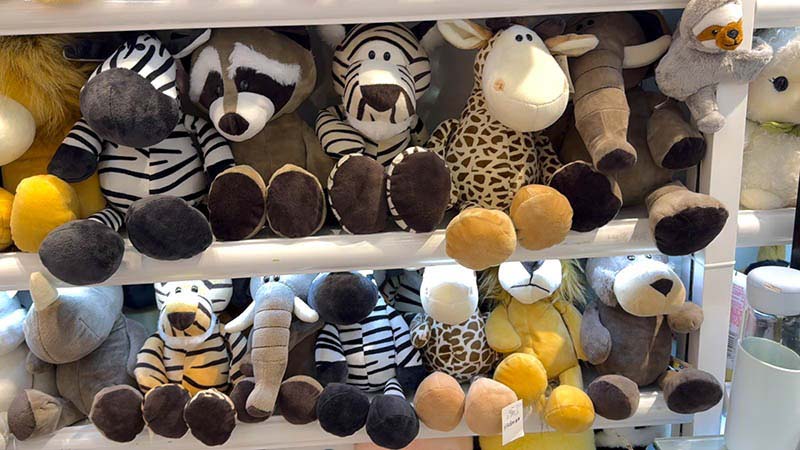
Design matters because plush is emotional. People choose a stuffed animal with their heart first, then justify with quality and price.
Design innovation that creates “icon” plush
Some plush become “best ever” because they introduce a fresh idea:
- A new silhouette that is recognizable from far away
- A new texture story (mixing materials in a tasteful way)
- A simple, strong expression that works in photos
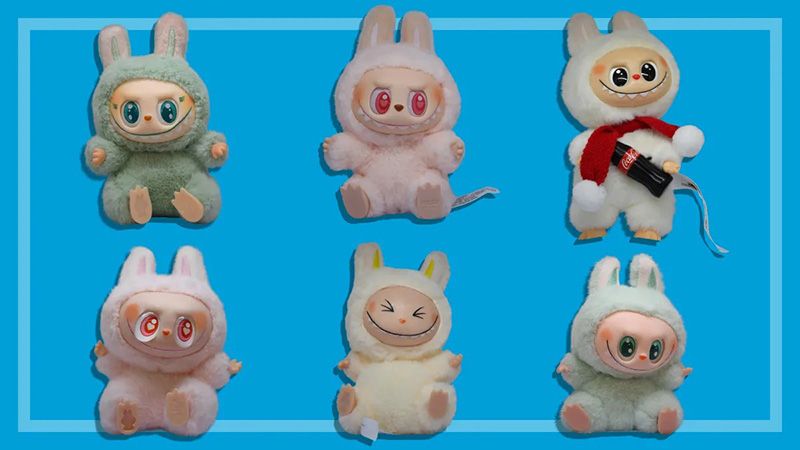
- A collectible system (characters, names, series, limited drops)
Innovation is not always complex. Sometimes it is a very clean design with perfect proportions and a confident brand style.
| Innovation Type | What It Looks Like in Plush | Why It Builds “Best Ever” Status |
|---|---|---|
| Shape innovation | Unique body proportions, iconic silhouette | Instant recognition and strong shelf impact |
| Texture innovation | Smart fabric contrast, premium handfeel | Feels special in hand and in unboxing |
| Character system | Named characters, series-based releases | Encourages collecting and repeat purchases |
| Packaging experience | Gift-ready tags, story cards, premium boxes | Raises perceived value and brand trust |
| Functional design | Comfort features, safe baby formats, easy cleaning | Matches real user needs, reduces returns |
Licensing: a powerful shortcut, but not automatic quality
Licensing gives you built-in demand. Fans already love the character, so the plush sells faster when it looks accurate.
But licensing alone does not create “best ever.” If the plush is off-model, poorly stitched, or unsafe, fans will complain even louder. The best licensed plush products succeed when they combine:
- True-to-character accuracy
- Strong embroidery and clean finishing
- Consistent production quality
- Safe construction for the target age
As a manufacturer, I tell buyers: licensing is a traffic engine, but quality is what keeps the brand alive.
How do top market segments and consumer preferences shape “best ever” stuffed animal selections?
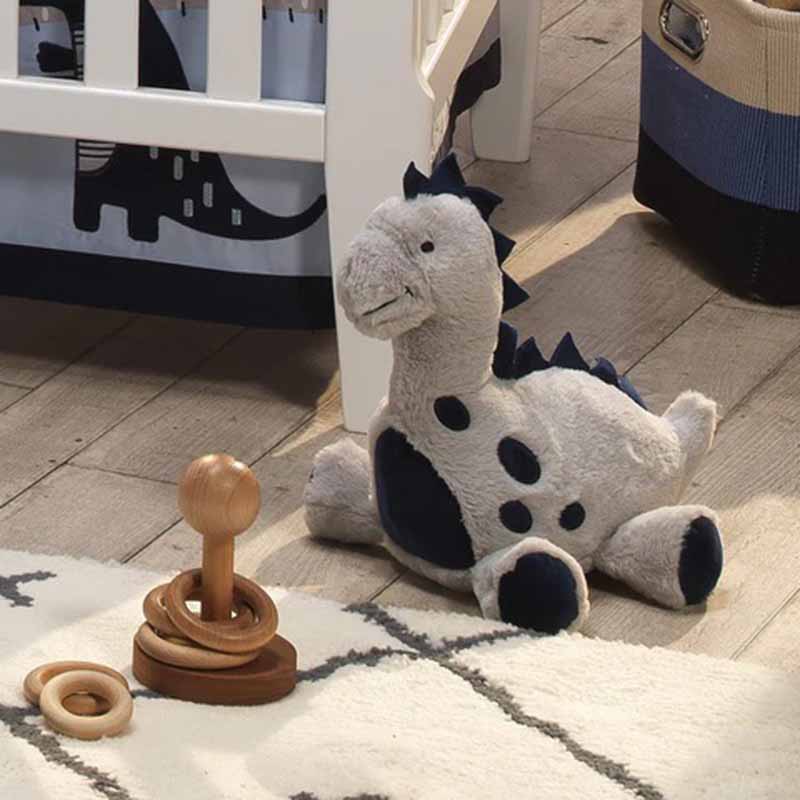
“Best ever” changes by audience. A toddler’s best plush is not the same as a collector’s best plush.
Major segments that define demand
From what I see in exports, these segments drive global plush:
- Baby gifting: safety-first, soft feel, trusted brand image
- Kids play plush: durable, washable, cute expression, price-friendly
- Teen and young adult plush: aesthetic, room décor, social media appeal
- Collectors and premium gifting: details, rarity, packaging, brand story
- Promotional plush: logo-friendly, consistent production, cost control
| Market Segment | What “Best Ever” Means Here | Key Buyer Preferences | Typical Product Features |
|---|---|---|---|
| Baby gifts | Safest, simplest, comfort-focused | Soft, clean, compliant, trusted | Embroidery face, small size, gentle fabrics |
| Kids plush | Durable and lovable, holds up to play | Strong seams, stable stuffing | Reinforced joints, washable materials |
| Teen/young adult | Cute + aesthetic + trend | “Postable,” collectible feeling | Iconic shape, color harmony, story card |
| Collectors | Accuracy, detail, limited editions | High finish, strong brand identity | Premium embroidery, special packaging |
| Promotional/B2B | Consistency and delivery reliability | QC, lead time, branding options | Custom tags, logo embroidery, bulk control |
Regional differences matter
Preferences vary by region:
- Some markets love cute and soft above all
- Some prefer premium minimal design
- Some focus on licensed characters
- Some value eco stories and recycled materials (when verified)
So “best ever” is not one single toy. It is the best match between product design, quality level, and the buyer’s expectations.
What sourcing and manufacturing practices ensure consistency in premium stuffed animal production?
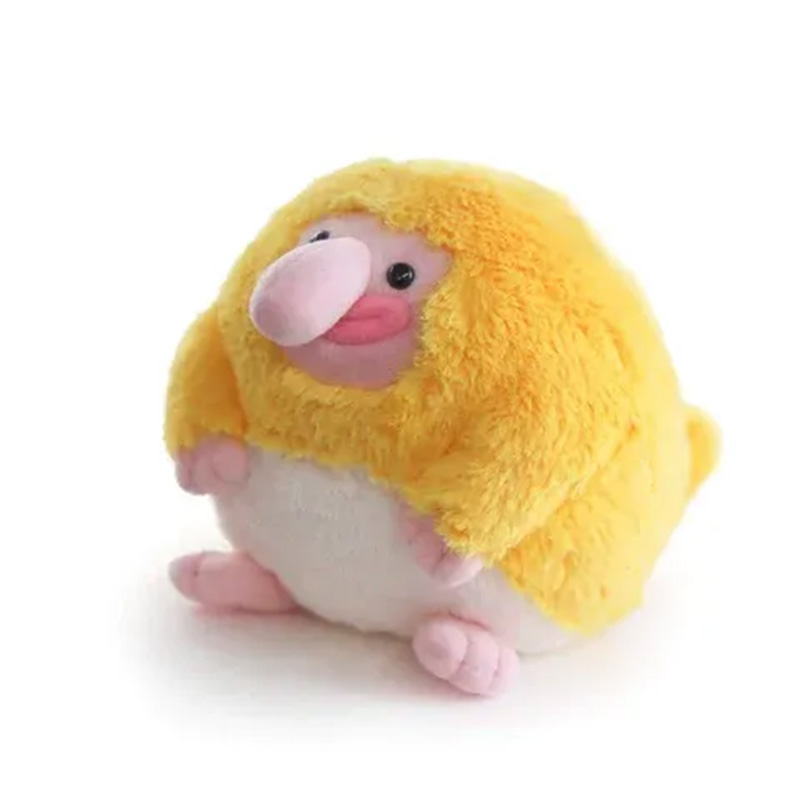
This is the part many people don’t see. A plush can be designed perfectly, but if the factory cannot repeat it consistently, the product will not stay “best ever” in the market.
The premium consistency system
In our work at Kinwin, we treat premium consistency as a chain:
- Clear spec sheet
- Approved golden sample
- Controlled materials
- Standard sewing and stuffing SOP
- In-line quality checks
- Final QA and carton checks
- Traceable records for repeat orders
If any link is missing, quality drifts.
| Manufacturing Practice | What It Controls | Why It Protects Premium Quality |
|---|---|---|
| Golden sample control | The “one truth” reference | Prevents face and size drift over time |
| Material batch control | Fabric color, pile feel, shrink behavior | Keeps handfeel and appearance consistent |
| Standard pattern library | Repeatable shapes and seam lines | Maintains character identity across orders |
| Stuffing weight tolerance | Softness and shape stability | Reduces lumpy or underfilled products |
| In-line QC checkpoints | Early defect catching | Saves cost and protects delivery timelines |
| Final AQL inspection | Shipment-level quality confidence | Reduces returns and brand damage |
Common causes of quality drift (and how to avoid them)
If you want premium stuffed animals, watch these risk areas:
- Changing fabric supplier without testing
- Cutting corners on thread strength or seam method
- Inconsistent embroidery files or placement guides
- No stuffing weight control
- Rushing production before peak season
The simplest solution is to build a stable process with documentation. Premium plush is not magic. It is repeatable discipline.
What B2B buyers should request
If you are sourcing “best ever” plush, ask your manufacturer for:
- Clear bill of materials (BOM)
- Compliance support for your target market
- Sample approval process and revision plan
- QC plan (in-line and final)
- Packing standard (polybag, carton strength, moisture control)
- Communication rhythm (photo checks, pre-shipment reports)
These are the practical steps that protect your brand after you scale.
Conclusion
A good plush toy is safe, soft, durable, and appealing while also offering branding opportunities. At Kinwin, we help global buyers develop customized plush solutions that meet safety standards and stand out in competitive markets. Contact us at [email protected] or visit kinwintoys.com to discuss your next project and explore how our factory can support your success.