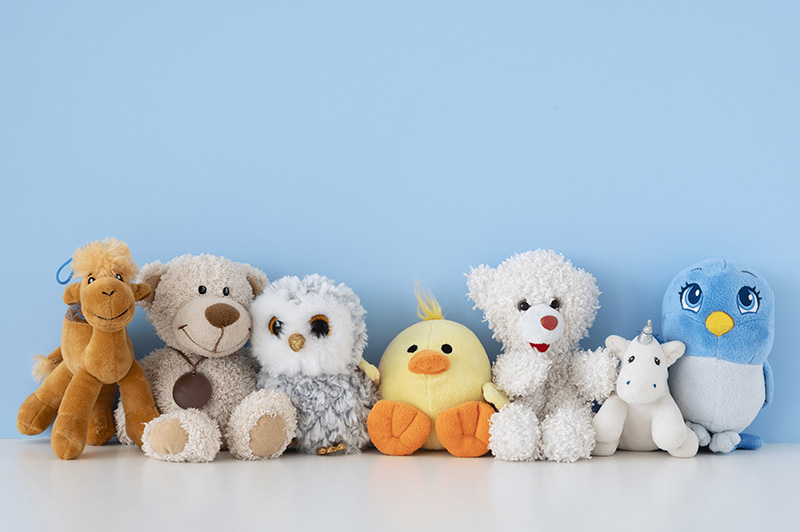
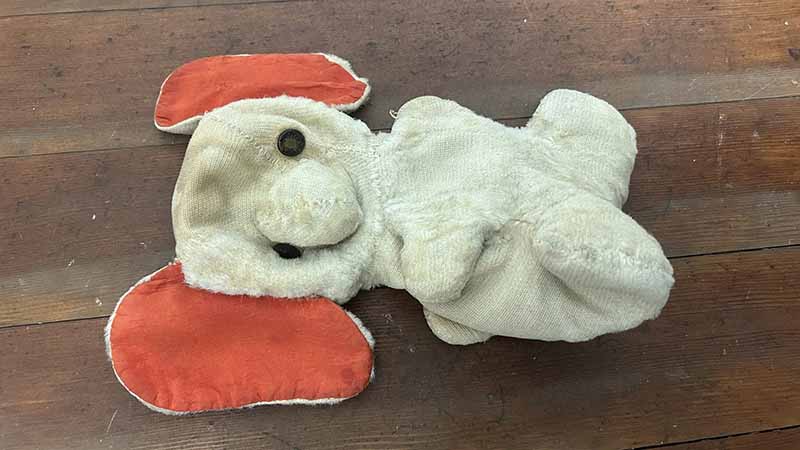
When someone hugs a cat plush and smiles, they are not just reacting to the design. They are judging softness, balance, stitching, and brand trust in one quick moment. For buyers and brands, all of these details matter.
The best cat stuffed animals today combine ultra-soft yet durable fabrics, safe and resilient fillings, strong internal construction, and thoughtful design details that match the target age group. When these elements sit on top of solid safety testing and a reliable manufacturer partnership, you get cat plush that feel premium, photograph beautifully, pass audits, and build long-term brand loyalty instead of returns and complaints.
In this guide, I’ll walk through how I evaluate cat plush as a manufacturer—so you can source or develop designs that truly stand out, not just on the shelf, but in real customer hands.
What qualities define the best cat stuffed animals today?
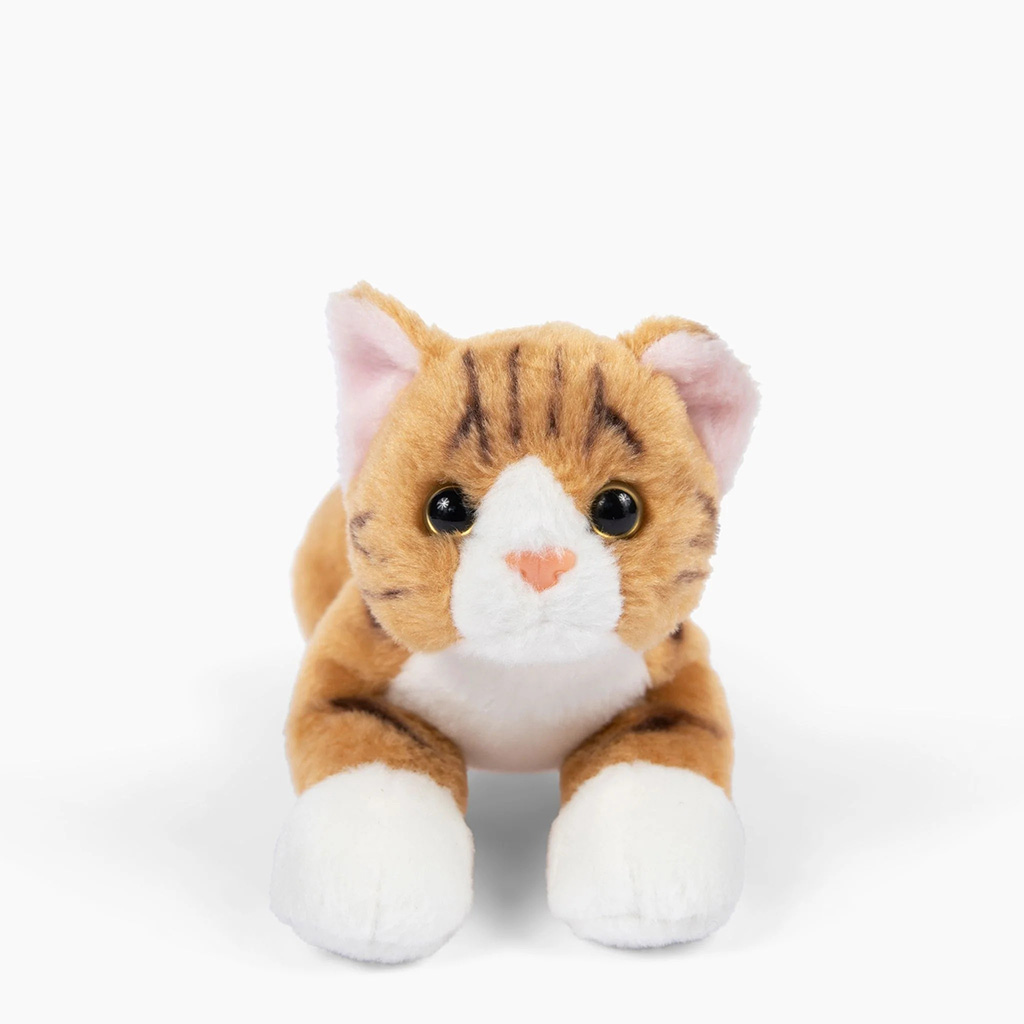
When buyers say “this is the best cat plush,” they usually mean a mix of emotional appeal and practical performance. The plush must look cute or elegant, feel soft, survive daily play, and support your brand’s price point.
From my factory view, the best cat stuffed animals achieve balance in five areas: softness, shape retention, safety, design clarity, and consistency across batches. A plush that looks great in the first sample but changes shape or quality in later orders cannot be called “best” for long.
Core qualities of top cat plush toys
| Quality Area | What It Means in Practice | Why It Matters for You |
|---|---|---|
| Soft handfeel | Smooth plush or minky, no scratchy fibers | Drives first impression and “hug appeal” |
| Stable shape | Even stuffing, well-cut patterns, solid seams | Keeps the cat looking like a cat over time |
| Clear character | Recognizable cat silhouette, expressive face, neat markings | Supports branding, photos, and emotional bonding |
| Safety & compliance | Age-graded correctly, tested to regional standards | Reduces legal and reputation risk |
| Batch consistency | Same color, size, and feel across reorders | Protects your brand image and avoids complaints |
| Clean finishing | Hidden seams, trimmed threads, tidy embroidery | Makes the plush feel premium, not “cheap” |
When you look at samples from different factories, try to judge them against these points instead of only unit price. A slightly higher cost can save you many hidden headaches later.
How do fabrics, fillings, and construction influence realism and durability?
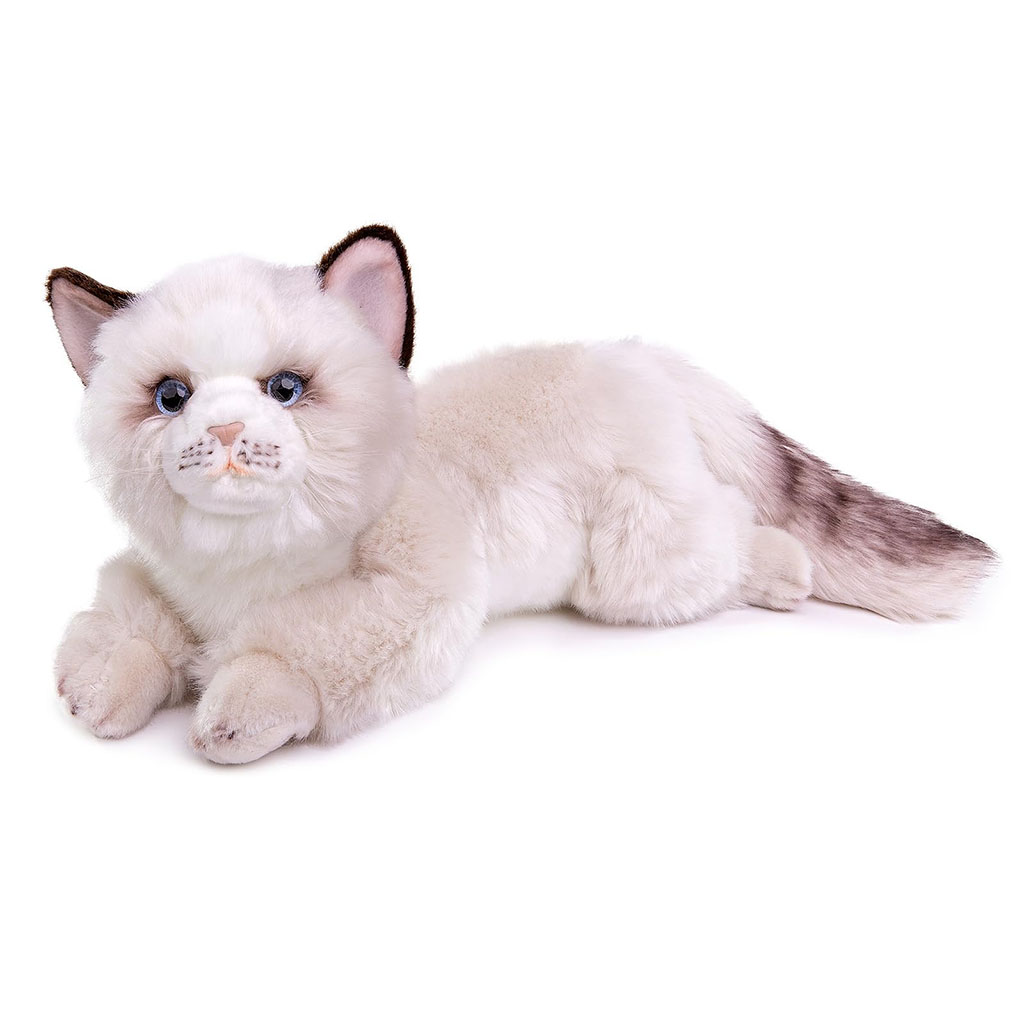
A cat plush is basically a shell (fabric), an internal structure (stitching and pattern), and a core (filling). The combination of these three decides whether your plush feels like a premium product or a rough toy.
For fabrics, short-pile minky and faux fur are common choices. For fillings, most brands rely on polyester fiberfill, sometimes combined with weighted pellets for stability. Good construction ties everything together with strategic seam placement, reinforcement, and clean pattern engineering.
Material and construction choices for cat plush
| Component | Common Options & Practices | Impact on Realism and Durability |
|---|---|---|
| Outer fabric | Short-pile minky, velboa, faux fur | Controls softness, color depth, and fur-like appearance |
| Pile direction | Fabrics cut with consistent nap direction | Makes fur look natural and avoids patchy reflections |
| Filling | Polyester fiberfill (virgin or recycled) | Affects softness, resilience, and weight |
| Weighting | PP pellets in sealed inner bags (optional) | Adds realistic weight and helps plush sit/pose better |
| Seams | Tight, small stitches; double stitching in stress points | Reduces risk of bursting during hugs and play |
| Patterning | Separate pieces for head, cheeks, chest, tail, paw pads | Creates more realistic shaping and curves |
| Face details | Embroidery, appliqué, or safe safety eyes (age dependent) | Controls expression and long-term durability |
A good test: compress the cat plush in your hands and release it. Premium construction will spring back to shape with no twisted seams, no major lumps, and no obvious distortion of the face.
Which design styles appeal to different age groups and collector markets?
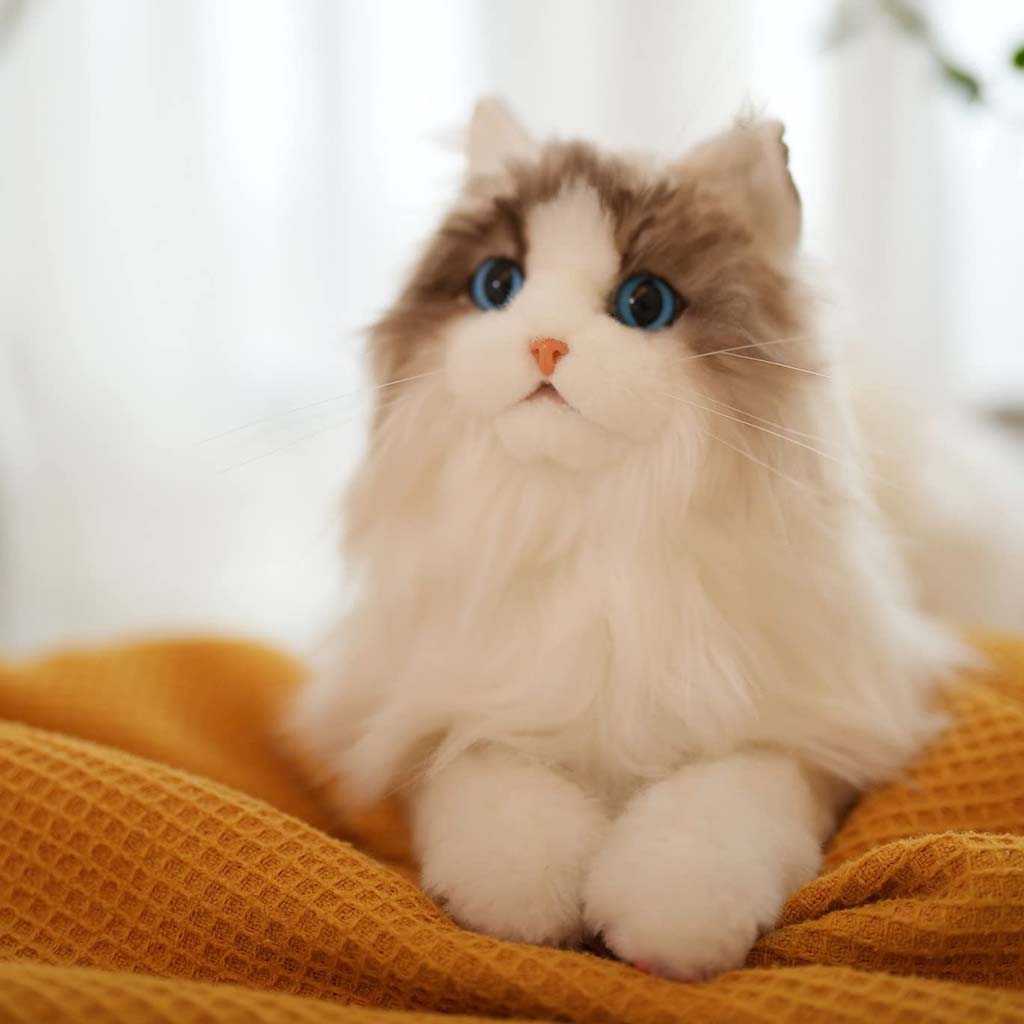
“Best” does not mean the same thing for a newborn gift, a 5-year-old, a teen, or an adult collector. Each segment responds to different styles, proportions, and details. If the style does not match the buyer, even a high-quality plush can underperform.
When I help clients plan cat plush lines, we usually start by mapping who will hold the toy: babies, kids, teens, adults, or collectors. Then we choose face style, body shape, and color palette to match that audience.
Design styles by age group and market
| Target Group | Preferred Cat Style | Key Design Features |
|---|---|---|
| Babies (0–2 yrs) | Soft, rounded, simple “baby cat” | Embroidered face, pastel colors, no hard parts |
| Young kids (3–6 yrs) | Cute, expressive, slightly cartoonish cats | Bigger eyes, clear smiles, bright but not harsh colors |
| Older kids (7–10 yrs) | Stylized or character cats (fantasy, kawaii, etc.) | Unique patterns, accessories, trendy color combos |
| Tweens & teens | Aesthetic cats (kawaii, minimalist, or fandom-based) | Slimmer shapes, on-trend palettes, Instagram-friendly |
| Adult gift buyers | Cozy, tasteful cats for décor and gifting | Neutral colors, soft textures, tasteful expressions |
| Collectors | Highly detailed, limited editions, licensed designs | Complex markings, special fabrics, packaging, tags |
Some markets prefer hyper-cute “chibi” cats with oversized heads and tiny bodies. Others prefer calmer, Scandinavian-style designs with muted colors and minimal detailing. Knowing your ideal buyer helps you avoid “generic” designs that don’t strongly appeal to anyone.
How do leading brands differentiate premium cat plush products?
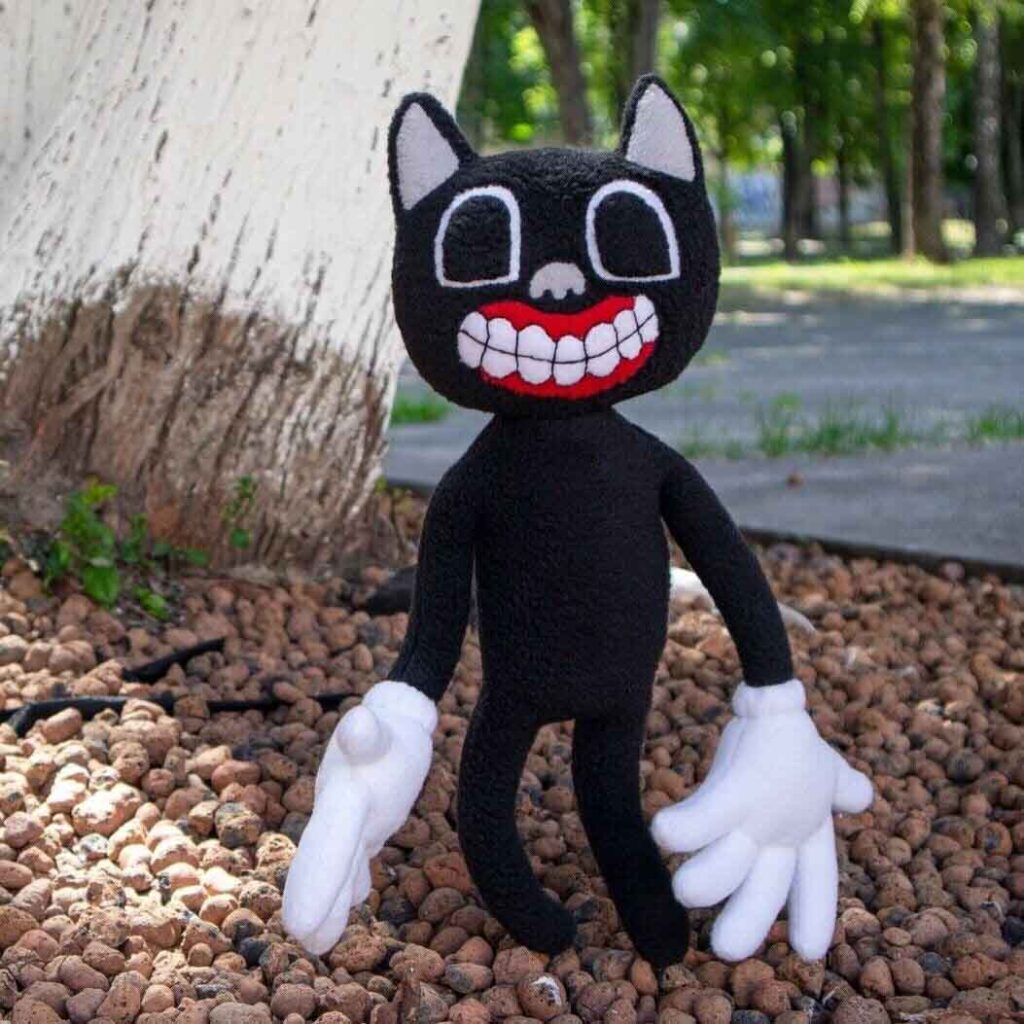
If you look at top plush brands, their cat products are rarely “just” toys. They build identity and storytelling around the designs: a recognizable look, consistent quality level, and emotional narrative that makes people want to collect, gift, and photograph their cats.
As a manufacturer, I see several common levers that premium brands use to make their cat plush stand out:
- Signature style: recognizable faces, body shapes, and color stories.
- Material upgrades: extra-soft fabrics, improved filling, or special finishes.
- Limited runs & collabs: seasonal colors, artist collaborations, or licensed characters.
- Packaging & tags: high-quality swing tags, story cards, and branding elements.
Differentiation levers used in premium cat plush
| Differentiation Lever | What Brands Do | Effect on Perceived Value |
|---|---|---|
| Visual identity | Consistent eyes, nose shapes, and silhouettes | Makes cats instantly recognizable as “that brand” |
| Fabric upgrades | Use ultra-soft, dense pile or special faux fur | Feels more luxurious in hand |
| Detail quality | Neat embroidery, blush details, paw pads, inner ears | Creates “wow” moments on close inspection |
| Story & naming | Give each cat a name, personality, or mini story | Encourages collecting and emotional attachment |
| Packaging | Branded tags, gift-ready packaging, care guides | Positions plush as a gift or collectible, not generic |
| Limited editions | Short runs, numbered tags, seasonal designs | Drives urgency and collector interest |
If you’re building your own cat plush line, you don’t need all of these at once. Even two or three clear differentiation levers, supported by consistent quality, can create a strong position in your niche.
What safety and compliance standards verify high-quality cat plush toys?
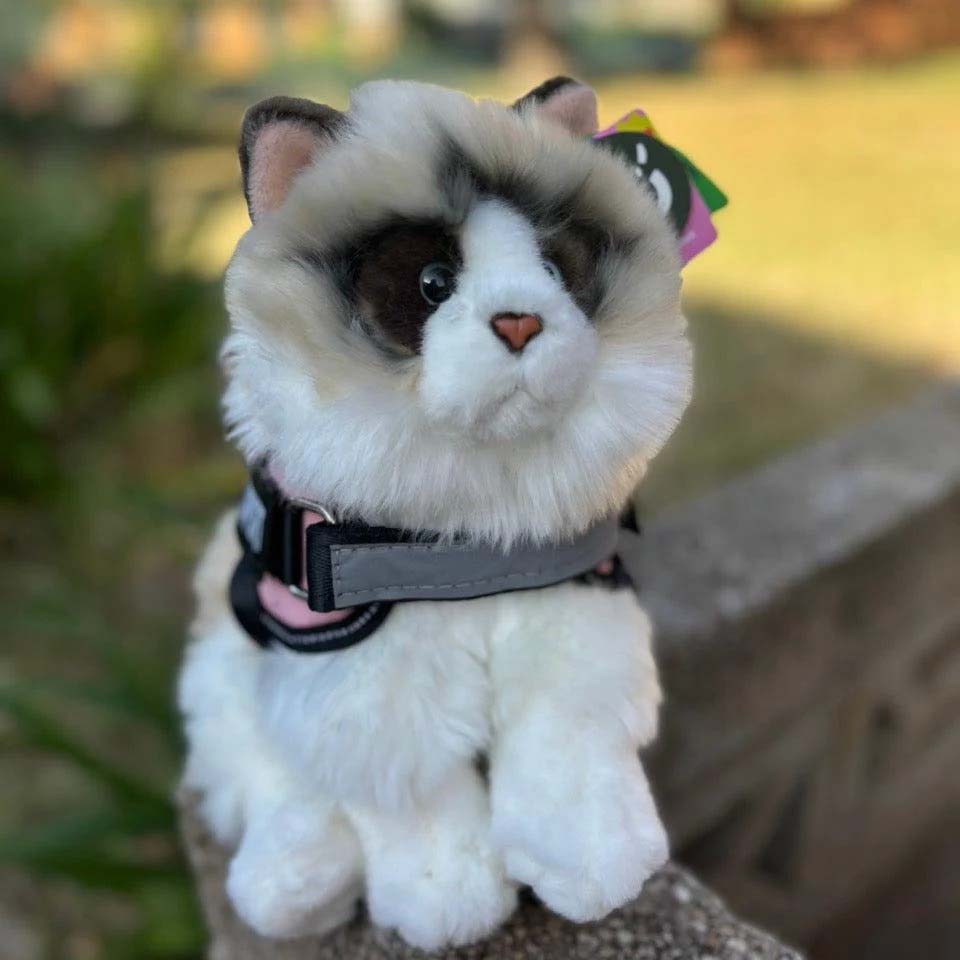
No matter how cute or premium a cat plush looks, it is not truly “best” if safety is unclear. Retailers and serious e-commerce sellers increasingly ask for test reports and certifications before placing orders—especially for baby and toddler products.
As a factory, we work with standards like EN71, CE, REACH, ASTM F963, CPSIA, and sometimes OEKO-TEX for textiles. The exact set depends on the destination market and product type.
Key safety standards for cat plush toys
| Region / Market | Main Standards & Marks | What They Cover |
|---|---|---|
| European Union | EN71, CE mark, REACH | Mechanical safety, flammability, chemical limits |
| USA | ASTM F963, CPSIA | Mechanical tests, flammability, lead and phthalate limits |
| UK | UKCA (based on EN71) | Similar scope to EU, with region-specific marking |
| Other regions | Often accept EU/US-like standards | Many importers request EU/US testing as benchmark |
| Textiles (optional) | OEKO-TEX® Standard 100 | Independent testing of textile safety |
Beyond formal standards, serious factories also manage:
- Age grading (e.g., 0+, 3+, 6+) based on design and small parts.
- Internal testing for seam strength, colorfastness, and stuffing leakage.
- Needle detection to ensure no broken needles remain in the product.
When you source cat plush, ask suppliers directly:
- Which standards do you test to for this item?
- Can you share current test reports for the same or similar model?
- How often are tests repeated when materials or colors change?
This is one of the best ways to filter out low-commitment suppliers from real manufacturing partners.
How do pricing, sourcing, and brand reputation guide buyer decisions?
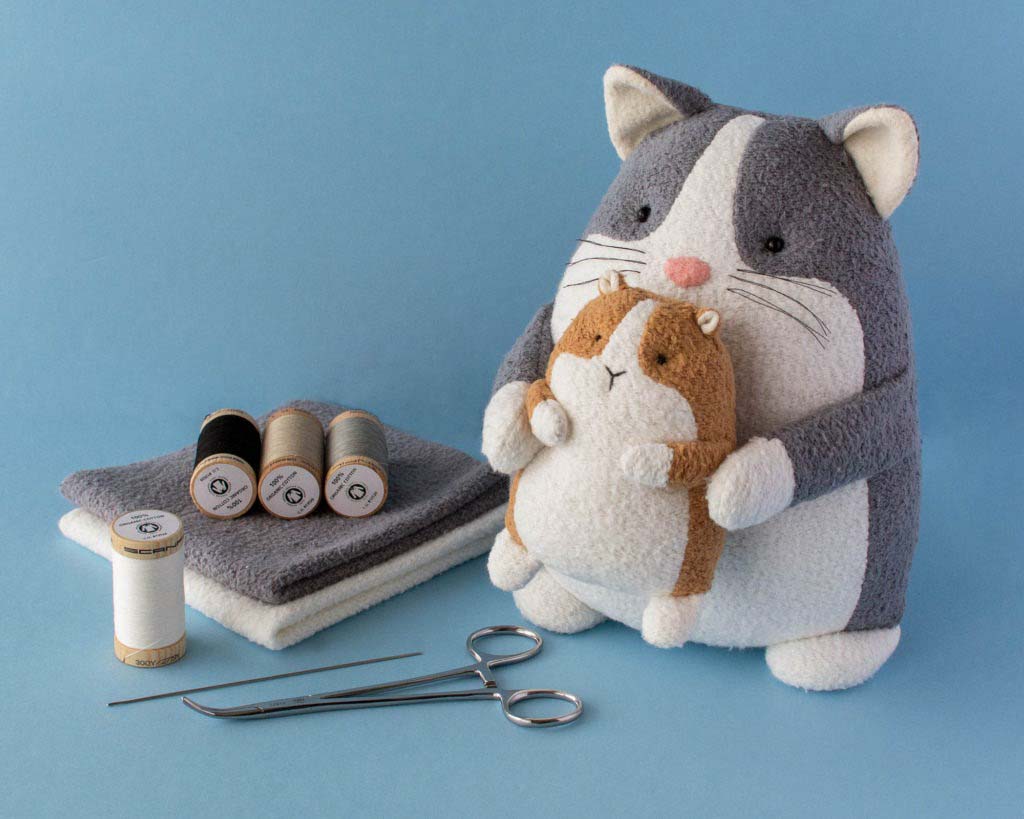
Even when everyone loves a sample, buyers still need to answer: “Does this make sense for my margin, my brand, and my risk level?” The best cat plush for your business isn’t always the cheapest or the most luxurious; it’s the one that fits your positioning and operations.
From my daily conversations with buyers, I see three main pillars in these decisions: total cost, sourcing model, and supplier reputation.
1. Total cost, not just unit price
Unit price is important, but so are:
- Freight and duties.
- Packaging and labeling costs.
- Compliance testing (if you pay directly).
- Return rates and quality issues over time.
A slightly higher ex-factory price can become cheaper in reality if the plush has fewer defects, passes tests smoothly, and generates better reviews.
2. Sourcing model
- Off-the-shelf designs:
- Lower MOQs, faster lead time, limited differentiation.
- Semi-custom (color/logo/packaging):
- Good compromise between speed and uniqueness.
- Full OEM/ODM cat plush:
- Requires more development time and MOQs, but gives full control over style and brand story.
3. Supplier reputation and partnership
Checking how a factory works can be as important as checking what they make. Look at:
- Years in plush manufacturing and export.
- Experience with your target markets (USA, EU, Japan, etc.).
- How they handle sampling, revisions, and communication.
Buying decision factors for cat stuffed animals
| Factor | What to Check | Practical Tip |
|---|---|---|
| Unit price | Compare quotes at same spec and same quantity | Ask for clear breakdown: fabric, size, filling, extras |
| MOQ & lead time | Minimum order and production schedule | Make sure you can reorder without long gaps |
| Testing & compliance | Existing reports and lab partners | Request recent test documents for similar items |
| Quality systems | QC stages, needle detection, material control | Ask for photos or descriptions of their QC process |
| Communication | Speed, clarity, and problem-solving attitude | A responsive factory saves you time and stress |
| Brand alignment | Can they support your style and story long-term? | Look for flexibility in design and OEM/ODM capability |
When pricing, sourcing strategy, and supplier capability all line up, it becomes much easier to build a “best cat plush” range that is profitable and repeatable, not just a one-time lucky order.
Conclusion
A truly good cat stuffed animal is soft, expressive, and durable—but it is also safe, compliant, and repeatable for your business. The best designs match the target age group, use fabrics and fillings that hold their shape, and come from a factory that understands testing and long-term brand value.
At Kinwin, we help global buyers develop cat plush lines that balance cuteness, quality, and compliance—from baby-friendly kittens to stylized collector cats. If you’re planning your next cat plush project and want support with design, materials, safety, and OEM/ODM production, you’re very welcome to contact me at [email protected] or visit kinwintoys.com to explore how our factory can support your success.