For babies, a stuffed animal is more than a toy. It can become a sleep partner, a travel helper, and a small “safe place” in stressful moments. But for parents and brands, the priority is always clear: safety first, then softness, then long-term quality.
The best baby stuffed animals are soft, light, securely stitched, free from choking hazards, and made from tested materials that are gentle on skin. When you choose the right plush, you support safer sleep routines, early sensory learning, and daily comfort—without adding hidden risks. This guide walks you through qualities, materials, certifications, and real-world buying tips so you can choose with confidence.
In this article I’ll share how I look at baby plush from a factory and parent point of view, using simple language you can act on right away.
What qualities define the best stuffed animals for babies?
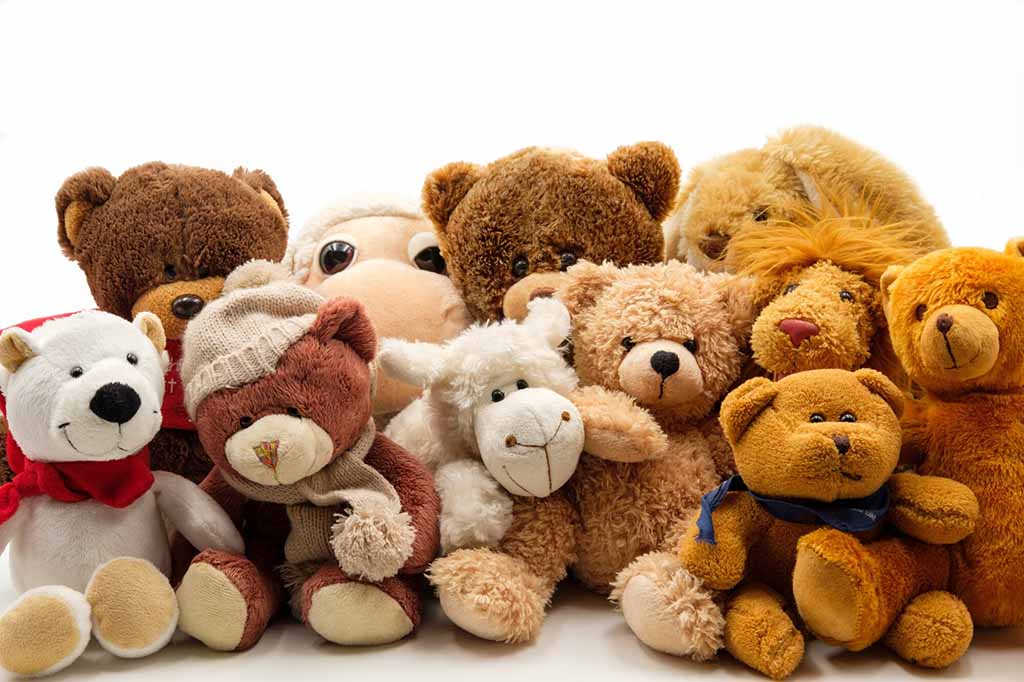
When people ask me for “the best baby plush,” they often think only about cuteness. Cuteness is important, but for babies, function and safety matter more. The best baby stuffed animals are designed for tiny hands, fragile skin, and limited strength, not for Instagram only.
High-quality baby stuffed animals are soft, lightweight, easy to hold, and simple in shape, with no small parts or hard edges. They should be safe to chew, easy to clean, and strong enough to survive daily cuddles and washing. When a plush checks these boxes, parents can relax and babies can interact more freely.
Key qualities to look for
1. Safety-first design
For babies under 12 months, plush should never go in the crib, but even outside the crib you still want safe construction: no loose parts, no sharp elements, and strong seams.
2. Age-appropriate size and weight
A baby plush should be light and easy to grip. If it feels heavy in your own hand or could cover the baby’s whole face, it’s better for later stages, not for early baby months.
3. Soft, gentle touch
The surface should feel soft but not shed fibers. Fabrics with smooth or micro-plush textures protect sensitive skin and are pleasant to touch again and again.
4. Easy to wash
Babies drool, chew, and spill. The best baby plush toys are machine-washable or at least easy to surface clean, with clear care labels.
Summary of essential qualities
| Quality Area | What “Best for Babies” Looks Like | Why It Matters |
|---|---|---|
| Safety | No small parts, secure seams, no hard edges | Prevents choking, scratching, and injuries |
| Size & weight | Small, light, easy to hold | Matches baby strength and coordination |
| Softness | Gentle plush that does not shed | Protects sensitive skin, pleasant to touch |
| Simplicity | Simple shapes, calm faces, minimal accessories | Less to break, less to worry about |
| Cleanability | Machine-washable or easy surface cleaning | Keeps bacteria and odors under control |
| Durability | Quality stitching that withstands frequent handling and wash | Extends toy life and emotional attachment |
These basic qualities become our checklist whenever we design baby lines for global brands at Kinwin.
How do materials and construction impact infant safety and comfort?
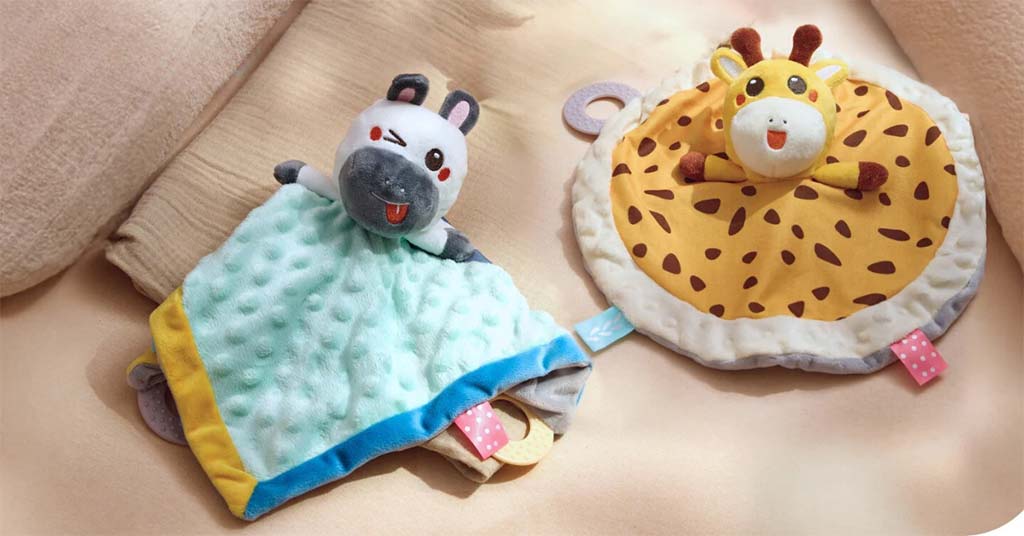
The same character can feel completely different depending on fabric, stuffing, and sewing. For babies, materials and construction decide not just comfort, but also how safe the toy is when touched, chewed, or hugged. Parents and buyers should look beyond color and shape, and ask: What is this plush actually made of, and how is it built?
For baby stuffed animals, soft polyester plush, high-quality fiberfill, and secure embroidery are usually the safest and most practical choices. The outer fabric should be gentle and low-shedding, seams must be tight and even, and features like eyes and nose should be embroidered rather than attached as plastic parts. Good construction keeps the toy both comfortable and robust under real baby use.
Materials that support safety and comfort
1. Outer fabrics
Common safe choices for baby lines include:
- Minky / micro-plush – very soft and smooth, popular for baby comforters.
- Short-pile plush / velboa – durable, soft enough for everyday touch.
- Soft fleece – cozy texture, often used for simpler animal shapes.
Avoid long, shaggy fur for young babies, because fibers can shed and cover the face more easily.
2. Stuffing and internal feel
- Polyester fiberfill is the standard: light, springy, and washable.
- Stuffing should be evenly distributed—no hard lumps or hollow areas.
- There should be no loose pellets for babies; those are better for older kids’ products under strict safety rules.
3. Construction details
- Eyes, nose, and mouth should be embroidered, not glued or loosely attached.
- Seams at limbs and neck should be reinforced, because babies like to pull.
- Inner labels should be soft and sewn securely so they don’t irritate skin or tear out easily.
Materials and construction essentials
| Component | Better Choice for Babies | What to Avoid in Baby Plush |
|---|---|---|
| Outer fabric | Soft minky, short plush, baby-safe fleece | Very long fur, rough or scratchy fabrics |
| Filling | Quality polyester fiberfill | Loose beads/pellets, very hard stuffing |
| Eyes & features | Embroidered details | Plastic eyes, buttons, glued decorations |
| Seams | Tight, even machine stitching with reinforcement | Loose stitching, open gaps, thin threads |
| Accessories | None or very minimal sewn-on elements | Removable items, long ribbons, metal parts |
When we build baby collections at Kinwin, we always start from materials and seam plans before we think about extra “cute” details. That base structure is what keeps the toy safe and comfortable.
Which features support early sensory development and gentle interaction?
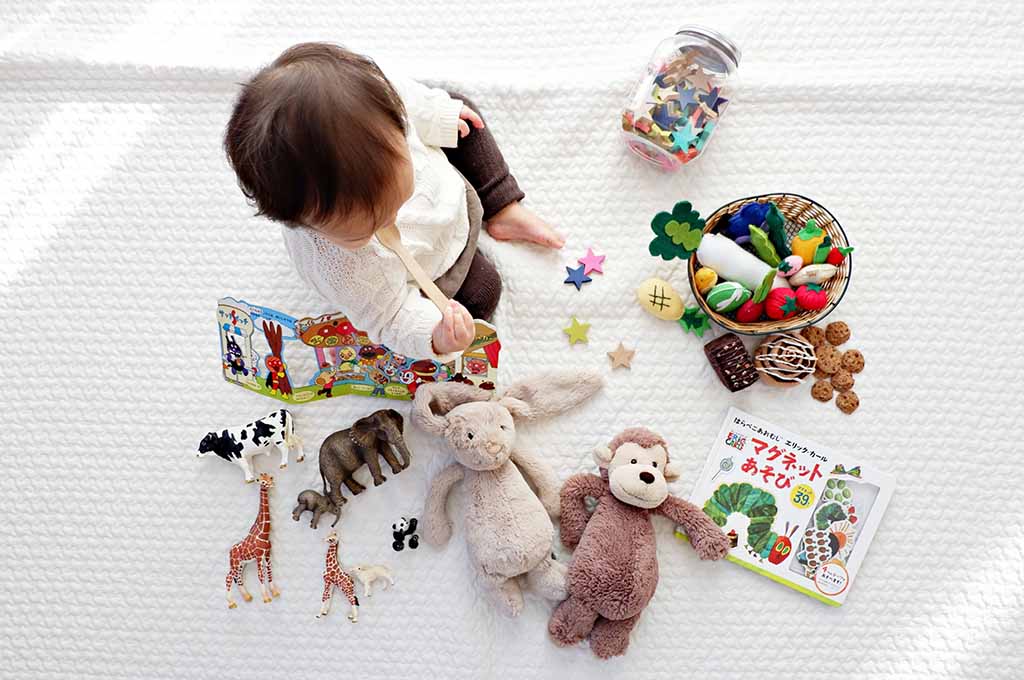
For babies, a stuffed animal is a learning object as well as a comfort item. Through touch, sight, and sometimes sound, they explore the world and practice early skills. The best baby plush toys gently support sensory development, without over-stimulating or distracting.
Sensory-friendly baby stuffed animals combine soft textures, gentle contrast, and simple shapes to invite touch and exploration. Small tags, different fabric panels, or soft rattles can support early development, as long as everything is firmly attached and age-appropriate. The goal is calm, controlled stimulation—not loud or intense overload.
Helpful features for sensory learning
1. Varied but gentle textures
Different fabric panels (smooth, slightly textured, maybe ribbed) help babies learn contrast through touch. However, textures should all be soft and safe, not rough or scratchy.
2. Soft sound elements
A very soft rattle or crinkle panel can encourage shaking and squeezing. For babies, sound should be gentle, not loud or sudden.
3. Simple, friendly faces
Big, clear eyes and soft expressions support early social connection. Too many small details can confuse instead of attract.
4. Easy-to-grab shapes
Slim arms, ears, or small knots can become natural “handles” for little hands. This helps babies practice gripping and hand-eye coordination.
Examples of sensory-supportive features
| Sensory Area | Plush Feature That Helps | Notes for Safe Use |
|---|---|---|
| Touch | Soft plush + slightly textured panels | All textures should be gentle and baby-safe |
| Sound | Light internal rattle or crinkle section | Keep sound soft, not startling |
| Sight | High-contrast but calm colors, clear facial features | Avoid overly busy or flashing elements |
| Grip | Slim limbs, ears, or fabric tags to grab | All parts must be well sewn and non-removable |
| Comfort | Soft body for hugging, flat comforter forms | Use outside the crib for younger babies |
When we design baby plush for brands, we often combine one or two of these sensory features instead of putting everything into one toy. Simple is usually better for babies.
What certifications verify baby-safe plush toy standards?
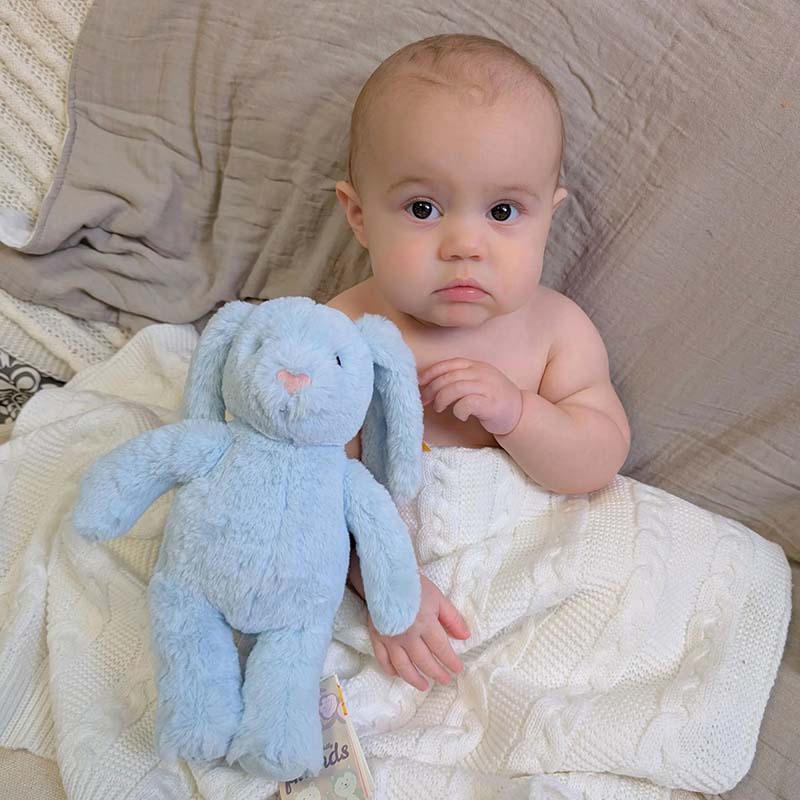
Parents and buyers want proof that a baby plush is tested, not just “looks safe.” This is where certifications and standards come in. For professional brands, third-party testing is not optional; it is part of responsible production.
Baby stuffed animals should meet the toy safety standards of the markets where they are sold, such as EN71 in Europe, ASTM F963 and CPSIA in the USA, and similar regulations in other regions. These standards cover mechanical safety, flammability, and chemical limits. While a home buyer may not read every clause, looking for clear statements like “EN71 tested” or “ASTM F963 compliant” is a powerful way to filter safer products.
Common standards for baby plush
Names may sound technical, but the idea is simple: they check that toys do not break easily, catch fire too fast, or contain harmful chemicals.
- EN71 (Europe) – A group of tests for mechanical and physical safety, flammability, and certain chemicals in toys.
- ASTM F963 (USA) – Standard for toy safety, including mechanical hazards and some chemical requirements.
- CPSIA (USA) – Covers lead and phthalate limits and requires tracking labels for children’s products.
- Other local standards – Many countries have their own versions based on these main sets.
For big projects, Kinwin works with certified laboratories to test baby plush against the target market’s standards before mass shipping.
What to look for on labels and product pages
| Information Point | What You Want to See | Why It Matters |
|---|---|---|
| Age grading | Clear statement like “0+” or “3+” | Shows toy was assessed for a specific age |
| Safety mention | Phrases like “meets EN71” or “ASTM F963 compliant” | Indicates testing to a known standard |
| Material info | Outer fabric and filling described | Helps you avoid unknown or suspicious mixes |
| Manufacturer/importer | Company name and contact details | Suggests accountability and traceability |
| Warnings | E.g. “Remove all packaging before giving to child” | Shows maker takes usage context seriously |
If information is vague or missing, it doesn’t always mean the product is unsafe—but for baby items, it’s often smarter to choose brands that are transparent.
How should parents choose stuffed animals based on age and needs?
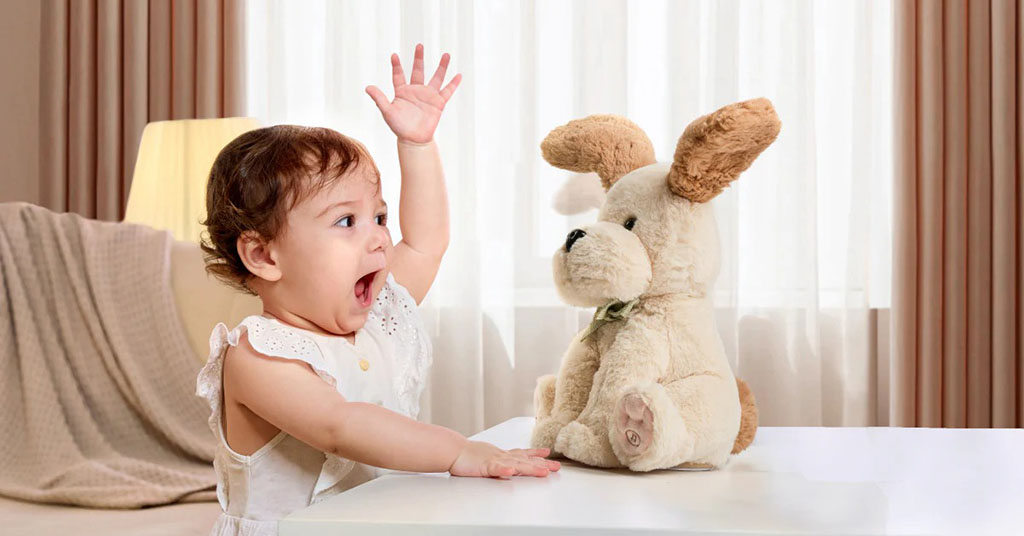
Not every “baby plush” is right for every baby. A newborn, a 6-month-old who can sit, and a 2-year-old toddler have very different needs and abilities. The best choice also depends on when and where the plush will be used: during supervised play, in a stroller, or later on a toddler bed.
Parents should match stuffed animals to age, motor skills, and usage: smaller, simple, and very safe designs for young babies during supervised time; slightly larger and more feature-rich plush for older babies and toddlers; and more complex or character-driven designs as children grow. For the first year, toys stay outside the sleep space. After that, parents can slowly introduce a chosen comfort toy, following pediatric advice.
Matching plush types to stages
0–6 months (supervised only)
- Very light, small plush or comforters.
- No loose parts; simple embroidered faces.
- Used during awake time with an adult close by.
6–12 months
- Baby may start to sit and crawl.
- Still avoid heavy or complex plush; keep shapes simple.
- Great time to introduce gentle sensory features like textures and soft rattles.
12–24 months (toddler stage)
- Children can carry slightly bigger plush and form strong attachments.
- A small comfort animal may start to join nap routines, if pediatric advice allows.
- Story-based and character-based plush become more interesting.
Age-based selection guide
| Age Range | Recommended Plush Type | Notes for Parents |
|---|---|---|
| 0–6 months | Small, light comforters, simple mini animals | Use only during supervised time, not in crib |
| 6–12 months | Light plush with gentle textures or soft rattles | Still keep sleep space clear; focus on playtime use |
| 12–24 months | Slightly larger plush, simple characters, soft bodies | One small comfort toy may join sleep routines if doctor agrees |
| 2+ years | More detailed characters, slightly bigger toys | Children choose favorites; still avoid unsafe parts |
When we work with brands, we often build a step-by-step age ladder in one collection, so parents can grow with the same style from babyhood into early childhood.
How do leading brands create plush toys specifically designed for babies?
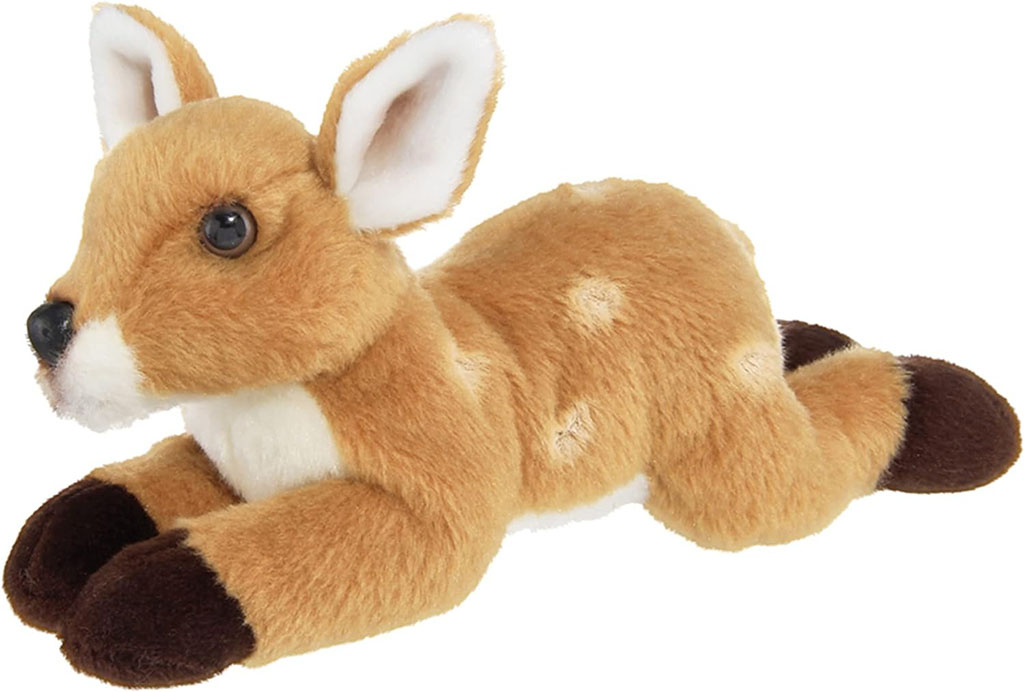
From the factory side, I can tell you: baby plush is not just “regular plush in pastel colors.” Leading brands use a different design process and stricter checklists for products targeting babies and toddlers. They have to satisfy parents, pediatric advice, and internal safety teams at the same time.
Top baby plush brands start with safety standards, then add softness, sensory value, and clear branding on top. They invest in careful pattern design, high-quality textiles, secure embroidery, and strong seams. Before a product reaches shelves, it usually passes internal reviews, lab testing, and sometimes feedback from real parents. This combination is what makes their baby ranges feel trustworthy.
How serious baby-plush brands work
1. “Safety-first” concept stage
- Product managers check target regulations (EU, US, etc.).
- Designers avoid risky elements (buttons, long hair, small removable parts).
- Size and shape are planned with choking, entrapment, and washing in mind.
2. Material selection and pattern design
- Fabric and stuffing are chosen for softness and testability.
- Pattern makers design rounded, friendly shapes with few sharp angles.
- Facial expressions are planned to be embroidered, not printed only.
3. Sampling and lab testing
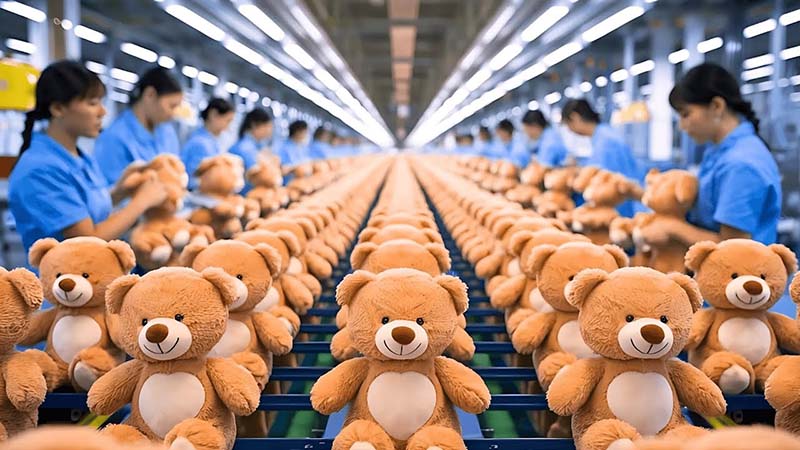
- Factories like Kinwin build pre-production samples.
- Brands send samples for third-party lab tests (mechanical, chemical, flammability).
- Any failure leads to redesign or material change before mass production.
4. Ongoing quality control
- During production, there are inline inspections and final checks.
- Defect toys are removed so only consistent, safe pieces ship.
How this looks from a buyer’s point of view
| Brand Action | What You Notice as a Parent or Retailer | Why It Builds Trust |
|---|---|---|
| Safety-led design | Simple, solid shapes; no risky accessories | Feels calm and secure for baby use |
| Quality materials | Soft fabrics, no strong chemical smell | Suggests better comfort and fewer irritants |
| Professional embroidery | Clean faces, no loose threads | Durable features that won’t fall off |
| Testing and compliance | Clear safety notes on packaging | Shows the toy was checked against real standards |
| Strong QC and packaging | Consistent look and feel across many units | Reduces surprises and customer complaints |
As a B2B factory, we support this process for our partners: from R&D and sampling to safety testing, bulk production, and export. This is how a “baby-safe” idea becomes a real plush line parents can trust.
Conclusion
The best baby stuffed animals are soft, safe, simple, and thoughtfully made for real everyday use—not just for photos. When you focus on gentle materials, secure stitching, age-appropriate design, and proven safety standards, you give babies comfort and sensory support while giving parents peace of mind. At Kinwin, we help global buyers develop baby-focused plush collections that meet these standards and still feel charming and unique. If you’re planning a baby plush line and want factory support from concept to shipment, you’re very welcome to contact me at [email protected] or visit kinwintoys.com to explore how our team can support your brand’s long-term success.