Skip to content
Balancing cost and quality is one of the most important challenges in plush toy procurement. Whether you are a global brand, retailer, licensing partner, or e-commerce seller, you must deliver toys that meet strict safety standards, offer great tactile experience, and maintain visual consistency—while staying within a workable budget. The key is not simply to reduce cost, but to achieve a healthy balance where quality is protected and long-term sourcing risks are minimized.
This guide explores the core factors that influence cost, how material choices affect durability, what manufacturing processes optimize efficiency, and how brands can secure high-quality plush toys without overspending.
What Cost Variables Most Significantly Influence Plush Toy Production?
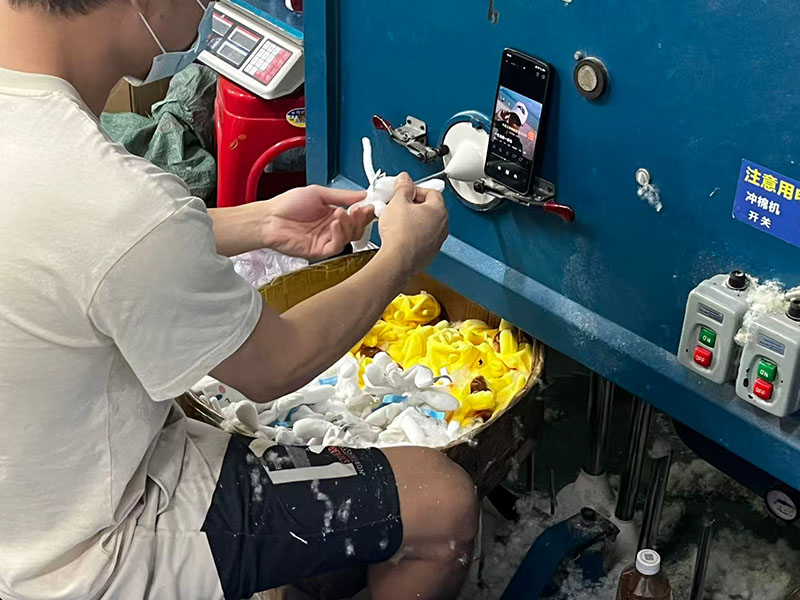
Plush toy production has a cost structure made up of multiple interacting variables. While labor and materials represent the majority of expenses, many buyers overlook hidden elements that significantly influence final pricing—such as fabric yield efficiency, sample revision cycles, embroidery time, stuffing density, and packaging customization.
Direct cost drivers include fabric selection, stitching complexity, mold/tooling (for eyes, noses, or packaging), printing techniques, and any added features such as sounds, scents, weighted beads, or accessories. Indirect costs include compliance testing, certifications, quality control labor hours, logistics fees, and fluctuation in seasonal capacity. Factories must allocate production lines, manage worker scheduling, and pre-book materials to prevent cost overruns.
A buyer who understands these variables can target the right areas for cost optimization without harming product quality.
| Cost Variable | Description | Impact on Overall Cost |
|---|---|---|
| Fabric Type & Yield | Minky, velboa, sherpa, fleece | Largest cost component |
| Labor Complexity | Stitch count, hand-work areas | Impacts unit labor cost |
| Embroidery & Printing | Eyes, logos, patterns | Adds detail but increases cost |
| Accessories | Noses, beads, clothing | Higher BOM cost |
| Compliance Testing | ASTM, EN71, CPSIA | Required for export |
| Packaging | Hangtags, boxes, labels | Affects unit price & shipping |
| Seasonal Capacity | Peak vs off-peak | Influences labor surcharge |
Understanding these cost drivers allows procurement teams to create a realistic cost–quality strategy rather than imposing unsustainable price pressure on suppliers.
How Do Material Selections Affect Both Pricing and Durability?
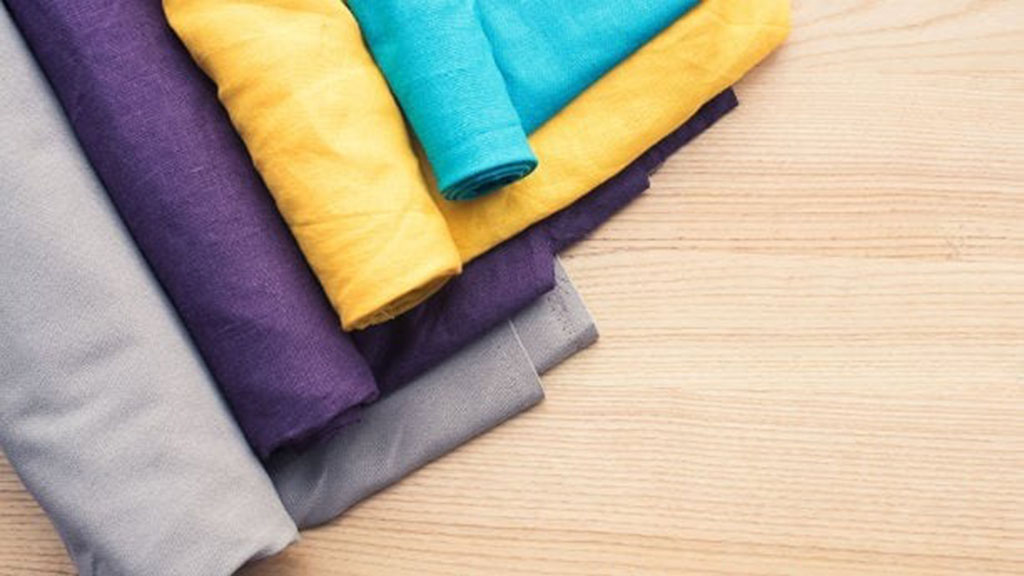
Material choices dramatically shape the balance between cost and quality. Plush fabrics like minky or high-pile faux fur create luxurious softness but cost more than basic velboa. Similarly, recycled RPET fabric may add eco-friendly value but increase pricing due to higher sourcing costs.
Different fabrics provide varied durability. Lower-quality fabrics pill more easily, lose softness, or stretch unevenly after repeated handling. Meanwhile, higher-grade velboa or minky maintains shape over time and handles embroidery better. Fillings matter too: PP cotton provides lightweight softness at a low cost, while memory foam or microbeads offer premium tactile experience at higher prices.
For long-term durability, stitching tension, fabric density, and fiber quality must align. Factories with strong material knowledge help buyers choose the correct balance.
| Material Option | Cost Level | Durability | Best Use |
|---|---|---|---|
| Velboa | Low | Medium | Promo toys, high-volume retail |
| Minky Plush | Medium | High | Baby plush, premium toys |
| Sherpa/Fleece | Medium | Medium | Cozy animals, textured designs |
| Faux Fur (Long Pile) | High | High | Character plush, collector toys |
| RPET Fabric | Medium–High | Medium | Sustainable product lines |
Choosing the right material is a crucial step in achieving cost efficiency without sacrificing product performance.
What Manufacturing Processes Ensure Quality Without Increasing Costs?
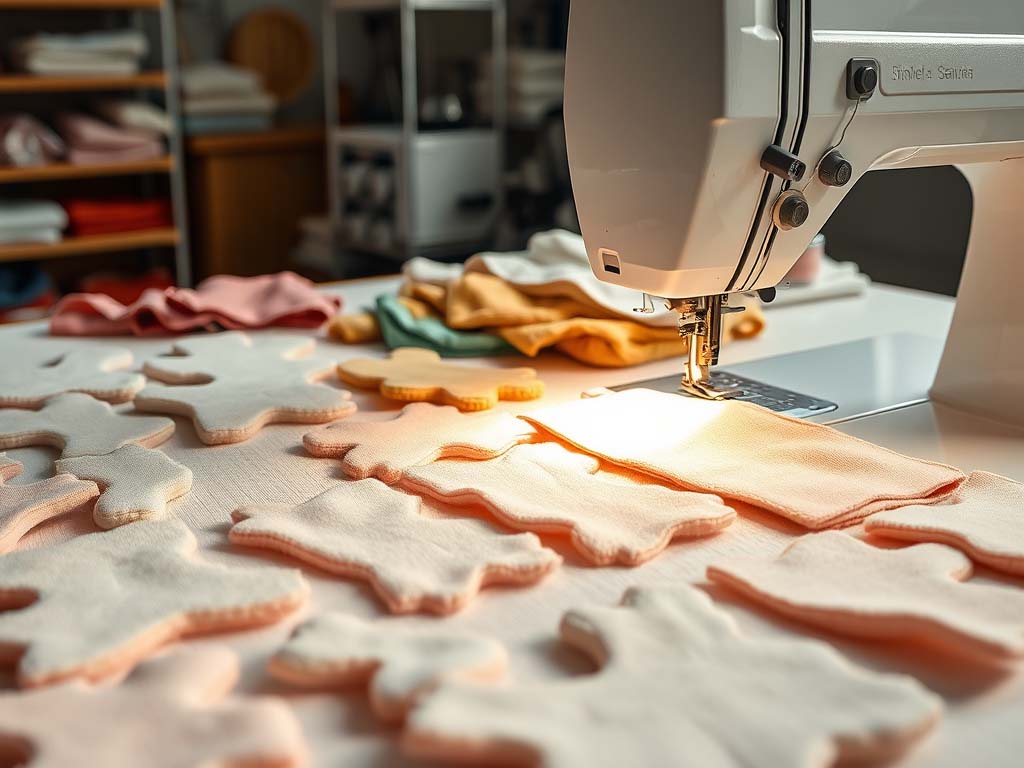
Quality manufacturing does not always require higher cost—often, it requires better process management. High-performing factories optimize workflow, reduce defects at the source, automate repetitive tasks, and maintain strict quality checkpoints.
Key processes that enhance quality and control cost include:
- Pattern Optimization: Correct pattern cutting reduces waste and ensures accurate shaping.
- Automated Embroidery: Faster, more consistent than manual stitching.
- Balanced Production Lines: Prevents bottlenecks and reduces overtime.
- Inline QC Checks: Detect issues early to avoid expensive rework.
- Fabric Spreading Machines: Improve yield and reduce cutting error.
- Stuffing Calibration: Ensures consistent softness without over-using filling material.
Factories with standardized SOPs lower defect rates, reduce rework time, and shorten delivery cycles—directly improving cost control.
| Manufacturing Process | Cost Benefit | Quality Benefit |
|---|---|---|
| Automated Cutting | Reduces fabric waste | Perfect symmetry |
| Inline QC | Fewer reworks | Higher consistency |
| Pattern Engineering | Efficient fabric use | Better shaping |
| Sewing Line Optimization | Faster throughput | Less human error |
| Stuffing Calibration | Avoids overfilling | Uniform softness |
Process optimization achieves true cost savings by eliminating inefficiencies—not by compromising quality.
How Can Sampling and Pre-Production Testing Reduce Unexpected Expenses?

Many procurement issues originate from incomplete or inaccurate sampling. A poorly executed sample leads to misunderstandings about shape, color, stitching, or materials. These misunderstandings magnify in bulk production, causing rework, delays, or shipment rejection.
Thorough sampling prevents costly surprises. Pre-production testing includes:
- Pull tests for eyes, noses, and seams
- Color fastness tests for dyed fabrics
- Needle detection checks
- Stuffing density evaluation
- Pantone matching verification
- Drop and tension tests for safety compliance
Clear feedback documents and a signed-off Golden Sample ensure that both buyer and factory share a unified production reference.
Skipping or rushing sampling always leads to higher costs later.
| Sampling/Test Type | Purpose | Cost Prevention Impact |
|---|---|---|
| Golden Sample Approval | Production reference | Avoids mass mistakes |
| Pull Tests | Safety durability | Prevents rework & recalls |
| Pantone Match Verification | Color accuracy | Prevents color rejection |
| Pre-Production Run | Validate assembly | Reduces bulk scrap risk |
| Stuffing Check | Softness consistency | Prevents over/under-filling |
Good sampling reduces financial risk and builds a stronger cost–quality foundation.
What Supplier Evaluation Criteria Help Maintain Quality at Competitive Rates?
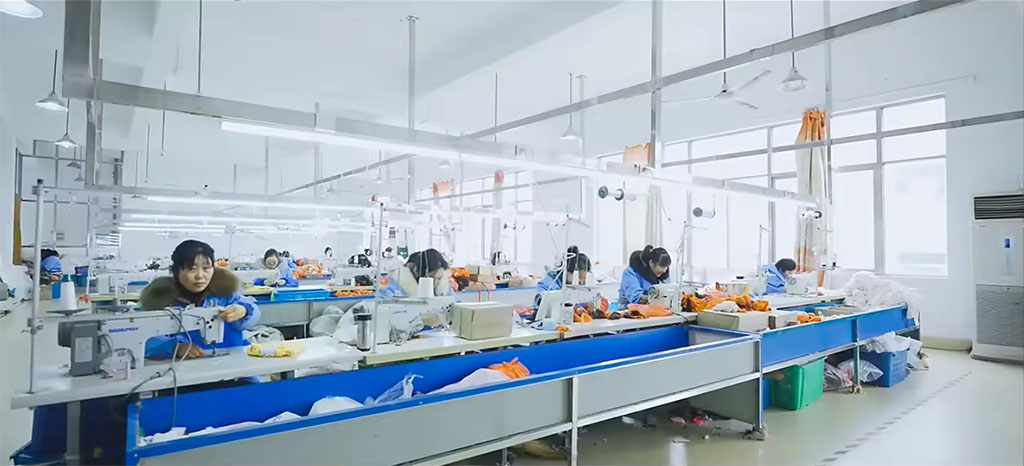
Not all suppliers are equally equipped to balance cost and quality. The most reliable factories rely on stable material sourcing, strong QC systems, experienced pattern makers, and transparent cost structures. A buyer should evaluate suppliers across technical, operational, and strategic dimensions.
Key evaluation criteria include:
- Compliance strength (ASTM, EN71, CPSIA)
- Internal QA capabilities
- Material supplier partnerships
- Automation investment
- Workforce training programs
- Project management responsiveness
- Historical defect rate
- Transparency in quotations
- Capacity to handle seasonal fluctuations
- Commitment to continuous improvement
The goal is not to choose the cheapest supplier, but the one who delivers the best long-term value.
| Evaluation Category | What to Look For | Why It Matters |
|---|---|---|
| Quality Systems | AQL, QC checkpoints | Ensures consistency |
| Compliance | Updated certifications | Reduces regulatory risk |
| Sourcing Stability | Approved vendor lists | Controls cost fluctuations |
| Cost Transparency | Detailed quotations | Avoids hidden fees |
| Operational Maturity | SOPs, automation | Reduces long-term costs |
| Communication | Fast, detailed responses | Prevents costly errors |
Robust supplier evaluation is the most powerful defense against inflated costs and declining quality.
How Do Order Planning and Logistics Coordination Optimize Overall Procurement Cost?
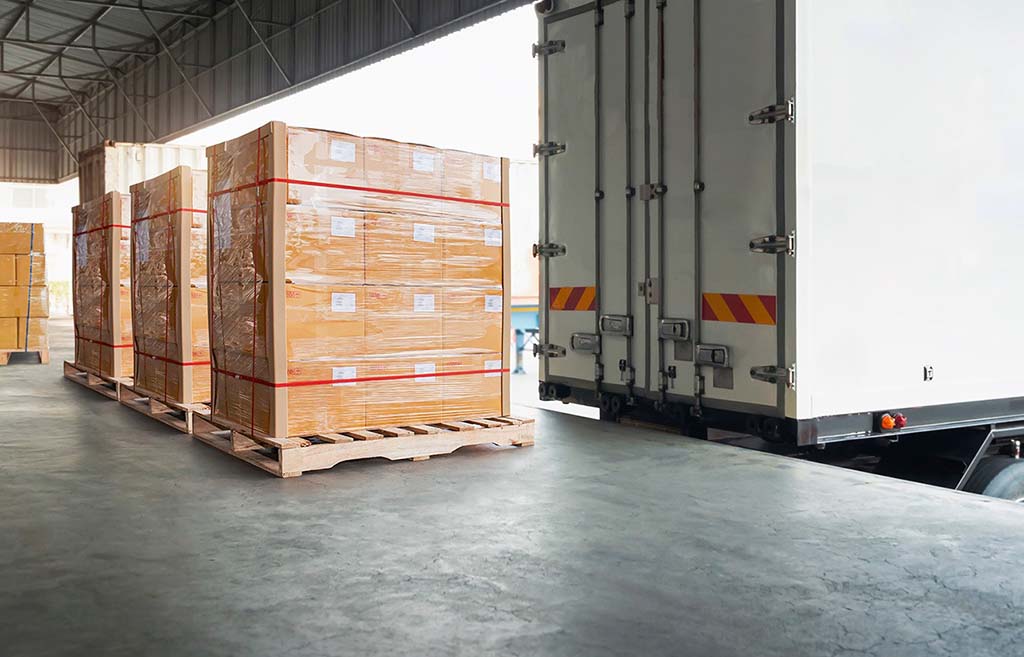
Even if manufacturing cost is optimized, poor logistics planning can destroy your budget. Freight rates fluctuate seasonally; customs delays, port congestion, and unexpected duties add unpredictability.
Operational planning strategies include:
- Booking production early
- Aligning with off-peak shipping cycles
- Using mixed-container consolidations
- Preparing documentation in advance
- Coordinating packaging to increase carton density
- Maintaining buffer stock for high-demand SKUs
Proactive planning reduces air freight emergencies, demurrage fees, storage charges, and unnecessary rush production.
| Optimization Method | How It Works | Cost Benefit |
|---|---|---|
| Early Production Booking | Reserve capacity ahead of peak | Avoids surcharges |
| Packaging Efficiency | Optimize carton layout | Reduce CBM cost |
| Shipping Consolidation | Combine multiple SKUs | Lowers freight cost |
| Customs Preparation | Complete documents early | Avoids clearance delays |
| Inventory Buffers | Safety stock planning | Prevents urgent air freight |
Proper logistics coordination transforms procurement from reactive to strategically cost-efficient.
Conclusion
Balancing cost and quality in plush toy procurement requires strategic decision-making, strong supplier partnerships, and proactive planning. By understanding cost drivers, choosing the right materials, optimizing processes, improving sampling accuracy, and maintaining disciplined logistics, brands can achieve durable, safe, and visually appealing plush toys at sustainable pricing.
Factories like Kinwin support global buyers with transparent costing, consistent quality, and a collaborative approach that helps brands grow without compromising reliability.
📧 Contact: [email protected]
🌐 Visit: https://kinwintoys.com