Sampling is one of the most important stages in custom plush toy development. It is the moment when a design moves from concept to a physical product. For many brands, designers, and product developers, the sample is also the first opportunity to evaluate whether the toy truly reflects the original idea.
However, plush toy sampling does not always go smoothly. Many delays, misunderstandings, or inaccurate samples actually originate from small mistakes made before the sampling process even begins. Incomplete design information, unclear specifications, or unrealistic expectations can make it difficult for manufacturers to translate the concept into a successful prototype.
Understanding the most common plush toy sampling mistakes can help buyers prepare their projects more effectively. When design files, material requirements, and technical details are clearly defined, manufacturers can develop samples faster and more accurately.
In this article, we will explore several common mistakes that occur during plush toy sampling and explain how avoiding these issues can help ensure a smoother development process.
What common mistakes occur before plush toy sampling even begins?
Many sampling problems actually start before the manufacturer begins making the prototype. At this early stage, the most common issues are related to incomplete project information, unclear expectations, or misunderstandings about how plush toys are developed.
When the initial communication between the buyer and the manufacturer lacks clarity, engineers and pattern makers may need to make assumptions about important design details. These assumptions can lead to samples that differ from what the client originally imagined.
Preparing clear project information before sampling begins helps reduce development time and increases the accuracy of the first prototype.
Providing Only Basic Artwork Without Supporting Details
One of the most common mistakes is providing only a single illustration without additional design information. While the artwork may look complete from a design perspective, it may not include important technical details needed for plush toy production.
For example, manufacturers may need information about:
- Target product size
- Fabric preferences
- Embroidery or printing techniques
- Stuffing firmness
- Intended safety standards
Without these details, engineers must interpret the design themselves, which can lead to differences between the sample and the buyer’s expectations.
Providing a more complete project brief helps manufacturers understand the intended appearance and functionality of the plush toy from the beginning.
Skipping Early Technical Discussion With the Manufacturer
Another common issue occurs when buyers send artwork and immediately request a sample without discussing technical feasibility. Plush toys require careful pattern design, material selection, and structural planning before sampling begins.
A short technical discussion between the buyer and manufacturer can help identify potential challenges early. For example, certain design details may need to be simplified, reinforced, or adjusted to ensure the toy remains durable and visually balanced.
When this conversation happens early in the process, both sides can align expectations and avoid unnecessary sample revisions later.
This collaborative approach often leads to faster development and more accurate plush toy samples.
Common Pre-Sampling Mistakes to Avoid
| Mistake | What Happens | How to Prevent It |
|---|---|---|
| Incomplete Project Information | Manufacturer must guess missing details | Provide a clear project brief |
| Only One Artwork View | Engineers cannot see full structure | Provide front, side, and back views |
| No Size Specification | Proportions may be interpreted differently | Clearly define product size |
| No Material Preference | Manufacturer selects fabrics without guidance | Discuss fabric options early |
| Skipping Technical Review | Design challenges discovered too late | Discuss feasibility before sampling |
Are design specifications incomplete or unclear?
Another frequent cause of sampling issues is incomplete or unclear design specifications. Even when artwork is detailed, the absence of precise instructions can make it difficult for manufacturers to reproduce the design exactly as intended.
Plush toy development requires many technical decisions that are not always visible in the artwork itself. Details such as fabric type, embroidery style, stitching methods, and label placement must be clearly defined during the sampling stage.
When these details are missing or vaguely described, the manufacturer may interpret the design differently than the buyer expected.
Clear specifications help ensure that the sample reflects the design concept as accurately as possible.
Lack of Clear Product Size and Proportion References
One of the most important design specifications is the overall size of the plush toy. Without a clearly defined size, it becomes difficult for pattern makers to determine the correct proportions for facial features, limbs, and accessories.
For example, a design that works well at 30 cm may require different proportions when produced at 15 cm. Smaller toys often require simplified details to maintain clarity.
Providing exact measurements helps manufacturers scale the design appropriately and maintain visual balance.
Missing Instructions for Materials and Construction
Artwork alone rarely indicates what materials should be used. Two plush toys with the same design can look very different depending on fabric type, stuffing density, and construction methods.
For instance, a short plush fabric will create a smoother appearance, while long plush fabric may create a fluffier texture that hides small details.
Similarly, the firmness of the stuffing can affect how rounded or soft the final toy appears.
By specifying material preferences and construction expectations, buyers can help manufacturers create samples that better match the intended design style.
Design Specifications That Improve Sampling Accuracy
| Specification | Why It Is Important | Impact on Sampling |
|---|---|---|
| Product Size | Determines scale of design elements | Maintains correct proportions |
| Fabric Type | Influences texture and visual style | Affects final appearance |
| Stuffing Standard | Controls firmness and shape | Changes overall structure |
| Construction Method | Determines how parts are assembled | Influences durability |
| Label and Packaging Details | Ensures brand consistency | Prevents missing elements |
Do buyers underestimate the difference between 2D artwork and 3D plush?
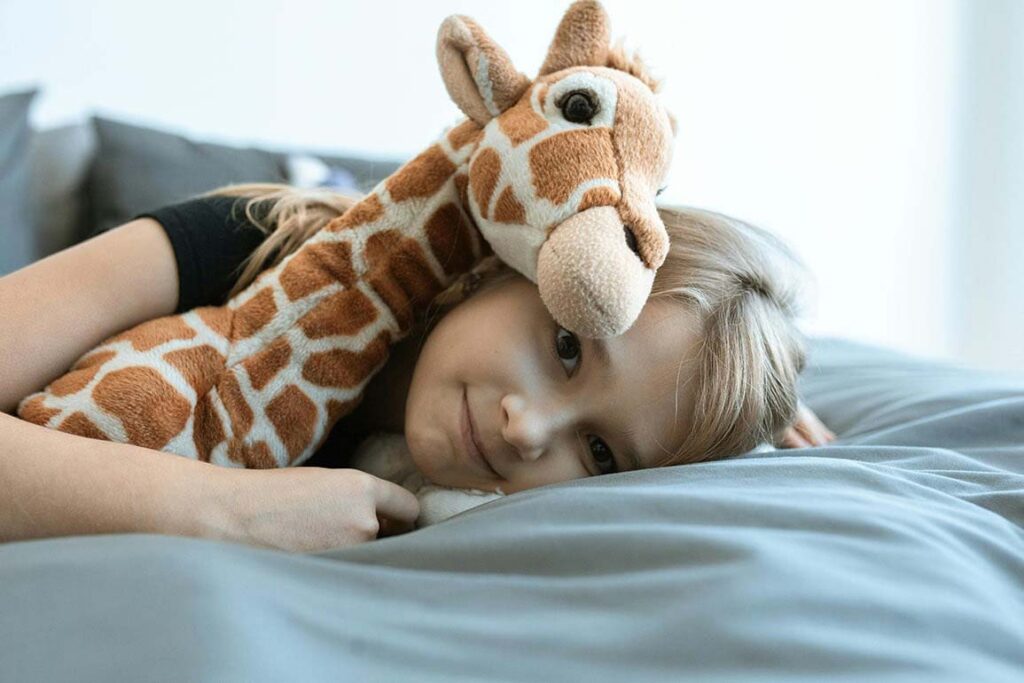
A very common misunderstanding in plush toy development is assuming that a plush toy can replicate a 2D illustration perfectly without any adjustments. In reality, plush toys are three-dimensional objects built from fabric panels and stuffing, which means certain design elements must be adapted during production.
When buyers are unfamiliar with plush manufacturing, they may expect the first sample to look identical to the original artwork. However, small structural adjustments are usually necessary to ensure that the toy remains stable, durable, and visually balanced.
Understanding the difference between illustration and plush structure helps set realistic expectations and improves collaboration between designers and manufacturers.
Artwork Does Not Always Show Structural Requirements
Illustrations often focus on visual style rather than physical structure. Characters may have extremely thin limbs, very small bodies, or oversized heads that look appealing in artwork but may not be practical in plush form.
For example, very narrow necks may not support the weight of the head, and extremely thin arms may not hold stuffing properly.
During pattern making, manufacturers often adjust these proportions slightly to ensure structural stability while maintaining the overall appearance of the character.
Plush Toys Require Soft Structural Adjustments
Unlike rigid products such as plastic figures, plush toys rely on soft materials and internal stuffing to maintain their shape. This means the final product may appear slightly rounder or softer than the original illustration.
Sharp corners or flat surfaces in artwork often become smoother once translated into plush form. This softening effect is a natural result of fabric expansion and stuffing pressure.
Professional plush toy manufacturers carefully refine patterns during sampling to balance design accuracy with structural feasibility.
Differences Between Artwork and Plush Structure
| Design Aspect | 2D Artwork | Plush Toy Reality |
|---|---|---|
| Shape | Flat illustration | Three-dimensional structure |
| Edges | Sharp lines | Soft rounded edges |
| Proportions | Artistic exaggeration possible | Must support stuffing and structure |
| Symmetry | Perfectly balanced | Slight variation from fabric and sewing |
| Surface | Smooth visual design | Fabric texture and pile influence appearance |
Are fabric choices made without considering structure and durability?
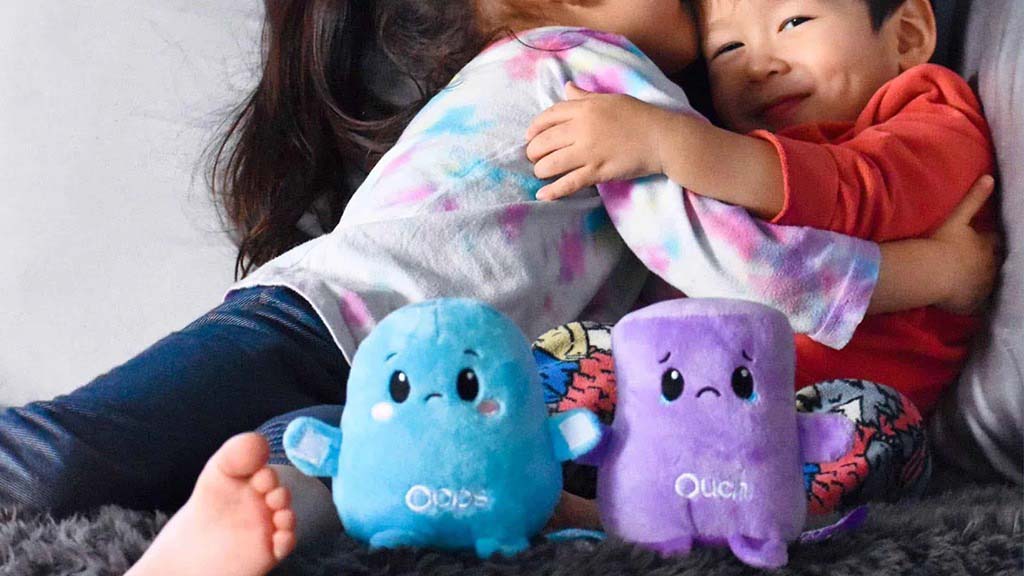
Fabric selection is one of the most overlooked aspects of plush toy sampling. Many buyers focus primarily on how the fabric looks in photos or reference toys, but they may not consider how that fabric behaves during sewing, stuffing, and long-term use.
Different plush fabrics have unique characteristics such as thickness, stretch, pile length, and density. These properties influence how the toy holds its shape, how clearly design details appear, and how durable the final product will be.
When fabric choices are made only based on appearance, the sample may look different from the original concept or may not perform well during production. Working with an experienced plush toy manufacturer helps ensure that material choices balance visual style with structural stability.
Choosing Fabric Only for Appearance
It is common for buyers to select fabrics based solely on softness or visual appeal. While softness is important—especially for plush toys designed for children—certain fabrics may not be suitable for specific designs.
For example, long pile fabrics create a fluffy appearance but may hide small details such as embroidery lines or printed graphics. If a design relies heavily on detailed facial features or patterns, a shorter pile fabric may provide better visual clarity.
Similarly, extremely thin fabrics may not maintain the toy’s shape well after stuffing. The toy may appear loose or uneven if the material lacks sufficient structure.
By considering both aesthetics and structural performance, manufacturers can recommend fabrics that better support the design.
Ignoring Durability and Product Use
Another mistake occurs when the intended use of the plush toy is not considered during fabric selection. Plush toys designed for display, collectibles, or children’s play may require different material characteristics.
For example:
- Toys intended for young children should use durable fabrics that resist tearing.
- Promotional plush toys may require cost-effective materials suitable for large production runs.
- Premium plush toys may use softer or higher-end fabrics to create a luxury feel.
If durability requirements are not discussed early in the development process, the sample may not reflect the product’s intended use.
Fabric Selection Factors That Affect Plush Toy Sampling
| Fabric Factor | What It Influences | Sampling Impact |
|---|---|---|
| Pile Length | Surface texture and detail visibility | Long pile may hide small features |
| Fabric Thickness | Structural stability | Affects shape after stuffing |
| Fabric Stretch | Sewing behavior and symmetry | May influence final proportions |
| Material Durability | Resistance to wear and tearing | Important for children’s toys |
| Fabric Density | Overall visual quality | Helps maintain consistent shape |
Is size, proportion, or stuffing standard not clearly defined?
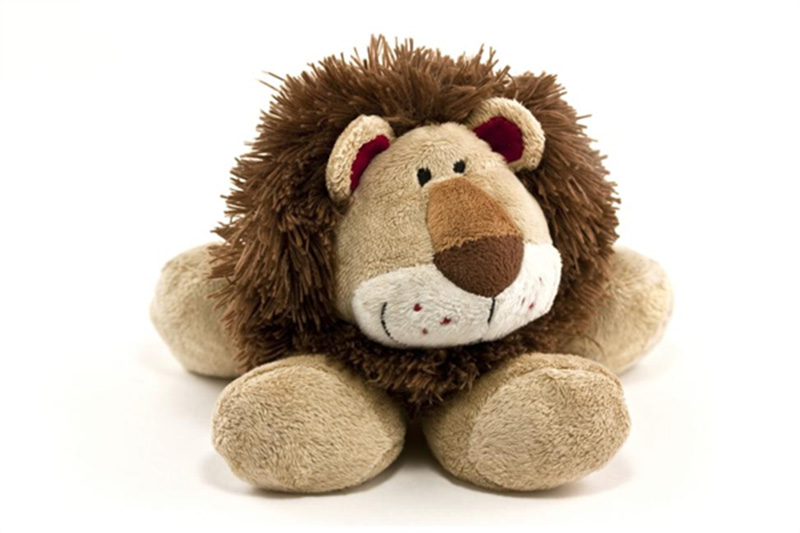
Another common sampling mistake occurs when key structural specifications—such as product size, proportions, or stuffing standards—are not clearly defined before development begins.
These elements may appear simple, but they have a significant impact on how the final plush toy looks and feels. Without clear guidelines, manufacturers may interpret these details differently, leading to samples that do not fully match the buyer’s expectations.
Defining these parameters early helps engineers and pattern makers create more accurate prototypes.
Unclear Product Size Leads to Proportion Issues
The overall size of a plush toy directly affects how its design elements are scaled. Facial features, limbs, and accessories must be adjusted depending on whether the toy is small, medium, or large.
For example, a character design that works well at 35 cm may require simplified facial details if the toy is produced at 15 cm. Smaller plush toys often need larger embroidery elements or thicker outlines to remain visually clear.
If the intended size is not specified at the beginning of the sampling process, pattern makers may choose proportions that differ from the buyer’s expectations.
Providing clear size references helps ensure that the toy’s proportions remain balanced.
Stuffing Firmness and Distribution Are Not Defined
Stuffing density is another factor that significantly affects the final appearance of a plush toy. Different stuffing levels create different visual effects.
- Firm stuffing produces a structured, well-defined shape.
- Softer stuffing creates a more relaxed and squeezable toy.
If stuffing preferences are not clearly defined, the sample may appear either too rigid or too soft compared with what the buyer imagined.
Manufacturers typically adjust stuffing density based on the toy’s intended purpose. For example, decorative plush toys may require firmer stuffing to maintain shape, while cuddle toys may prioritize softness.
Structural Specifications That Improve Sampling Accuracy
| Structural Element | Why It Matters | Effect on Sample |
|---|---|---|
| Product Size | Determines scale of design features | Maintains visual balance |
| Body Proportions | Influences character appearance | Prevents distorted shapes |
| Stuffing Density | Controls firmness and structure | Affects overall feel |
| Stuffing Distribution | Balances head, body, and limbs | Maintains symmetry |
| Weight and Stability | Important for sitting or standing toys | Improves usability |
Are embroidery and printing details specified too vaguely?
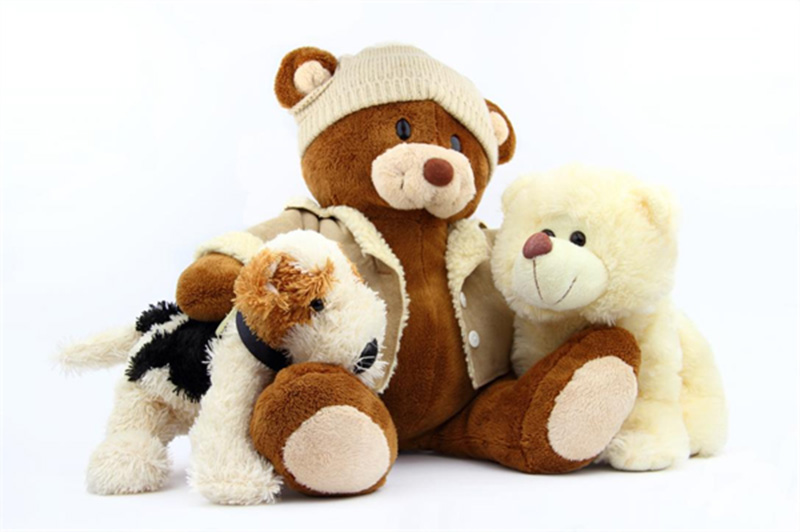
Embroidery and printing are key techniques used to create facial expressions, logos, patterns, and decorative details on plush toys. However, when these elements are not clearly specified during the sampling stage, the final result may differ from the original design concept.
Because embroidery and printing are technical processes, small differences in line thickness, placement, or color selection can significantly influence the final appearance of the plush toy.
Providing clear instructions for these details helps ensure the sample accurately reflects the intended design.
Lack of Clear Facial Feature Specifications
Facial features are often the most recognizable elements of a plush toy. Small changes in eye shape, eyebrow angle, or mouth placement can dramatically change the character’s personality.
If the artwork does not clearly define these details—or if there is no close-up reference for the face—the manufacturer may interpret the expression differently.
Providing close-up reference images of the character’s face helps embroidery technicians position features accurately and maintain the intended expression.
Unclear Technique Selection Between Embroidery and Printing
Another common issue occurs when the design does not specify whether certain elements should be embroidered or printed.
Embroidery works well for clear outlines and durable details, while printing is better suited for complex graphics or color gradients. If the technique is not specified, the manufacturer may choose the method that seems most practical, which may not always match the designer’s expectations.
Discussing these details during the sampling stage ensures that the most appropriate technique is used for each design element.
Embroidery and Printing Details That Improve Sampling
| Detail Type | What to Specify | Why It Matters |
|---|---|---|
| Eye Style | Embroidery, print, or safety eyes | Defines character personality |
| Facial Expression | Position of eyes, nose, and mouth | Maintains design accuracy |
| Thread Colors | Pantone or color references | Ensures color consistency |
| Pattern Technique | Embroidery or printing method | Affects detail clarity |
| Feature Size | Minimum embroidery thickness | Prevents distortion |
Conclusion
Plush toy sampling is a crucial stage in product development, and many challenges that appear during sampling actually originate from small planning mistakes made earlier in the process. Incomplete design information, unclear specifications, unrealistic expectations about 2D artwork, or poorly considered material choices can all lead to samples that differ from the intended design.
By clearly defining artwork references, fabric preferences, product size, stuffing standards, and embroidery details, buyers can greatly improve the accuracy of the first sample and reduce the number of revisions needed during development.
Working with an experienced plush toy manufacturer also plays an important role. Professional development teams understand how to translate artwork into plush structures while balancing design accuracy, durability, and production feasibility.
At KINWIN, we guide clients through every stage of plush toy development—from technical design review and material selection to pattern making, sampling, and mass production. Our goal is to help transform creative concepts into plush toys that closely match the original design while remaining reliable for large-scale manufacturing.
If you are planning to develop a custom plush toy and want to avoid common sampling mistakes, our team is always happy to review your design and discuss the best development approach for your project.