Skip to content
I’m Amanda from Kinwin. I work with global buyers to design, sample, and mass-produce plush toys in China with clear standards and predictable timelines. In this guide, I explain where most plushies are made, how China’s clusters and supply chains create scale, which safety rules govern exports, how China compares with Vietnam and other hubs, what logistics choices change landed cost, and how buyers can verify reliability with audits, AQL plans, and third-party tests.
China remains the world’s most important base for plush toys. The country offers dense manufacturing clusters, consistent fabric and filling supply, skilled sewing labor, and a mature export system. For buyers, this means faster sampling, wider material choices, stable quality, and lower total system cost—when managed with the right checks.
What share of global plush production originates in China, and which provinces lead the output?
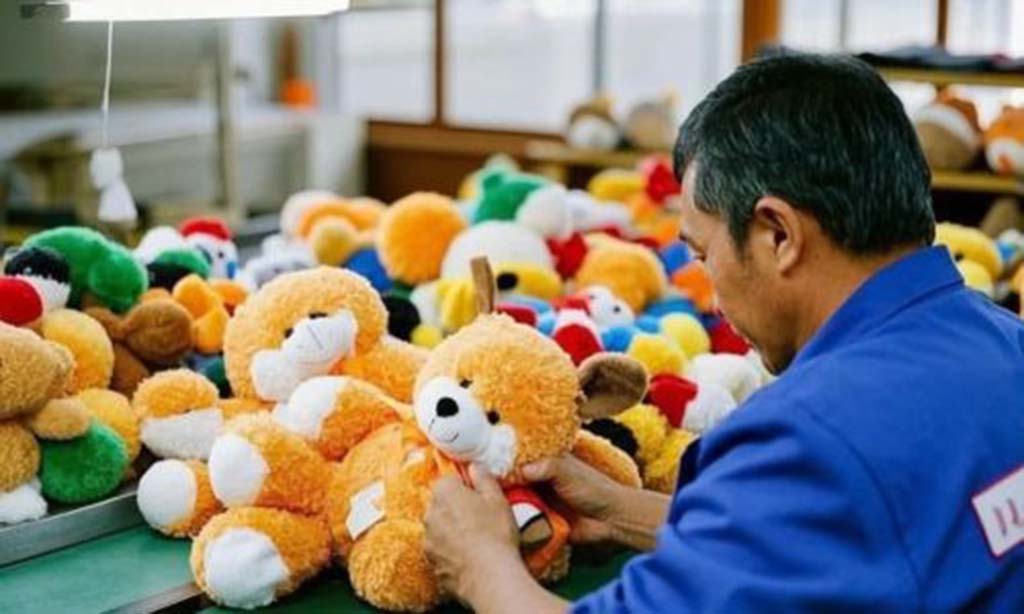
China produces a large share of the world’s plushies. Exact percentages shift by season and category, but the majority of global volume still comes from China thanks to capacity, materials access, and export know-how. Several provinces stand out:
- Guangdong (Pearl River Delta): Dongguan, Shenzhen, Guangzhou—strong in ODM design, fast sampling, premium plush, accessories.
- Zhejiang & Jiangsu (Yangtze River Delta): Yangzhou, Ningbo, Yiwu—cost-efficient volume, broad trims ecosystem, strong packaging supply.
- Fujian & Shandong: Supportive clusters for fabrics, cut-and-sew, and mixed material toys; growing focus on eco trims and cartons.
- Hebei & Henan: Competitive labor for certain hand-work and seasonal peaks.
Table 1 — Leading Chinese Plush Clusters (practical view)
| Province / City | Typical Strengths | When I choose it |
|---|---|---|
| Guangdong (Dongguan/Shenzhen) | Premium fabrics, quick ODM, complex embroidery/appliqué | When the buyer needs fast development and premium finish |
| Jiangsu (Yangzhou) | Cost-efficient volume, classic animals & bears | When the line needs stable repeats and competitive pricing |
| Zhejiang (Ningbo/Yiwu) | Trims, packaging, consolidation | When SKUs need diverse accessories and gift packaging |
| Fujian | Fabric options, athletic brands’ gift plush | When matching apparel colorways or co-branding |
| Shandong/Hebei | Seasonal surge capacity | When I need extra lines for peak demand |
How do China’s manufacturing clusters, fabric supply chains, and stuffing/filling ecosystems drive scale and consistency?
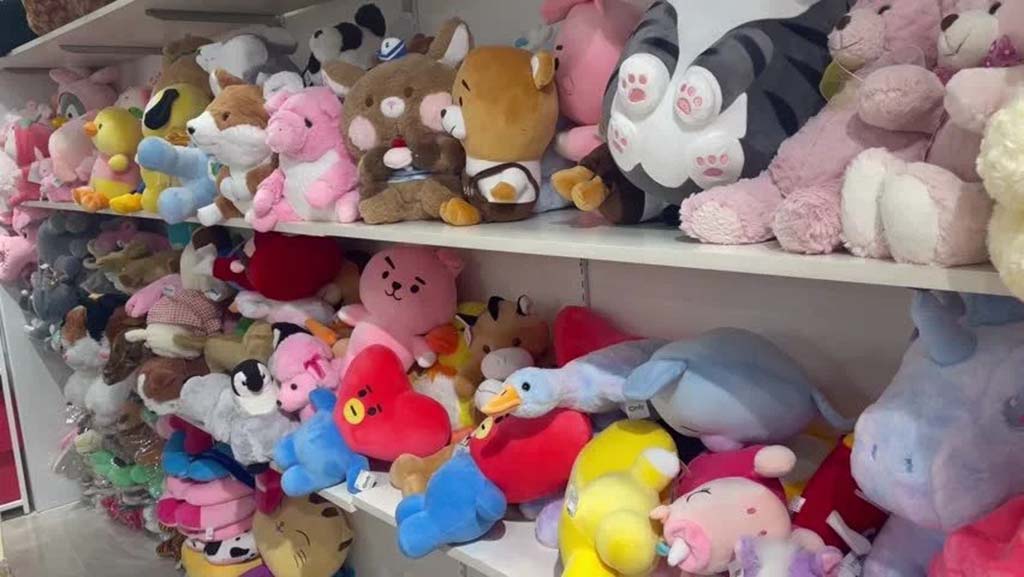
China’s advantage is not one factory; it is an ecosystem: fabric mills, dye houses, embroidery shops, pellet suppliers, label/pack printers, box makers, 3PLs, and forwarders—often within a one-day truck radius. That density lowers risk and shrinks timelines.
- Fabric availability: minky, velboa, faux fur, sherpa, short/long pile plush in many weights and colors.
- Filling ecosystem: hollow/solid polyester fiberfill, recycled polyester, pellet weights (food-grade), foam inserts; inner pouch sewing at scale.
- Accessory network: safety eyes/noses (or embroidered alternatives), zippers, ribbons, clothing, sound chips—sourced and integrated quickly.
- Process maturity: pattern-making, panel cutting, high-speed sewing, bar-tack reinforcement, and line balancing for even output.
Table 2 — Supply Chain Building Blocks (what matters day to day)
| Component | China advantage | Buyer benefit |
|---|---|---|
| Fabrics (minky/velboa/faux fur) | Many mills + stock colors | Shorter sample time, color options |
| Fillings (poly fiber, recycled, pellets) | Stable quality, lot certificates | Predictable hand-feel and safety |
| Embroidery & trims | Digitizing in 1–3 days, dense vendor base | Crisp faces/logos, low rework |
| Packaging & print | Fast hangtags/boxes/barcodes | Retail-ready kits without delays |
| Logistics & 3PL | Mature export and consolidation | Fewer surprises, cleaner paperwork |
Which safety and compliance frameworks (EN71, ASTM F963, CPSIA, CE, REACH) govern China-made plushies for key export markets?
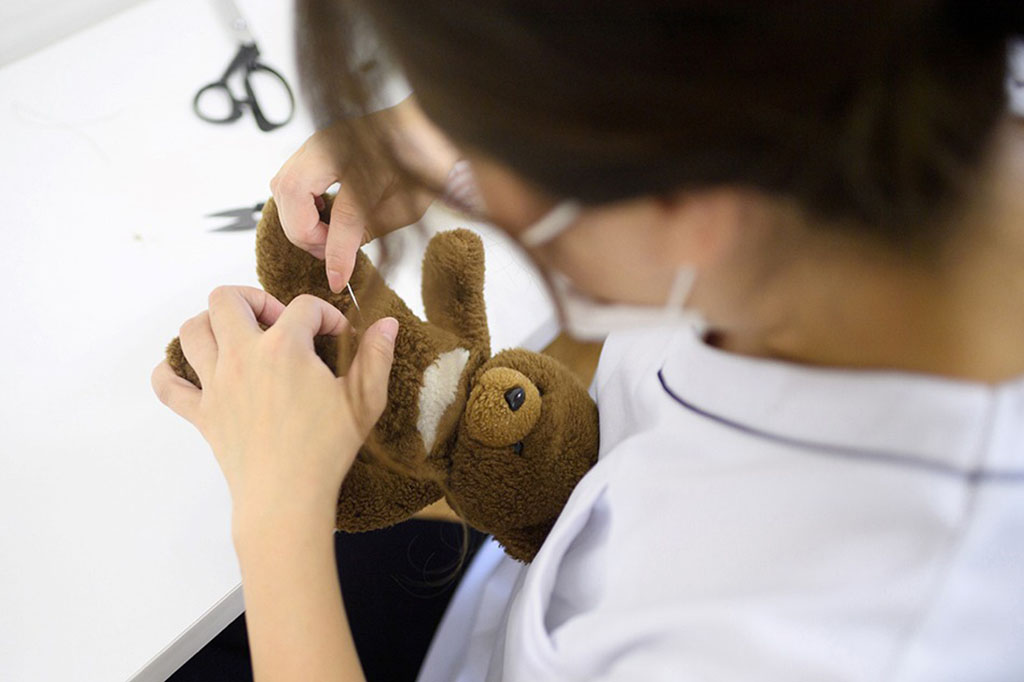
Compliance is about documents + lab reports + controlled processes. When we export, we align with the destination market:
- EU: EN71-1/2/3 (mechanical, flammability, chemicals) and REACH. The shipper issues a CE Declaration of Conformity (DoC) listing the standards.
- US: ASTM F963 and CPSIA (lead, phthalates), plus a Children’s Product Certificate (CPC) and tracking label.
- Other regions: Many align with ISO 8124; retailers may add OEKO-TEX for textiles.
Best practice: tie reports to actual fabric/fill lots and re-test if a dye lot, trim, or fill source changes.
Table 3 — What buyers should keep on file (per SKU/lot)
| Framework | Covers | You should keep | Renew when |
|---|---|---|---|
| EN71 + CE DoC (EU) | Safety + supplier declaration | 3P lab report + signed DoC | If materials/process change |
| ASTM F963 (US) | Mechanical/physical | 3P lab report | If design/material changes |
| CPSIA (US) | Lead/phthalates + tracking | 3P report + CPC | Each children’s lot |
| REACH (EU) | Chemicals/SVHC | Relevant screenings | New chemicals/dye lots |
| Retail add-ons | OEKO-TEX, etc. | Certificates per fabric lot | New lots/suppliers |
How do OEM/ODM capabilities, sampling workflows, and MOQs in China compare with Vietnam and other emerging hubs?
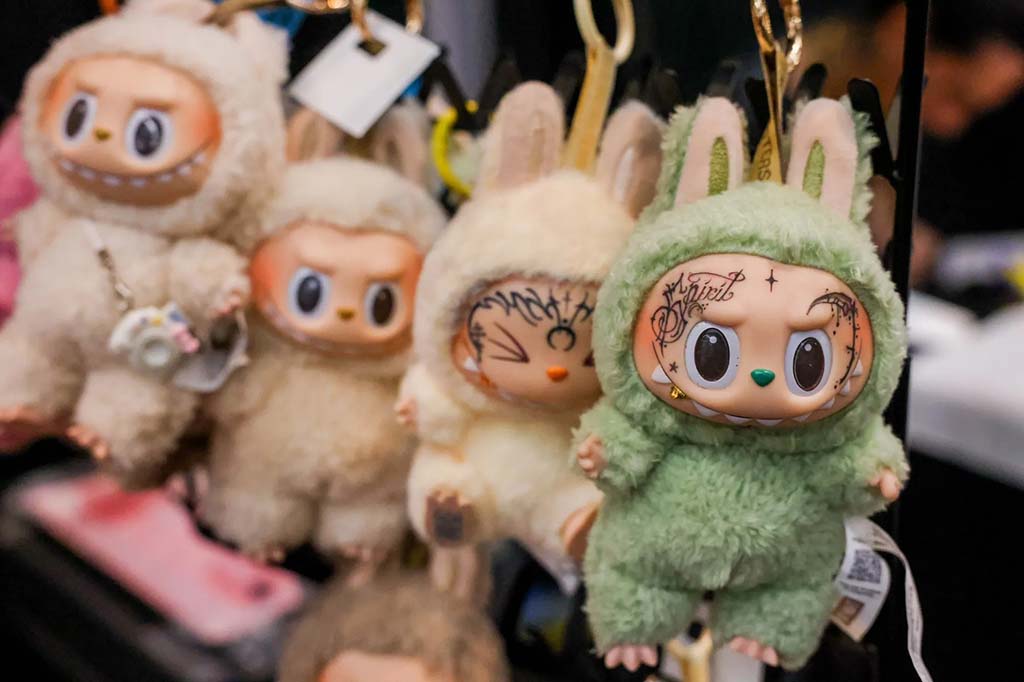
China is fastest from concept → soft sample → PP sample → mass because most inputs are local. Vietnam and other hubs can be excellent for steady programs, but timelines and MOQs differ.
Table 4 — China vs. Vietnam (generalized, plush category)
| Factor | China | Vietnam (and similar hubs) |
|---|---|---|
| Soft sample lead time | 7–12 working days (stock fabrics) | 10–20 days (more sourcing steps) |
| Custom dye add-on | +10–15 days (many dye houses) | Often +15–25 days |
| PP sample (after changes) | 5–8 working days | 7–12 working days |
| Typical MOQ per SKU | 300–1,000 pcs (stock color lower) | 500–1,500 pcs |
| Accessory ecosystem | Very dense, quick | Improving, may import some parts |
| Best use case | Fast development, complex trims, broad ranges | Stable repeats, labor-cost focus |
Tip: Approve silhouette with stock fabrics first. Lock custom colors later to shorten the calendar and reduce rework in any country.
What logistics, tariffs (HS codes), and Incoterms (EXW/FOB/CIF/DDP) most impact total landed cost for China-made plushies?

Two choices change your cost most: Incoterms and freight mode. Also, the correct HS code reduces customs delays.
- Common HS for toys: 9503 (confirm full sub-code with your broker by material, function, and age grade).
- Air vs. Ocean: Air for urgency; ocean for cost efficiency. Consolidation hubs in South China reduce LCL pain.
- Incoterms: Decide who controls freight, insurance, duties, and last-mile.
Table 5 — Incoterms and what they include
| Term | Factory price covers | Buyer handles |
|---|---|---|
| EXW | Goods at factory gate | All export, freight, import, delivery |
| FOB (port of loading) | Export clearance + on board | Ocean/air freight, destination charges, import |
| CIF (seaport) | FOB + sea freight + insurance | Destination charges, import, last-mile |
| DDP (door) | Delivery incl. duties/taxes (scope varies) | Minimal—verify inclusions carefully |
Hidden landed-cost drivers: destination port fees, customs exam fees, remote area surcharges, re-labeling at 3PL, extra packaging for ISTA tests, and rework if carton specs fail a retailer’s receiving rules.
How can buyers verify reliability—factory audits, AQL plans, third-party lab testing, and social compliance (BSCI/SEDEX)?
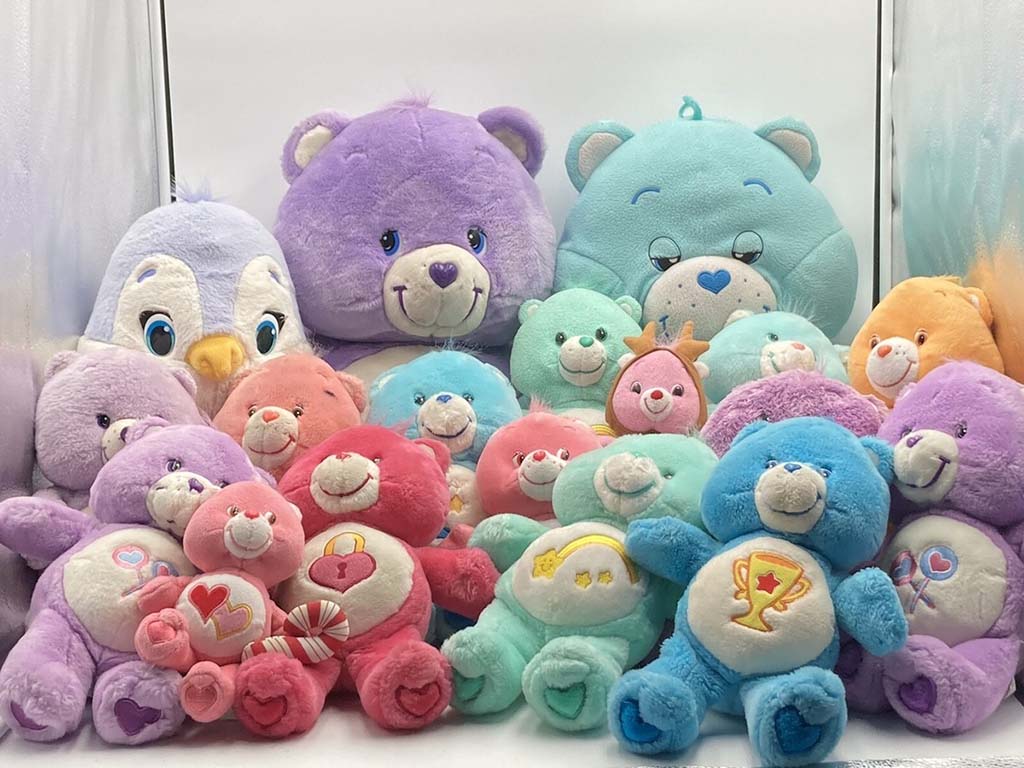
Verification is a process, not a promise. Lock it before production.
- Audit (on-site or video): production lines, cutting/sewing/stuffing, embroidery, QC desks, packing, warehouse.
- AQL plan: I use General II, Major 2.5 / Minor 4.0 as a baseline (tighten for infant lines).
- Checkpoints: IQC for fabric/fill lots → In-line at ~20–30% sewn → Final Random Inspection at ≥80% packed.
- Third-party labs: tie EN71/ASTM/CPSIA tests to specific lots; keep reports with COAs and tracking labels.
- Social compliance: BSCI or SEDEX/SMETA summaries help retailer acceptance; review corrective actions.
- Traceability: “Golden sample” sealed; copy kept at factory and buyer; lot IDs on fill and fabric.
Table 6 — QC & Compliance Structure (who does what)
| Stage | Owner | Output |
|---|---|---|
| IQC (incoming fabric/fill) | Factory QC | Lot check vs COA; quarantine if fail |
| In-line inspection | Factory + optional 3P | Photos, defect log, early fixes |
| Final Random Inspection (FRI) | 3P (SGS/Intertek/BV/TÜV) | Pass/fail report, AQL sampling |
| Lab testing | 3P lab | EN71/ASTM/CPSIA tied to lot IDs |
| Social audit | 3P audit body | BSCI/SMETA summary + CAPA |
Simple rule: no shipment without FRI pass and current lab reports that match the actual materials used.
Action Plan (you can use this week)
- Build a one-page RFQ pack (size, materials, trims, fill, tests, packaging, Incoterm, order size, ship window).
- Shortlist factories from two channels (e.g., trade show list + B2B marketplace).
- Request soft samples with stock fabrics; review seams, symmetry, hand-feel, and weight.
- Lock materials and run lab tests tied to the real lots.
- Approve PP sample and freeze changes with a written change-order form.
- Set AQL and inspection windows in the PO; book FRI.
- Choose FOB or DDP based on control vs. convenience; confirm HS code and carton specs with your 3PL.
- Keep a golden sample and retain QC records for each lot.
- After delivery, log returns and defects; update the Tech Pack to prevent repeats.
Follow this framework and your China plush program will move faster, with fewer surprises and stronger margins.
Conclusion
China makes a large share of the world’s plush toys because of dense clusters, broad material choices, and export-ready systems. With the right standards—EN71/ASTM/CPSIA, AQL inspections, and clear Incoterms—you get safe, consistent products and predictable costs. At Kinwin, we help global buyers design, sample, test, and ship plushies that meet international standards—on time and on budget. Contact [email protected] or visit kinwintoys.com to discuss your next project and see how our factory can support your success.