Skip to content
When people search for “best weighted stuffed animals”, they are usually looking for more than a cute plush. They want a toy that feels comforting, heavy in a good way, and still safe, especially for children or sensitive users. For brands and buyers, the question is: how do you design or source weighted plush that really works and still passes tests?
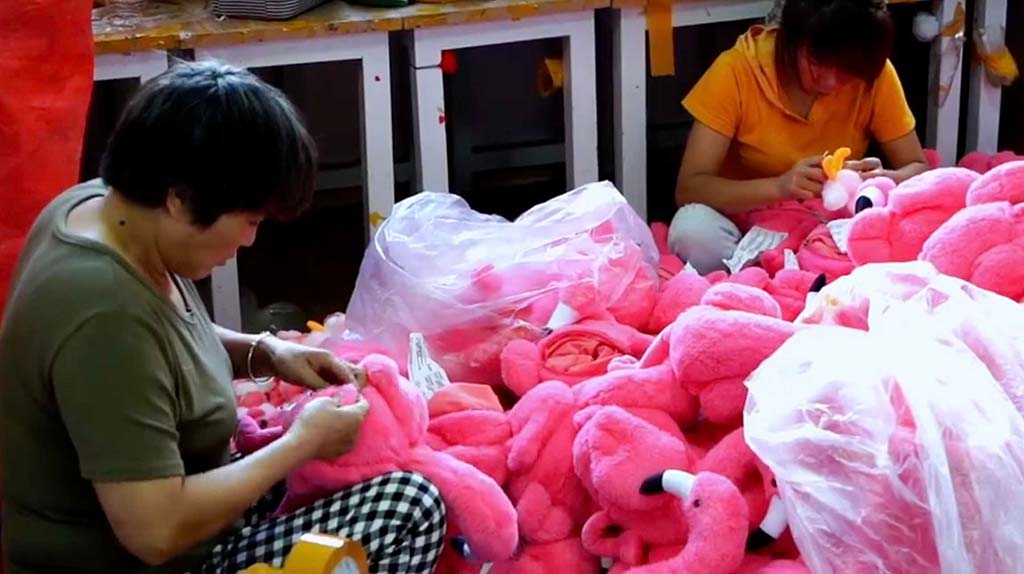
I’m Amanda from Kinwin, a plush toy manufacturer in China. My team helps brands, retailers, and e-commerce sellers develop weighted plush for markets like the USA, Europe, and Asia. In this guide, I’ll explain how I evaluate weighted stuffed animals from a factory and buyer perspective—using simple English and focusing on what brings value to you and your customers.
What defines a high-quality weighted stuffed animal today?
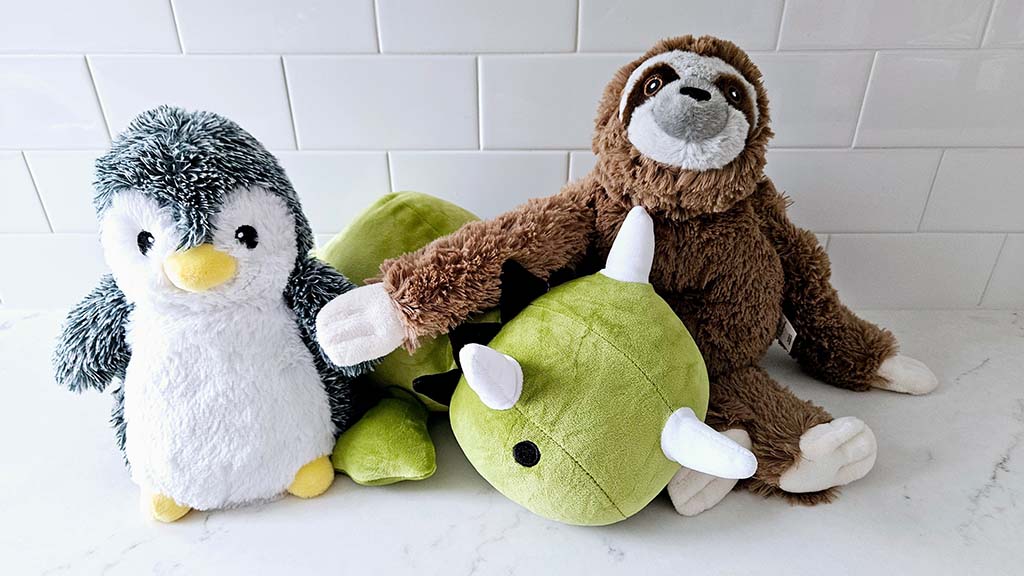
A high-quality weighted stuffed animal is more than a regular plush with extra pellets. It should give a stable, soothing weight, feel soft and huggable, and remain safe and durable over time. It must also match its purpose: sensory support, calming at home, décor, or gifting.
From my experience, the best weighted plush toys usually share these key traits:
- Balanced weight that feels grounding, not awkward
- Secure internal construction so pellets or beads never leak
- Soft, skin-friendly outer fabric
- Clear age grading and safety information
- Consistent quality between pieces and batches
- Design that suits the use case (lap, chest, shoulders, bedtime, décor)
- Honest communication (not marketed as a medical device if it is not tested as one)
Here is a simple way to think about “high-quality” vs “average” weighted plush:
| Quality Dimension | High-Quality Weighted Stuffed Animal | Average or Low-Quality Weighted Stuffed Animal |
|---|---|---|
| Weight balance | Weight spread logically (body, limbs, or lap area) | Most weight in one small spot, toy feels lopsided |
| Outer fabric | Soft, durable, low-shedding plush or minky | Rough, thin, or scratchy fabric; pills quickly |
| Internal construction | Pellets sealed in inner bags, strong seams, no rusting materials | Loose beads, weak stitching, no internal bags |
| Comfort & ergonomics | Shape suits common use (lap, shoulder, chest, or cuddle) | Shape too bulky or awkward to hold comfortably |
| Safety & compliance | Tested to toy standards; clear age grading and warnings | No test documents; unclear if safe for children |
| Product information | Honest claims; explains weight and intended users | Over-promises therapeutic effects; vague or missing details |
| Consistency & finishing | Even seams, no leaks, no strong odour | Uneven filling, pellets escaping, strong chemical smell |
When you brief your factory, it helps to define what “high-quality” means for your brand: Is the focus deep pressure comfort, gift appeal, premium materials, or a mix of all three? That decision shapes every design and sourcing choice later.
How do filling materials and weight distribution affect performance?
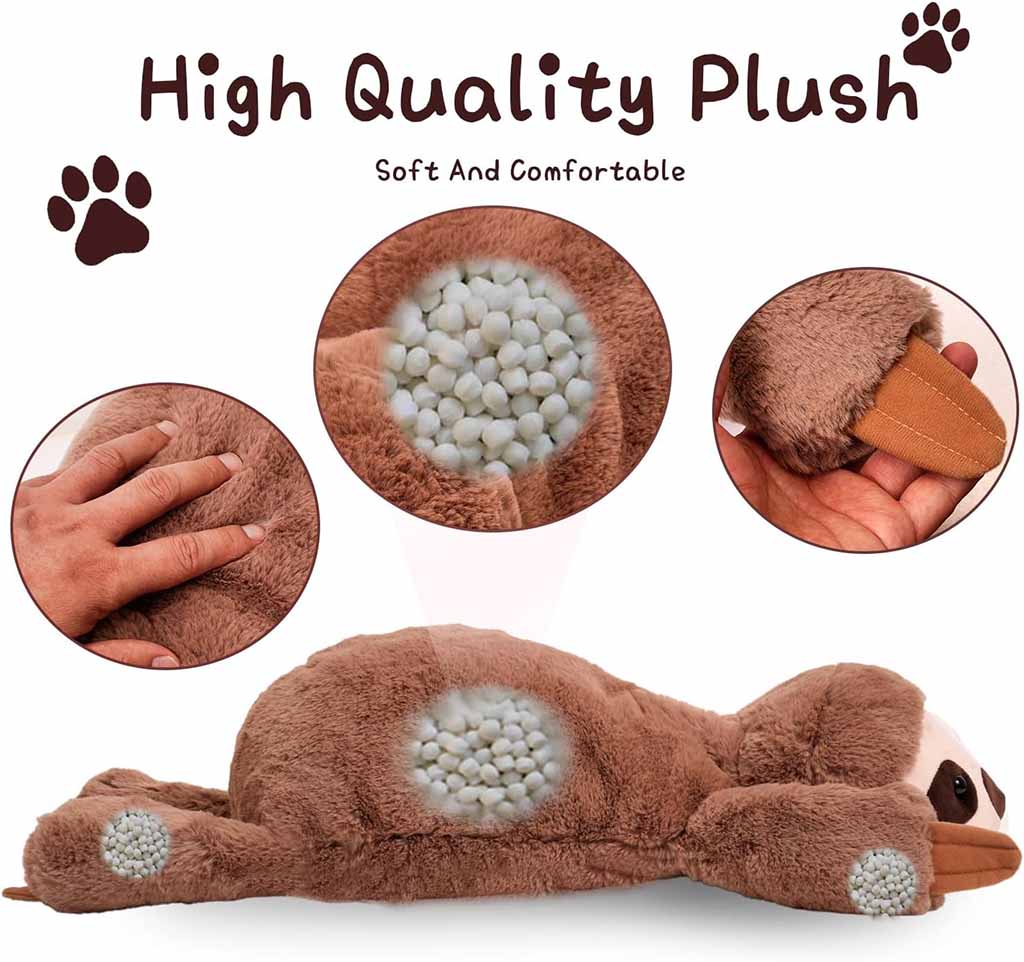
Inside a weighted stuffed animal, what you use for weight and where you place it make a big difference. A good weighted plush should feel heavy in a smooth, even way, without sharp pressure points or sagging.
Common filling materials
Most weighted plush toys use a mix of fiberfill + weighted media:
- Polyester fiberfill – for softness and volume
- Plastic pellets – for weight, usually smooth and rounded
- Glass beads – smaller, denser, more “luxury feel” in some markets
- Steel shot / metal beads – used rarely, mostly for adult products or décor, not for children
You almost never want the weighted media to sit alone without any soft filling. The combination of fiberfill and pellets helps weight feel comfortable and evenly spread.
Weight distribution
Weight distribution should match how the plush will be used:
- Lap animals – more weight in the body and hips
- Shoulder or neck designs – weight around shoulders, not pressing on airway
- Chest cuddle toys – moderate weight over front body area
- Bedtime companions for older kids/adults – balanced overall, not too heavy near head
| Filling / Weight Factor | Better Practice for Performance | Problems When Ignored |
|---|---|---|
| Weighted medium type | Smooth plastic pellets or glass beads in inner bags | Sharp, noisy, or rusty materials that feel uncomfortable |
| Fiberfill + pellets mix | Pellets surrounded by fiberfill for soft, even pressure | Pellets clump in corners; toy feels “lumpy” or saggy |
| Internal compartments | Multiple inner bags or sewn channels to keep weight in place | All weight sliding to one side when toy is moved |
| Outer shape vs weight | Weight placed to support planned use (lap, shoulder, chest) | Toy tips over or presses on wrong area |
| Total weight range | Clear information and moderate weight per size and user group | No weight info; too heavy for children or small adults |
| Noise level | Quiet pellets that do not rattle loudly | Distracting noise that disturbs rest or sensory comfort |
As a manufacturer, I always suggest:
- Use sealed inner pouches for pellets.
- Decide weight by size and target user (for example, lighter for children, heavier for adult models).
- Share weight specs in grams or ounces on your product sheet so buyers know what they are ordering.
This guide is for information only, not medical dosing. If your customers want weighted products for therapy or medical use, it is better for them to ask their doctor or occupational therapist about suitable weight and usage time.
Which safety standards apply to weighted plush toys?
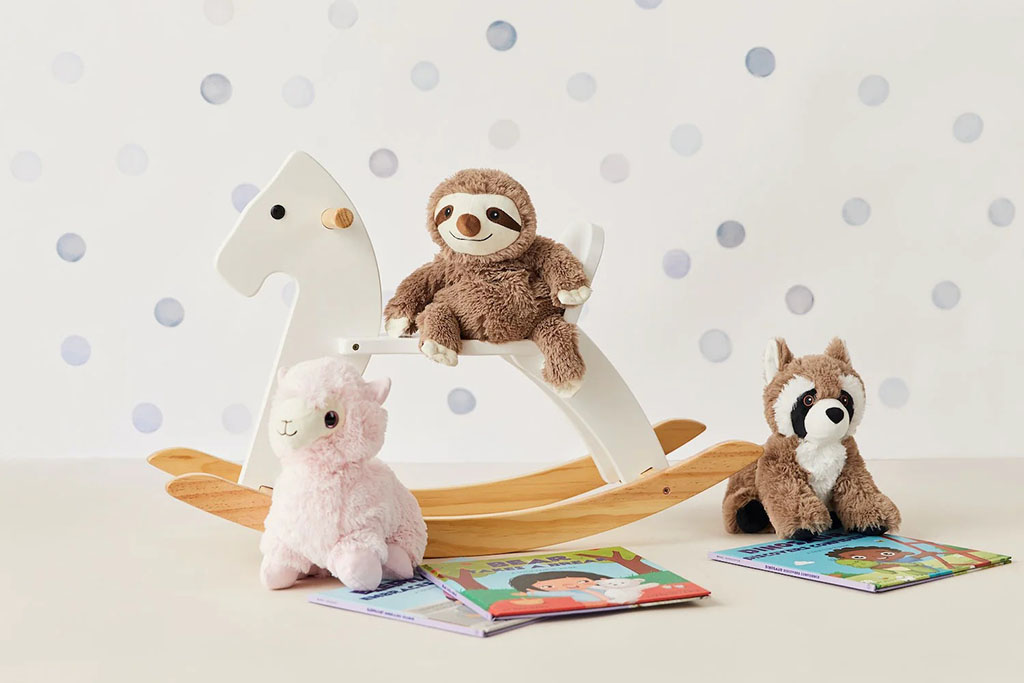
Weighted stuffed animals are still toys in many markets when they are sold for comfort, play, or décor. That means they need to follow the same core toy safety standards as regular plush, plus extra attention to the weighted parts.
Core toy safety areas
For children’s markets, weighted plush typically needs to meet:
- Mechanical and physical safety
- Strength of seams, small parts, pull tests, sharp points checks
- Flammability
- How easily the toy catches fire and burns
- Chemical safety
- Limits on heavy metals, certain chemicals, and plasticisers in materials
In practice, that often means:
- EN71 (Europe/UK) – Parts 1 (mechanical/physical), 2 (flammability), 3 (migration of certain elements)
- CE / UKCA marking – To show conformity with EU / UK toy rules
- ASTM F963 (USA) – Mechanical and physical tests for toys, plus flammability requirements
- CPSIA (USA) – Lead and phthalate limits, tracking labels, children’s product certificates
- ISO 8124 or similar standards – For other regions
On top of this, the factory may also hold:
- ISO 9001 – Quality management system
- BSCI / SMETA / SEDEX / ICTI – Social and ethical factory audits
- OEKO-TEX or similar – For certified low-chemical fabrics or fillings
Weighted plush does not get a separate global standard everywhere yet, but the weighted nature means we must pay special attention to:
- Inner bags not breaking during use
- Pellets not escaping and becoming small parts
- Age grading and warnings (for example, not for children under 3 if pellets could be accessed if the toy is damaged)
| Safety Aspect | Typical Standards or Controls | Why It Matters for Weighted Plush | What to Ask Your Manufacturer For |
|---|---|---|---|
| Mechanical & physical | EN71-1, ASTM F963, ISO 8124-1 | Ensures seams and parts survive normal use | Test reports, pull-test results, seam strength info |
| Flammability | EN71-2, ASTM F963 flammability sections | Limits how quickly toy burns | Flammability test reports |
| Chemical safety | EN71-3, CPSIA, REACH-related checks | Controls heavy metals, certain harmful chemicals | Up-to-date lab reports on similar products |
| Small parts risk | Integrated in EN71-1 / ASTM F963 tests | Prevents choking hazards if parts break off | Design review + test reports, especially for under-3 |
| Internal pellet containment | Factory design rules and in-house testing | Prevents leaks of pellets into child’s environment | Design drawings showing inner bags, QC procedures |
| Factory management | ISO 9001, BSCI / SMETA / ICTI audits | Shows stable processes and ethical production | Certificates and latest audit summaries |
When you talk to a factory about weighted stuffed animals, ask directly:
“Have you already tested similar weighted plush toys for EN71 / ASTM? Can you share recent reports and explain how you construct the inner bags?”
A serious manufacturer will be happy to walk you through their approach.
How do design features enhance comfort and therapeutic use?
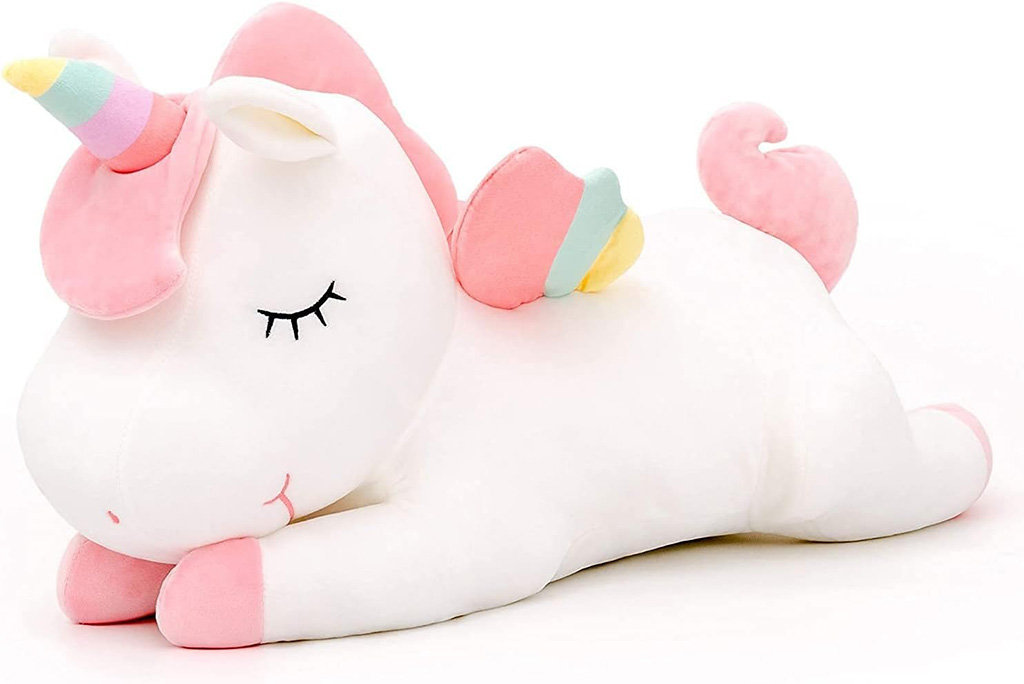
Weighted plush is often bought for comfort, focus, or calming, not just decoration. Design features can support these goals in a gentle, practical way—without making medical promises.
Good design focuses on:
- Where the toy sits on the body
- How the weight feels over time
- What the textures and colours communicate
- How easy it is to keep clean
Comfort-focused design features
- Body shape – long shapes for lap or shoulder use; compact shapes for chest cuddling
- Ergonomics – designs that curve slightly to match laps, shoulders, or arms
- Surface texture – soft minky, smooth plush, or lightly textured panels for sensory input
- Temperature perception – materials that don’t feel too hot or sticky on skin
Practical and therapeutic support features
Weighted plush is often mentioned for users with anxiety, ADHD, or autism, but every person is different. A toy can offer gentle, grounding pressure, but it is not a replacement for professional care. Safe design can still help:
- Keep weight moderate and clearly labelled.
- Use simple, calming colours or character themes if appropriate.
- Avoid strong perfumes or chemical smells.
| Design Feature Area | Helpful Choices for Comfort / Gentle Use | Features to Avoid or Reconsider |
|---|---|---|
| Shape & ergonomics | Long bodies for lap; small “bean” shapes for hands; gentle curves | Very awkward or unbalanced shapes |
| Texture & fabric | Soft minky, smooth short plush, optional small textured patches | Rough fabrics, scratchy embroidery, heavy glitter |
| Weight placement | Even coverage over lap or torso area, not on neck or face | Very heavy heads or neck areas |
| Colour & style | Calming colours, friendly faces, not overstimulating | Overly bright, aggressive patterns if aim is calming |
| Cleanability | Removable cover or machine washable toy | Non-washable designs used daily close to skin |
| Noise level | Quiet weight movement | Loud rattling pellets that disturb rest |
In our factory, when clients tell us the toy is meant for “relaxation” or “focus time”, we:
- Suggest softer, simpler facial expressions rather than very strong emotions.
- Carefully review weight placement to avoid heavy heads or neck areas.
- Recommend clear marketing text that talks about comfort and grounding, not medical treatment.
What factors help buyers choose the right weighted plush?
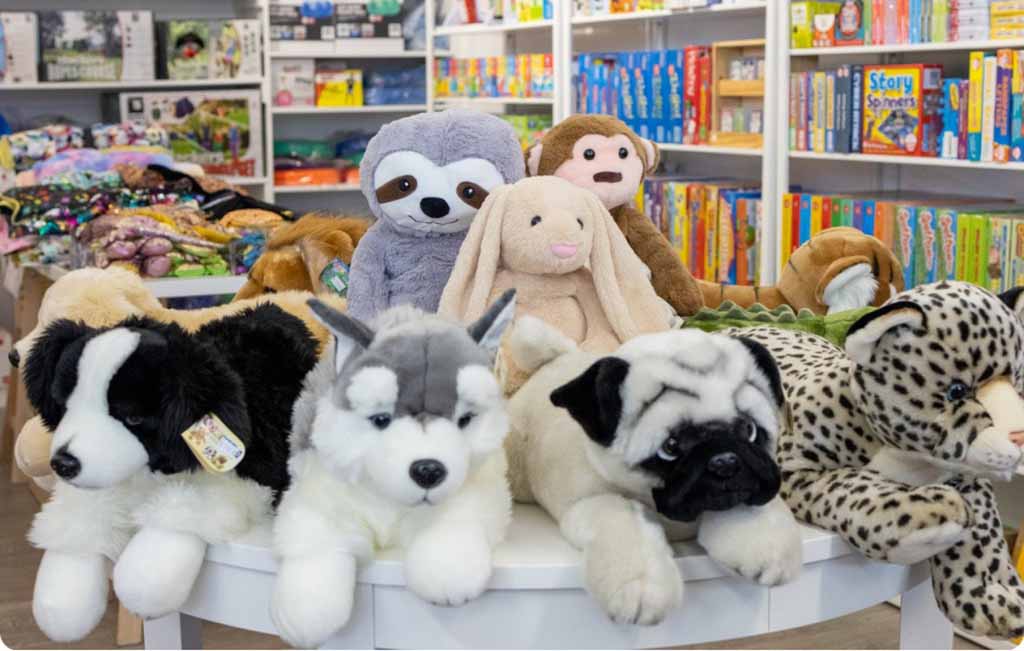
If you are a brand owner or retailer, choosing the right weighted stuffed animals is about more than design alone. You need to match:
- User group and purpose
- Weight and size
- Materials and maintenance
- Compliance and documentation
- Price, margin, and shipping weight
Weighted toys cost more to ship and sometimes more to produce, so it is important to choose your range carefully.
| Buyer Decision Factor | Questions to Ask Yourself or Supplier | Why It Matters |
|---|---|---|
| Target user | Is this mainly for children, teens, or adults? | Weight, size, and style must match user group |
| Main purpose | Comfort? Focus and study time? Décor? Gift? | Influences shape, design, and storytelling |
| Weight options | Do you offer different weights or only one per design? | Helps match different body sizes and preferences |
| Outer materials | Do fabrics fit your brand (vegan, eco, baby-safe, etc.)? | Ties into your brand values and marketing |
| Cleaning & care | Is the toy machine-washable or has a washable cover? | Important for everyday use and hygiene |
| Safety & compliance | Can factory prove testing and explain construction? | Essential for children’s markets and big retailers |
| Shipping & logistics | How does added weight affect freight cost and pricing? | Weighted items can change your profit structure |
| Brand positioning | Is this a premium, mid-range, or budget product? | Helps set expectations for materials and packaging |
Practical tips when selecting a weighted plush supplier
- Ask for a physical sample and honestly test how it feels in your hands and on your lap.
- Weigh the sample and compare it to the supplier’s spec sheet.
- Check if the weight feel is even and if any pellets can be felt directly through the fabric.
- Request test reports for similar weighted products, not just generic plush.
- Ask how they manage QC for internal bags and report any leakage issues.
In our own projects, we like to co-design weight levels with clients and clearly list them on product pages, so end customers know what they are buying and can choose what feels right for them.
How do leading brands innovate in weighted stuffed animals?
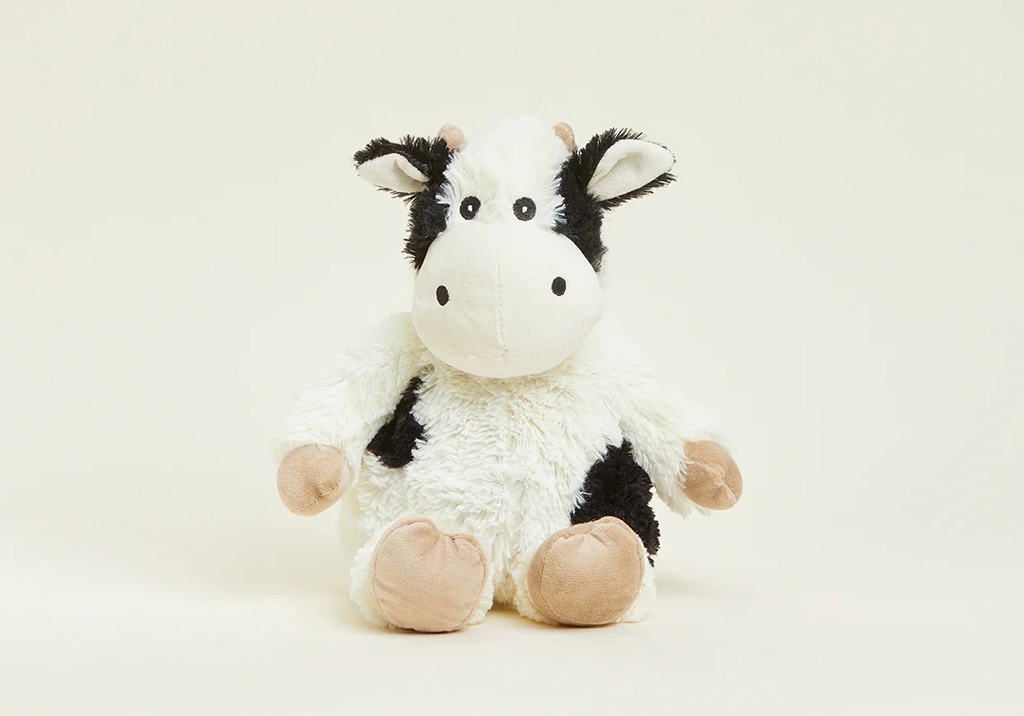
The weighted plush niche is still growing. Leading brands try to stand out by combining comfort, design, and storytelling in fresh ways, instead of just adding pellets to standard toys.
Some innovation directions I see in the market and with our clients:
- Design + Function blend
- Characters shaped perfectly for lap, shoulder, or chest use
- Toys that double as small cushions for reading or screen time
- Sensory-focused features
- Different textures (smooth, ribbed, dotted) in one toy
- Slightly cool-touch fabrics or breathable structures
- Sustainability
- Recycled pellets and fiberfill
- Fabrics with eco certificates
- Minimal plastic in packaging
- IP and storytelling
- Weighted versions of existing popular characters
- Storybooks or digital content linked to specific plush
- Collections built around emotions (calm, courage, focus)
- Customization and gifting
- Name embroidery or small message tags
- Gift boxes that explain the purpose of weighted plush clearly
| Innovation Area | Example Weighted Plush Concept | Value for End User | Value for Brand / Retailer |
|---|---|---|---|
| Ergonomic design | Long, gently curved animal designed just for the lap | Feels “made for my knees” when reading or working | Easy to market as a specific use-case product |
| Sensory features | Soft body with one or two subtle, textured panels | Extra tactile interest without overload | Appeals to sensory-focused buyers and caregivers |
| Eco-focused materials | Weighted plush with recycled pellets and fabrics | Comfortable choice with lower environmental guilt | Supports ESG and sustainable product storytelling |
| Emotional storytelling | Characters tied to emotions (Calm Cat, Brave Bear) | Gives kids language and story for feelings | Supports content marketing, books, and social posts |
| Format innovation | Plush that folds into a small pillow or travel rest | More use situations (home, travel, office) | Higher perceived value and repeat purchase potential |
| Personalisation & gifts | Name-embroidered weighted animals in gift packaging | Very personal, keepsake-level gifts | Higher average order value and strong word-of-mouth |
You don’t need to use every innovation at once. Pick one or two that match your target audience and brand positioning, then execute them well with strong quality and honest safety communication.
Conclusion
Best-in-class weighted stuffed animals are not just heavier plush toys. They combine balanced weight, secure internal construction, soft and safe materials, and clear, honest communication about who they are for and how they should be used. When you design or source them thoughtfully, they can offer gentle comfort and strong brand value without creating unnecessary safety or quality risks.
At Kinwin, we help global buyers develop weighted plush that meets toy safety standards, respects different age groups, and still feels modern, cute, and aligned with each brand’s story. If you are planning a weighted stuffed animal range or want to upgrade your current designs, you are welcome to contact me at [email protected] or visit kinwintoys.com so we can explore how our factory can support your next successful and responsible plush project.