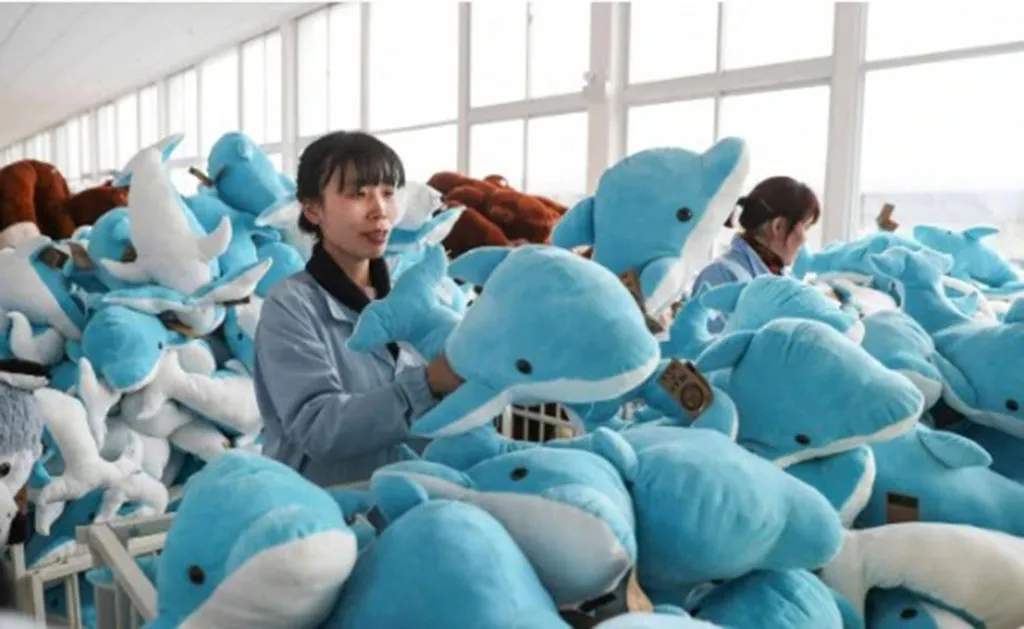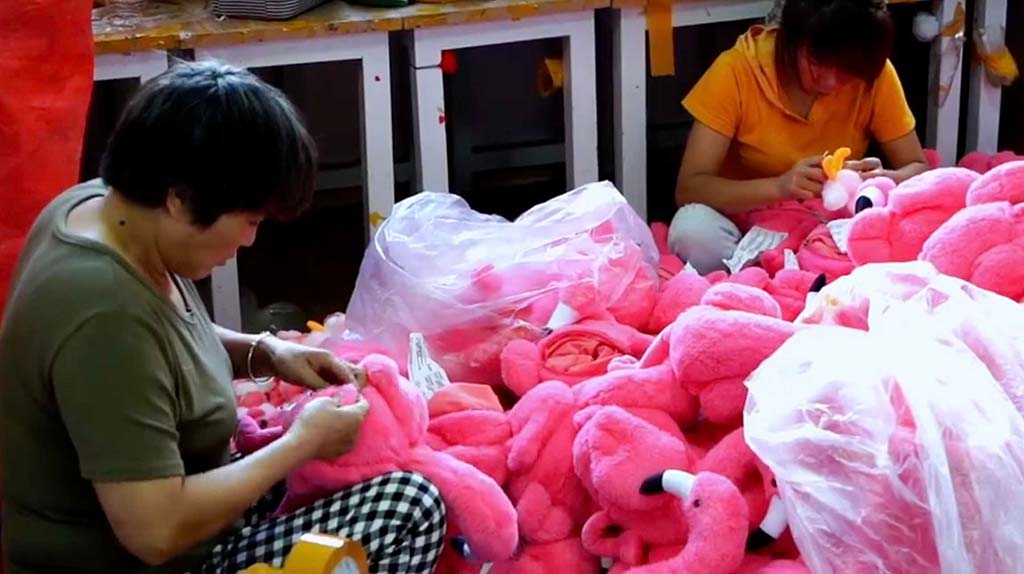
When customers search for “best stuffed toys”, they are not only thinking about something cute. They are looking for toys that feel safe, very soft, and strong enough to survive daily hugs and some washing. As a brand owner or buyer, you also need products that pass tests, arrive on time, and support your positioning and margins.
I’m Amanda from Kinwin, a plush toy factory in China. My team helps brands, retailers, and e-commerce sellers turn ideas into export-ready stuffed toys for markets like the USA, Europe, Japan, and more. In this guide, I’ll share how I look at “best stuffed toys” from a professional, B2B point of view—using simple English and practical steps you can use right away.
What core qualities define the best stuffed toys today?
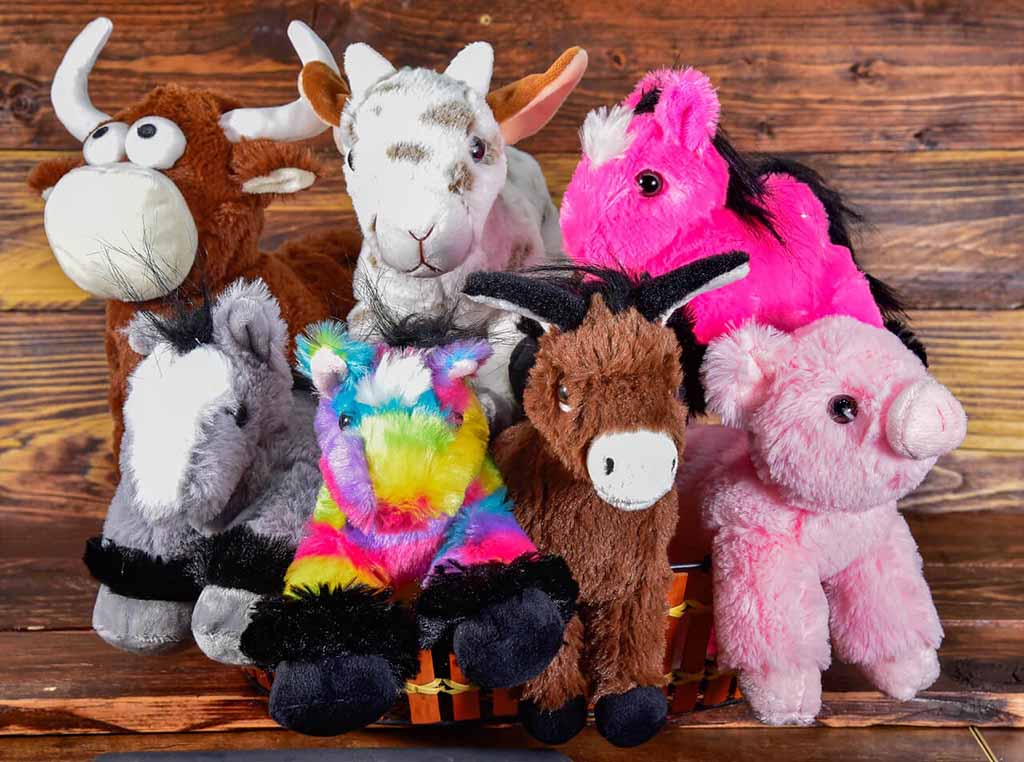
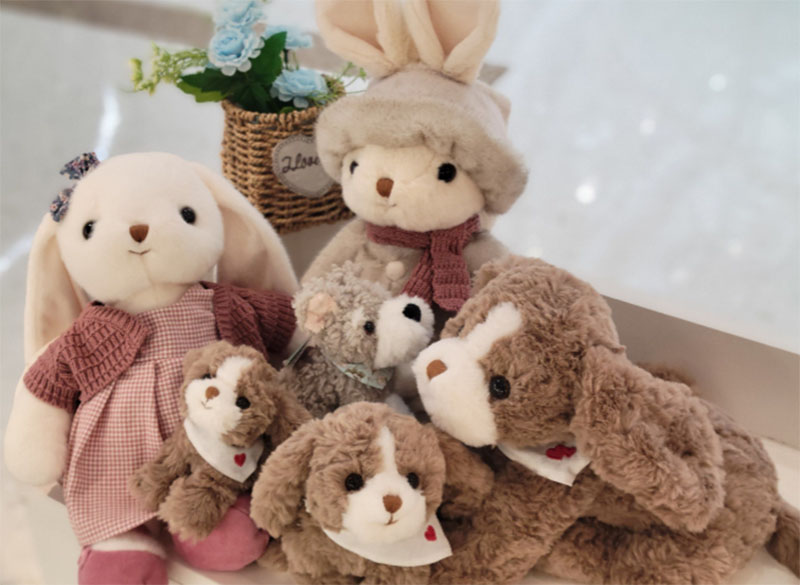
In today’s market, the best stuffed toys combine emotional value with technical quality. Parents want toys that feel safe and comforting. Children want characters they love. Buyers like you want stable quality, low complaint rates, and a product that supports your brand story.
Most successful stuffed toys share these core qualities:
- Safe for the right age group
- Soft and pleasant to touch
- Durable in everyday use
- Clear personality and design
- Age-appropriate size and features
- Compliant with toy safety standards
- Consistent across batches and reorders
- Aligned with your brand and price level
If one of these parts fails (for example, safety or durability), the toy may still look nice in photos, but it will not feel “best in class” in real life.
| Core Quality | What Your Customer Feels or Sees | What You Need to Control Behind the Scenes |
|---|---|---|
| Safety | Parents feel relaxed when child hugs or chews the toy | Age grading, small parts design, seam strength, lab testing |
| Softness | Child says “This is so soft!” and does not want to let go | Fabric choice, pile length, stuffing grade, surface finishing |
| Durability | Toy still looks OK after weeks or months of use | Fabric weight, thread quality, seam design, stuffing density |
| Personality & design | Character has a clear mood and style that fits your market | Proportions, facial expression, colours, silhouette |
| Age-appropriateness | Toy feels “right” for baby, child, teen, or adult | Size, weight, accessories, materials, features |
| Compliance | Often invisible, but parents trust the product and brand | EN71 / ASTM / CPSIA etc., documents and reports |
| Batch consistency | All pieces on the shelf look and feel similar | AQL inspection, standardised SOPs, stable material sourcing |
| Brand fit & storytelling | Toy supports your brand promise and visual identity | Colour palette, labels, packaging, eco story, IP strategy |
Before you start a project, it helps to write down your top three priorities. For example:
“We want very soft, safe, mid-range toys with a small eco story.”
This makes it much easier for your factory to choose the right materials, construction and test plan.
How do material choices influence softness, durability, and safety?
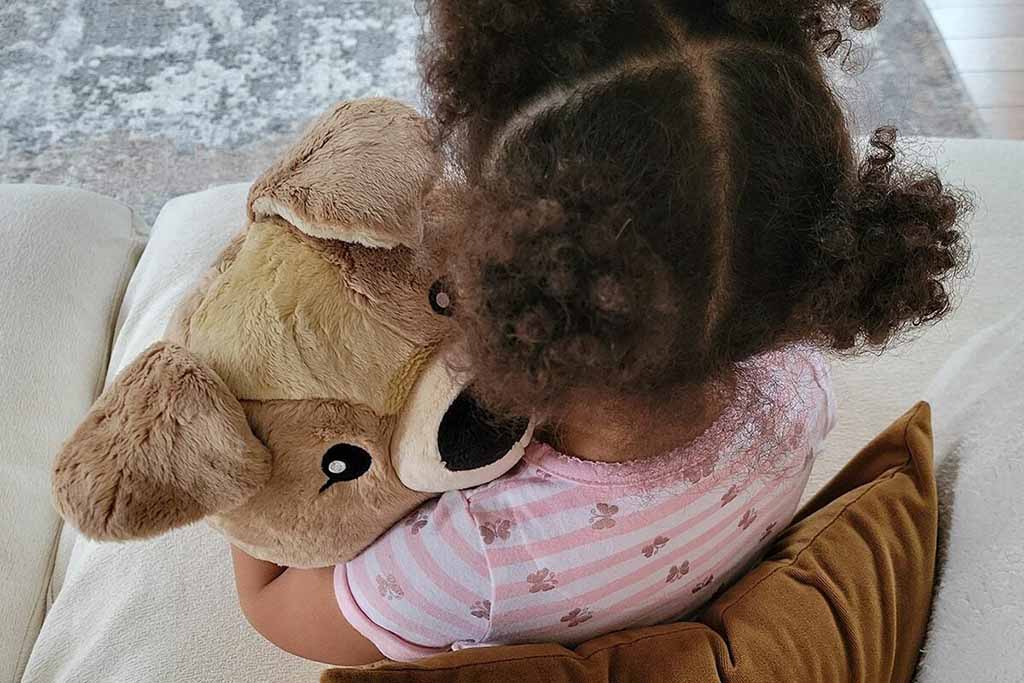
Material choice is the biggest driver of how a stuffed toy feels in your customer’s hand. The outer fabric, stuffing, and small details all affect softness, strength, and safety.
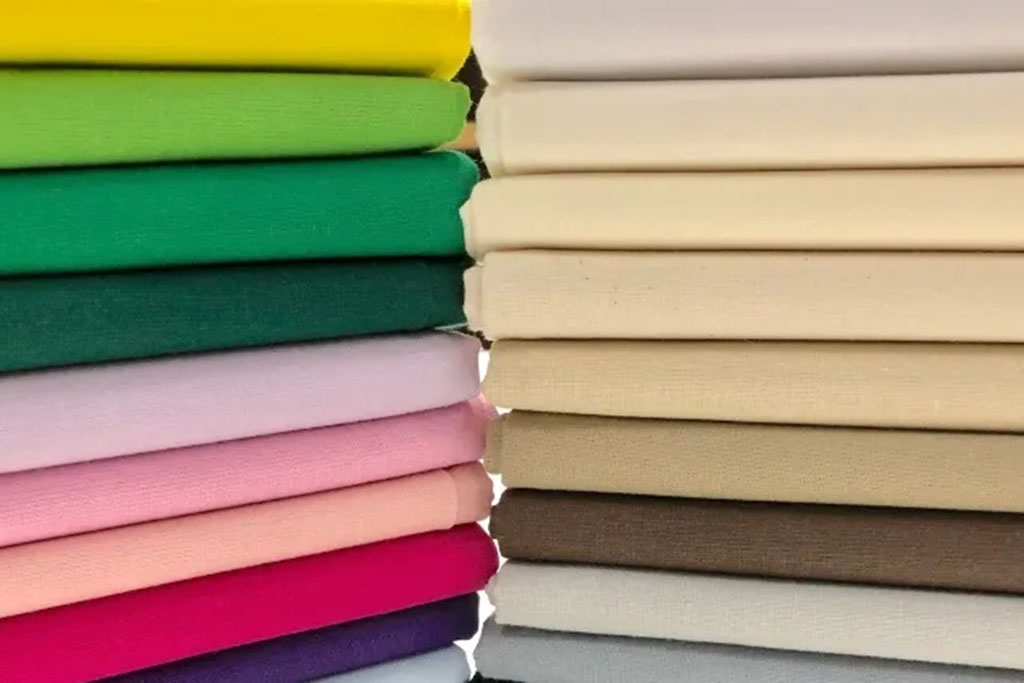
Outer fabrics
Common fabrics for quality stuffed toys include:
- Short plush / velboa – low pile, smooth surface, good for clear shapes and embroidery
- Minky / super soft plush – very soft with short, dense pile, perfect for comfort toys
- Faux fur – medium or long pile for realistic animals or dramatic characters
- Fleece – cozy, easy to sew, often used for clothes or simple plush
- Cotton / cotton blends – good for “natural look” or minimalist décor toys
Short plush and minky are often the best choices for “best stuffed toys” because they combine soft handfeel, good durability, and strong colour.
Stuffing and fillings
Inside, most high-performing toys use polyester fiberfill (polyfill). For premium lines, finer fibers or silicon-treated fibers make toys feel extra soft and “cloudy”.
You can also add:
- Plastic pellets (inside sewn pouches) to increase weight in the base or paws
- Recycled fiberfill to support a sustainability story
- Foam pieces in special parts (for cushions or support areas)
The key is to choose stuffing that is clean, consistent, and tested for toy use.
Small parts and trims
Eyes, noses, labels, ribbons, zippers, and clothes all affect both the look and the safety level. For younger ages, fully soft details (embroidery, appliqué) are usually best. For older ages, tested safety eyes and more complex trims are possible.
| Material Type | Typical Options for Best Stuffed Toys | Main Impact on Softness & Durability | Main Impact on Safety |
|---|---|---|---|
| Outer fabric | Short plush, minky, faux fur, fleece, cotton blends | Direct control of handfeel and wear resistance | Must be colorfast, non-irritating, tested for chemicals |
| Stuffing (fiberfill) | Standard or fine polyfill, recycled polyfill | Controls squishiness, bounce-back, long-term shape | Must be clean, free from contamination, enclosed |
| Weight elements | Plastic pellets in inner bags | Adds premium “weight” and better sitting stability | Inner bags must not break; not for under-3 if loose |
| Details & trims | Embroidery, felt, safety eyes, ribbons, clothes | Adds personality; may affect softness in some areas | Design must respect age grade and small parts rules |
| Thread & fastening | Polyester thread, Velcro, snaps, zippers | Influences seam strength and reusability of clothes | Fasteners must not create sharp edges or pinch points |
When you choose materials, think about your target customer and review platform. A nice design with scratchy fabric or cheap stuffing will quickly show up as bad ratings and returns.
Which construction techniques enhance long-term shape and performance?
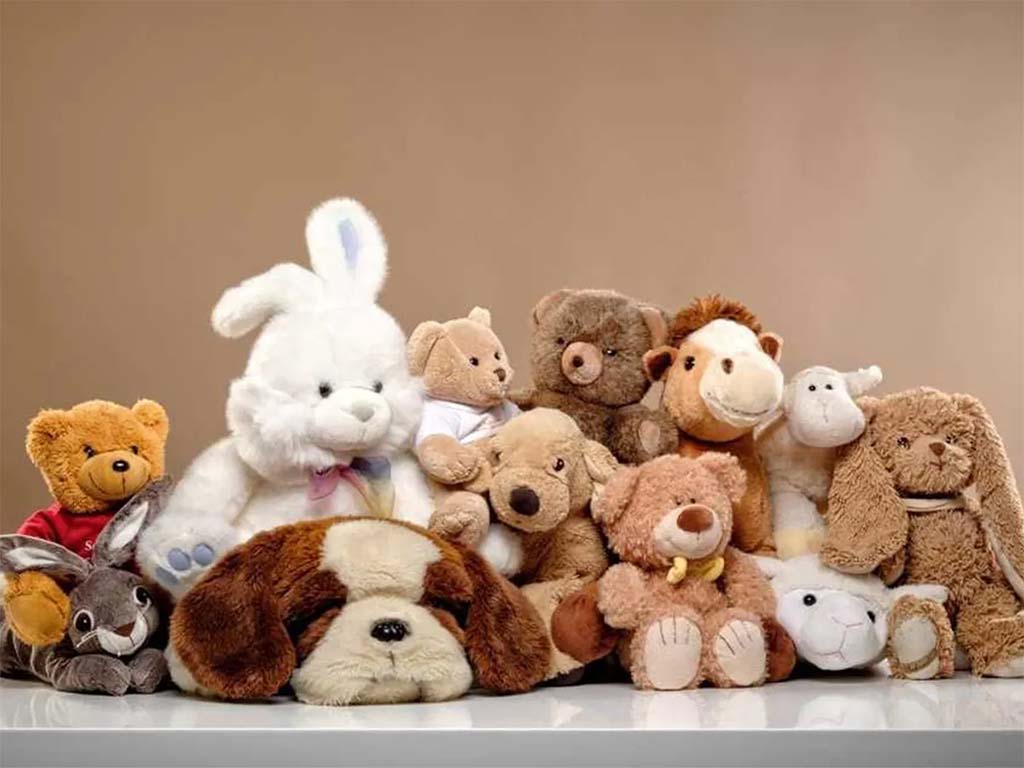
Even with excellent materials, weak construction can destroy a product. The best stuffed toys use smart patterning and strong stitching to hold shape, survive play, and keep stuffing inside.
Key construction topics are: pattern design, seam structure, reinforcement, and internal support.
Pattern and shaping
A strong pattern gives:
- Balanced head-to-body proportions
- Clean curves at cheeks, belly, and limbs
- Enough width in narrow parts (wrists, ankles) to allow stuffing
This is where you decide if your toy looks “cute and round”, “slim and active”, or “realistic”.
Seams and stitching
Important sewing techniques include:
- Using a straight stitch with shorter length on curves for smoother shapes
- Keeping seam allowance consistent (0.5–1 cm) to avoid weak edges
- Double-stitching high-stress areas (neck, limb joints, base openings)
- Adding zigzag or overlock where fabric frays easily
Internal structure
Some stuffed toys also use:
- Internal linings or pockets to hold pellets or special fillings
- Discs or joints for movable limbs
- Internal panels to control shape in large toys
These details help your toy keep a stable form over months or years.
| Construction Element | Good Practice for Best Stuffed Toys | Benefit for Performance | Risk if Ignored |
|---|---|---|---|
| Pattern shape | Smooth curves, balanced proportions, generous narrow areas | Attractive silhouette, easy stuffing, fewer defects | Twisted limbs, flat faces, hard-to-stuff corners |
| Seam allowance | 0.5–1 cm, same across all pieces | Predictable final size, stronger seams | Seams that pop after stuffing or during play |
| Stitch type & length | Straight stitch, shorter on curves; zigzag on raw edges | Clean outlines, less fraying, stronger construction | Visible puckers, frayed edges, seam failure |
| Reinforcement | Double stitching at neck, arm/leg meets, and closing openings | Better resistance against pulling and tugging | Holes forming at joints or openings |
| Internal support | Lining bags for pellets, joint discs where needed | Stable sitting/standing, smooth distribution of weight | Pellets shifting or leaking, unbalanced toy posture |
| Stuffing channels | Internal stitch lines to control fill in large toys | Keeps stuffing from migrating and forming lumps | Sagging areas and uneven shape over time |
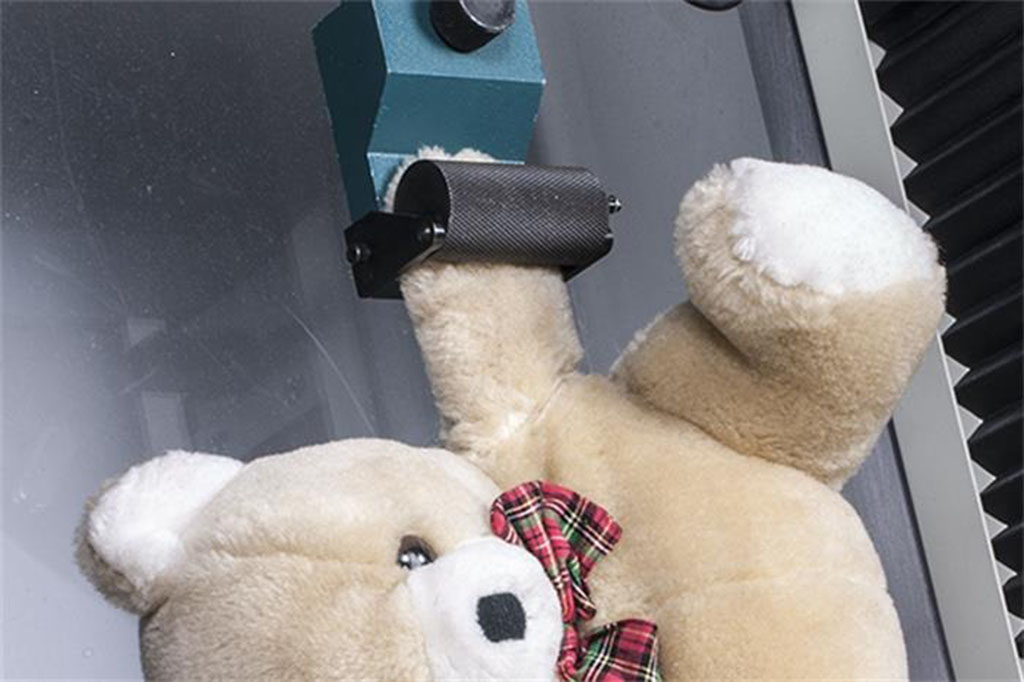
When you review a sample, gently twist, pull and squeeze key points. If you feel weak seams or see shape collapse, ask your factory to adjust construction before you approve mass production.
How do leading brands innovate to differentiate top-tier stuffed toys?
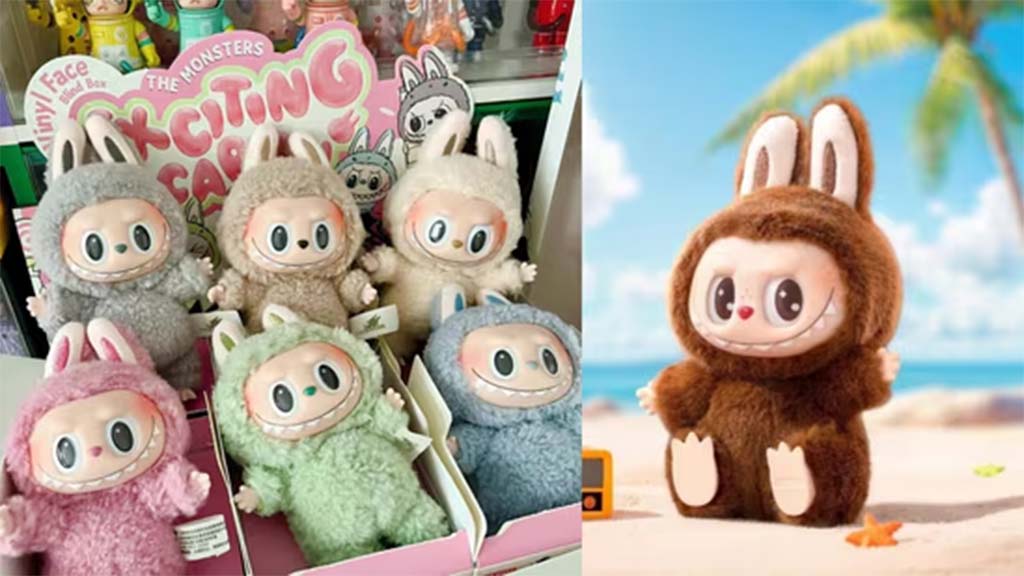
In a crowded market, the “best stuffed toys” are not always the cheapest. They stand out through innovation in materials, function, storytelling, and experience.
Here are common innovation areas I see from leading plush brands and our more advanced clients:
Material and comfort innovation
- Ultra-soft fabrics with special finishes
- Recycled or organic materials for eco lines
- Weighted fillings for calming effects
- Mixed textures (smooth, fluffy, ribbed) in one character
Functional innovation
- Weighted plush for anxiety relief and deep pressure comfort
- Convertible plush that transform into pillows, blankets, or bags
- Sensory toys with crinkle, different textures, or light/sound modules
Story and IP innovation
- Strong character universes (families, friends, storybooks)
- Licensed IP from games, movies, anime, or influencers
- Plush linked to apps, online content, or AR experiences
Presentation and gifting
- Premium packaging (boxes, ribbons, dust bags)
- Personalisation (name embroidery, custom colours)
- Seasonal collections for events like Valentine’s Day, Christmas, Graduation
| Innovation Area | Example Implementation | Value for End User | Value for Your Brand |
|---|---|---|---|
| Material & comfort | Ultra-soft minky + recycled stuffing + weighted base | Plush feels special, comforting, and eco-friendly | Higher perceived value; supports stronger price point |
| Functional features | Plush that becomes a blanket or travel pillow | More use cases (sleep, travel, décor) | Differentiates you from standard toys at same price |
| Sensory & therapeutic | Textured patches, crinkle, gentle sounds, weighted limbs | Support for self-regulation and sensory play | Opens doors to wellness and educational channels |
| Storytelling & IP | Character families with books and online stories | Deeper emotional connection, reason to collect | Builds long-term loyalty and licensing opportunities |
| Sustainability | Recycled fabrics, clear eco labeling, tree-planting tie-ins | Feels like a responsible purchase | Supports ESG goals and eco-focused retailers |
| Gifting & personalisation | Gift boxes, name embroidery, event-themed lines | Easier to choose as a gift, feels more thoughtful | Higher average order value, strong social media appeal |
You do not need every kind of innovation in one line. Choose one or two that really fit your customers and do them well. That is often enough to move your toys from “good” to “best in category” for your niche.
What certifications and compliance standards signal premium quality?
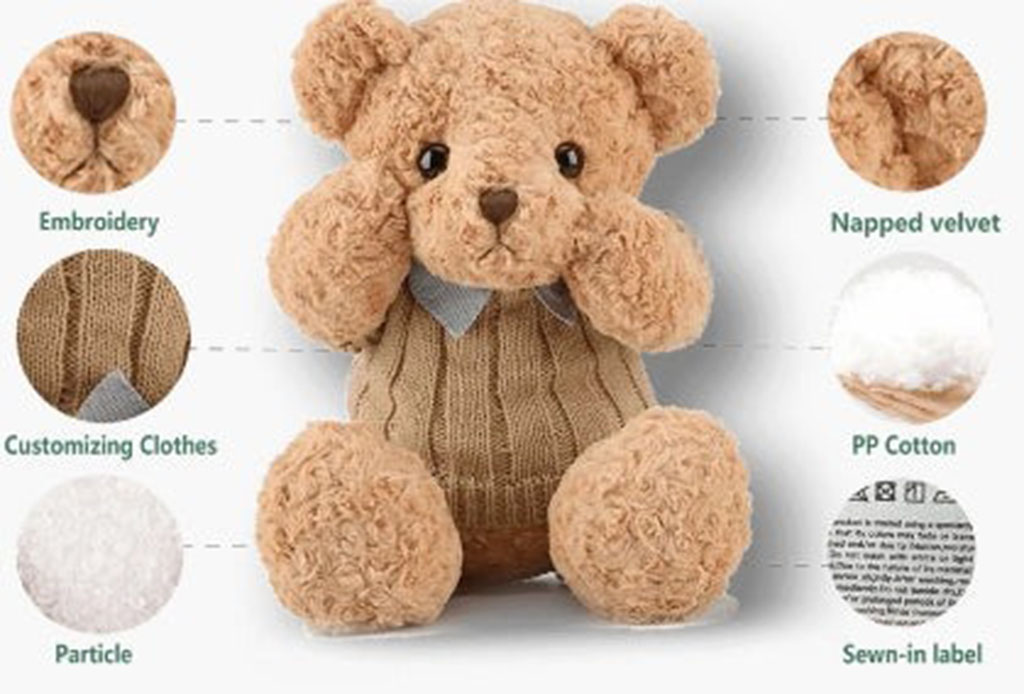
For many parents and retailers, a stuffed toy cannot be “best” if it is not safe. Real premium quality includes both physical quality and formal compliance.
Different markets use different names, but they all focus on similar risks: small parts, sharp edges, flammability, and harmful chemicals.
Key product-level standards
- EN71 (Europe / UK) – Mechanical/physical tests, flammability, and migration of certain elements
- CE marking (EU) and UKCA marking (UK) – Show the product meets relevant toy safety rules
- ASTM F963 (USA) – Mechanical and physical tests, including small parts, sharp edges, and flammability
- CPSIA (USA) – Limits for lead and phthalates, plus tracking labels and Children’s Product Certificates
- ISO 8124 – International toy safety standard used by many regions
Factory and material-level standards
- ISO 9001 – Quality management system
- BSCI / SMETA / SEDEX / ICTI – Social compliance and ethical sourcing
- OEKO-TEX or similar textile certificates – For fabrics tested against harmful substances
| Standard / Certification | Level & Region | What It Covers for Stuffed Toys | Why It Signals Premium Quality |
|---|---|---|---|
| EN71 (parts 1–3) | Product – Europe / UK | Mechanics, flammability, migration of elements | Allows legal sale in most European toy channels |
| CE / UKCA marking | Product – EU / UK | Overall conformity with toy safety directives | Visible proof on product that standards are met |
| ASTM F963 | Product – USA | Mechanical, flammability, physical / safety hazards | Required by many US retailers and platforms |
| CPSIA & CPC | Product – USA | Lead, phthalates, tracking label, documentation | Legal base for children’s products in the US |
| ISO 8124 | Product – various regions | Similar structure to EN71 / ASTM | Useful for multi-country projects |
| ISO 9001 | Factory | Quality management system and documentation | Shows stable processes, not only “one-time effort” |
| BSCI / SMETA / SEDEX etc. | Factory | Working conditions, social and ethical compliance | Important for big brands and ESG-focused retailers |
| OEKO-TEX or similar | Fabric / materials | Harmful substances in textiles | Extra assurance for baby lines and eco collections |
When you speak with a manufacturer, ask for recent test reports and factory audit certificates. This is one of the quickest ways to know if they are ready to produce “best stuffed toys” for serious channels, not just simple giveaways.
How do sourcing, pricing, and brand reputation shape buyer decisions?
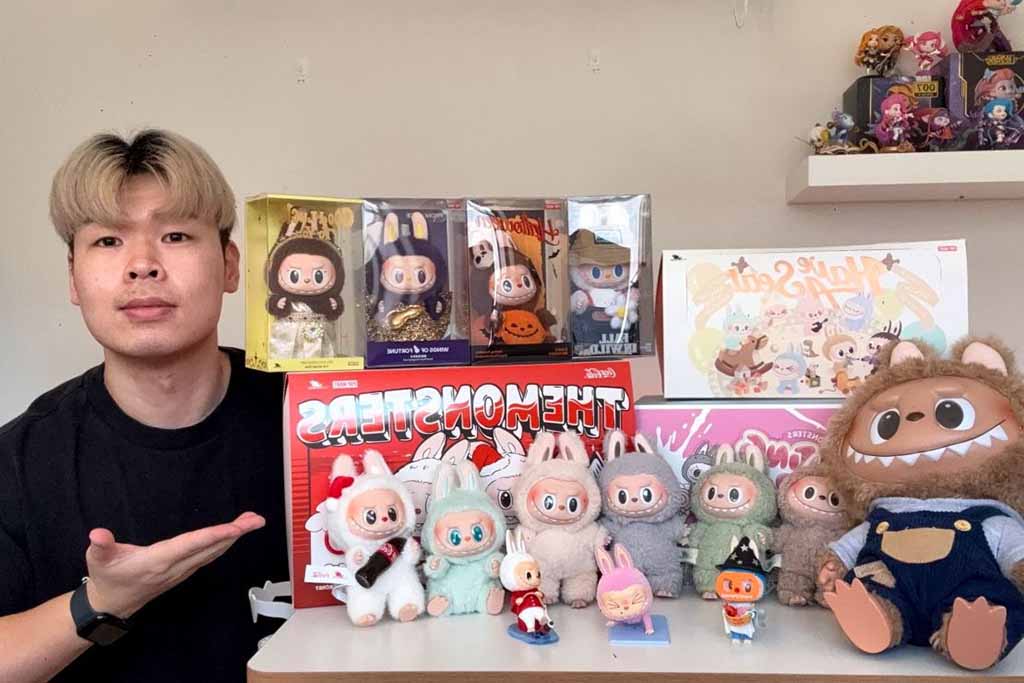
Even if two toys look similar in photos, buyers will not always choose the cheaper one. They also consider perceived value, supply reliability, and brand reputation.
Pricing and value tiers
Stuffed toys typically fall into three broad tiers:
- Budget – Basic fabrics, simple patterns, minimal test packages; good for giveaways and low-price promotions.
- Mid-range – Softer fabrics, better stuffing, nicer design, full testing for core markets; good for general retail and online channels.
- Premium – Very soft materials, strong storytelling, gift-ready packaging, full international compliance; used for high-end retail, lifestyle, and fan products.
You don’t need all toys in the top tier. But you should be clear about which tier each line belongs to, so you can choose materials, complexity, and tests in line with your target retail price.
Sourcing strategy
Your sourcing path also shapes what “best” looks like for your brand:
- Direct from factories (like ours in China) → more control and better long-term price, but requires clear communication and some experience.
- Through trading companies or agents → easier for multi-category sourcing, slightly higher cost.
- Through brand licensors (for IP toys) → IP value and recognition, with higher licence and compliance demands.
Brand reputation
For end customers, brand reputation is often the final filter. If your stuffed toys:
- Feel soft and safe
- Arrive in good condition
- Receive many positive reviews
…then buyers will come back for more, even if your price is slightly higher than some competitors.
If there are many complaints about loose seams, bad smells, or failed safety tests, customers will walk away, even from a “cheap” product.
| Decision Factor | What End Customers Notice | What You Need to Plan as a Buyer or Brand |
|---|---|---|
| Retail price | Compared with other toys on shelf or search page | Match material level, complexity, and testing to price |
| Perceived value | “Does this feel worth this price?” | Invest in handfeel, design, packaging where it matters |
| Sourcing model | Indirect but affects quality variation and lead times | Choose partners with proven toy experience and capacity |
| Delivery reliability | Out-of-stock and late deliveries frustrate customers | Check factory lead times, peak season history, buffers |
| Quality consistency | Reviews mention “always good” or “sometimes OK” | Keep stable materials and construction, strong QC |
| Safety & compliance image | Parents see test logos, marks, or read product pages | Communicate test standards honestly; keep documents ready |
| Brand story & messaging | Customers feel your brand cares or only sells “cheap” | Align product quality with your long-term positioning |
When you aim to offer the “best stuffed toys” in your segment, your price, quality, and brand promise must move together. A low-cost toy with “luxury” marketing will confuse buyers. A well-made toy at a fair price, with clear safety information and strong reviews, will build trust for many seasons.
Conclusion
The best stuffed toys today are not only cute. They are safe, soft, durable, and clearly aligned with the age group and brand story you want to serve—supported by smart materials, solid construction, honest testing, and reliable sourcing. At Kinwin, we help global buyers turn ideas into stuffed toys that feel “best in class” for their market: comfortable to hold, ready for EN71/ASTM/CPSIA tests, and dependable for long-term business. If you are planning a new stuffed toy line or want to upgrade your current range, you are welcome to contact me at [email protected] or visit kinwintoys.com so we can explore how our factory can support your next successful project.