Skip to content
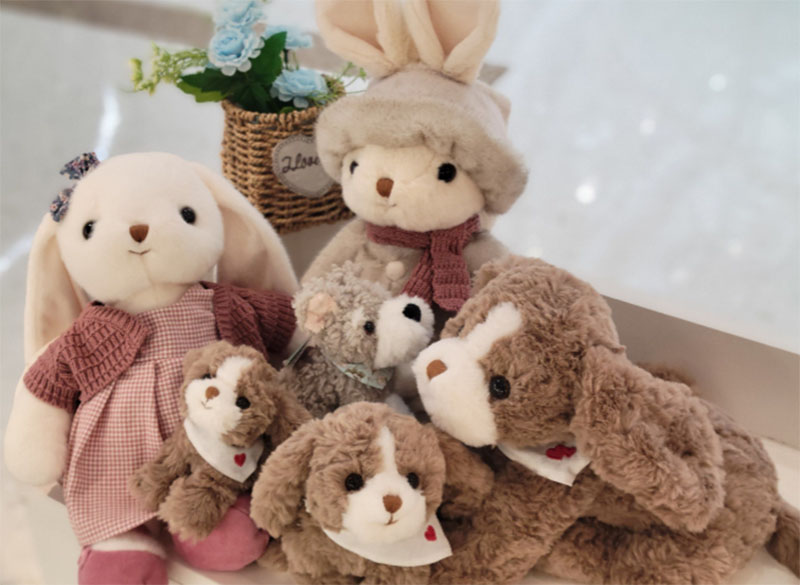
When people say “plushie” today, they do not only mean a toy for children. A plushie can be a comfort friend, a collectible, a piece of décor, a brand mascot, or a symbol of a fandom.
I’m Amanda from Kinwin, a plush toy manufacturer in China. I work with brands, retailers, and e-commerce sellers who ask me every week:
“What exactly is a plushie? What makes a plushie feel high quality? And how should we design plushies for our customers?”
In this guide, I will explain what a plushie is in modern toy language, how materials and construction affect quality, how design changes user experience, and how safety, culture, and fan communities shape this growing category. I’ll keep the language simple so non-native English readers can follow easily.
What defines a plushie in modern toy terminology?
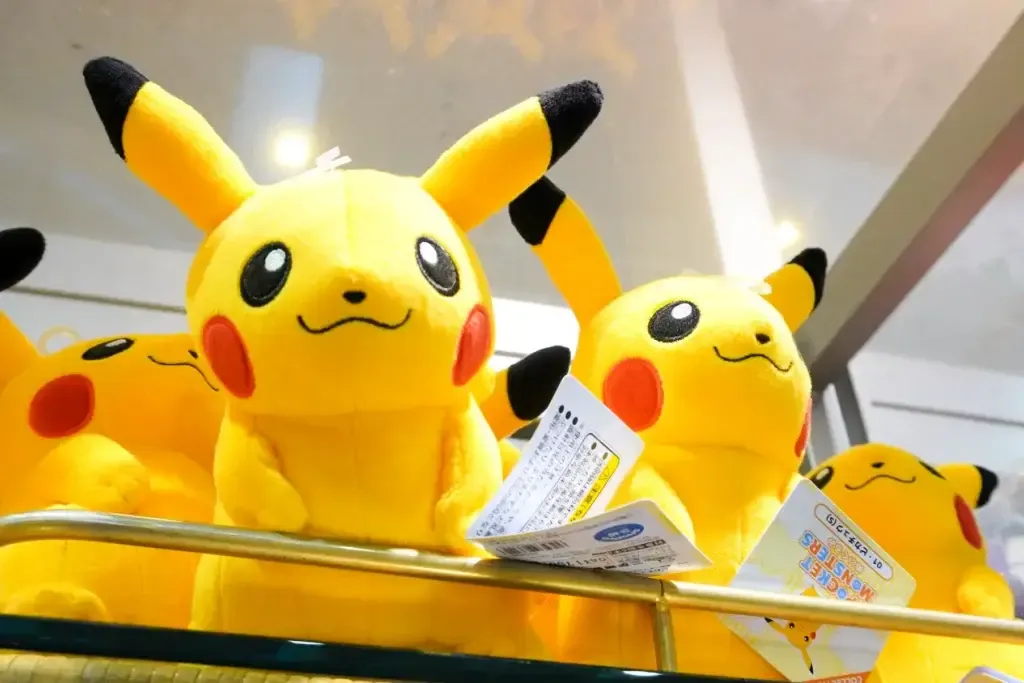
In modern toy terminology, a plushie is a soft, stuffed character made from textile fabric and filling. It can be an animal, a person, a fantasy creature, a food, a plant, or even an object with a face. The key idea is soft + stuffed + character.
The word “plushie” is often used in casual speech and online communities. In many markets, professionals still say plush toy, stuffed toy, or stuffed animal. In practice, these words overlap. People may use “plushie” more when they talk about cute, character-driven products, especially for teens, adults, and fans.
Today, a plushie is not limited to children’s play. It can be:
- A comfort item for sleeping or relaxing
- A collectible for fans of games, anime, K-pop, movies, or VTubers
- A decor piece on beds, sofas, and desks
- A brand or event mascot
- A gift for birthdays, holidays, anniversaries, and promotions
From a manufacturing point of view, a plushie is defined by:
- Soft outer fabric (plush, fleece, cotton, etc.)
- Internal filling (usually polyester fiberfill)
- A shaped 3D body built from sewn fabric patterns
- Safe and secure attachment of features (eyes, nose, accessories)
| Aspect | What It Means for a Plushie Today | Why It Matters for Your Brand or Project |
|---|---|---|
| Basic definition | Soft, stuffed textile character (animal, person, object, etc.) | Tells you this is more than a flat cushion or hard toy |
| Typical terms | Plushie, plush toy, stuffed toy, stuffed animal | Helps with naming and SEO; different words reach different audiences |
| Main functions | Comfort, play, décor, gift, collectible | Guides your design and marketing direction |
| Core components | Outer fabric + inner filling + patterns + features | Any weakness here lowers perceived quality |
| Target user range | Babies, kids, teens, adults, collectors | “Plushie” is no longer only for small children |
| Sales channels | Toys, gift shops, lifestyle stores, e-commerce, fandom shops | A single plushie design can work in many channels |
When you write product pages or plan a new line, it is useful to decide: “We are making plushies for comfort and décor” or “We are making plushies as official fan merchandise.” This helps you choose the right style and quality level.
How do materials and construction methods shape a plushie’s quality?
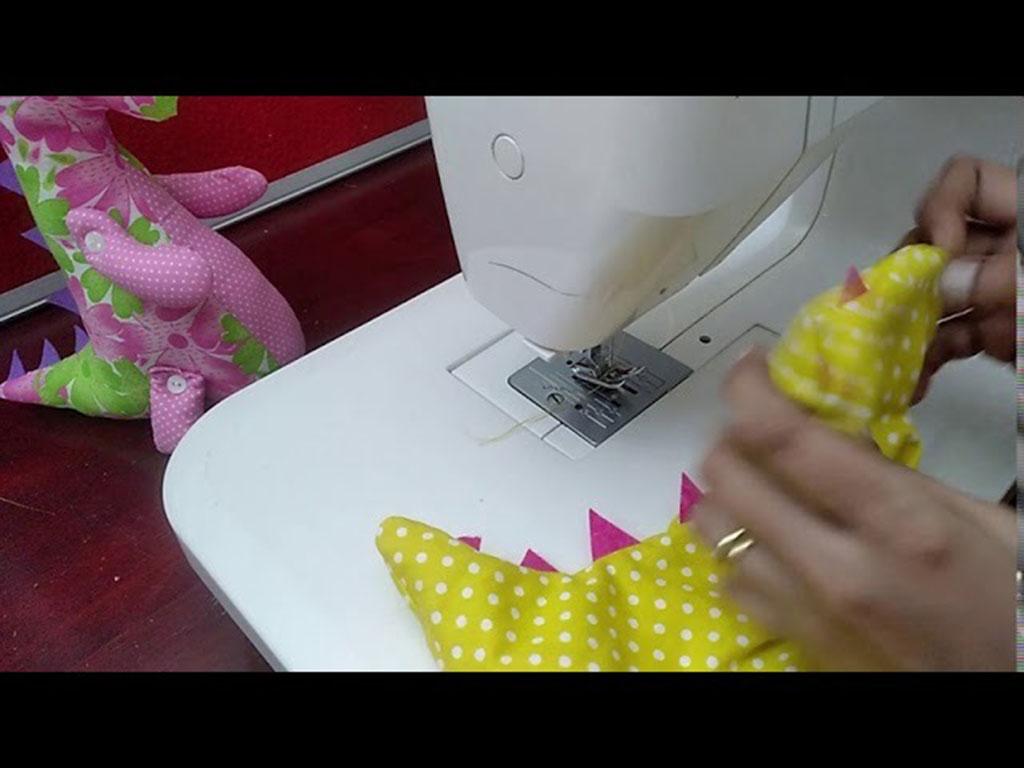
Materials and construction are the “engine” behind a plushie’s quality. Customers may not see the technical details, but they feel them the moment they touch or hug the toy.
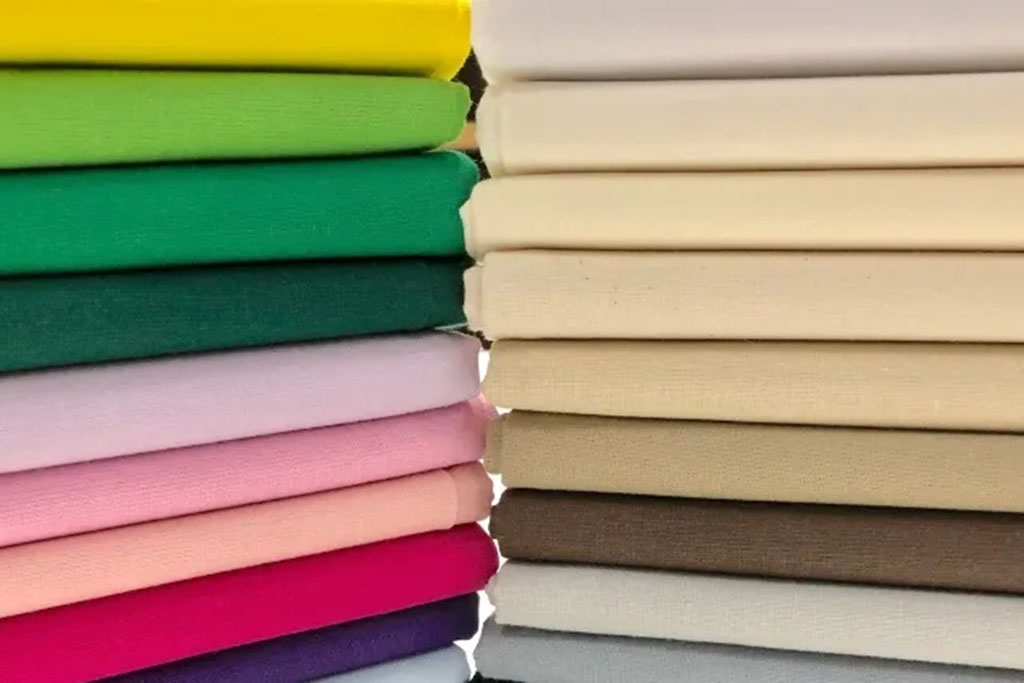
Outer fabrics
Most plushies use soft fabrics such as:
- Short plush / velboa – smooth, low pile, good for clear shapes and embroidery
- Minky / super soft plush – very soft, slightly longer short pile, ideal for hugging and baby ranges
- Faux fur – longer pile for realistic animals or dramatic designs
- Fleece or jersey / cotton – cozy or more “natural” look for lifestyle plush
Fabric choice changes both softness and style. A kawaii character may use very soft minky in pastel colours. A realistic wolf may use mixed faux furs with different pile lengths.
Inner filling
Usually, the filling is polyester fiberfill (polyfill). This decides how the plushie feels when squeezed:
- Loosely filled = floppy and squishy
- Medium filled = balanced support and softness
- Firmly filled = more shape control, but less cuddly
Some plushies include extra elements: pellets for weight, foam for structure, or sound modules for special effects.
Construction methods
Pattern design and sewing quality are critical. They decide:
- How smooth or bumpy the shape looks
- Whether seams stay strong over time
- Whether features are symmetrical
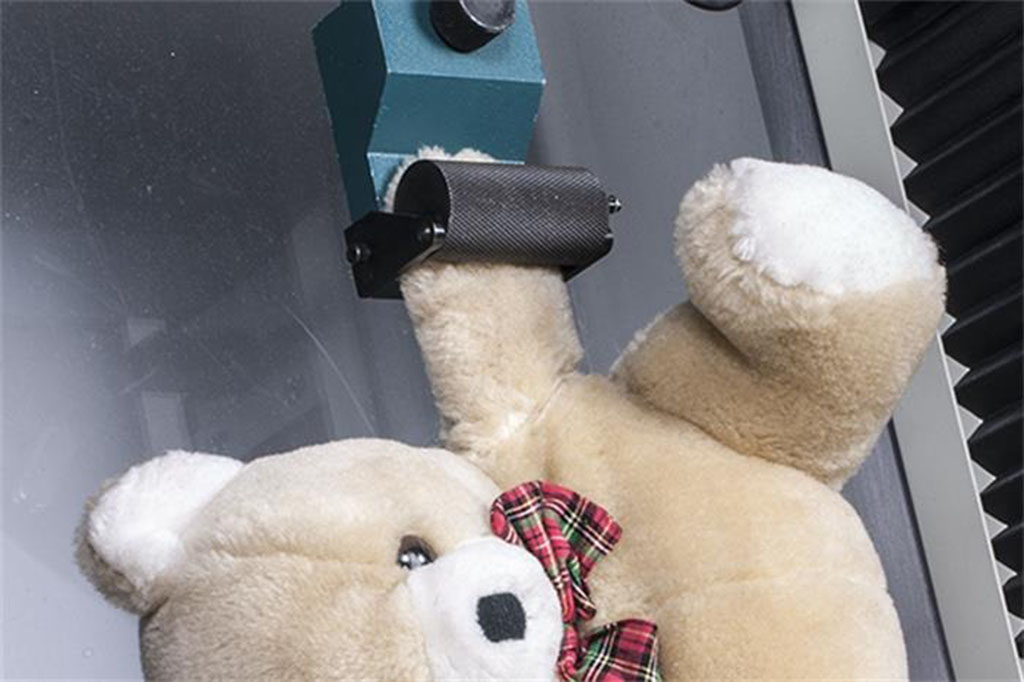
- How easily the toy passes safety and strength tests
Key construction details include:
- Adequate seam allowance and strong stitches
- Double stitching in high-stress areas (arms, legs, neck)
- Hidden seams where possible for comfort and aesthetics
- Correct cutting direction of pile fabric so the fur lies neatly
| Component / Step | Typical Options / Methods | Effect on Quality & Feel | What to Check in Samples |
|---|---|---|---|
| Outer fabric | Short plush, minky, faux fur, fleece, cotton | Directly affects softness and visual style | Is it soft enough? Does it shed? Is colour even? |
| Inner filling | Polyester fiberfill, recycled fiberfill, pellets, foam | Controls weight, squishiness, and resilience | Any lumps or empty spots? Does it bounce back? |
| Pattern design | Simple or complex shapes; 3D shaping techniques | Controls overall silhouette and character personality | Is the character shape clear and stable? |
| Sewing & seam finishes | Single or double stitching, hidden seams, edge finishing | Impacts durability and safety (especially at limbs) | Any loose threads, gaps, or weak points? |
| Feature attachment | Embroidery, safety eyes, appliqué, internal joints | Affects both safety and expression | Are eyes secure, aligned, and age-appropriate? |
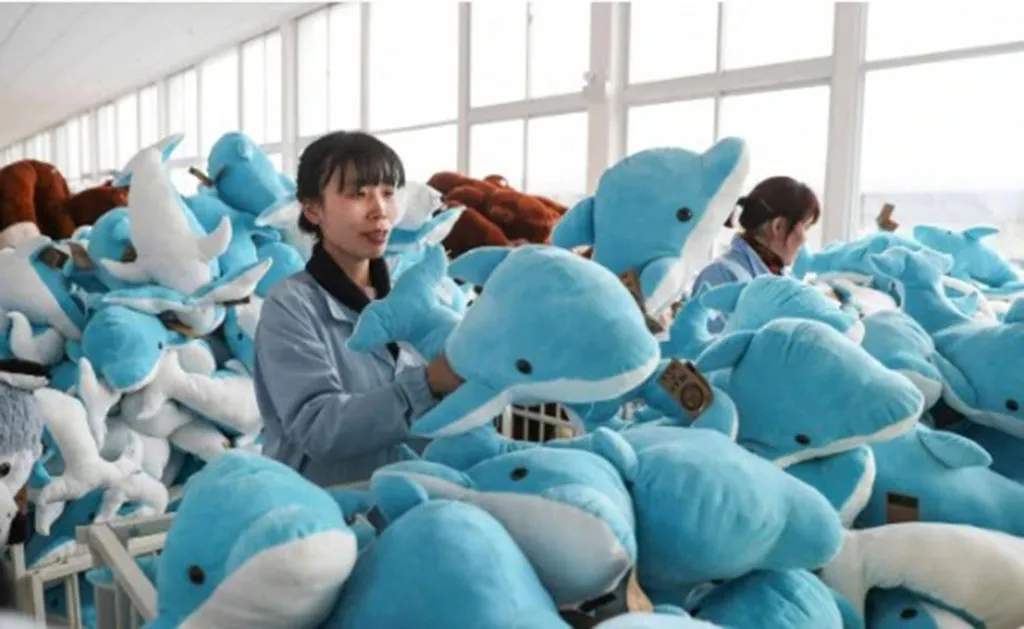
| Quality consistency | Standardised SOPs, line checks, needle detection | Ensures each plushie matches approved sample | Compare several pieces from same batch for variation |
When you choose a factory, do not only ask “What fabric?” Ask them how they control seam strength, filling density, and pattern consistency. This is where a plushie moves from “OK quality” to “I want to keep this forever.”
Which design elements influence a plushie’s appeal and usability?
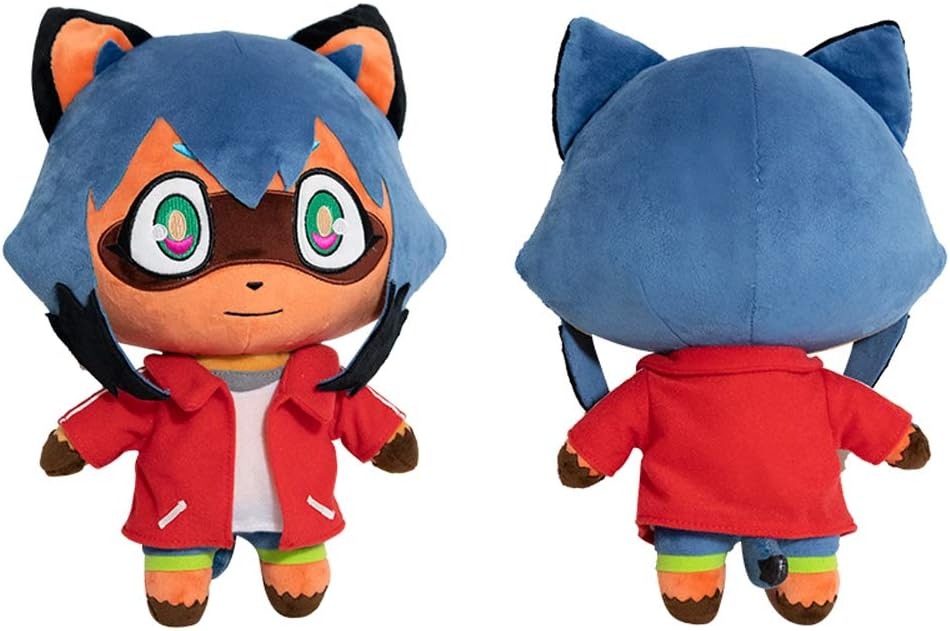
Design is where a plushie becomes more than “fabric + filling.” Small changes in eyes, mouth, colours, and proportions completely change how people feel about the toy and how they use it in daily life.
Face and expression
The face is the most important part. Key elements:
- Eye style – dots, ovals, embroidered, safety eyes, large or small
- Mouth and nose – simple lines, little shapes, or no mouth at all
- Eyebrows or blush – add emotion and personality
Modern plushies often use minimal, gentle expressions. Tiny eyes and a simple mouth make the plushie feel calm and open to interpretation. This works very well for both children and adults.
Proportions and silhouette
Body shape also affects appeal and usability:
- Big head + small body = cute and baby-like
- Longer limbs = good for posing, hugging, and sitting on shelves
- Round body = cozy and visually pleasing in rooms
Usability means:
- Can the plushie sit upright on a bed or shelf?
- Is it easy to carry and hug?
- Does it fit in a backpack or suitcase if used for travel?
Colours and patterns
Colour choice affects mood and target audience:
- Bright, strong colours for children’s play
- Soft pastels and neutrals for décor and adult comfort
- On-trend colour palettes for social media appeal
Patterns, such as stripes or spots, can give character and help storytelling.
| Design Element | Choice Options | How It Changes Appeal | Usability Considerations |
|---|---|---|---|
| Eyes | Embroidered / safety eyes, big / small, shiny / matte | Big = more cartoon; small = minimalist, calm | Embroidery safer for babies; safety eyes OK for older |
| Mouth & nose | Simple line, triangle, no mouth | No mouth lets users imagine emotions; big smile feels playful | Embroidery avoids hard parts on face |
| Proportions | Big head, small body; long limbs; round body | Big head = cute; long limbs = trendy; round = cozy | Long limbs good for hugging and display |
| Colours | Bright, pastel, neutral, dark | Pastel/neutral fits décor; bright suits kids’ rooms | Consider dirt visibility and washability |
| Size | Mini, small, medium, large, giant | Minis for accessories; medium for hugging; giant for statement pieces | Size affects shipping and pricing |
| Extra features | Clothes, bags, Velcro hands, magnets, pockets | Adds play value and personality | Must be securely attached, age-appropriate |
When you design a plushie range, think about where it will live: on a baby’s bed, a teenager’s desk, a fan’s shelf, or a sofa in a living room. Then choose design elements that support that environment.
How are plushies categorized across style, purpose, and age groups?
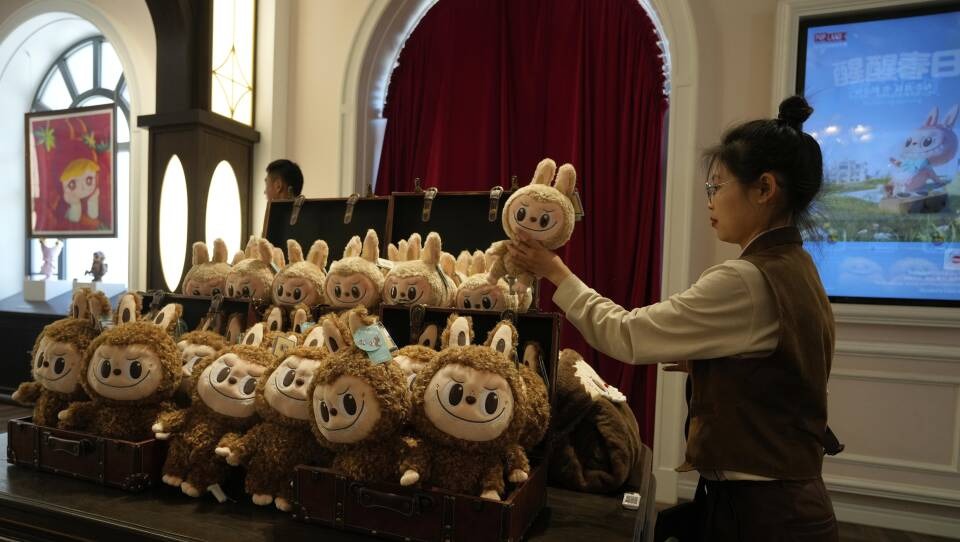
“Plushie” is a broad word. To plan clear product lines, it helps to categorize plushies by style, purpose, and age group. These categories guide design, marketing, and compliance decisions.
By style
- Realistic / semi-realistic – Animals with more natural shapes and colours
- Kawaii / cute – Exaggerated features, pastel colours, rounded forms
- Minimalist / design-led – Simple shapes, neutral colours, décor focus
- Fantasy / character IP – Dragons, unicorns, game or anime characters
- Novelty / humour – Food plushies, memes, mood plush, weird but fun designs
By purpose
- Comfort plushies – Designed for sleeping, hugging, or stress relief
- Play plushies – Designed for active play, role-play, and storytelling
- Decor plushies – Created as room décor, cushions, or aesthetic pieces
- Therapeutic / sensory plushies – Weighted, textured, or scented for special uses
- Promotional / mascot plushies – Giveaways, brand characters, event souvenirs
By age group
- Baby plushies (0–3 years) – Highest safety demands, simple features
- Kids plushies (3–8 years) – Characters, play value, bright or themed designs
- Tweens / teens plushies – Trend, fashion, fandom, collectability
- Adult plushies – Décor, self-care, fandom, nostalgia
| Category Dimension | Typical Types | Design Focus | Examples of Use |
|---|---|---|---|
| Style | Realistic, kawaii, minimalist, fantasy, novelty | Visual language and emotional tone | Store concept, brand image, fandom style |
| Purpose | Comfort, play, décor, therapeutic, promotional | Function in user’s life | Sleep buddy vs sofa décor vs event mascot |
| Age group | 0–3, 3–8, 9–14, teens, adults | Safety, size, complexity, themes | Baby gift vs school-age friends vs adult collectibles |
| Channel | Toy, gift, lifestyle, fandom, corporate | Pricing, packaging, storytelling | Toy aisle vs concept store vs online fandom shop |
| Price tier | Budget, mid, premium, luxury | Material level, detail level, testing depth | Mass retail vs boutique vs limited editions |
As a buyer or brand owner, you don’t need to cover all categories. Instead, choose 1–2 core segments and design deeply for them. That is how you create plushies that feel “perfect” for their purpose.
What safety and compliance standards apply to plushie manufacturing?
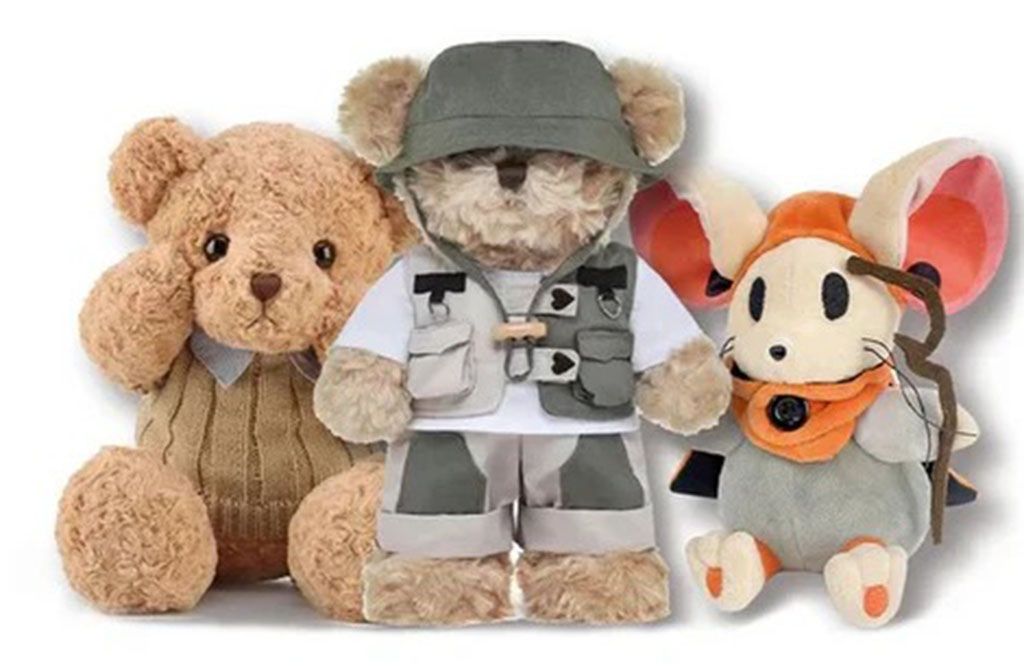
Even if a product is called a “plushie” instead of “toy,” safety rules still apply when it is sold for children, or could reasonably be used by children. For export markets, this is a serious topic. A plushie can be soft and cute, but if it fails tests, it cannot be sold safely — and it can damage your brand.
Key product-level standards include:
- EN71 (Europe / UK) – Mechanical and physical tests, flammability, and chemical safety
- CE marking (EU) and UKCA marking (UK) – Show that the plushie meets relevant toy safety rules
- ASTM F963 (USA) – Mechanical, flammability, small parts, and other hazards
- CPSIA (USA) – Limits for lead, phthalates; tracking labels; Children’s Product Certificate (CPC)
- ISO 8124 and national standards – Used in many other countries, similar structure to EN71/ASTM
Tests look at:
- Small parts (risk of choking)
- Sharp edges, sharp points, pinch points
- Seam strength and stuffing containment
- Flammability behaviour
- Chemical limits for dyes and materials
On top of product tests, many buyers also require factory audits such as ISO 9001, BSCI, SMETA/SEDEX, or ICTI, to check working conditions and quality systems.
| Safety / Compliance Area | What It Covers | Why It Matters for Plushies | What You Should Confirm with Your Supplier |
|---|---|---|---|
| EN71 (EU/UK) | Mechanics, flammability, chemicals | Allows sale in Europe / UK toy channels | Have you passed EN71 for similar plushies? |
| CE / UKCA marking | Confirmation of conformity with EU/UK rules | Required labelling for many European markets | Can you issue CE/UKCA documents and DoC? |
| ASTM F963 (USA) | Mechanics, flammability, small parts | Key standard for US toy distribution | Do you have recent ASTM test reports for plush toys? |
| CPSIA (USA) | Lead, phthalates, tracking labels, documentation | Legal basis for children’s products in the US | Can you support CPC preparation and lab tests? |
| ISO 8124 / local standards | International or national toy rules | Needed for some regions beyond EU/US | Have you exported to these markets before? |
| Factory audits (BSCI, SMETA, ISO 9001, etc.) | Working conditions, quality systems | Important for large retail chains and ESG goals | Can you share valid and recent audit reports? |
When you brief a manufacturer, tell them your target markets and channels from the beginning. This helps them choose suitable fabrics, stuffing, and accessories and plan the right test package for your plushies.
How do cultural trends and fandom communities drive plushie popularity?

Today, plushies are part of bigger cultural waves. They are not only in toy aisles. They appear on TikTok, Instagram, YouTube, live streams, and in fan communities across the world.
Several trends drive plushie popularity:
- Kidult and self-care culture
Many teens and adults openly buy plushies for themselves. A plushie on a desk, bed, or office chair is now normal. It signals self-care, comfort, and a love for cute or aesthetic things. - Fandoms and IP
Plushies are strong in game, anime, K-pop, sports, and streaming fandoms. Official plushies of characters and idols are highly desired. Fans buy them to show support, decorate rooms, and share photos online. - Social media aesthetics
“Soft” room aesthetics, pastel themes, cottagecore, kawaii, and other trends often feature plushies as key props. A well-designed plushie can become part of a user’s personal brand online. - Gacha and blind box culture
Mystery boxes and surprise bags often include mini plushies. These feed collecting behaviour and social sharing (“unboxing” videos). - Cross-category collaborations
Plushies now collaborate with fashion brands, cafés, cosmetics, and lifestyle labels. A plush friend can be part of a bigger brand universe.
For brands and retailers, this means plushies can carry strong social and emotional value far beyond their raw material cost.
| Cultural / Social Driver | How It Shows Up in Plushie Use | Opportunities for Brands and Retailers |
|---|---|---|
| Kidult & self-care | Adults buying plushies for stress relief and décor | Create comfort-focused, décor-friendly plush lines |
| Fandom communities | Fans collecting character or idol plushies | Official merchandise, collabs, limited editions |
| Social media aesthetics | Plushies featured in room tours, selfies, flat lays | Design “camera-ready” plush in trendy colours |
| Gacha / blind box culture | Mini plush in surprise boxes and vending machines | Series-based mini plush sets for repeated purchase |
| Collabs & lifestyle branding | Plush linked with fashion, cafés, cosmetics | Launch brand mascots and cross-product campaigns |
| Seasonal & event culture | Plush gifts for Valentine’s, Christmas, graduation, etc. | Plan themed collections with strong gifting appeal |
As a manufacturer, I see more and more clients designing plushies first for Instagram and TikTok, then for shelves. This shifts focus towards unique silhouettes, strong colour stories, and memorable faces that stand out in a scroll.
Conclusion
A modern plushie is much more than a soft toy. It is a comfort object, a character, a brand asset, and often a social media star. When you understand how definition, materials, design, safety, and culture all connect, you can develop plushies that truly match your customers’ emotions and expectations. At Kinwin, we help global buyers turn their ideas into safe, soft, and distinctive plushies that pass EN71, ASTM and other tests while also fitting today’s trends. If you are planning your next plushie range or want to refine an existing line, you are welcome to contact me at [email protected] or visit kinwintoys.com so we can explore how our factory can support your success.