In the global plush toy industry, cost optimization is no longer just about negotiating lower unit prices. Today, efficiency is driven by choosing manufacturing partners who can streamline the entire production lifecycle—from design and sampling to sourcing, production, logistics, and compliance. A full-service plush manufacturer provides integrated capabilities that minimize hidden costs, reduce delays, eliminate multi-supplier inefficiencies, and help brands scale with confidence.
This guide explores how procurement teams, brand owners, and product managers can significantly reduce expenses by partnering with a full-service plush manufacturer capable of managing every stage of development under one roof.
What Cost Efficiencies Can a Full-Service Plush Factory Provide Across the Production Cycle?
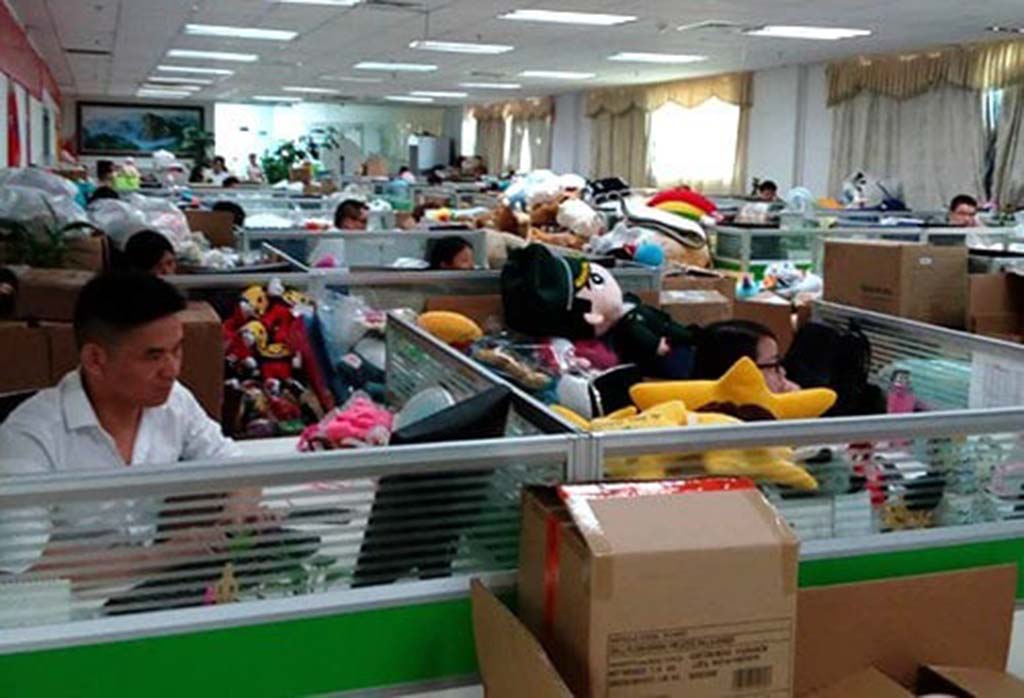
A full-service plush manufacturer delivers cost advantages by eliminating fragmentation in the supply chain. Instead of coordinating separate designers, sampling studios, material suppliers, sewing workshops, packaging printers, and freight forwarders, a unified factory manages the entire process. This integration reduces communication gaps, prevents rework, avoids duplicated service fees, and allows for predictable scheduling. The result is a more coherent workflow where every team—from design to QC—works within a coordinated system.
Centralized production also reduces administrative fatigue. When buyers coordinate multiple vendors, they face repeated sample fees, inconsistent design interpretations, increased logistics costs, and slower turnaround. A full-service factory streamlines everything by ensuring consistent standards across departments, offering direct access to pattern makers, sourcing teams, and QC managers. This eliminates the inefficiencies and errors commonly introduced when different suppliers handle different parts of the work.
| Cost Advantage Area | Full-Service Benefit | Result for Buyer |
|---|---|---|
| Communication Flow | Fewer intermediaries | Faster decision-making |
| Sampling | In-house revisions | Lower rework costs |
| Pricing | Bundled services | Reduced overhead |
| Scheduling | Coordinated departments | Shorter lead times |
| Quality Control | Unified standards | Lower defect rates |
A full-service factory brings cost stability, transparency, and long-term operational efficiency—key factors for global brands and high-volume programs.
How Do Integrated Design, Sampling, and Engineering Reduce Development Expenses?
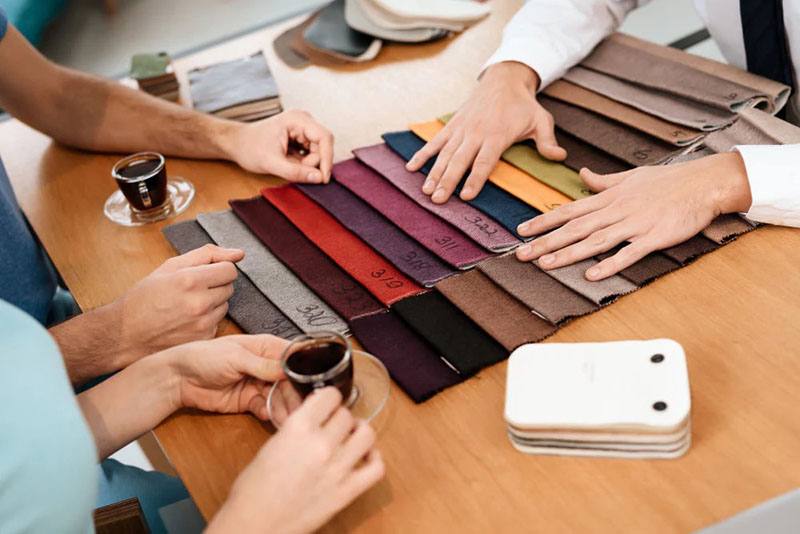
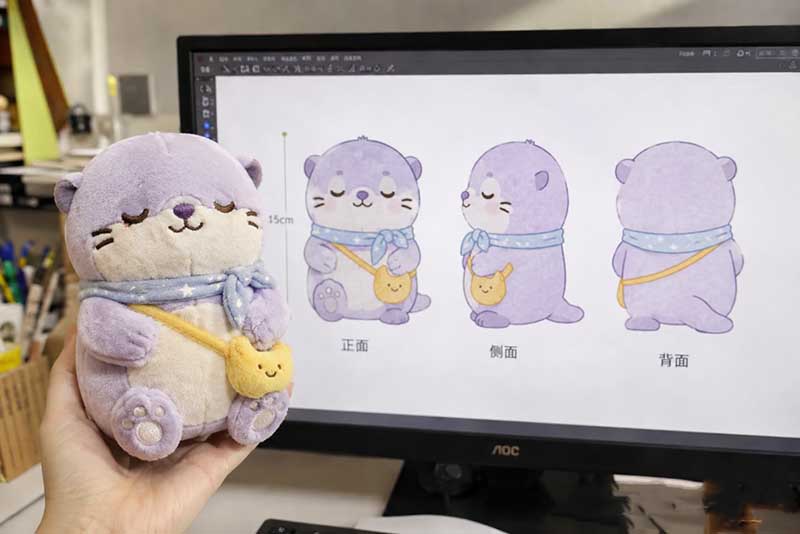
When design, pattern-making, sampling, and engineering are handled under one roof, the development process becomes significantly more efficient. Many cost overruns in plush toy projects occur due to miscommunication during handoffs between third-party designers and external sample makers. When a factory’s design team works directly with its pattern makers, small adjustments—such as proportion corrections, embroidery size changes, or fabric substitutions—are handled instantly.
Integrated engineering also reduces the number of sample rounds required. Engineers can identify manufacturability issues early, such as a shape that requires unnecessary sewing complexity or embroidery that needs excessive machine time. By adjusting the design during the early stages, buyers avoid costly iteration cycles and reduce total sampling time.
In-house sampling rooms allow rapid prototyping, often within 7–15 days, enabling faster market validation. Unlike external studios that charge per revision, a full-service factory usually includes refinement rounds within the overall development scope.
| Integrated Function | Cost Reduction Benefit | Buyer Advantage |
|---|---|---|
| Design + Pattern Sync | Fewer design errors | Shorter sampling cycle |
| In-House Sampling | Lower revision costs | Faster approvals |
| Engineering Review | Improved manufacturability | Lower production cost |
| Material Testing | Early problem detection | Prevent rework |
| On-Site Collaboration | Real-time decisions | Higher accuracy |
This integration positions full-service manufacturers as strategic partners rather than simple suppliers.
What Material Sourcing Advantages Come from Working with a Vertically Integrated Supplier?
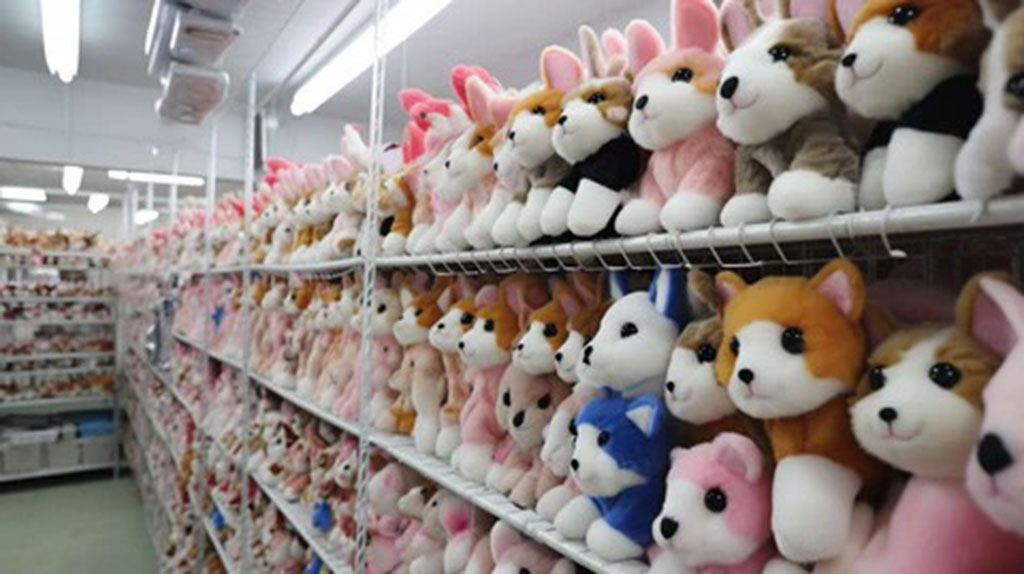
Material costs account for 40–60% of plush toy production. A vertically integrated manufacturer has established networks with fabric mills, filling suppliers, trim producers, dye houses, and packaging factories. This gives them strong bargaining power, stable pricing, and priority access to high-demand materials—advantages that standalone workshops cannot provide.
Integrated factories often buy raw materials in bulk for multiple clients, reducing per-unit fabric costs. They can negotiate better pricing due to volume and long-term partnerships with suppliers. This helps buyers maintain consistent quality while avoiding market fluctuations in polyester fiber, faux fur, embroidery thread, or cotton prices.
Vertical sourcing also reduces lead time risks. Delays in fabric supply are one of the most common causes of production bottlenecks. When factories already stock commonly used plush materials or maintain long-term relationships with mills, they can secure materials faster and more reliably.
| Sourcing Advantage | Supplier Benefit | Impact on Buyer |
|---|---|---|
| Bulk Material Purchasing | Economies of scale | Lower fabric cost |
| Preferred Supplier Access | Stable availability | Fewer stock delays |
| Material Consistency | Same dye lots & texture | Better QC results |
| Faster Procurement | Streamlined supply chain | Shorter lead times |
| Eco-Friendly Material Options | RPET, organic cotton | Better market positioning |
Working with a vertically integrated supplier helps ensure price stability, supply continuity, and better material quality.
How Can Consolidated Production and In-House Processes Lower Per-Unit Costs?
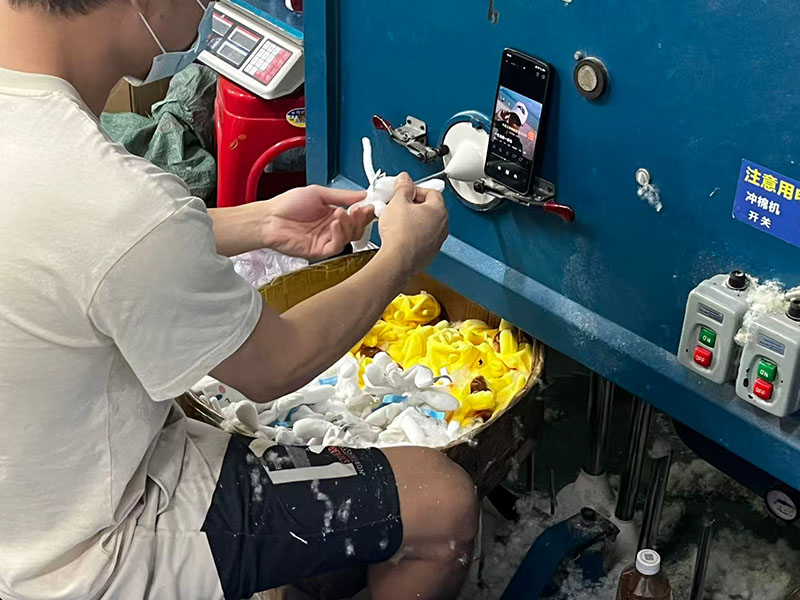
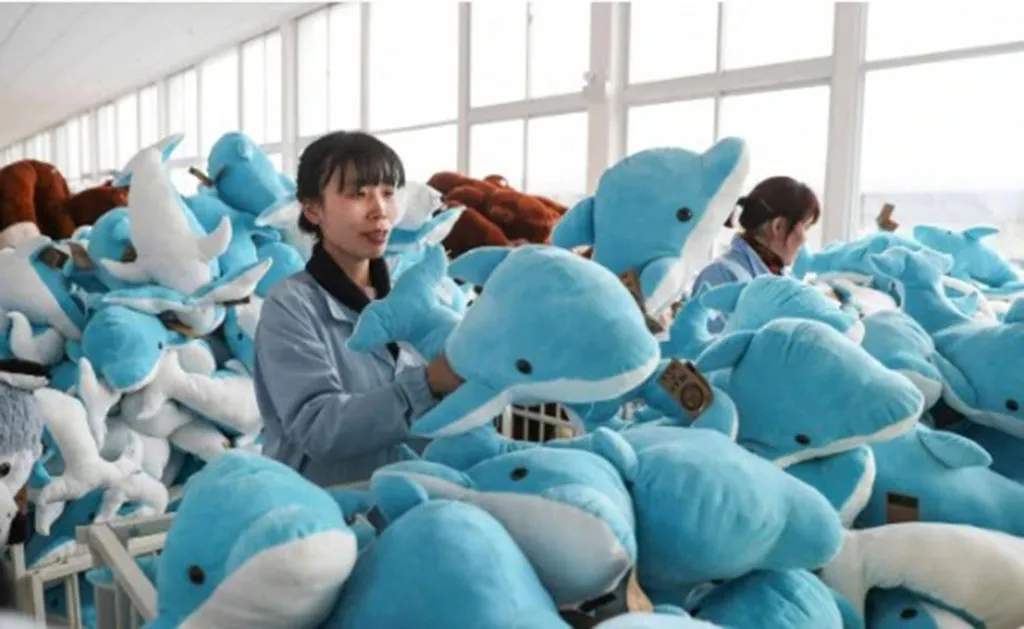
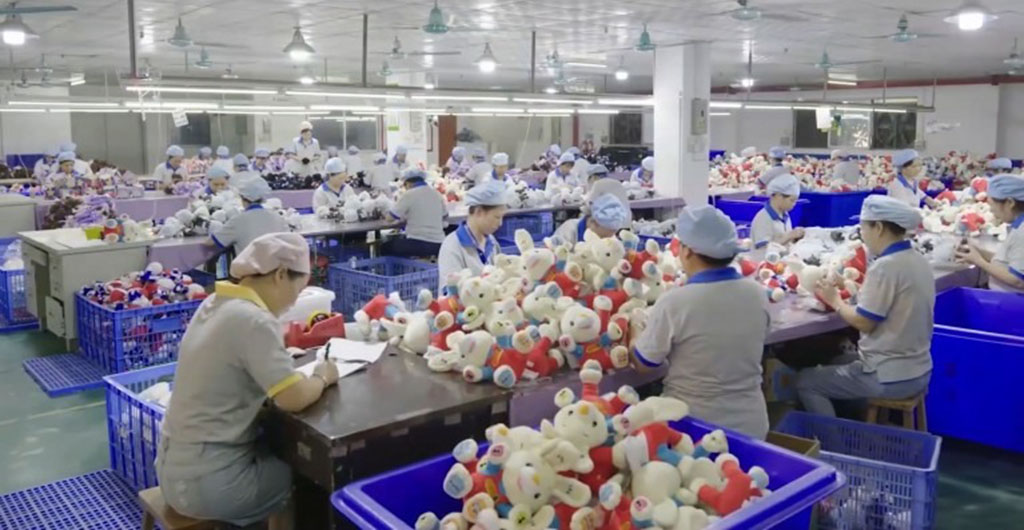
Every time production is split across multiple facilities, costs rise—from packaging transport between sites to repeated QC checks, duplicate setup costs, and variable handling fees. Consolidated production eliminates these redundancies. When cutting, sewing, stuffing, embroidery, QC, and packing all happen in one facility, efficiency increases and waste decreases.
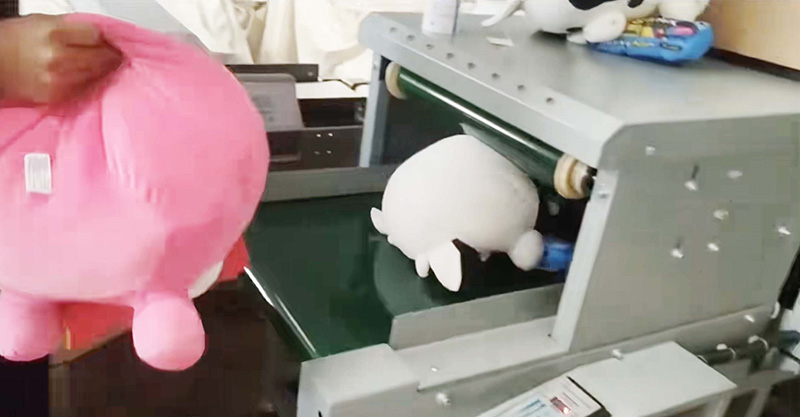
Factories with in-house embroidery, printing, labeling, and metal detection capabilities reduce dependence on subcontractors, avoiding markup fees and unnecessary logistics. Consolidated lines allow manufacturers to optimize workflows, balance operator loads, and manage production timing more predictably. This drives down per-unit labor costs and minimizes downtime.
Additionally, integrated factories can achieve high production scalability. When clients place large orders tied to seasonal events or licensing launches, scalable lines allow smooth ramp-up without needing additional subcontracting—which often introduces quality inconsistency and ethical risk.
| In-House Process | Benefit for Factory | Cost Saving for Buyer |
|---|---|---|
| Embroidery Lines | Avoid external charges | Lower decoration costs |
| Cutting & Sewing | Controlled workflow | Consistent output |
| Metal Detection | In-line safety check | Fewer third-party fees |
| In-House QC | Faster feedback | Fewer defects |
| Final Packing | Direct shipment | Reduced logistics cost |
Working with a consolidated factory ensures predictable, stable, and cost-efficient production during every manufacturing cycle.
How Do Streamlined Logistics, Packaging, and Compliance Management Cut Hidden Fees?
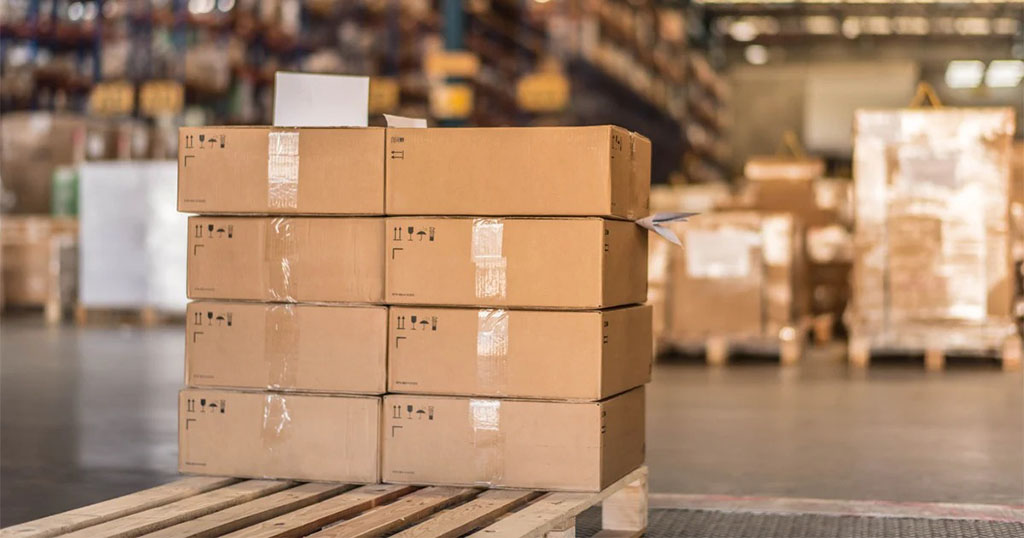
Many buyers overlook logistics costs, even though freight, packaging, and compliance are major cost drivers in plush toy procurement. Full-service manufacturers manage these areas directly, helping clients reduce hidden expenses that accumulate over time.
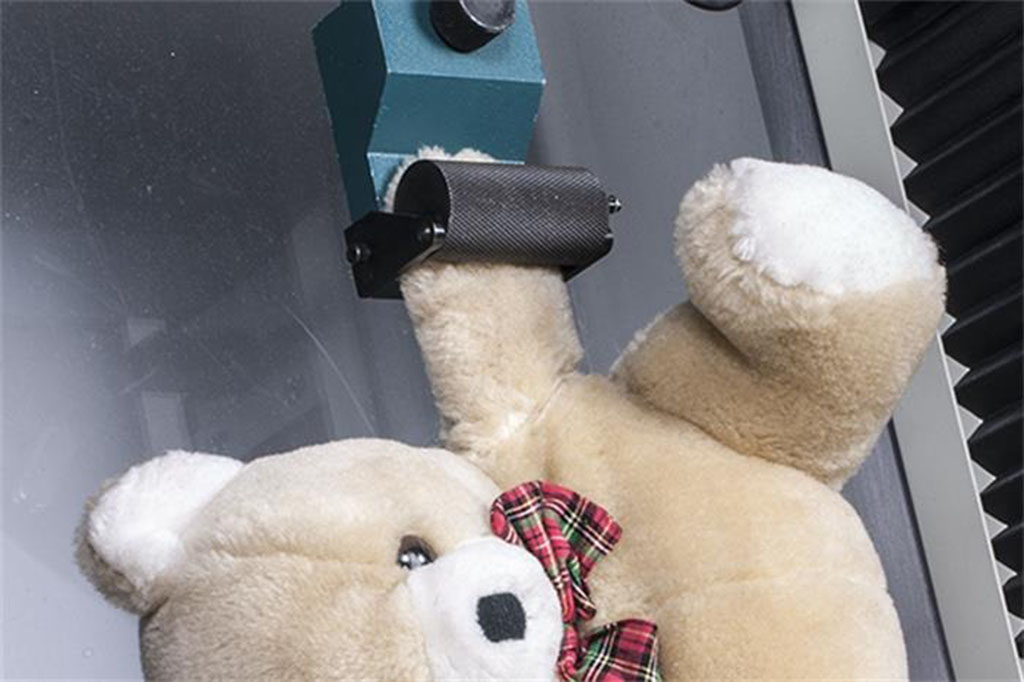
Integrated factories can optimize packaging dimensions, master carton strength, and packing density to ensure better container utilization. Since plush toys are volume-based rather than weight-based, even a 5–10% improvement in carton efficiency significantly reduces shipping costs. In addition, in-house compliance teams manage safety certifications, EN71/ASTM testing schedules, CPC documentation, and labeling accuracy—avoiding costly errors or rejections at customs.
Logistics coordination becomes smoother when the factory handles booking support, palletization plans, export documentation, and pre-shipment inspections. This reduces administrative workload, prevents freight delays, and ensures traceability throughout the supply chain.
| Workflow Improvement | Hidden Fee Eliminated | Benefit to Buyer |
|---|---|---|
| Optimized Packaging | Extra container space | Lower freight cost |
| Compliance Management | Testing errors & rework | Risk-free exports |
| Documentation Review | Customs delays | Faster clearance |
| Booking Assistance | Storage fees, demurrage | Smooth shipping |
| QC Integration | Post-production rework | More consistent quality |
By minimizing hidden expenses, integrated manufacturing partners offer comprehensive value across the supply chain.
What Long-Term Partnership Strategies Maximize Cost Savings Without Sacrificing Quality?
Long-term collaboration with a full-service plush manufacturer unlocks deeper cost efficiencies than short-term or transactional sourcing. When factories understand a buyer’s brand direction, sales cycles, product categories, and quality expectations, they can propose improvements proactively—reducing both cost and complexity over time.
Strategic partnerships allow buyers to benefit from forecasting-based pricing, better MOQ flexibility, and stable capacity allocation during peak seasons. With consistent production planning, factories can negotiate lower material prices, optimize labor allocation, and invest in specialized tooling, resulting in long-term cost savings. Buyers also gain access to dedicated engineering support, priority sampling, and continuous improvement programs.
A stable long-term relationship also strengthens quality consistency. Factories familiarize themselves with a brand’s preferred fabrics, stitching styles, color standards, and QC requirements, reducing sample revisions and minimizing defects in each subsequent order. The trust built through partnership allows both sides to share cost-saving innovations—such as switching to more efficient fabrics, adjusting stuffing ratios, redesigning pattern geometry, or optimizing packaging.
| Partnership Strategy | Long-Term Advantage | Outcome for Buyer |
|---|---|---|
| Forecast-Based Pricing | Lower material cost | Budget stability |
| Dedicated Capacity | Faster lead times | Reliable delivery |
| Continuous Improvement | Better efficiency | Reduced per-unit cost |
| Joint Development | Innovative products | Higher market competitiveness |
| Transparent Cost Analysis | Identifies savings areas | Improved profitability |
The more aligned the relationship becomes, the greater the financial benefit—without compromising product safety or factory ethics.
Conclusion
Partnering with a full-service plush manufacturer is one of the most effective ways to optimize costs across the entire product lifecycle. By integrating design, sourcing, production, QC, compliance, and logistics under one system, brands reduce inefficiencies, prevent rework, improve quality stability, and gain long-term financial advantages.
Factories like Kinwin help global buyers streamline operations and unlock significant cost savings while maintaining high safety and quality standards, making them ideal partners for scalable plush toy programs.
📧 Contact: [email protected]
🌐 Visit: https://kinwintoys.com