Skip to content
When buyers search for a stuffed toy manufacturer, they are not only looking for a workshop with sewing machines. They are looking for a partner who can turn an idea into a safe, beautiful, and reliable product that passes international tests and ships on time.
As a Chinese stuffed toy manufacturer working with brands, retailers, and e-commerce sellers worldwide, I see many projects fail or succeed because of factory capabilities. In this guide, I will share, in simple language, what capabilities really matter, how you can evaluate them, and how they protect your brand in the long term.
What core production capabilities define modern stuffed toy manufacturers?
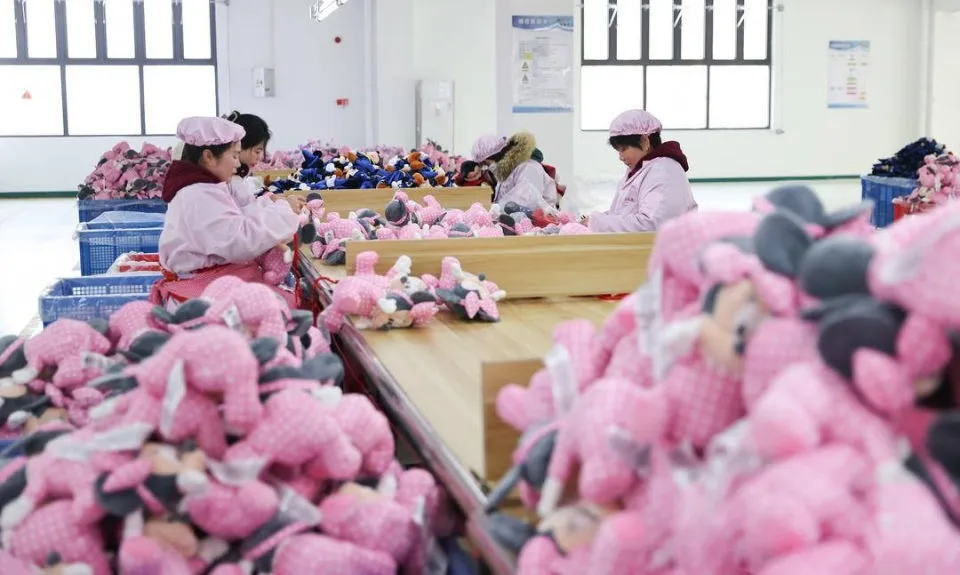
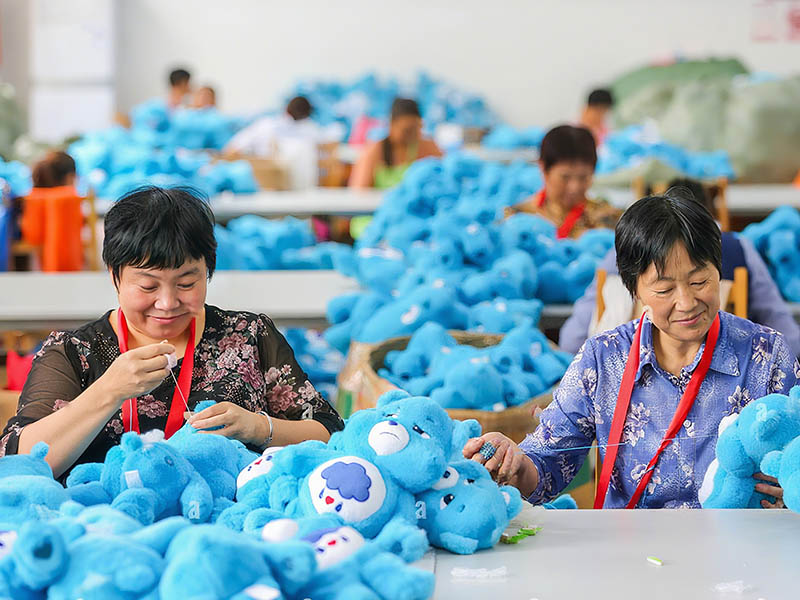
A modern stuffed toy manufacturer is more like a system than a small workshop. Strong production capability means the factory can control every step from fabric cutting to stitching, stuffing, finishing, and packing. Each step has clear processes, trained workers, and the right machines.
In a well-organized factory, you will see different production lines or areas: cutting, embroidery / printing, sewing, stuffing and closing, shaping and brushing, then final packing. Each step is connected by a clear workflow, not chaos. This structure allows the factory to handle big orders, multi-SKU projects, and tight deadlines without losing control.
Modern factories also invest in semi-automatic or automatic equipment where it makes sense. For example: computer embroidery machines, digital cutting machines, stuffing machines, label attaching devices, metal detection machines, and sometimes automatic packing lines. These tools improve speed and keep quality stable from piece to piece.
For you as a buyer, strong core production capabilities mean:
- Your designs can be produced exactly as approved
- Large and repeat orders can run with stable quality
- Lead times are more predictable during peak seasons
| Core Capability | What It Looks Like in a Strong Factory | What It Means for Your Business |
|---|---|---|
| Structured production lines | Separate areas for cutting, sewing, stuffing, finishing, packing | Better control, fewer bottlenecks, stable lead times |
| Skilled sewing workforce | Workers trained specifically on stuffed toys and soft materials | Clean shapes, neat seams, fewer visible defects |
| Modern machinery | Computer embroidery, digital cutting, stuffing equipment | Accurate logos, consistent details, faster production |
| Capacity planning | Clear daily output targets and scheduling system | More confidence to place big or urgent orders |
| Standard work instructions | SOPs and visual guides at each station | Easier training and more consistent quality between batches |
| In-house repairs & maintenance | Technicians on site to fix machines quickly | Less downtime and fewer unexpected delays |
When you audit a factory, do not only ask “how many machines”. Ask how they plan production, how many lines they have, and how they train sewing workers. These answers tell you a lot about their real capability.
How do leading factories handle design development and rapid prototyping?
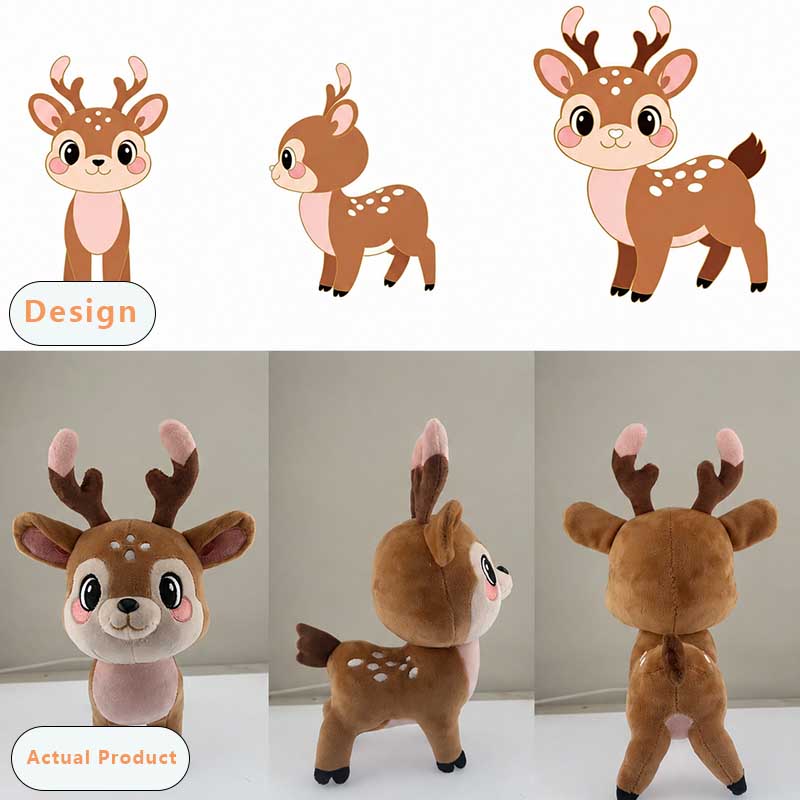
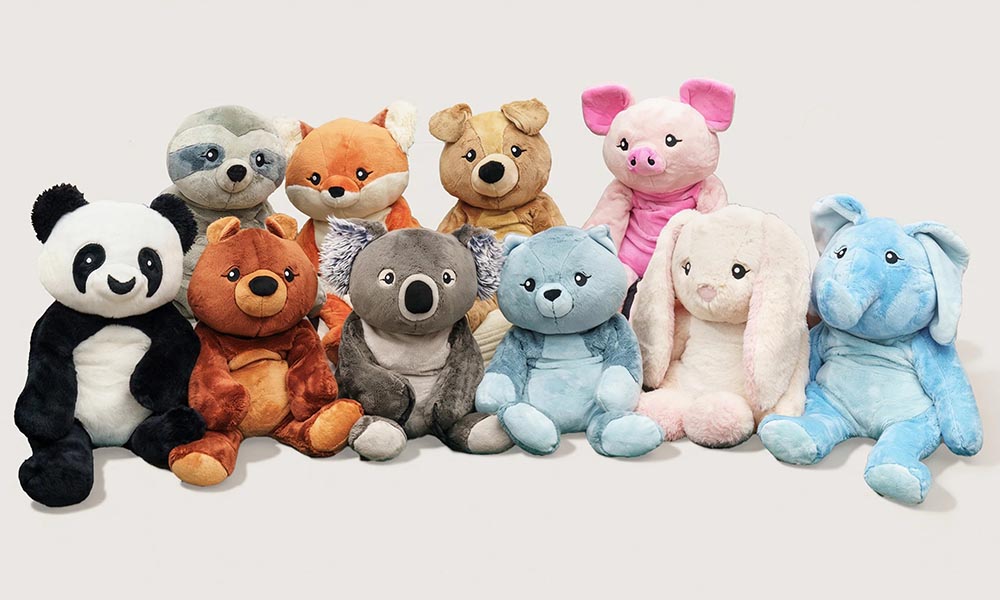
For many brand owners, the most sensitive step is design development. You may have a sketch, a 3D file, or even just a reference photo. Turning this into a real stuffed toy sample that looks and feels right is a key capability.
Leading factories usually have a dedicated R&D or sampling team. This small team focuses only on patterns, proportions, 3D shaping, embroidery layout, and material matching. They understand how a flat drawing becomes a 3D toy. They also know how materials behave: where to use short plush, where to use long fur, how much stuffing to add, and how to keep the toy stable.
Rapid prototyping does not mean “rush and accept anything”. It means clear communication. A good factory will:
- Review your artwork and give basic feasibility feedback
- Propose suitable fabrics and fillings based on your target age and budget
- Make a sample within an agreed time (often 5–10 working days for standard toys)
- Mark changes on photos or videos and support 1–2 rounds of improvements if needed
For you, this reduces risk. You can check the toy’s size, expression, softness, and branding before making a big investment.
| Development Stage | What Leading Factories Do | Benefits for Brand Owners and Buyers |
|---|---|---|
| Brief intake | Ask about target age, market, price point, and quantity | Ensures design matches safety and budget reality |
| Pattern & 3D shaping | Build patterns, adjust head/body/limb proportions | Character looks “alive” and balanced |
| Material selection | Suggest fabrics, fillings, and accessories for each part | Better balance of softness, durability, and cost |
| Sample making | Use experienced sample makers for first prototypes | Cleaner first sample, fewer revision rounds |
| Revision & approval | Share detailed photos/videos, mark changes, update quickly | Clear expectations before mass production |
| File & pattern storage | Store patterns, embroidery files, color codes securely | Easy repeat orders and color-accurate reorders |
When you compare suppliers, ask: How many sample makers do you have? What is your standard sample lead time? Can you show me some recent custom samples? Factories with real design capability are proud to show this.
How do quality control systems ensure consistent stuffed toy standards?
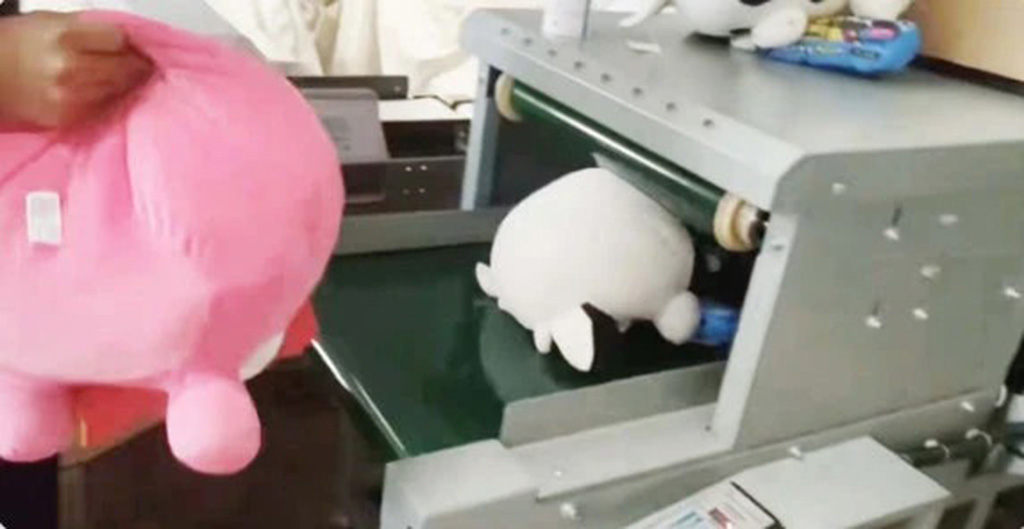
Good design is not enough. You also need the same quality in every carton, every time. This is where quality control (QC) comes in. Leading stuffed toy manufacturers use layered QC systems, not just one final check before packing.
A strong QC system normally includes:
- Incoming material inspection – check fabrics, fillings, accessories, labels before they enter the warehouse
- In-process inspection (IPQC) – inspectors work on the line to catch issues in cutting, embroidery, sewing, and stuffing
- Final inspection – check finished toys by AQL (Acceptable Quality Limit) sampling before shipment
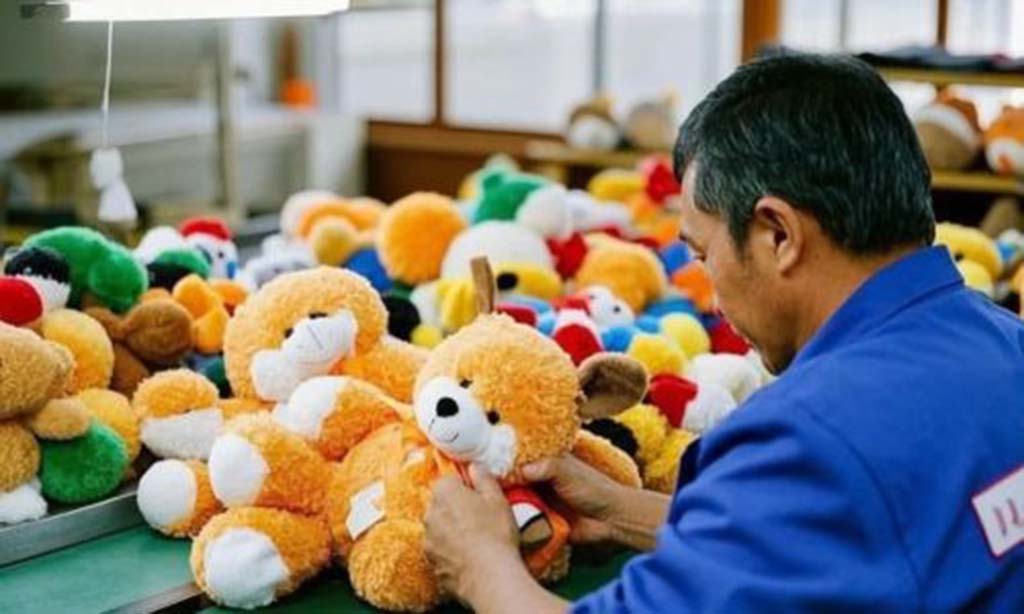
For stuffed toys, QC must pay special attention to seam strength, symmetry, stuffing density, embroidery or print accuracy, and surface defects like stains or uncut threads. Many factories also use needle detection machines at the end to make sure no broken needles remain inside the toy.
A mature factory does not only “reject” defects. It records them, finds root causes, and updates SOPs or training. This continuous improvement protects your brand from repeated complaints.
| QC Stage | Typical Checks on Stuffed Toys | Why It Matters for You |
|---|---|---|
| Incoming material inspection | Fabric color/weight, test reports, accessory quality | Avoids quality problems coming from raw materials |
| Cutting & embroidery IPQC | Pattern accuracy, logo/embroidery clarity, no fabric damage | Prevents large batches of wrong shapes or logos |
| Sewing & stuffing IPQC | Seam strength, shape, symmetry, correct filling | Ensures toys look and feel consistent |
| Final AQL inspection | Overall size, defects, label/barcode accuracy | Reduces risk of customer returns and complaints |
| Needle detection (if used) | Check for broken needles or metal pieces in each toy | Critical safety step, especially for children’s toys |
When you speak with a factory, ask to see their QC checklists and sample inspection records. Ask which AQL standard they use. If they cannot show clear documents or data, their quality may depend too much on luck.
What compliance and certification capabilities do global buyers rely on?
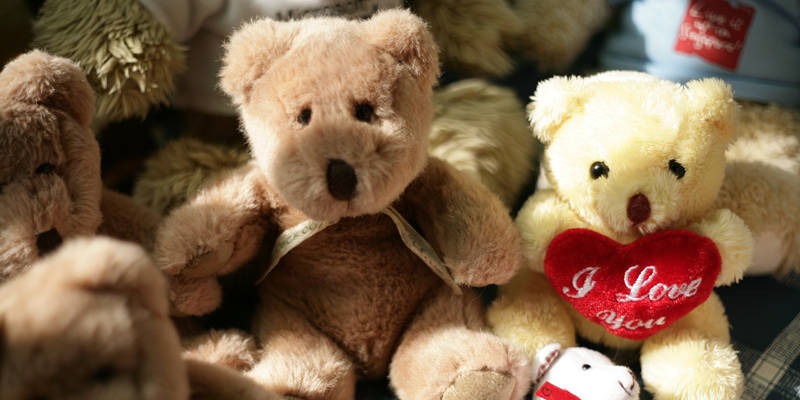
If you sell stuffed toys in markets like the USA, Europe, UK, Japan, or the Middle East, safety compliance is not optional. It is required by law and also by platforms such as Amazon, Walmart, and major retail chains. Leading factories understand this and build compliance into their daily work.
For stuffed toys, key product standards include:
- ASTM F963 and CPSIA for the USA (mechanical and physical tests, flammability, chemical limits such as lead and phthalates)
- EN71 series and CE marking for the EU/UK (mechanical/physical tests, flammability, and chemical safety including heavy metals)
- ISO 8124 and other national standards used in many countries
- Additional requirements such as REACH, PAHs limits, azo dye bans, etc.
At factory level, many buyers also require:
- ISO 9001 for quality management
- ISO 14001 for environmental management in some cases
- BSCI, SEDEX/SMETA, or other social audit reports
A capable manufacturer can help you:
- Identify which standards and tests are needed for your target market
- Prepare samples for third-party labs (SGS, Intertek, TÜV, etc.)
- Improve designs and materials if any test fails
- Maintain documentation for customs, platforms, and retailers
| Buyer Need / Region | Typical Standards or Documents Needed | What a Strong Factory Provides |
|---|---|---|
| USA retail / e-commerce | ASTM F963, CPSIA, tracking labels, CPC | Valid test reports, assistance in CPC drafting |
| EU / UK distribution | EN71 tests, CE Declaration of Conformity, REACH proof | EN71 reports, CE support, material declarations |
| General global export | ISO 8124, local regulations | Test reports that can be adapted for multiple markets |
| Factory capability & audits | ISO 9001, BSCI, SEDEX/SMETA, sometimes Disney/Target audits | Certificates, audit reports, corrective actions |
| Platform compliance (e.g., Amazon) | Product test reports, labeling, safety documents | Support with documentation, photos, and technical files |
When you evaluate a supplier, always ask for sample test reports for similar products. You can remove sensitive details (client names) and still check if they truly have experience with your target standards.
How do supply chain and logistics capabilities support large and urgent orders?
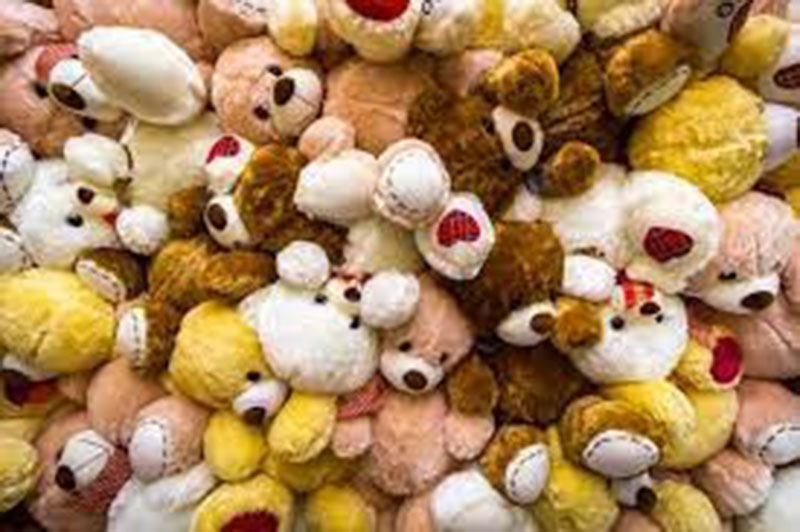
Even with good production and compliance, a project can fail if the factory cannot manage materials and shipping. Modern stuffed toy manufacturers must have strong supply chain and logistics capabilities to support big or urgent orders.
On the supply chain side, this means:
- Stable relationships with fabric mills, printing/embroidery houses, and accessory suppliers
- Clear lead times for each key material
- Backup options if a main supplier has a problem
- Material safety and traceability (for audits and recalls if needed)
On the logistics side, this means:
- Experience with booking sea, air, and sometimes railway shipments
- Knowledge of Incoterms (EXW, FOB, CIF, DAP, DDP)
- Ability to prepare accurate packing lists, invoices, and customs documents
- Coordination with your freight forwarder or their own trusted partners
For you, good supply chain and logistics capability means fewer surprises: less chance of “fabric delayed”, “no container space”, or “documents not accepted at customs”. This directly affects your launch dates and promotion campaigns.
| Capability Area | What a Strong Manufacturer Does | Advantage for Large / Urgent Orders |
|---|---|---|
| Material sourcing | Uses approved supplier list and backup sources | Reduces risk of raw material delays |
| Lead time management | Plans materials and production based on your forecast | More reliable delivery windows |
| Buffer stock | Keeps key fabrics and fillings in stock for repeat orders | Faster reorders and emergency top-ups |
| Shipping coordination | Books space early, combines cartons efficiently | Better freight rates and fewer missed sailings |
| Documentation | Prepares accurate commercial invoices, packing lists, and certs | Smoother customs clearance and platform checks |
When you discuss an order, do not be shy to ask: What is your normal fabric lead time? How do you handle peak seasons? Which port do you usually ship from? Serious factories will have clear, practical answers.
How do OEM and ODM service capabilities create value for brand owners?
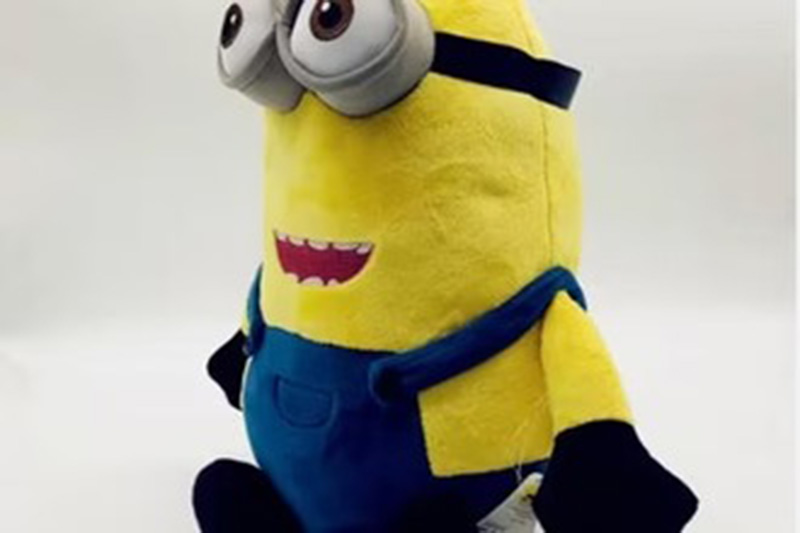
Finally, many brand owners today are not only buying generic toys. They want their own IP, characters, or exclusive collections that cannot be easily copied. This is where OEM and ODM capabilities become a real advantage.
- OEM (Original Equipment Manufacturer) – You provide the design, and the factory produces according to your specifications.
- ODM (Original Design Manufacturer) – The factory provides designs or concept lines that you can customize with your logo, colors, and small changes.
A strong stuffed toy manufacturer can do both:
- Protect your OEM designs through NDAs, clear pattern control, and restricted access to your samples
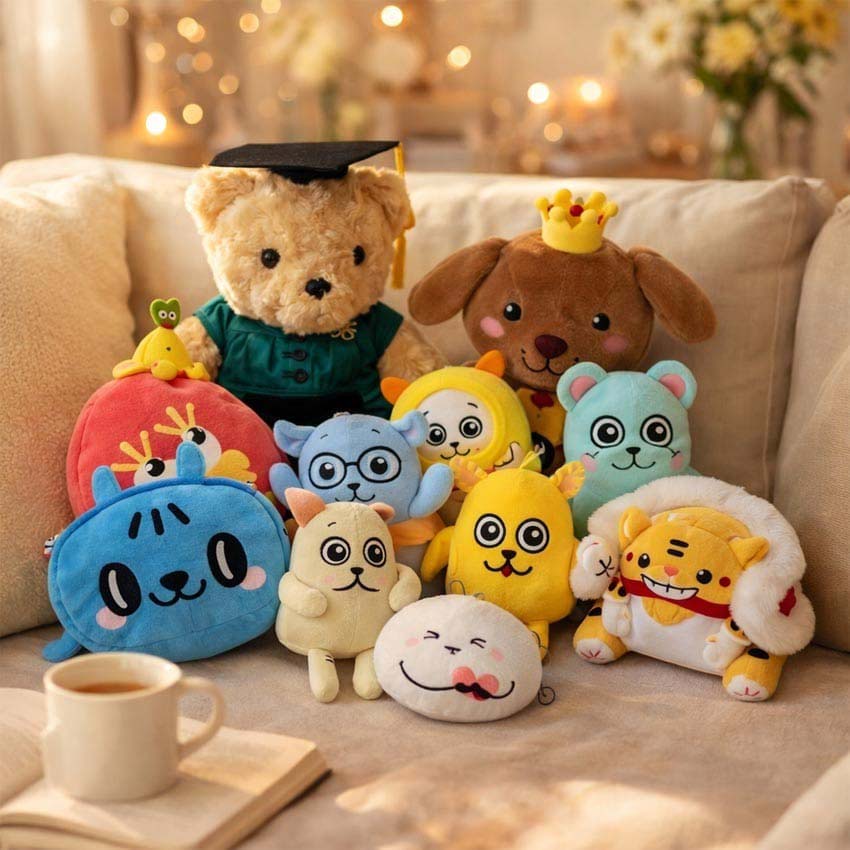
- Offer an internal design library for ODM, so you can choose from ready concepts and move faster
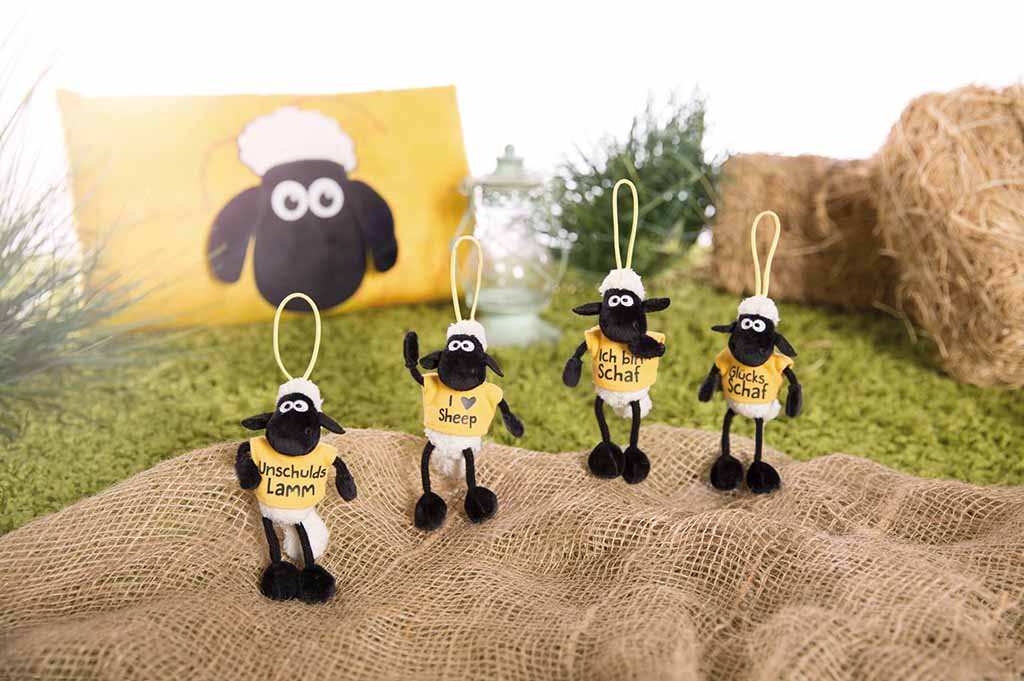
- Support you with branding elements like woven labels, hangtags, embroidery logos, and custom packaging
- Work with you on annual roadmaps (spring, back-to-school, holiday collections) instead of only “one-off” projects
For brand owners, good OEM/ODM services mean lower development cost, faster time-to-market, and a smoother path to building a consistent product line.
| Service Type | What the Manufacturer Provides | Value Created for Brand Owners |
|---|---|---|
| OEM production | Produces strictly based on your artwork and specs | Full control over your IP and brand identity |
| ODM design library | Original characters and styles to choose from | Faster launch, fewer design headaches |
| Technical design support | Adjusts size, materials, and construction for manufacturability | Better balance of look, safety, and cost |
| Branding & packaging | Custom labels, tags, boxes, barcodes, display ideas | Stronger presence in retail and online channels |
| Long-term co-creation | Yearly collections, joint planning, market feedback | More stable growth and less risk in product planning |
When you talk to a potential partner, ask if they have an internal design team, how they manage IP, and if they can show examples of long-term OEM/ODM cooperation (without breaking confidentiality). This will help you choose a factory that can grow with your brand, not just one that makes a single cheap batch.
Conclusion
Modern stuffed toy manufacturers are more than sewing suppliers. The best ones bring together strong production, smart design development, reliable quality systems, solid compliance, and professional supply chain support, plus OEM and ODM services that help your brand grow. At Kinwin, we work with global buyers to turn ideas into safe, soft, and durable stuffed toys that pass EN71, ASTM, and other standards while staying on schedule. If you are planning your next stuffed toy collection or looking for a more reliable factory partner, you are welcome to contact me at [email protected] or visit kinwintoys.com so we can explore how our capabilities can support your success.