Skip to content
Short plush fabrics are one of the most important materials in modern plush toy manufacturing. They give a toy its first impression: how it looks, how it feels in the hand, and how it holds up after many hugs and washes.
When buyers ask me, “What type of short plush should we use?”, the real question is: How do we balance softness, price, safety, durability, and brand style?
In this guide, I will break down the core categories of short plush fabrics, explain how fiber content, pile height, and performance tests affect quality, and share practical sourcing tips from a factory perspective so you can choose the right material for your next plush project.
What core categories define today’s short plush fabrics?
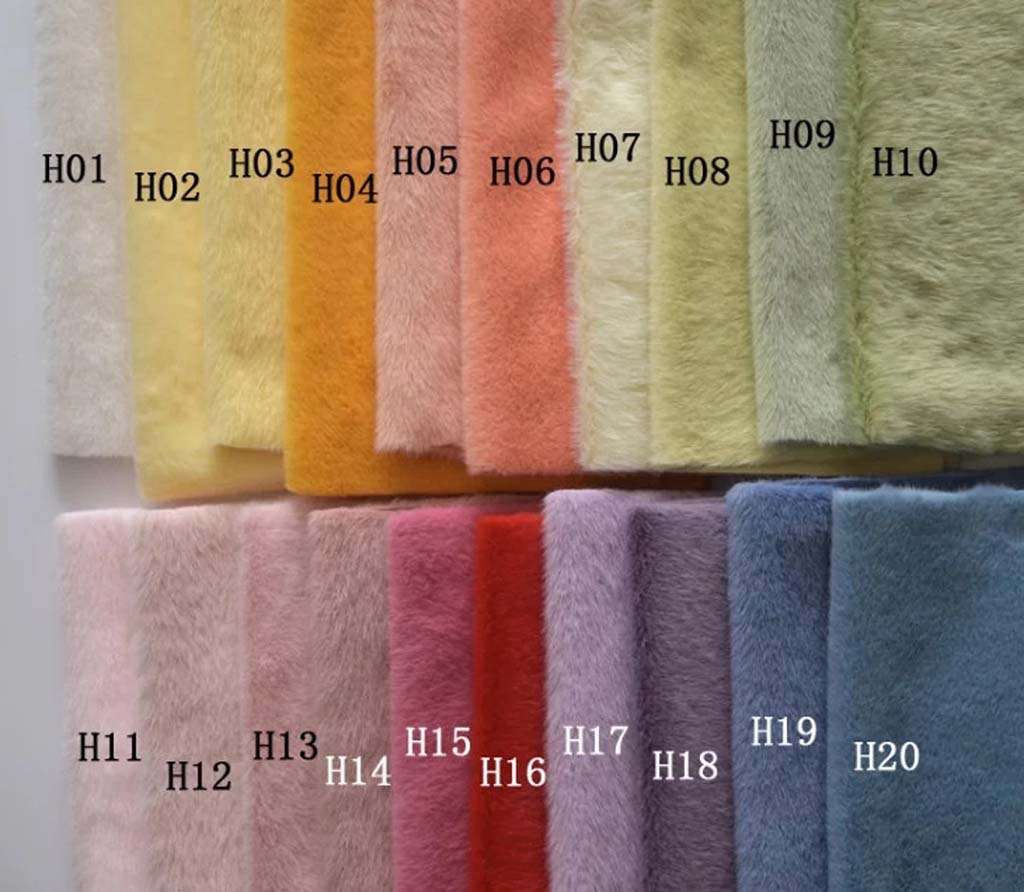
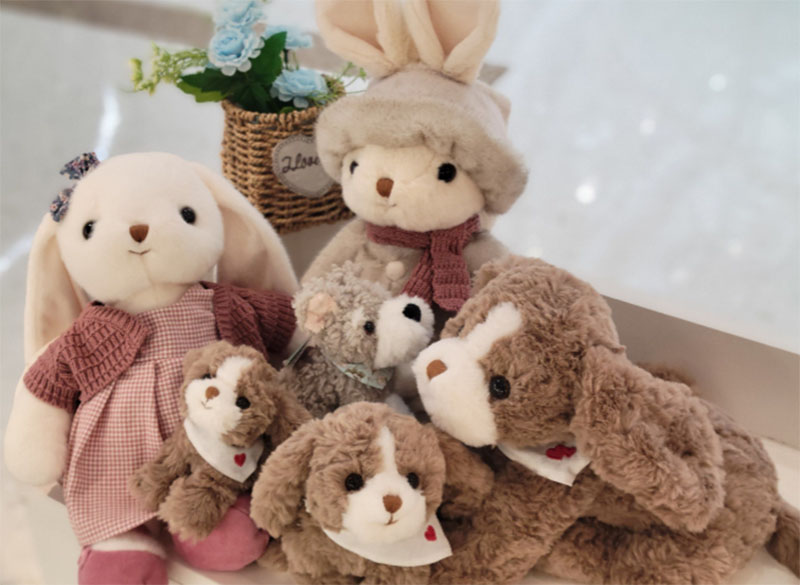
In today’s toy industry, “short plush” usually means pile height from around 0.5 mm to about 3 mm. The surface looks smooth and neat, not long and fluffy like long-hair faux fur. Short plush gives clearer shapes, cleaner print, and better control for small details such as noses, mouths, and embroidery.
Most brands use a few main short plush categories again and again. Even though names can change by supplier, the structure and feel are similar. The most common types in plush toys include:
- Velboa / short velour – classic short pile, slightly firm but smooth, ideal for many animals and dolls.
- Micro velboa / super soft short plush – finer fibers and denser pile for a softer, “buttery” touch.
- Short minky / baby plush – very soft, often used for baby products, sometimes with dots or embossing.
- Fleece-like short plush – brushed surfaces that feel warm and cozy, often used for clothing-style plush or blankets.
- Suede-style / peach skin – almost no visible pile, but a soft brushed surface; useful for faces and minimal designs.
When you understand these basic families, it becomes much easier to talk with suppliers, compare swatches, and choose the right fabric for your brand style and budget.
| Short Plush Category | Typical Pile Height | Handfeel / Look | Common Uses in Plush Toys |
|---|---|---|---|
| Velboa / short velour | 1–1.5 mm | Smooth, slightly firm, clear texture | Standard plush animals, dolls, promotional plush |
| Micro velboa / super soft | 1–2 mm, very dense | Very soft, fine fibers, rich color | Premium plush, gift items, character IP toys |
| Short minky / baby plush | 2–3 mm (short side) | Extra soft, “baby” feel, matte sheen | Baby plush, comforters, blankets, cuddly toys |
| Fleece-like short plush | 1–2 mm brushed surface | Warm, cozy, slightly fuzzy | Clothing parts (hoodies, coats), winter or cozy themes |
| Suede / peach skin | <1 mm, almost flat | Smooth, matte, no visible pile | Faces, minimalistic plush, pillows, modern decor items |
If you are unsure where to start, velboa or micro velboa are usually safe choices for general plush toys. For baby products, a softer short minky or “baby plush” is usually the best option.
How do fiber compositions affect softness and surface uniformity?
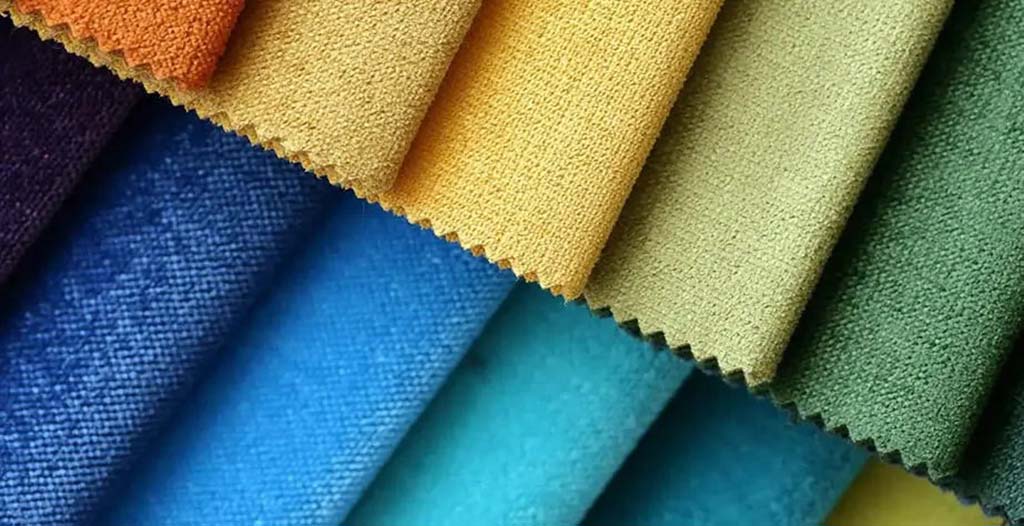
Behind every short plush fabric is a mix of fibers. Fiber composition directly affects softness, shine, stability, and how smooth the surface looks after sewing and washing. For plush toys, the most common fiber is polyester. It is durable, colorfast, and cost-effective, and it can be made into many textures.
However, not all polyester is the same. Yarn type, fineness (denier), and spinning method all change the feel. Microfiber polyester, for example, uses very fine filaments that create a softer, more “liquid” handfeel compared to standard polyester. Some fabrics mix polyester with spandex to add stretch, or with cotton and other fibers for special looks.
For more sustainable options, many mills now offer recycled polyester (rPET) made from recycled bottles or waste. This does not automatically mean softer fabric, but it can reduce environmental impact and support a brand’s sustainability message.
From a buyer’s view, fiber composition is less about the chemical name and more about what your customer will feel: softness, even surface, low pilling, and color stability.
| Fiber Composition | Typical Softness Level | Surface Uniformity | Pros for Plush Toys | Points to Watch |
|---|---|---|---|---|
| 100% Polyester | Medium to very soft (depending on yarn) | Very uniform when well made | Strong, colorfast, cost-effective, versatile | Quality varies by mill; cheap yarns can feel rough |
| Microfiber Polyester | Very soft, silky feel | Very smooth and uniform | Premium handfeel, good drape, rich colors | Slightly higher cost; may show handling marks more |
| Polyester + Spandex | Soft with stretch | Smooth, with some rebound | Good for tight shapes, clothing-like pieces | Over-stretching can distort embroidery or print |
| Polyester + Cotton Blend | Soft, slightly more “natural” feel | Good if well finished | Cozy, breathable touch, “natural” story for marketing | Cotton part may shrink more; colorfastness must be tested |
| Recycled Polyester (rPET) | Soft to medium (depends on yarn) | Comparable to normal polyester | Sustainability story, supports green branding | Must check consistency, certification, and performance |
When you review swatches, touch them with your eyes closed, rub them lightly, and imagine a child hugging the toy many times. That is often the best “test” for fiber choice at the start. Later, lab tests will confirm the technical side.
Which pile heights and structures distinguish major short plush types?
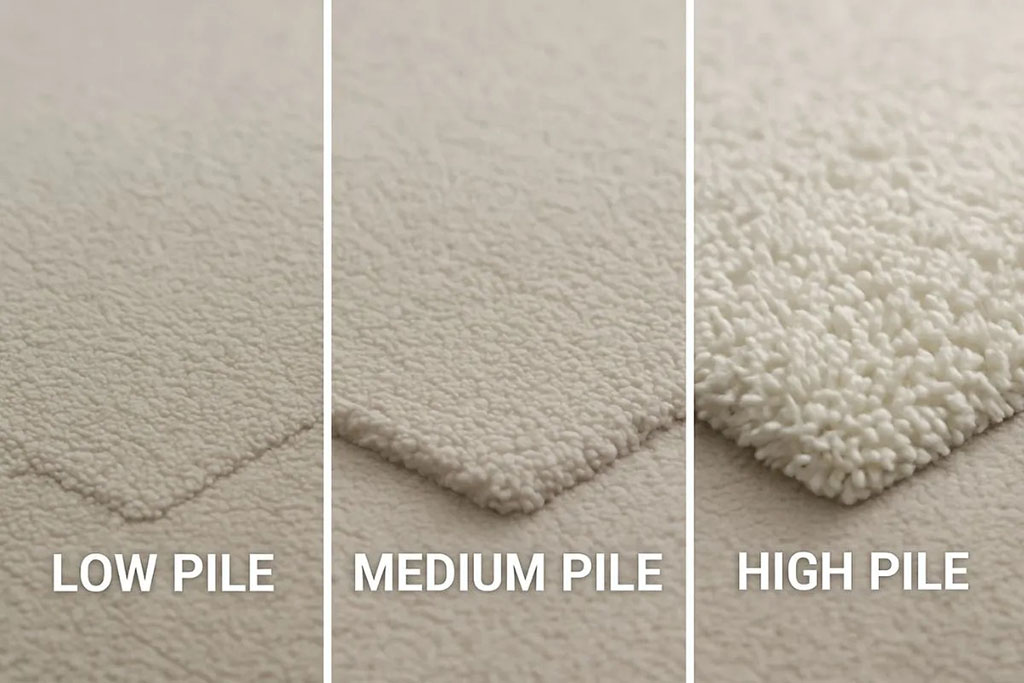
Pile height and fabric structure decide how a plush toy will look in real life. Even if two fabrics have the same fiber content, they can feel very different if their pile length, density, or knit structure is not the same.
For plush toys, short pile is usually preferred when:
- You want clean shapes and details (eyes, noses, embroidery)
- You need good print clarity (patterns, logos, small graphics)
- You want a less “hairy” look for modern or minimal designs
Key elements to consider:
- Pile height – Shorter pile (around 1 mm) looks neat and shows shapes clearly. Slightly longer short pile (2–3 mm) feels softer but can hide fine line details.
- Pile structure – Cut pile vs loop pile; single-sided plush (pile only on one side) vs double-sided (pile on both sides).
- Backing knit – Warp knit and weft knit structures behave differently in stretch, stability, and seam strength.
In our factory, we often recommend very short velboa for detailed small plush and slightly longer short minky for hugging-style plush that focus on comfort.
| Pile / Structure Type | Typical Pile Height | Main Features | Best Use Cases |
|---|---|---|---|
| Ultra-short velboa | 0.5–1 mm | Very neat surface, crisp lines, firm body | Small plush, faces, logo-heavy designs |
| Standard short velboa | 1–1.5 mm | Balanced softness and clarity | General plush animals, dolls, promo plush |
| Super soft short plush / minky | 2–3 mm | Softer, fuller handfeel, slightly fuzzy look | Huggable toys, baby plush, cushions |
| Double-sided short plush | 1–2 mm both sides | Soft on front and back | Blankets, reversible plush, apparel-like designs |
| Loop-based short pile | 1–2 mm loops | Slightly textured, good elasticity | Special textures, certain character or textured areas |
The “best” pile type depends on your design. If your character has a lot of face detail, smaller body, or fine print, choose a shorter, denser pile for clean definition. If your product is more about comfort and hugging, allow a slightly longer short plush to increase softness.
How are performance properties evaluated across short plush materials?
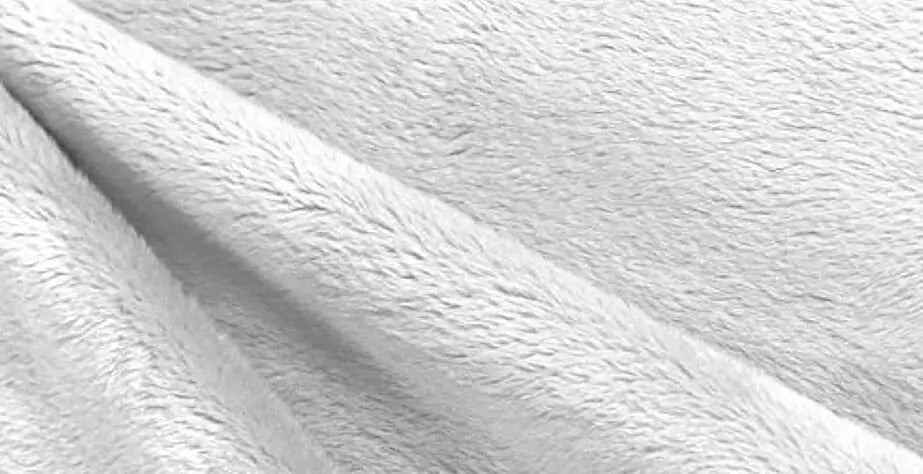
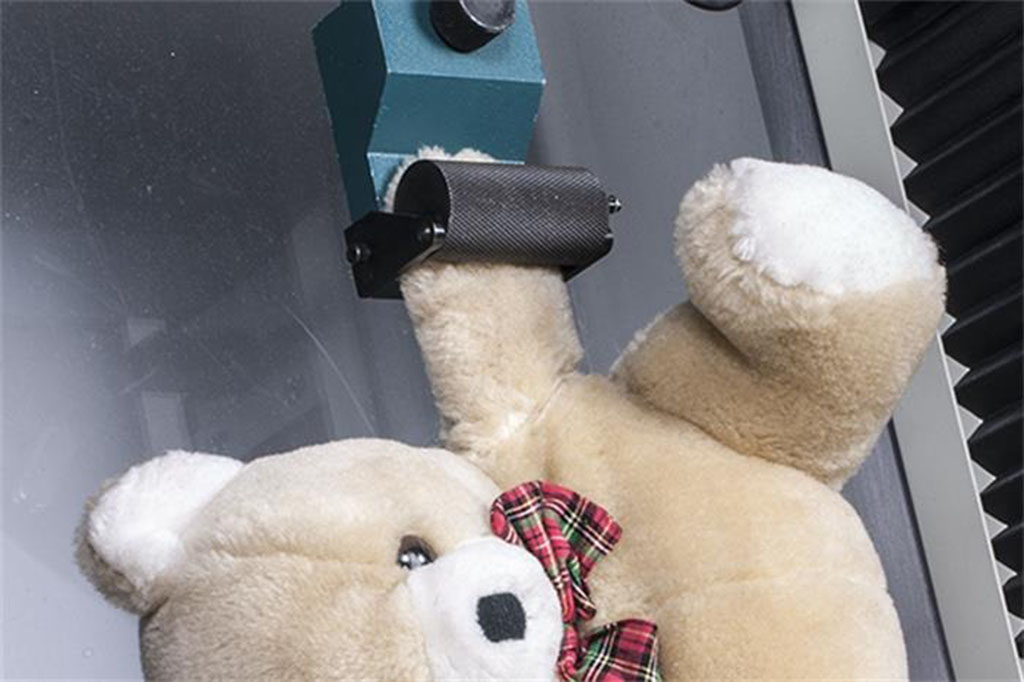
Nice handfeel is important, but for real projects we also need to confirm whether a fabric can survive daily use, washing, and safety tests. This is where performance properties come in.
In plush toy manufacturing, we look at several key performance areas:
- Colorfastness – Does the color fade or bleed when washing, rubbing, or in contact with saliva and sweat?
- Pilling and abrasion resistance – Does the fabric form small balls (pills) or wear down after rubbing?
- Dimensional stability – Does it shrink or twist after washing?
- Seam and tear strength – Will it hold together at seams when pulled or pressed?
For export toys, these properties are often checked as part of EN71, ASTM, or ISO 8124 testing, or in internal factory tests. Even if you do not read all lab details, it is helpful to know which performance points are most important for your market and age group.
Here is a simple overview of performance properties and what they mean for short plush fabrics:
| Performance Property | How It’s Usually Tested (simplified) | Why It Matters for Plush Toys | What You Should Ask the Supplier |
|---|---|---|---|
| Colorfastness to washing | Wash samples, check for color change or bleeding | Prevents color transfer onto skin, clothes, or other toys | “Do you have washing colorfastness reports for this fabric?” |
| Colorfastness to rubbing | Rub with white cloth (dry & wet) | Avoids visible rubbing marks and stains | “Is this fabric suitable for light-color clothing or bedding?” |
| Colorfastness to saliva / sweat | Simulated contact with saliva or sweat | Important for baby toys that may be chewed | “Can this fabric pass saliva/sweat colorfastness tests?” |
| Pilling resistance | Rub samples with standard device and rate pills | Keeps surface clean and professional over time | “What is the pilling grade for this short plush?” |
| Abrasion resistance | Repeated rubbing against a standard surface | Helps toys look good after heavy use | “Has abrasion testing been done for apparel or toy use?” |
| Dimensional stability | Wash/dry and measure size change | Avoids distorted shapes after washing | “Will this fabric shrink? Do you recommend hand wash only?” |
| Seam / tear strength | Pull seams / fabric until they break | Prevents openings and stuffing leaks | “Is this fabric strong enough for large plush or high-stress areas?” |
When we develop a new fabric base for a client, we usually test at least colorfastness and pilling before any big production. This small investment in testing protects you from returns and negative reviews later.
What sourcing factors help brands select the right short plush fabric?
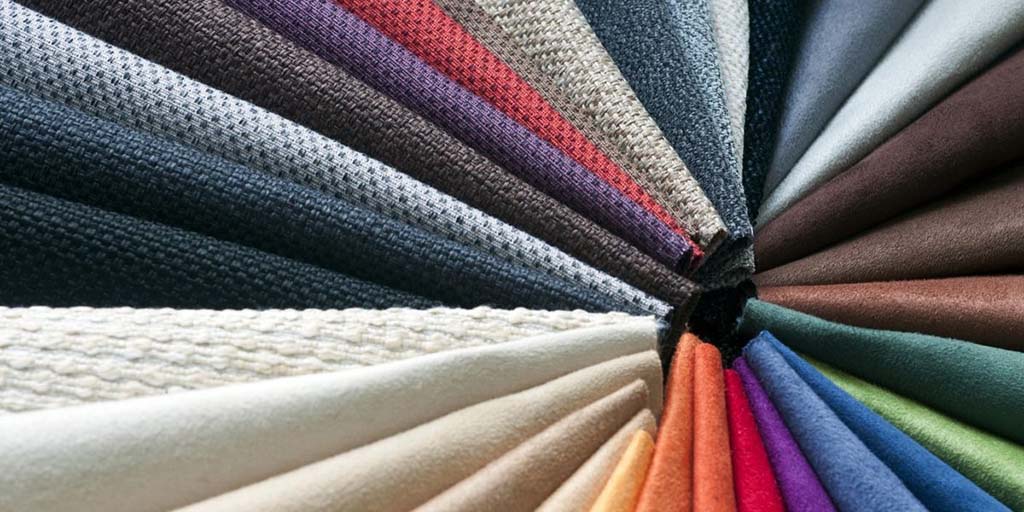
Choosing short plush is not only a technical decision. It is also a sourcing decision. The ideal fabric must match your design, budget, MOQ, testing plan, and logistics schedule.
When I help buyers choose, we usually look at the decision in layers:
- Design and feel – Does the fabric match the character style and target age?
- Cost and MOQ – Is the price and minimum order quantity acceptable for the project size?
- Color and printing options – Can the supplier dye or print your brand colors and patterns accurately?
- Compliance and certificates – Is the fabric already used for EN71/ASTM toys or has OEKO-TEX / similar certification?
- Supplier reliability – Can the mill deliver on time with consistent shades and quality?
Many issues in plush projects come from fabric changes: one batch is softer, another batch is slightly different in color, or a new lot pills more easily. To reduce risk, it is best to lock in a “stable base” for your core products, with clear standards and supplier agreements.
| Sourcing Factor | Questions to Ask or Check | Why It Matters for Your Brand |
|---|---|---|
| Handfeel & appearance | Does this match my brand’s softness level and look? | Influences customer satisfaction and brand image |
| Price & MOQ | Can I accept the price per meter and minimum yardage? | Affects margin and feasibility for smaller runs |
| Color options & repeatability | Can they match my Pantone and keep shade consistent? | Avoids mismatch between different batches and reorders |
| Compliance & safety | Has this fabric been used in tested toys? Any certificates? | Reduces testing time and safety risks |
| Lead time & capacity | How long from order to delivery? Seasonal risk? | Important for launch timelines and replenishment |
| Supplier stability | How long has the mill run? Reference clients? | Lower risk of last-minute supply problems |
Whenever possible, try to base key product lines on fabrics that are already “proven” in the toy industry, with a history of passing tests. For special collections, you can explore more unique or experimental short plush types, but plan extra time for approvals.
How do sustainability and innovation trends shape short plush development?
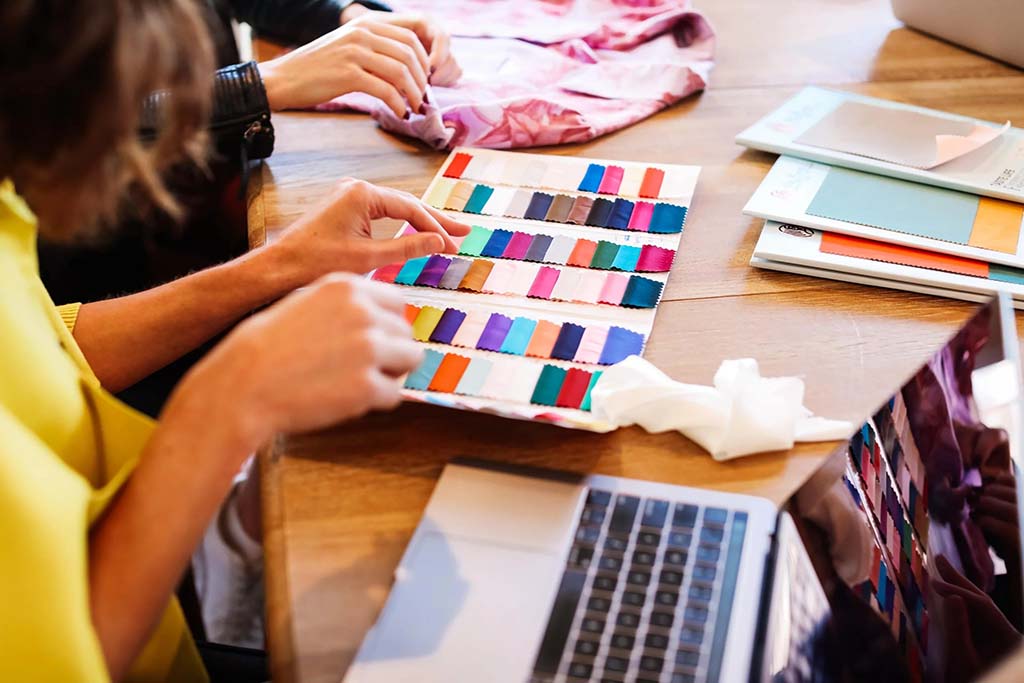
Short plush fabrics are also entering a new phase: more focus on sustainability, innovation, and unique textures that stand out in a crowded market. Many of my international clients now ask not only “Is it soft?” but also “Is it eco-friendly?” and “Is this material future-proof for our brand story?”.
Key trends we see include:
- Recycled polyester (rPET) – Short plush made from recycled bottles or production waste, often supported by certifications like GRS (Global Recycled Standard).
- Dope-dyed yarns – Color is added during fiber production, reducing water use and improving colorfastness.
- Bio-based fibers – Partial replacement of petro-based polyester with bio components, still at an early stage in many mills.
- Digital printing & laser embossing – More precise patterns and textures with less waste compared to traditional rotary printing.
- Functional finishes – Antibacterial, anti-odor, or easy-care finishes to support specific markets (for example, baby products, travel pillows).
Sustainability is not only about the fiber. It also includes safe dyes and chemicals, production energy, water-saving processes, and long product life. For plush toys, long-lasting short plush is in itself a sustainable choice, because the toy stays in use and out of landfill longer.
| Trend / Innovation | What It Means for Short Plush Fabrics | Opportunities for Brands | Points to Confirm with Supplier |
|---|---|---|---|
| Recycled polyester (rPET) | Fabric made from recycled raw material | Strong sustainability story, supports ESG goals | Ask for GRS or similar certification, test performance |
| Dope-dyed yarns | Color added at fiber stage, not in wet dyeing | Lower water use, better colorfastness, stable shades | Confirm color range and MOQ limitations |
| Bio-based or blended fibers | Partially non-petroleum content | Differentiated marketing message, future-oriented | Check durability and test compatibility |
| Digital printing & laser embossing | Precise visuals and textures with less waste | Unique designs, small-batch flexibility | Confirm print fastness and detail on short pile |
| Functional finishes | Anti-bacterial, anti-odor, easy-clean | Extra value for baby, pet, or travel plush products | Ensure finishes are safe for children and tested |
If sustainability is part of your brand, it can be very powerful to highlight “recycled short plush” or “tested safe, eco-friendly short plush” in your marketing – but only if you have real certificates and test reports behind the claim.
Conclusion
A good short plush fabric is soft, stable, safe, and visually consistent, while also supporting your brand’s design, budget, and sustainability goals. At Kinwin, we help global buyers evaluate different short plush options, run samples, and turn the best fabrics into finished plush toys that meet EN71, ASTM, and other international standards. If you are planning a new plush collection or want to upgrade your current materials, you are welcome to contact me at [email protected] or visit kinwintoys.com so we can explore the most suitable short plush fabrics for your project.