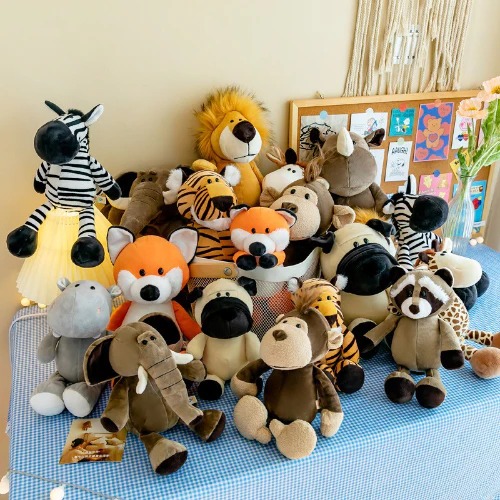
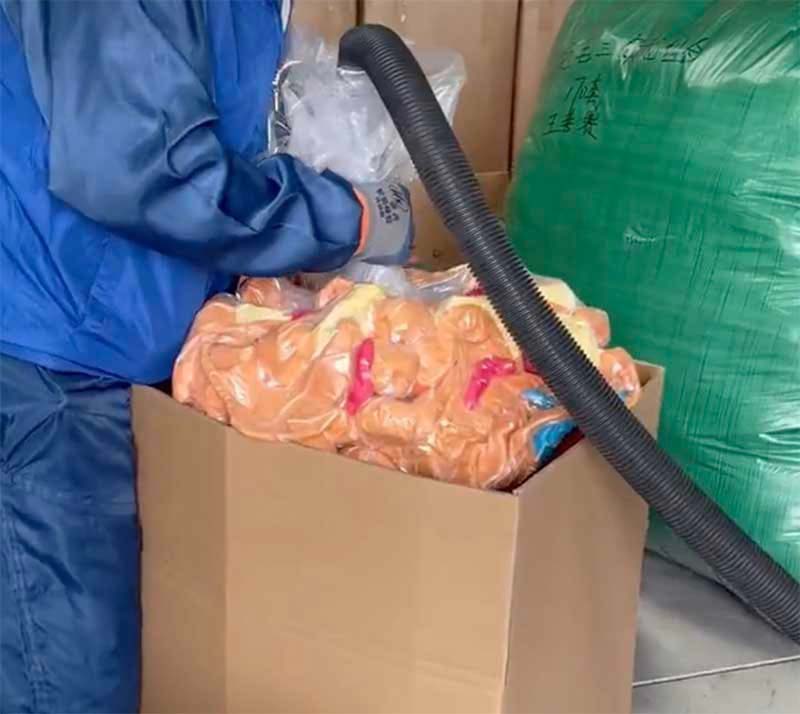
A plush toy tech pack is the blueprint that guides your manufacturer from concept to production. It defines your design, materials, construction methods, compliance requirements, and packaging expectations with absolute clarity. Without a complete and accurate tech pack, even experienced factories may misinterpret details—leading to delays, rework, flawed samples, and cost overruns.
This guide explains exactly what procurement managers, brand owners, and designers must include in a plush toy tech pack to ensure accuracy, efficiency, and consistent quality during both sampling and mass production.
What Core Design Elements Must Be Clearly Defined in a Plush Toy Tech Pack?
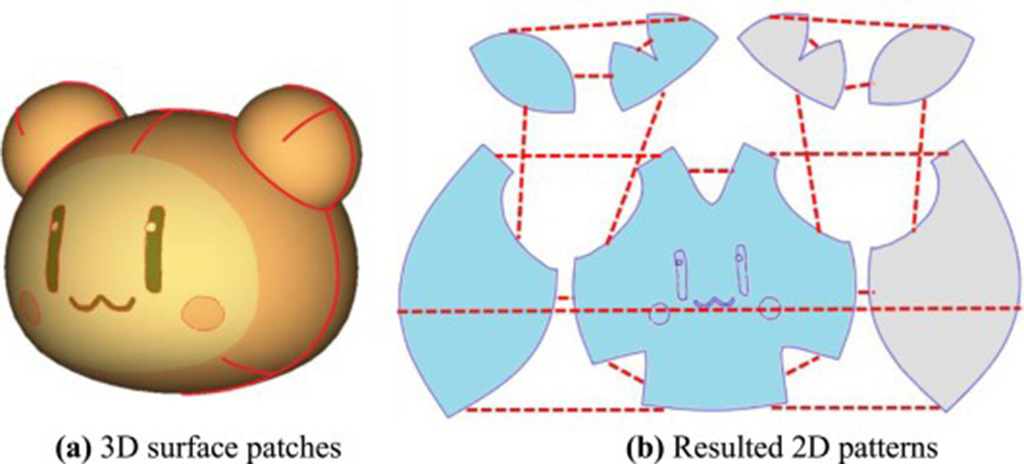
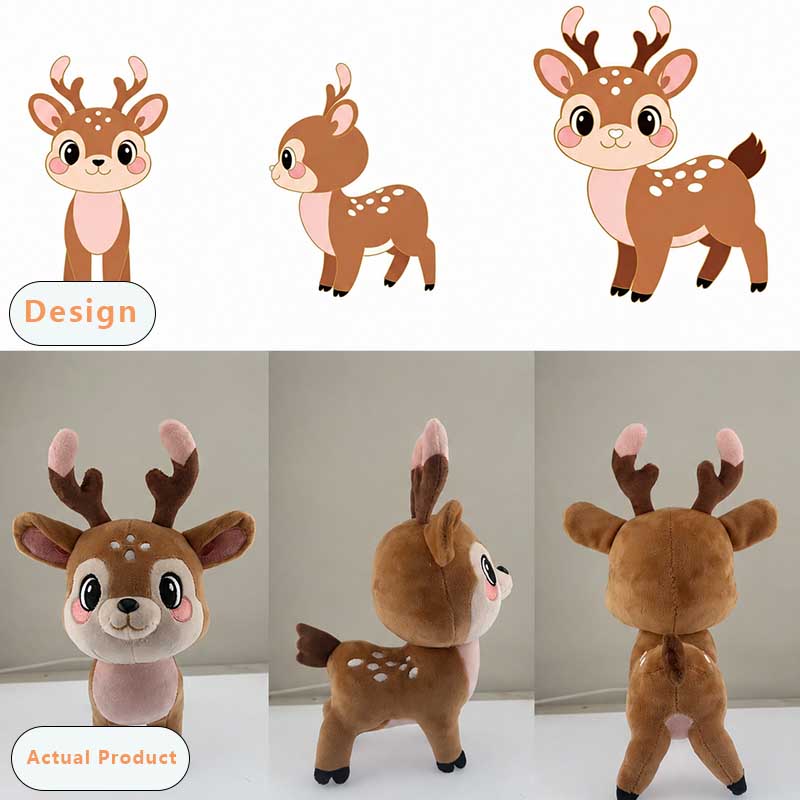
The foundation of an effective plush toy tech pack is a crystal-clear definition of the toy’s design. Every visual, structural, and proportional detail must be documented so factory pattern makers can convert the design into a 3D product without guesswork. This includes orthographic drawings, 3D renders, line art, reference poses, and proportion notes. The more visual clarity the factory receives, the fewer revisions and misunderstandings occur.
A complete design section should include front, side, and back views with precise measurements of key elements such as head width, leg length, ear size, tail placement, and body circumference. Annotations should indicate symmetry, seam placement, stuffing density zones, and shape intention (e.g., “chubby,” “flat belly,” “oversized head”). High-resolution reference images can help the manufacturer align aesthetic style—whether the design is cartoonish, realistic, kawaii, or stylized.
Design notes should also explain intended character personality, expression, and emotional tone. This allows embroidery artists and pattern makers to capture subtle traits such as eye spacing, mouth curvature, or body posture.
| Core Design Element | Purpose | Factory Benefit |
|---|---|---|
| 3-View Drawings | Show full proportions and structure | Accurate pattern drafting |
| Measurements | Define size of every component | Prevents deformation |
| Expression Notes | Explain character mood | Correct embroidery placement |
| Style References | Align design intention | Ensures consistent interpretation |
| Shape Annotations | Describe roundness/softness | Guides stuffing and seam work |
The design section is the anchor of the entire tech pack. A detailed visual foundation reduces sampling cycles and improves production accuracy.
How Should Material Specifications and Fabric Mapping Be Presented for Accuracy?
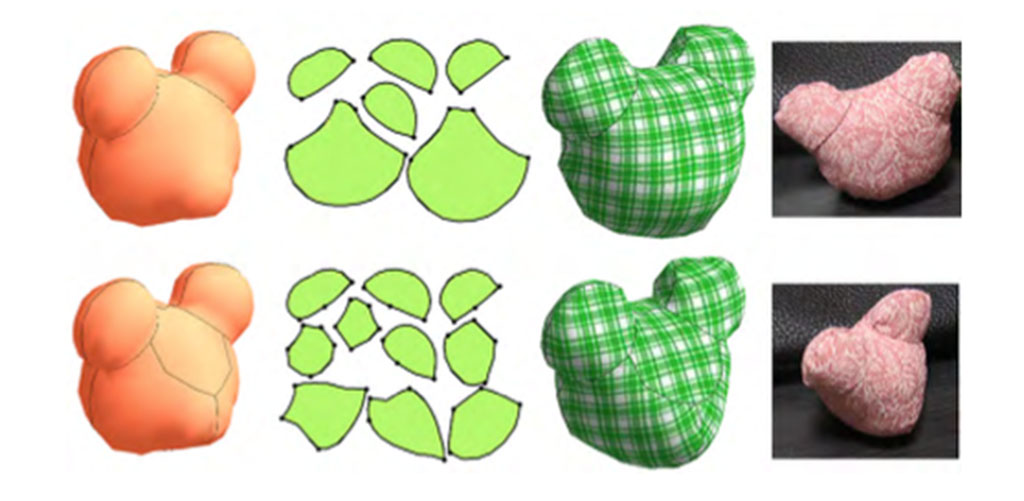
Material selection heavily influences softness, durability, cost, and aesthetic appeal. Plush toys can incorporate multiple fabrics—minky, velboa, faux fur, sherpa, canvas, felt, organza—and each fabric must be mapped to corresponding body parts. Factories rely on a clear “fabric map” to avoid incorrect substitutions or mismatched textures.
An effective material specification sheet should include fiber type, pile height, GSM (grams per square meter), stretch level, finish (matte or shiny), and supplier preference if applicable. If the project requires eco-friendly materials—RPET plush, recycled PP cotton, organic cotton—the tech pack must specify certification requirements such as GRS or OEKO-TEX.
Fabric mapping diagrams should highlight each body zone with labeled color-coded sections. For example, “ears inside: short-pile minky, 1.5mm pile; body: velboa, 2mm pile; tail: faux fur, 12mm pile.” Fillings must also be defined—PP cotton, memory foam pieces, microbeads, or weighted components.
| Material Type | Specification Needed | Application |
|---|---|---|
| Fabric | Pile height, GSM, composition | Toy exterior |
| Filling | Fiber type, density | Shape & softness |
| Accessories | Buttons, ribbons, eyes | Decoration |
| Eco Materials | Certification required | Sustainability |
| Hard Components | Zippers, buckles | Functional parts |
Precise material details ensure that the prototype’s tactile feel and final production quality match the designer’s expectations.
What Construction Details and Sewing Requirements Should Be Documented?
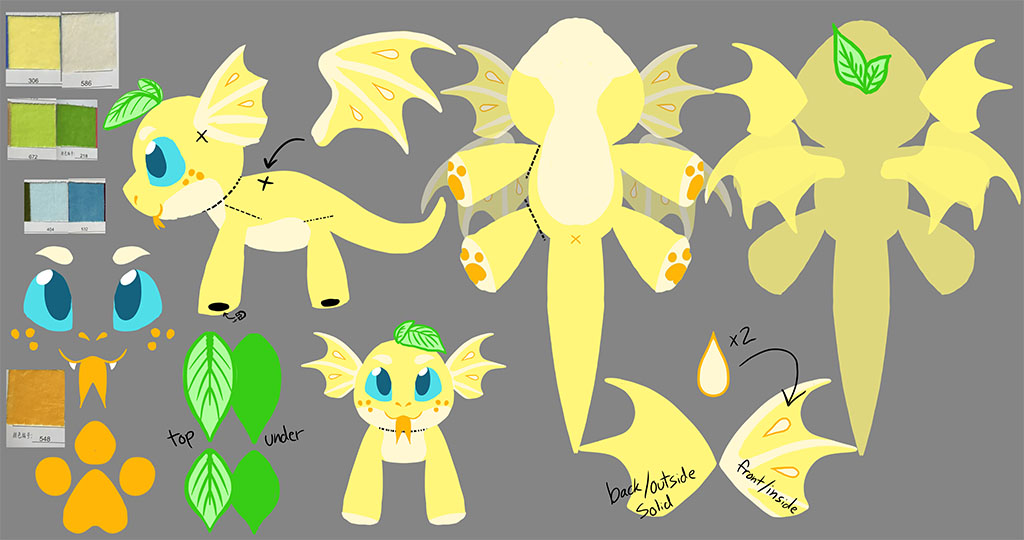
The construction stage determines how well the plush toy holds its shape, withstands tension, and maintains structural integrity. Construction notes guide the factory on seam type, seam allowance, reinforcement points, stuffing techniques, edge finishing, and special features like appliqués or pockets.
Stitching methods—lockstitch, overlock, zigzag, blind stitch—must be clearly marked per component. Reinforced stitching should be specified for stress areas like limbs, neck, tail, and joints. If the plush includes parts that require hand stitching, such as facial embroidery or closing openings, the tech pack must identify those sequences and define stitch length and spacing.
Internal structure must be documented too. This includes templates for foam inserts, wire frames (if allowed), safety cages for beads, or weighted pads. For toys with electronics (sound modules, LEDs), the tech pack must specify internal compartments, velcro access, and wiring channels.
| Construction Detail | Description | Notes for Factory |
|---|---|---|
| Seam Type | Overlock, lockstitch, etc. | Ensure durability |
| Seam Allowance | 3–5mm typical | Prevent distortion |
| Reinforcement Points | Limbs, neck, joints | Avoid tearing |
| Hand-Stitching Zones | Face, closing seams | Maintain aesthetics |
| Internal Structure | Foam, bead bags | Shape retention |
The clearer the construction documentation, the fewer structural or proportion errors during sampling and mass production.
How Do Color Standards, Pantone Codes, and Artwork Files Ensure Consistency?
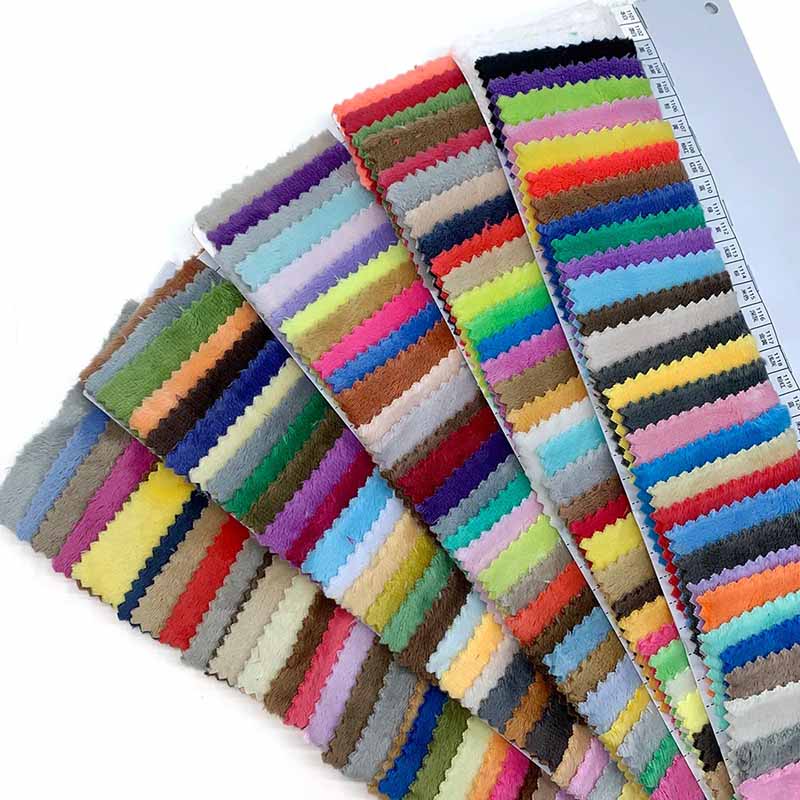
Color accuracy is critical for branding, character identity, and licensed plush production. Small mismatches can lead to consumer dissatisfaction or licensing violations. Tech packs must include Pantone TPX, TCX, or coated/uncoated codes depending on fabric type.
For printed elements—eyes, logos, clothing patterns—the factory needs vector artwork (AI, EPS, SVG) and high-resolution raster references (PNG/TIF). Embroidery files should be digitized in DST or EMB format, with specifications for thread thickness, stitch count, fill density, and thread colors.
Accessories like labels, hangtags, and packaging must also include color standards. If special finishes such as metallic thread, gradient printing, or sublimation are required, documentation must explain the limitations and acceptable tolerances.
| Color Component | Required Standard | Purpose |
|---|---|---|
| Fabric Color | Pantone TPX/TCX | Prevent mismatched shades |
| Embroidery | Thread chart + stitch file | Accurate facial features |
| Printing | CMYK/spot color values | Sharp, consistent artwork |
| Packaging | Color mockups | Brand consistency |
| Hangtags | Vector files | Crisp reproduction |
Clear, detailed color documentation protects brand identity and ensures consistency across every production batch.
What Safety, Testing, and Compliance Requirements Need to Be Included Upfront?
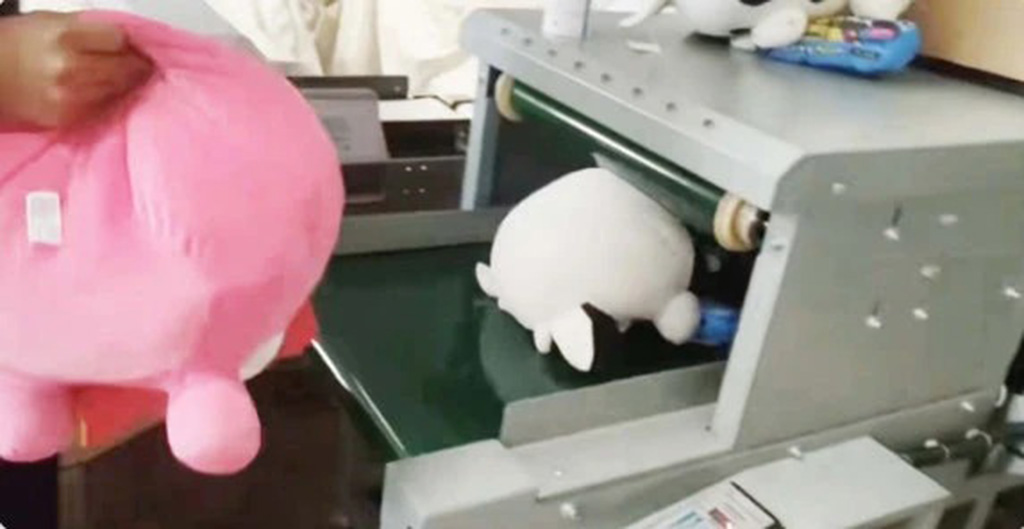
Plush toys must comply with strict global safety regulations—ASTM F963, CPSIA, EN71, ISO 8124, and regional standards. To avoid sampling delays, factory misinterpretations, or customs issues, the tech pack must define all compliance requirements at the beginning.
The compliance section needs to include:
- Applicable regulations by target market
- Needle detection requirements
- Requirements for child-safe eyes, noses, and accessories
- Chemical limits (phthalates, heavy metals, azo dyes)
- Choking hazard restrictions
- Stuffing material documentation
- Flammability requirements
Factories also need documentation on age grading, toy labeling laws, and final testing procedures. Brands targeting toddlers must include reinforced stitching and securely attached components. Toys for infants require saliva-resistant materials and stricter toxin testing.
| Compliance Area | Relevant Test | Purpose |
|---|---|---|
| Mechanical Safety | EN71-1, ASTM drop tests | Prevent breakage |
| Chemical Safety | Phthalates, heavy metals | Protect children |
| Flammability | EN71-2 | Prevent fire risk |
| Small Parts | Tension & torque tests | Avoid choking |
| Labeling | CPSIA tracking labels | Legal market entry |
Clear compliance requirements ensure the toy is safe, test-ready, and legally marketable.
How Can Packaging, Labeling, and Accessory Details Streamline Production and QC?
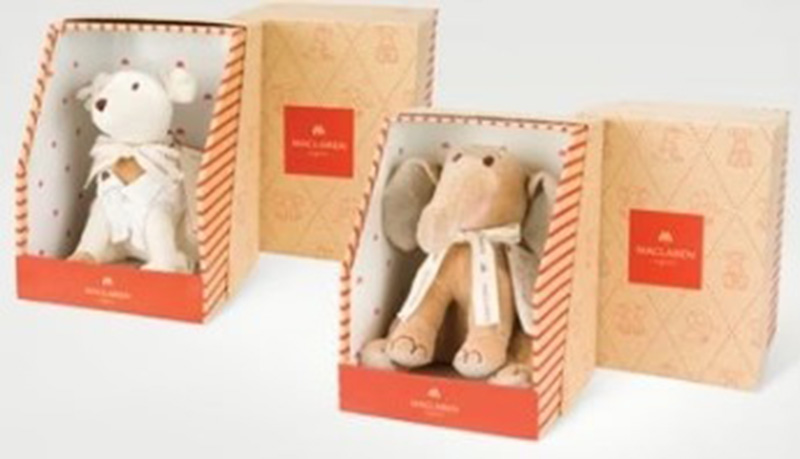
Packaging plays an enormous role in logistics efficiency, brand presentation, and product protection. Without clear packaging instructions, factories may use inconsistent carton sizes, insufficient protection, or incorrect labeling—all of which cause delays or compliance issues.
The tech pack should include:
- Polybag type and thickness
- Warning labels
- Hangtag placement and attachment method
- Belly bands, ribbons, boxes, or display packaging
- Carton size, weight limits, and stacking requirements
- Barcodes, tracking labels, and SKU placement
- Packaging compliance (CPSIA, Amazon requirements, retail guidelines)
Proper packaging documentation helps factories pack products efficiently and reduces transit damage, storage inefficiencies, and shipping costs.
| Packaging Element | Specification | Factory Impact |
|---|---|---|
| Polybag Specs | Thickness, size, vent holes | Prevent suffocation hazards |
| Hangtags | Position, attachment length | Consistent branding |
| Carton Specs | Strength, size, max weight | Smooth logistics |
| Barcodes | Placement, size | Retail readiness |
| Inserts | Instructions, cards | Customer experience |
Strong packaging details accelerate QC checks and guarantee that every unit arriving at retail is consistent and compliant.
Conclusion
A complete plush toy tech pack ensures efficient sampling, accurate production, and reliable quality across every batch. By clearly defining design elements, materials, construction methods, color standards, compliance requirements, and packaging needs, brands minimize risk and maximize manufacturing accuracy.
Factories like Kinwin help global buyers interpret and refine their tech packs to ensure precise execution from prototype to shipment—supporting smooth manufacturing, cost control, and consistent quality.
📧 Contact: [email protected]
🌐 Visit: https://kinwintoys.com