Skip to content
Plush soft toys are among the most beloved items for children and collectors worldwide. Known for their soft textures, comforting feel, and creative designs, they combine fun and safety in one product. Understanding what defines a plush soft toy, its materials, construction, and market trends is essential for global buyers, retailers, and toy brands.
At Kinwin, we help clients navigate plush toy sourcing, from identifying quality materials to selecting certified manufacturers. By providing insights into design, safety, and innovation, this guide ensures buyers make informed decisions and source toys that meet both consumer expectations and international compliance standards.
What defines a plush soft toy in the toy industry?
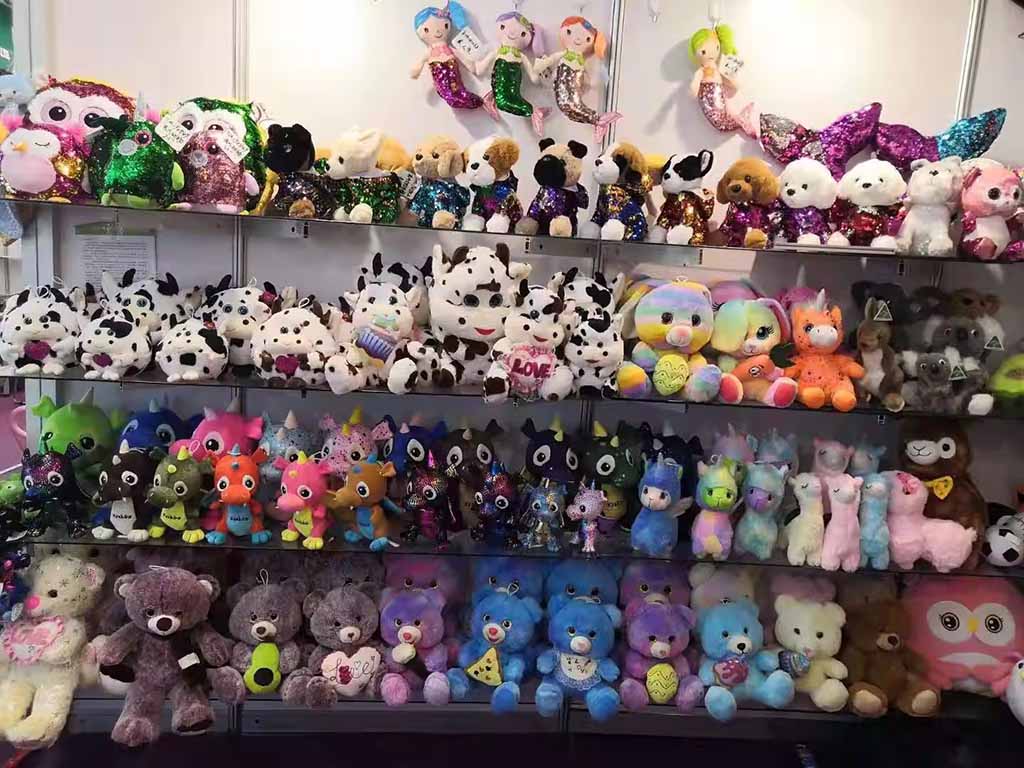
A plush soft toy is defined by its soft fabric covering, a stuffed body, and design intended to engage children through touch, play, or comfort. Unlike other toys, plush toys emphasize huggability, aesthetic appeal, and safe interaction for all age groups. The industry differentiates plush toys from dolls, action figures, or hard toys based on material softness, stuffing type, and tactile quality.
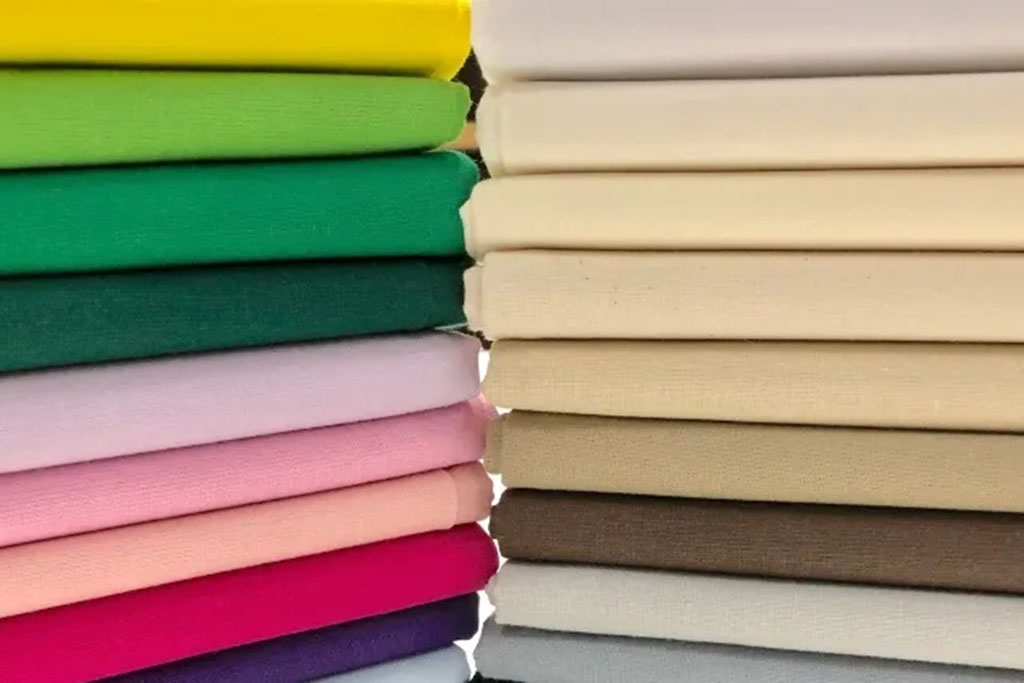
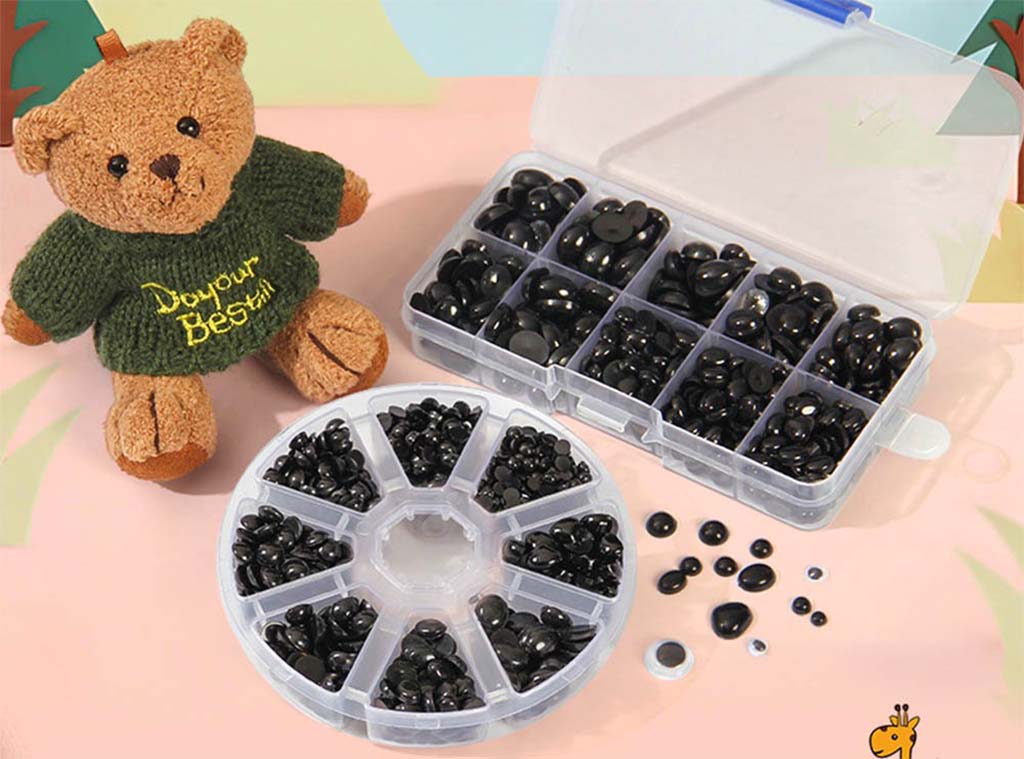
Key characteristics include the fabric type (velboa, minky, fleece), stuffing material (polyester fiberfill, cotton, wool, pellets), and safety design features such as securely attached eyes and embroidered features. Age-appropriate labeling and regulatory compliance are also critical in defining a product as a plush soft toy.
| Feature | Description | Importance |
|---|---|---|
| Outer Fabric | Soft textiles such as minky, velboa, fleece | Comfort, tactile experience |
| Filling | Polyester fiberfill, cotton, or wool | Shape retention, softness, safety |
| Safety Elements | Embroidered eyes, stitched seams | Prevent choking hazards |
| Function | Comfort, play, collectible | Determines target market and use |
By clearly defining these attributes, buyers can evaluate suppliers effectively, ensuring toys meet international standards while appealing to children’s preferences.
How do materials and construction techniques determine plush quality?
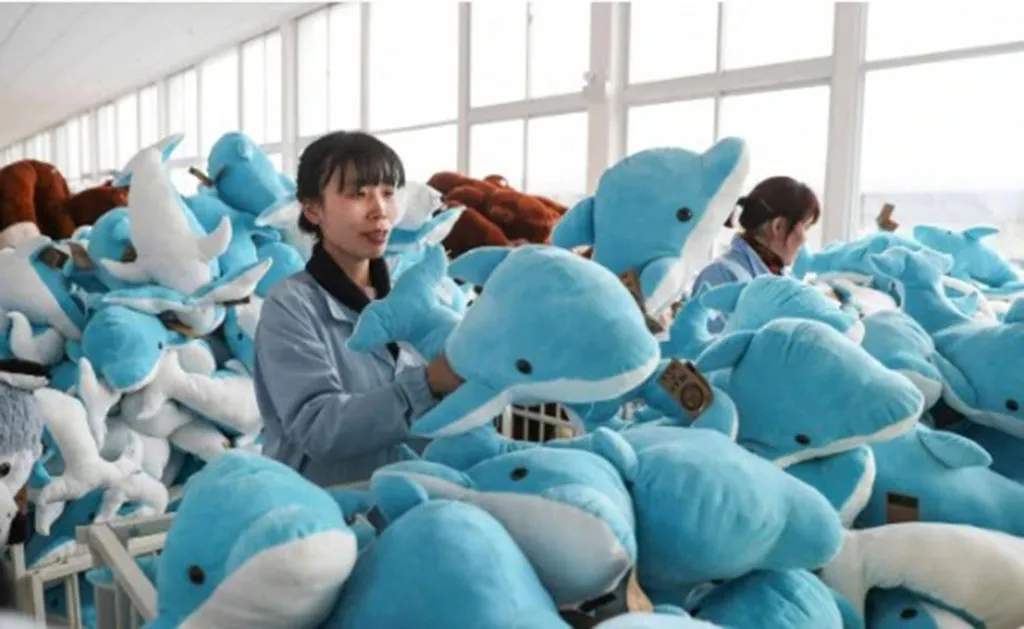
Materials and construction are the backbone of plush toy quality. Fabrics like velboa, minky, and fleece provide different levels of softness, durability, and stretch. High-quality fiberfill ensures the toy maintains shape while remaining lightweight and huggable. Construction techniques, including double stitching, secure seam finishing, and quality stuffing distribution, prevent deformation and extend product life.
Advanced factories often layer filling to create a firmer core for support and a softer outer layer for touch. Some use anti-static or hypoallergenic treatments to enhance safety. Poor construction or low-grade materials lead to uneven shapes, fabric pilling, and potential safety risks, especially for young children.
| Material / Technique | Effect on Quality | Recommended Use |
|---|---|---|
| Velboa Fabric | Soft, short pile, durable | Standard plush toys |
| Minky Fabric | Ultra-soft, tactile | Baby plush, premium items |
| Polyester Fiberfill | Lightweight, resilient | Most general-purpose toys |
| Double Stitching | Reinforces seams | Long-lasting toys |
| Layered Filling | Combines firmness & softness | Huggable & structured designs |
Understanding these factors helps buyers select products that balance aesthetics, durability, and safety, enhancing customer satisfaction.
Which design features make plush toys safe and appealing for children?
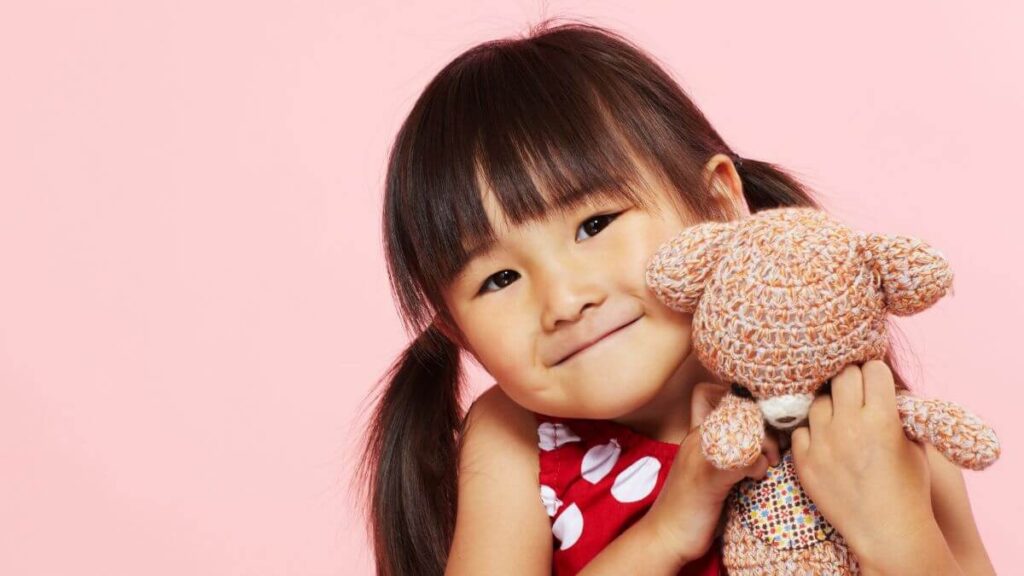
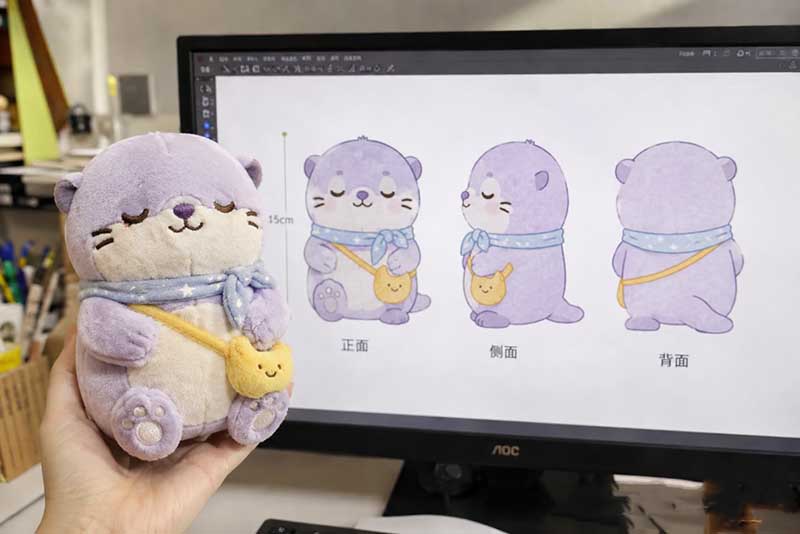
Safety and appeal are intertwined in plush toy design. Features such as embroidered eyes, soft textures, rounded edges, and reinforced seams ensure children can play safely. Colorful patterns, textures, and interactive elements enhance engagement, encouraging tactile learning and imaginative play.
Manufacturers incorporate design elements like removable accessories for older children, sensory textures for infants, and weighted bottoms for stability. Age grading, labeling, and compliance with CE or ASTM standards are essential.
| Design Feature | Safety / Appeal | Target Age Group |
|---|---|---|
| Embroidered Features | Prevent choking hazards | 0–3 years |
| Soft Textures | Comfort and huggability | All ages |
| Rounded Edges | Avoid injuries | 0–6 years |
| Sensory Elements | Touch & tactile development | Infants & toddlers |
| Weighted Base | Stable posture for play | 3+ years |
By combining safety and playful design, buyers can source plush toys that satisfy both regulatory requirements and market demand.
How are plush toys classified by size, style, and function?
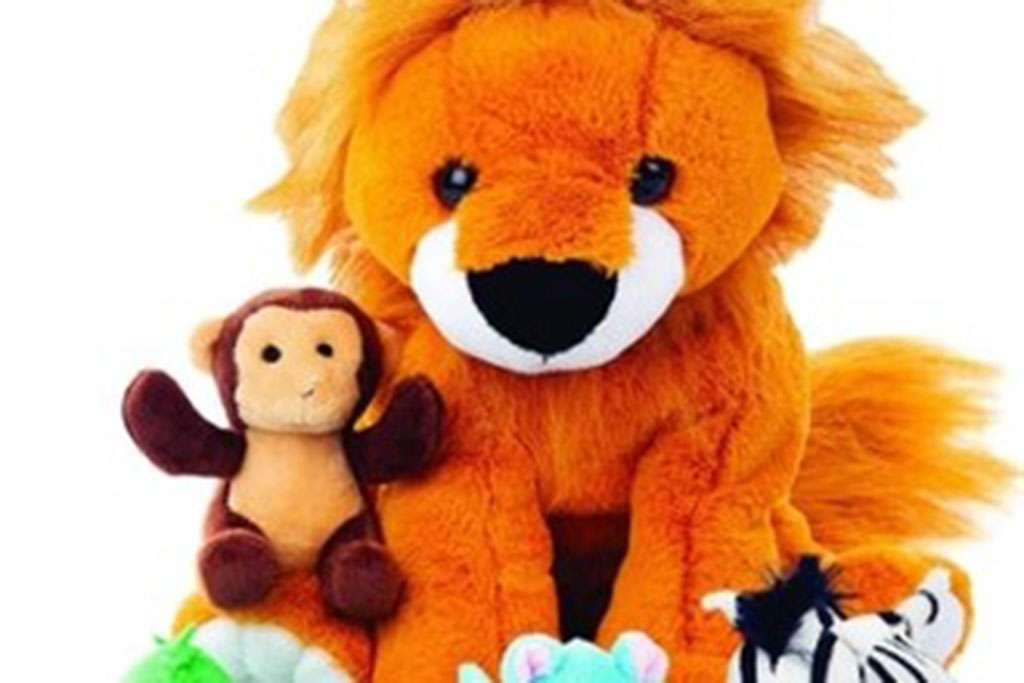
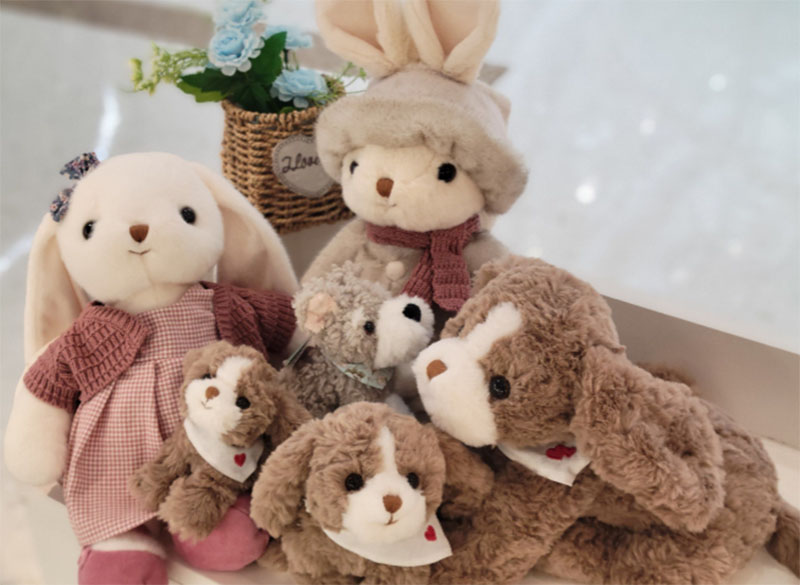
Plush toys vary widely in size, from mini keychain plushies to life-size stuffed animals. Styles range from realistic animals to fantasy characters, while function can include comfort, education, or collectible purposes. Understanding these classifications allows buyers to target specific market segments and price points.
| Classification | Example | Purpose |
|---|---|---|
| Size | Mini (<20cm), Standard (20–50cm), Large (>50cm) | Portability, display, comfort |
| Style | Realistic, Cartoon, Fantasy | Visual appeal, storytelling |
| Function | Comfort, Play, Collectible, Promotional | Market segmentation and marketing focus |
By knowing these categories, buyers can align product selection with retail strategy and consumer preferences.
What manufacturing standards ensure durability and safety compliance?

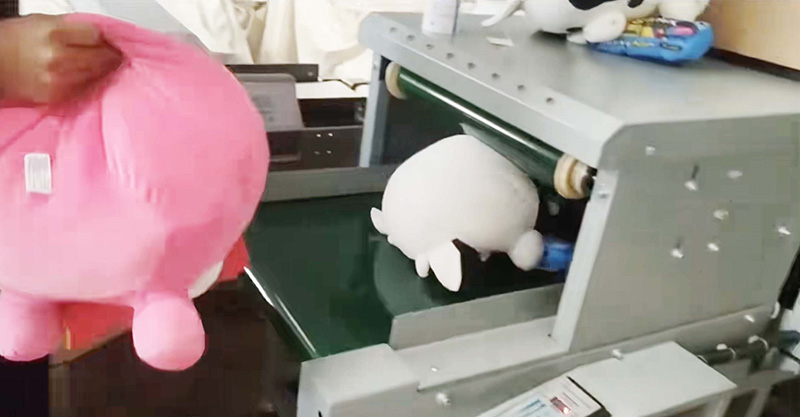
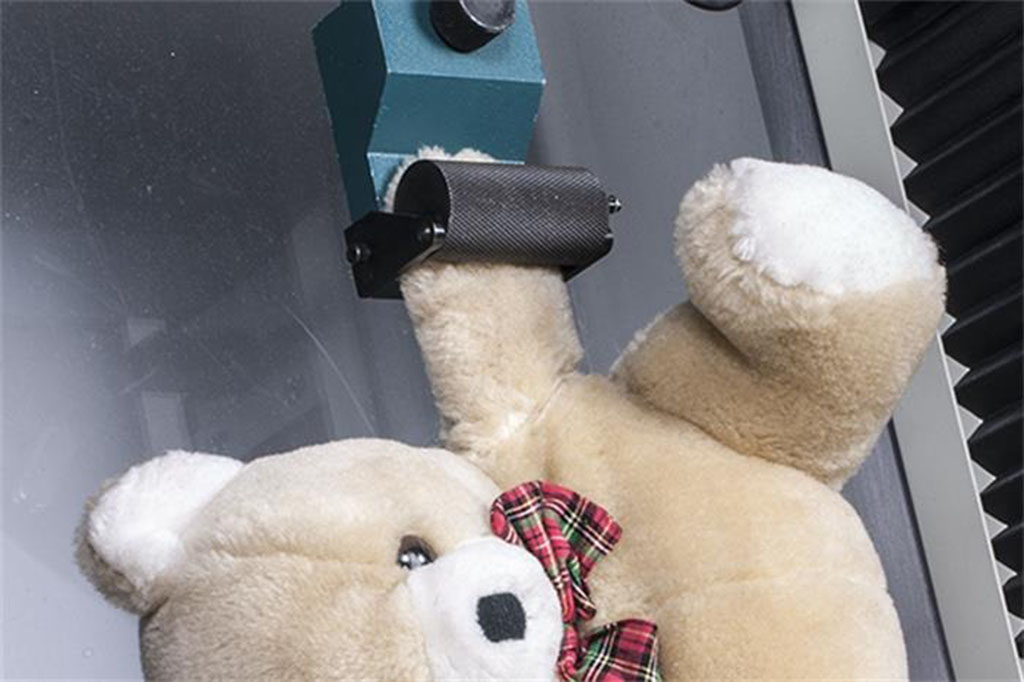
Durability and compliance are non-negotiable for plush toys. CE marking (Europe) and ASTM F963 (USA) indicate adherence to safety and quality standards. ISO certifications (ISO 9001, ISO 14001) demonstrate quality management and environmental responsibility. Factories implement double stitching, reinforced seams, and hypoallergenic materials to maintain durability.
| Standard | Region / Purpose | Key Requirements |
|---|---|---|
| CE | Europe | Mechanical, chemical, flammability, small parts safety |
| ASTM F963 | USA | Choking, toxicity, sharp edges |
| ISO 9001 | Global | Quality management systems |
| ISO 14001 | Global | Environmental management |
Evaluating suppliers based on these standards ensures products are safe, durable, and market-ready for global distribution.
How do market trends influence plush soft toy innovation and demand?
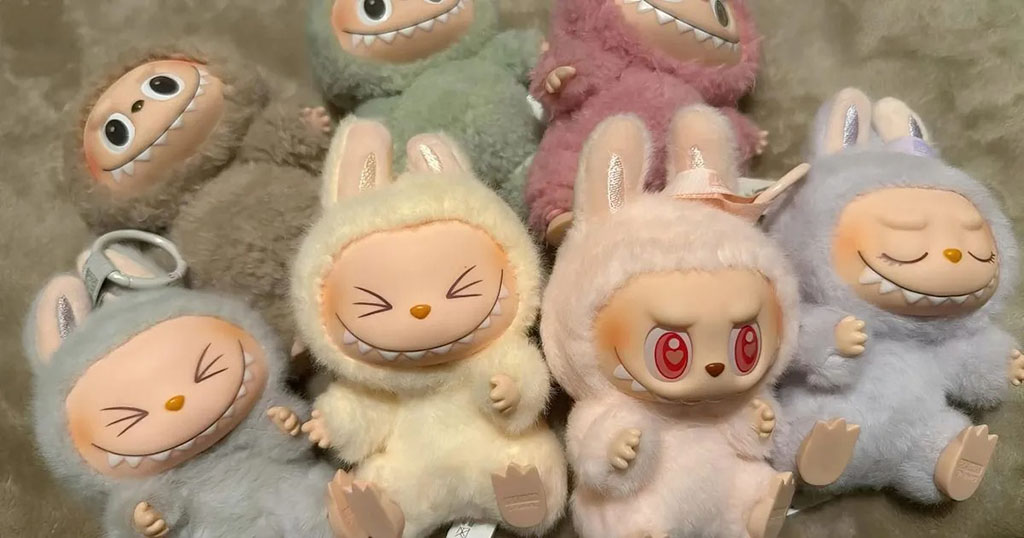
Market trends significantly impact design, material selection, and production priorities. Eco-friendly materials, interactive sensory features, licensed character designs, and collectible series are increasingly popular. Seasonal trends, social media influence, and retail demands drive innovation in textures, sizes, and product lines.
| Trend | Effect on Product Development | Buyer Consideration |
|---|---|---|
| Eco-friendly materials | Sustainable production, appeals to conscious consumers | Source certified recycled fabrics or natural fibers |
| Character licensing | Drives higher retail demand | Negotiate IP and licensing rights |
| Sensory & interactive features | Enhances play and engagement | Age-appropriate, safe design |
| Collectible series | Encourages repeat purchases | Ensure consistent quality and design fidelity |
By staying ahead of trends, buyers can source products that resonate with consumers, maintain competitiveness, and capture emerging market opportunities.
Conclusion
A high-quality plush soft toy is safe, soft, durable, and appealing while supporting brand differentiation and market growth. At Kinwin, we help global buyers source and develop customized plush solutions that meet CE & ASTM safety standards and stand out in competitive markets. Contact us at [email protected] or visit kinwintoys.com to discuss your next project and explore how our factory can support your success.