Skip to content
For factories, a plush toy is not just “a cute soft thing.” It is a product with clear definitions, specific materials, age grading, safety rules, and design logic. When you understand this structure, it becomes much easier to brief suppliers, compare quotes, avoid quality problems, and build a long-term plush line that your customers love.
In this guide, I’ll explain what a plush toy is from a manufacturer’s point of view—how it differs from “stuffed animals” and “soft toys,” what gives it its softness, how we keep it safe, and how design and technology are changing the industry. I will use simple English and practical tables so you can apply this knowledge directly in your own business.
What defines a plush toy in modern manufacturing?
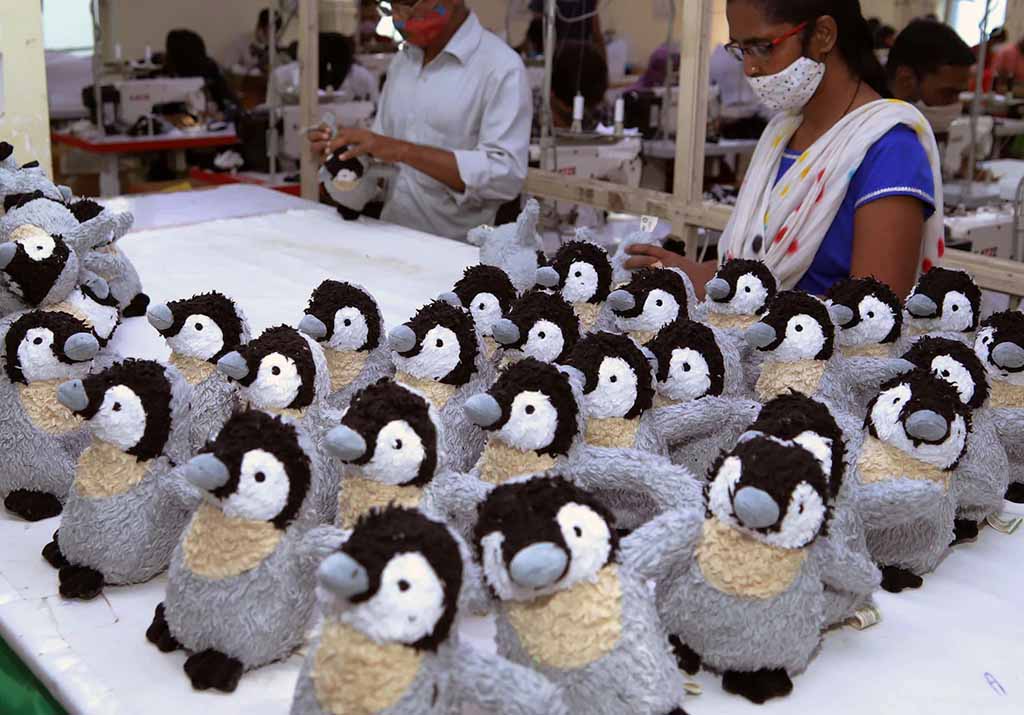
In modern manufacturing, a plush toy is a soft three-dimensional toy made with a pile fabric (furry or fuzzy surface) on the outside and stuffing inside. It can be an animal, character, pillow, mascot, food shape, or any other form—but the key idea is the plush fabric plus soft filling combination.
From a factory view, a plush toy is defined by several technical points:
- Outer surface made from plush fabric
The outer material is usually a knitted pile fabric like minky, velboa, short plush, long plush, or faux fur. This pile gives the toy its fuzzy look and soft touch. - Soft, resilient stuffing
Inside, we use materials like polyester fiberfill (PP cotton), recycled fiber, or other fillings to create volume and a pleasant hug feel. - Three-dimensional pattern
Pattern makers turn 2D templates into a 3D shape. Even simple plush has a structured pattern so it looks balanced from all angles. - Toy-grade construction
Seams, trims, and accessories must follow toy safety standards, not just general textile rules. This affects how we sew, how we lock eyes and noses, and how we apply embroidery. - Purpose: play, comfort, décor, or branding
Plush toys can be designed for children, collectors, décor, or promotional use—but they always deliver a soft, approachable, emotional experience.
If a product is soft but made from a flat woven fabric without pile, we may still call it a “soft toy,” but in strict terms it is not a true plush. Likewise, a vinyl figure with a small felt patch is not a plush toy; the core identity must be the plush surface plus stuffing.
Key elements that define a plush toy
| Element | Description | Why it matters for you as a buyer |
|---|---|---|
| Outer plush fabric | Knitted pile fabrics like minky, velboa, short/long plush, faux fur | Controls touch, visual style, and price level |
| Inner stuffing | Polyester fiberfill, recycled fiber, sometimes pellets or foam | Controls hug feel, weight, and shape stability |
| 3D pattern & shaping | Multiple fabric pieces designed to form a volume | Makes the toy look balanced and “cute” from all angles |
| Toy-grade construction | Seams, trims, and accessories designed for child use | Reduces risk of breakage and safety issues in the market |
| Safety compliance | Built to pass EN 71, ASTM F963, CPSIA, etc. | Determines which retailers and countries can accept your product |
| Emotional function | Comfort, play, décor, or brand story carrier | Decides how you position and price the product |
When you send a brief to a factory and call something a “plush toy”, you are really asking for all of these elements to be handled correctly—material, pattern, stuffing, safety, and emotional value.
How do plush toys differ from stuffed animals and soft toys?
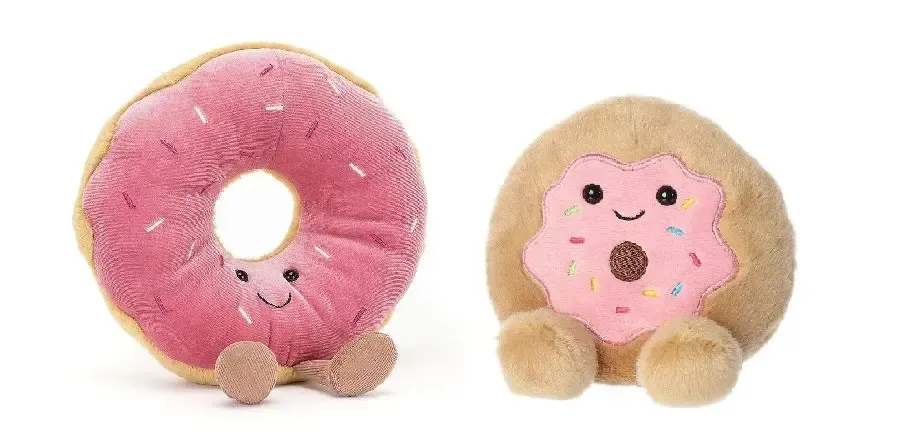
In daily speech, people mix the words “plush toy,” “stuffed animal,” and “soft toy”. In SEO and customer communication, you may also use them together. But in manufacturing and product planning, there are small but useful differences.
“Plush toy”
“Plush toy” refers to a soft product made from plush fabric with a fuzzy or velvety surface. The shape can be anything: animals, food, emojis, cushions, characters, or even abstract forms. In B2B communication, “plush toy” is often used when we talk about materials and production.
“Stuffed animal”
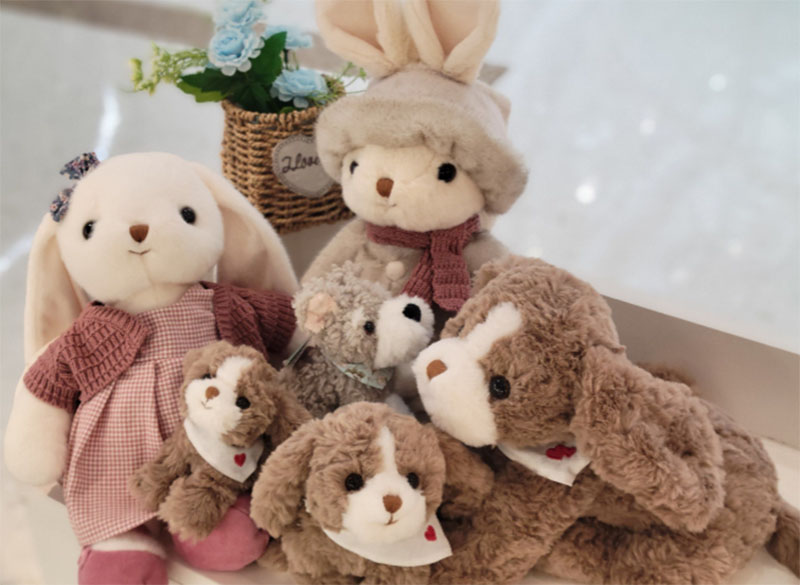
“Stuffed animal” usually describes animal-shaped plush: bears, dogs, cats, dinosaurs, rabbits, etc. In many English-speaking markets, parents and children search online for “stuffed animal” when they want animal companions. Almost all stuffed animals are plush toys, but not all plush toys are animals.
“Soft toy”
“Soft toy” is a broader category. It can include plush toys, fabric dolls, cloth books, fabric cubes, and even some baby rattles. Some soft toys use flat cotton fabrics or jersey instead of plush. Retailers and regulations (for example, European toy categories) like to use “soft toy” as a general group.
For SEO, you often need all three phrases. For manufacturing, it’s helpful to be clear with your factory:
- If you say “We need 10 new plush toys”, we expect fuzzy/pile surfaces.
- If you say “We need 10 stuffed animals for a zoo project”, we focus on animal shapes and species variety.
- If you say “We need soft toys for babies”, we think about broader shapes, flat comforters, and cloth books too.
Plush toy vs stuffed animal vs soft toy
| Term | Typical Meaning | Focus Shape | Surface Material | When to use it in business |
|---|---|---|---|---|
| Plush toy | Soft toy with plush/pile surface and stuffing | Any shape: animal, character, food, pillow, mascot | Plush fabrics (minky, velboa, short/long plush, faux fur) | When talking to factories, in B2B catalogs, in technical specs |
| Stuffed animal | Animal-shaped soft toy, usually plush | Bears, dogs, cats, dinosaurs, rabbits, etc. | Usually plush fabrics, sometimes mixed with other textile parts | In consumer-facing copy, zoo or pet-themed projects, children’s ranges |
| Soft toy | General category of soft toys | Plush toys, fabric dolls, cloth books, soft blocks | Plush or non-plush fabrics (cotton, jersey, terry) | In category naming, regulations, and broad product planning |
As a buyer, matching your wording to your target audience is powerful. You can call the same product a “plush toy” in your B2B briefing, a “stuffed animal” in your Amazon listing title, and a “soft toy” in your safety documents—and all three can be correct in their own contexts.
What materials and fillings give plush toys their signature softness?
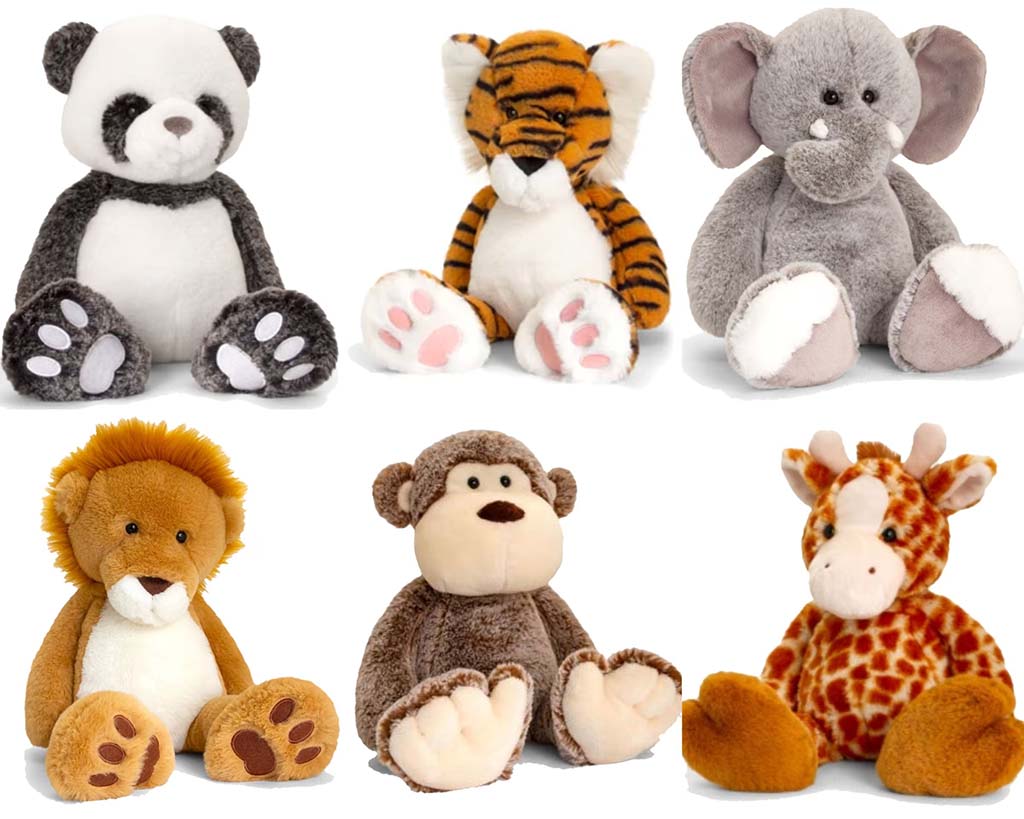
When you squeeze a plush toy and think “wow, this feels amazing,” you are actually feeling a combination of outer fabric + inner stuffing + pattern design. All three must work together to produce that signature softness.
Outer fabrics
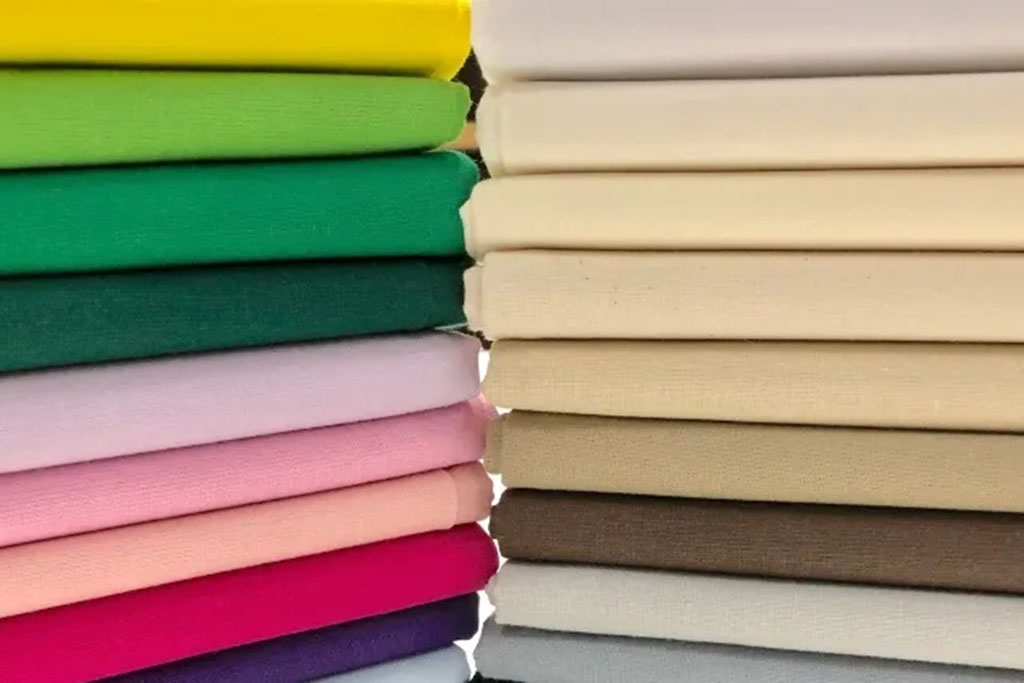
The most common plush fabrics are:
- Minky / micro-plush – very soft, silky, short pile; perfect for baby plush and premium feelings.
- Velboa – ultra-short, dense pile; great for faces and detailed designs where lines must be crisp.
- Short plush – medium-short pile, classic plush look; good balance of softness and durability.
- Long plush – long pile, very fluffy; used for fantasy creatures, “luxury” lines, and statement pieces.
- Faux fur – high pile, often multi-tone; used for realistic animals and high-end bears.
- Fleece and cotton knits – used as main bodies in some soft toys or as clothing and accents.
Each fabric brings a different emotional message. Minky says “baby-safe and cozy.” Faux fur says “rich and realistic.” Short plush is the traditional “teddy bear” feeling.
Inner stuffing
Inside the toy, we usually find:
- Polyester fiberfill (PP cotton) – the standard choice; light, bouncy, washable.
- Recycled polyester fiberfill (rPET) – similar feel, made from recycled plastic bottles.
- Pellets or beads – added in pouches for weight (in bases or for weighted plush).
- Foam pieces or cores – used in certain big mascots or shapes that must stand tall.
For classic plush toys, the main “hug feel” comes from matching soft outer plush with medium-density fiberfill. If density is too low, the toy feels empty. If too high, it feels stiff.
Pattern and construction
Softness is not only about the material. Pattern and sewing also matter:
- Curved pattern pieces create natural rounded forms that feel better in the arms.
- Correct seam placement prevents hard feeling ridges in hugging zones.
- Balanced stuffing by zones (head, body, limbs, base) keeps the toy comfortable and stable.
Core components of plush softness
| Component | Options | Influence on softness | What you can control as a buyer |
|---|---|---|---|
| Outer fabric | Minky, velboa, short plush, long plush, faux fur, fleece | First touch, skin comfort, lint level | Choose fabric type, pile length, and GSM for your brand feel |
| Stuffing material | Polyester fiberfill, rPET fiberfill, pellet pouches, foam | Hug feel, rebound, weight | Decide if you want ultra-soft, moderate, firm, or weighted feel |
| Stuffing density | Light, medium, firm; different by zone | Makes toy feel floppy, huggable, or structured | Request gram weight targets and “soft vs firm” direction |
| Pattern and seams | Rounded curves, seam positions, internal structure | Comfort when hugging; visual softness | Approve shape and silhouette during sampling; adjust proportions |
| Size of toy | Mini keychain vs big pillow | Bigger surfaces can feel softer; minis feel firmer if overstuffed | Decide on a size ladder and check softness for each size |
When you brief your factory, try to describe the feel you want in concrete terms: “soft and squishy like a pillow,” “firm enough to stand on a shelf,” or “very soft but with a stable base.” This helps us tune fabric and stuffing correctly.
How do safety and quality standards regulate plush toy production?
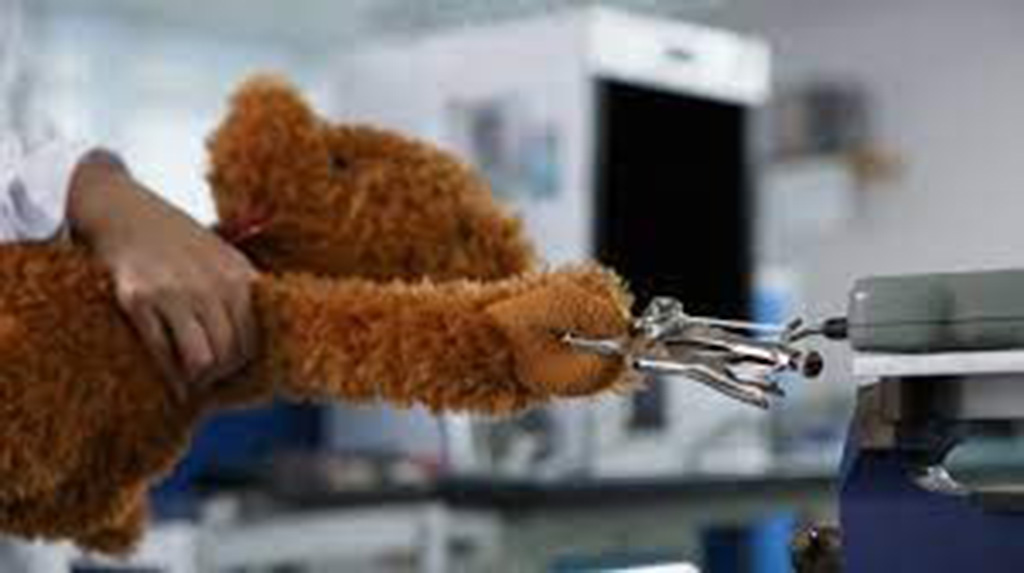
A plush toy must be cute. But if it is not safe and consistent, large retailers and many countries will not accept it. Safety and quality standards shape how we design, construct, and test plush toys from the very first sketch.
Global safety frameworks
The main safety standards for plush toys include:
- EN 71 (Europe)
- EN 71-1: mechanical and physical properties
- EN 71-2: flammability
- EN 71-3: migration of certain elements (heavy metals)
- ASTM F963 (USA) – toy safety specification, with tests for mechanical hazards, flammability, and some chemical aspects.
- CPSIA (USA) – defines limits for lead and certain phthalates in children’s products and requires tracking labels.
- Other local rules – such as UKCA, Canada’s regulations, and specific standards in Japan, Korea, and the Middle East.
These rules cover issues like seam strength, small parts, sharp edges, toxicity, and fire behavior. Even the fabric pile and dyes are tested so they do not shed dangerous fibers or release harmful substances.
Factory-level quality control
At the factory, we build safety into the process, not just into the lab tests. For example:
- We choose toy-grade fabrics and stuffing that already meet basic chemical requirements.
- We use safety eyes and noses with locking backs for older-age plush, and full embroidery for baby lines.
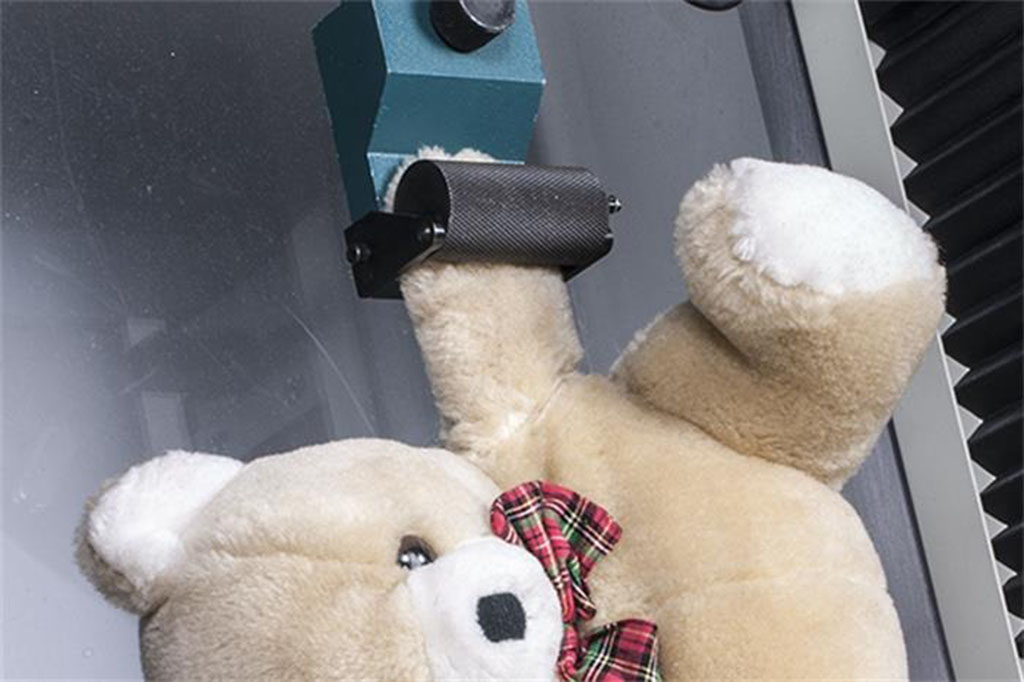
- We design seams and attachments to survive pull tests and everyday play.
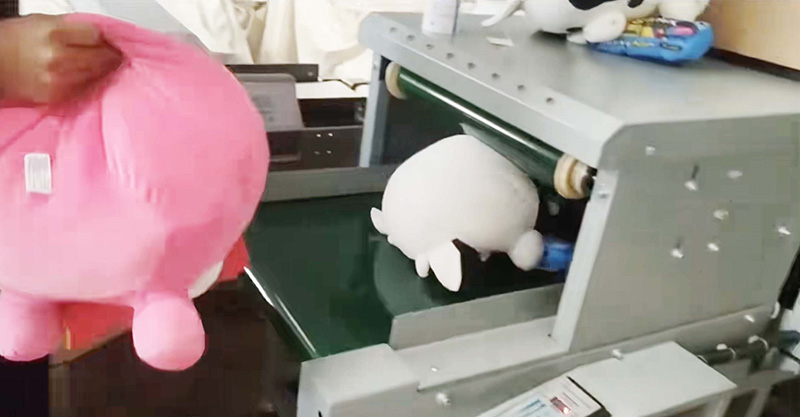
- We run all finished plush through a needle detector to make sure no broken needle fragments remain inside.
We also follow AQL (Acceptable Quality Limit) sampling for final inspections, checking appearance, seams, stuffing balance, labels, and packaging.
Lab testing
Finally, we send golden samples to accredited labs (like SGS, TÜV, Intertek). They test according to the target market’s standards. Once we pass, we freeze the materials and constructions used in that sample; any major change requires re-evaluation.
Safety and quality control for plush toys
| Stage | What is checked | Why it is important | What you should ask your factory |
|---|---|---|---|
| Design & material selection | Fabric type, stuffing, trims, age grading | Prevents many safety issues before they start | Ask how the factory chooses toy-grade materials |
| Incoming material inspection | Fabric defects, color, hand-feel, basic performance | Avoids bad materials entering production | Request material specs and photos of incoming checks |
| In-line QC | Seams, part placement, symmetry, open seams | Catches issues before stuffing and finishing | Ask for in-line photos or reports, not only final photos |
| Needle detection | Hidden metal fragments from broken needles | Essential for child safety and retailer acceptance | Confirm 100% of plush goes through calibrated needle detectors |
| Lab testing | EN 71, ASTM F963, CPSIA, and others | Provides legal proof of safety | Always request up-to-date lab reports for your exact SKU |
| Final AQL inspection | Appearance, dirt, labels, hangtags, stuffing balance | Ensures shipment matches approved golden sample | Ask which AQL level they follow and if third-party inspection is possible |
When safety is handled properly, you protect your brand from recalls and complaints and build long-term trust with parents and retail partners.
What roles do plush toys play in comfort, education, and branding?
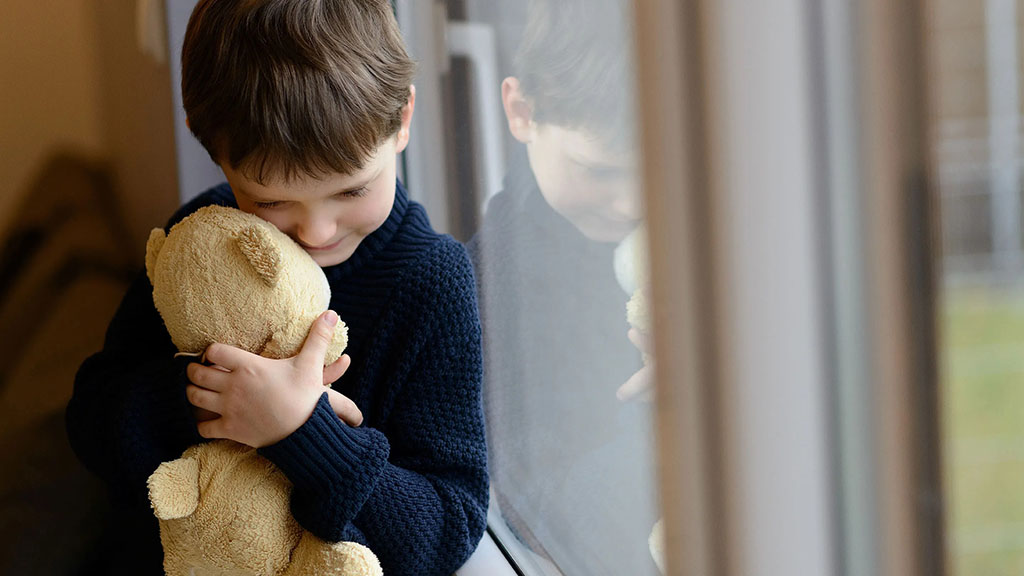
Plush toys are no longer only “children’s toys.” In modern markets, they play multiple roles at the same time: emotional comfort, learning tools, décor, gifts, and branding carriers.
Comfort and emotional support
For children, a plush toy can be a sleep companion, travel friend, or “secret keeper.” The soft texture and familiar face help reduce stress and make new environments feel safer. Many adults also keep small plush on their desks or beds as emotional anchors.
Weighted plush, scented plush, and microwavable plush add extra comfort functions: deeper pressure, calming scents, or warmth for bedtime.
Education and development
Plush toys can support early learning:
- Animal plush can teach names, sounds, and habitats.
- Letter and number plush can reinforce basic literacy and math.
- Role-play plush (doctors, chefs, firefighters) help children practice social scenarios.
For young children, soft toys are safe tools to practice empathy, turn-taking, and storytelling.
Branding and promotion
More and more brands in non-toy industries use plush as promotional or merchandising items. A well-designed plush mascot can:
- carry a brand’s logo and colors,
- appear in marketing content,
- be sold or given as a gift at events,
- and live in customers’ homes for years, quietly reinforcing the brand relationship.
Plush is also powerful for IP brands and fandoms. Characters from movies, games, and web series are turned into plush as a way to move the story from the screen into daily life.
Roles of plush toys in modern markets
| Role | Who benefits | Typical product examples | Business impact |
|---|---|---|---|
| Comfort companion | Babies, children, teens, adults | Bedtime plush, weighted plush, soft pillows | Drives repeat purchases and strong emotional loyalty |
| Learning tool | Parents, teachers, early-education brands | Animal sets, alphabet/number plush, role-play characters | Adds educational value, supports premium pricing |
| Décor & lifestyle | Young adults, home décor buyers | Aesthetic plush, neutral colors, cute cushions | Expands plush beyond kids’ aisles into lifestyle retail |
| Gift & celebration | Gift shops, e-commerce sellers | Seasonal bears, event-themed plush, custom message plush | High margin in key seasons; strong gifting volume |
| Brand mascot | Corporate brands, events, IP owners | Company mascots, sports team mascots, event plush | Long-term brand memory, strong social media content |
| Collector & fandom | IP licensors, designer brands | Limited editions, art plush, cross-brand collabs | Creates scarcity, high engagement, and higher price points |
When you design a plush line, it helps to decide primary role first. A comfort plush for babies will look and feel different from a sharp-styled mascot for a tech conference.
How has the plush toy industry evolved with design and technology?
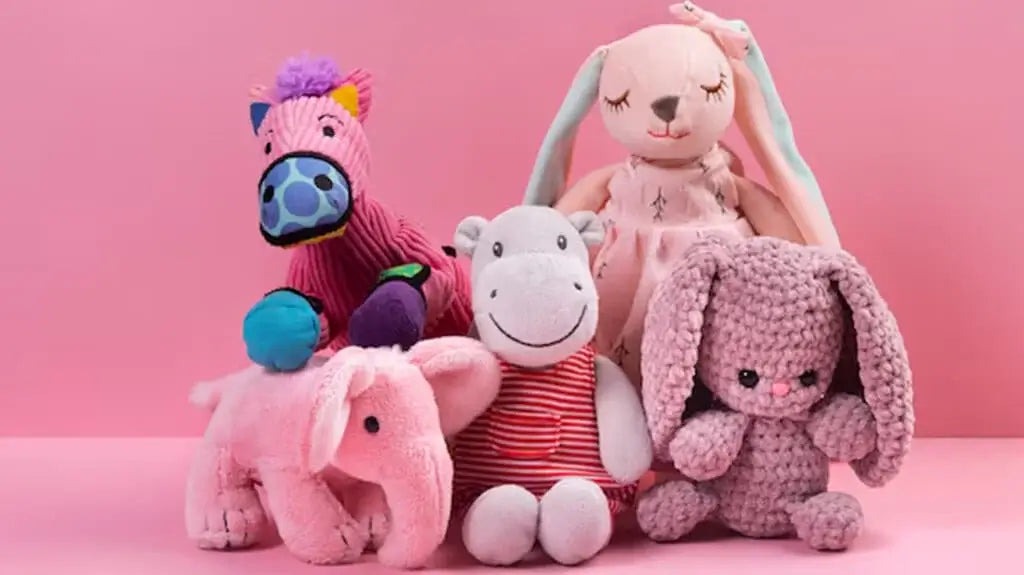
Plush toys may look simple on the outside, but the industry has changed a lot with new design tools, production technology, and market channels.
From hand-drawn to digital patterning
In the past, pattern makers worked almost only with hand sketches and paper. Today, many factories use digital pattern software to:
- test proportions quickly,
- keep size grading consistent,
- store pattern versions safely,
- and speed up communication with clients.
We still rely on human skill, but digital tools help us move from sketch to sample faster and with fewer errors.
Advanced embroidery and printing
Embroidery machines are now multi-head, high-speed, and computer-controlled. This allows:
- thinner lines,
- more complex faces,
- and fast logo changes between SKUs.
Printing technologies, such as sublimation and digital printing, allow plush fabrics with all-over prints, gradients, and photo-style patterns. This opens more creative design options without needing many different fabrics.
New materials and sustainability
We see a clear move toward:
- recycled polyester fabrics and fiberfill,
- OEKO-TEX®-certified materials for baby products,
- and more transparent supply chains.
At the same time, we still need to balance eco goals with softness, durability, and price, so many brands start with partial eco steps (for example, recycled stuffing first, then recycled fabrics later).
Customization at scale
With better tools and clearer processes, factories can handle:
- smaller MOQs (minimum order quantities) for custom plush,
- multiple designs in one run (same base shape with different faces or prints),
- and faster sampling for influencers, IP holders, and small brands.
This means more players can enter the plush market with their own characters, not only big companies.
E-commerce and social media
E-commerce and social media have also changed how plush is designed and sold:
- Designs must photograph well and look good in short videos.
- Packaging must fit logistics and unboxing needs.
- “Viral” plush trends can move from idea to global demand in months, not years.
Factories like ours now think not just about physical quality, but also about how a plush will appear on TikTok, Instagram, and product pages.
How design and technology transformed plush toys
| Area | “Before” | “Now” | What this means for you |
|---|---|---|---|
| Pattern making | Mainly hand-drawn, on paper; slower iterations | Mixed digital + manual; faster, more precise grading | Faster development, easier size changes, better silhouette control |
| Embroidery & prints | Simple embroidery, limited print options | Complex machine embroidery; digital and sublimation prints | More detailed faces, logos, and all-over patterns without huge tooling costs |
| Materials | Standard polyester plush and fiberfill | rPET fabrics, eco labels, specialty plush finishes | More options to match eco stories and unique hand-feels |
| Customization | High MOQs and long lead times for new designs | More flexible MOQs; modular base patterns; faster sampling | Smaller brands and creators can launch custom plush lines |
| Sales channels | Mainly toy stores and physical retail | Strong e-commerce and social-media driven demand | Design must work for thumbnails, video, and user-generated content |
| Global buyers | Mostly large toy companies and chain retailers | Mix of big brands, Amazon sellers, IP owners, influencers | More diverse project types, from baby lines to limited fan drops |
For you as a buyer, this evolution means you have more control and more opportunity. You can design plush that really matches your brand identity, test smaller runs online, and grow step by step with a capable factory partner.
Conclusion
A good plush toy is safe, soft, durable, and appealing while also offering branding opportunities. At Kinwin, we help global buyers turn ideas, characters, and brand stories into plush toys that meet modern manufacturing standards—combining the right fabrics, stuffing, safety testing, and design technology to fit your market.
Contact us at [email protected] or visit kinwintoys.com to discuss your next plush project and explore how our factory can support your success.