Skip to content
If you are a brand owner, retailer, or e-commerce seller, understanding what fabrics exist and how they behave will help you brief manufacturers more clearly, control quality, and build a stable plush line that customers trust. In this guide, I’ll walk through the main fabric categories, explain the differences between minky, velboa, fleece, short plush, long plush, faux fur, and then connect these choices to GSM, pile height, backing, safety standards, and eco-friendly options.
What are the main fabric categories used in stuffed toy production?
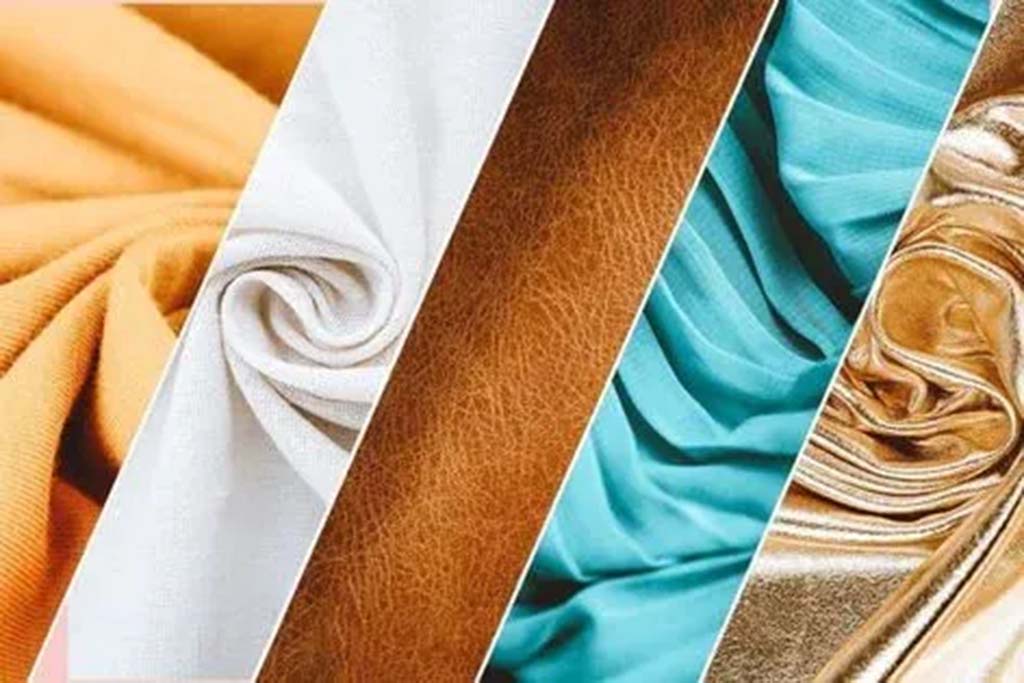
In modern stuffed toy production, most outer fabrics are part of one big family: knitted plush fabrics, usually made from polyester. By changing the pile length, fiber fineness, density, and finishing, we get very different looks and hand-feels, even if the base polymer is the same.
For everyday plush toys, brands usually work with the following main fabric categories:
- Minky / micro-plush – very soft, silky, short pile with a premium feel.
- Velboa – ultra-short, dense pile that shows details clearly and sheds very little.
- Fleece – brushed knit with a cozy, sweatshirt-like feel, great for clothing and budget lines.
- Short plush – medium-short pile plush used for general stuffed animals and baby-safe products.
- Long plush – longer pile for fluffy, dramatic, or “luxury” designs.
- Faux fur – high-pile, often multi-tone plush that imitates real fur for realistic or high-end looks.
- Cotton knit / terry / blends – natural fabrics often used for baby loveys, clothing, or accent panels.
From a factory view, the goal is to match the fabric category with:
- Target age group (baby, child, teen, adult collector),
- Usage (bedtime hugging, décor, display, promotion),
- Price tier (budget, mid-range, premium),
- Safety and wash requirements (how many washes, how much lint you can accept),
- and brand identity (cute, realistic, aesthetic, luxury, eco).
If a brand wants a single core “signature feel” across its entire plush family, we lock one or two main fabrics (for example, short minky + velboa face) and then use other fabrics strategically for special editions or seasonal items.
Main fabric categories for stuffed toys
| Fabric Category | Typical Construction | Feel & Look | Common Uses | Key Advantages | Watch-outs |
|---|---|---|---|---|---|
| Minky / Micro-plush | Knit backing + short, sheared micro pile | Silky, “buttery,” light sheen | Premium plush, baby toys, Squishmallow-style | Very soft, strong perceived value | Needs good anti-pilling and lint control |
| Velboa | Knit backing + very short, dense pile | Smooth, crisp, low lint | Faces, small plush, logo areas | Shows embroidery and prints very clearly | Slightly firmer hand than minky |
| Fleece | Brushed knit (usually polyester) | Matte, cozy, sweatshirt-like | Budget plush, plush clothing, blankets | Cost-effective, warm, forgiving | Low-grade fleece pills quickly |
| Short Plush | Knit backing + mid-short pile | Soft, full, “classic plush” | General stuffed animals, baby-safe lines | Good balance: softness + durability | Needs proper density to avoid backing show-through |
| Long Plush | Knit backing + long pile | Fluffy, dramatic, eye-catching | Fantasy creatures, monsters, statement pieces | High shelf impact, feels luxurious | More lint, harder to clean, can mat |
| Faux Fur | Complex pile, often multi-tone or directional | Realistic or fashion-fur look | Realistic animals, premium bears, décor plush | Strong visual and tactile richness | Careful cutting and seam hiding needed; shedding control |
| Cotton Knit / Terry | Natural knitted fabrics | Soft, breathable, more “textile” feel | Baby loveys, clothing, accent panels | Natural story, skin-friendly perception | Shrinkage, colorfastness, and wrinkling must be tested |
How do minky, velboa, and fleece differ in softness and texture?
When brands first enter plush, the most common question I hear is:
“Should we use minky, velboa, or fleece for this design?”
All three are knitted fabrics, often polyester-based, but their touch, texture, and emotional message are very different.
Minky
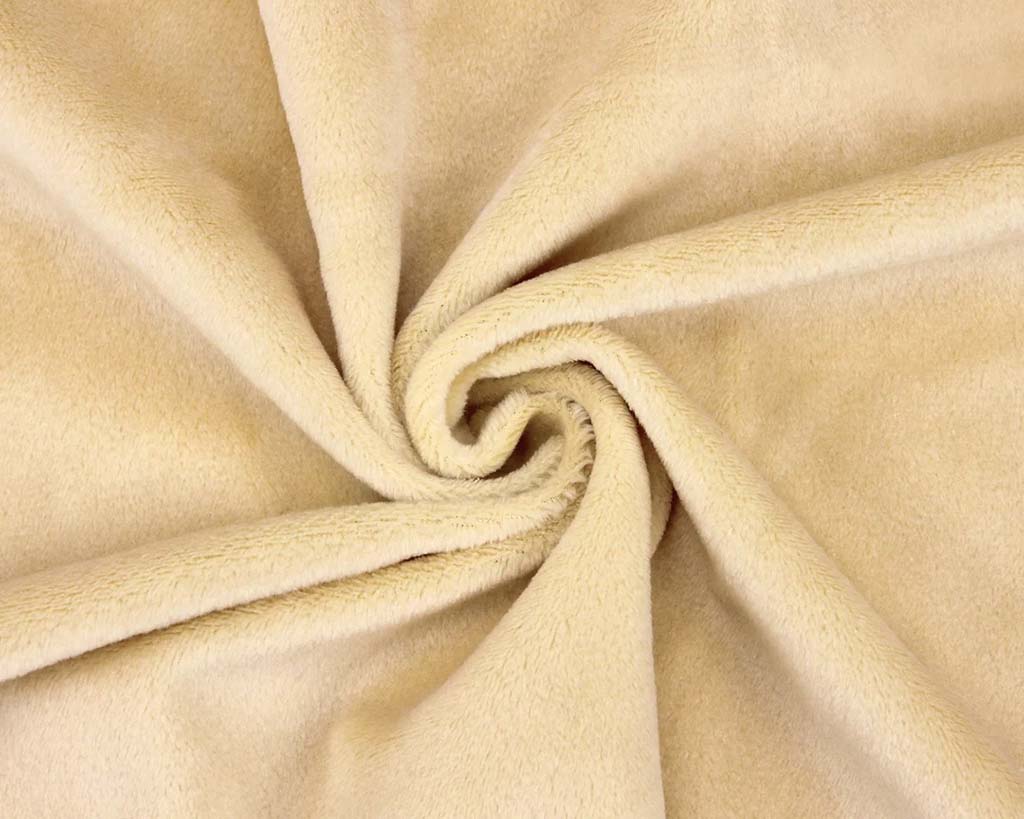
Minky (also called micro-plush) uses very fine, often micro-denier fibers and a short, sheared pile. It feels silky, smooth, and “cloud-soft”, with a gentle sheen that looks premium in both real life and photographs. This is why minky is so popular for:
- baby plush and loveys,
- Squishmallow-style round plush,
- character pillows and cushions,
- high-end cuddle toys.
With good fabric specification (proper GSM, density, and anti-pilling), minky can remain soft after repeated gentle washing. It is also friendly to embroidery, as long as we control pile height and stitch density.
Velboa
Velboa is a very short, dense pile plush. It feels smooth and slightly firm compared with minky. Because its pile is so low and tightly packed, it produces extremely clean edges for embroidery, printing, and detailed shapes. Many factories use velboa for:
- faces and small plush,
- logo panels, nose or belly patches,
- fine details where you want sharp outlines.
Velboa sheds very little and shows colors clearly. The trade-off is that full-body velboa may not feel as “cuddly” as minky, especially for baby or bedtime products, but it is excellent for structure and detail.
Fleece
Fleece is a brushed knit with a matte, cozy feel, like a favorite sweatshirt or blanket. It is widely used not only for plush bodies but also for:
- clothing on plush (hoodies, jackets, scarves),
- plush blankets and comforters,
- value or mid-price plush lines.
Good anti-pill fleece stays nice after many washes and is forgiving when toys are dragged around or squeezed a lot. Cheap fleece, on the other hand, can pill quickly and look old, so quality grade and tests are important.
If a brand wants a “premium hug,” we normally recommend minky body plus velboa face details, and then use fleece more for clothing or budget series. If cost is very tight, fleece or short plush may be the main choice, with smart pattern and stuffing to keep the toy appealing.
Minky vs velboa vs fleece – softness & texture
| Factor | Minky / Micro-plush | Velboa | Fleece |
|---|---|---|---|
| Hand-feel | Very soft, silky, “buttery” | Smooth, slightly firmer | Cozy, warm, sweatshirt-like |
| Visual effect | Gentle sheen, “premium” | Clean, matte to low sheen, crisp | Matte, casual, homey |
| Best for | Baby plush, cuddle toys, pillows, Squishmallow-style | Faces, small plush, detailed character work | Clothing on plush, budget lines, soft books |
| Lint / shedding | Low if short and dense; must test | Very low; good for baby-safe faces | Moderate; depends on grade and finishing |
| Embroidery clarity | Good with correct pile height | Excellent; edges stay sharp | Good, but surface is more textured |
| Cost level | Mid to higher (premium impression) | Mid; very efficient for faces | Low to mid; very cost-friendly with right grade |
What roles do short plush, long plush, and faux fur play in design variety?
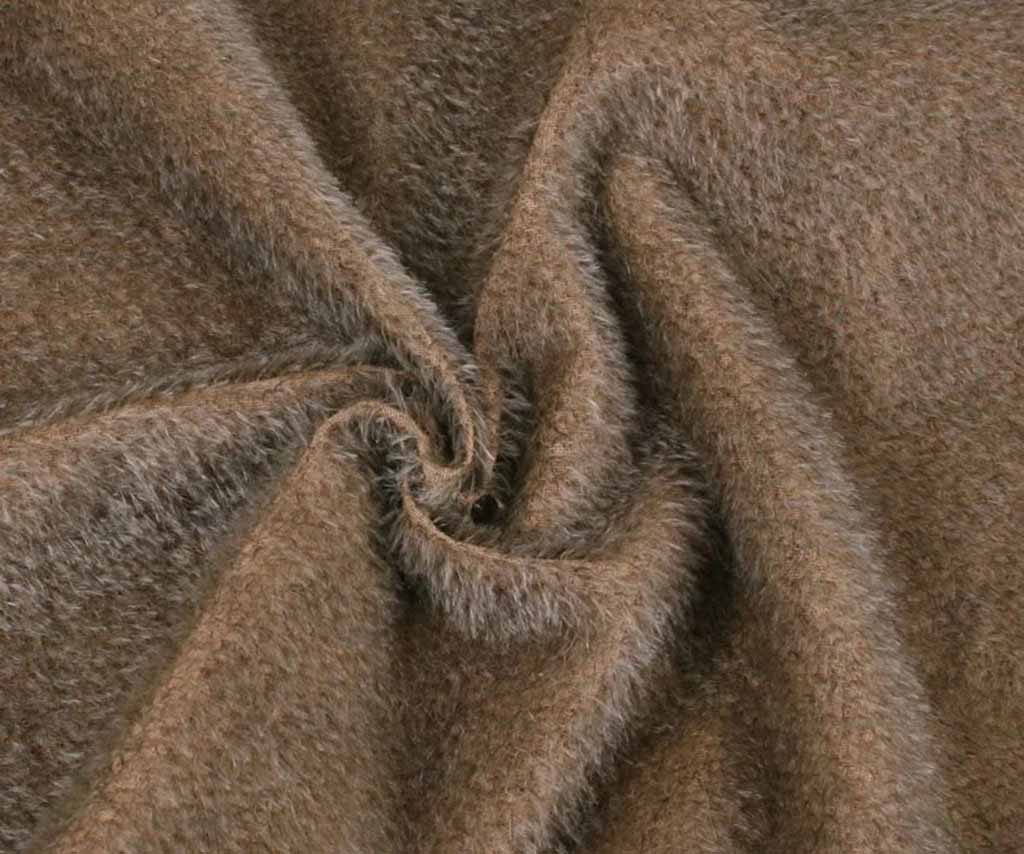
While minky, velboa, and fleece cover many needs, brands often want more visual variety across a plush range. This is where short plush, long plush, and faux fur play important roles.
Short plush
Short plush is a category where the pile is not as micro-short as velboa but also not too long. The hand-feel is soft, slightly fluffy, and “classic plush toy” style. This is one of the most common choices for:
- general stuffed animals (bears, dogs, cats, etc.),
- baby-compatible plush when the pile is short and dense,
- mid-range plush lines in gift and toy channels.
Short plush gives a good balance between softness, durability, and ease of care. When specified with enough density and proper finishing, it does not show the backing and resists pilling better.
Long plush
Long plush has a noticeably longer pile, which immediately makes the toy look fluffier, larger, and more dramatic. It’s ideal for:
- fantasy creatures and monsters,
- premium or “statement” plush,
- special seasonal designs (winter animals, yeti, etc.).
Because long plush traps more dust and can mat when washed, it is less suitable for baby toys or heavy-wash products. It also requires stronger stitching and better pattern design because seams must be hidden inside the pile for a clean look.
Faux fur
Faux fur is at the top end of visual impact. It often uses multi-tone fibers, varied pile lengths, and special finishing to mimic real fur or to create fashion-style textures (curly, tipped, striped). Faux fur is common in:
- realistic animal plush (wolves, foxes, bears, pets),
- collector bears and high-end décor plush,
- fashion and gift segments where texture sells.
Faux fur demands careful cutting (to avoid choppy edges) and strong construction, since loose fibers and poorly hidden seams quickly reduce perceived quality.
Using these three fabric groups strategically, you can build a plush assortment where each character feels part of the same brand, but still brings visual and tactile variety to the shelf or online listing.
Short plush, long plush, faux fur – design variety
| Fabric Type | Visual Mood | Typical Use in Collections | Strengths | Cautions |
|---|---|---|---|---|
| Short plush | Classic plush look; soft but tidy | Core plush line, baby-safe designs (short pile), mid-tier SKUs | Balanced softness, durability, washability | Needs good density and anti-pilling testing |
| Long plush | Fluffy, dramatic, playful, or luxurious | Fantasy creatures, monsters, plush for gifting or décor | Strong shelf impact; high “wow” factor | More lint and matting; not ideal for very young children |
| Faux fur | Realistic, rich, sometimes fashion-like | Realistic animals, premium bears, décor plush, collector items | High perceived value; texture sells | Must hide seams; control shedding and colorfastness carefully |
How do fabric GSM, pile height, and backing affect durability?
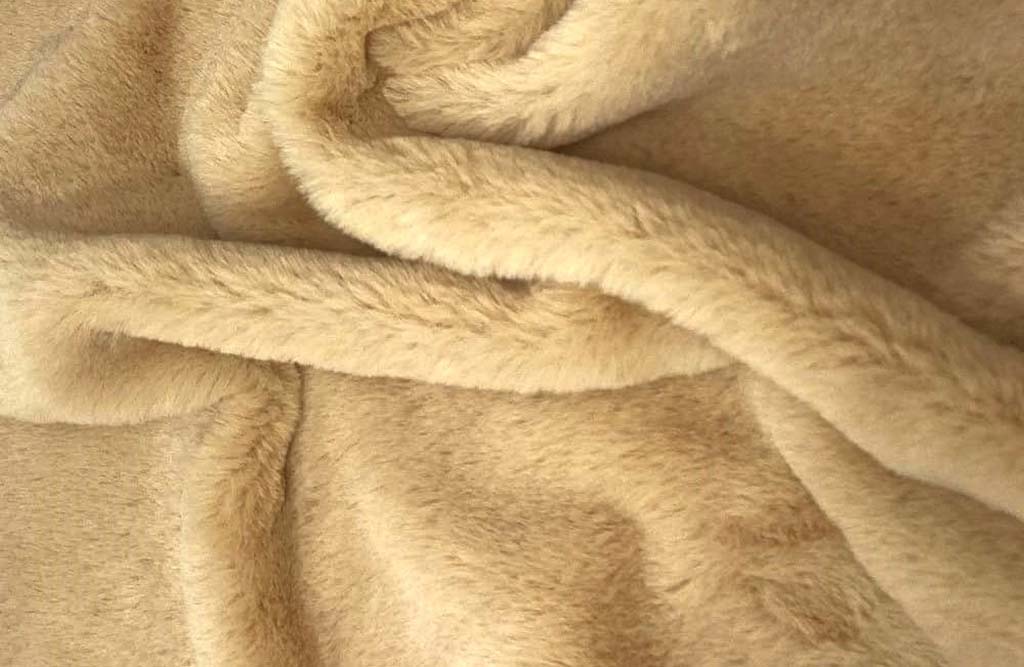
To really control quality, it is not enough to say “we use minky” or “we use short plush.” You also need to consider GSM, pile height, and backing construction. These three technical elements strongly affect durability, hugging feel, and appearance.
GSM (grams per square meter)
GSM indicates the fabric’s weight. Higher GSM usually means more fiber per area, which can feel richer and more stable, but also heavier and sometimes warmer.
- Low GSM plush may feel thin, show backing, or stretch too easily.
- Medium GSM is common for regular plush toys.
- High GSM is often used for premium, dense plush or faux fur.
For stuffed toys, GSM must match the size, stuffing, and target market. A small plush with very heavy GSM can feel too stiff; a large plush with very low GSM can feel empty, even with good stuffing.
Pile height
Pile height is the length of the fibers that stand up from the backing.
- Short pile (e.g., velboa, some minky) gives a clean, detail-friendly surface, ideal for faces, logos, and baby products.
- Medium pile offers more depth and softness, common for general plush.
- Long pile creates fluffiness and drama, but increases lint and care complexity.
Pile height connects to safety: for baby and under-3 toys, we usually recommend short, dense pile to reduce loose fibers and make hygiene easier.
Backing
The backing is the knitted base structure that holds the pile. Its density and stability determine how well the fabric:
- resists stretching and distortion,
- supports seams and embroidery,
- handles repeated washing and hugging.
More stable warp-knit or high-density backings are better for complex shapes, standing characters, and high-use toys. A weak backing can lead to seam slippage or warping.
In a factory like ours, we combine these three parameters into a fabric spec: for example, “short minky, 280 GSM, 3 mm pile, stable warp-knit backing.” Once this spec is locked and tested, we use it consistently across production, so the plush feels the same in every reorder.
Technical factors: GSM, pile height, backing
| Parameter | Typical Range / Options | Effect on Plush Durability & Feel | Recommended Use Cases |
|---|---|---|---|
| GSM (weight) | ~180–220 (lighter), ~220–320 (standard), 320+ (heavy/premium) | Higher GSM = richer feel, better coverage; too heavy can feel stiff; too light can feel thin | Standard GSM for most mid-sized plush; higher GSM for premium or large plush; lower GSM for small toys and keychains |
| Pile height | Short (e.g., 1–3 mm), Medium (3–6 mm), Long (6+ mm) | Short = clean and durable; Medium = balanced softness; Long = fluffy but more tangling/lint | Short for faces, baby plush, logo areas; medium for core plush; long for special editions and décor |
| Backing stability | Light knit vs dense warp-knit/circular knit | Stable backing reduces distortion, seam slippage, and “wavy” edges; weak backing stretches too much | Stable backings for detailed characters, standing poses, and high-wash markets; lighter backings for very soft, floppy plush |
What safety and chemical standards regulate stuffed toy fabrics?
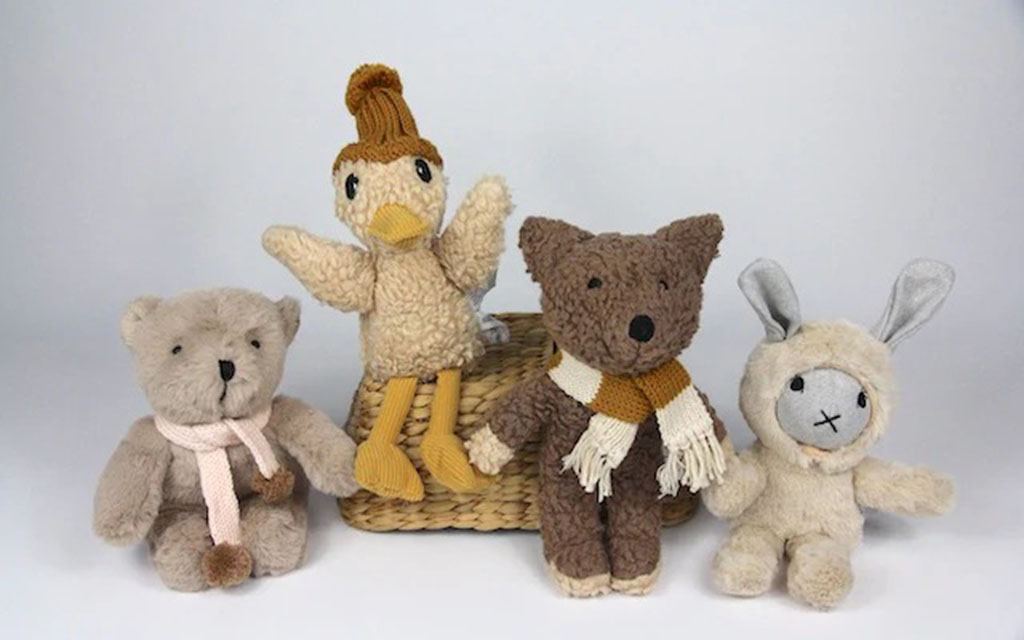
Even the softest, nicest fabric must also be safe. Plush toys are for children, and many markets have strict rules that directly affect which fabrics and finishes you can use.
The key frameworks are:
- EN 71 (Europe) – especially EN 71-1 (mechanical), EN 71-2 (flammability), EN 71-3 (migration of certain elements).
- ASTM F963 (USA) – toy safety specification, including mechanical, flammability, and chemical aspects.
- CPSIA (USA) – regulates lead and some phthalates in children’s products.
- Other regional requirements – UKCA, Canadian regulations, Japanese standards, and retailer-specific requirements.
- Textile standards like OEKO-TEX® Standard 100, often requested for baby and high-trust categories.
For fabrics, we focus on:
- Colorfastness – no bleeding or transfer under saliva, sweat, rubbing, and washing.
- Chemical safety – dyes and finishes must not contain harmful substances like certain heavy metals or banned azo dyes.
- Flammability – fabric should not burn too quickly or dangerously when exposed to flame under test conditions.
- Physical performance – seams should not slip; fabric should not fray into dangerous small pieces under stress.
A professional manufacturer will:
- Check certificates and test reports from fabric suppliers.
- Run incoming fabric inspection for each batch.
- Submit finished toy samples to third-party labs for full toy testing.
As a buyer, you should always ask for relevant test reports and confirm that the same fabric and construction used in those reports are used in your mass production.
Safety & chemical control for stuffed toy fabrics
| Area / Standard | What it checks | Impact on Fabric Choice | What you should confirm |
|---|---|---|---|
| EN 71-1 (EU) | Mechanical / physical properties | Fabric must not fray excessively; seams must hold; no dangerous small pieces | Ask how fabric type and seams are tested under tension |
| EN 71-2 (EU) | Flammability | Certain finishes are not allowed; fabric must not burn too quickly | Check if chosen fabrics are toy-grade and tested for flammability |
| EN 71-3 (EU) | Migration of certain elements | Limits on heavy metals from dyes, prints, coatings | Use reputable mills; request EN 71-3 reports for fabrics/prints |
| ASTM F963 (US) | Toy safety (mechanical, flammability, certain chemicals) | Similar demands as EN 71; ensures fabric is safe in US context | Ideally design one fabric spec that passes both EU and US tests |
| CPSIA (US) | Lead and some phthalates | Especially important for prints, coatings, and PVC parts | Confirm that any printed or coated fabrics are CPSIA-compliant |
| OEKO-TEX® Std. 100 | Human-ecological textile safety | Strong selling point for baby and skin-contact products | Ask if base fabrics carry OEKO-TEX® certification and for which class |
How are eco-friendly and recycled fabrics transforming plush manufacturing?
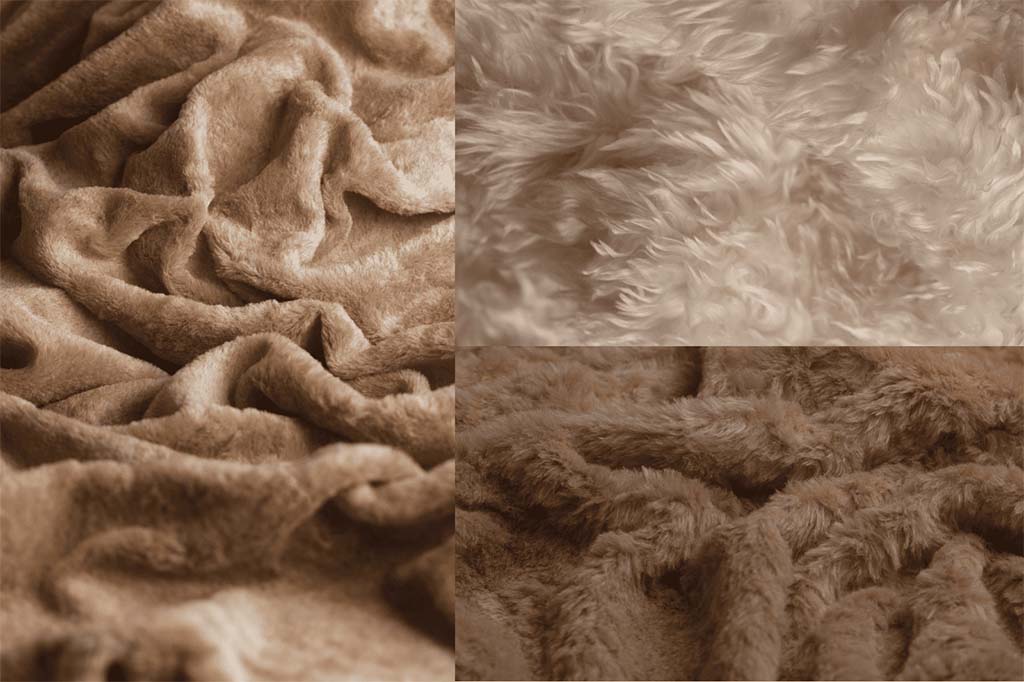
Sustainability is no longer just a “nice to have.” Many retailers and consumers ask about recycled fabrics, reduced plastic, and safer chemistry. Plush manufacturing is adapting step by step.
Recycled polyester (rPET) plush
The most common sustainable upgrade is switching from virgin polyester to recycled polyester (rPET) for both:
- outer plush fabrics (minky, short plush, even some faux furs), and
- inner stuffing (rPET fiberfill).
When well made, rPET plush can feel almost identical to traditional fibers. The key is working with mills that have GRS (Global Recycled Standard) or similar certification and can provide batch-level documentation. This allows brands to make honest claims like “fabric and stuffing made with recycled polyester” in packaging and marketing.
Natural and blended fabrics
Some plush lines use organic cotton, bamboo viscose, or TENCEL™ blends for baby loveys, flat plush, and clothing on stuffed toys. These fabrics support a natural, breathable, skin-friendly story, but they must be tested for:
- shrinkage after washing,
- colorfastness to saliva, sweat, and wash,
- pilling and surface wear.
These fibers usually appear on low-pile surfaces or clothing, since achieving high-loft, super-fluffy plush purely from natural fibers is still difficult and costly.
Packaging and trim choices
Eco-friendly plush is not only about fabric. Brands also adjust:
- hangtags and labels (recycled paper, soy inks, recycled polyester labels),
- polybag reduction or use of biodegradable bags (where realistic),
- FSC-certified cartons and optimised packing to reduce air shipping volume.
All of these small steps combine to build a more credible sustainability story.
Communication and honesty
One important point: eco claims must be honest and supported by evidence. Customers and retailers are more informed now. If a brand says “eco plush” but uses standard virgin polyester without proof, trust can be damaged.
Eco-friendly & recycled fabric directions
| Area | Eco Option | Benefits | Considerations |
|---|---|---|---|
| Outer fabrics | rPET minky, rPET short plush, rPET faux fur | Reduces use of virgin plastic; can keep same softness | Need GRS or similar certification; test for hand consistency and shedding |
| Stuffing | rPET fiberfill, partially recycled blends | Same hug feel as regular fill, with eco story | Verify cleanliness, loft, and odor; align with lab testing |
| Baby-contact zones | Organic cotton knit/terry, bamboo viscose blends | Natural feel, strong storytelling for baby ranges | Extra testing for shrinkage, colorfastness, and pilling |
| Labels & tags | Recycled polyester labels, recycled paper hangtags | Easy visible proof of eco effort | Ensure print remains clear and durable |
| Packaging | FSC cartons, reduced plastic, recyclable bags | Supports retailer and brand sustainability goals | Balance product protection with material reduction |
| Communication | Clear on what is recycled and what is not | Builds trust and long-term loyalty | Avoid vague terms; use specific percentages and certifications |
Conclusion
A good stuffed toy is safe, soft, durable, and appealing while also offering branding opportunities. The fabrics you choose—minky, velboa, fleece, short plush, long plush, faux fur, and eco-friendly variants—decide not only how a toy feels in the hand, but also how it performs in washing, how it passes safety tests, and how customers remember your brand.
At Kinwin, we help global buyers select and standardize fabric specs that match their target age, market, budget, and sustainability goals. From baby-safe short plush to premium faux fur and rPET minky, my team can guide you from fabric swatch to finished shipment with clear testing and quality control. Contact us at [email protected] or visit kinwintoys.com to discuss your next plush project and explore how our factory can support your success.