Skip to content
Building a long-term partnership with your plush toy supplier is one of the most valuable strategies for global brands. A stable supplier relationship reduces production risks, minimizes delays, supports innovation, and ensures consistent quality across product lines. Instead of constantly switching factories, long-term collaboration creates a reliable and predictable supply chain—something essential for retailers, toy brands, e-commerce sellers, and licensing partners.
This guide explores everything brands should focus on when building a strong, lasting partnership with their plush toy manufacturer—from assessing compatibility and improving communication to managing forecasting, pricing, and joint development.
What Key Factors Determine Supplier Compatibility for Long-Term Collaboration?
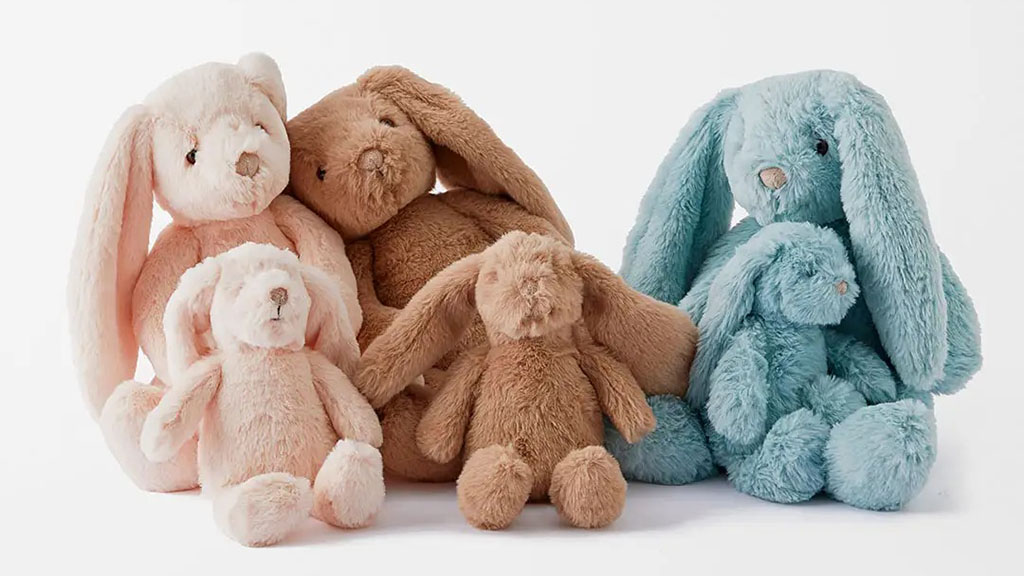
A long-term partnership starts with selecting a supplier whose strengths align with your business goals. Compatibility goes beyond production capacity—it’s about shared values, manufacturing stability, product expertise, and communication culture. Plush toy manufacturing is detail-intensive and emotionally expressive; success depends on both technical skill and creative interpretation.
Key compatibility factors include the factory’s specialization (e.g., baby plush, character plush, weighted plush, RPET plush), their historical performance, pricing structure, and openness to long-term planning. A reliable supplier should demonstrate stable management, scalable capacity, transparent workflow processes, and strong financial health. The manufacturer must be able to handle increasing demand, new product lines, and evolving compliance requirements.
When evaluating a long-term supplier, brands often look for factories that welcome audits, maintain internal training programs, and invest in new equipment or sustainable materials. These signals show the manufacturer is future-oriented and capable of supporting multi-year cooperation.
| Compatibility Factor | What to Examine | Why It Matters |
|---|---|---|
| Manufacturing Specialization | Plush category expertise | Ensures product accuracy & efficiency |
| Factory Stability | Management, financial health | Reduces production risks |
| Scalability | Ability to grow with your brand | Supports long-term expansion |
| Communication Culture | Responsiveness, clarity | Prevents project delays |
| Compliance Readiness | Certifications, testing systems | Meets global market requirements |
A partnership with the right supplier creates a foundation of mutual reliability and predictable performance—critical for brands operating annual or seasonal release cycles.
How Can Transparent Communication Strengthen Daily Project Coordination?

Transparent communication is the backbone of successful long-term supplier relationships. Plush toy manufacturing involves multiple steps—design interpretation, sampling, material sourcing, production line coordination, quality checks, and packaging. Miscommunication at any stage may lead to delays, rework, or incorrect products.
Effective communication requires both structure and discipline. Weekly updates, milestone tracking, and clearly defined approval processes ensure alignment. Brands should establish communication channels early, assign dedicated project managers, and maintain shared digital folders for tech packs, revisions, material references, and compliance documents.
Many successful partnerships rely on communication routines such as:
- Weekly video meetings to review samples or address challenges
- Daily WhatsApp or email updates during critical production phases
- Annotated feedback files to avoid vague instructions
- Real-time factory floor updates during peak production weeks
Transparent communication reduces errors, improves speed, and strengthens trust. Over time, suppliers learn a brand’s preferences, design style, tolerance levels, and quality expectations, enabling faster and more accurate execution.
| Communication Method | Implementation | Benefit |
|---|---|---|
| Weekly Status Meetings | Review production progress | Keeps both sides aligned |
| Annotated Tech Packs | Clear visual instructions | Reduces errors & confusion |
| Shared Cloud Workspace | Centralized document storage | Ensures all files stay updated |
| Dedicated PM | One communication point | Faster decision-making |
The more open and consistent the communication, the smoother the partnership becomes—especially during complex or high-volume projects.
What Role Do Quality Consistency and Compliance Play in Sustaining Trust?
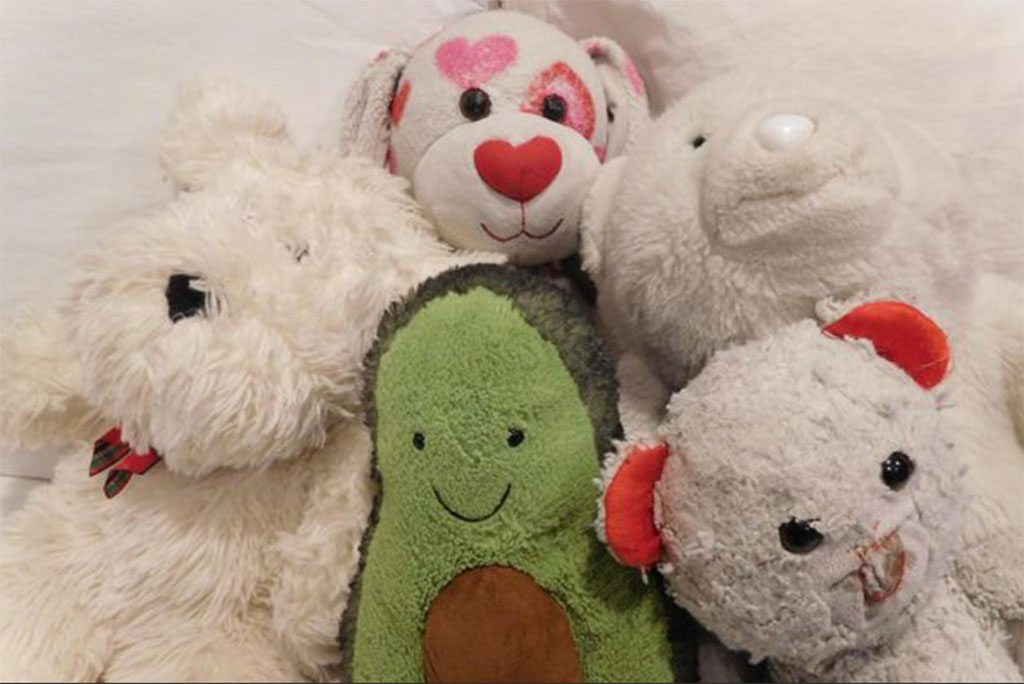
Quality consistency is one of the strongest pillars of long-term supplier relationships. Plush toys require precise stitching, accurate shaping, safe materials, and compliance with strict international regulations such as ASTM F963, EN71, CPSIA, ISO 8124, and REACH. When a supplier consistently meets these requirements, brands gain confidence in their ability to handle recurring orders and expansion plans.
Long-term partners must maintain:
- Stable fabric suppliers
- Reliable filling materials
- Documented quality control SOPs
- Multistage inspections (incoming, in-process, final)
- Internal lab testing or partnerships with accredited labs
Consistency reduces customer complaints, return rates, and regulatory risks. It also reinforces brand reputation. A trusted supplier must avoid cutting corners, using inconsistent trims, or substituting materials without approval.
Brands also value factories that willingly conduct or cooperate with:
- Third-party audits
- Material traceability programs
- AQL-based inspections
- Packaging and labeling checks
- Chemical and physical safety testing
| Quality Component | Key Practice | Impact on Partnership |
|---|---|---|
| Material Consistency | Same supplier or batch testing | Ensures uniform product quality |
| QC SOPs | Documented process control | Reduces variation and defects |
| Compliance Testing | ASTM, EN71, CPSIA | Protects brand from legal issues |
| Traceability | Batch records and tracking | Essential for recalls & certifications |
Quality consistency is the foundation of trust. Without it, long-term collaboration is impossible.
How Should Pricing, Forecasting, and Order Planning Be Managed Over Time?
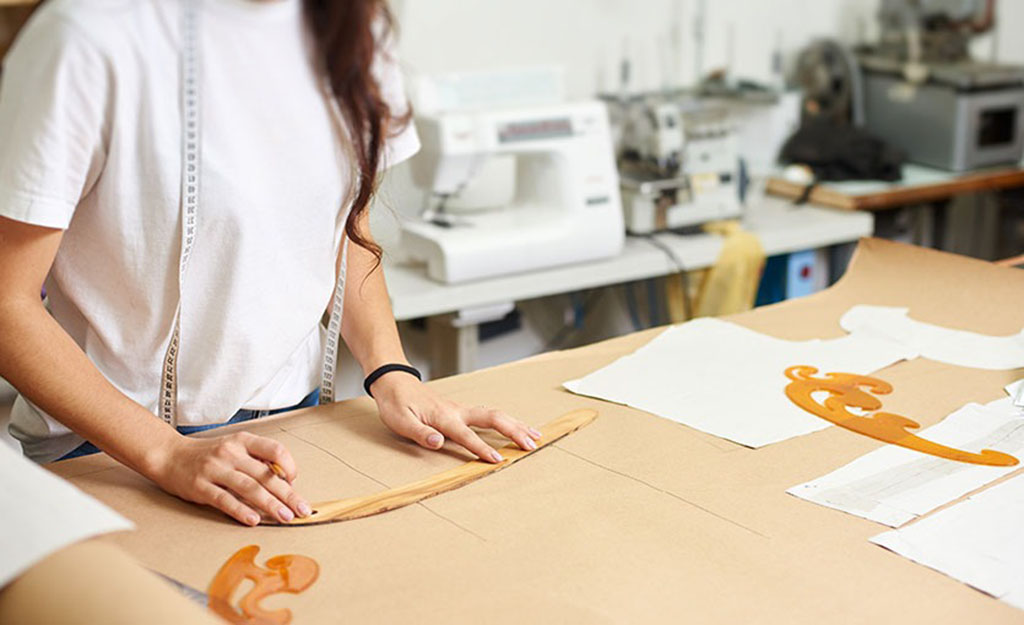
Pricing stability is crucial in long-term supplier relationships. Plush toy manufacturing costs fluctuate due to fabric prices, labor availability, global logistics, and seasonal demand. Strong partnerships involve transparent pricing models, early forecasting, and collaborative planning.
Brands should share quarterly or annual demand forecasts to help factories plan material procurement and labor allocation. This reduces shortages, lowers costs, and ensures faster production scheduling. Suppliers with long-term visibility can also negotiate better pricing with raw material vendors, creating mutual benefits.
Stable long-term cooperation also makes it easier to:
- Reserve production capacity during peak seasons
- Secure better payment terms
- Reduce rush fees and overtime costs
- Minimize stockouts and backorders
Order planning may include:
- Batch ordering
- Blanket PO agreements
- Rolling forecasts
- Joint inventory buffers
| Planning Element | How It Works | Benefit |
|---|---|---|
| Annual Forecasting | 12-month volume projection | Ensures factory capacity allocation |
| Batch Scheduling | Split orders by quarter | Reduces production pressure |
| Price Stability Agreements | Long-term pricing terms | Controls cost fluctuation |
| Safety Stock | Inventory buffer strategies | Prevents stock shortages |
Reliable long-term planning transforms the supplier from merely a producer into a strategic operational partner.
How Can Joint Product Development and Innovation Deepen Cooperation?
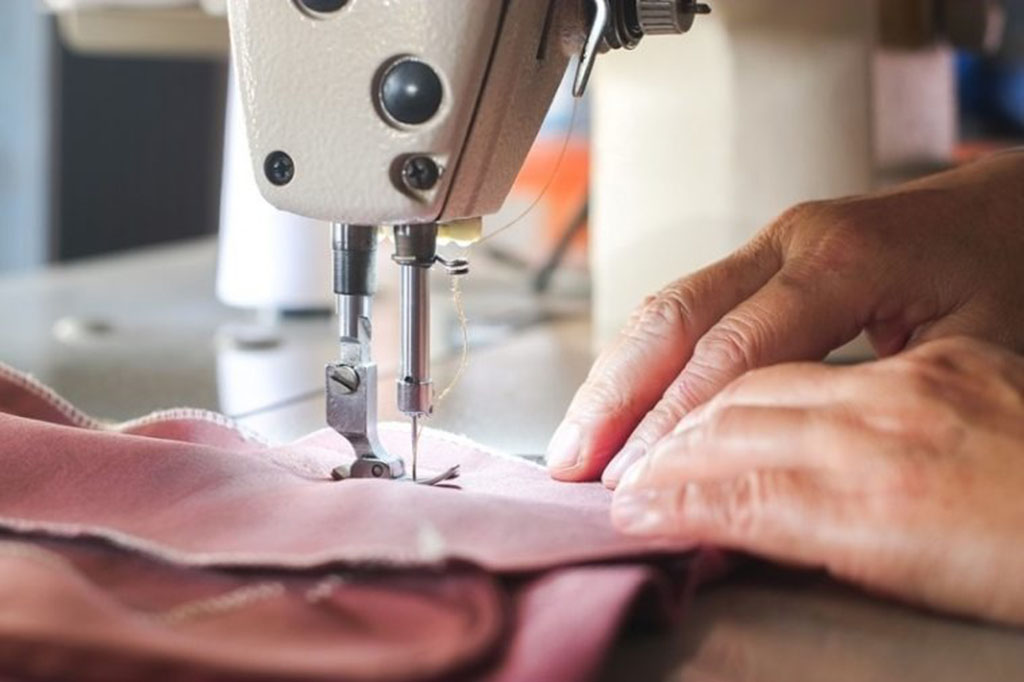
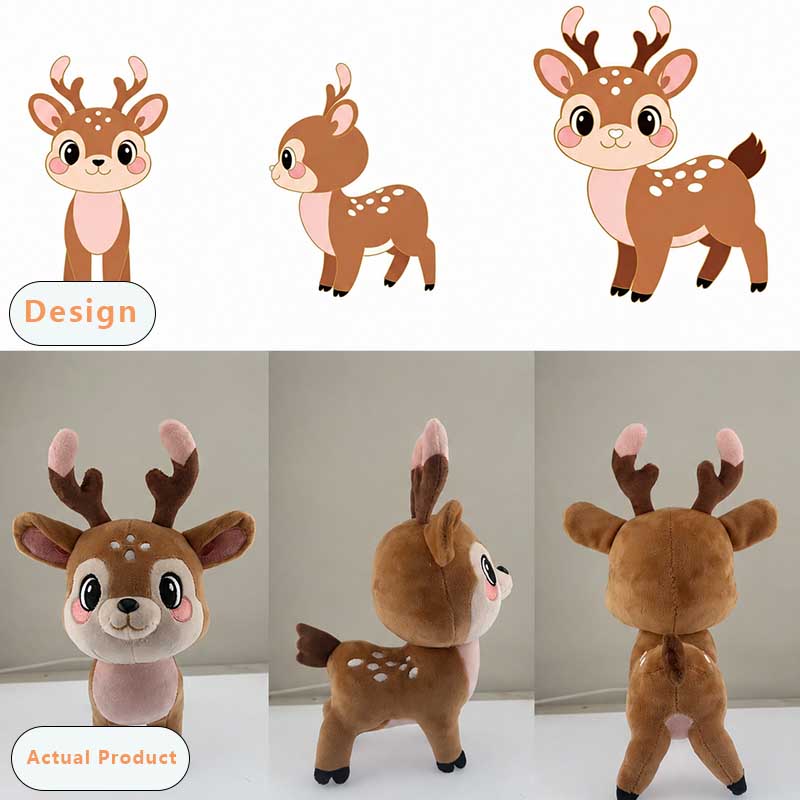
Joint product development (JPD) is one of the most powerful ways to strengthen long-term relationships. When suppliers and brands collaborate on new designs, technologies, and materials, both parties benefit.
Factories often have unique insights into:
- Emerging fabric trends
- Cost-saving construction methods
- New filling materials (weighted beads, memory foam, RPET fiber)
- Embroidery or printing innovations
- Safety upgrades or compliance improvements
Involving factories early in product development improves manufacturability and shortens sampling time. Brands benefit from faster iteration, better feasibility evaluation, and reduced R&D costs. In return, suppliers gain deeper involvement in the product lifecycle, ensuring stable business continuity.
| Co-Development Area | Supplier Contribution | Benefit for Brand |
|---|---|---|
| Material Innovation | Suggest new fabrics or eco materials | Modern product features |
| Structural Design | Improve pattern or proportions | Better shaping & durability |
| Cost Engineering | Identify cost-saving options | Higher margins |
| Safety Enhancements | Propose safer components | Higher compliance confidence |
When both sides co-invest in innovation, the partnership becomes more integrated and stable.
What Performance Metrics Help Evaluate Supplier Reliability and Growth Potential?
Performance metrics help brands evaluate whether their supplier is improving, stagnating, or declining. Measuring performance removes subjectivity and allows decisions to be based on data.
Common KPIs include:
- On-Time Delivery Rate (OTD): Measures schedule reliability.
- Defect Rate / Rejection Rate: Evaluates product quality and stability.
- Sample Accuracy Rate: Measures the supplier’s ability to translate designs correctly.
- Production Lead Time: Tracks workflow efficiency.
- Communication Responsiveness: Measures project management professionalism.
- Cost Stability: Ensures no hidden or unpredictable cost increases.
| Performance Metric | What It Measures | Why It Matters |
|---|---|---|
| On-Time Delivery | Shipment punctuality | Essential for seasonal campaigns |
| Defect Rate | QC performance | Prevents returns & complaints |
| Sample Accuracy | Development precision | Shortens development cycles |
| Lead Time Stability | Predictability | Enables reliable planning |
| Communication Score | Responsiveness & clarity | Prevents misalignment |
Tracking metrics quarterly or annually helps brands determine whether the supplier is a strong long-term partner or requires intervention and improvement.
Conclusion
A long-term partnership with your plush toy supplier is built on consistency, transparency, communication, shared growth, and mutual respect. When suppliers understand a brand’s expectations deeply, they deliver better quality, faster sampling, and more stable production. Factories like Kinwin prioritize long-term collaboration by investing in communication systems, compliance, innovation, and operational excellence—helping brands grow with confidence, year after year.
📧 Contact: [email protected]
🌐 Visit: https://kinwintoys.com