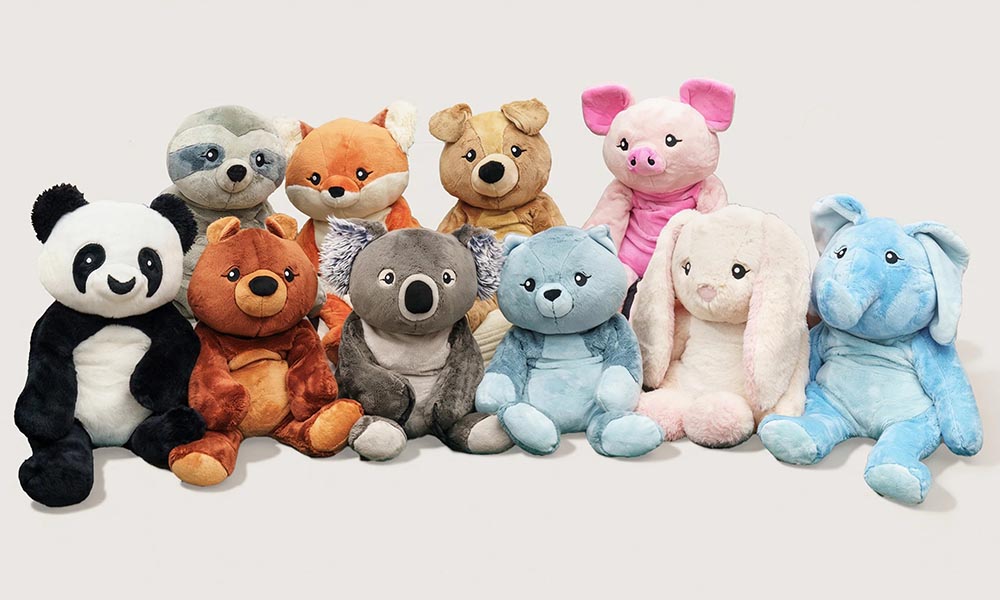
A factory audit is one of the most important steps global brands take before choosing a plush toy manufacturing partner. Plush toys must meet strict safety standards, consistent quality expectations, and ethical compliance requirements. Audits allow buyers to evaluate whether a supplier can deliver reliable production, follow safety regulations, and maintain ethical working conditions.
For brands selling in regions like the U.S., Europe, Japan, South Korea, and Australia, factory audits are often mandatory—not optional. They protect your reputation, reduce supply chain risks, and ensure the manufacturer is capable of producing safe, compliant, and high-quality plush toys at scale.
Below, we break down everything buyers should expect from a plush toy factory audit, including operational capabilities, QC systems, safety management, material controls, and sustainability practices.
What Are the Main Objectives of a Plush Toy Factory Audit?
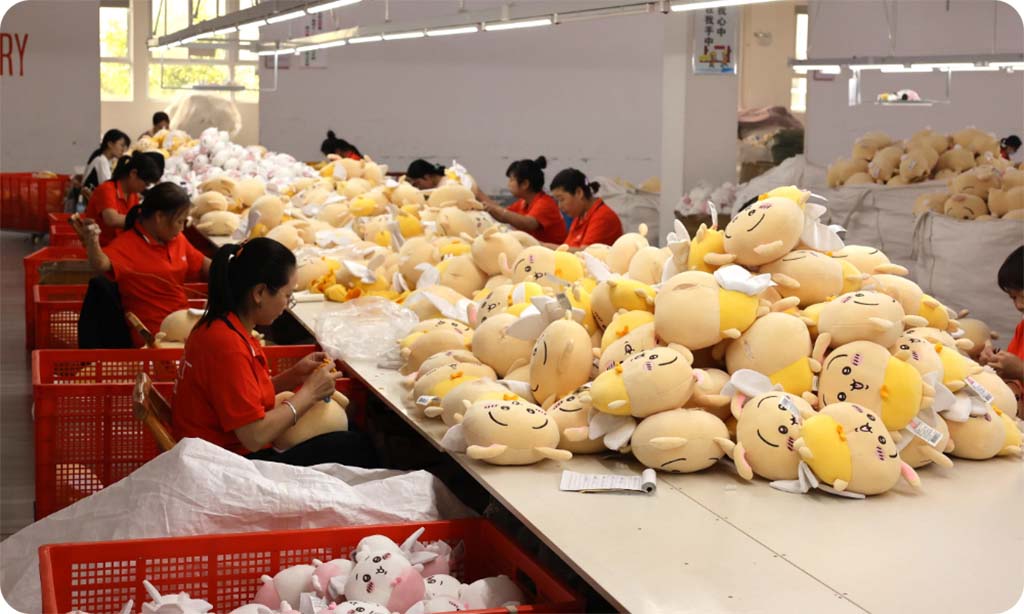
A plush toy factory audit has several core objectives: to verify production capability, evaluate quality management systems, check legal compliance, and ensure worker welfare. Plush toy manufacturing is complex; it relies on skilled sewing operators, precise pattern-making, efficient workflow planning, and safety testing protocols. An audit helps brands confirm whether the supplier can manage all these tasks consistently—not just for one order, but long-term.
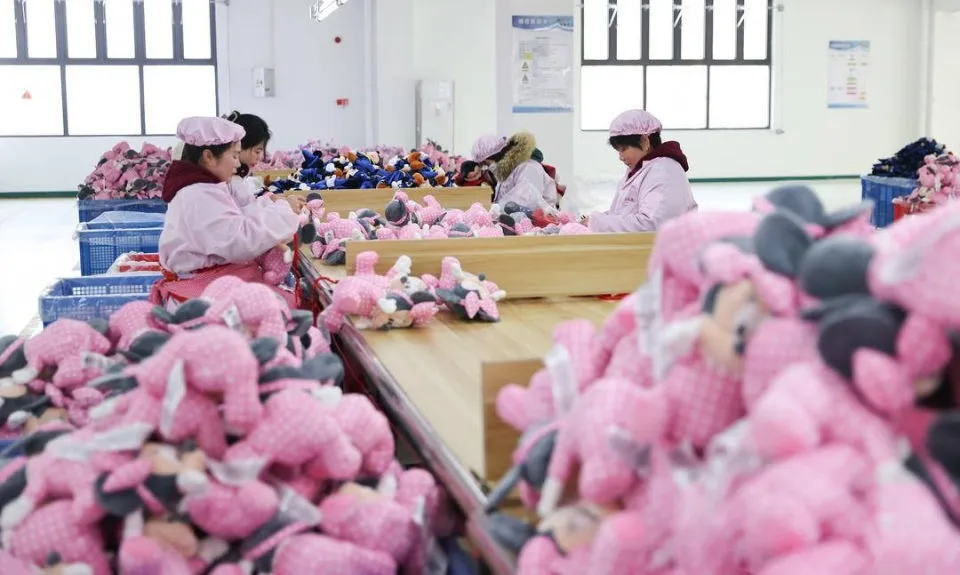
During an audit, inspectors review documentation, tour production lines, interview workers, and inspect raw materials and finished toys. The evaluation covers everything from machine maintenance to storage conditions and whether production lines follow proper SOPs (standard operating procedures).
The audit aims to identify risks such as labor non-compliance, inconsistent production processes, inadequate QC controls, or lack of traceability. A strong audit score reassures buyers that the factory follows international best practices and can support stable, large-volume production.
| Audit Objective | What It Covers | Importance |
|---|---|---|
| Production Capability | Lines, workforce, equipment | Ensures factory can meet demand |
| Quality Management | SOPs, inspections, testing | Guarantees consistency |
| Safety & Compliance | Material control, testing | Ensures toys meet legal standards |
| Social Responsibility | Labor rights & workplace conditions | Protects brand reputation |
| Environmental Standards | Waste management & resource use | Meets sustainability expectations |
Audits protect both the brand and end consumers by ensuring plush toys are produced responsibly and safely.
How Do Social Compliance and Ethical Standards Affect Audit Outcomes?
Social compliance is a major part of modern factory audits. Global brands want to ensure their products are made ethically, without forced labor, child labor, unsafe working conditions, or excessive overtime. Many retailers and licensors require plush toy manufacturers to pass audits such as BSCI, SMETA, ICTI (ethical toy program), or WRAP before production begins.
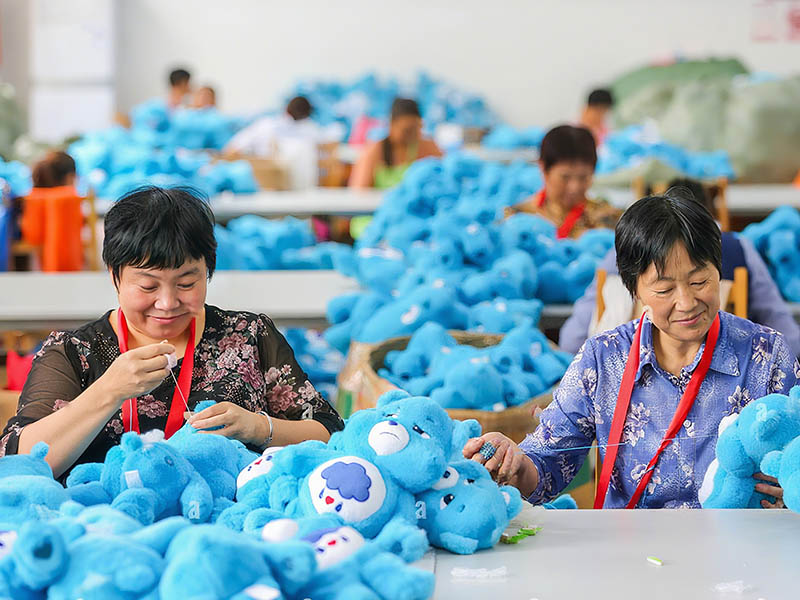
Auditors examine employment contracts, wage records, attendance logs, and working-hour policies. They also check whether emergency exits are accessible, fire extinguishers are maintained, and safety training is provided. Plush toy production involves cutting, sewing, embroidery machines, and glues—so worker safety training is crucial.
Interviews with workers help confirm whether the factory is compliant or if records have been falsified. Ethical non-compliance can cause major supply chain disruptions, as many international brands refuse to work with factories that fail labor audits.
| Social Compliance Area | Key Requirements | Why It Matters |
|---|---|---|
| Worker Welfare | Fair wages, legal contracts | Protects brand integrity |
| Working Hours | Overtime limits | Prevents workforce fatigue |
| Health & Safety | PPE, emergency exits | Reduces accident risks |
| Anti-Child Labor | Age verification | Mandatory for global brands |
| Fire Safety | Evacuation plans & training | Critical in textile environments |
Ethical compliance is no longer optional—it’s part of global brand responsibility. A socially responsible factory is a safer, more stable, and more efficient partner.
What Production Capabilities and Equipment Should Auditors Evaluate?
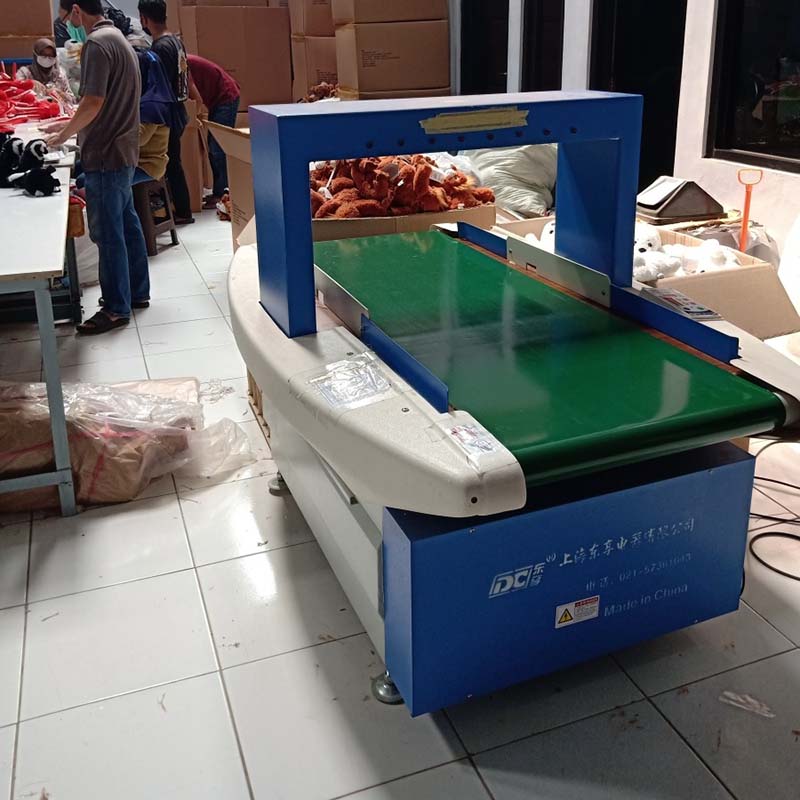
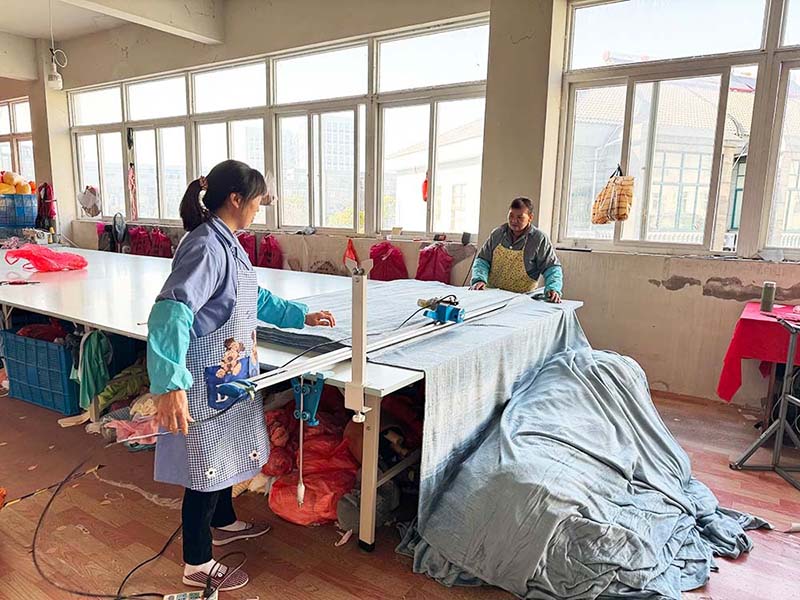
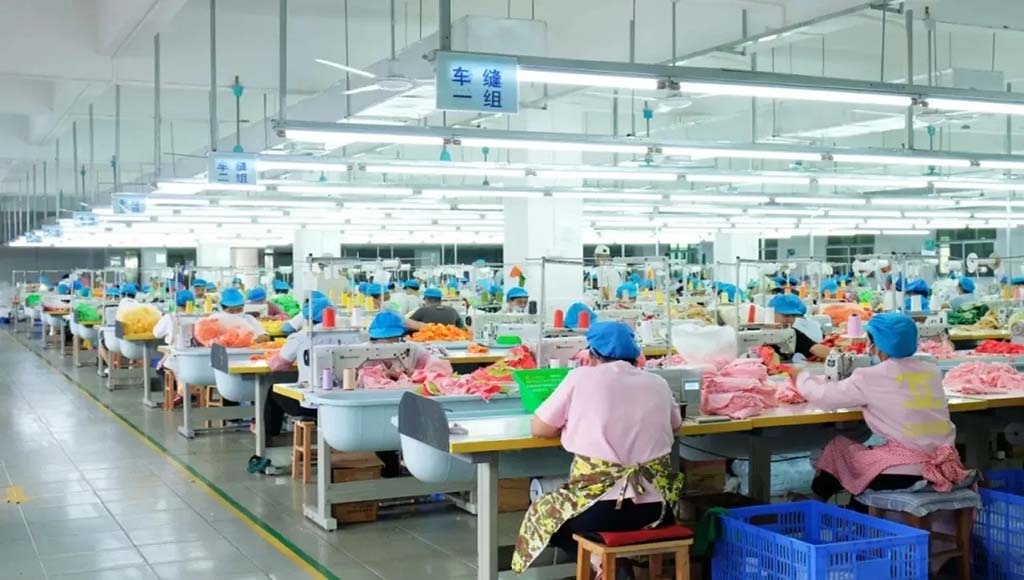
A plush toy factory is only as strong as its production capabilities. During an audit, inspectors evaluate the machinery, production lines, workforce skill levels, and capacity planning. Plush toy production requires a mix of manual craftsmanship and machine-assisted processes.
Key production areas include:
- Cutting Room: Fabric spreading machines, laser cutters, manual cutting tables.
- Sewing Lines: Industrial sewing machines, overlock machines, embroidery machines.
- Stuffing & Shaping: Fiberfill blowers, weighing tools, stitching stations.
- Embroidery / Printing: Automated embroidery machines, heat-transfer stations.
- Assembly & Finishing: Hand-stitching, QC tables, trimming stations.
Auditors also assess whether the factory can handle special processes like weighted plush fillings, interactive components, or custom-shaped pattern cutting. The factory’s capacity must align with the buyer’s order size and timeline expectations.
| Production Area | Equipment Evaluated | Buyer Consideration |
|---|---|---|
| Fabric Cutting | Laser/manual cutting machines | Precision & efficiency |
| Sewing Lines | Industrial + specialized machines | Skill & output consistency |
| Filling Area | Fiberfill machines, bead control | Safety & uniformity |
| Embroidery | Tajima/Barudan units | Logo & detailing quality |
| Finishing | QC tables, trimming tools | Final product consistency |
A capable factory with modern equipment ensures stable production, fewer defects, and consistent quality.
How Is Quality Management Assessed Throughout the Manufacturing Process?
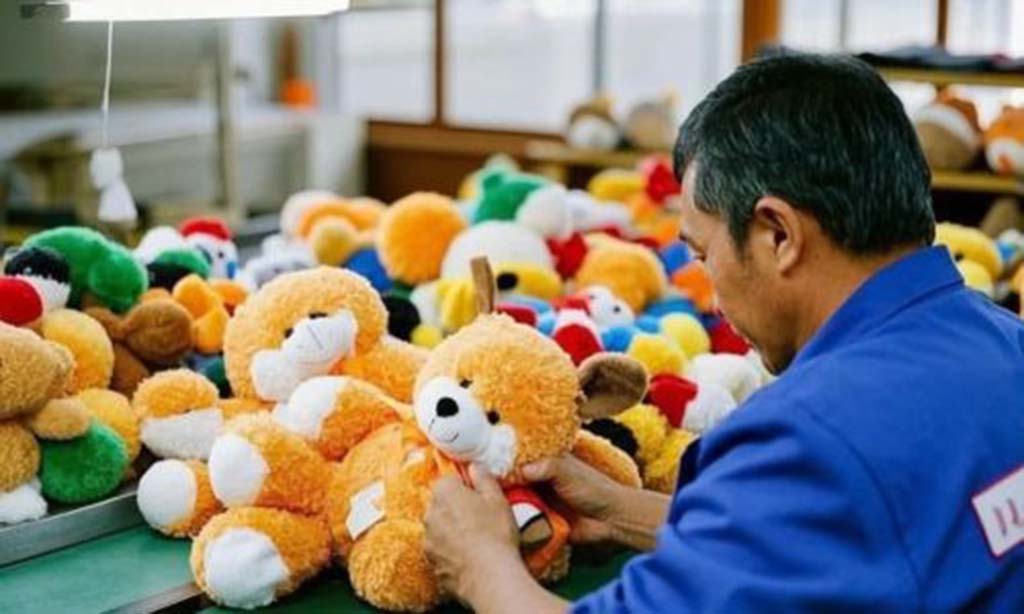
Quality management is one of the most important parts of a plush toy factory audit. Plush toys must be consistent in softness, shape, stitching strength, stuffing density, and safety. A strong quality management system (QMS) includes upstream, mid-stream, and final-stage inspections.
Auditors evaluate:
- Incoming material inspections (fabric, fiberfill, accessories)
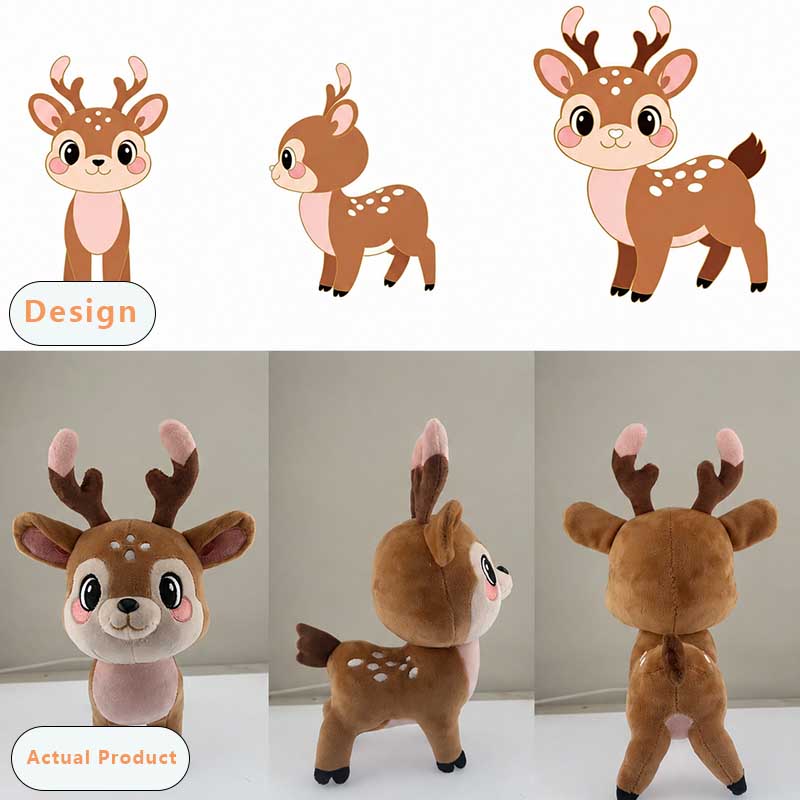
- Pattern accuracy checks during cutting
- In-process sewing inspections
- Embroidery and printing verification
- Stuffing consistency tests
- Final inspection using AQL standards
Factories should have trained QC teams, documented SOPs, calibration records for measuring tools, and clear defect-handling procedures. The audit ensures that QC processes are not just written—but actually implemented on the factory floor.
| QC Stage | Key Checks | Purpose |
|---|---|---|
| Incoming Materials | Fabric defects, colorfastness | Prevent defective materials entering production |
| Cutting QC | Pattern accuracy | Ensures shape consistency |
| Sewing QC | Seam strength & alignment | Prevents functional defects |
| Stuffing QC | Weight, density | Ensures shape & comfort |
| Final Inspection | AQL testing | Verifies shipment readiness |
Consistent quality management reduces rework, delays, and customer complaints.
What Safety and Material Testing Protocols Are Typically Reviewed?
Plush toys must comply with strict international safety standards such as ASTM F963, CPSIA, EN71, ISO 8124, and others. During an audit, inspectors verify whether the factory follows safety protocols and collaborates with accredited testing labs.
Testing requirements include:
- Material toxicity tests: Lead, phthalates, and chemical safety.
- Flammability tests: Required for many regions.
- Mechanical and physical tests: Seam strength, pull tests on eyes and noses.
- Stuffing material hygiene tests: Cleanliness and suitability for children.
- Small parts tests: Choking hazard assessment.
Factories should maintain a documented material traceability system and have MSDS (Material Safety Data Sheets) for all fabrics, fillers, and dyes used.
| Safety Test Type | Description | Compliance Standard |
|---|---|---|
| Chemical Testing | Lead, heavy metals, azo dyes | CPSIA / EN71-3 |
| Flammability | Fabric burn rate testing | EN71-2 |
| Physical Testing | Pull strength, seam strength | ASTM F963 |
| Hygiene Testing | Fiberfill cleanliness | ISO 8124 |
A factory that follows strict safety testing reduces legal risks and protects end consumers—especially children.
How Do Environmental and Sustainability Practices Influence Audit Ratings?
More buyers are prioritizing environmentally responsible manufacturing. Plush toy factories are increasingly expected to demonstrate sustainable practices, especially when producing RPET plush toys, organic cotton dolls, or eco-friendly collections.
Auditors examine:
- Waste management systems
- Water and energy usage records
- Chemical storage and disposal
- Use of recycled or certified materials
- Carbon footprint awareness
- Compliance with environmental regulations
- Certifications such as GRS, OEKO-TEX, FSC
Factories that practice sustainability show stronger long-term operational discipline and brand alignment.
| Environmental Area | What Auditors Check | Why It Matters |
|---|---|---|
| Material Sustainability | RPET, recycled fiber use | Eco-conscious brand alignment |
| Chemical Handling | Proper storage & disposal | Worker and consumer safety |
| Waste Management | Sorting, recycling | Reduces environmental impact |
| Certifications | GRS, OEKO-TEX | Proof of responsible sourcing |
Sustainability is becoming a competitive advantage—especially for plush toy brands selling to premium or eco-focused markets.
Conclusion
A factory audit is one of the most important tools for ensuring responsible, reliable, and safe plush toy manufacturing. It helps brands evaluate production capabilities, assess quality consistency, confirm ethical practices, and minimize risks in global supply chains.
Factories like Kinwin follow strict quality controls, ethical compliance, and safety testing procedures, giving global buyers confidence in every project. With strong manufacturing systems and transparent operations, Kinwin supports brands in producing high-quality plush toys that meet international standards.
📧 Contact: [email protected]
🌐 Visit: https://kinwintoys.com