Skip to content
When you hold a plushie and feel that satisfying softness, it’s not luck—it’s engineering in fabric, fiber, and stuffing. I’m Amanda from Kinwin in China, where my team and I make plush toys for global brands. Plush softness comes from thousands of micro-decisions: fiber fineness, pile height, finishing, filling elasticity, and seam design. In this guide, I’ll explain how each factor works together to create that irresistibly soft texture plush lovers adore—and how we keep it safe, washable, and long-lasting.
What material properties make plushies exceptionally soft?
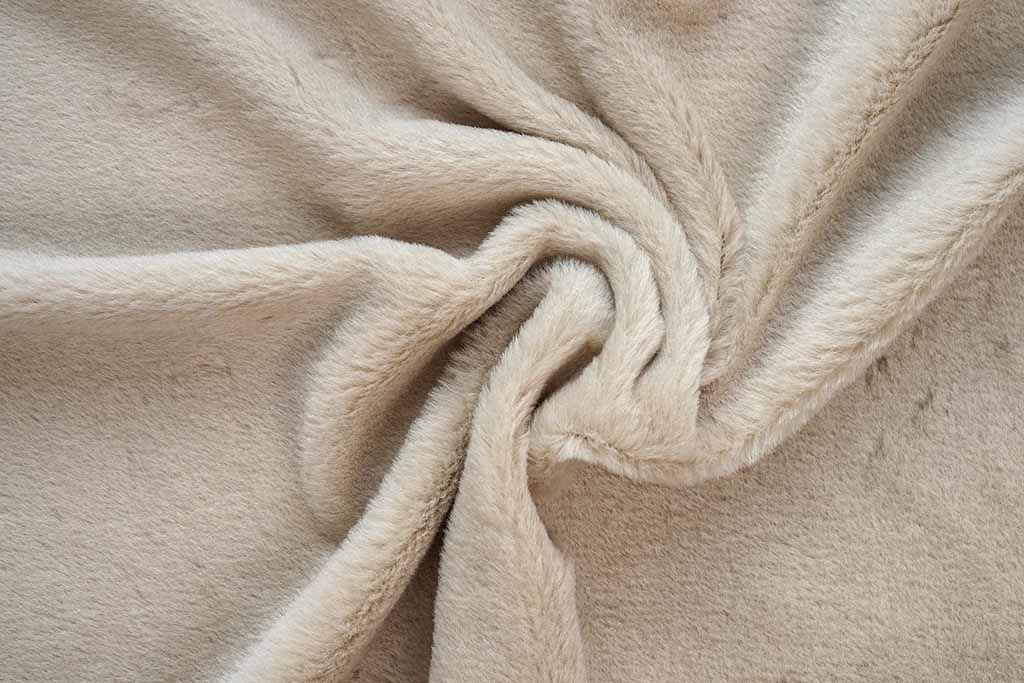
Softness starts with the surface fiber—the part your hand actually touches. Plush fabrics use microfiber polyester or nylon, with fiber diameters smaller than human hair (usually 0.5–1.0 denier). The smaller the fiber, the smoother it bends, reducing friction and giving that buttery feel. These fibers are knit into dense, pile-backed fabrics that compress easily and rebound quickly, making the surface cushioned but never stiff.
Soft plush is not just about touch; it’s also about light reflection and surface energy. Microfibers scatter light softly, giving a velvety look that visually signals comfort even before touch. Beneath the surface, the knit base must be elastic enough to support the pile yet flexible enough to move with it. If the base is too rigid, the fabric feels boardy; too loose, and it sheds or mats.
Manufacturers like Kinwin test different fiber blends, yarn twists, and finishes to find the perfect ratio of pile density, stretch, and recovery—so every plush remains inviting, even after hundreds of hugs.
Key material properties behind plush softness
| Property | Typical Range in Soft Plush | How It Affects Feel | Kinwin Application |
|---|---|---|---|
| Fiber diameter (denier) | 0.5–1.0D | Finer = smoother touch | Microfiber polyester preferred |
| Pile height | 6–20 mm | Taller pile = deeper cushion | Tuned per product type |
| Pile density | 500–1,000 stitches/in² | Denser = fuller softness | Set via warp-knit control |
| Fabric backing | Elastic tricot or weft knit | Prevents stiffness or shedding | Used in premium plush |
| Surface finish | Brushed + sheared | Refines hand-feel | Controlled finishing lines |
How do fiber length, denier, and pile height affect softness?
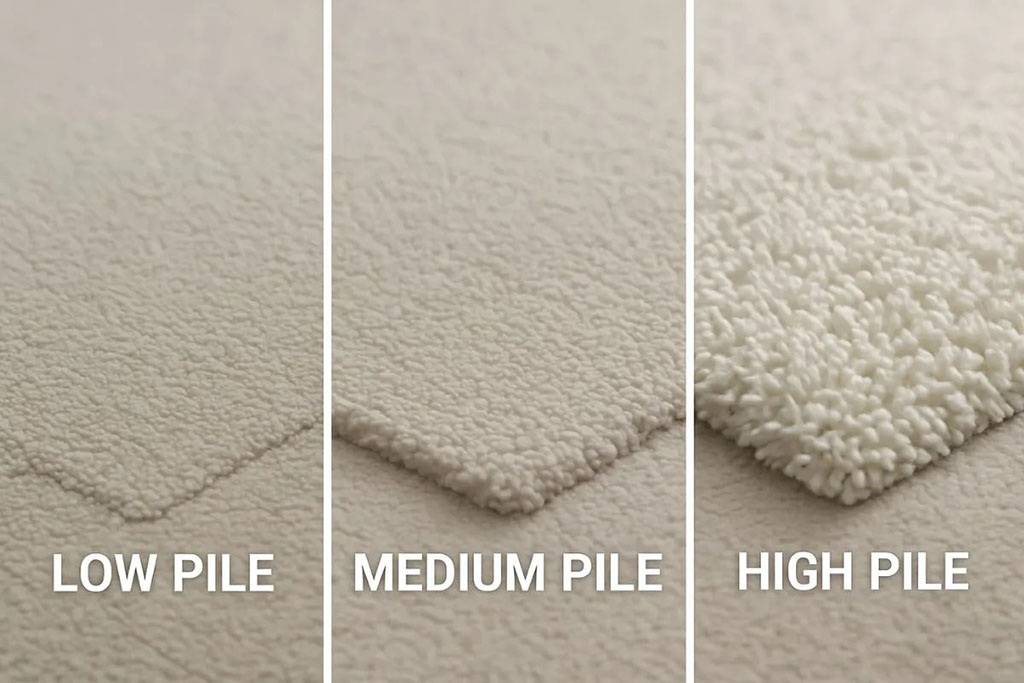
Softness is a function of geometry. Fibers that are long, fine, and flexible create a smooth glide under the hand. Short fibers may feel fuzzy but can cause prickliness if coarser. Denier, which measures fiber thickness, directly relates to tactile smoothness—lower denier fibers bend more easily, mimicking the soft drape of natural fur.
Pile height determines how deep your fingers sink. A mid to high pile (8–15 mm) gives a “cloudy” hand-feel perfect for huggable plushies. Too tall, and the fabric mats or traps lint; too short, and the softness feels shallow. For mass production, manufacturers test different GSM and pile ratios to balance softness, weight, and wash durability.
Fiber length and construction also influence softness retention. Longer continuous filaments shed less and maintain even color after brushing. This is why high-end plush lines often specify continuous microfilament polyester over short-staple varieties—more uniform softness, less shedding.
Softness geometry chart
| Factor | Ideal Range for Plushies | Impact on Feel | Key Trade-Off |
|---|---|---|---|
| Fiber length | Long continuous filament | Smooth, no shedding | Slightly higher cost |
| Denier | 0.5–1.0D | Finer = silkier | Thinner fibers = more care needed |
| Pile height | 8–15 mm | Deeper hand = softer impression | Too tall = matting risk |
| Pile density | High (tight stitches) | Even softness, shape stability | Slightly heavier fabric |
| GSM | 250–400+ | Plush, warm, premium | Adds weight and freight cost |
How do finishing techniques like brushing and shearing enhance touch?
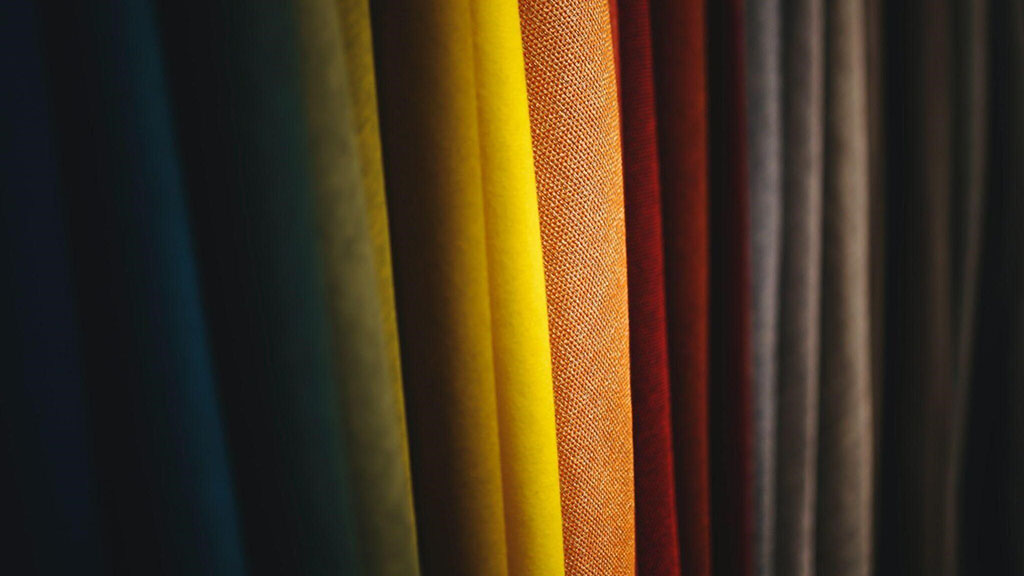
Fabric finishing transforms raw knit material into the velvety surface you love. Brushing raises the pile, untangling microfibers and distributing them evenly. Shearing trims the pile to a uniform height, producing a clean, even feel that’s essential for luxury-grade plush. Together, these steps remove harsh fiber tips and help light reflect evenly, giving the plush its signature “glow.”
At Kinwin, we run multiple softening and brushing cycles, followed by anti-static and anti-pilling treatments. This ensures the plush remains lint-free and retains its glide even after washing. Some premium fabrics undergo silicone or nano soft finishes, creating a smoother, liquid-like touch—but all must comply with safety standards (EN 71, ASTM, CPSIA).
Finishing can also fine-tune aesthetics. Extra shearing produces a “minky” surface; double brushing enhances fluffiness. Controlled heat-setting locks pile direction to prevent bald spots, ensuring plush stays soft and even across the surface for years.
Common finishing techniques and effects
| Technique | What It Does | Effect on Softness | Safety Consideration |
|---|---|---|---|
| Brushing | Raises & detangles pile | Adds volume, fluff | Must control lint release |
| Shearing | Cuts pile evenly | Smooth, refined touch | Sharp shears require QC |
| Heat-setting | Fixes pile direction | Prevents matting | Maintain dye stability |
| Softening (chemical) | Coats fiber surface | Enhances glide | Must meet OEKO-TEX/CPSIA limits |
| Anti-static/pilling | Reduces cling & fuzz | Clean touch & wash durability | Toy-grade approved only |
What role does stuffing material play in overall plush softness?
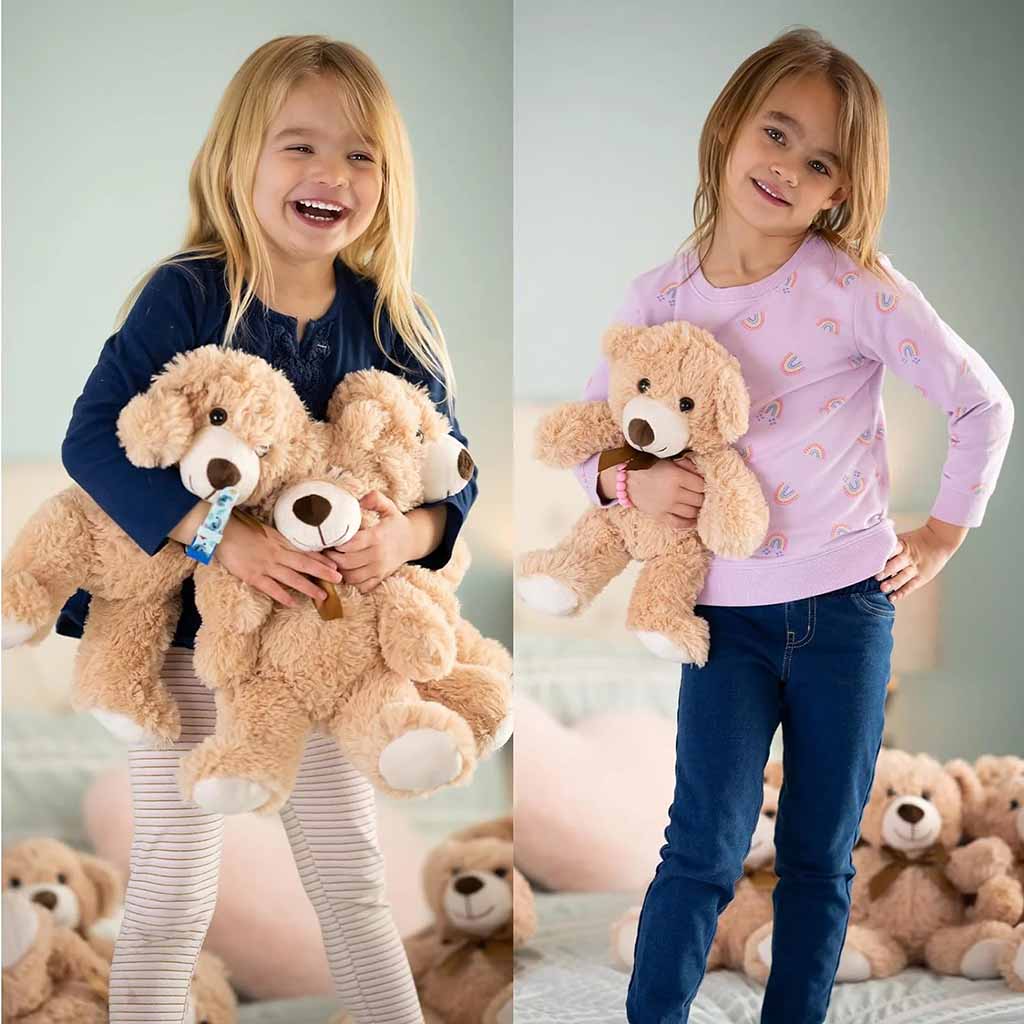
Outer fabric gives the first impression, but stuffing controls depth and rebound—the “hug feel.” Most plush toys use polyester fiberfill (PP cotton), chosen for its elasticity, washability, and hypoallergenic nature. Fine, hollow fibers trap air pockets, creating softness without heaviness. Higher loft fiberfill feels plushier but must be balanced to avoid lumping.
Some high-end designs use layered fills: firmer fiber in the core for structure and softer fill in the outer layer for comfort. For sensory or weighted plush, sealed bead pouches add stability but reduce the “squish” feel, so we adjust outer fiberfill ratios accordingly.
Good manufacturers distribute stuffing evenly by zone—more firmness in the head for shape retention, softer in the body for cuddling. Every Kinwin plush passes compression and seam strength tests to confirm the fill stays secure and the plush rebounds to its original shape after repeated squeezes.
Stuffing and feel comparison
| Stuffing Type | Softness Level | Benefits | Considerations |
|---|---|---|---|
| Polyester fiberfill | Very soft | Light, washable, consistent | Must be clean & low-lint |
| Hollow fiberfill | Extra cushion | Airy, plushier | Slightly bulkier |
| Microfiber filling | Ultra smooth | Silk-like softness | Premium cost |
| Beads/pellets | Moderate | Adds weight/stability | Not for baby toys |
| Blended fill (layered zones) | Customizable | Structural + soft feel | Complex sewing control |
How do washing and maintenance preserve a plushie’s soft texture?
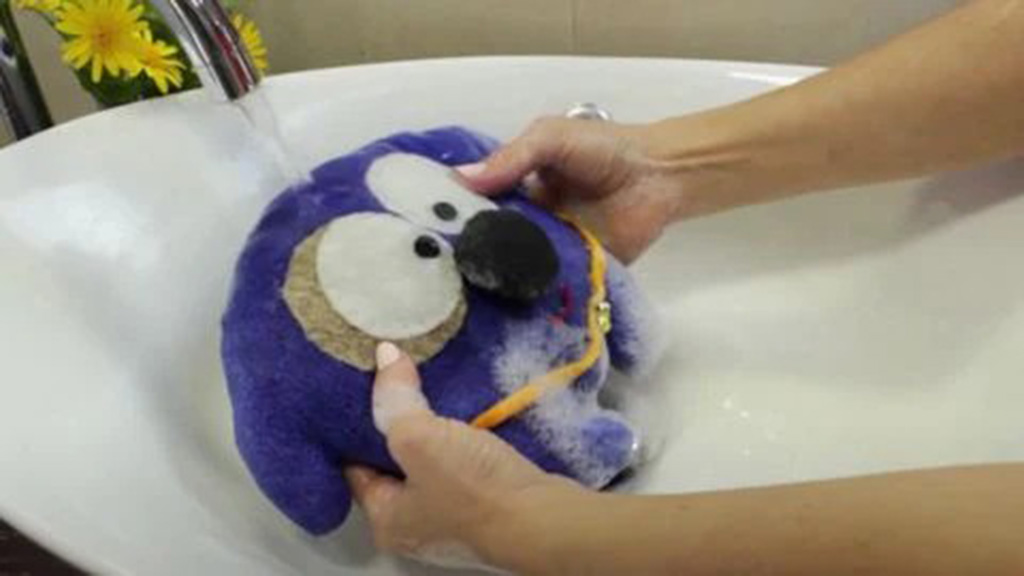
Even the softest plush can lose its charm if washed harshly. Warm water, rough agitation, or high heat can crush pile fibers and stiffen filling. For long life, use cold water, gentle detergent, and air drying. In manufacturing, we pre-test fabrics through 5–10 wash cycles to confirm that softness, color, and pile direction stay consistent.
Anti-pilling finishes and low-static coatings prevent fiber tangling during washing. Using short pile fabrics for baby plush makes cleaning easier and faster. Parents often prefer machine-washable plushies with simple shapes, no internal electronics, and durable embroidery faces—Kinwin tests every line for post-wash texture retention.
Storage matters too: moisture can harden stuffing and flatten pile. Keep plush in dry, shaded places, and comb the fur lightly with a soft brush after drying to revive the original softness.
Softness care guide
| Maintenance Step | Why It Matters | Recommended Practice |
|---|---|---|
| Washing | Prevents fiber hardening | Cold water, mild detergent |
| Drying | Retains pile bounce | Air dry; avoid high heat |
| Brushing | Restores surface loft | Use soft bristle brush |
| Storage | Prevents compression | Keep dry & upright |
| Fabric choice | Affects longevity | Prefer anti-pilling short pile for babies |
How do manufacturers balance softness with durability and safety?
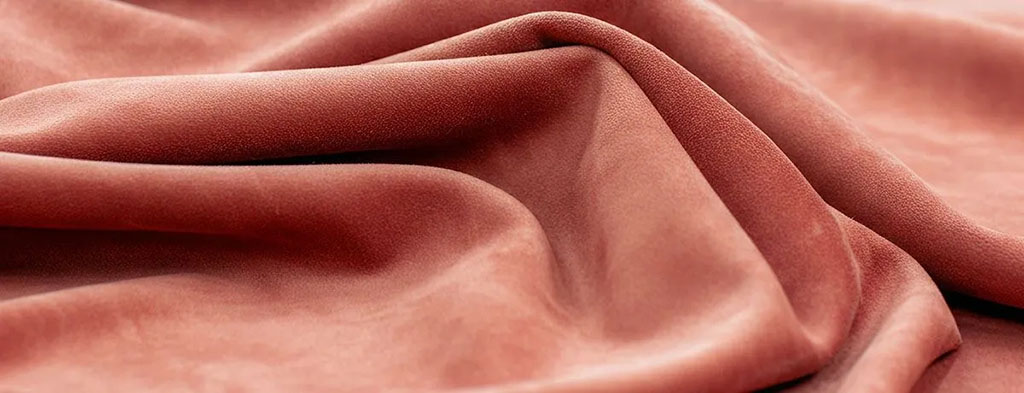
Softness should never compromise safety or longevity. For toys, fabrics must pass seam strength, lint, flammability, and chemical migration tests under EN 71 (EU) and ASTM F963/CPSIA (USA). Manufacturers balance softness with structure by using dense knitting and reinforced stitching, ensuring plush feels gentle but holds together during play and washing.
Ultra-fine fibers are pre-tested for tensile strength and shedding resistance, and all softeners used must be non-toxic and certified. We also test for colorfastness, saliva resistance, and UV stability, since soft toys are often mouthed or machine-washed.
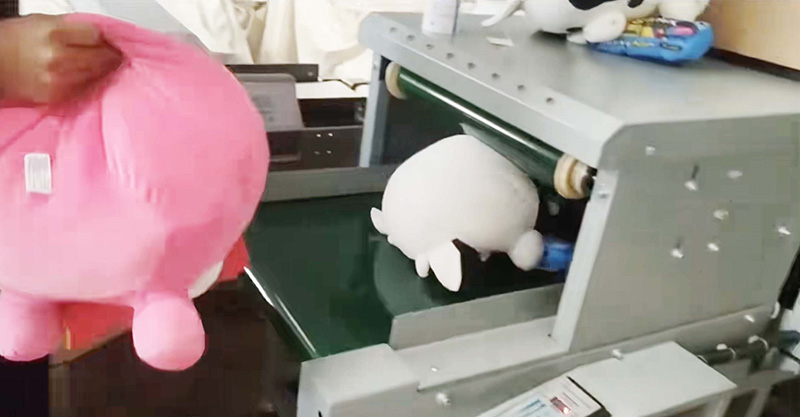
At Kinwin, every soft plush sample goes through needle detection and pull testing (≥90N for seams) before packaging. This way, the toy feels irresistibly soft but remains mechanically and chemically safe for all ages.
Balancing chart: softness vs safety
| Focus Area | Softness Target | Safety Reinforcement | Kinwin Quality Control |
|---|---|---|---|
| Fabric | Fine denier, brushed & sheared | EN71/ASTM compliance | Supplier-certified textiles |
| Seams | Hidden stitches for smooth feel | ≥90N seam strength | Six-stage QC |
| Stuffing | Clean PP cotton, high loft | Metal detection & lint test | 100% fill inspection |
| Finishing | Toy-safe softeners | No harmful residues | SGS/TÜV reports |
| Durability | Multiple wash test | Shape retention check | Compression & rebound test |
Conclusion
Softness in plushies is both science and art—a harmony of microfibers, pile geometry, finishing precision, and careful stuffing. True comfort comes from material intelligence and manufacturing control, not luck. When softness is engineered right, a plush remains gentle, safe, and comforting long after the first hug.
At Kinwin, we create plush toys that combine ultra-soft fabrics, premium fillings, and rigorous testing for global markets. Whether you design for babies, collectors, or brands, we’ll help you choose materials that feel heavenly and meet every safety standard.
📩 Contact [email protected] or visit kinwintoys.com—let’s build softness that lasts.