Skip to content
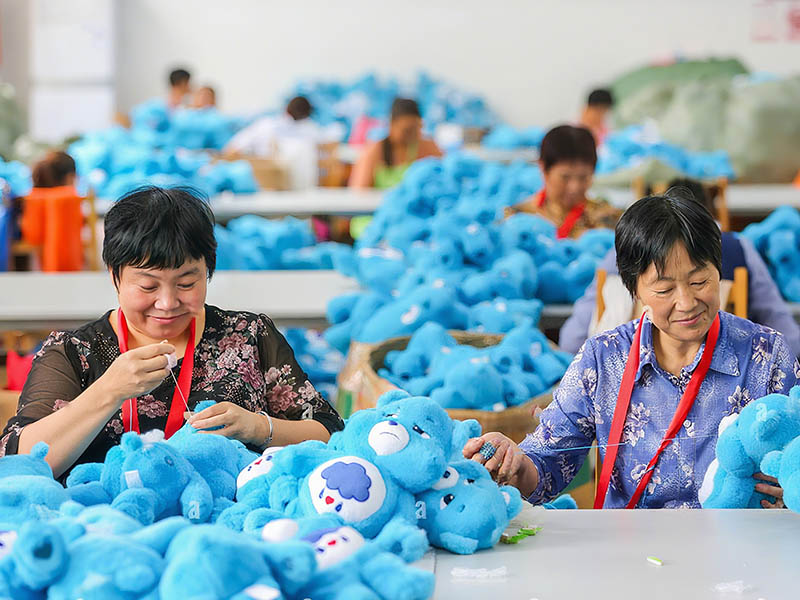
Parents want a baby’s stuffed animal to be safe, soft, easy to clean, and truly comforting. I’m Amanda from Kinwin in China. My factory produces baby plush for brands and retailers worldwide, so I focus on what matters in real homes: materials that touch skin, filling that stays clean, construction that withstands pulling, and clear safety labeling for peace of mind. Below is a simple, practical guide to help you choose the best stuffed animal for babies—from fabrics and fillings to size, design, and certifications.
What key features make a stuffed animal safe for babies?
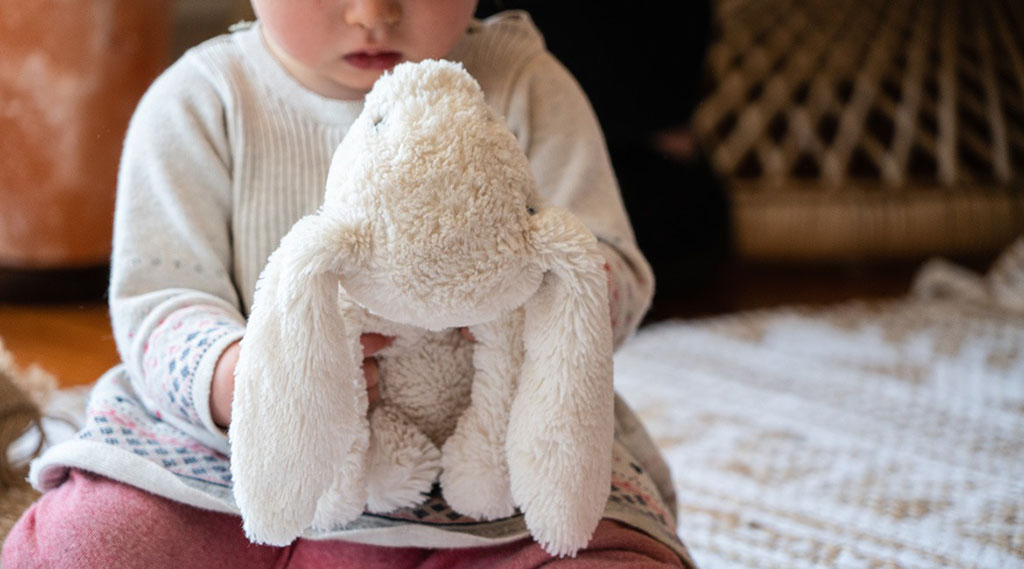
For babies, safety is not one feature—it’s a system. The outer fabric must be gentle and low-lint; seams must be strong; the face should be embroidered (no hard or detachable parts); and the entire toy must pass mechanical, chemical, and flammability checks for the target market. I also recommend simple silhouettes with no cords, beads, or loose trims, plus clear care instructions. For newborns, a light, flat “lovey” or small plush is easier to hold and safer to manage during sleep routines (parents should follow local safe-sleep advice). In production, we add controls like needle tracking and metal detection to prevent hidden hazards. Finally, choose vendors who can supply test reports and traceable materials; paperwork is part of real safety.
Baby-safe stuffed animal checklist
| Safety Aspect | What to Look For | Why It Matters |
|---|---|---|
| Facial features | Embroidered eyes/mouth | No small parts; safe for mouthing |
| Seams & structure | Tight stitching, bar-tacks at stress points | Prevents rips and fiber leakage |
| Trims | None for newborns; minimal for infants | Reduces choking/entanglement risk |
| Materials | Toy-grade fabrics, tested stuffing | Limits chemicals and allergens |
| Documentation | EN71/ASTM/CPSIA reports, age grade | Confirms safety for your region |
How do fabric choices affect softness, breathability, and hygiene?
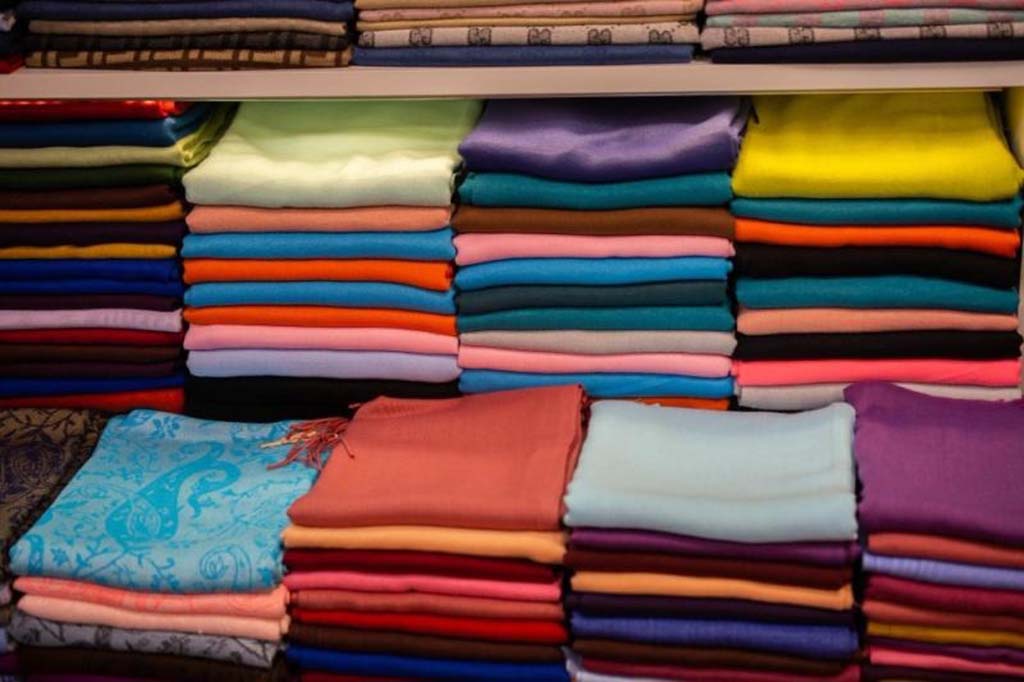
Fabric is the baby’s first touch. Minky (short, silky pile) feels luxurious and rarely irritates skin when sourced toy-grade. Velboa has a very short pile that shows embroidery crisply and sheds less lint—great for faces. Fleece is warm and matte; choose anti-pill grades for better hygiene after washing. For parents who want natural surfaces, organic cotton terry/knit can work well, but test for colorfastness and shrink. Whatever you choose, avoid rough glitter prints, metallic foils, or unstable dyes. Breathability improves with lower pile height and lighter GSM, and hygiene improves with wash-friendly constructions (avoid dense fur on newborn items). I recommend neutral, low-contrast palettes for bedtime and calm routines, and brighter accents for daytime play. Always label washing guidance (e.g., cold wash, gentle spin, air dry) and confirm the fabric still feels soft after 5–10 wash cycles.
Baby-friendly fabric overview
| Fabric | Touch & Breathability | Hygiene & Care | Best Use for Babies |
|---|---|---|---|
| Short-pile minky | Very soft; moderate breathability | Washable; retains softness | Main body for cuddle toys |
| Velboa (micro-plush) | Smooth, low lint; good breathability | Easy to clean; crisp embroidery | Face panels, small plush |
| Anti-pill fleece | Cozy; moderate breathability | Choose anti-pill; quick dry | Winter-themed plush, loveys |
| Organic cotton knit/terry | Natural contact; high breathability | May shrink; test colorfastness | Surface for sensitive skin |
What stuffing materials ensure comfort and child safety?
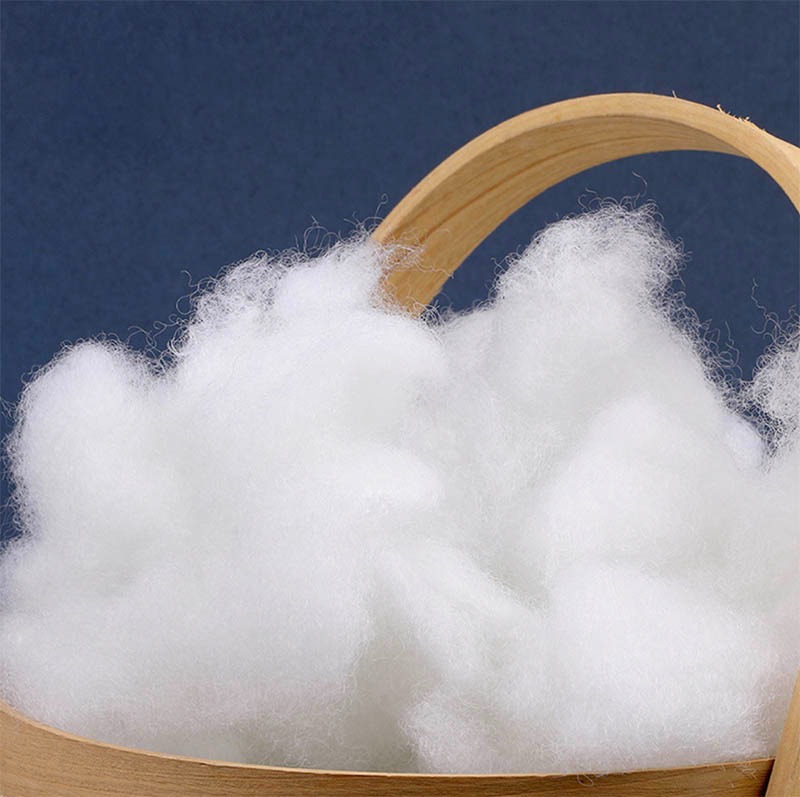
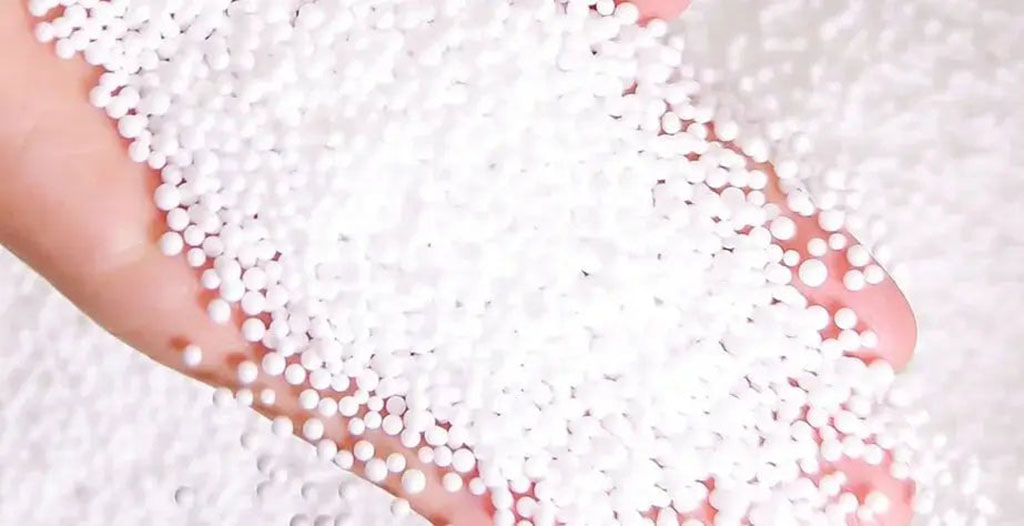
For babies, the standard is polyester fiberfill (often called PP cotton). Choose clean, low-odor, fine-denier grades that are springy yet light. Avoid loose pellets in baby products; if weight is needed, use sealed inner pouches and age-appropriate labeling (usually not for under-3). Natural fillings (cotton, wool, kapok) can be used in decorative items but are less ideal for baby toys because they hold moisture, clump, or pose allergen risks. Recycled polyester (rPET) fiberfill is a strong eco option if it meets the same cleanliness, resilience, and testing standards. Finally, specify a stuffing weight range for consistent feel across batches and ask the manufacturer to distribute density by zone (slightly firmer head for shape, medium body for cuddling).
Baby-safe stuffing guide
| Filling | Pros | Considerations for Babies | Recommended Use |
|---|---|---|---|
| Polyester fiberfill | Soft, resilient, washable | Choose low-lint, clean grades | Primary filling for baby plush |
| rPET fiberfill | Eco story; similar feel to virgin | Must be certified & traceable | Eco lines meeting baby standards |
| Pellets/beads | Add weight & posture | Avoid for under-3 unless fully sealed & labeled | Typically not for baby SKUs |
| Natural fibers | “Natural” story | Moisture/clumping/allergen risk | Better for decor, not baby chew/play |
How do safety certifications and age grading guide product selection?
Buy according to the age grade and the market’s standards. For Europe, look for EN71; for the USA, ASTM F963 and CPSIA; for other regions, follow local rules. Reports should match the exact SKU (same materials, same factory). Labels must show age grade, warnings (if any), care, and importer details. Under-3 products demand stricter rules for small parts, cords, and detachable trims. If packaging includes polybags, add suffocation warnings per region. As a buyer, ask for a golden sample, lab reports, and QC checklists. If any component changes (fabric lot, embroidery thread colorant, stuffing supplier), re-assess tests. Safety is dynamic, not one-and-done.
Certifications & labeling snapshot
| Item | What to Verify | Buyer Tip |
|---|---|---|
| EN71 / ASTM / CPSIA | Up-to-date test reports for your SKU | Confirm lab (SGS/Intertek/TÜV), test scope |
| Age grading | “0+”, “3+” etc., aligned to design | No small parts for 0+; clear icons/text |
| Chemical limits | Dyes, metals, phthalates | Keep supplier declarations & batch traceability |
| Labeling | Care, warnings, importer | Ensure language & region compliance |
Which designs and sizes are ideal for newborns and toddlers?
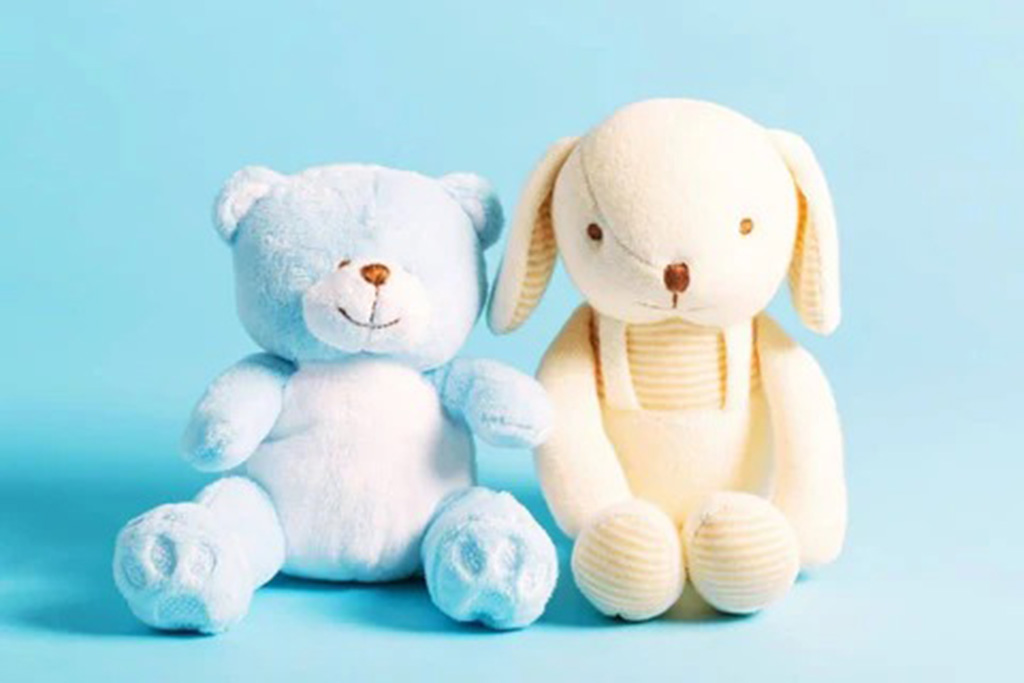
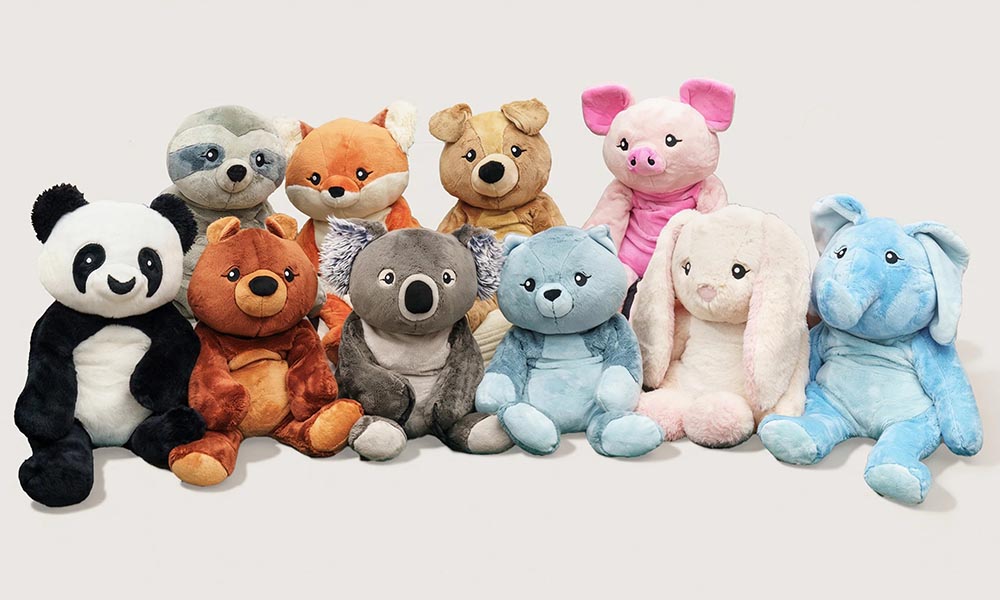
For newborns, choose small/light plush or flat loveys with short pile and embroidered faces; they’re easy to grasp and safer to manage around sleep (parents should follow safe-sleep guidance and supervise). For 6–24 months, a small to medium plush (15–25 cm / 6–10″) is ideal—big enough to hug, not heavy to carry. Keep silhouettes simple and rounded; avoid long strings, stiff accessories, or heavy clothing layers. Neutral animal friends (bunny, bear, puppy) and gentle colors reduce overstimulation and pair well with bedtime routines. For toddlers, consider loop labels or textured patches for sensory exploration, but keep them securely stitched. Finally, choose machine-washable designs; busy families need easy care.
Size & design recommendations
| Age | Recommended Size | Design Tips | Avoid |
|---|---|---|---|
| 0–6 months | Flat lovey / small plush | Short pile, very light, embroidered face | Cords, beads, heavy trims |
| 6–24 months | 15–25 cm (6–10″) plush | Round shapes, secure stitching, calm colors | Hard eyes/noses, dense fur |
| 2–3 years | 20–30 cm (8–12″) plush | Add simple textures, name label area | Overly large/heavy items |
How do parents choose between organic, hypoallergenic, and washable options?
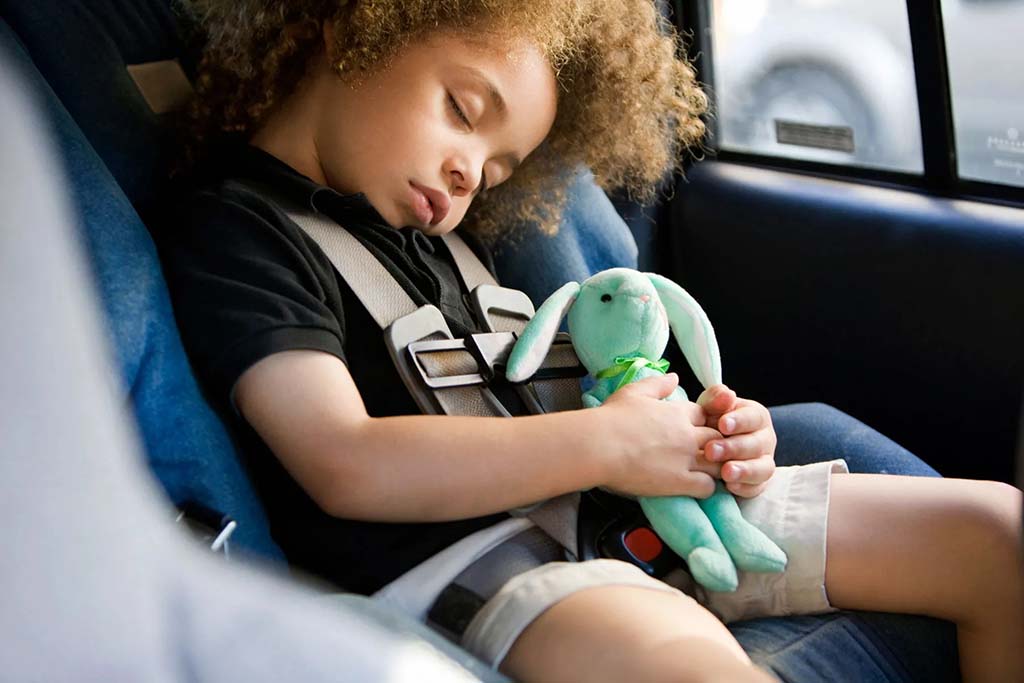
These labels solve different needs. Organic refers to farming standards (commonly for cotton surfaces); it’s good for parents who want natural contact, but still test for colorfastness and shrink. Hypoallergenic usually means materials less likely to trigger reactions—look for low-lint fabrics, clean polyester fiberfill, and no fragrance or unnecessary coatings. Washable is about everyday life: toys should machine wash without matting or color bleed, and dry quickly to avoid odor. Many families pick a washable, short-pile plush with embroidered features as the daily companion, and add an organic-surface lovey for contact time. If you can only choose one path, I suggest prioritizing washability + hypoallergenic construction for daily use, and adding organic SKUs as a complementary option.
Comparing buyer priorities
| Option | What It Ensures | Ideal For | Key Checkpoints |
|---|---|---|---|
| Organic surface | Natural fiber contact | Parents focused on farming standards | GOTS/organic claims, shrink & colorfast tests |
| Hypoallergenic build | Low lint, clean fill, no fragrance | Sensitive skin, frequent mouthing | Supplier cleanliness, fabric/fill hygiene |
| Highly washable | Easy clean, quick dry | Daily use, daycare travel | Multiple wash tests; maintain softness |
Conclusion
The best stuffed animal for a baby is soft on skin, safe by design, washable for real life, and clearly labeled. Choose short-pile fabrics, embroidered faces, clean polyester fiberfill, and small/light silhouettes for the first years. Back this with valid test reports and simple, honest care guidance so parents can trust the toy every day.
At Kinwin, my team and I help brands and retailers develop baby-safe plush that pass global tests and delight families—from fabric selection and pattern work to stuffing plans, QC, and labeling. If you’d like to build or refine a baby plush line, email [email protected] or visit kinwintoys.com. We’ll make a product that looks gentle, feels gentle, and is gentle—inside and out.