Skip to content
When people ask me what stuffing to use, they don’t want a chemistry lesson. They want a plush that feels good in the hand, keeps its shape, passes safety tests, and fits a clear price point. I’m Amanda from Kinwin in China. Below, I’ll explain the main stuffing options, how they behave in real manufacturing, and how we choose and test them for different plush designs.
What are the main types of stuffing used in stuffed animals?
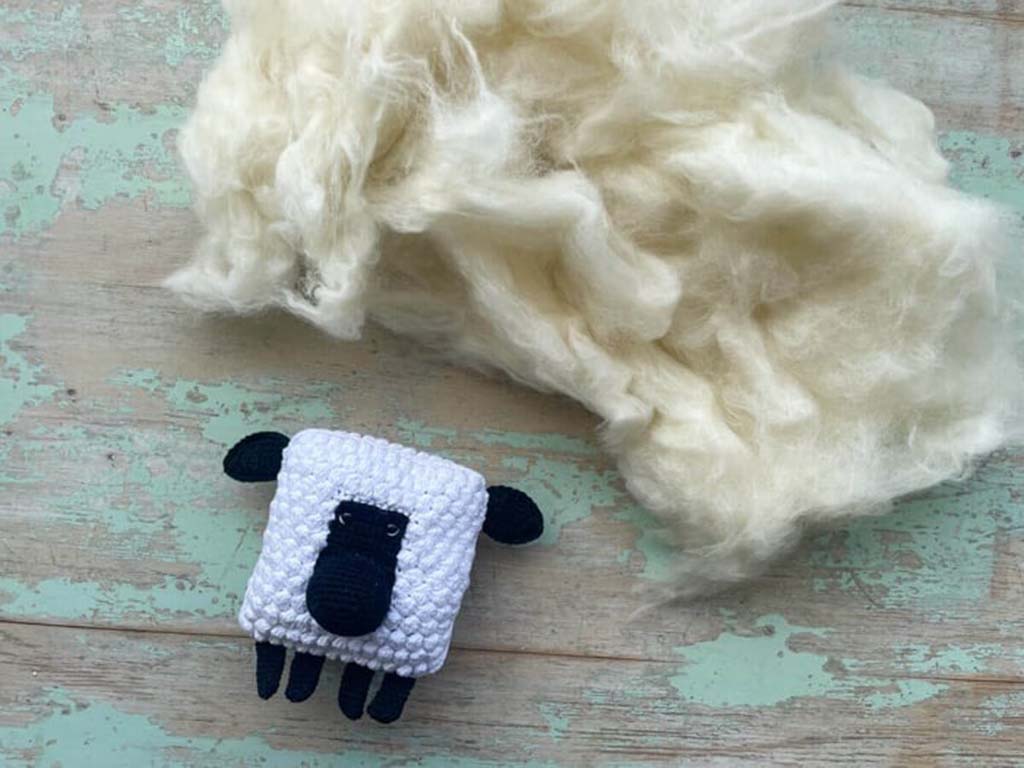
In modern production, most stuffed animals use polyester fiberfill as the base. We then tune feel and function by mixing in pellets, glass beads, or foam. Some brands use natural fibers (cotton, wool, kapok) or recycled polyester for sustainability stories.
Main stuffing families at a glance
| Stuffing family | Typical materials | Core traits | Common use cases |
|---|---|---|---|
| Synthetic fiberfill | Polyester fiberfill (virgin or recycled rPET) | Soft, light, resilient, washable | Most children’s plush, dolls, cushions |
| Natural fiberfill | Cotton, wool, kapok | “Natural” story, unique hand-feel | Artisanal or premium eco narratives (careful QC) |
| Weighted media | Plastic pellets (PP/PE), glass beads | Adds weight and grounding | Sitting stability, collectible feel, weighted plush |
| Structural inserts | Foam blocks, foam sheets, memory foam | Shape control and defined silhouettes | Big heads, muzzles, ears, decorative panels |
| Blended solutions | Fiberfill + pellet bags or foam components | Balanced softness + structure/weight | Shelf-sitting plush, display mascots, therapeutic toys |
How does polyester fiberfill balance softness, safety, and durability?
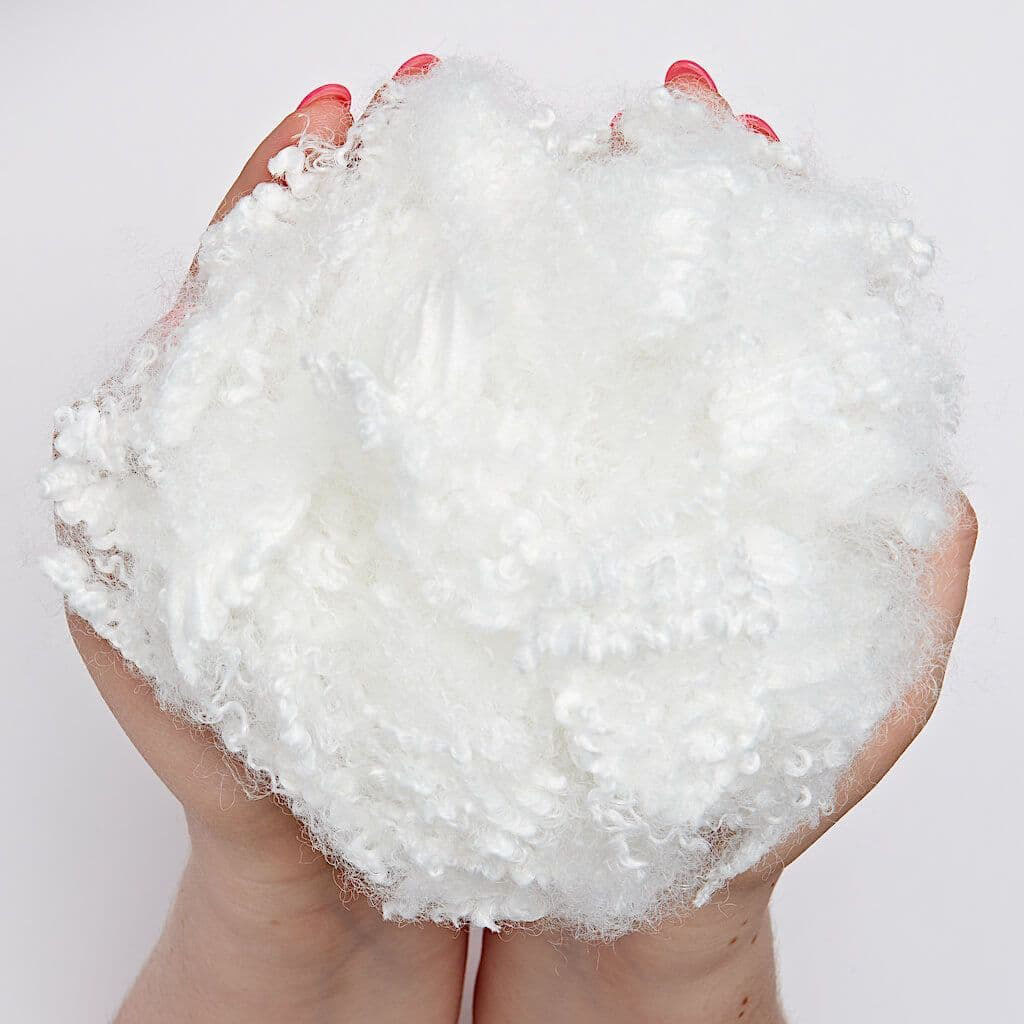
Polyester fiberfill (often called PP cotton in Asia) remains the practical standard. It’s soft, light, and bounces back after a squeeze. When siliconized and made with hollow conjugate fibers, it slides smoothly during stuffing and resists clumping. It washes better than most natural fibers and has stable, global supply—key for pricing and consistency.
Why polyester fiberfill dominates
| Factor | What good fiberfill delivers | Why this matters for your line |
|---|---|---|
| Hand-feel | Smooth, cloud-like softness without scratchiness | Better first impression and reviews |
| Resilience | Springs back after compression and shipping | Keeps SKU looking new on shelf and after use |
| Washability | Handles hand/machine wash with proper construction | Parent-friendly, fewer returns |
| Safety & hygiene | Low moisture uptake; clean, low-odor grades available | Easier to pass EN71/ASTM/CPSIA |
| Cost & availability | Predictable pricing and lead times | Scalable for promotions and replenishment |
| Versatility | Works alone or with pellets/foam | One base for baby, kids, collectible, decor lines |
Pro tip: Define a target stuffing weight range per size (e.g., 10–14″ medium plush) to keep feel consistent across batches.
What natural fillings like cotton, wool, or kapok offer unique benefits?
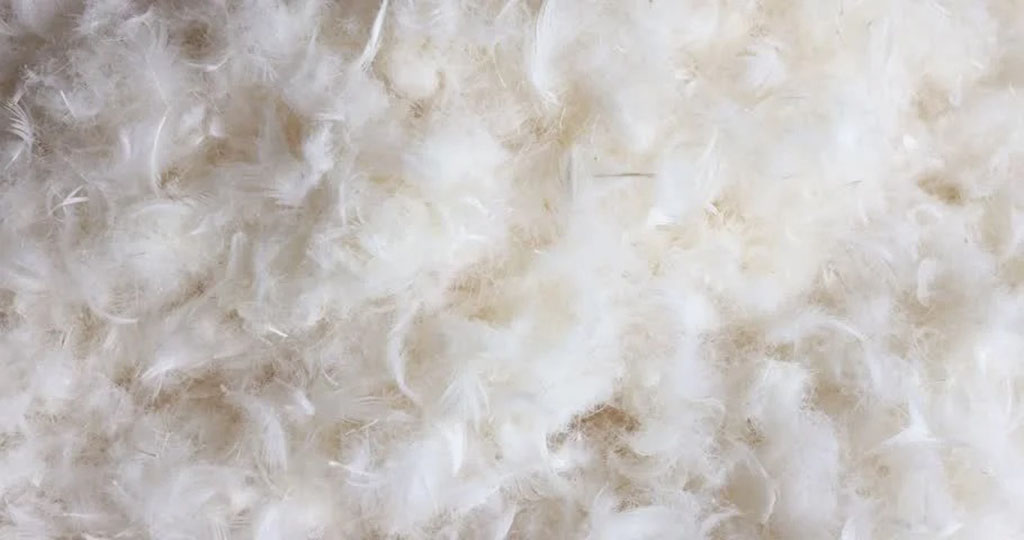
Natural fillings can support a brand story—heritage, organic, or artisanal—but they require careful controls. Cotton feels familiar yet compacts and holds moisture. Wool is springy but can felt or trigger allergies. Kapok is ultra-light and silky but delicate in mass production. For export toys, we evaluate moisture, microbiological risks, and batch variability more strictly than with polyester.
Natural fillings—benefits and watch-outs
| Natural filling | Strengths | Challenges in production | Best-fit scenarios |
|---|---|---|---|
| Cotton fiber | Natural claim, dense comforting squeeze | Heavier; can clump; retains moisture | Decorative plush, adult gifts, small-batch artisan |
| Wool | Warm, springy, premium feel | Allergy risk; felting/shrinkage when washed | Collectible lines (14+), dry-clean/spot-clean SKUs |
| Kapok | Feather-light, silky hand | Delicate handling; uneven supply | Niche eco SKUs, cushions where ultra-light is ideal |
Practical path: For an eco angle with mainstream performance, recycled polyester fiberfill (rPET) beats most natural options on testing, supply, and durability.
How do beads, pellets, or foam fillings affect texture and realism?
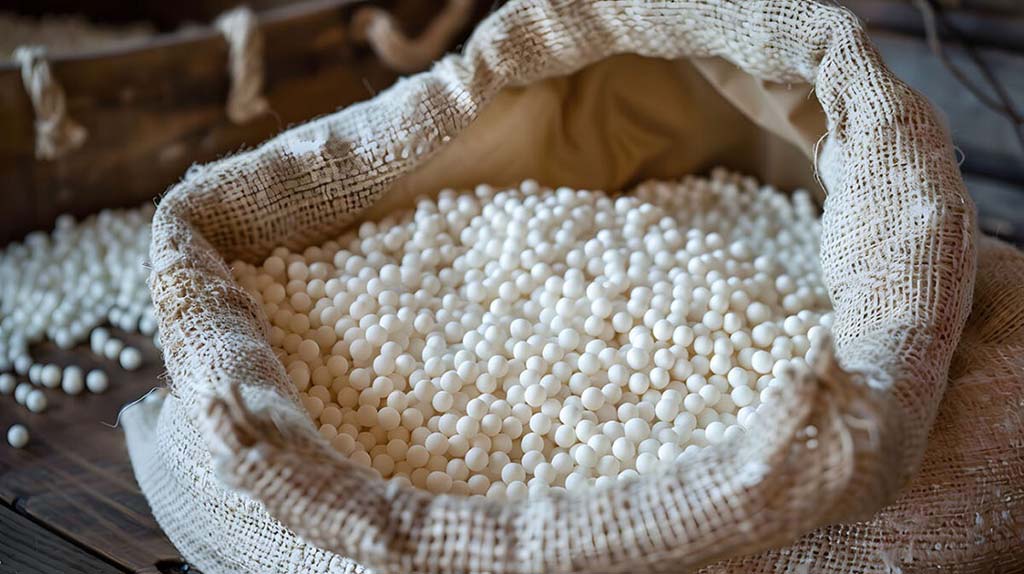
Weight and structure change the emotion of a plush. Pellets make it feel “serious” and help it sit. Foam creates defined shapes you can’t get with fiberfill alone. We usually contain pellets in sewn inner pouches, then surround them with fiberfill for a smooth hand-feel.
Effect of specialty components
| Component | What it changes | Typical placement | Notes for safety & quality |
|---|---|---|---|
| Plastic pellets (PP/PE) | Adds gentle weight; bean-bag texture | Bottom, hands/feet, torso pouch | Always use inner bags; reinforce seam zones |
| Glass beads | High weight in small volume | Torso/limbs for weighted products | Label age/weight clearly; for older users/14+ |
| Foam blocks | Defined volumes (heads, snouts, armor) | Inside head/muzzle; costume elements | Enclose fully; check compression set over time |
| Foam sheets | Stiffness for wings/ears/panels | Ears, wings, cap brims, flat shapes | Round corners; ensure no sharp edges |
| Mixed system | Pellets + fiberfill + foam as needed | Zone-by-zone tuning | Best balance of softness, posture, realism |
Design tip: Set different density targets by zone—firmer head, medium torso, lighter limbs—to avoid a “ball” look and keep expressions crisp.
What eco-friendly and recycled stuffing materials are gaining traction?
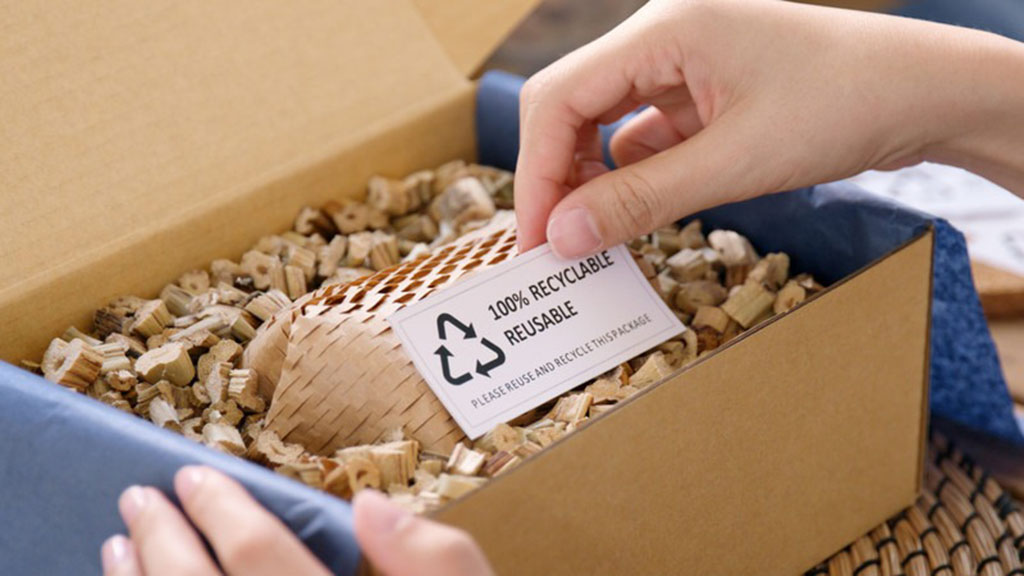
The fastest-growing option is recycled polyester fiberfill (rPET) made from post-consumer sources (e.g., PET bottles). High-quality rPET can feel nearly identical to virgin fiberfill and integrates cleanly into existing processes. Some brands also pilot recycled plastic pellets and experiment with bio-based fibers, but supply stability and testing frameworks are still catching up.
Eco stuffing options in practice
| Option | Eco claim | Performance reality | Implementation tip |
|---|---|---|---|
| rPET fiberfill | Recycled content, circularity signal | Matches virgin feel if supplier is reliable | Collect supplier certificates; keep batch traceability |
| Recycled plastic pellets | Reused plastic for weight components | Similar to virgin pellets | Validate smell/cleanliness; verify pellet size uniform |
| Bio-based synthetic fibers | Reduced fossil origin | Variable softness and durability | Pilot small SKUs; test washing and aging thoroughly |
| Natural fillings (above) | Renewable materials | Hygiene, moisture, and consistency hurdles | Use for adult decorative SKUs with clear care labeling |
Messaging note: Pair rPET with low-plastic packaging to make the whole product story credible, not just the inside.
How do manufacturers choose and test stuffing for different plush designs?
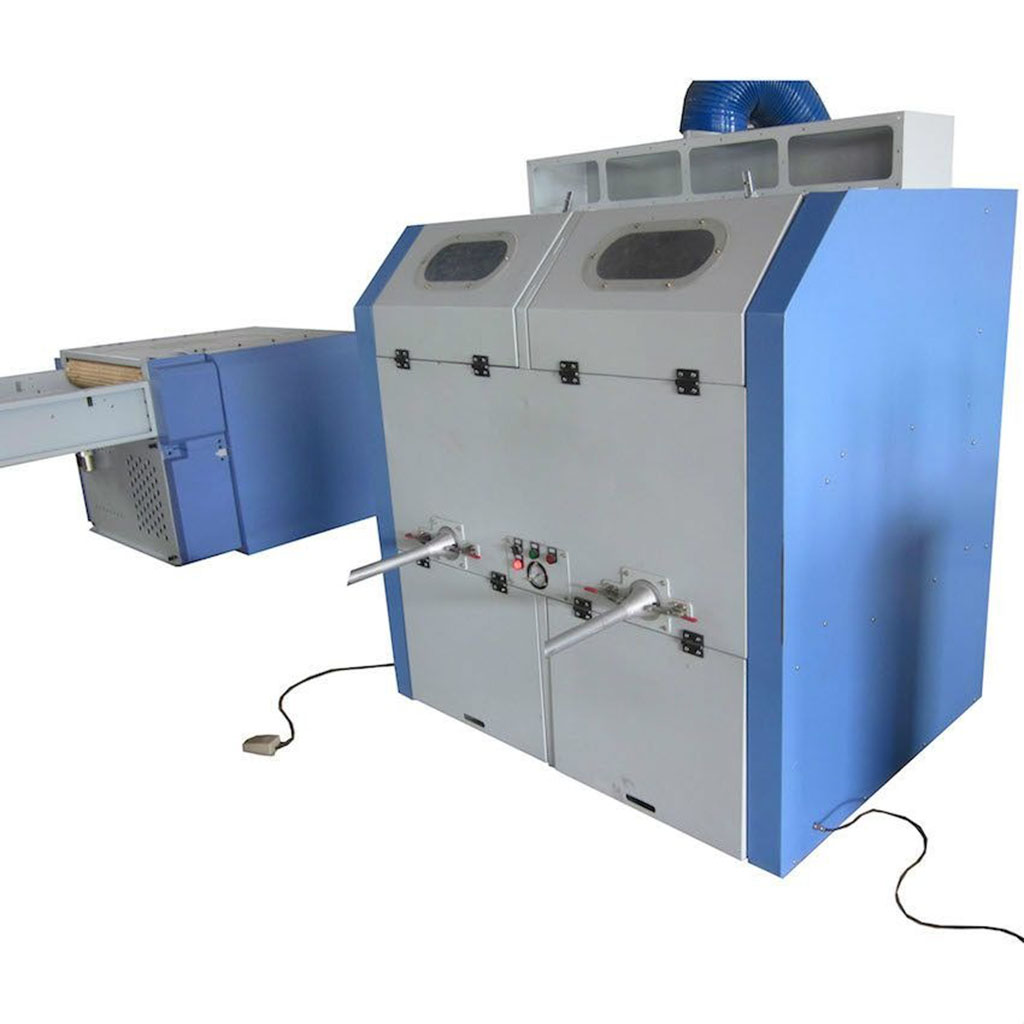
We start with who will use the plush and how: baby cuddle toy, kid’s daily companion, teen collectible, home decor, or weighted calming plush. Then we match stuffing systems to feel, posture, price, and the target market’s safety rules.
Selection & testing workflow
| Step | What we do in the factory | Outcome you receive |
|---|---|---|
| User & market brief | Define age grade, use case, target price, regions | Clear stuffing direction (fiber grade, pellets, foam) |
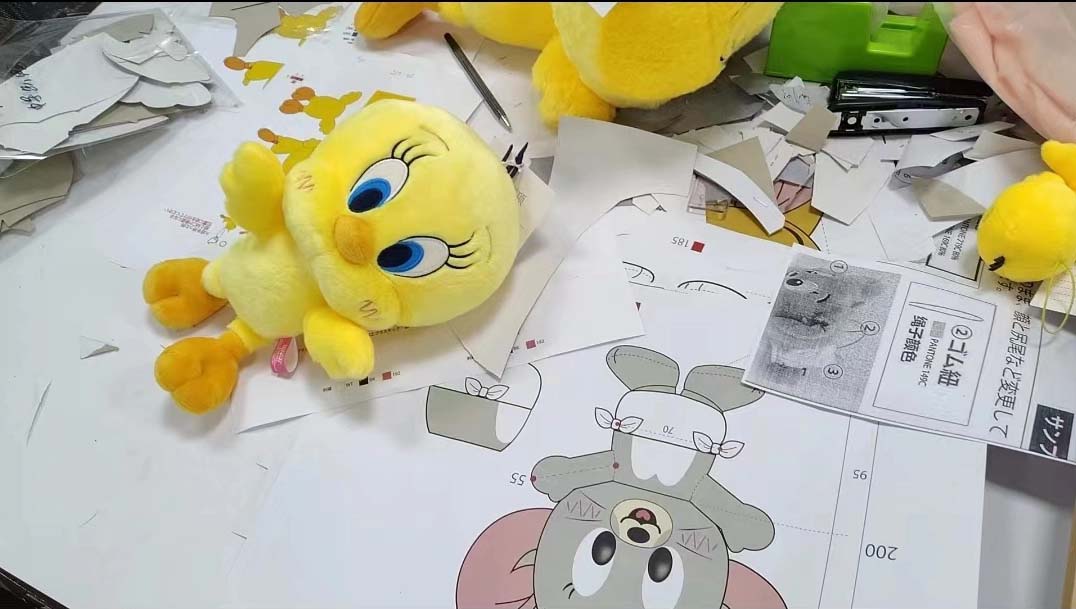
| Sample zoning plan | Set density by part; decide pellet pouches/foam inserts | Prototype with right hug feel and posture |
| Stuffing weight targets | Establish gram ranges per size | Batch-to-batch consistency |
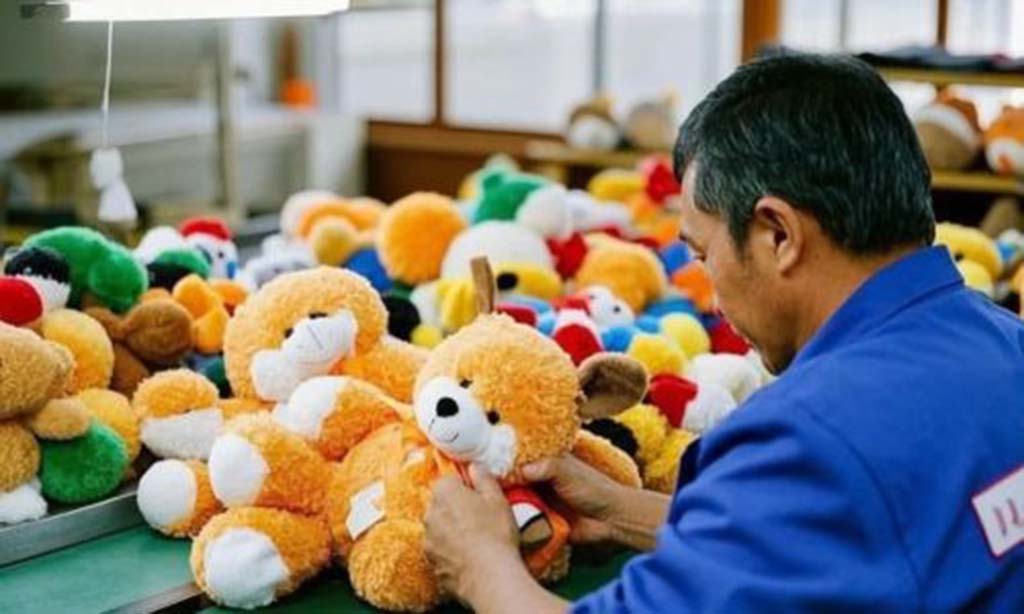
| Inline feel checks | Train operators on “hand standard”; supervised adjustments | Evenness inside heads/limbs; no lumpy corners |
| Lab & compliance tests | Mechanical (seam/pull), chemical, flammability as required | EN71/ASTM/CPSIA readiness |
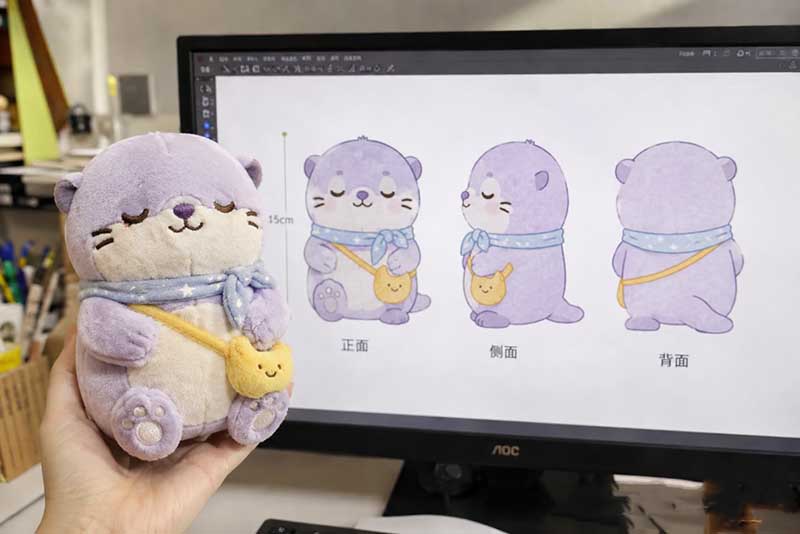
| Golden sample lock | Approve final feel and documentation | Repeatable production anchored to reference sample |
Quick pairing guide (use-case → stuffing)
| Use case / audience | Recommended stuffing approach |
|---|---|
| Baby & toddler cuddle plush | High-grade polyester (or rPET) fiberfill; no loose pellets |
| Everyday kids’ plush (3+) | Fiberfill + small pellet pouches in bottom for sitting |
| Teen/adult collectible | Slightly firmer head, balanced torso, pellet base for stability |
| Weighted calming plush (older) | Pellet pouches + fiberfill; glass beads only with clear labeling |
| Decor / jumbo floor plush | Fiberfill core; foam sheets/blocks to keep big shapes clean |
| Eco-positioned line | rPET fiberfill; consider recycled pellets; document chain |
Conclusion
There is no single “best” stuffing. The right choice is the system that serves your user, design, price, and safety plan. For most lines, high-quality polyester (or recycled) fiberfill forms the base. Then we fine-tune with pellet bags and foam to get the exact hug, posture, and realism you want.
At Kinwin, my team and I help global buyers turn a mood board into a consistent, safe “inside feel” that customers notice the moment they squeeze the plush. If you’d like help selecting or testing stuffing for your next range, email me at [email protected] or visit kinwintoys.com. We’ll design a filling plan that feels right in the hand and passes real-world use.