Skip to content
Delivering plush toys on time during seasonal campaigns is one of the biggest challenges global brands face today. Whether it’s Christmas, Valentine’s Day, Easter, or a promotional event, missing the delivery window can lead to lost revenue, disappointed retailers, and damaged brand credibility. For large B2B buyers, ensuring on-time delivery requires more than just fast production—it’s about forecasting, planning, coordination, and control.
A trusted plush toy manufacturer must handle not only the production workload but also complex scheduling, material sourcing, compliance checks, and international logistics. In this guide, we’ll explore the full process of achieving reliable delivery performance, from early forecasting and supplier evaluation to contingency planning and transparent communication between factories and brands.
What Are the Typical Lead Times for Seasonal Plush Toy Production?
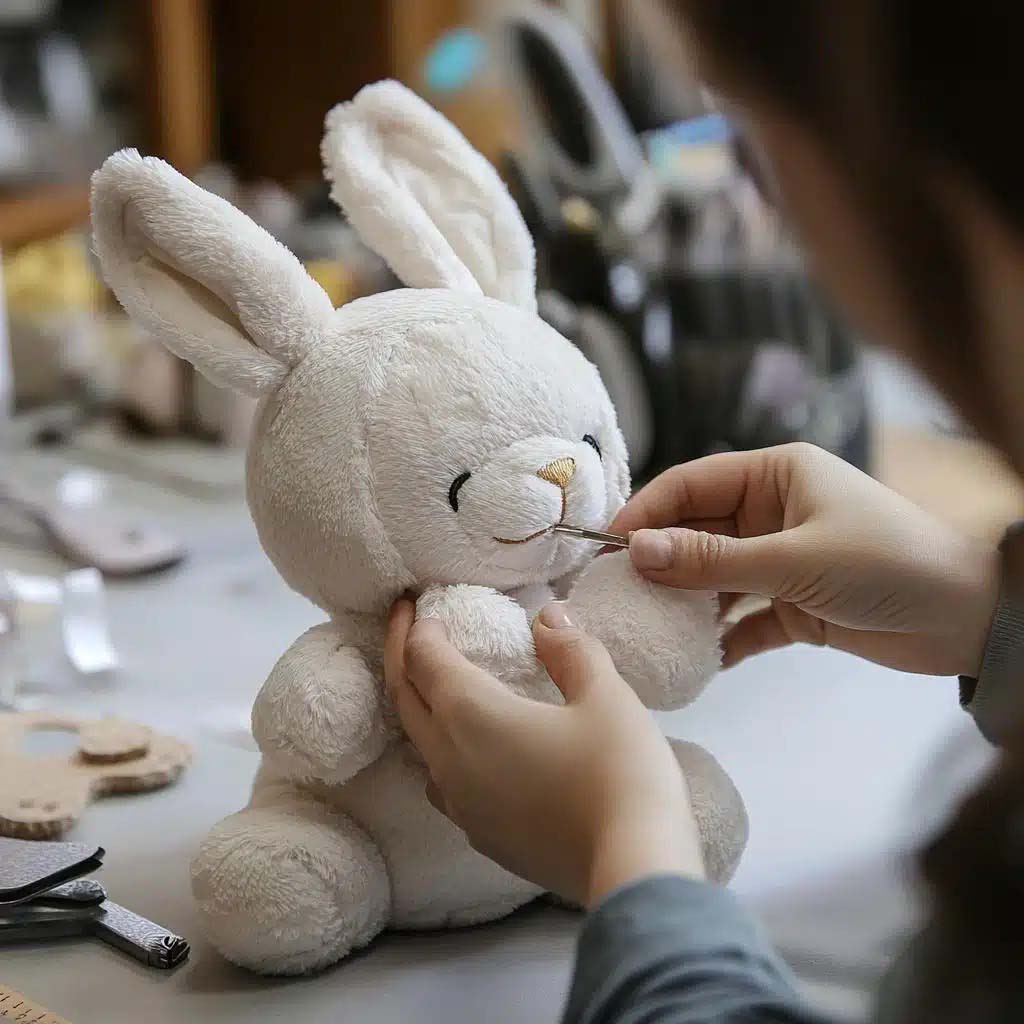
Seasonal plush toy production involves multiple phases, each with its own timeline. Unlike regular orders, seasonal production faces tighter schedules and higher competition for factory capacity. On average, brands should expect a total lead time of 8–14 weeks from concept approval to shipment, depending on design complexity and supplier readiness.
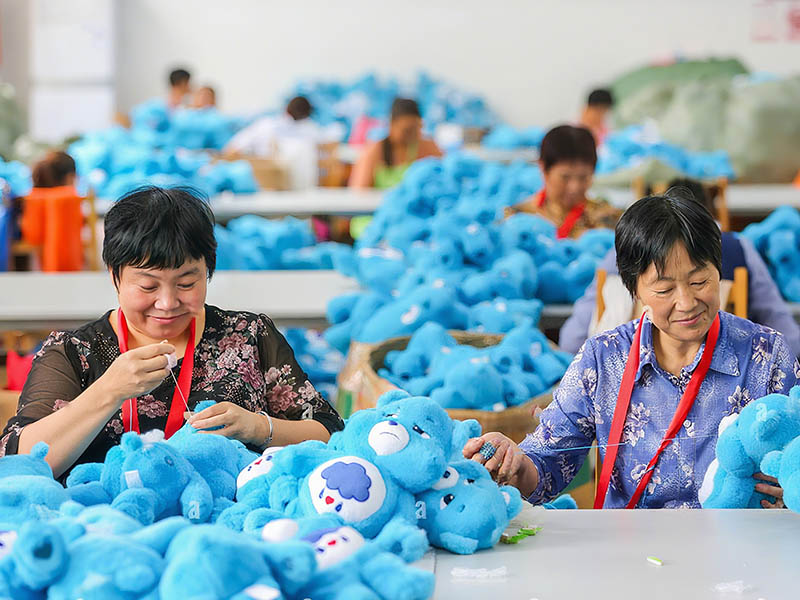
The process begins with sampling and prototyping, which typically takes 2–3 weeks. This stage defines the toy’s design, fabric texture, and safety compliance requirements. The next phase, material sourcing, may take 1–2 weeks depending on fabric type and color availability. Once materials are approved, mass production begins—often lasting 4–6 weeks for standard toys, or longer for complex models featuring embroidery, electronics, or accessories.
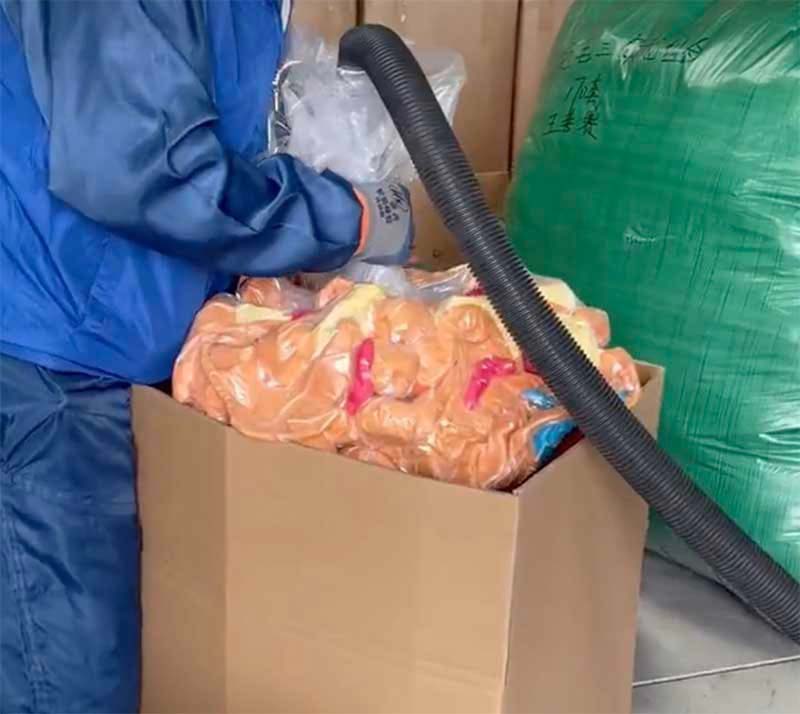
After production, factories conduct quality inspection and packaging, taking roughly one week, followed by shipping and customs clearance, which can take another 1–3 weeks based on destination and freight method.
| Stage | Typical Lead Time | Key Factors |
|---|---|---|
| Sampling & Prototype | 2–3 weeks | Design complexity and revisions |
| Material Sourcing | 1–2 weeks | Availability of fabrics and trims |
| Bulk Production | 4–6 weeks | Order size, stitching detail, factory capacity |
| Inspection & Packing | 1 week | Internal or third-party testing |
| Logistics & Delivery | 1–3 weeks | Freight type and customs clearance |
A proactive brand doesn’t wait until peak season to place orders. To avoid congestion, orders should be confirmed at least 2–3 months before peak demand, allowing factories to secure production slots, purchase materials in advance, and coordinate freight schedules. This foresight is especially crucial when exporting to markets with strict seasonal deadlines like the U.S. or Europe.
How Can Demand Forecasting and Early Order Planning Reduce Time Pressure?
Late orders are one of the most common causes of delayed shipments. Accurate demand forecasting and timely purchase orders allow both buyers and factories to prepare ahead, reducing last-minute pressure and miscommunication.
Effective forecasting begins with analyzing historical sales data, market trends, and promotional calendars. For example, if your plush toy line saw a 30% increase during last year’s Christmas sales, it’s wise to forecast at least that volume plus an additional safety margin. Sharing these projections early enables manufacturers to pre-book fabrics, reserve machine capacity, and organize labor schedules efficiently.
Brands that provide rolling forecasts—quarterly or monthly updates—give their suppliers valuable insight into upcoming order patterns. This transparency improves efficiency, as the factory can plan for material procurement and avoid panic sourcing when global textile demand spikes.
Equally important is early order placement. Submitting purchase orders 2–3 months ahead of the seasonal campaign ensures the factory can reserve production capacity and reduce overtime dependency. Batch scheduling is also effective: splitting large orders into smaller waves allows for quality control and smoother workflow without overloading the production lines.
| Planning Strategy | Implementation | Result |
|---|---|---|
| Early Order Placement | Confirm PO 2–3 months early | Guarantees production slots |
| Rolling Forecast | Update volume projections regularly | Improves flexibility and accuracy |
| Batch Scheduling | Divide orders by SKU or region | Reduces congestion and error rates |
Strategic forecasting transforms the production process from reactive to proactive, helping brands avoid last-minute chaos and giving factories room to maintain consistent quality standards.
What Impact Does Supplier Reliability and Material Availability Have on Scheduling?
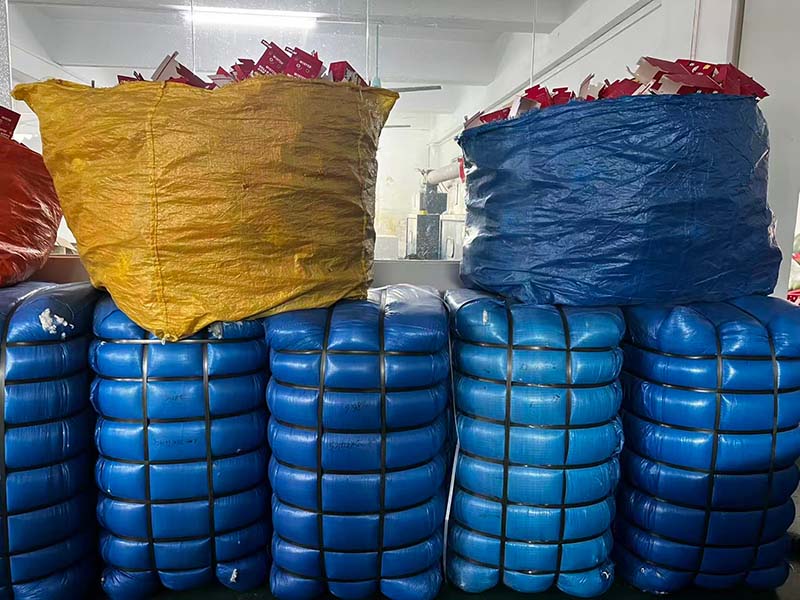
Even the most detailed production plan can fail if the supplier lacks reliability or material stability. Reliable suppliers maintain strong relationships with fabric mills, filling suppliers, and accessory vendors, ensuring a smooth material flow during high-demand periods.
Material shortages are a leading cause of delays, especially for specialized plush fabrics like minky, velboa, faux fur, or eco-friendly RPET fiber. A trusted manufacturer mitigates this risk by:
- Maintaining strategic stock of common materials.
- Working with certified, audited fabric suppliers.
- Establishing backup sourcing channels in case of disruptions.
Supplier reliability also includes operational consistency—adhering to deadlines, maintaining clear communication, and implementing robust internal controls. Factories that operate under ISO 9001 standards typically exhibit superior planning and documentation discipline, which translates into better schedule adherence.
| Reliability Factor | Impact on Delivery | Best Practice |
|---|---|---|
| Material Availability | Delays in sourcing cause stoppages | Pre-book high-demand fabrics |
| Supplier Stability | Labor shortages or power cuts disrupt output | Partner with compliant, audited factories |
| Communication | Unreported problems cause cascading delays | Weekly updates with order progress reports |
Brands should always audit potential partners for production readiness and backup sourcing capabilities. A reliable factory doesn’t just respond to problems—it prevents them by predicting risks and implementing timely solutions.
How Can Production Workflow Optimization Improve Efficiency During Peak Seasons?
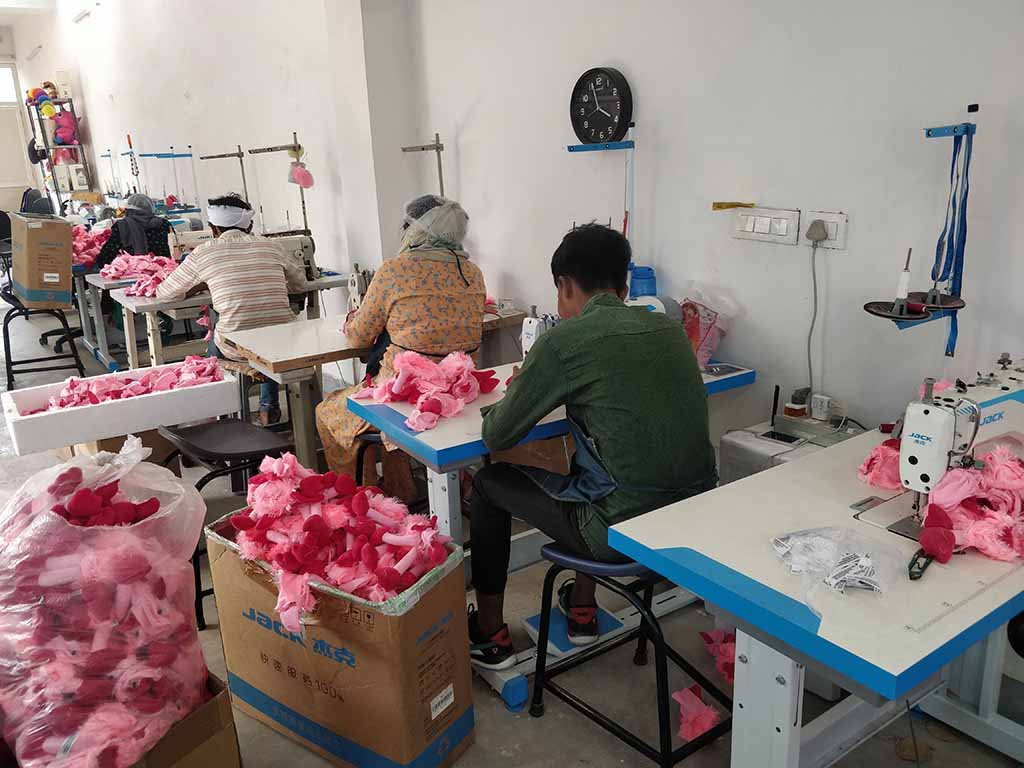
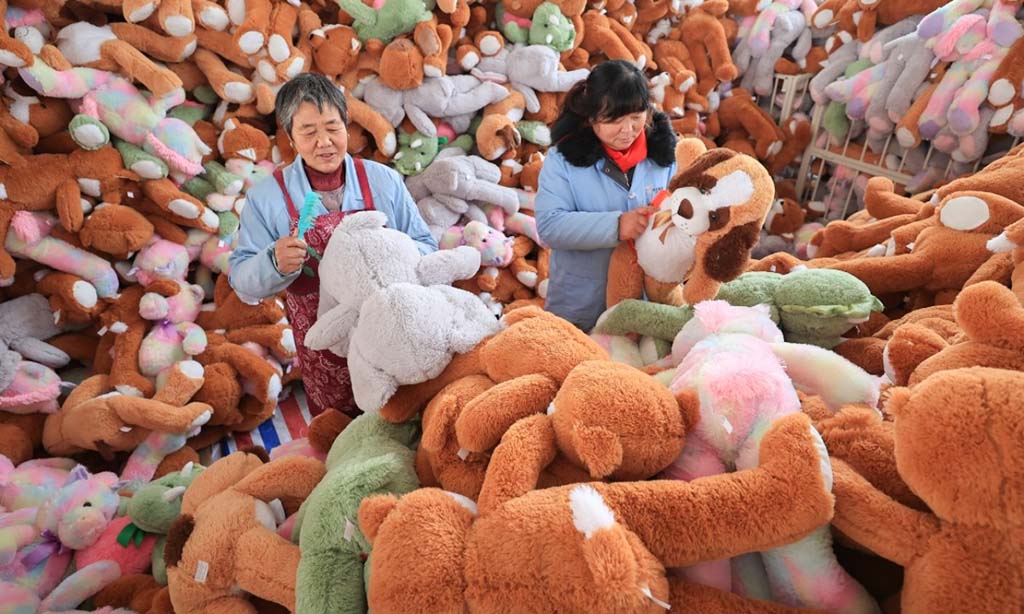
During seasonal peaks, production lines often operate at full capacity. Without structured workflow optimization, even the best factory can face chaos. Trusted plush toy manufacturers use advanced scheduling tools and lean production systems to manage complexity.
Lean manufacturing focuses on reducing waste—such as excessive material handling, unnecessary movements, or idle machine time. Efficient factories group similar production tasks, like fabric cutting or embroidery, into batch operations to minimize setup time and enhance consistency.
Factories that use real-time tracking dashboards can identify delays instantly. Supervisors can redistribute resources, reassign teams, or add temporary shifts when bottlenecks arise. This agile management ensures every line runs efficiently without compromising quality.
Cross-training staff also increases flexibility. If one section faces a delay (e.g., embroidery backlog), trained operators from another section can temporarily assist, keeping workflow continuous.
| Optimization Technique | Description | Benefit |
|---|---|---|
| Lean Workflow | Reduce redundant steps | Faster, smoother production |
| Batch Processing | Group similar products | Less downtime, higher throughput |
| Digital Tracking | Real-time progress data | Early delay detection |
| Workforce Cross-Training | Multi-skilled operators | Flexibility during peaks |
An optimized workflow is not about pushing workers harder—it’s about smarter coordination. A factory that masters this can handle multiple campaigns simultaneously and still meet every shipment deadline.
What Quality Control Measures Help Avoid Rework and Last-Minute Delays?
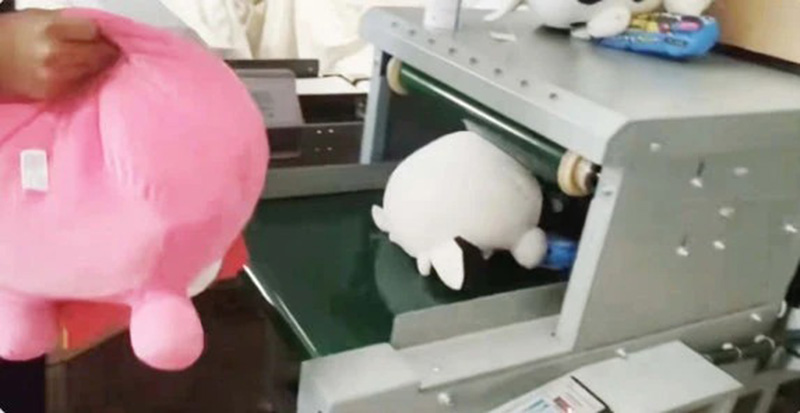
Inconsistent quality is one of the biggest threats to on-time delivery. A single batch rejection can set production back by weeks. That’s why top-tier factories implement multi-level quality control systems at every stage of manufacturing.
The process starts with incoming material inspection, where fabrics, threads, and trims are checked for defects, color accuracy, and compliance. During in-process inspection, quality teams monitor stitching precision, embroidery alignment, and filling balance. This step ensures errors are caught early before mass production continues.
Before shipment, final inspection verifies that products meet all specifications—dimensions, color, softness, and labeling. Trusted suppliers often follow the AQL (Acceptable Quality Level) standard or use third-party agencies to certify compliance with ASTM F963, EN71, and CPSIA regulations.
| QC Stage | Key Focus | Impact on Timeliness |
|---|---|---|
| Incoming Inspection | Fabric texture, safety, dye quality | Prevents early-stage rework |
| In-Process QC | Stitching, balance, embroidery | Stops defects before scaling up |
| Final Audit | Labeling, packaging, compliance | Ensures export readiness |
Early problem detection reduces waste, saves costs, and maintains production flow. Factories that integrate QC teams directly into production lines eliminate the need for post-production corrections, saving valuable days during peak delivery seasons.
How Do Logistics Coordination and Customs Procedures Affect Delivery Timelines?
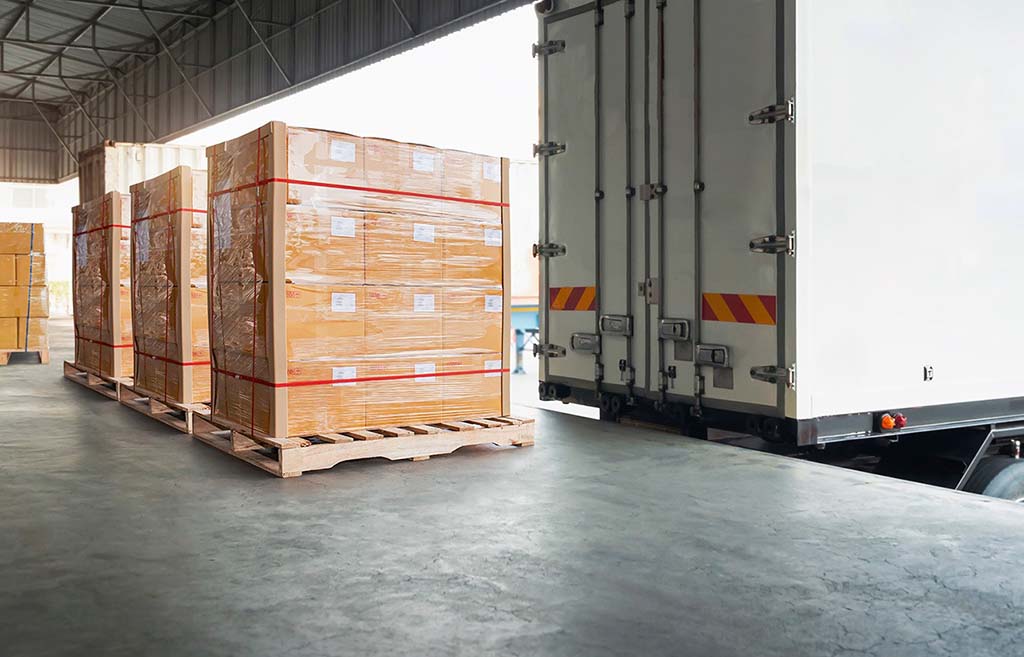
Even perfect production can fail if logistics break down. Freight delays, customs issues, or incomplete documentation can offset all earlier efforts. Efficient logistics management ensures that finished goods reach global destinations smoothly and on time.
Trusted factories plan shipping schedules early—at least two weeks before production completion—and work closely with freight forwarders. They prepare export documentation such as invoices, packing lists, and certificates of origin in advance to avoid customs clearance delays.
Shipping method also plays a major role:
- Air Freight: Fast but expensive; ideal for urgent or small shipments.
- Sea Freight: Cost-efficient for bulk orders; slower but economical.
- Rail Freight: A balanced option for Asia–Europe routes.
| Shipping Method | Transit Time | Best Use Case |
|---|---|---|
| Air Freight | 5–10 days | Urgent replenishment or premium campaigns |
| Sea Freight | 25–40 days | Large bulk orders with flexible deadlines |
| Rail Freight | 12–20 days | Mid-volume orders for EU-bound markets |
By maintaining real-time shipment visibility and customs partnerships, factories minimize transit risks and ensure their clients’ products arrive exactly when promised.
What Contingency Strategies Safeguard On-Time Delivery During High-Demand Periods?
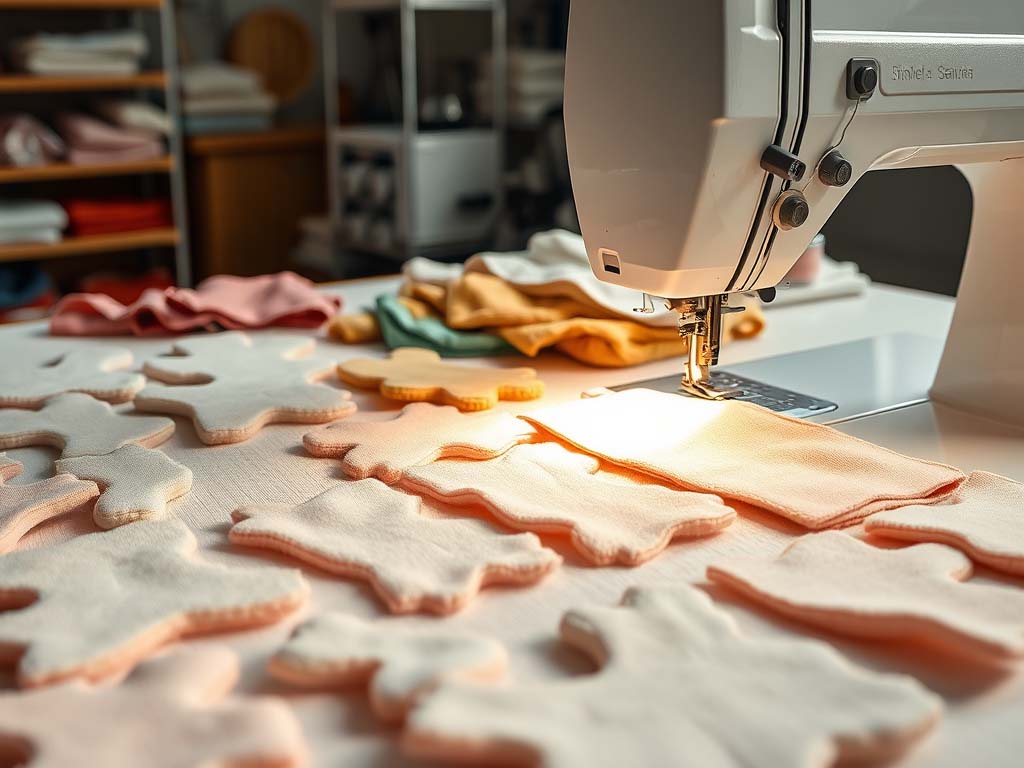
Even the most reliable plans can face unexpected challenges—supplier delays, material shortages, labor fluctuations, or geopolitical disruptions. Contingency planning provides a safety net for such scenarios.
Smart factories implement risk mitigation protocols such as:
- Maintaining secondary material suppliers for backup sourcing.
- Setting flexible production buffers to absorb short delays.
- Introducing overtime or weekend shifts to meet rush orders.
- Diversifying freight routes (e.g., splitting shipments between air and sea).
| Contingency Measure | Implementation | Benefit |
|---|---|---|
| Backup Materials | Secure alternate suppliers | Prevents stoppage during shortage |
| Overtime / Extra Shifts | Temporary workforce expansion | Boosts short-term capacity |
| Buffer Time | Add cushion to schedule | Absorbs last-minute revisions |
| Multi-Route Shipping | Split freight methods | Reduces logistics risks |
By planning for the unexpected, brands ensure continuity and protect their reputation—even when global logistics face disruption.
How Can Transparent Communication Between Buyers and Factories Prevent Setbacks?
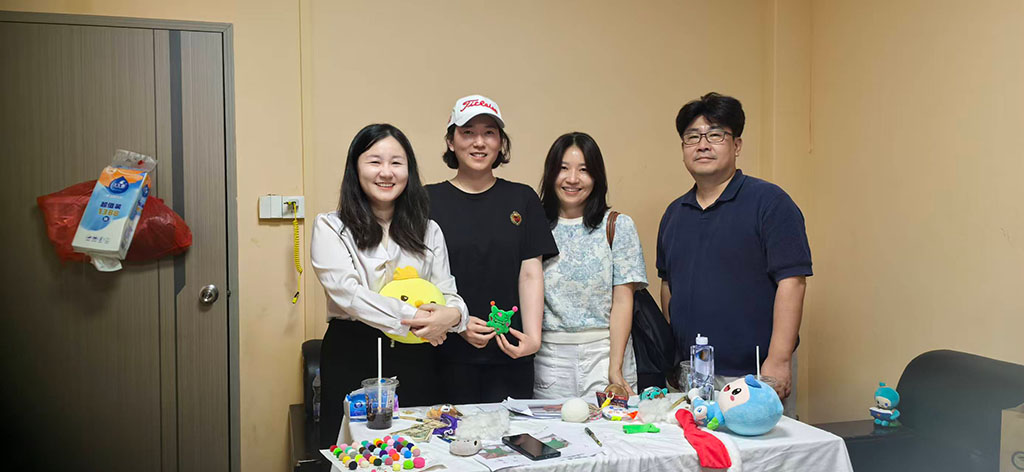
Transparent communication is the glue that holds the production process together. Misunderstandings about design specs, color changes, or approvals can derail schedules, especially across time zones.
Reliable manufacturers establish structured communication systems, including:
- Dedicated project managers as single points of contact.
- Weekly progress reports with annotated photos and videos.
- Shared online folders (Google Drive, Dropbox) for real-time document updates.
- Video meetings for live reviews of samples or materials.
| Communication Practice | Purpose | Benefit |
|---|---|---|
| Weekly Reports | Visual progress updates | Ensures mutual understanding |
| Shared Folders | Centralized tech pack access | Avoids outdated file confusion |
| Decision Logs | Track revisions and approvals | Improves accountability |
| Dedicated PM | Factory–buyer liaison | Faster issue resolution |
Factories that maintain transparency empower buyers to make timely decisions, preventing delays caused by approval bottlenecks or unclear feedback.
Conclusion
Ensuring on-time delivery for seasonal plush toy campaigns requires strategic coordination at every level—from forecasting and planning to execution and follow-up. Brands that work with organized, transparent, and proactive manufacturers experience smoother workflows, fewer delays, and stronger market performance.
Factories like Kinwin exemplify what it means to be a reliable partner. With efficient production systems, multilingual project teams, robust quality control, and strategic logistics support, Kinwin helps brands meet their seasonal deadlines while maintaining exceptional quality standards.
📧 Contact: [email protected]
🌐 Visit: https://kinwintoys.com