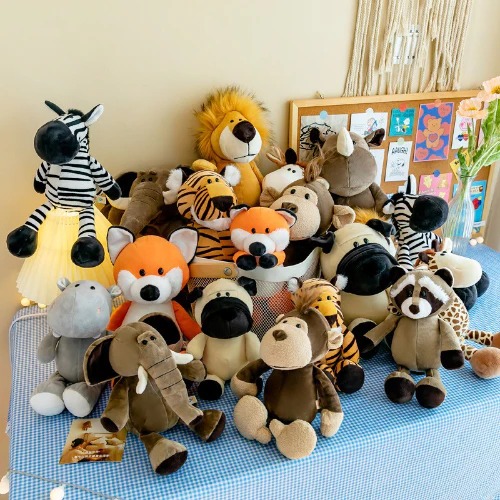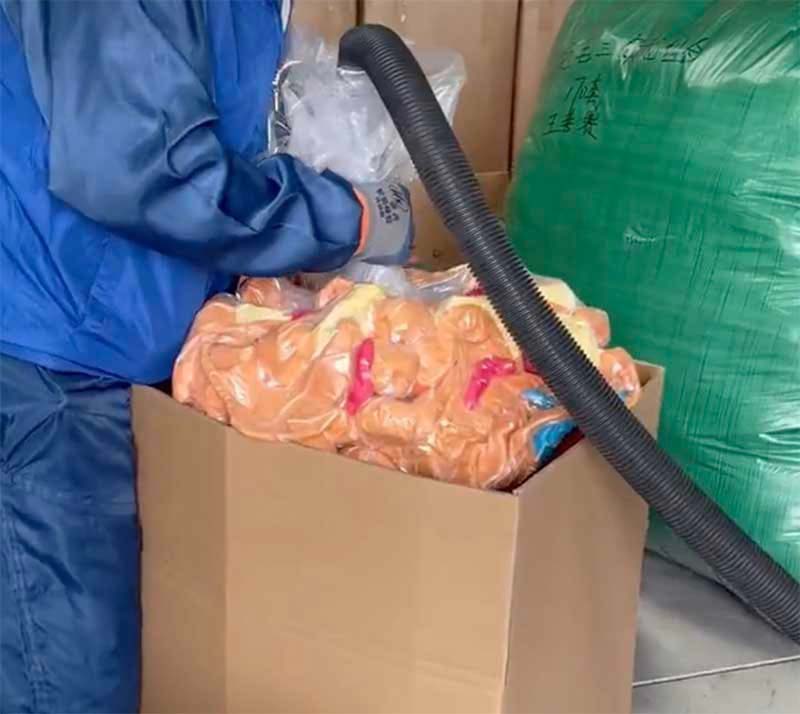
When customers ask me, “What’s inside this plushie?” they usually say cotton. In a factory, we almost never say cotton. We talk about fiberfill, polyester stuffing, pellets, and different blends that change the weight, softness, and safety of every plush.
I’m Amanda from Kinwin in China. My team and I manufacture plush toys and plush dolls for brands, retailers, e-commerce sellers, and promotional companies around the world. In this guide, I’ll explain the correct technical names for plush stuffing, why polyester fiberfill is still the main choice, what alternatives exist, and how we test stuffing for safety and softness before your plushies reach the market.
What is the technical name for plushie stuffing material?
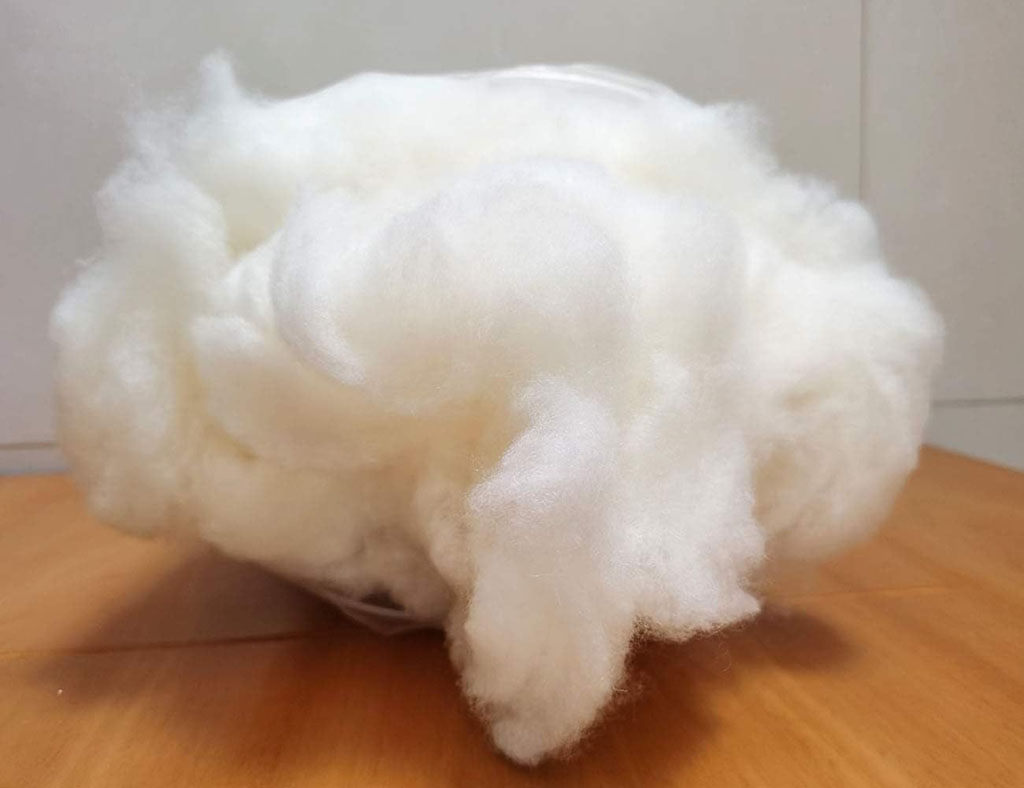
In everyday speech, people say “cotton filling” or “fluff.” In manufacturing and trade, we use more precise terms. The most common technical name for plushie stuffing is polyester fiberfill (also called poly fiberfill or polyester stuffing).
You may also see names like:
- PP cotton – common in Asia; it is actually polyester, not real cotton
- Hollow conjugate fiber – describes the structure of the polyester fibers
- Polyfill – a short nickname used in many factories and hobby circles
All these refer to synthetic fibers that are crimped and processed to trap air and create a soft, bouncy filling. On top of this base, manufacturers sometimes add pellets, beads, foam, or natural fibers for special effects.
Common technical terms for plushie stuffing
| Term used on specs or by factories | What it really means | Where you’re likely to see it |
|---|---|---|
| Polyester fiberfill | Main stuffing made from polyester fibers | Toy factories, test reports, material invoices |
| Poly fiberfill / polyfill | Short name for polyester fiberfill | Craft stores, hobby patterns, internal notes |
| PP cotton | Polyester fiberfill called “cotton” in many Asian markets | Factory quotes, Alibaba, online listings |
| Hollow conjugate fiber | Type of fiber structure used to make soft, springy fill | Technical data sheets from fiber suppliers |
| Stuffing / filling | General words that cover all internal materials | Marketing text, product descriptions |
So when a customer asks what the stuffing is called, you can answer clearly:
“It’s mainly polyester fiberfill, sometimes called PP cotton, plus optional pellets or foam depending on the design.”
How does polyester fiberfill remain the most common choice?
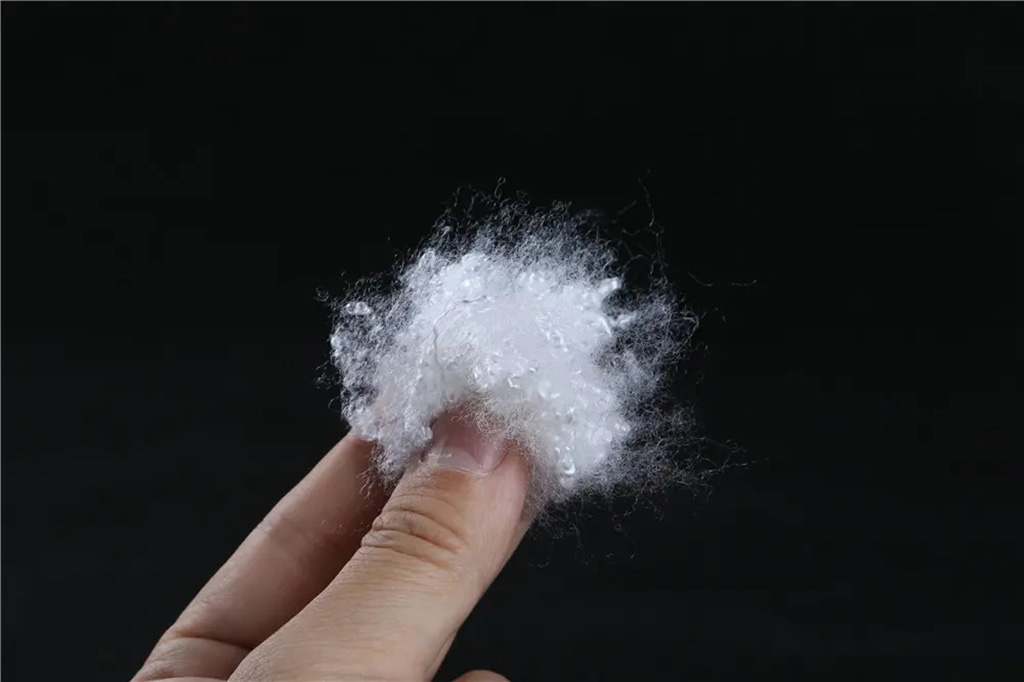
In modern plush manufacturing, polyester fiberfill is still the king. There are many new ideas and materials, but this one offers the best balance of softness, safety, price, and reliability for most brands.
Why factories and brands still choose polyester fiberfill:
- It is soft and light, so plushies feel huggable, not heavy bricks.
- It has good bounce-back. After you squeeze the plush, it returns to shape.
- It is washable and dries faster than many natural fillings.
- It does not rot, attract insects, or hold moisture easily.
- It has stable quality and huge global supply, which supports mass production.
- Cost is reasonable, even for budget lines.
We can also choose different grades of polyester fiberfill:
- Finer fibers for extra softness
- Hollow fibers for lighter weight and better resilience
- Siliconized fibers for smoother feel and less clumping
Why polyester fiberfill dominates plushie stuffing
| Factor | What polyester fiberfill offers | Why this matters for your plushies |
|---|---|---|
| Softness | Smooth, fluffy feel when fiber is fine and well-made | Pleasant hug feel, high customer satisfaction |
| Resilience | Springs back after squeezing | Plush keeps shape after shipping and use |
| Washability | Handles hand/machine wash better than many naturals | Parents can clean toys without fear |
| Stability | Does not rot or mold easily | Safer long-term storage and use |
| Supply & cost | Wide global supply, consistent quality, fair pricing | Supports mass orders and predictable costs |
| Versatility | Works alone or with pellets, foam, or other fillings | Fits many designs: baby plush, cushions, dolls |
Because of this balance, when a buyer doesn’t have a special requirement, I almost always suggest starting with good-quality polyester fiberfill for the main stuffing.
What natural and alternative fillings are used in plush production?
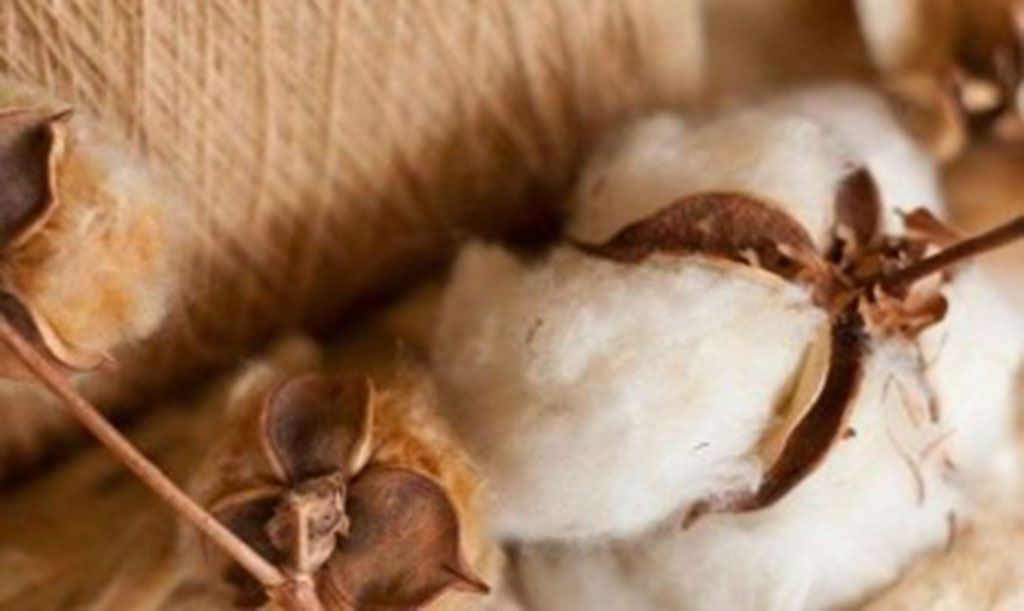
Even though polyester fiberfill is the main stuffing, some brands explore natural or alternative fillings for marketing or functional reasons. These materials can change the story and feel of the plush, but they also bring new risks and challenges.
Natural fiber options
- Cotton fiber – Soft and natural, but heavier and more likely to hold moisture and clump.
- Wool – Warm and springy, but can felt, shrink, or trigger allergies.
- Kapok – Very light plant fiber with a silky feel, but more delicate to process.
Other alternative fillings
- Recycled polyester fiberfill (rPET) – Still polyester, but made from recycled sources like PET bottles; often used for eco-positioned products.
- Plant-based synthetic blends – Some suppliers offer fibers based partly on corn, bamboo, or other sources.
- Seed or grain fillings (rice, beans, buckwheat) – Mostly for local crafts or special therapeutic pillows, not common in export toys due to mold and allergy risk.
Comparison of natural and alternative fillings
| Filling type | Main advantages | Main challenges and risks |
|---|---|---|
| Cotton fiber | Natural story, familiar word for consumers | Heavier, holds moisture, can clump |
| Wool | Warm, springy feel | Allergy risk, felting/shrinkage when washed |
| Kapok | Very light, plant-based | Delicate, harder to control in mass production |
| Recycled polyester fiberfill | Eco story (recycled content) | Needs reliable suppliers and clear certification |
| Plant-based synthetic blends | Marketing angle as “green” | Limited supply, must still pass toy tests |
| Seed / grain fillings | Traditional and craft-style story | High mold and pest risk, not ideal for toys |
If you want a natural or eco message, the most practical path today is usually:
- Recycled polyester fiberfill +
- Clear communication about recycled content on your tags and product page.
This keeps performance close to standard polyester while adding a genuine eco value.
How do bead, pellet, or foam fillings change texture and weight?
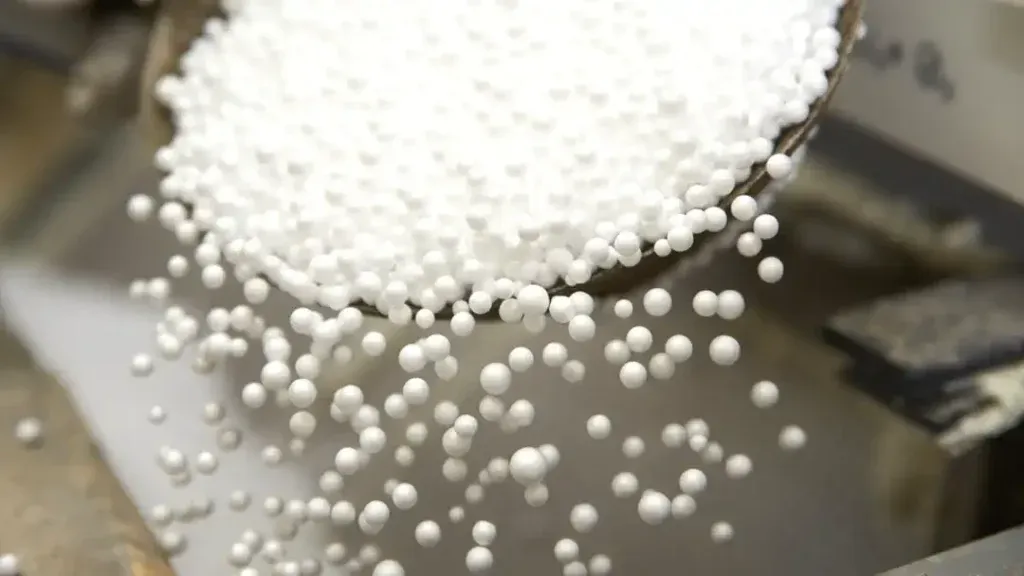
Not all plushies are filled with fluff alone. Many modern designs use beads, pellets, or foam along with fiberfill to change the weight, balance, and squeeze feel.
Beads and pellets
Used to:
- Add weight to the bottom so the plush can sit upright
- Create a “bean bag” feel in small toys or keychains
- Make weighted plushies for calming and deep pressure
Common materials:
- Plastic pellets (PP or PE) – smooth, durable, widely used
- Glass beads – smaller and heavier, used in weighted products
Pellets are usually placed in inner pouches so they stay contained and do not move freely all over the body.
Foam and structured fillings
Foam can be used when a part needs clear, stable volume:
- Foam blocks or shaped pieces inside heads, muzzles, or big noses
- Foam sheets in wings, ears, or flat parts
- Memory foam in cushions or body pillows
Foam is often surrounded by fiberfill so the outside still feels soft and plush-like.
How pellets and foam change plush feel
| Filling component | What it adds to the plush | Typical use |
|---|---|---|
| Plastic pellets | Extra weight and “bean bag” texture | Base of plush, hands/feet, small collectibles |
| Glass beads | High weight in small volume | Weighted plushies for older users |
| Pellet + fiber mix | Soft outer feel with stable, weighted inside | Sitting plush, desk companions, calming plush |
| Foam blocks | Clear structure in heads or special shapes | Character plush with big heads or sharp silhouettes |
| Foam sheets | Stiffness in ears, wings, or panels | Animal ears, decorative wings, flat mascot parts |
From a design point of view, I often mix fiberfill + pellet bags when a buyer wants a plush that feels soft but “serious,” not empty in the hand.
What safety and compliance standards apply to plushie stuffing?
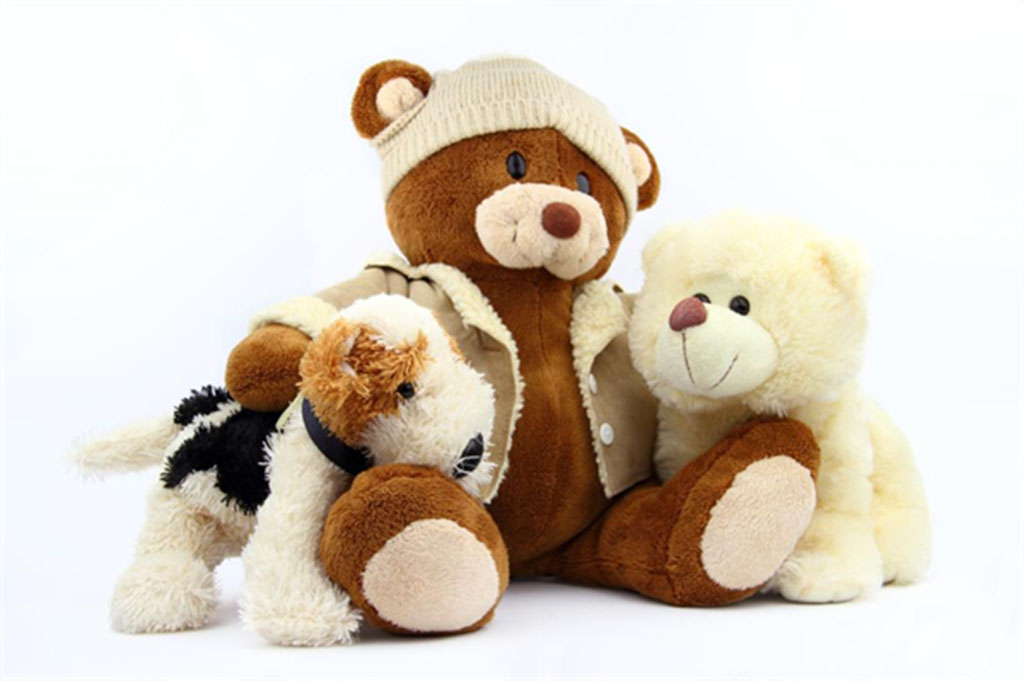
Stuffing is inside the plush, but it still sits under the same safety and compliance rules as the outer materials. If the filling is unsafe or dirty, the whole product fails—no matter how cute it looks.
Key safety points for stuffing in plush toys:
Mechanical and physical safety
- Stuffing should not leak easily through seams or holes.
- If pellets or beads are used, they must be fully enclosed in strong inner pouches.
- Seams around heavy or dense fillings must resist normal pulling and squeezing.
Chemical safety
- Polyester fiberfill and pellets must meet limits for heavy metals and other restricted chemicals.
- Any treatments (like anti-bacterial or flame-retardant finishes) must be compatible with local regulations.
Cleanliness
- Stuffing should be clean, low-odor, and low-dust.
- No foreign objects (metal fragments, hard plastic pieces, plant debris) are acceptable.
Stuffing-related safety focus in plush production
| Safety area | What we check in stuffing | Why this matters for your product |
|---|---|---|
| Mechanical safety | Seam strength, pellet containment, no leaks | Avoids choking hazards and messy failures |
| Chemical safety | Materials free from unsafe levels of restricted substances | Meets toy laws in target markets |
| Hygiene & cleanliness | No mold, pests, sharp or hard contaminants | Protects user health and brand reputation |
| Age suitability | No loose pellets or risky fillings for young kids | Supports correct age grading and labeling |
When we design for USA, Europe, Japan, South Korea, or the Middle East, we plan stuffing choices together with your target age group and countries from day one, so testing and approvals are smoother.
How do manufacturers test stuffing quality for softness and durability?
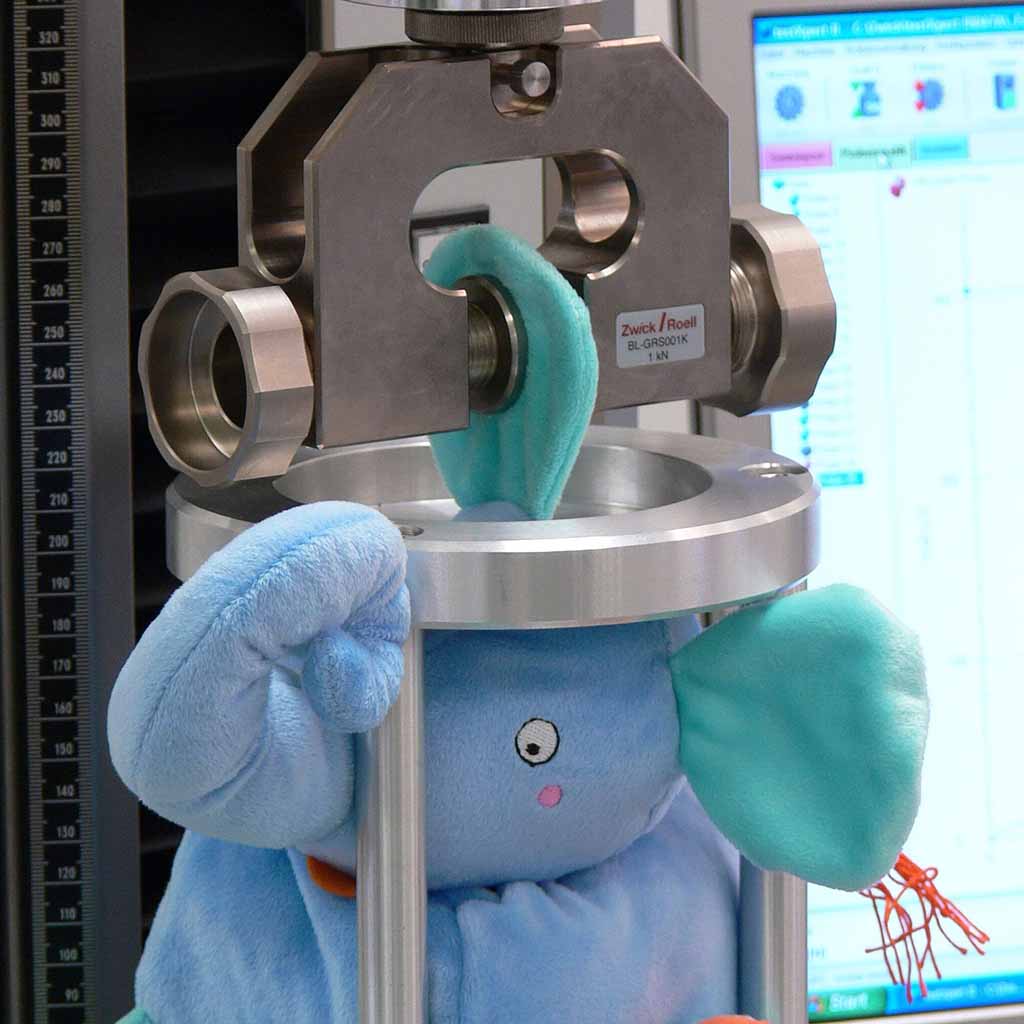
At factory level, we don’t only test the final plush. We also look at stuffing itself so the toy feels good and stays good after shipping, display, and real use.
What we evaluate in stuffing
- Softness by hand – Does it feel smooth and fluffy or rough and wiry?
- Resilience – After squeezing a handful, does it rebound or stay flat?
- Clumping tendency – Does it form hard balls when packed and unpacked?
- Fiber length and cleanliness – Are there many short, dusty fibers or mostly clean, well-formed fibers?
How this shows up in the finished plush
If stuffing is poor, you may see:
- Lumpy or uneven body
- Empty corners in limbs or head
- Fast flattening after a short time
- “Crunchy” or noisy feel when squeezed
Good stuffing makes the plush feel full, even, and quiet when hugged.
How we judge stuffing quality in practice
| Checkpoint | What we do | What we want to see in good stuffing |
|---|---|---|
| Hand-feel test | Squeeze and rub fibers between fingers | Soft, smooth, no hard or sharp feeling |
| Rebound test | Compress a handful and release | Filling returns close to original volume |
| Clumping observation | Pack, move, and unpack a sample | Minimal hard clumps, fibers separate easily |
| Visual inspection | Look for dust, foreign matter, odd colors | Clean white (or intended color), no debris |
| Sample plush test | Stuff a prototype and handle it like end user | Even shape, nice squeeze, no noise or gaps |
For larger orders, we also keep reference samples of approved stuffing, so if a new batch feels different, we notice before production starts.
Conclusion
The stuffing inside a plushie is much more than “cotton.” In professional manufacturing, we talk about polyester fiberfill, recycled fiber, pellets, beads, and foam, each chosen to control softness, weight, safety, and cost.
When you understand the technical names and roles of these materials, you can brief your factory more clearly:
- Do you want a light, fluffy plush?
- A weighted, grounding plush?
- An eco-positioned plush with recycled filling?
At Kinwin, my team and I help buyers match stuffing types to their real goals—from baby-safe cuddle toys to collectible plush, cushions, and weighted companions. If you’re planning a new plush line or want to upgrade the feel of your current products, you’re welcome to contact me at [email protected] or visit kinwintoys.com. Together, we can choose stuffing solutions that feel right in the hand and stand up to real-world use.