Skip to content
When someone asks me, “What are the best plush dolls?”, they rarely mean just “which brand is famous.” They really want to know:
- What does high quality look and feel like?
- Which brands and designers are shaping the market?
- How can your own plush dolls compete and stand out?
I’m Amanda from Kinwin, a plush toy factory in China. My team works with brands, retailers, and creators in the USA, Europe, Japan, South Korea, and the Middle East. In this guide, I’ll walk you through how the market defines “best,” which players lead the premium space, and what you should focus on if you want your own plush dolls to reach that level.
What defines a high-quality plush doll in today’s market?
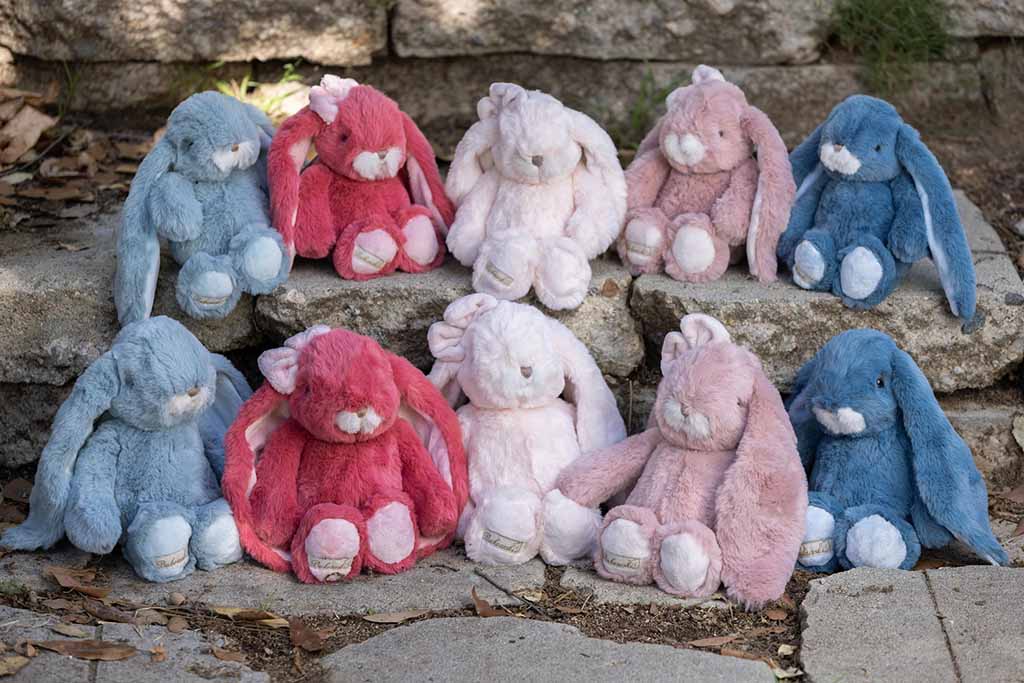
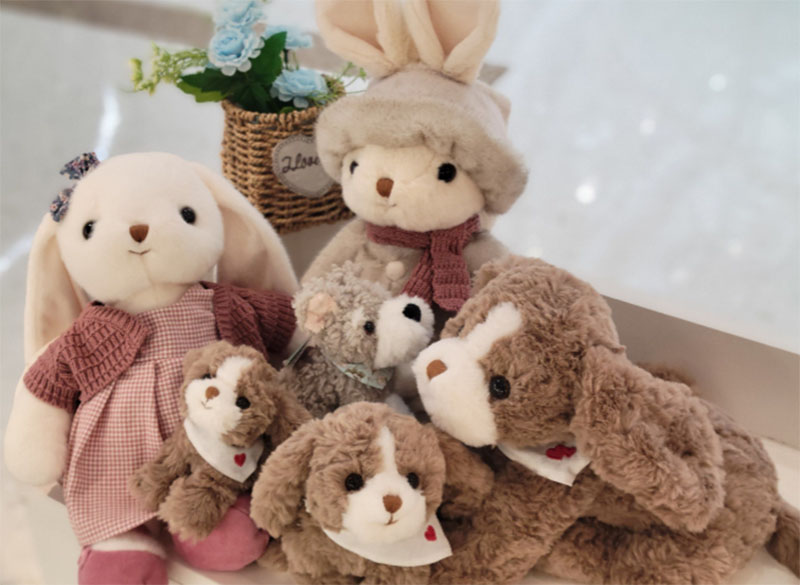
In today’s market, a plush doll is not “high quality” just because it feels soft. Buyers and collectors look at a set of very clear signals:
- Soft, skin-friendly fabric – no scratchy patches, no rough seams.
- Balanced stuffing – not too hard, not too empty, keeps its shape after hugs.
- Clean, expressive face – eyes and mouth placed correctly, with a stable mood and style.
- Strong seams and construction – no gaps, no weak joints, no loose threads.
- Safe materials and trims – toy-grade fabrics, non-toxic dyes, age-appropriate details.
- Consistent production – every piece in the line looks like the sample, not a surprise.
- Brand and story fit – the doll matches the brand’s style and promise, not just any cute item.
You can think of quality across three layers:
| Layer | What buyers notice | What you must control behind the scenes |
|---|---|---|
| First touch | Fabric softness, weight, “hug feel” | Fabric choice, stuffing density, pattern |
| Visual character | Face, proportions, clothing, colors | Pattern, embroidery files, approvals |
| Long-term behavior | Seams, pilling, washing, color stability | Material tests, QC, sewing standards |
If you want your plush doll line to feel “premium,” all three layers need to work together. One weak link (for example, nice fabric but poor face embroidery) will pull the product down.
Which global brands and designers lead in premium plush dolls?
There are many strong players in the plush world. Some focus on classic teddy style, others on design-forward or fandom-driven plush dolls. A few names come up again and again when people talk about premium plush:
- Steiff (Germany) – One of the oldest plush makers, known for traditional craftsmanship, “button in ear” trademark, and collectible bears and animals. plushor.com
- Jellycat (UK) – Famous for ultra-soft fabrics and quirky, anthropomorphic designs (animals, food, objects). Very popular among young adults and in Asian markets; ranked top in several recent plush brand lists. cbmexpochina.com+1
- GUND (USA) – Long-respected brand with soft, baby-safe plush and character lines; strong presence in global retail. plushor.com+1
- Aurora World, Douglas, Wild Republic – Known for realistic and classic plush animals, plus educational and eco-themed lines. plushor.com+1
- Bon Ton Toys (Netherlands) – High-quality plush, especially Miffy; strong focus on sustainable materials and ethical production. Bon Ton Toys
- Kidrobot, Pop Mart, Tokidoki, other designer brands – These brands blur the line between art toy and plush, with strong character universes, limited runs, and collabs. Kidrobot+2myplasticheart.com+2
For custom or one-off plush dolls, companies like Budsies have built a niche: they turn drawings and characters into custom plush dolls for consumers, brands, and creators. budsies.com
As a factory, I pay attention to these leaders not to copy them, but to see what the market now sees as “normal” quality—and where there is room for new ideas.
How do materials and craftsmanship influence plush doll quality?
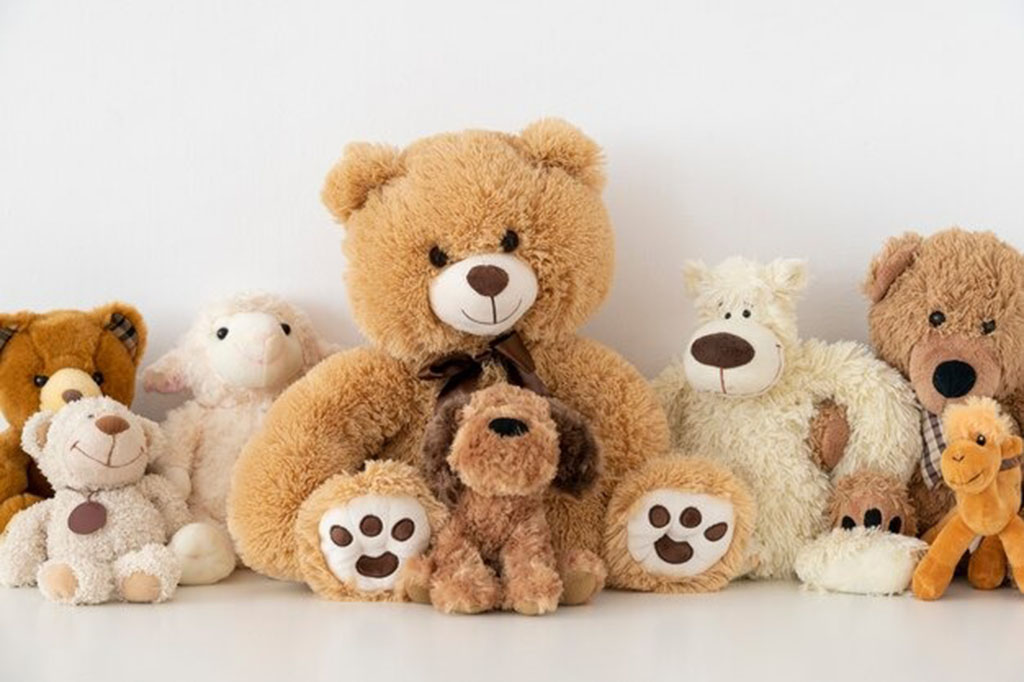
The best plush dolls feel different the moment you pick them up. This comes from material choices plus craftsmanship.
Materials
For premium plush dolls, you usually see:
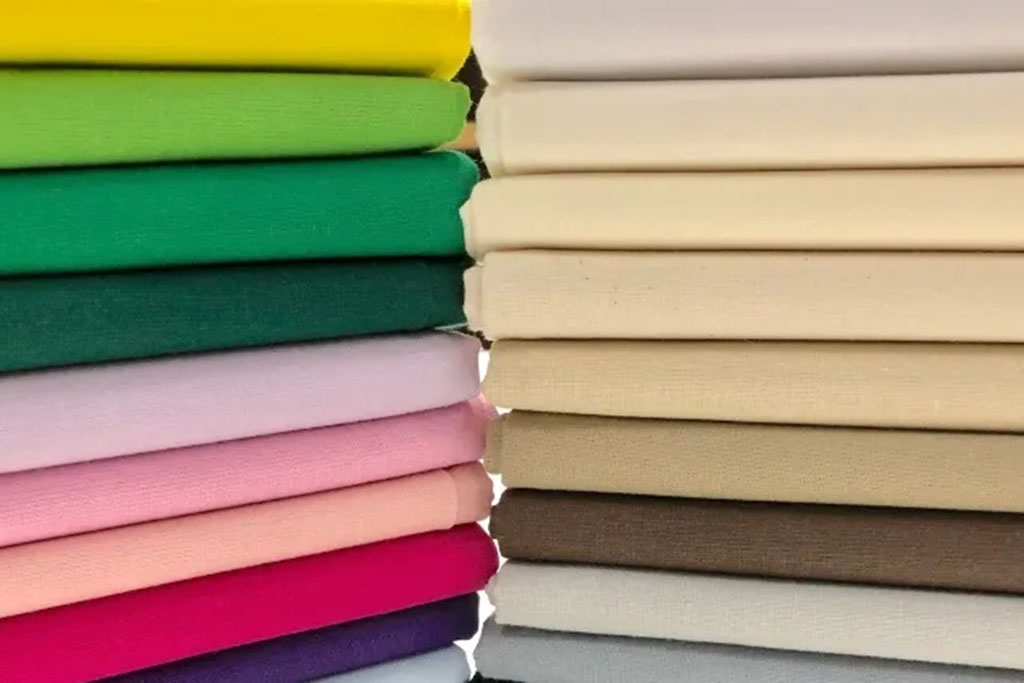
- Outer fabrics
- Soft minky or micro-plush for the body and face.
- Short plush or velboa for parts that need clear detail.
- Cotton or linen-style fabrics for clothing, aprons, or fashion items.
- Stuffing
- Fine polyester fiberfill for a smooth, bouncy hug.
- Sometimes pellet bags in the bottom for weight and sitting stability.
- Details
- Embroidered eyes and mouths for safety and clean style.
- Quality felt or woven labels, not stiff plastic tags.
- Clothing made with real garment logic (seams, linings, fasteners).
Craftsmanship
Craftsmanship is where “okay” plush dolls stop and “best” plush dolls begin:
- Pattern work – The 2D pattern must create a natural 3D shape. This affects how the doll sits, how the head tilts, and how clothes fit.
- Stitching – Straight, even seams; hidden seam joins; no tension lines.
- Symmetry – Eyes level, ears balanced, arms and legs placed evenly.
- Stuffing control – Head, body, and limbs filled at different densities so the doll feels alive, not stiff or empty.
Material & craftsmanship checklist
| Area | Premium plush doll standard |
|---|---|
| Fabric | Soft, dense plush with low lint and good color |
| Stuffing | Even, bounce-back feel, no hard lumps |
| Seams | Strong, neat stitching with no raw edges exposed |
| Face | Balanced embroidery, no misaligned features |
| Clothing | Clean hems, lined where needed, safe fasteners |
| Overall feel | Comfortable weight, stable sitting or standing |
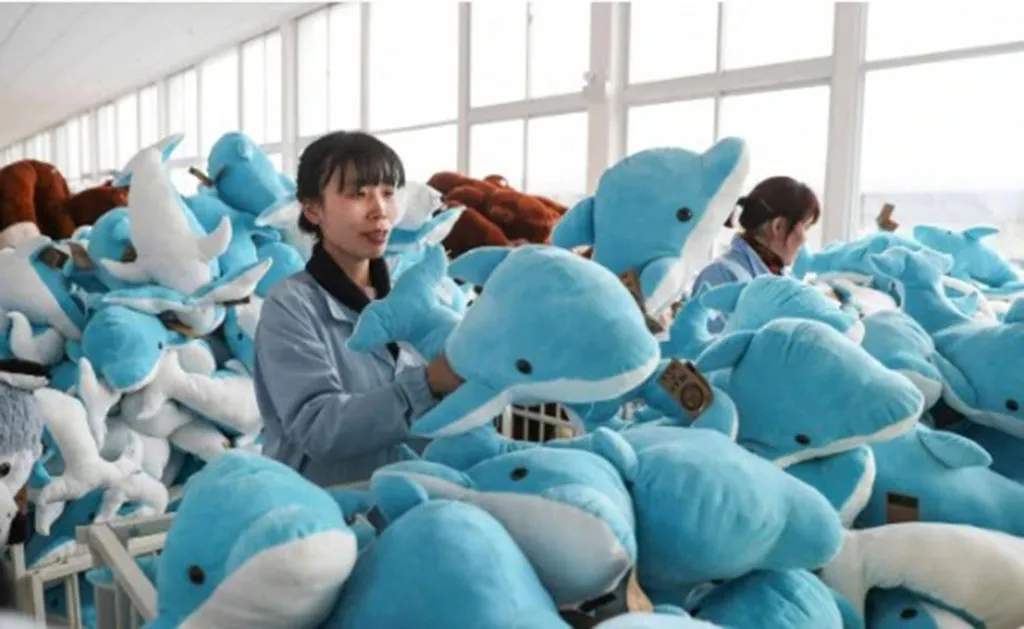
When we develop dolls at Kinwin, we adjust materials and filling by touch, not only by spec sheet. Your customer’s hand is the final test.
What design trends and themes dominate the plush doll industry?
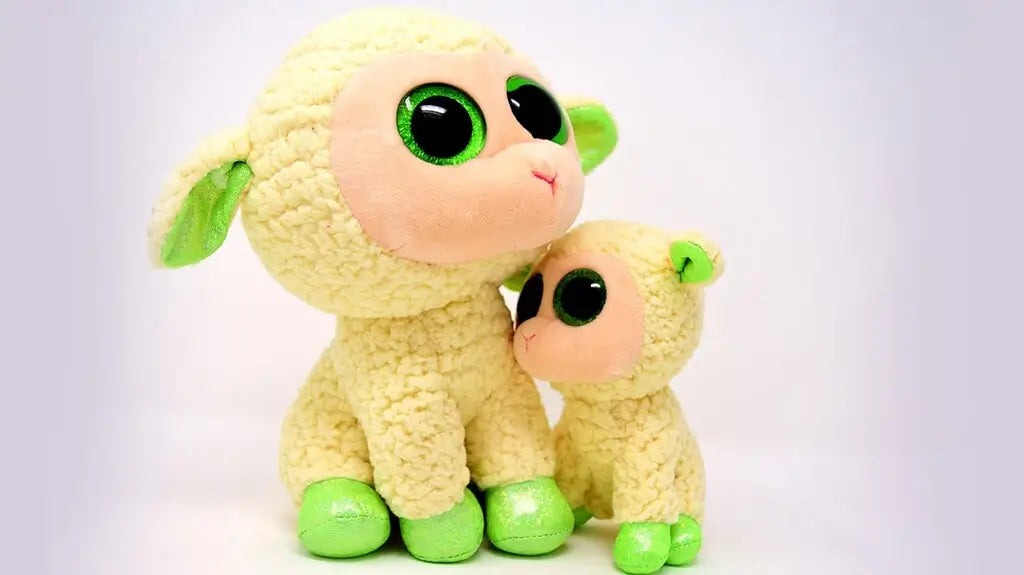
The idea of the “best plush doll” changes with culture. Right now, I see several strong trends worldwide:
1. Soft, stylized faces
- Simple eyes and mouths, often with neutral or gentle expressions.
- Less realism, more “comfort character” feeling.
- Works well across cultures and age groups.
2. Everyday-life and food themes
- Plush dolls shaped like coffee, bread, fruit, or small daily objects.
- Human-like plush with cozy outfits (hoodies, pajamas, workwear).
- These connect to social media lifestyles and “relatable” moods.
3. Fandom and IP-driven dolls
- Anime-style, game characters, VTuber avatars, and streaming personalities.
- Plush doll versions of 2D characters with chibi proportions.
- Sold through drops, blind boxes, and collabs.
4. Eco and ethical stories
- Plush dolls made from recycled polyester or organic cotton.
- Clear statements about ethical production and sustainability, like Bon Ton Toys’ mission. Bon Ton Toys
5. Oversized and body-pillow plush dolls
- Large dolls used as cuddle pillows, reading partners, or bed decor.
- Popular with teens, young adults, and home-office workers.
Current design direction overview
| Trend | What it looks like in plush dolls | Why buyers love it |
|---|---|---|
| Minimal cute faces | Simple eyes, soft smiles, low-contrast colors | Feels calm, modern, photo-friendly |
| Food / daily themes | Bread dolls, drink plush, plush “room friends” | Matches lifestyle and social media content |
| IP & fandom | Branded character dolls, uniforms, accessories | Strong emotional link, collection value |
| Eco-story designs | Labels showing recycled or organic materials | Supports values and conscious buying |
| Large cuddle dolls | Long-bodied or pillow-style plush dolls | Comfort for stress relief and decor |
If you want your plush dolls to feel “current,” you don’t have to chase every trend. Pick one or two that really fit your brand and build a clear style around them.
How do certifications and safety standards build buyer trust?
Even for premium and collectible plush dolls, safety and compliance are part of what “best” means. Many buyers may not know the detailed standards, but they feel safer when they see clear labels and test marks.
Common toy-related standards include:
- EN 71 (Europe) – Covers mechanical, flammability, and chemical safety for toys.
- ASTM F963 and CPSIA (USA) – Cover physical and chemical safety, including limits on heavy metals and certain chemicals in children’s products.
- Other regional standards such as GB standards in China or local rules in the Middle East and Asia.
For plush dolls, this means:
- Fabrics and stuffing must be non-toxic and suitable for the age group.
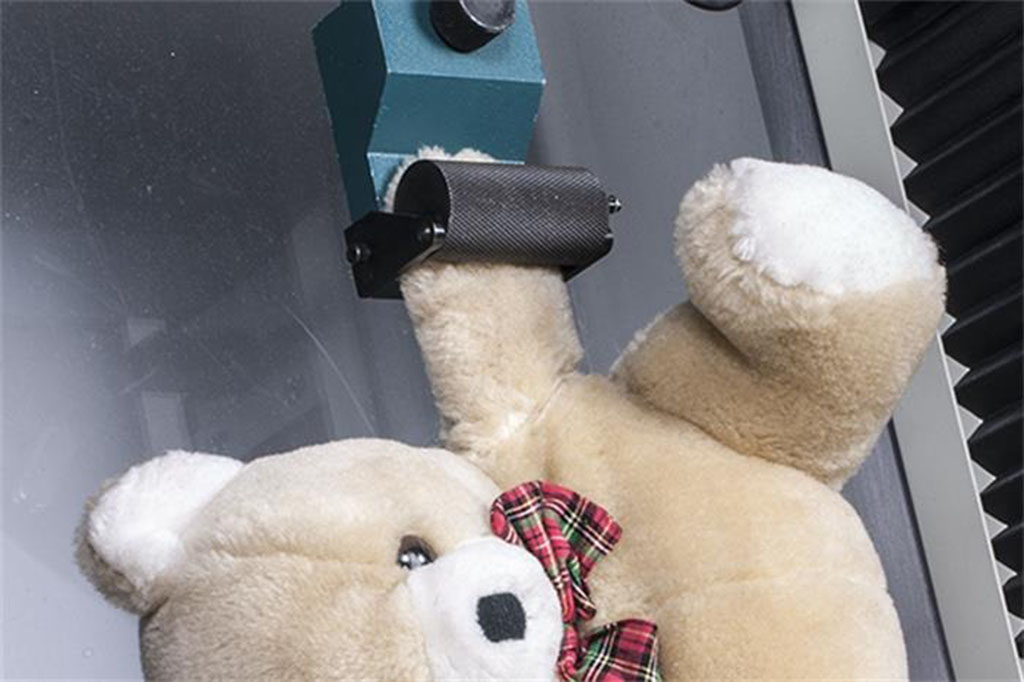
- Seams and attachments must pass pull and tension tests.
- Small parts (buttons, plastic eyes) must be avoided or restricted for younger ages.
- Flammability must be within acceptable limits for toy products.
When brands show:
- Clear age grading (for example, “0+”, “3+”, or “14+ collectible”).
- Clear washing instructions.
- Mentions of CE, ASTM, or other relevant testing…
…parents, retailers, and even adult collectors feel more comfortable choosing and recommending those products.
For B2B, many leading brands and retailers now expect:
- Factory audit reports.
- Material and product test reports for key SKUs.
- Traceability for fabrics and stuffing.
If you want your plush dolls to sit next to global leaders on shelves, compliance is not optional—it’s part of the definition of “best.”
Which collectible or custom plush dolls are most in demand globally?
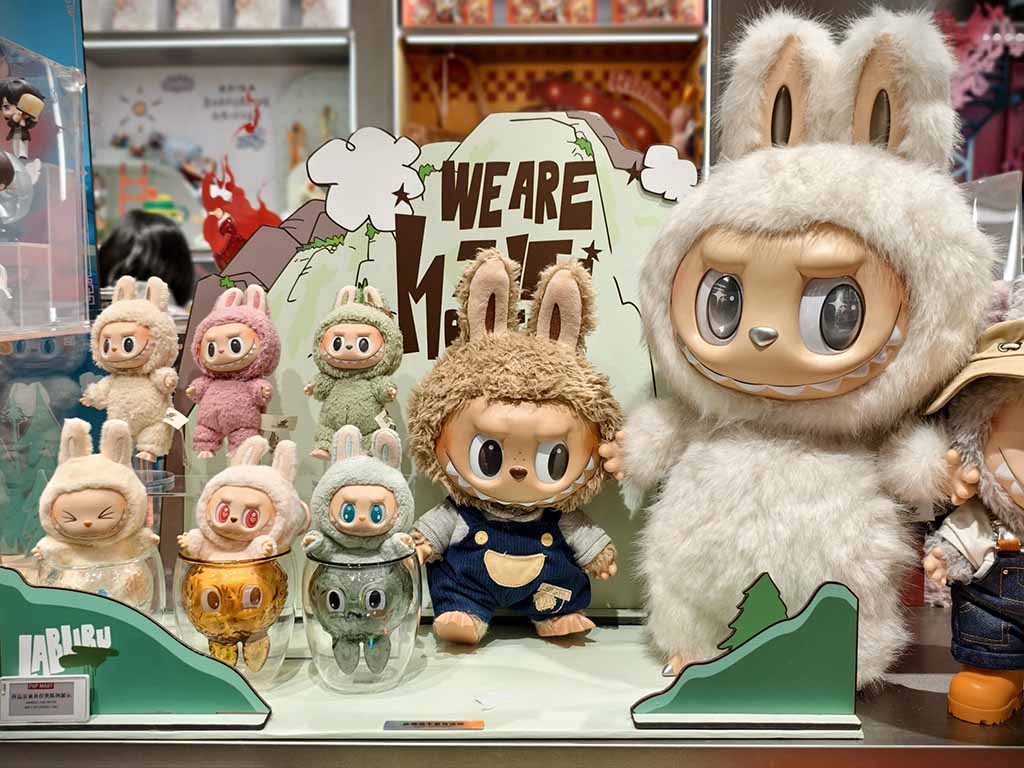
The growth of collectible and custom plush dolls is one of the strongest trends of the last few years.
Collectible plush
Drivers of demand:
- Limited editions and drops – small runs, special colorways, seasonal themes.
- Blind boxes and mystery packs – buyers do not know which version they will get, which drives repeat purchases.
- Artist and brand collaborations – fashion brands, illustrators, and toy designers working together.
Examples include:
- Character plush from designer and art toy brands like Kidrobot and related labels. Kidrobot+1
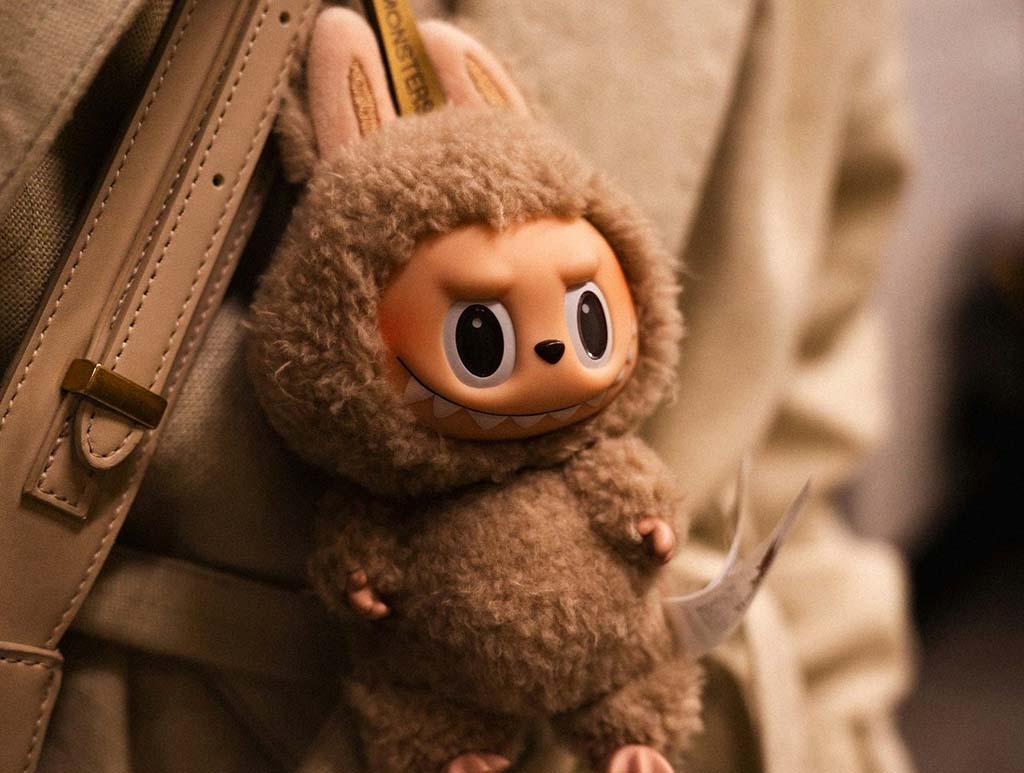
- Plush of viral characters such as Labubu from Pop Mart’s Monsters franchise, which has driven huge plush and keychain sales worldwide. WIRED+1
These products are often:
- Aimed at teens and adults.
- Priced higher than standard plush.
- Sold through specialty stores, official online shops, and events.
Custom plush
On the custom side, demand is strong for:
- Turn-your-art-into-plush services: fans and brands convert their characters or drawings into dolls (for example, Budsies). budsies.com
- Small-batch runs for creators, indie brands, and influencers.
- Company and event mascots transformed into high-quality plush dolls for marketing and merch.
These projects need factories that understand:
- Pattern making from 2D artwork.
- Color matching and brand guidelines.
- Cost control for shorter runs.
Where demand is strongest right now
| Segment | What buyers want | Where it sells best |
|---|---|---|
| Limited edition plush dolls | Unique colors, numbered runs, collab stories | Specialty shops, brand sites, pop-up events |
| Blind box / mystery plush | Surprise, full sets, rare “chase” items | Collectible chains, online drops |
| Custom character plush | Faithful translation of art to plush | Creator shops, crowdfunding, brand stores |
| Corporate / mascot plush | Strong identity and safe construction | Theme parks, events, loyalty programs |
For manufacturers like us, this segment is exciting because it allows more creative design and closer work with creators and brands, not only standard catalog items.
Conclusion
The best plush dolls in today’s market combine:
- Soft, safe materials and careful craftsmanship.
- Clear character design and on-trend themes.
- Reliable safety and compliance.
- A strong brand or creator story that makes people want to keep them for years.
Whether you aim at babies, children, collectors, or lifestyle buyers, you can compete with global leaders if you focus on these fundamentals and work with a factory that understands both design and regulation.
At Kinwin, my team and I help brands, retailers, e-commerce sellers, and creators turn character ideas into high-quality plush dolls—from fabric and stuffing choices to pattern work, testing, and packaging. If you’d like to develop a premium plush doll line or upgrade your current products, you’re welcome to contact me at [email protected] or visit kinwintoys.com. We can plan a plush strategy that matches your market and supports your long-term brand value.