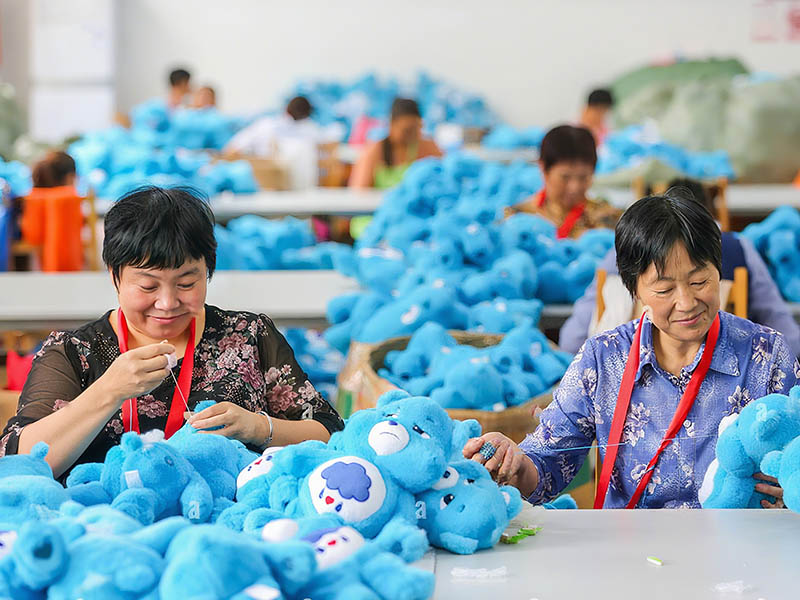
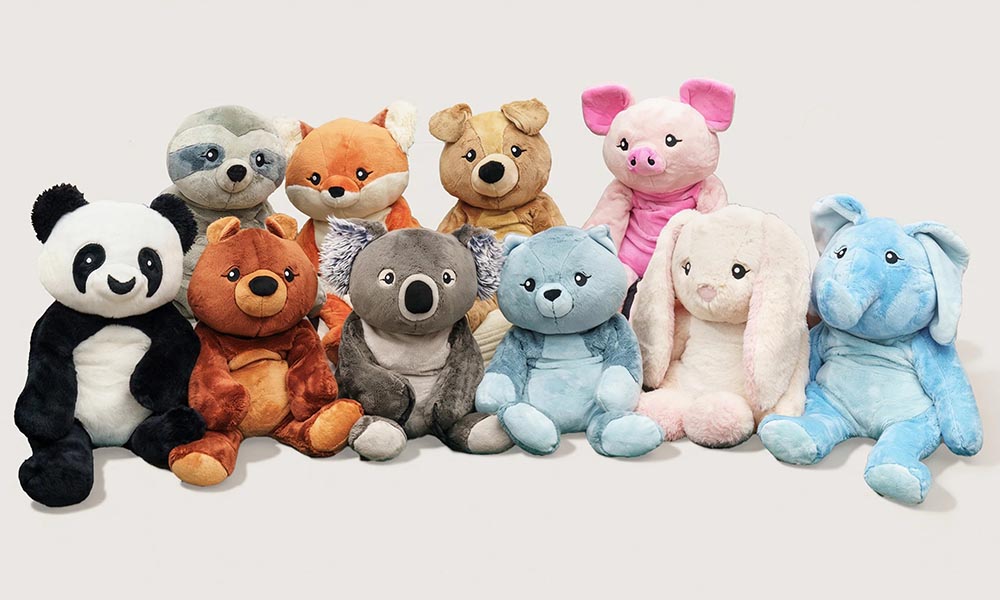
When someone picks up a plushie, they decide in the first two seconds if it feels “soft enough.” That decision comes from more than just fabric name. It comes from pile height, GSM, fiber type, finishing, and even how the factory cuts and sews the material. If all of these are well-balanced, the plush feels cloud-soft and still survives real-world hugs and washing.
In this guide, I walk through how to define “softest,” which ultra-soft fabrics lead the market, and how minky, velboa, and fleece compare. You will also see how GSM and pile height change hand-feel, which fabrics are safer for babies, and how brands can choose materials for different price points and markets. The goal is to help you speak clearly with your factory and choose softness that matches your brand promise, not only your cost target.
What criteria define the softest fabric for plushies?
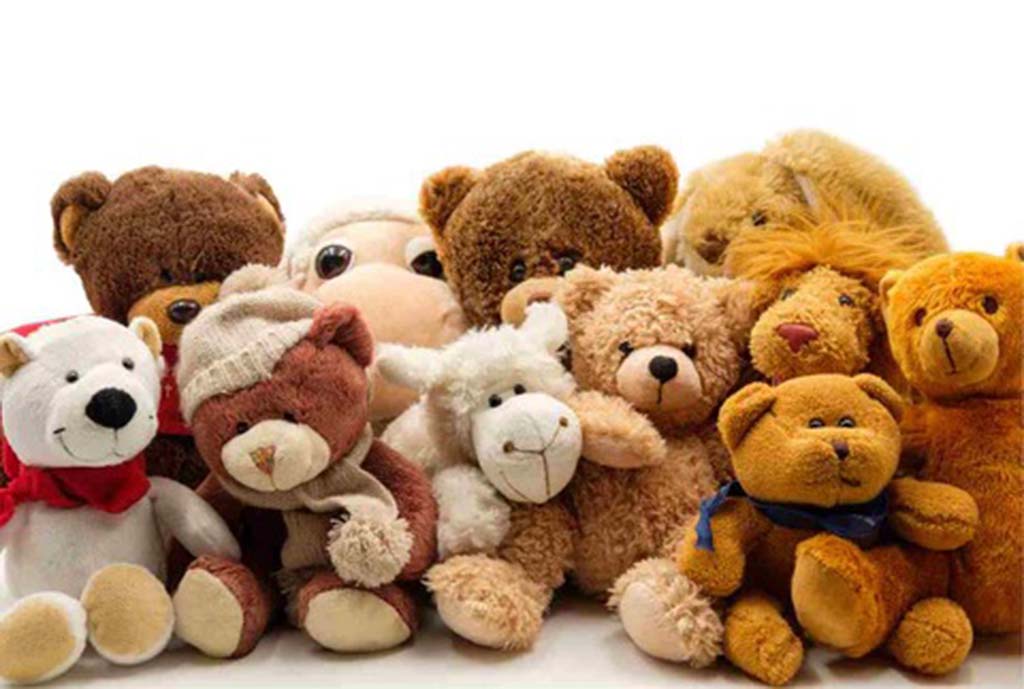
“Softest” sounds simple, but in production it is a mix of technical and emotional factors. A plush can feel soft in the showroom but harsh after washing. Another fabric may feel slightly less silky at the first touch, but gives a deeper sense of comfort in long-term use. When brands ask for “the softest fabric,” it is important to translate that wish into clear criteria that material suppliers and factories can actually measure and control.
The first group of criteria is physical hand-feel. This includes how smooth the surface feels when you glide your hand across it, how the pile bends and recovers, and whether there is any scratchiness or harshness when you press harder. Ultra-fine fibers and well-designed pile usually feel gentle, with no sharp edges or rough spots. Fabrics like quality minky or micro-plush achieve this by using very fine filaments and controlled pile length.
The second group is mechanical comfort. This covers drape, flexibility, and bulk. A fabric can be soft but also stiff if the backing is too heavy or the coating is too hard. Truly soft plushies bend easily in your hand, conform to a hug, and then slowly recover to their original shape. If the backing is too rigid or the GSM is too low, the toy may feel flat or “empty,” even when the surface is not rough.
The third group is sensory safety and cleanliness. For many parents, a fabric is not truly soft if it sheds fibers, holds odors, or feels damp after washing. The softest practical fabrics for plush toys should resist heavy pilling, minimize lint release, and dry without leaving a sticky or rough residue. This is especially important for babies and children with sensitive skin or allergies. Low-dust, low-lint fabrics give a calmer impression even before they are touched.
The last group is emotional and visual softness. The way light moves across the pile, the direction of the nap, and even the color affect how “soft” a plushie looks. Pastel tones on smooth minky, for example, look softer to the eye than a very bright, shiny, low-pile fabric, even if both are technically similar in touch. As a brand, you can combine visual softness and physical softness to create a strong overall impression that matches your target customer.
When you define these criteria clearly, it becomes much easier to discuss softness with mills and factories. Instead of only saying “I want it softer,” you can ask for finer fiber, higher pile, different GSM, or a softer finish, and test each version in real samples before you lock the spec.
Table — Core criteria that define “softest” plush fabric
| Criterion | What it means in practice | Why it matters for plushies |
|---|---|---|
| Surface smoothness | How the fabric feels when you glide your hand across it | Immediate first impression of softness |
| Pile behavior | How fibers bend, move, and recover after pressure | Controls plush, “cloudy” feeling vs. harsh rebound |
| Drape & flexibility | How easily the fabric bends and conforms to hugs | Affects cuddle comfort and overall “squishiness” |
| Backing softness | Stiff vs. flexible backing under the pile | Stiff backing can ruin a soft pile |
| Lint & shedding | Amount of loose fibers released during handling | Impacts perceived cleanliness and safety |
| Pilling resistance | Fuzz balls forming after rubbing or washing | Keeps plush looking new and smooth over time |
| Moisture & drying | How fabric holds or releases moisture after wash | Influences long-term comfort and odor control |
| Visual softness | Color, sheen, and nap direction as seen by the eye | Shapes emotional response before touch |
Which ultra-soft fabrics lead modern plush toy manufacturing?
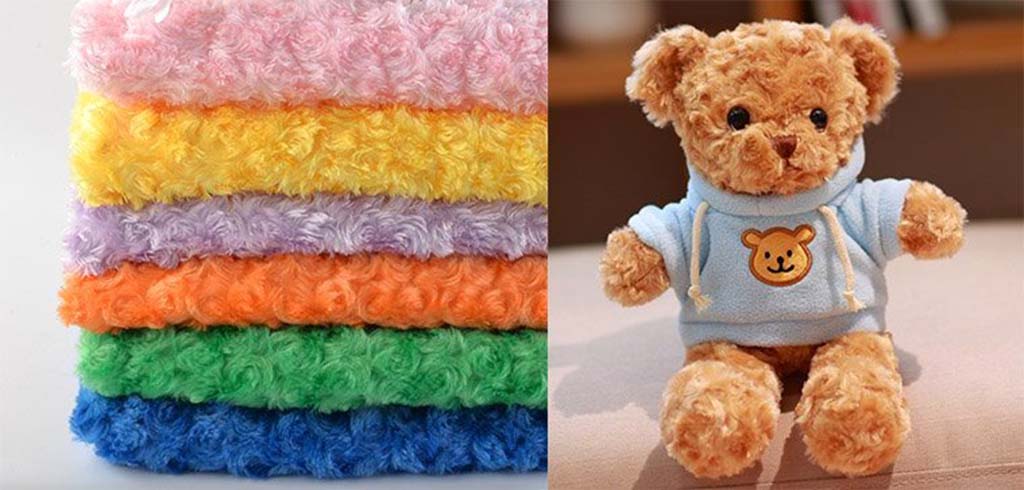
In modern plush toy production, a few fabric families dominate when buyers ask for “ultra-soft.” These are primarily minky, high-density short plush, and various forms of micro-plush or microfiber. Each of these uses very fine synthetic fibers, stable knit backings, and controlled pile to achieve a soft, flexible, and consistent feel.
Minky is often the first choice for baby and comfort plush. It pairs a knit backing with a silky 2–5 mm pile that feels very smooth and drapes gently. Good minky recovers well after hugging, does not feel sticky after washing, and holds color reliably. Many brands now also look at rPET minky, which uses recycled polyester and can still deliver a high level of softness when the mill is experienced.
High-density short plush is another leader. It keeps pile height shorter—often 1–4 mm—but increases pile density and refines fiber quality. The result is a soft hand that still allows crisp facial details and sharp silhouette control. This fabric often becomes the “core workhorse” in collections that need both softness and strong visual definition, especially for characters and mascots.
Micro-plush and microfiber fabrics take softness in a slightly different direction. Instead of dramatic pile, they rely on ultra-fine filaments and a very even surface. The hand-feel is silky and quiet, with almost no roughness. These fabrics can feel especially calm and clean, which appeals to parents of babies and children with sensitive skin, and also works well for modern, minimalist plush designs with simple shapes and subtle embroidery.
Beyond these, there are specialty fabrics like bamboo-blend velour and certain premium fleece grades that can feel very soft, but their performance depends more on the exact mill and finish. They can support natural or eco-focused brand stories, yet often need extra testing for pilling, shrinkage, and colorfastness. In contrast, minky and high-density plush have a more predictable performance history in plush toy manufacturing.
For brands sourcing from China and other Asian manufacturing hubs, it is helpful to ask suppliers which fabrics they use most often for high-end exports to the USA, Europe, and Japan. Their answers usually circle back to these same families: quality minky, dense short plush, and micro-plush. When your fabric choice aligns with what factories already handle at scale, you gain both softness and stable production quality.
Table — Leading ultra-soft fabrics in modern plush manufacturing
| Fabric family | Typical softness style | Key strengths for plush toys | Points to confirm with supplier |
|---|---|---|---|
| Minky (incl. rPET) | Silky, drapey, “buttery” hand | Excellent cuddle feel, trusted in baby products | GSM, pile height, pilling, wash performance |
| High-density short plush | Soft with clear surface definition | Good for characters needing softness + sharp detail | Pile density, colorfastness, backing stability |
| Micro-plush / Microfiber | Very smooth, fine touch | Calm, modern feel; low roughness for sensitive skin | Snag resistance, static, lint level |
| Premium anti-pill fleece | Cozy, warm, brushed softness | Good for cost-sensitive comfort lines | Pilling tests, shrinkage after wash |
| Bamboo or modal velour | Soft, natural-leaning feel | Supports natural/eco narratives | Shrinkage, colorfastness, sourcing consistency |
How do minky, velboa, and fleece differ in softness?
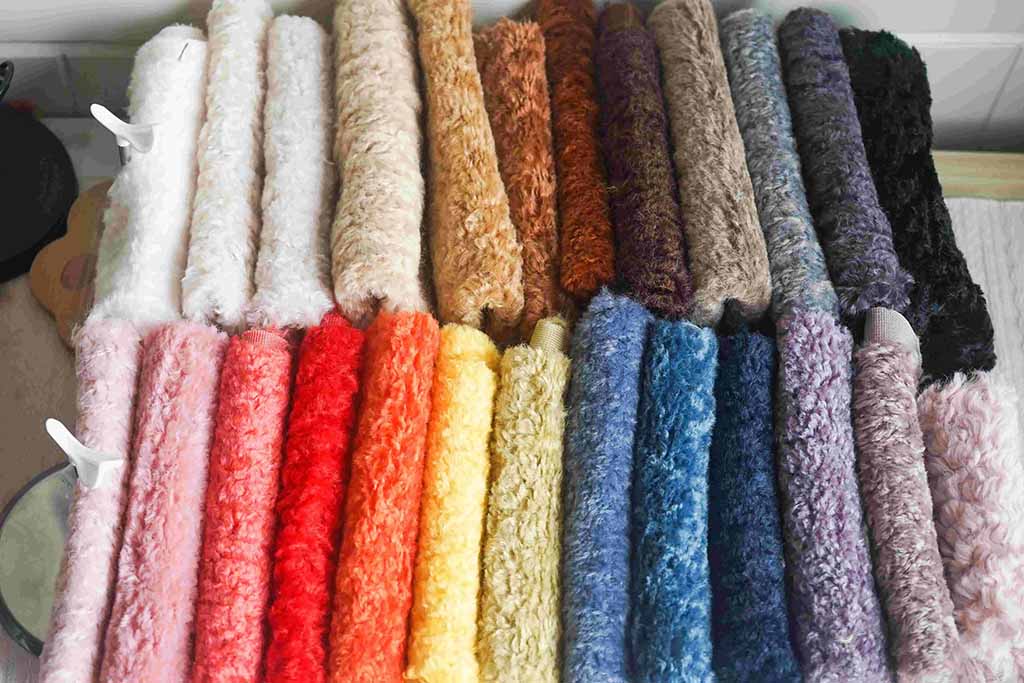
Minky, velboa, and fleece are three of the most common fabrics buyers compare when planning a plush project. On paper they can all sound “soft,” but in the hand and in production they behave differently. Understanding these differences helps you choose the right material for each design instead of using one fabric for every situation.
Minky is the king of silky softness. Its short to mid pile and fine fibers create a sliding, almost liquid feel on the surface. The hand-feel is luxurious, and the fabric drapes gently over stuffing. When you squeeze a minky plush, the fabric flexes with the filling and then recovers without feeling stiff. This makes it excellent for cuddle toys, baby plush, and bedtime companions where emotional comfort is the main focus.
Velboa, in contrast, has a much lower pile, often 1–3 mm, and a smoother, more controlled surface. It feels soft and warm but less “fluffy.” The experience is closer to a soft suede or dense short fur. The main strength of velboa is clarity: facial embroidery, small shapes, and printed elements look sharp. This is important for branded characters, mascots, and any plushie that depends heavily on facial expression or logos.
Fleece offers a different type of softness. Its brushed surface feels cozy and familiar, like a sweatshirt or blanket. There is no long standing pile, but the brushed knit creates a warm, matte texture. Buyers often choose fleece for cost-sensitive projects or for clothing parts on dolls. The softness is comforting, but it does not feel as silky as minky, nor as precise as velboa. Instead, it gives a casual, homey impression.
These three fabrics also differ in stretch, pilling, and visual softness. Minky and fleece both have more stretch than velboa, especially across the width, which means patterns must be managed carefully to avoid distortion. Velboa’s stability is a clear advantage when every doll must match a strict size and shape. In terms of pilling, high-grade minky and velboa usually perform better than low-cost fleece, which can form pills quickly if the grade is too low.
For your brand, the choice often relates to positioning. If you want a premium cuddle effect, minky is usually the first choice. If you want sharp details and strong character identity, velboa is safer. If your focus is value, large volumes, or a casual look, fleece can help control cost while still giving a soft feel.
Table — Softness comparison: minky vs velboa vs fleece
| Fabric | Softness style | Visual effect | Main strengths for plushies | Typical cautions |
|---|---|---|---|---|
| Minky | Silky, “buttery,” drapey | Smooth, slightly shiny, plush look | Top choice for cuddle and baby products | Needs stretch control, higher cost |
| Velboa | Smooth, low nap, warm | Very clean surface, clear details | Great for faces, logos, small characters | Cheap grades can look thin or shiny |
| Fleece | Cozy, brushed, sweatshirt-like | Matte, casual, homey | Good for cost control and clothing parts | Pilling in low grades; shrinkage |
How do GSM, pile height, and fiber type affect hand-feel?
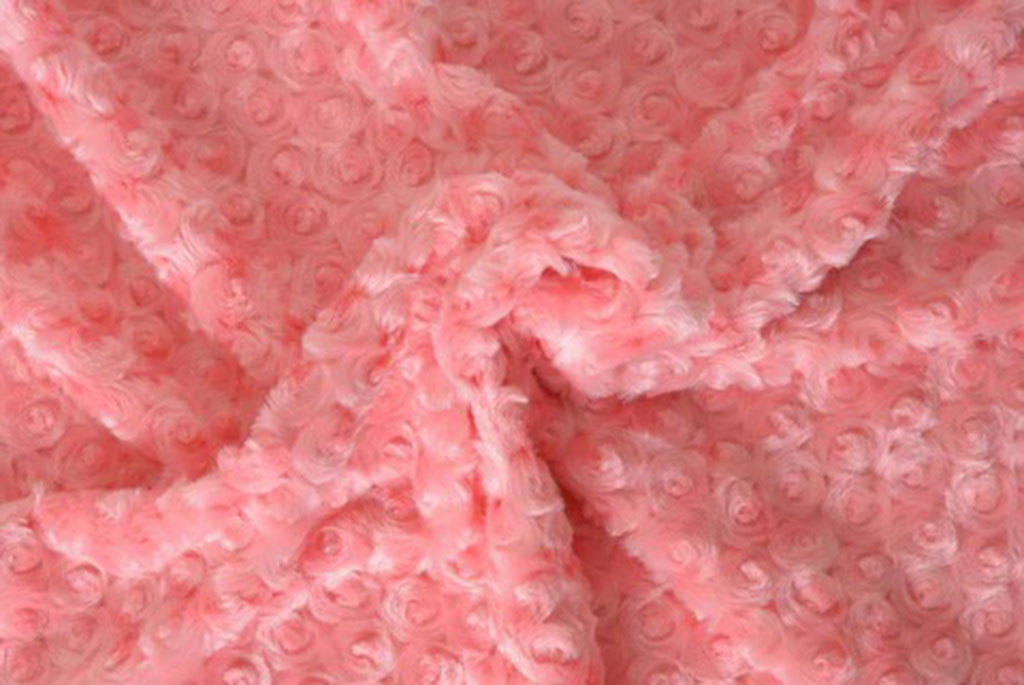
Even with the same fabric name, two materials can feel very different. That difference usually comes from three technical parameters: GSM (weight per square meter), pile height, and fiber type / fineness. When you understand how these interact, you can ask your supplier for real changes instead of guessing from tiny swatches.
GSM influences how “full” and substantial the fabric feels. A higher GSM often means more fiber content, stronger coverage, and less show-through of backing or stuffing. In plushies, fabrics with very low GSM may feel thin and insubstantial, even if the surface is not rough. For soft plush toys, most quality fabrics fall into a medium to higher GSM range, giving a sense of depth and cushioning.
Pile height determines how far the fibers extend from the base. Short pile (around 1–3 mm) feels neat and can still be soft if the fiber is fine, but it will never feel as “cloud-like” as a longer, well-managed pile. Medium pile (2–5 mm) is a sweet spot for many plushies, especially when combined with fine fibers. Long pile (10 mm and above) gives a very fluffy impression but can hide shaping and seams, and it requires extra care to avoid matting and shedding.
Fiber type and fineness are critical to perceived softness. Most plush fabrics for toys use polyester because it is washable and stable in color. Finer polyester filaments create a smoother, more delicate feel. Microfiber and micro-plush fabrics use very fine filaments and often feel softer than standard denier fibers at the same pile height and GSM. When blended with other fibers (like acrylic or nylon), the feel can change; acrylic can add loft and fur-like behavior, while nylon can add strength and a slight coolness or sheen.
Together, these three parameters shape the final experience. A high GSM, medium pile, fine-fiber minky will feel deep and luxurious. A low GSM, short pile, coarse-fiber plush may look similar in photos but feel flat and slightly rough in the hand. By asking your mill to specify GSM, pile height, and fiber type on each swatch, you create a technical base for your softness decisions instead of relying only on intuition.
Table — How GSM, pile height, and fiber type affect hand-feel
| Parameter | Simple definition | Effect on softness perception | Practical guidance for plushies |
|---|---|---|---|
| GSM | Fabric weight per square meter | Higher GSM often feels fuller and more substantial | Avoid very low GSM for main bodies |
| Pile height | Length of fibers above the base | Short = neat, Medium = plush, Long = fluffy/dramatic | 2–5 mm is a good range for soft, usable toys |
| Fiber type | Material and fineness of each filament | Finer fibers feel smoother and gentler | Favor fine polyester or microfibers |
| Fiber blend | Mix of fibers (e.g., PET, nylon, acrylic) | Changes warmth, sheen, and drape | Use blends intentionally (e.g., fur effects) |
| Backing | Knit or woven base under the pile | Stiff backing can make soft pile feel harder | Choose backing that bends easily in toys |
Which soft fabrics are safest for babies and sensitive skin?
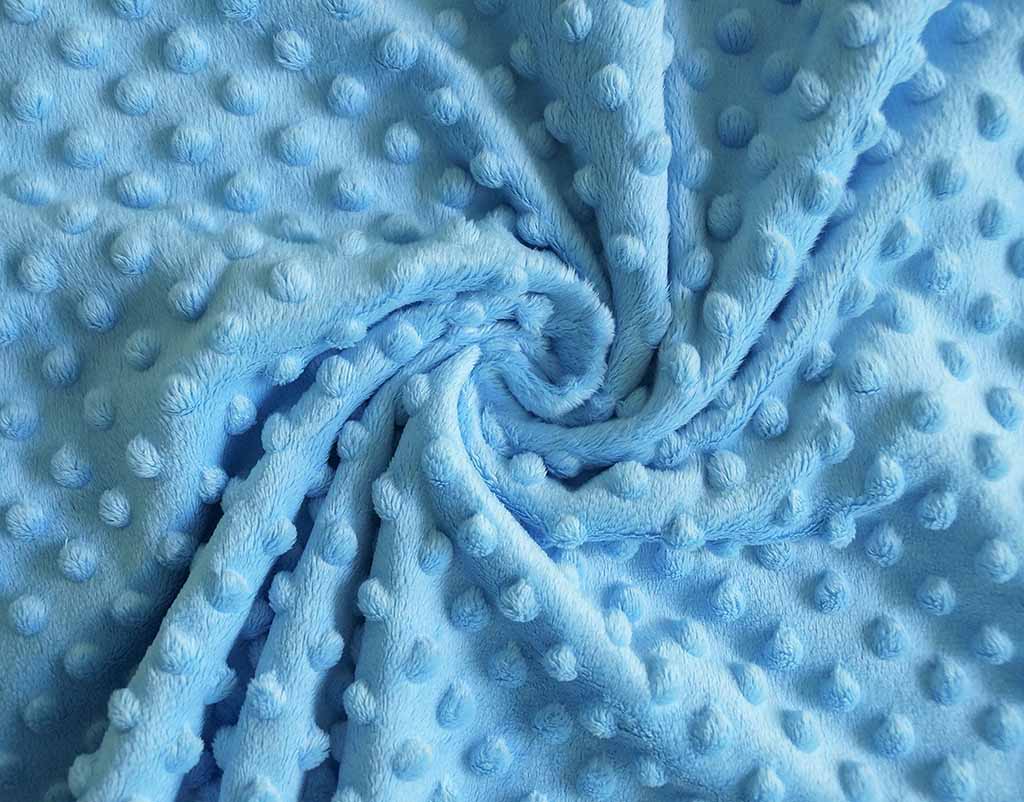
For babies and sensitive skin, the softest fabric must also be the safest. Parents are not just feeling the plush; they are asking if it will shed fibers, cause irritation, or trap dirt and moisture. In this context, softness includes cleanliness, low lint, and easy care.
The first rule is to choose fabrics that shed very little. Long, loose, or easily broken fibers are not ideal for infants who may put toys in their mouth. For baby plushies, short to medium pile fabrics with good fiber anchoring—such as quality minky, high-density short plush, or fine microfiber—are usually preferred. These fabrics can still feel extremely soft without the higher risk of long fiber shedding.
The second rule is to look for low-dust, low-lint materials and good finishing at the mill. Fabrics that are properly brushed and cleaned shed less during usage. This reduces the risk of fibers sticking to skin, entering the nose, or collecting on bedding. In production, factories should also handle fabrics correctly, keeping them off dirty floors and away from heavy lint sources, and brushing toys before packing.
The third rule is washability. Baby plushies often need frequent cleaning. Soft fabrics for infants should survive gentle machine washing without becoming harsh, stiff, or heavily pilled. Good minky and short plush keep their hand-feel when washed in cold water on a gentle cycle and dried appropriately. Microfiber can also perform well if care instructions are clear and followed properly.
The last rule is overall product design. Fabric choice interacts with other safety decisions: using embroidered eyes instead of hard plastic parts, ensuring seams are strong, and matching stuffing choices with the fabric so that no sharp or hard zones appear. Even the softest fabric can feel less safe if the toy has poorly controlled filling or weak stitching.
When you combine these rules, you can build a shortlist of baby-friendly soft fabrics and test them with real washing and handling scenarios. The outcome should be a plush toy that feels gentle on the skin, looks clean after washing, and passes relevant safety expectations in your main markets.
Table — Soft fabric options for babies and sensitive skin
| Fabric option | Why it is suitable | Key safety and comfort points | Cautions to manage |
|---|---|---|---|
| Quality minky (short–mid pile) | Very soft, drapey, low harshness | Good washability; low lint when grade is high | Control stretch; avoid very long pile |
| High-density short plush | Soft with clear surface | Less shedding; good for embroidered faces | Confirm pilling and colorfastness |
| Microfiber / micro-plush | Ultra-smooth, gentle surface | Calm feel for sensitive skin, quick drying | Avoid snagging and high static |
| Premium anti-pill fleece | Cozy, familiar texture | Good comfort at lower cost | Choose proven anti-pill grades |
| Bamboo/modal velour (tested) | Soft, natural-leaning hand | Supports “natural” story when properly sourced | Monitor shrinkage and colorfastness |
How should brands choose soft fabrics for different plush markets?
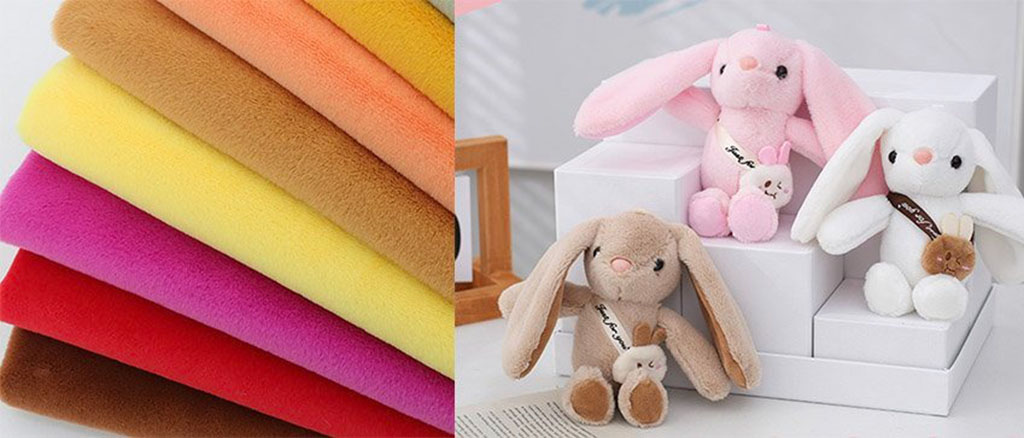
Not every plush needs the same level of softness or the same fabric. A baby comfort toy sold at a higher price on a specialty website has different needs from a promotional plush used in a marketing campaign. Good fabric selection starts with a clear picture of your market, your brand promise, and the life the toy must live.
For baby and toddler markets, emotional softness and safety are the top priorities. Fabrics like minky, high-density short plush, and micro-plush work well because they feel very gentle and can pass frequent washing. Here, you may accept slightly higher material cost for fabrics that hold up better and give parents more confidence.
For general children’s retail, including gifts and everyday plushies, you often need a balance between softness, durability, and price. Short plush, quality velboa for faces, and good anti-pill fleece can form a strong base. The plush should still feel pleasant in the hand, but production efficiency and consistency matter equally, especially for large orders and character lines.
For collectibles and adult markets, visual impact can be more important than baby-level safety. Faux fur, long plush, and velvet accents might be used to create showpiece designs. The softness here is both tactile and visual; you may choose extravagant piles or special finishes that are not economical or practical for everyday children’s toys.
For promotional and budget markets, cost control is a driving factor. In these cases, you can still aim for decent softness by choosing reasonable fleece or short plush grades and focusing on good pattern design and stuffing. Even when the fabric is not ultra-premium, a well-shaped plush with clean seams and decent hand-feel can satisfy the customer at the right price.
Across all markets, it is smart to build a small library of approved fabrics with test results, sample toys, and clear notes on cost and use cases. This library becomes a toolkit you can re-use across designs instead of starting from zero for each project. It also helps your factory understand your standards and propose suitable alternatives when something goes out of stock.
Table — Soft fabric choices by plush market segment
| Market segment | Priority focus | Recommended soft fabrics | Selection notes |
|---|---|---|---|
| Baby & toddler plush | Safety, skin comfort, washability | Minky, high-density short plush, micro-plush | Favor shorter piles with low lint and good tests |
| Kids’ retail & gifts | Softness + durability + price | Short plush, velboa (for faces), good fleece | Balance feel and cost; control pilling |
| Collectibles & adults | Visual impact, uniqueness | Long plush, faux fur, velvet accents | Use dramatic piles and finishes strategically |
| Promotional / budget plush | Price, simple comfort | Basic short plush, budget fleece (tested) | Focus on shape, stuffing, and clean seams |
| Therapy / calming plush | Soft hand + weight + safety | Minky, micro-plush with safe weighted liners | Combine fabric choice with careful filling plan |
Conclusion
The softest fabric for plushies is not a single material, but the right match between pile, GSM, fiber, and market needs. When softness is defined clearly and tested in real samples, your plush designs feel better, look better, and create more trust with buyers and parents.
At Kinwin, we help global brands and retailers choose soft fabrics that fit their price point, safety targets, and design vision—from baby minky lines to collectible faux-fur heroes. If you are planning a new plush range or want to upgrade the feel of an existing line, you are welcome to contact [email protected] or visit kinwintoys.com. Our factory team can work with you to select fabrics, tune patterns, and deliver plushies that stay soft from the first sample to the final shipment.