Skip to content
When sourcing plush toys from overseas manufacturers, price quotations can vary widely—from a few cents to several dollars per piece. These differences often confuse buyers, especially those new to OEM/ODM production.
A lower quote might seem attractive at first glance, but the lowest price does not always mean best value. To make an informed decision, buyers must understand what’s included in each quotation, how costs are calculated, and which factors truly affect long-term profit and product quality.
This guide explains how to compare plush toy quotations accurately and fairly—so you can choose the right supplier, not just the cheapest one.
What Key Factors Should Be Included in a Plush Toy Factory Quotation?
A professional quotation should be transparent and detailed. It’s not simply a single price per unit—it’s a breakdown of the entire production process.
When reviewing a quote, look for the following key sections:
- Product Specifications – includes toy dimensions, materials, filling type, and accessories.
- Unit Price (EXW/FOB/CIF) – clearly states cost per piece and Incoterm (whether freight, insurance, or local transport are included).
- Mold or Sample Fees – separate cost for prototype development, usually refundable after confirmed order.
- MOQ (Minimum Order Quantity) – defines the smallest production run required.
- Lead Time – number of days from deposit to shipment.
- Payment Terms – usually 30% deposit + 70% before shipment.
- Packaging Details – polybag, hangtag, color box, or custom packaging inclusion.
- Testing & Certification Costs – whether CE, ASTM, or CPSIA testing is included or billed separately.
A trustworthy supplier provides all these elements in writing, ideally with validity dates for quoted prices to prevent sudden cost changes.
Example of Standard Quotation Structure
| Item | Description | Notes |
|---|---|---|
| Unit Price | USD 3.25/pc (FOB Shenzhen) | 25cm plush bear, 100% polyester |
| Sample Fee | USD 100 | Refundable after 500 pcs order |
| MOQ | 500 pcs/style | Flexible for long-term clients |
| Lead Time | 35 days after deposit | Includes quality inspection |
| Payment | 30% deposit / 70% before shipment | Bank transfer |
| Certification | CE + ASTM F963 included | With test report copy |
How Do Material Choices and Fabric Quality Affect Quotation Differences?
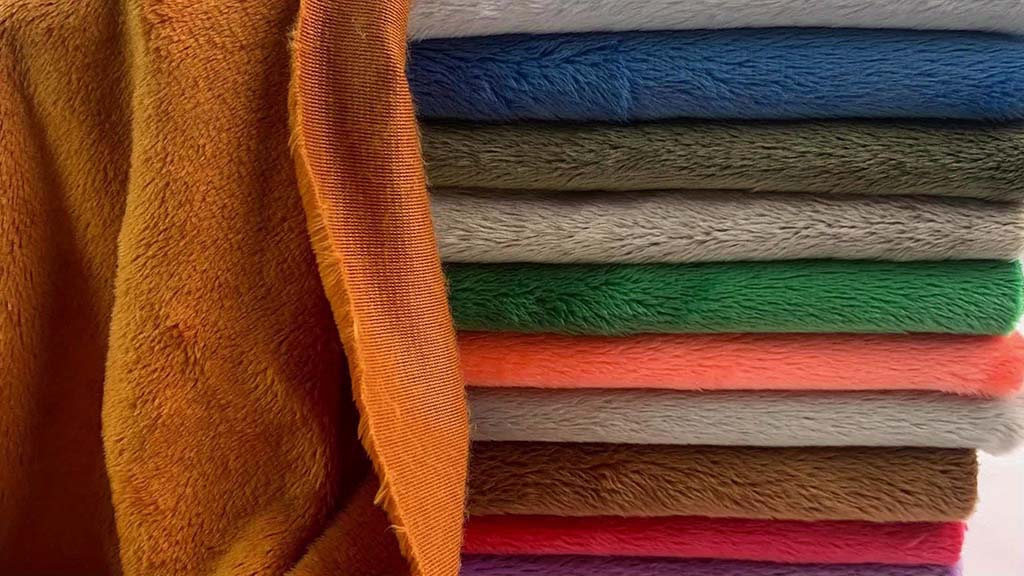
Among all pricing components, materials have the largest impact on cost. The type, grade, and source of fabric or filling can cause significant differences between quotations from different factories.
1. Fabric Type & Quality
Common plush materials include velboa, minky, coral fleece, faux fur, and RPET plush.
- Velboa (short pile) – cost-effective and durable; ideal for budget toys.
- Minky (medium pile) – softer and slightly more expensive; used in premium toys.
- Faux fur (long pile) – highly realistic texture; higher material and cutting cost.
- RPET plush – eco-friendly recycled polyester; adds sustainability value but increases raw-material cost by 10–20%.
2. Filling Materials
- Polyester fiberfill – lightweight and cost-efficient.
- Cotton or wool – natural but pricier and less uniform.
- Weighted beads or microbeads – create tactile value but add weight and shipping cost.
3. Fabric Certification
Factories using certified materials (OEKO-TEX, GRS, or EN71-tested) incur slightly higher sourcing costs but help ensure compliance and reduce risk of failed safety tests later.
Material Impact Overview
| Material | Cost Impact | Quality Effect | Typical Use |
|---|---|---|---|
| Velboa | Low | Durable, short pile | Budget toys |
| Minky | Medium | Soft & premium feel | Baby plush |
| Faux Fur | High | Realistic look | Animal plush |
| RPET Plush | High | Eco-friendly | Sustainable toys |
Ultimately, material transparency signals reliability. Factories that clearly list materials, composition percentages, and source suppliers are far less likely to cut corners.
What Role Do Design Complexity and Customization Features Play in Pricing?
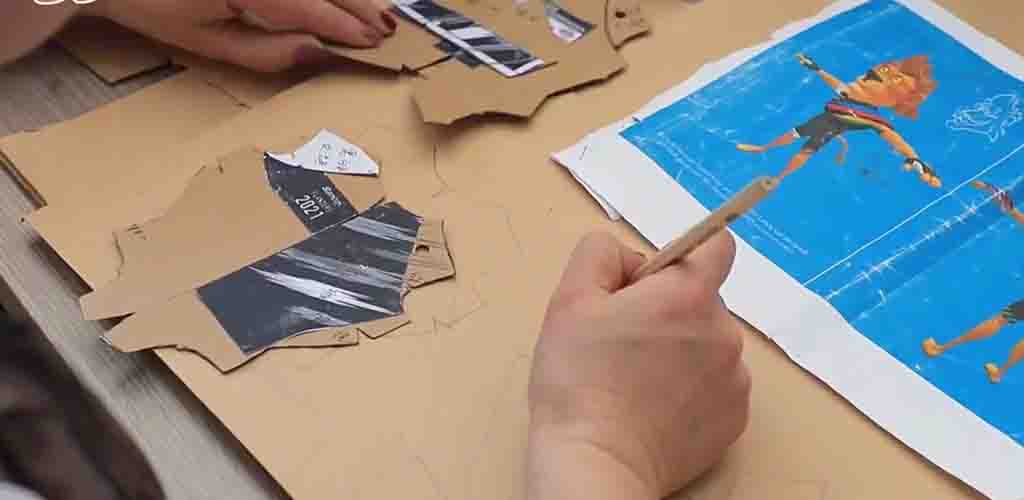
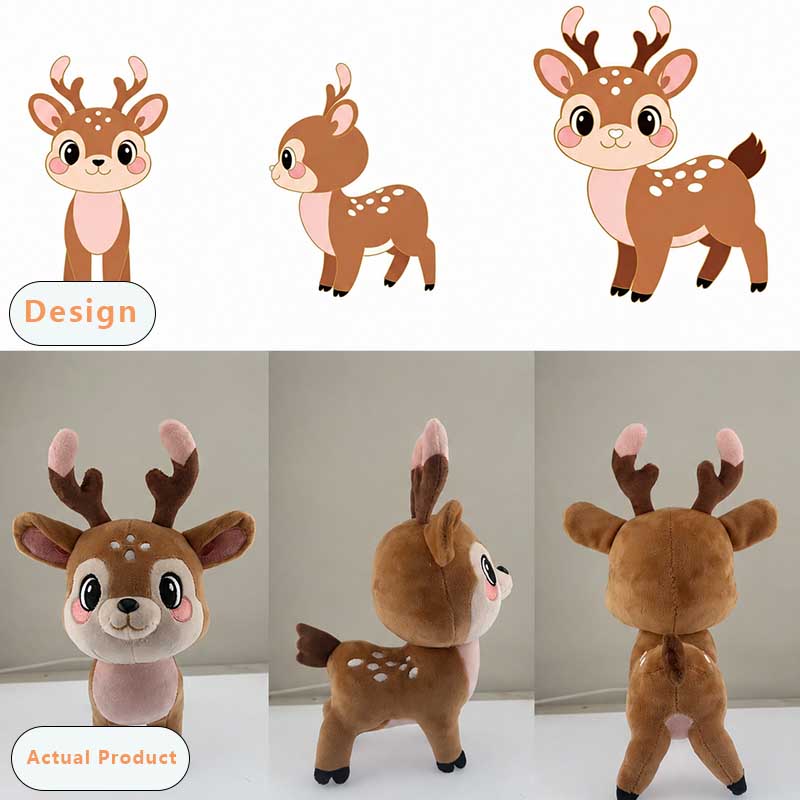
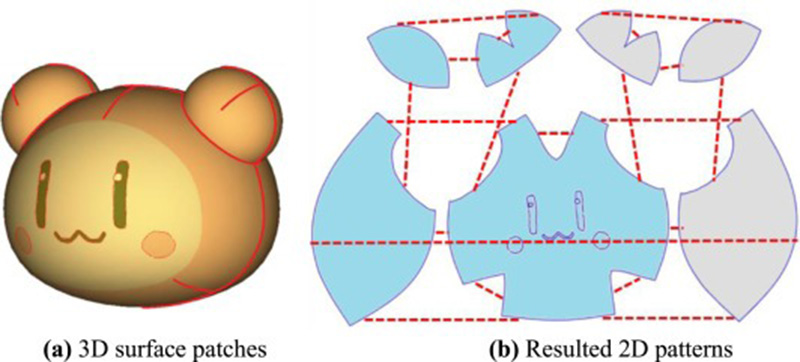
Design directly affects labor time, sewing difficulty, and waste rate—all of which influence price. Two plush toys of the same size may vary dramatically in cost depending on the number of components and stitching precision required.
Key Complexity Factors:
- Shape & Pattern Pieces
- Simple geometric designs (e.g., round pillows) use fewer patterns and take less time.
- Complex shapes (e.g., multi-limb animals or characters) require advanced patterning and longer sewing time.
- Embroidery & Printing
- Embroidery adds labor and thread cost; printed facial details may be cheaper for large batches but limited by color accuracy.
- Accessories & Add-ons
- Clothing, buttons, ribbons, magnets, or sound modules all increase assembly complexity.
- Customization Level
- Fully custom OEM toys cost more than ODM modifications of existing designs.
Factories with digital embroidery machines and laser-cutting systems—like Kinwin—reduce manual errors and improve cost efficiency even for complex plush models.
Design Complexity vs. Cost
| Complexity Level | Typical Design Type | Cost Impact |
|---|---|---|
| Low | Basic shapes, few colors | Low labor cost |
| Medium | Multi-part animal or doll | Moderate |
| High | Detailed character, clothing, accessories | High labor & time |
| Extreme | Electronic, weighted, or talking plush | Very high |
How Can You Evaluate Labor, Packaging, and Certification Costs Fairly?
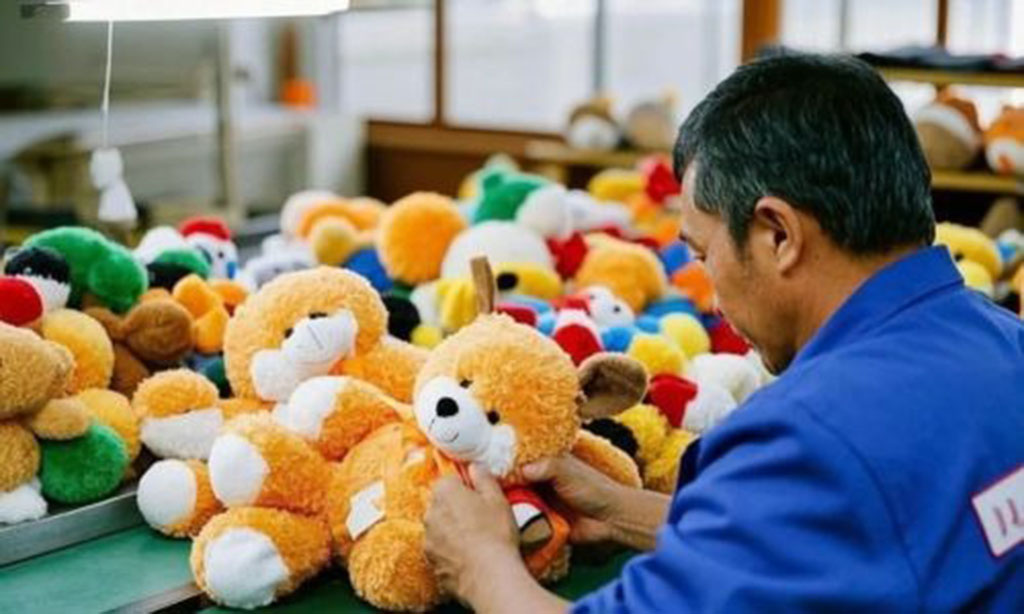
Labor, packaging, and testing often make up 20–35% of total unit cost, and differences here explain much of the pricing variation across factories and regions.
1. Labor Cost
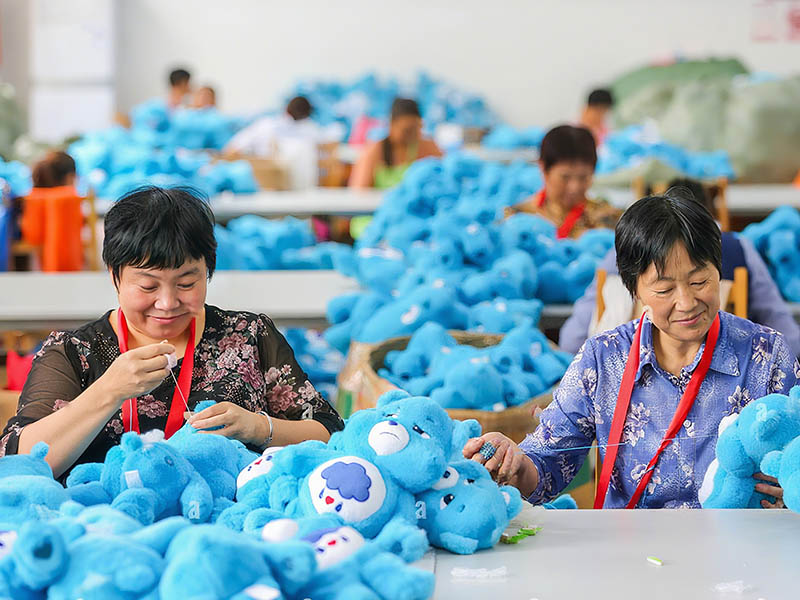
China generally has higher labor costs than Vietnam or India—but also greater automation and consistency. Experienced workers reduce waste and maintain stitching uniformity, often leading to fewer QC issues and returns.
2. Packaging
Packaging materials can vary from simple OPP bags to custom boxes with color printing and barcodes.
- Basic packaging (OPP bag): minimal cost.
- Retail packaging (custom box): adds $0.30–$0.80 per piece.
- Eco-packaging (FSC paper, biodegradable bag): adds another 10–15% cost but aligns with sustainability trends.
3. Certification Costs
Testing for CE, ASTM F963, CPSIA, or EN71 compliance can cost $150–$800 per product style, depending on complexity. Some suppliers include this cost in the quote; others expect the buyer to cover it.
When comparing quotes, always confirm who bears the certification expense. It’s a common hidden variable that affects total cost per unit.
Cost Component Comparison
| Cost Element | Typical Range | Buyer Tip |
|---|---|---|
| Labor | 20–30% of total cost | Choose experienced factories for stability |
| Packaging | $0.10–$0.80 per piece | Confirm material type & printing |
| Testing | $150–$800 per item | Clarify responsibility early |
| Labeling | $0.05–$0.10 | Combine with packaging design to save cost |
What Hidden Fees or Terms Should Buyers Watch for in Factory Quotes?
Not all quotations are as transparent as they appear. Some factories present low upfront prices but add hidden costs later—turning a good deal into a costly surprise.
Common hidden fees include:
- Mold/Pattern Fees – may be quoted separately after design confirmation.
- Testing & Certification Costs – not included unless specified.
- Freight or Local Transport – EXW prices exclude port delivery, which can add $100–$300 per shipment.
- Currency Fluctuations – long-term orders may change in cost if not fixed in USD.
- Material Substitution – cheaper materials used without notice if buyer doesn’t specify quality grade.
To protect yourself:
- Request a full cost breakdown and confirm what’s included in the quoted price.
- Fix payment currency and exchange rate clause in your purchase order.
- Ask for sample retention—so both sides have a reference in case of disputes.
- Require written approval for any substitutions or production adjustments.
Hidden Fee Prevention Checklist
| Risk Type | Example | Buyer Protection Method |
|---|---|---|
| Extra Charges | Mold or freight fees | Ask for all-inclusive quote |
| Currency Change | RMB/USD shifts | Fix exchange rate in PO |
| Material Swap | Lower-grade fabric used | Specify fabric code |
| Testing Cost | Excluded in quote | Confirm who pays |
How to Balance Price, Quality, and Lead Time When Selecting a Supplier?

Choosing the right supplier means balancing three core elements—price, quality, and lead time—without over-prioritizing any single one.
1. Price vs. Quality
Factories offering extremely low prices usually compromise on materials or labor. Instead of chasing the cheapest quote, evaluate cost-to-value ratio:
- Does the factory use certified materials?
- Are test reports valid?
- How stable is their past export record?
2. Lead Time vs. Production Load
Factories with strong capacity may deliver faster, but smaller factories may delay during busy seasons. Always discuss production schedules and buffer time, especially before holidays like Chinese New Year.
3. Long-Term Relationship Value
A slightly higher price from a professional, communicative factory often leads to better quality consistency, fewer issues, and faster reorders—saving time and money overall.
Use a comparison matrix to visualize all key factors before making your final decision.
Supplier Comparison Matrix
| Criteria | Factory A | Factory B | Factory C |
|---|---|---|---|
| Unit Price | $3.20 | $2.90 | $3.60 |
| MOQ | 500 pcs | 800 pcs | 300 pcs |
| Lead Time | 35 days | 45 days | 30 days |
| Certification | CE + ASTM | CE only | None |
| QC System | ISO 9001 | Basic | Unknown |
| Communication | Excellent | Average | Limited |
When the comparison is complete, the most competitive supplier is not necessarily the cheapest—it’s the one that delivers consistent quality, communicates clearly, and meets your compliance needs.
Conclusion
Comparing quotations from plush toy factories isn’t just about finding the lowest cost—it’s about finding the best balance of transparency, capability, and reliability.
By analyzing material choices, production complexity, labor, packaging, and certification costs, you can spot real value behind every number. Always verify what’s included, question unclear terms, and assess the supplier’s communication and compliance systems before committing.
At Kinwin, we believe transparency is the foundation of trust. Our detailed quotations, certified materials, and strict QC systems help buyers make confident decisions and achieve consistent results.
📧 Contact us at [email protected]
🌐 Visit kinwintoys.com
Let’s work together to build your plush toy line with clear pricing, quality assurance, and long-term reliability.