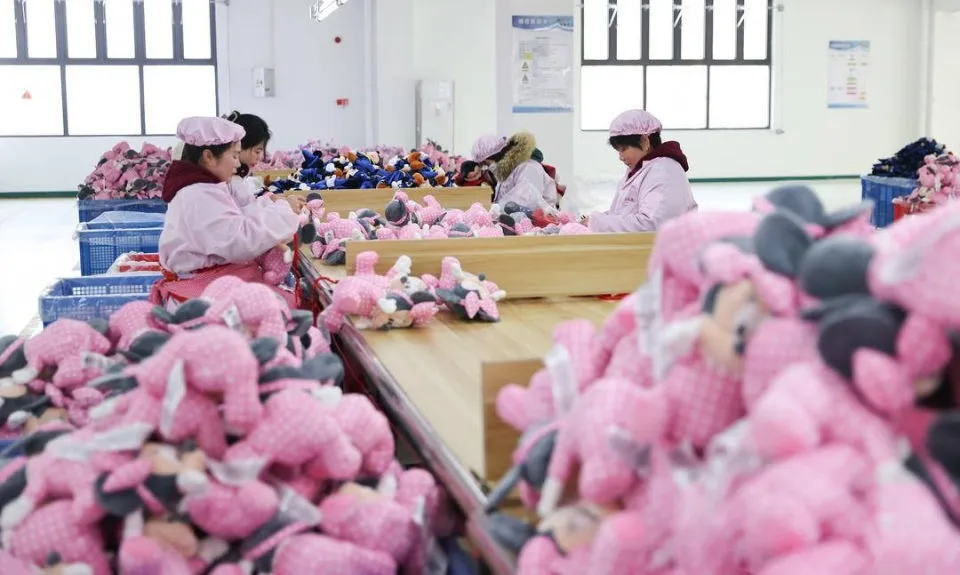
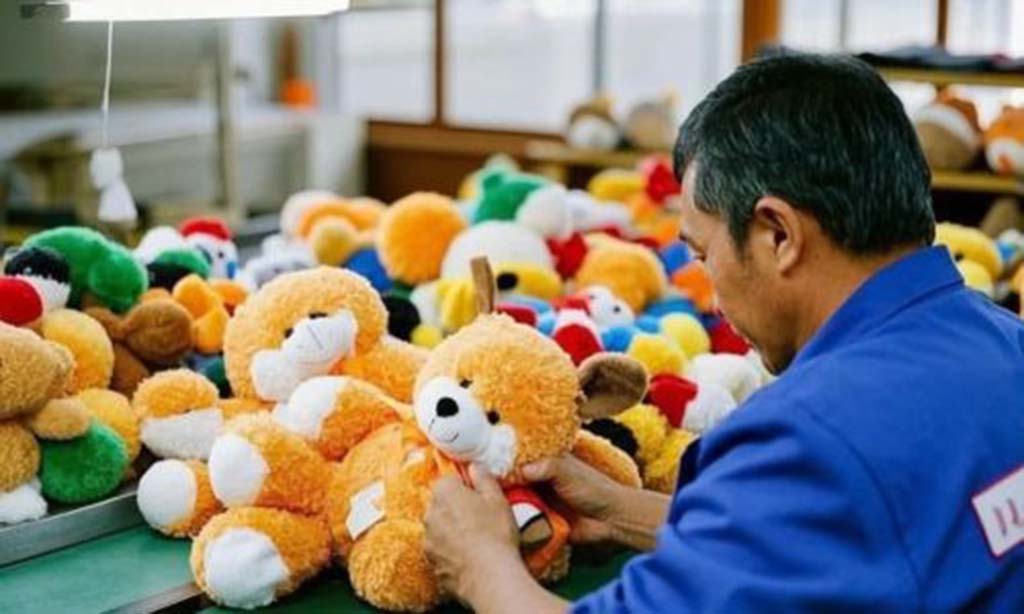
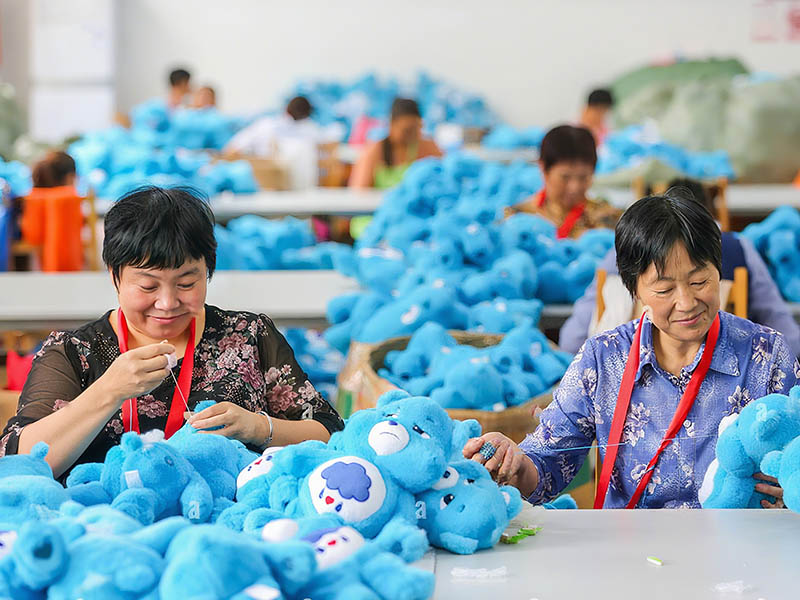
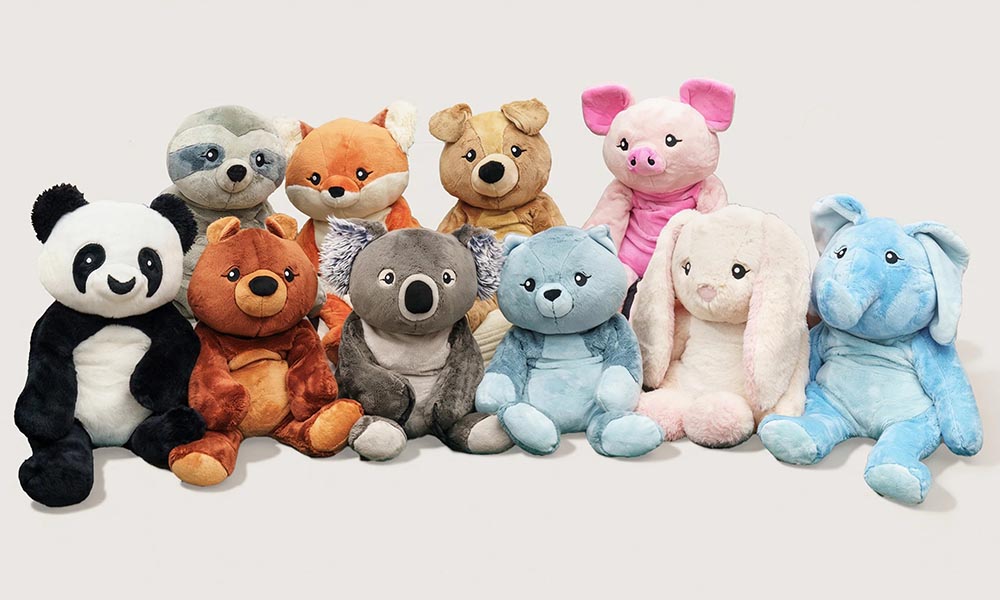
China remains the world’s largest hub for plush toy production. From OEM and ODM capabilities to advanced automation and sustainability initiatives, the country’s toy manufacturing industry continues to evolve rapidly.
For international buyers, 2025 brings new opportunities and challenges — from rising material costs and stricter compliance to improved factory transparency and faster sampling cycles. Whether you’re sourcing your first product or scaling global operations, understanding these changes helps you stay competitive and reduce risk.
This comprehensive guide explores everything you need to know about sourcing plush toys from China in 2025: the latest trends, supplier selection criteria, regulatory updates, and strategies for quality control and long-term cooperation.
What Are the Latest Trends in China’s Plush Toy Manufacturing Industry in 2025?
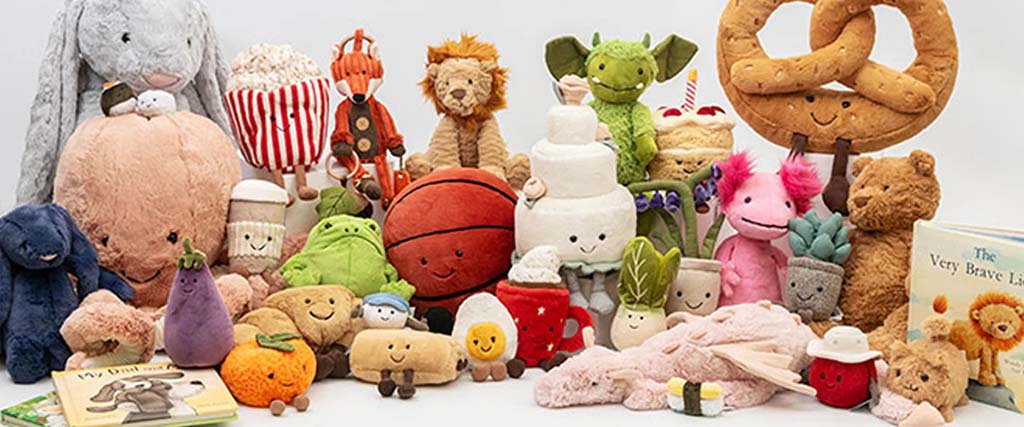
The plush toy industry in China has entered a new stage characterized by automation, sustainability, and creative innovation.
1. Eco-Friendly Materials and Sustainable Practices
Factories are shifting toward recycled polyester (RPET), organic cotton, and biodegradable packaging to meet environmental regulations and consumer demand. Many export-oriented manufacturers now hold GRS (Global Recycled Standard) or OEKO-TEX certifications to attract eco-conscious brands.
2. Smart and Interactive Plush Toys
The integration of AI modules, sound sensors, and Bluetooth connectivity has become a trend. These interactive plush toys are increasingly popular in North America and Europe, especially for educational and therapeutic applications.
3. Digitized Manufacturing Processes
Factories are investing in digital embroidery machines, 3D modeling, and automated cutting systems to shorten lead times and improve precision. Sample approval cycles that once took 3 weeks can now be completed within 7–10 days.
4. Niche Market Expansion
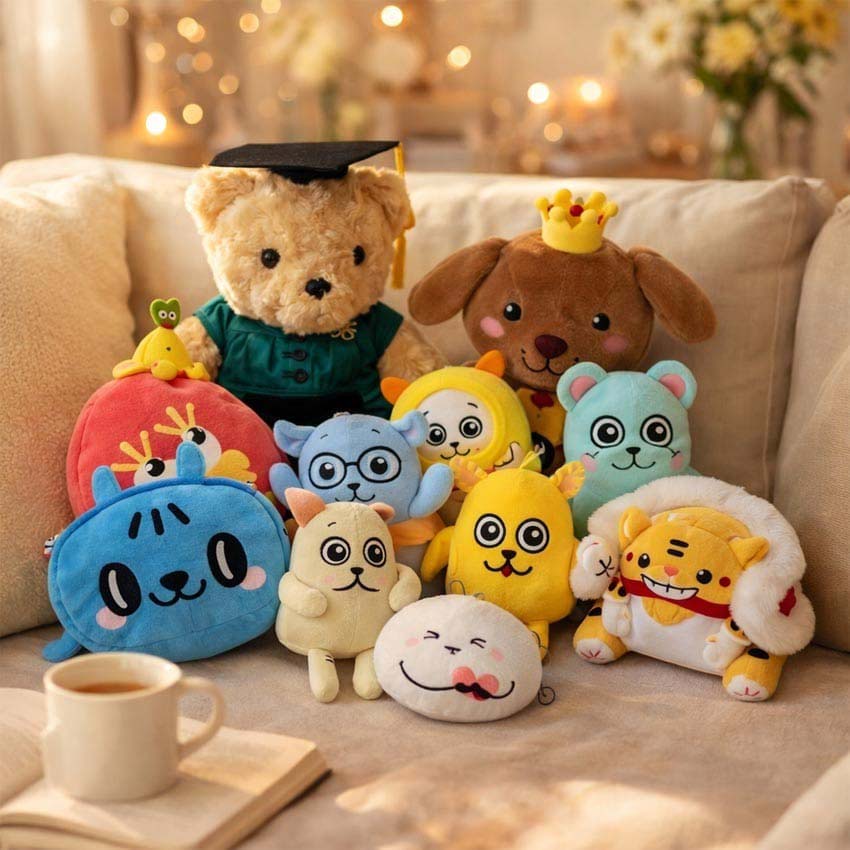
Chinese manufacturers are diversifying into specialized niches—such as weighted plush toys, scented plush, and custom character merchandise—offering global buyers more flexibility in small-volume customization.
5. Rising Labor Costs but Higher Skill Levels
While wages have increased, so has efficiency. Skilled workers supported by automation tools can now produce higher volumes with fewer defects, improving cost-to-quality ratios overall.
2025 Manufacturing Trend Overview
| Trend | Description | Buyer Impact |
|---|---|---|
| Sustainability | RPET, organic materials | Stronger brand appeal |
| Smart Toys | AI/interactive modules | Higher unit value |
| Automation | Digital embroidery, laser cutting | Shorter lead time |
| Niche Categories | Weighted, scented, licensed toys | Market differentiation |
| Workforce Upgrade | Higher skills, less waste | Improved QC consistency |
How Has China Maintained Its Competitive Edge in Global Plush Toy Production?
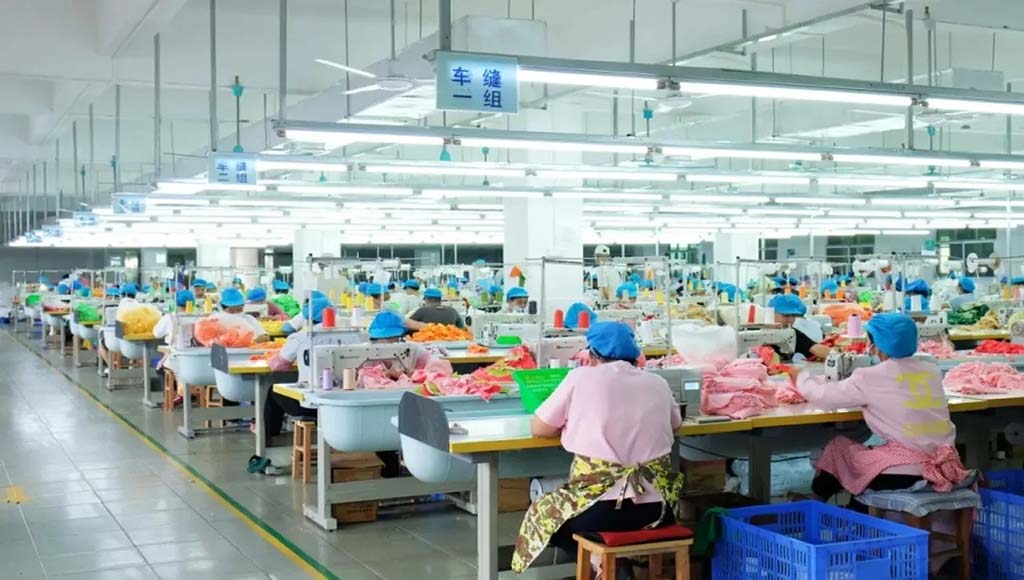
Despite competition from Vietnam, India, and Indonesia, China continues to dominate plush toy manufacturing due to its complete supply chain, skilled labor, and infrastructure maturity.
1. Complete Raw Material Ecosystem
China’s textile hubs (such as Dongguan, Yangzhou, and Zhejiang) provide easy access to plush fabrics, embroidery threads, and stuffing materials. This integrated network reduces logistics time and ensures material consistency.
2. Strong OEM & ODM Expertise
With over two decades of experience, Chinese factories can execute both OEM projects (buyer’s own design) and ODM solutions (factory’s existing designs with customization). Buyers benefit from flexible collaboration options.
3. Advanced Quality Control Systems
Most established factories hold ISO 9001, BSCI, and SMETA certifications, and cooperate with third-party labs (SGS, TÜV, Intertek) for safety testing.
4. Logistics and Export Infrastructure
China’s proximity to major shipping ports (Shenzhen, Shanghai, Ningbo) ensures efficient export management with global freight partners.
5. Digitalization and English-Speaking Teams
Top-tier factories have bilingual sales and project teams, ensuring seamless communication through platforms like WeChat, WhatsApp, and project dashboards.
Competitive Advantage Comparison
| Factor | China | Vietnam | India |
|---|---|---|---|
| Supply Chain | Complete | Partial | Developing |
| OEM/ODM Skills | Advanced | Moderate | Moderate |
| Compliance Standards | High | Medium | Varies |
| Lead Time | 30–40 days | 40–60 days | 50+ days |
| Export Volume | Largest globally | Growing | Limited |
What Key Factors Should Buyers Consider When Selecting Chinese Suppliers?
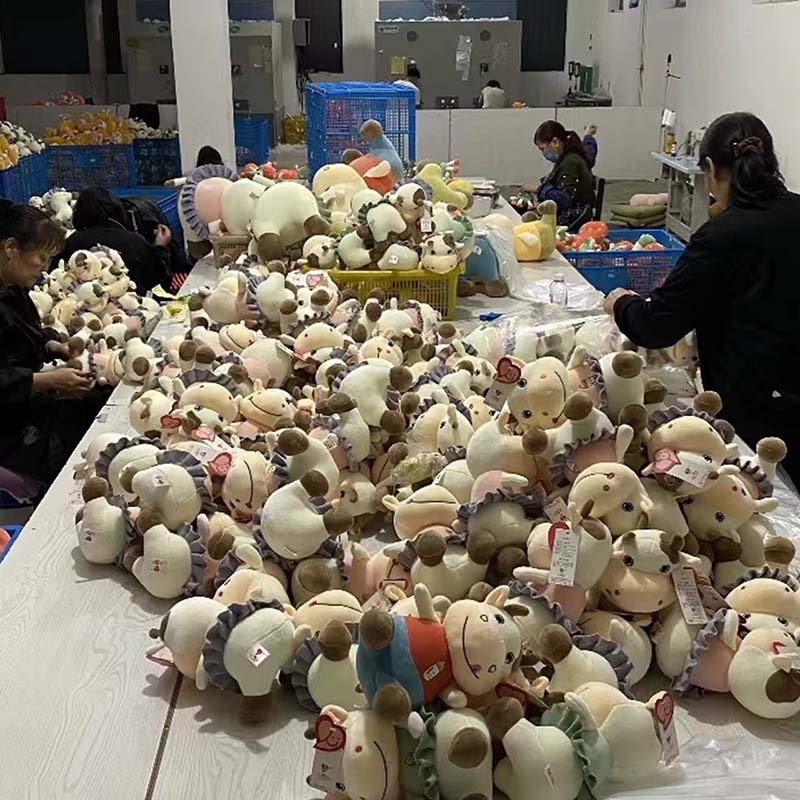
Choosing the right supplier determines the success of your plush toy business. In 2025, buyers should focus on five key evaluation categories:
1. Factory Legitimacy
Request business licenses, factory audit reports (BSCI, SEDEX), and product certifications (CE, ASTM F963, CPSIA). Verify that the factory—not a trading company—owns production facilities.
2. Sampling Capability
Check how efficiently the factory produces samples. Factories with in-house pattern makers and embroidery machines deliver faster results and reduce miscommunication.
3. Material Quality and Safety Compliance
Ask for material data sheets, test reports, and supplier traceability documentation. Reliable suppliers use pre-approved and child-safe materials that meet export market standards.
4. Communication Efficiency
Assess response time and project tracking tools. Effective English communication minimizes sampling errors and timeline confusion.
5. Flexibility and Long-Term Cooperation Potential
A strong partner adapts to changing order sizes, custom requests, and evolving brand needs over time.
Supplier Evaluation Checklist
| Category | What to Check | Why It Matters |
|---|---|---|
| Legal & Compliance | License, BSCI, ISO | Avoid fraud & ensure ethics |
| Capability | In-house design, sampling | Speed & precision |
| Material Safety | Test reports | Export compliance |
| Communication | Bilingual team | Reduces risk |
| Flexibility | MOQ, lead time | Scalability |
How Do New Regulations and Safety Standards Affect Plush Toy Exports in 2025?
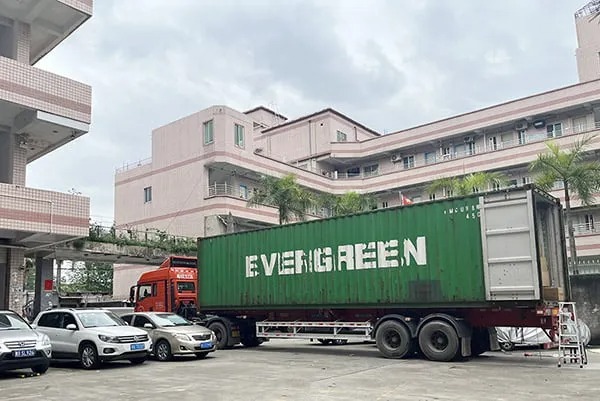
Global toy safety requirements have become stricter, and exporters in China must stay compliant to maintain competitiveness. Buyers should also understand these changes to avoid delays or rejections at customs.
1. Updated Chemical Restrictions
- EU Toy Safety Directive Revision (2024–2025): introduces stricter limits on allergenic fragrances, flame retardants, and PAHs.
- U.S. ASTM F963-24: includes updated small-part testing and labeling requirements.
2. Traceability Systems
Factories must maintain detailed traceability from material sourcing to final packaging. Digital QC logs are now required by many retailers.
3. Eco-Certifications
Retailers in the EU and North America increasingly demand GRS (Global Recycled Standard) and OEKO-TEX 100 certified fabrics to meet sustainability goals.
4. Testing Responsibilities
Clarify whether the buyer or supplier will pay for third-party testing. Most reputable factories include pre-testing and provide test report templates for approval.
Compliance Summary
| Region | Regulation | Key Update |
|---|---|---|
| EU | Toy Safety Directive 2025 | Stricter chemical limits |
| USA | ASTM F963-24 | Labeling & small parts |
| UK | UKCA Mark | Equivalent to CE, separate test |
| Global | GRS / OEKO-TEX | Sustainability focus |
By sourcing from compliant suppliers, buyers avoid delays, customs rejections, or fines while gaining stronger credibility in regulated markets.
What Are the Best Practices for Managing Sampling, Quality Control, and Shipping?
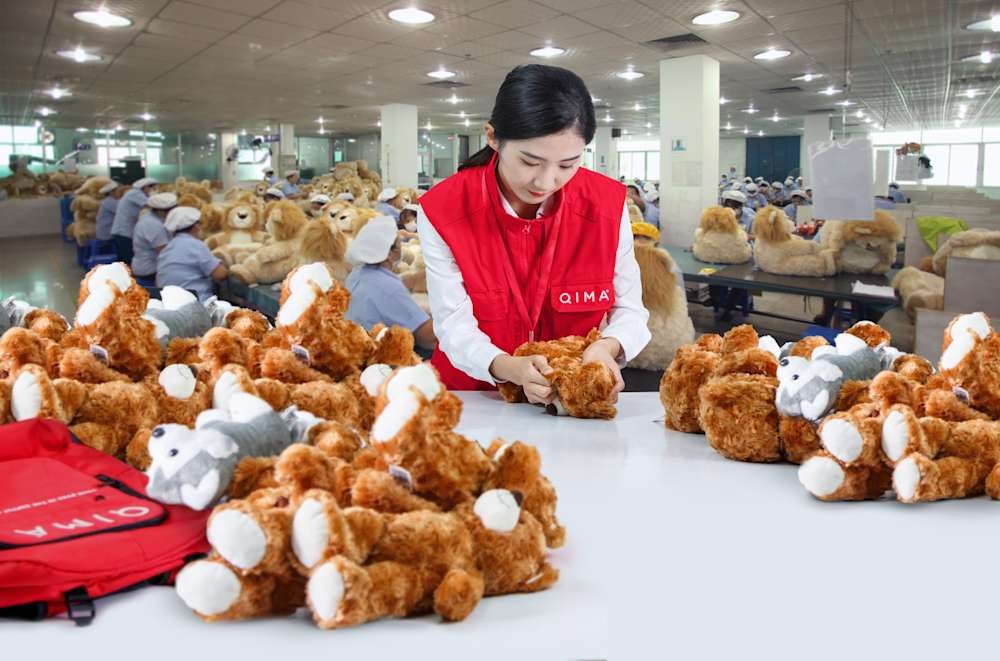
Managing production remotely requires structured systems to ensure consistency, efficiency, and transparency.
1. Sampling
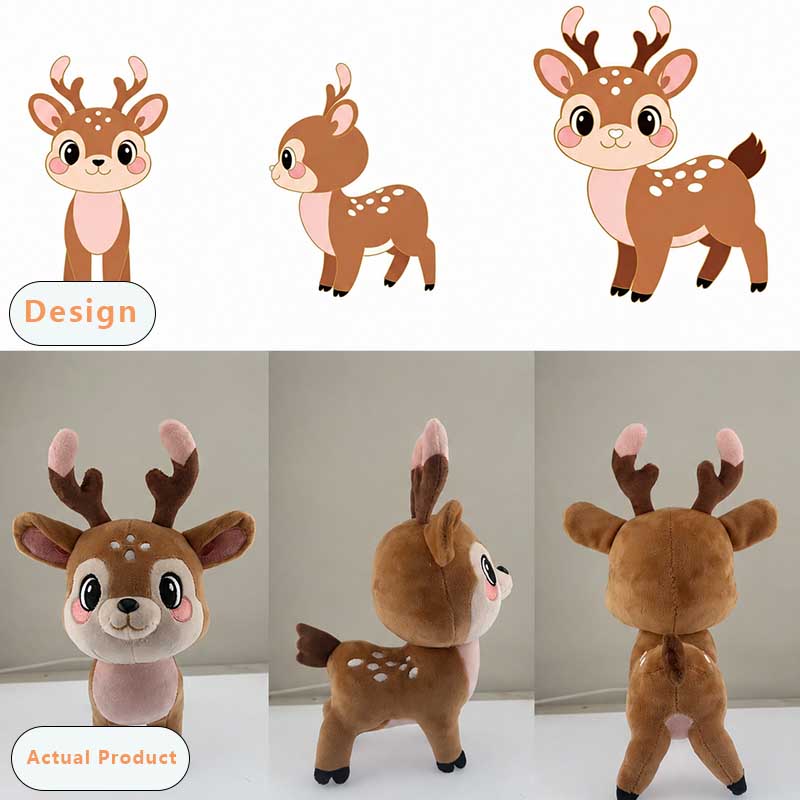
Start with a clear design brief—including sketches, Pantone colors, material names, and stuffing firmness. Approve a Golden Sample and keep both a physical and digital record.
2. Quality Control (QC)
Use multi-stage QC:
- IQC (Incoming Quality Control): checks raw materials.
- IPQC (In-Process QC): monitors cutting, sewing, stuffing.
- FQC (Final QC): inspects finished toys.
- PSI (Pre-Shipment Inspection): verifies packaging and labeling.
Third-party inspections (SGS, QIMA, TÜV) can provide unbiased validation.
3. Shipping & Logistics
Discuss shipping terms early (EXW, FOB, CIF). Compare sea and air freight timelines and costs. For 2025, sea freight rates have stabilized but remain influenced by global container supply and fuel surcharges.
For large buyers, working with freight forwarders based in China helps optimize routes and documentation.
4. Communication & Project Tracking
Use shared digital tools (Trello, Google Sheets, Notion) to monitor progress. Request photo/video updates during key production stages.
Production Management Flow
| Stage | Buyer Action | Factory Action |
|---|---|---|
| Sampling | Approve specs & Golden Sample | Produce and confirm |
| Production | Review progress photos | Perform IPQC |
| Inspection | Arrange PSI | Provide QC report |
| Shipment | Approve documents | Ship via forwarder |
How Can Buyers Build Long-Term, Trustworthy Partnerships with Chinese Manufacturers?
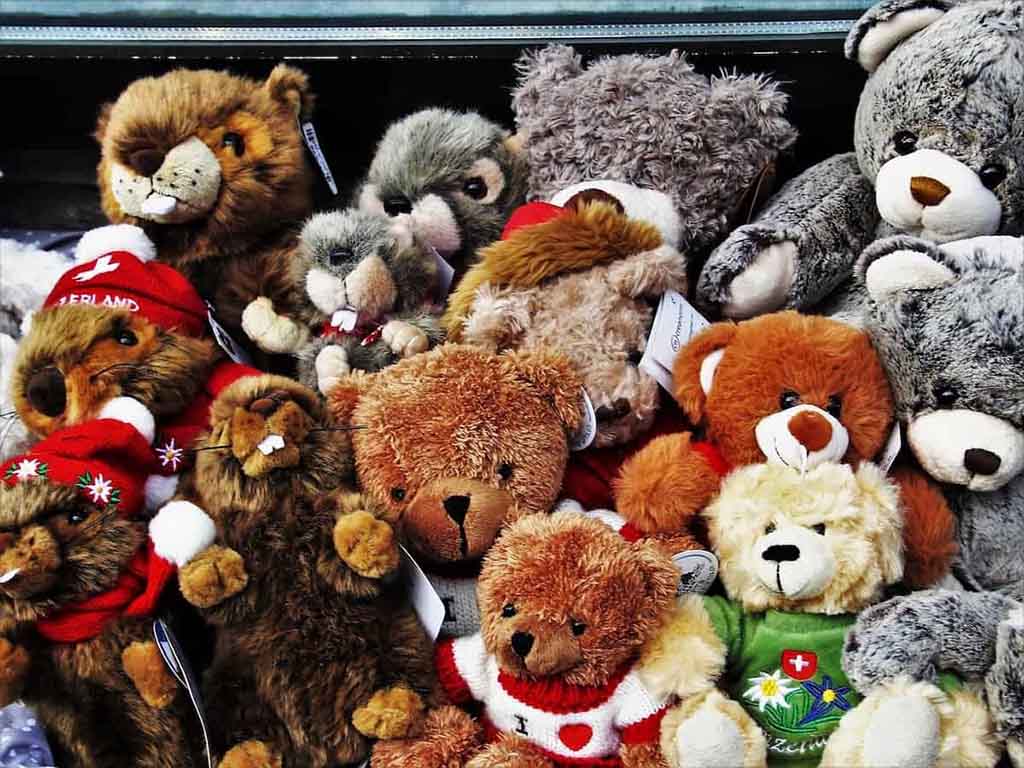
Success in plush toy sourcing depends on relationship quality as much as product quality. Building a strong partnership with your factory leads to better pricing, smoother projects, and higher consistency.
1. Prioritize Communication and Transparency
Treat your factory as a partner, not just a vendor. Regular communication fosters trust and collaboration. Share your product roadmap so they can plan capacity accordingly.
2. Reward Consistency
Recognize suppliers who consistently deliver quality and on-time performance by offering repeat orders or joint development projects.
3. Maintain Fair Negotiation
Excessive price pressure can backfire. A fair and sustainable margin motivates factories to allocate their best workers and materials to your project.
4. Visit or Audit Periodically
Factory visits build understanding and encourage accountability. When travel isn’t possible, arrange video tours and quarterly QC reviews.
5. Protect Intellectual Property
Sign NDAs and include IP protection clauses in all contracts. Register your trademark and product designs in China for legal protection.
Partnership Development Matrix
| Strategy | Description | Benefit |
|---|---|---|
| Transparent Communication | Regular updates | Prevents misunderstandings |
| Fair Pricing | Win-win collaboration | Long-term stability |
| Regular Audits | Quality consistency | Trust & compliance |
| IP Protection | Legal contracts | Brand security |
| Supplier Development | Joint product creation | Competitive advantage |
Conclusion
Sourcing plush toys from China in 2025 remains one of the most efficient and reliable paths for global brands and retailers. However, success depends on selecting compliant suppliers, embracing transparent communication, and staying updated on regulations and sustainability trends.
At Kinwin, we help international buyers develop high-quality, compliant, and creative plush toy collections—from concept to shipment. With 17 years of OEM/ODM experience, certified materials, and a multilingual team, we make cross-border sourcing simple, safe, and scalable.
📧 Contact us at [email protected]
🌐 Visit kinwintoys.com
Let’s build your next plush toy project with confidence and precision—designed, tested, and delivered from China’s trusted manufacturing hub.