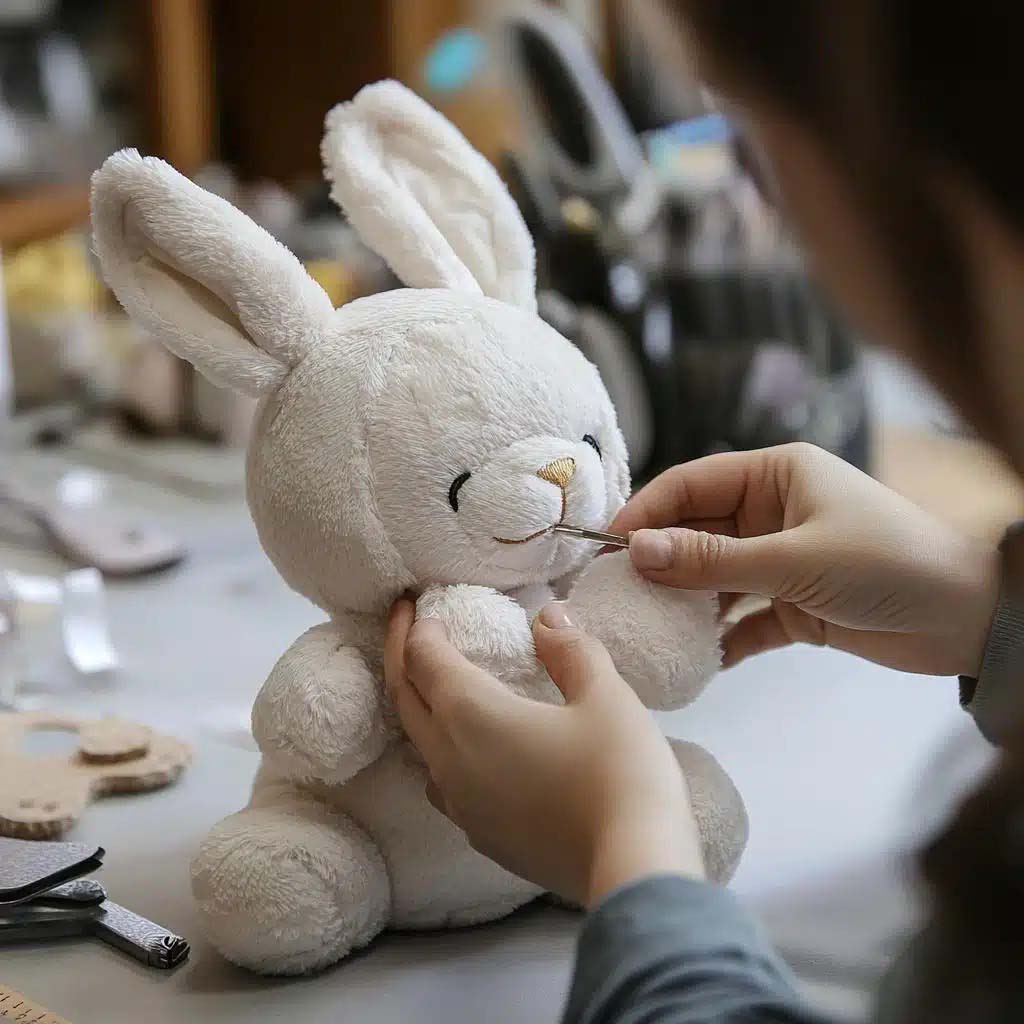
In plush toy manufacturing, most problems don’t come from what buyers can see—they come from what wasn’t identified early enough.
Delays, rejected samples, failed tests, cost overruns, or quality issues are rarely “accidents.” They are usually the result of poor risk identification and weak control systems. A factory’s real strength lies in how well it anticipates risks, not how fast it reacts after things go wrong.
This guide helps buyers evaluate a plush factory’s risk control ability, focusing on how risks are identified, assessed, and managed throughout the project lifecycle.
What Types of Risks Exist in Plush Toy Manufacturing?
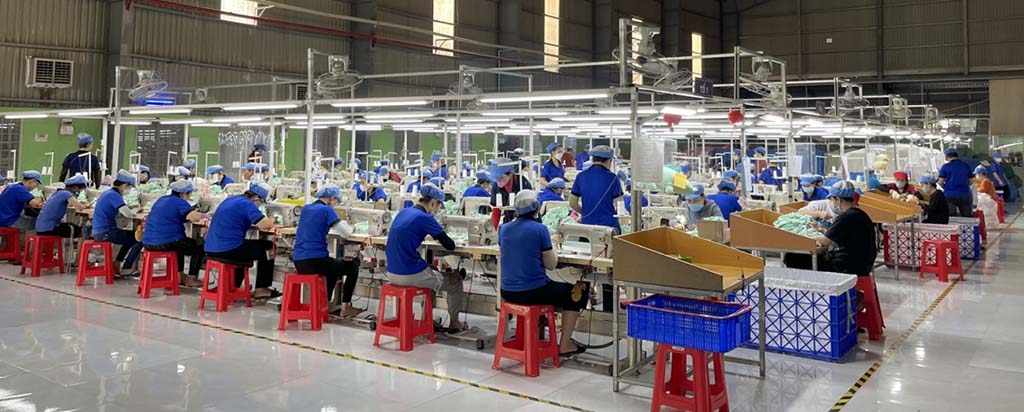
Risk in plush manufacturing is multi-layered. Understanding where risks come from is the first step to judging whether a factory can control them.
Are Risks Only About Quality, or Much Broader?
Many buyers assume risk equals “bad quality.” In reality, risks include:
- Design feasibility risks (shape, size, structure)
- Material risks (fabric availability, color consistency)
- Safety and compliance risks
- Schedule and capacity risks
- Communication and approval risks
Factories that only talk about final inspection are often blind to upstream risks that cause bigger problems later.
Do Experienced Factories Categorize Risks Systematically?
Professional manufacturers usually classify risks by stage:
- Pre-sampling risks (design, materials, compliance)
- Production risks (process stability, manpower)
- Delivery risks (lead time, logistics, peak seasons)
This structured thinking allows them to prevent issues before they escalate.
Factories with mature risk awareness—such as Kinwin—tend to discuss risks calmly and clearly, rather than avoiding the topic or offering blanket reassurances.
Plush Manufacturing Risk Overview Table
| Risk Category | Typical Examples | If Not Controlled |
|---|---|---|
| Design & structure | Unstable shapes, distortion | Repeated rework |
| Materials | Color mismatch, shortages | Delays, inconsistency |
| Safety & compliance | Small parts, test failures | Market rejection |
| Schedule & capacity | Overbooking, peak seasons | Missed deadlines |
| Quality | Inconsistent workmanship | Returns & complaints |
Do They Identify Risks Before Sampling and Production Begin?

Strong risk control starts before any fabric is cut or any sample is made.
Factories that wait for problems to appear during sampling or production are already too late.
Do They Conduct Pre-Sampling Risk Reviews?
Risk-aware factories typically review key points before sampling:
- Design feasibility (shape stability, seam stress)
- Material availability and dyeing risks
- Size-related risks (very small or oversized plush)
- Special processes (embroidery density, accessories)
They raise questions early, explain trade-offs, and document decisions.
If a factory jumps straight into sampling without discussing risks, they may be prioritizing speed over control.
Are Risks Communicated Clearly—Not Hidden or Downplayed?
Effective risk control depends on transparent communication.
Look for whether the factory:
- Flags potential risks proactively
- Explains why a risk exists
- Suggests practical mitigation options
- Records agreed decisions
Be cautious if risks are minimized with phrases like “no problem” or “we’ll fix it later.” That usually leads to delays and rework.
Manufacturers with structured pre-sampling reviews—such as Kinwin—tend to treat early risk discussion as part of professional project management.
Pre-Sampling Risk Identification Evaluation Table
| What to Evaluate | Strong Risk Control | Risk Signal |
|---|---|---|
| Risk discussion timing | Before sampling | After issues appear |
| Design feasibility review | Detailed & specific | Skipped |
| Material risk awareness | Raised early | Mentioned late |
| Communication style | Clear & documented | Vague reassurance |
| Decision recording | Written confirmation | Verbal only |
How Do They Assess Feasibility for Materials, Structure, and Size?
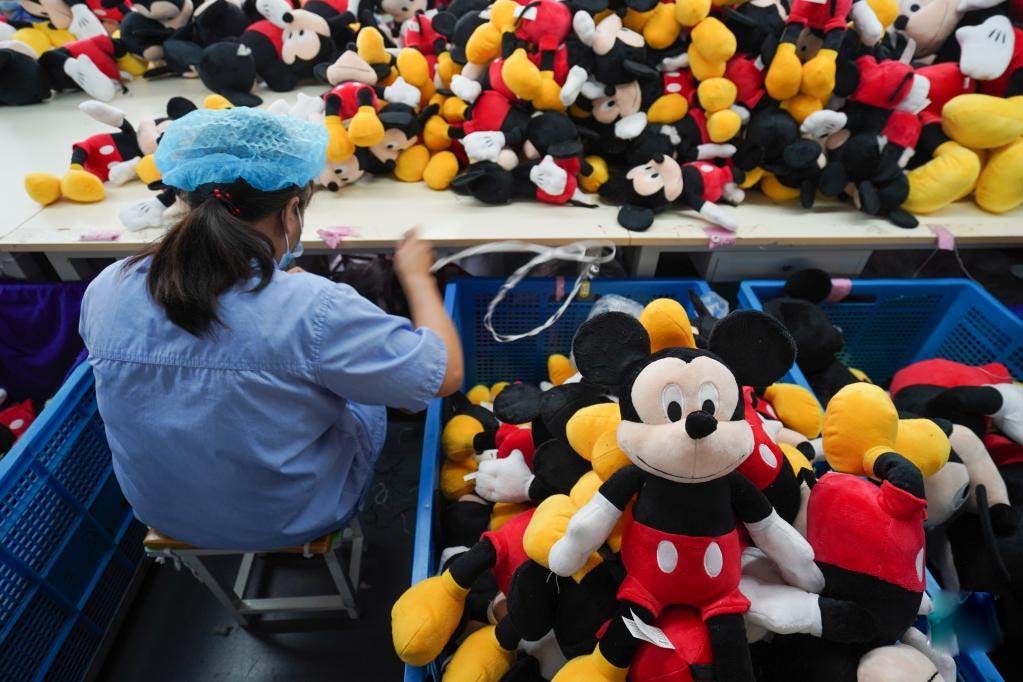
One of the biggest hidden risks in plush manufacturing comes from accepting designs that look good on paper but don’t work in reality.
A factory’s risk control ability is often revealed by how honestly it evaluates feasibility.
Do They Evaluate Material Feasibility Before Committing?
Risk-aware factories don’t just say “we can source it.” They assess:
- Whether the fabric type suits the structure and size
- Color-dye stability and batch consistency risks
- Lead time and minimums for custom fabrics
- Substitutes if original materials become unavailable
If material risks are ignored early, problems usually surface later as delays, color mismatches, or cost increases.
Can They Judge Structural and Size Limits Realistically?
Certain plush designs carry higher structural risk:
- Very small plush with complex details
- Large plush with weak internal support
- Thin limbs or heavy heads that deform easily
Experienced factories explain:
- Where distortion or seam stress may occur
- What size ranges are stable
- Which adjustments improve durability without changing appearance
Factories that lack this judgment often accept everything—and struggle later.
Manufacturers with strong feasibility assessment practices—such as Kinwin—usually set boundaries clearly and propose solutions before production begins.
Feasibility Assessment Evaluation Table
| Feasibility Area | Strong Risk Control | Risk Signal |
|---|---|---|
| Material suitability | Reviewed & explained | Assumed |
| Color & dye risk | Discussed early | Ignored |
| Structural stability | Evaluated by size | Discovered later |
| Design limits | Clearly stated | “Anything is fine” |
| Alternative planning | Provided | None |
Do They Flag Safety and Compliance Risks Early?
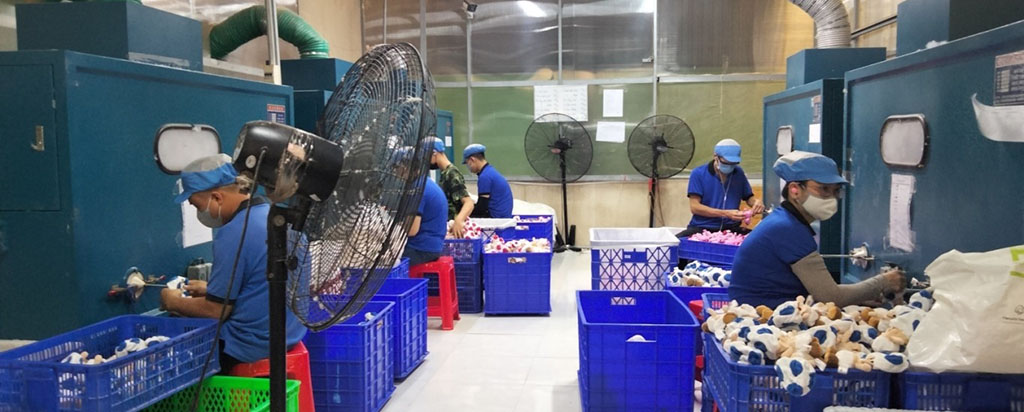
In plush toy manufacturing, safety and compliance risks are some of the most expensive risks to fix late.
A factory’s real risk control ability shows in whether these risks are identified before sampling and testing, not after failures occur.
Do They Review Safety Risks During Design and Sampling Stages?
Risk-aware factories evaluate safety from the start, including:
- Small parts and attachment strength
- Sharp edges, hard components, or exposed seams
- Age grading implications (infant vs. 3+)
- Stuffing accessibility and seam security
They raise concerns early and adjust designs before samples are finalized.
If safety is only mentioned at the testing stage, redesign costs and delays become likely.
Are Compliance Requirements Integrated Into Production Planning?
Strong factories understand that compliance affects:
- Material selection
- Construction methods
- Labeling and documentation
- Testing timelines
They clarify target markets early and plan production accordingly, rather than treating compliance as a final checkbox.
Manufacturers experienced in early compliance risk control—such as Kinwin—typically build safety considerations into design reviews and sampling decisions.
Safety & Compliance Risk Evaluation Table
| What to Evaluate | Strong Risk Control | Risk Signal |
|---|---|---|
| Safety review timing | Before sampling | After test failure |
| Small parts awareness | Proactively flagged | Overlooked |
| Age grading clarity | Discussed early | Decided late |
| Compliance integration | Built into process | Treated separately |
| Testing readiness | Planned | Rushed |
How Are Schedule and Capacity Risks Managed?
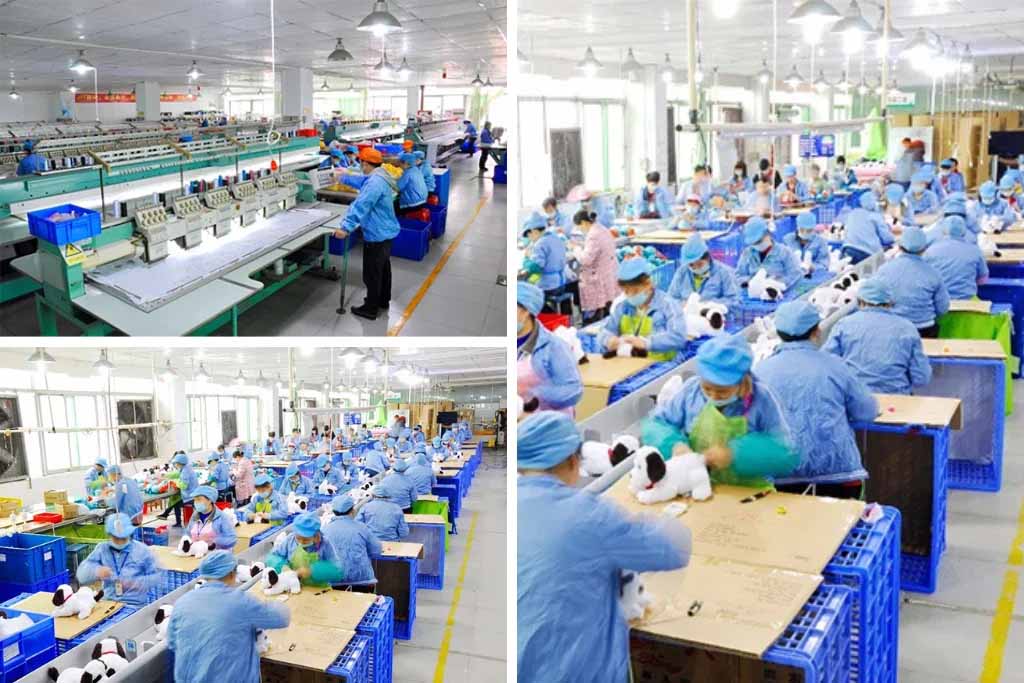
Schedule risk is one of the most common—and most underestimated—risks in plush manufacturing.
Late delivery is rarely caused by a single delay; it’s usually the result of overcommitted capacity and weak planning.
Do They Assess Capacity Before Confirming Timelines?
Risk-aware factories don’t quote lead times blindly. They:
- Check current production load and peak-season pressure
- Evaluate whether your order fits existing schedules
- Adjust timelines realistically instead of promising speed
If a factory confirms aggressive delivery without asking about timing, quantities, or complexity, it’s often a sign of poor capacity control.
Do They Build Buffers and Contingency Plans?
Professional risk control includes buffers, not just best-case timelines.
Strong manufacturers:
- Plan buffer time for sampling revisions and approvals
- Anticipate material delays or rework
- Communicate early if risks appear
Factories that rely on “we’ll rush later” usually end up compressing QC or skipping checks—creating downstream quality risks.
Manufacturers with disciplined schedule planning—such as Kinwin—tend to balance speed and reliability, especially during peak seasons.
Schedule & Capacity Risk Evaluation Table
| What to Evaluate | Strong Risk Control | Risk Signal |
|---|---|---|
| Capacity assessment | Checked before quoting | Ignored |
| Lead-time realism | Conservative & clear | Over-promised |
| Peak season planning | Acknowledged | Downplayed |
| Buffer time | Built-in | None |
| Risk communication | Proactive | Reactive |
What Systems Control Quality Risks During Mass Production?
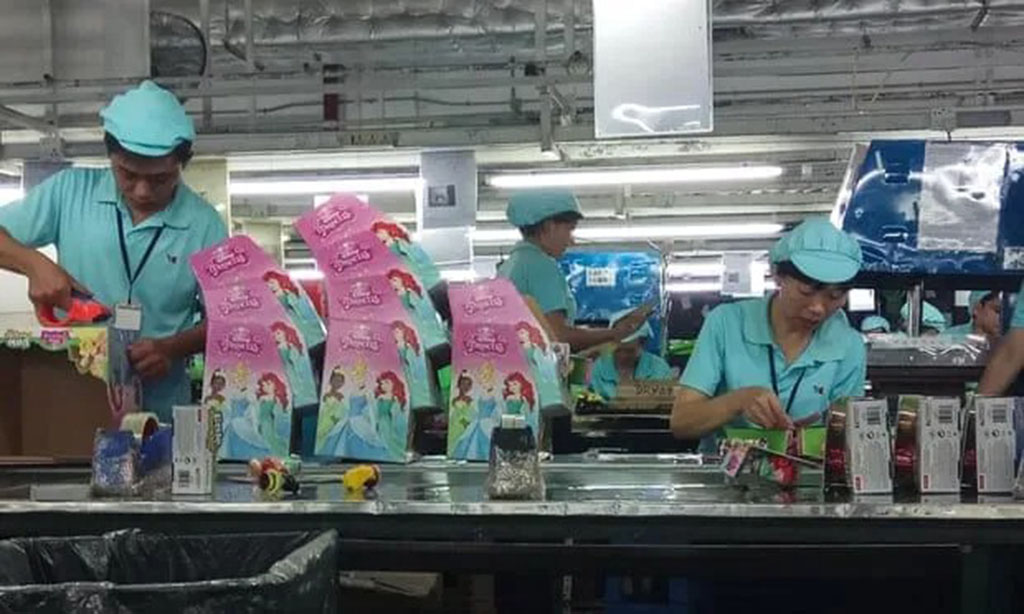
In mass production, quality risks don’t come from one mistake—they come from small deviations multiplying at scale.
A factory’s risk control ability is defined by whether it relies on individuals or systems.
Do They Use Process-Based QC Instead of End-Only Inspection?
Strong risk control systems embed QC inside production:
- Incoming material QC (IQC) before cutting
- In-process QC (PQC) during cutting, sewing, and assembly
- Final QC (FQC) against approved samples
This layered approach stops defects early, preventing them from spreading across thousands of units.
Factories that rely mainly on final inspection often discover problems too late—when correction is expensive or impossible.
Are Deviations Tracked, Corrected, and Prevented Systematically?
Risk-aware factories don’t just fix defects—they learn from them.
Look for whether they:
- Record defects and root causes
- Apply corrective and preventive actions (CAPA)
- Update processes or standards to avoid repeats
- Communicate changes clearly to production teams
Manufacturers with mature quality-risk systems—such as Kinwin—treat QC data as a management tool, not paperwork.
Mass Production Quality Risk Control Evaluation Table
| What to Evaluate | Strong Risk Control | Risk Signal |
|---|---|---|
| QC structure | IQC + PQC + FQC | Final check only |
| Defect handling | Root-cause analysis | Rework only |
| Process updates | Standards revised | No change |
| Data usage | Tracked & reviewed | Ignored |
| Scale stability | Quality holds | Degrades at volume |
Conclusion
A plush factory’s true strength is not measured by how fast it produces—but by how well it prevents problems before they happen.
Strong risk control in plush toy manufacturing means identifying risks early, assessing feasibility honestly, integrating safety and compliance into planning, managing capacity and schedules realistically, and controlling quality through systems—not last-minute fixes.
Factories without structured risk control often rely on experience and improvisation. This may work for small or simple orders, but it quickly breaks down under complexity, volume, or regulatory pressure.
For buyers who want predictable timelines, stable quality, and fewer surprises, evaluating a factory’s risk control ability is just as important as checking price or samples.
If you’re looking for a plush manufacturing partner that takes risk management seriously—from design review to mass production—working with a process-driven manufacturer like Kinwin can help you move forward with confidence and control.