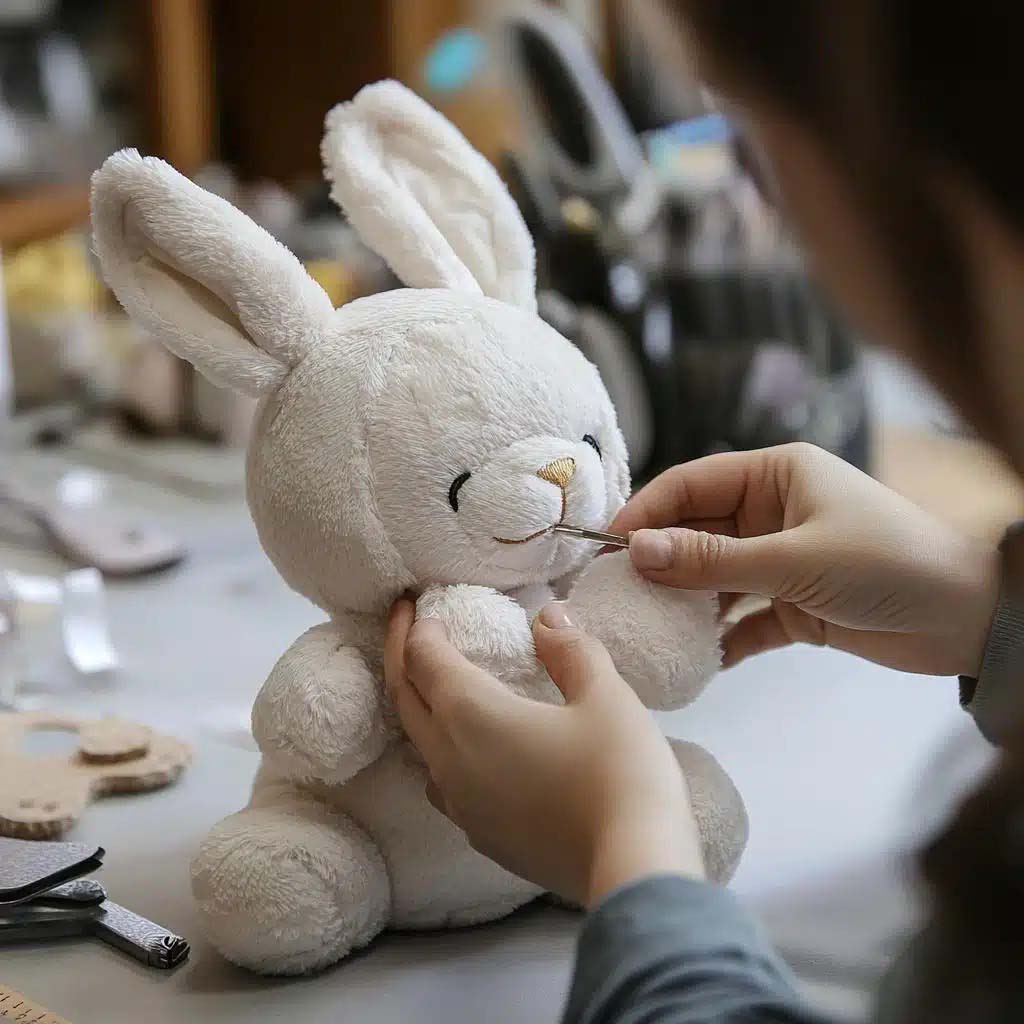
IP plush projects are high-visibility, high-risk, and highly controlled.
Unlike standard custom plush orders, IP projects must pass multiple approval layers, follow strict usage rules, and maintain near-perfect design accuracy—often under tight timelines.
Choosing the wrong manufacturer can result in rejected samples, delayed approvals, licensing disputes, or even IP violations. This guide helps IP owners, licensees, and project managers select a plush manufacturer that understands IP responsibility, not just production.
What Makes IP Plush Projects Different From Standard Custom Orders?

IP projects operate under a fundamentally different framework. The product is not just custom—it is licensed, regulated, and audited.
Are IP Projects Driven by Rules, Not Preferences?
In IP plush projects, many elements are fixed by the IP owner:
- Character proportions and facial expressions
- Color codes and material usage
- Logo placement and size
- What cannot be changed or interpreted
Manufacturers must execute within a rulebook. Personal “improvements” or creative liberties—acceptable in standard orders—can cause immediate rejection in IP projects.
Do IP Projects Involve Higher Approval Pressure and Zero Tolerance?
IP plush development usually includes:
- Multiple approval rounds (licensee → agent → IP owner)
- Written feedback with precise change requests
- Strict deadlines tied to launches, events, or releases
This creates pressure where:
- Errors are costly
- Revisions must be precise
- Communication must be documented
Manufacturers familiar with IP workflows—such as Kinwin—tend to approach IP projects with tighter controls and less improvisation than standard custom orders.
IP vs. Standard Plush Project Comparison Table
| Aspect | Standard Custom Plush | IP Plush Project |
|---|---|---|
| Design flexibility | Moderate to high | Very limited |
| Approval layers | Internal | Multi-party |
| Tolerance for change | Flexible | Minimal |
| Risk of rejection | Low | High |
| Manufacturer role | Producer | Licensed executor |
Does the Manufacturer Understand IP Rules and Approval Workflows?

In IP plush projects, knowing how to produce is not enough. The manufacturer must understand who approves what, when, and why—and how to move a project through that system without friction.
Do They Follow Formal Approval Chains and Documentation?
IP projects usually require:
- Clear submission packages (photos, measurements, notes)
- Version tracking for each revision
- Written confirmation for approvals and changes
A capable manufacturer:
- Prepares approval-ready materials
- Labels versions clearly
- Avoids verbal-only confirmations
If approvals are handled casually, misunderstandings multiply—and rejections become common.
Can They Anticipate and Prepare for IP Feedback Cycles?
Experienced IP manufacturers know that:
- Feedback may be precise and technical
- Multiple rounds are normal
- Turnaround speed matters—but accuracy matters more
They plan buffers, explain timelines realistically, and implement feedback exactly as written, without interpretation.
Manufacturers accustomed to IP workflows—such as Kinwin—tend to manage approvals as a structured process, not an afterthought.
IP Approval Workflow Evaluation Table
| What to Evaluate | IP-Ready Manufacturer | Risk Signal |
|---|---|---|
| Approval materials | Structured & complete | Informal |
| Version control | Clear labeling | Confusing history |
| Feedback handling | Exact implementation | “Close enough” |
| Timeline planning | Buffer included | Rushed |
| Documentation | Written records | Verbal only |
How Well Can They Translate IP Artwork Into Accurate Plush Designs?
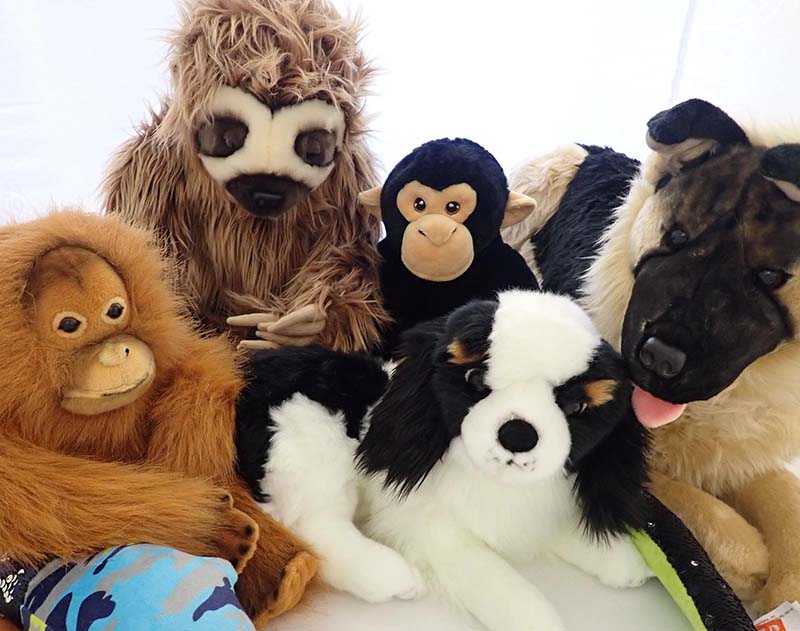
For IP projects, design translation is not creative interpretation—it’s precise execution.
The goal is to turn approved IP artwork into a plush form that looks instantly recognizable and fully compliant.
Can They Convert 2D IP Artwork Into a Correct 3D Plush Structure?
IP artwork is often optimized for screens, print, or animation—not for soft materials.
An IP-ready manufacturer should be able to:
- Maintain correct proportions and silhouette in 3D
- Preserve facial expression, eye spacing, and posture
- Adjust structure for plush constraints without altering character identity
If the first design draft already “reads” as the IP character, that’s a strong signal of experience. Major proportion errors usually indicate weak translation capability.
Do They Know Which IP Details Are Non-Negotiable?
In IP projects, some details are fixed and must never be altered:
- Facial features and expression rules
- Signature colors and color blocking
- Logo placement, scale, and orientation
- Accessories tied to character identity
A capable manufacturer clarifies these elements early and locks them into the design.
An inexperienced one may treat them as flexible—leading to rejection later.
Manufacturers with proven IP design translation experience—such as Kinwin—typically explain why certain plush adjustments are necessary while ensuring IP accuracy is preserved.
IP Artwork Translation Evaluation Table
| What to Evaluate | Strong IP Translation | Risk Signal |
|---|---|---|
| 2D to 3D accuracy | Recognizable at first glance | Feels “off” |
| Proportion control | Matches IP rules | Distorted |
| Detail prioritization | Non-negotiables locked | Details drift |
| Design explanation | Clear reasoning | No rationale |
| First draft quality | Minor refinements only | Major rework needed |
Can They Maintain Strict Design Accuracy and Brand Consistency?
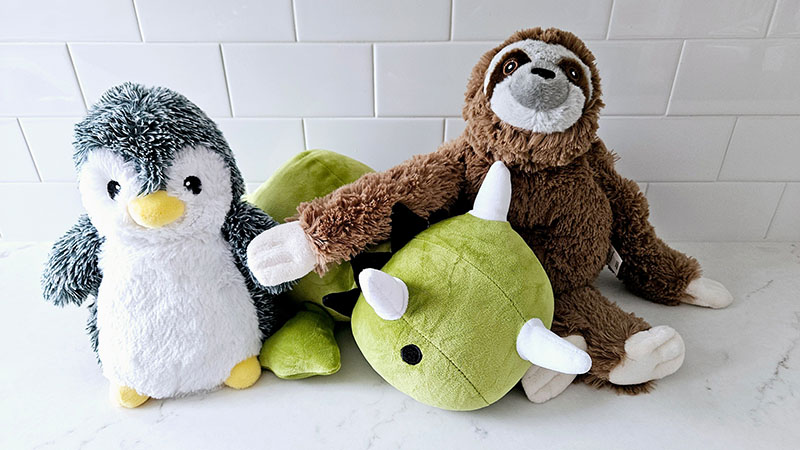
In IP plush projects, approval is not the finish line—it’s the baseline.
The real challenge is keeping every unit aligned with the approved design, especially when quantities increase or timelines tighten.
Do They Treat the Approved Sample as a “Locked Reference”?
IP-ready manufacturers treat the approved sample as a locked master, not a flexible guide.
This usually means:
- A designated “golden sample” stored and referenced throughout production
- No design, color, or material changes without written approval
- QC checks that compare products directly against the approved sample
If a factory views the approved sample as “close enough,” small deviations will accumulate—and IP owners will notice.
Can They Control Consistency Across Batches and Reorders?
IP projects often involve:
- Multiple batches
- Reorders months later
- Production across different lines or shifts
Strong manufacturers implement controls such as:
- Standardized materials and color references
- Fixed embroidery files and patterns
- Documented tolerances for size and appearance
Manufacturers experienced in IP consistency control—such as Kinwin—typically plan for repeatability from the first approval, not after problems appear.
IP Design Consistency Evaluation Table
| What to Evaluate | Strong Consistency Control | Risk Signal |
|---|---|---|
| Approved sample status | Locked reference | Informal guide |
| Change management | Written approval only | Verbal changes |
| Batch-to-batch match | Visually consistent | Noticeable drift |
| Reorder readiness | Same output later | Needs rework |
| QC reference | Sample-based | Memory-based |
Do They Have Experience Working With Licensed Characters or IP Owners?
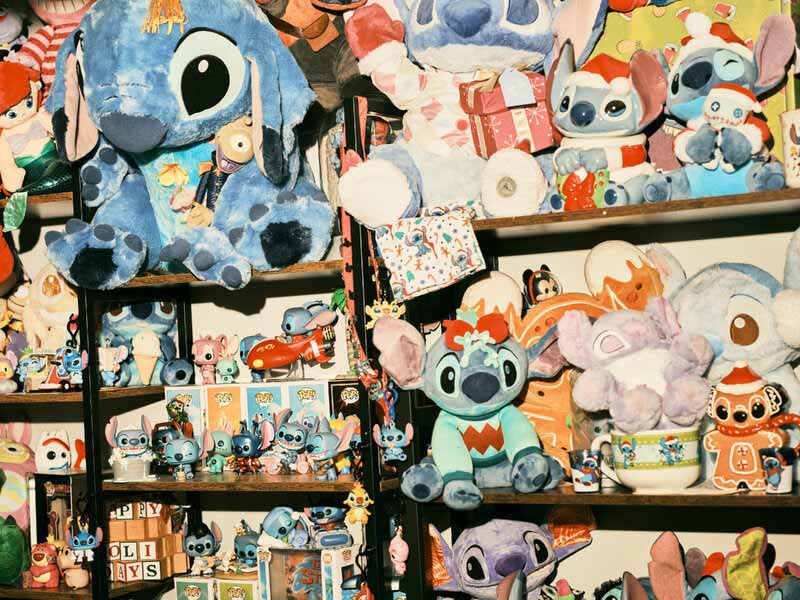
IP projects are as much about process discipline as they are about production skill.
Manufacturers who have actually worked with licensed characters understand the expectations, pressure, and pace of IP-driven workflows.
Have They Managed Real IP Approval Cycles Before?
Factories with real IP experience can usually describe:
- How many approval rounds are typical
- What licensors focus on most (face, color, proportion, materials)
- How feedback is documented and tracked
- How long approvals realistically take
They don’t rush approvals or push back against rules—they plan for them.
If a manufacturer can only say “we can follow IP requirements” without concrete examples, the experience may be theoretical rather than practical.
Do They Understand the Communication Style of IP Owners?
IP owners tend to be:
- Detail-oriented
- Very specific in feedback
- Strict about timelines and documentation
Experienced manufacturers adapt to this by:
- Communicating clearly and concisely
- Submitting approval-ready materials
- Avoiding unnecessary back-and-forth
Manufacturers with established IP project experience—such as Kinwin—often act as a buffer between licensees and production, helping projects move forward smoothly.
Licensed IP Experience Evaluation Table
| What to Evaluate | Proven IP Experience | Risk Signal |
|---|---|---|
| Approval familiarity | Describes real cycles | Vague statements |
| Feedback handling | Structured & exact | Informal |
| Documentation | Complete & organized | Inconsistent |
| Licensor interaction | Calm & prepared | Defensive |
| Timeline realism | Conservative & planned | Over-optimistic |
How Do They Handle Sampling Approvals and Revision Controls?
In IP plush projects, samples don’t just get approved—they get tracked, versioned, and controlled.
A weak revision system is one of the fastest ways to derail an IP project.
Is There a Clear, Traceable Sample Approval Process?
IP-ready manufacturers usually operate with:
- Clear sample versioning (V1, V2, etc.)
- Written approval or rejection records
- Photo sets and notes attached to each submission
- One approved “golden sample” that becomes the production reference
If approvals are confirmed casually or changes are made without documentation, it becomes impossible to prove compliance—or explain discrepancies later.
Can They Implement Revisions Exactly as Requested?
In IP projects, revisions are often precise and narrow:
- Adjust eye spacing by a few millimeters
- Match a specific color tone more closely
- Modify stitch density or embroidery edge
Strong manufacturers:
- Implement feedback exactly as written
- Avoid adding extra changes “to improve”
- Confirm understanding before resubmission
Manufacturers experienced in IP sampling control—such as Kinwin—tend to treat revision control as a quality system, not an ad-hoc task.
IP Sampling & Revision Control Evaluation Table
| What to Evaluate | IP-Ready Practice | Risk Signal |
|---|---|---|
| Version tracking | Clear & labeled | Confusing or missing |
| Approval records | Written & archived | Verbal only |
| Feedback accuracy | Implemented exactly | Partially applied |
| Change discipline | No extra changes | “Helpful” tweaks |
| Production linkage | Golden sample enforced | Loose reference |
Conclusion
Choosing a plush manufacturer for IP projects requires a much higher level of discipline than standard custom orders.
IP plush projects are governed by strict rules, layered approvals, and zero tolerance for unauthorized changes. From accurately translating IP artwork into plush form, to maintaining design consistency across batches, managing approval workflows, and enforcing revision control, every step must be structured, documented, and repeatable.
Manufacturers without real IP project experience often underestimate approval pressure, misinterpret feedback, or introduce uncontrolled changes—leading to rejected samples, missed deadlines, or licensing disputes.
For IP owners, licensees, and project managers, the right plush manufacturing partner is not just a producer, but a licensed execution partner who understands responsibility, process, and accountability.
If you’re developing plush products tied to licensed characters or protected IP, working with an experienced, process-driven manufacturer like Kinwin can help ensure accuracy, compliance, and smooth approvals from concept to mass production.