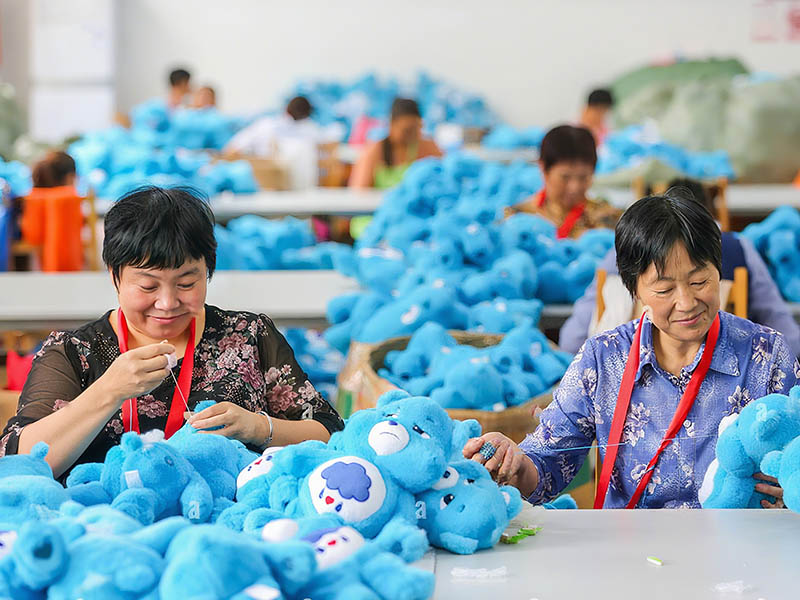
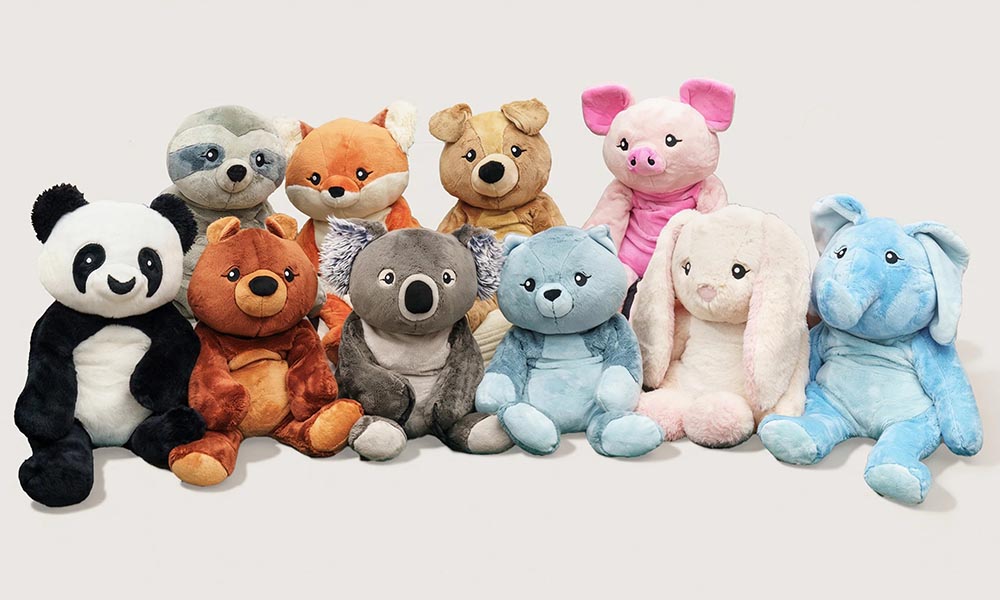
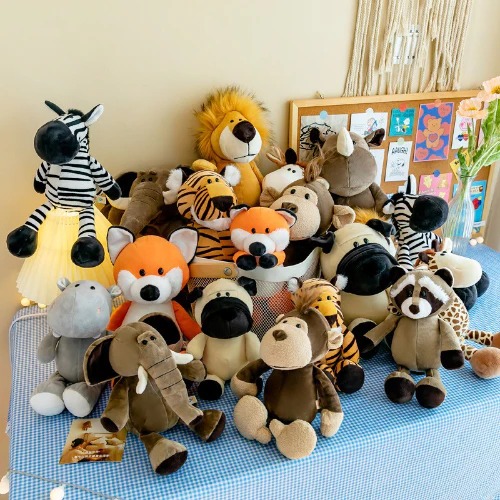
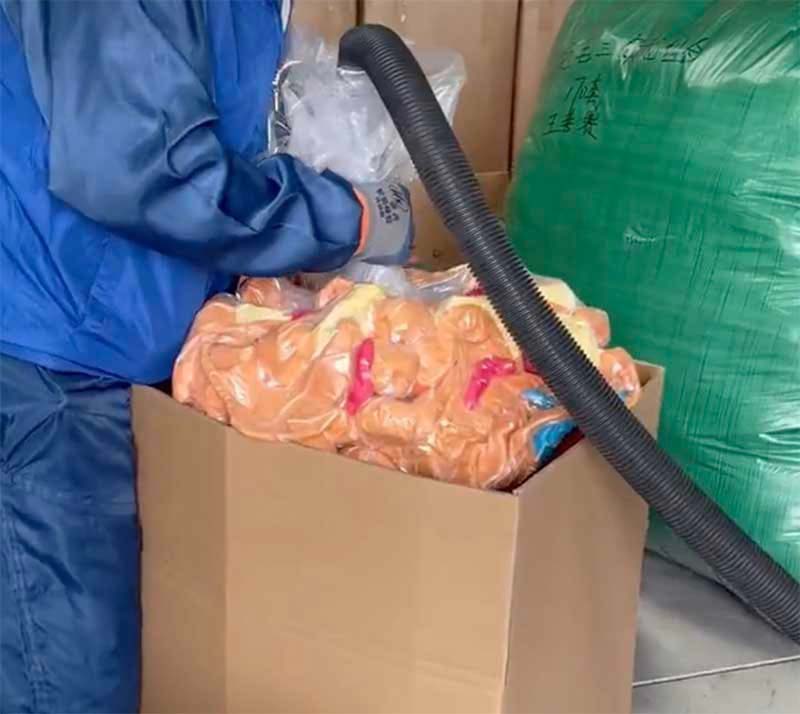
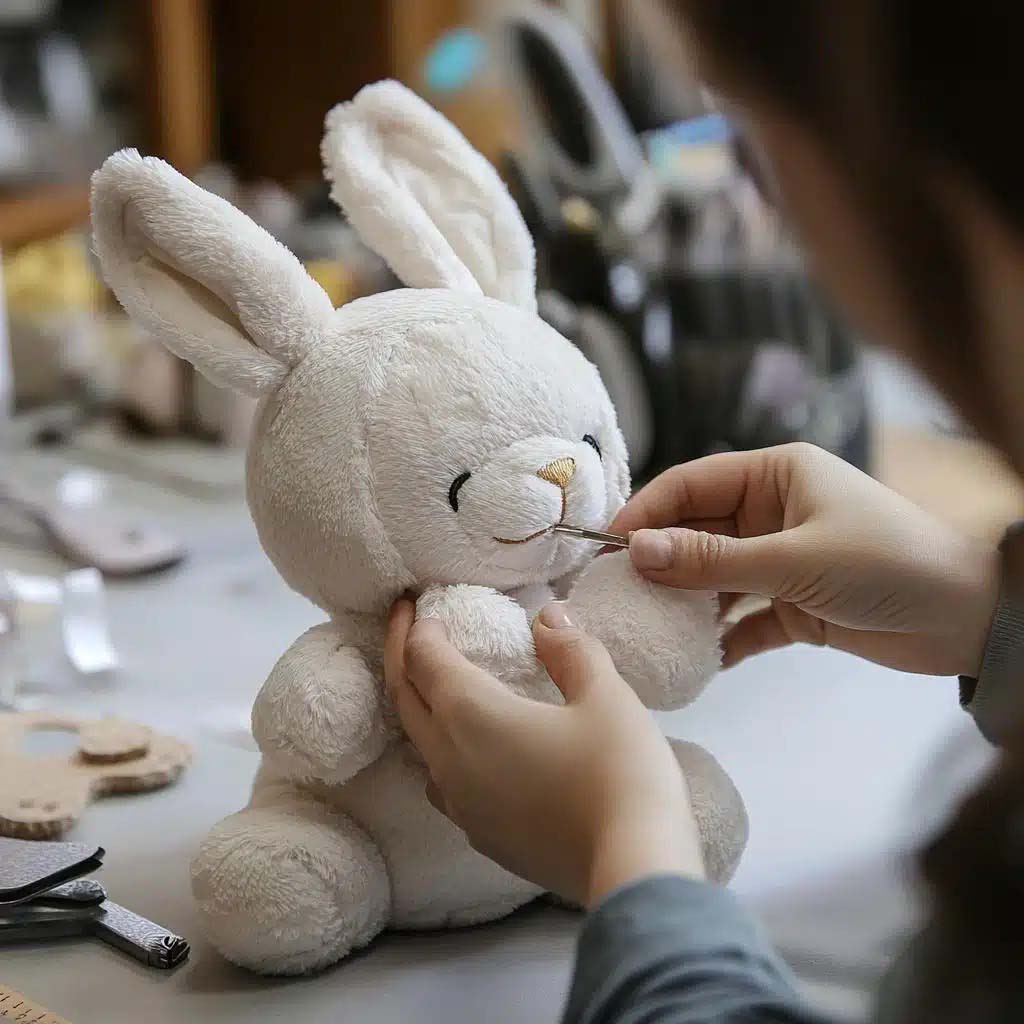
In plush toy manufacturing, quality is not something you “check at the end”—it’s something you build into every step.
Many factories claim they have quality control, but in reality, QC may only mean a quick final inspection before packing. A true quality control system is far more structured. It defines how materials are approved, how problems are prevented, and how consistency is maintained as production scales.
This guide helps buyers judge whether a factory’s quality control system is real, systematic, and reliable—not just a promise on paper.
What Does a Quality Control System Mean in Plush Toy Manufacturing?
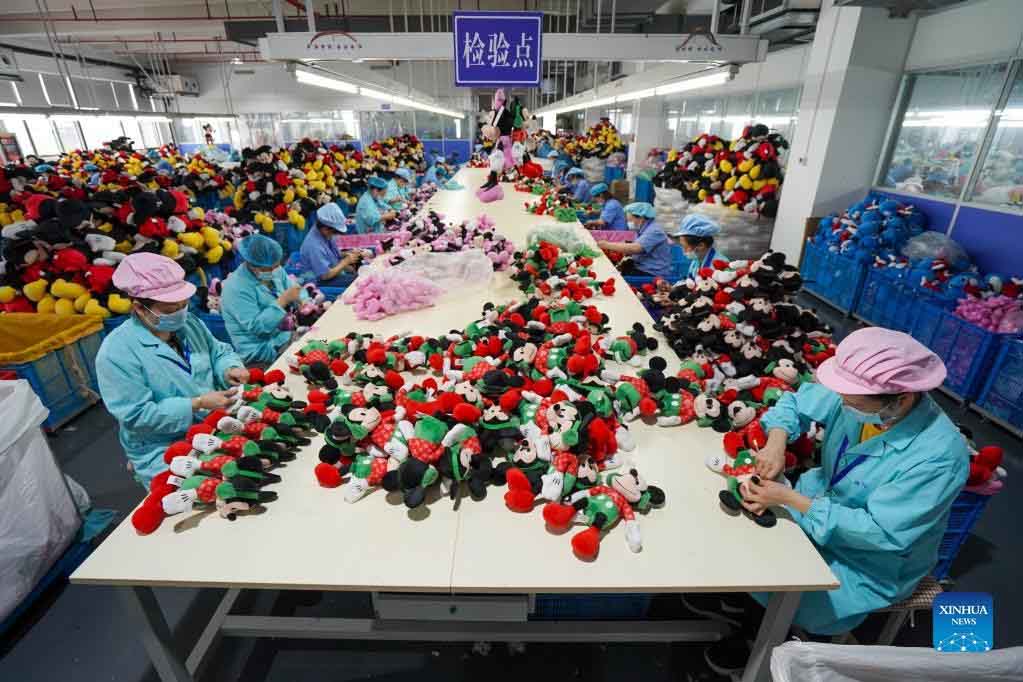
A quality control system is not a single checkpoint.
It’s a coordinated set of rules, checks, and responsibilities that guide how quality is managed from raw material to finished plush toy.
Is Quality Control a System, or Just Final Inspection?
In professional plush manufacturing, QC is:
- Planned, not reactive
- Multi-stage, not end-only
- Documented, not informal
Factories without a real QC system often rely on:
- Visual checks at the final stage
- Worker experience instead of standards
- Fixing defects after they appear
This approach may work for small batches—but it quickly breaks down at scale, leading to inconsistent quality and repeated issues.
Does the QC System Focus on Prevention, Not Just Detection?
Strong QC systems emphasize prevention.
They aim to:
- Catch issues before they repeat
- Stop defects from spreading across batches
- Reduce rework and waste
This means identifying risk points early—such as fabric variation, seam stress areas, or stuffing imbalance—and controlling them proactively.
Manufacturers with mature QC systems—such as Kinwin—treat quality as a process responsibility shared across departments, not just the inspector’s job.
Quality Control System Definition Table
| Aspect | Real QC System | Weak QC Practice |
|---|---|---|
| QC scope | Multi-stage process | Final check only |
| Control method | Standards & procedures | Experience-based |
| Risk handling | Preventive | Reactive |
| Documentation | Clear records | Verbal only |
| Accountability | Defined roles | No clear owner |
Do They Have Documented QC Procedures at Each Production Stage?
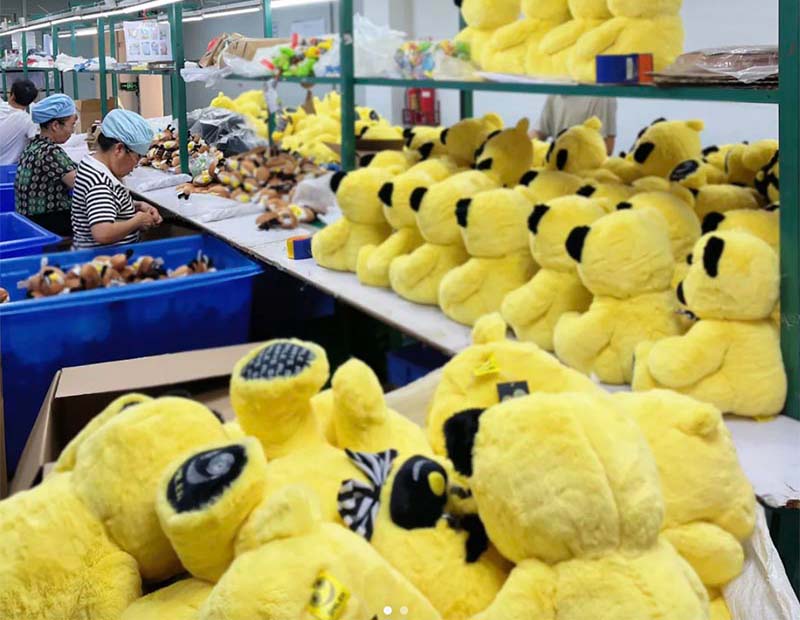
A factory’s QC credibility rises or falls on one question: are quality checks written down and followed consistently?
Documentation turns quality from personal judgment into a repeatable system.
Are QC Standards Clearly Defined, Not Just “Known by Workers”?
Professional plush factories document:
- What to check
- When to check
- Who is responsible
- What counts as pass or fail
These standards typically cover:
- Stitch density and seam allowance
- Embroidery placement and tolerance
- Accessory attachment strength
- Acceptable appearance ranges
Be cautious if QC is explained as “our workers know what to do.”
Without written standards, quality varies by person, shift, and workload.
Do QC Documents Connect Sampling Approval to Mass Production?
Documented QC should trace back to the approved sample.
Strong systems include:
- Sample approval records linked to production specs
- QC checklists referencing the approved sample
- Clear change-control when specs are updated
If a factory cannot show how sample decisions are translated into production QC criteria, mismatches between sample and bulk are likely.
Factories with disciplined documentation culture—such as Kinwin—typically maintain QC files that follow the product through its entire lifecycle.
QC Documentation Evaluation Table
| What to Evaluate | Strong QC Practice | Risk Signal |
|---|---|---|
| Written standards | Clear & accessible | Verbal only |
| Responsibility | Assigned per stage | Unclear ownership |
| Sample linkage | QC tied to approved sample | Sample treated separately |
| Change control | Updates recorded | Informal changes |
| Consistency | Same checks every batch | Varies by shift |
How Is Incoming Material Quality Inspected and Approved?
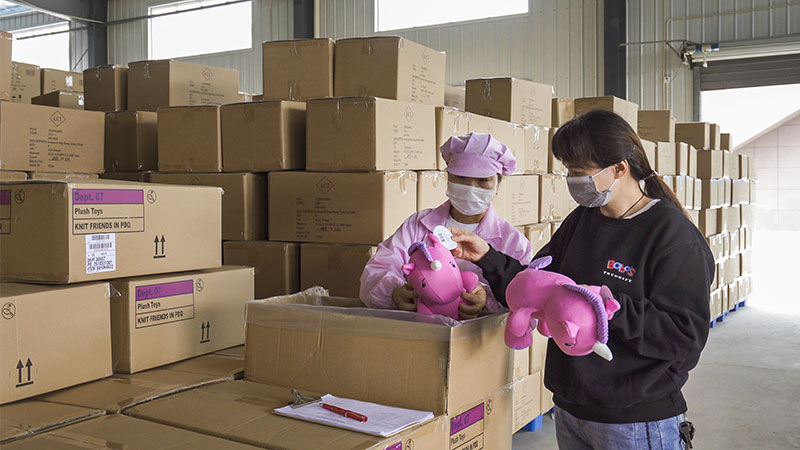
In plush toy manufacturing, material quality sets the ceiling for finished product quality.
If fabrics, fillings, or accessories are inconsistent from the start, no amount of downstream inspection can fully fix the problem.
Do They Inspect Materials Before Production Starts?
A real QC system includes Incoming Quality Control (IQC) before any cutting or sewing happens.
Professional factories typically check:
- Fabric color consistency and batch variation
- Hand feel, pile direction, and density
- Filling fiber type, weight, and resilience
- Accessories (eyes, noses, zippers) for size and attachment quality
Be cautious if materials go straight to production without documented inspection. This often leads to hidden defects spreading across entire batches.
Are Materials Approved Against Clear Specifications?
Inspection alone isn’t enough—materials must be checked against defined specs.
Strong IQC practices include:
- Material approval samples or swatches
- Tolerance ranges for color and texture
- Clear accept/reject criteria
- Records of approved vs. rejected batches
If approval is based on “looks okay,” consistency becomes subjective and unstable.
Manufacturers with disciplined IQC systems—such as Kinwin—treat material approval as a gate that protects the entire production process.
Incoming Material QC Evaluation Table
| What to Evaluate | Strong IQC Practice | Risk Signal |
|---|---|---|
| Inspection timing | Before production | After issues appear |
| Check scope | Fabric, filling, accessories | Fabric only |
| Approval 기준 | Spec-based | Visual judgment |
| Batch control | Records kept | No traceability |
| Rejection handling | Isolated & replaced | Used “carefully” |
What In-Process Checks Are Done During Cutting, Sewing, and Assembly?
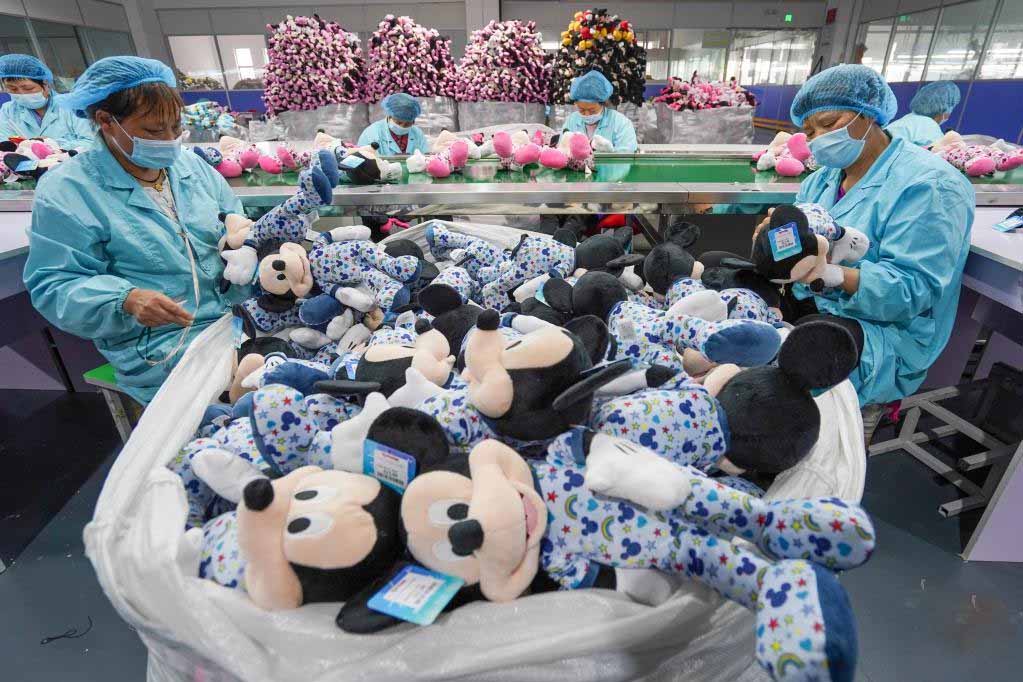
In-process quality control (PQC) is where a factory either stops problems early or allows them to multiply.
A strong QC system doesn’t wait until products are finished—it monitors quality while work is happening.
Are Cutting and Sewing Processes Checked at Defined Intervals?
Professional plush factories define checkpoints during production, not just outcomes.
Typical in-process checks include:
- Cutting accuracy against pattern templates
- Fabric direction and nap consistency
- Stitch density, seam allowance, and alignment
- Embroidery placement and tension
These checks are usually done:
- At the start of each batch
- At fixed production intervals
- When operators or materials change
Be cautious if in-process checks are described vaguely or left entirely to workers’ discretion.
Are Assembly and Component Positions Verified Before Stuffing?
Once a plush toy is stuffed and closed, many issues become difficult—or impossible—to fix.
Strong QC systems ensure:
- Facial features are positioned correctly before stuffing
- Accessories and labels are securely attached
- Symmetry and proportion are checked at the pre-stuffing stage
Catching issues before stuffing reduces rework, improves consistency, and protects the approved sample standard.
Manufacturers with mature in-process QC—such as Kinwin—treat PQC as a core production responsibility, not an optional step.
In-Process QC Evaluation Table
| What to Evaluate | Strong PQC System | Risk Signal |
|---|---|---|
| Check timing | Defined intervals | Random or none |
| Cutting accuracy | Pattern-verified | Visual estimate |
| Sewing quality | Measured standards | “Looks fine” |
| Pre-stuffing checks | Mandatory | Often skipped |
| Issue correction | Immediate | Fixed at final stage |
How Do They Control Stuffing Weight, Shape, and Consistency?
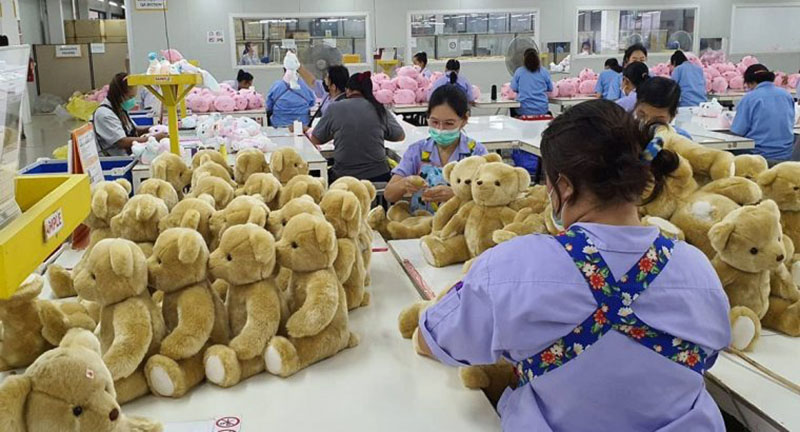
Stuffing is one of the most underestimated quality factors in plush toy manufacturing.
Even with perfect sewing, inconsistent filling can ruin appearance, hand-feel, and perceived quality.
Is Stuffing Weight Controlled With Clear Standards?
Professional factories don’t rely on “experience feel” alone.
Strong QC systems usually include:
- Defined target stuffing weights per size or SKU
- Acceptable tolerance ranges (± grams)
- Random weight checks during production
Be cautious if:
- Stuffing is done purely by hand feel
- No weight records are kept
- Different units feel noticeably heavier or lighter
Without weight control, batch-to-batch consistency quickly breaks down.
Do They Check Shape Balance and Firmness, Not Just Weight?
Weight alone is not enough—distribution matters.
Professional QC teams check:
- Balance between head, body, and limbs
- Symmetry after stuffing
- Firmness consistency across units
They often adjust:
- Stuffing order
- Fiber break-up technique
- Compression during closing
Factories that understand stuffing as a quality control point—not just a manual step—deliver plush toys that look and feel consistent in hand.
Manufacturers with refined stuffing control—such as Kinwin—typically treat filling consistency as part of workmanship standards, not an afterthought.
Stuffing & Shape Control Evaluation Table
| What to Evaluate | Strong Control | Risk Signal |
|---|---|---|
| Weight standard | Defined & measured | No target |
| Tolerance range | Clearly set | Not specified |
| Distribution check | Balance verified | Uneven shapes |
| Firmness consistency | Similar hand-feel | Noticeable variation |
| Batch stability | Consistent units | Unit-to-unit differences |
Are Workmanship and Detail Inspections Clearly Defined?
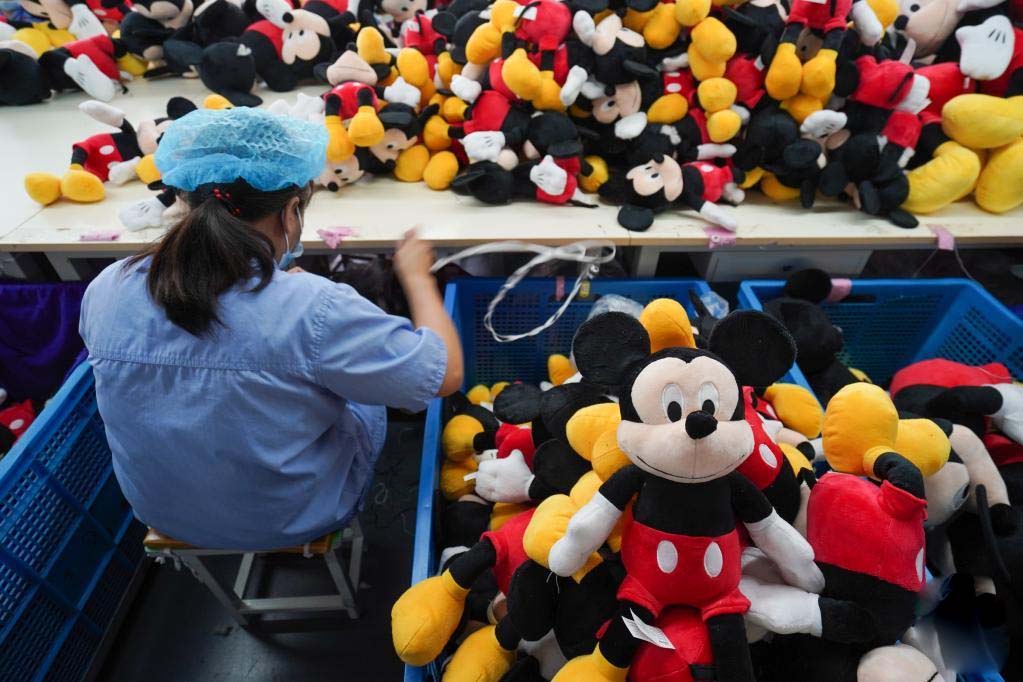
Workmanship is where buyers and end customers feel quality most directly.
A professional QC system makes workmanship measurable and consistent, not subjective or inspector-dependent.
Are Workmanship Standards Clearly Defined and Enforced?
Strong factories define workmanship with specific criteria, such as:
- Stitch uniformity and thread tension
- Seam straightness and closure quality
- Embroidery density, edge clarity, and alignment
- Clean finishing with no loose threads or exposed knots
Inspectors should know exactly:
- What is acceptable
- What is borderline
- What must be rejected
Be cautious if workmanship is judged as “looks okay.” That usually leads to inconsistent acceptance across batches and inspectors.
Are Final Detail Checks Linked Back to the Approved Sample?
Professional QC systems use the approved sample as the benchmark, not memory.
Effective detail inspections include:
- Side-by-side comparison with the approved sample
- Checks on facial expression, symmetry, and proportions
- Verification of labels, tags, and accessories
If final inspection is done without a clear reference, small deviations accumulate—and brand consistency suffers.
Manufacturers with disciplined workmanship control—such as Kinwin—typically treat final inspection as confirmation of process quality, not a last chance to catch mistakes.
Workmanship & Detail Inspection Evaluation Table
| What to Evaluate | Clear QC Definition | Risk Signal |
|---|---|---|
| Workmanship criteria | Specific & measurable | Subjective judgment |
| Inspector consistency | Same standard applied | Varies by person |
| Sample reference | Approved sample used | Memory-based |
| Detail coverage | Face, seams, finish | Obvious defects only |
| Brand consistency | Maintained across batches | Gradual drift |
Conclusion
A factory’s quality control system is not defined by how many inspectors it has—but by how systematically quality is managed across every production stage.
A strong plush toy QC system starts with clear documentation, controls material quality before production begins, monitors cutting, sewing, and assembly in real time, standardizes stuffing weight and shape consistency, and defines workmanship and detail inspections with measurable criteria. Together, these elements prevent problems instead of merely reacting to them.
Factories without a structured QC system may produce acceptable results occasionally, but they struggle to maintain consistency as volumes increase—putting brand reputation and timelines at risk.
If you want stable quality, predictable outcomes, and fewer surprises in bulk production, evaluating a factory’s QC system should be a non-negotiable step.
For buyers seeking a manufacturing partner with disciplined, process-driven quality control, Kinwin welcomes open discussions to help you assess QC standards and build long-term confidence in your plush production.