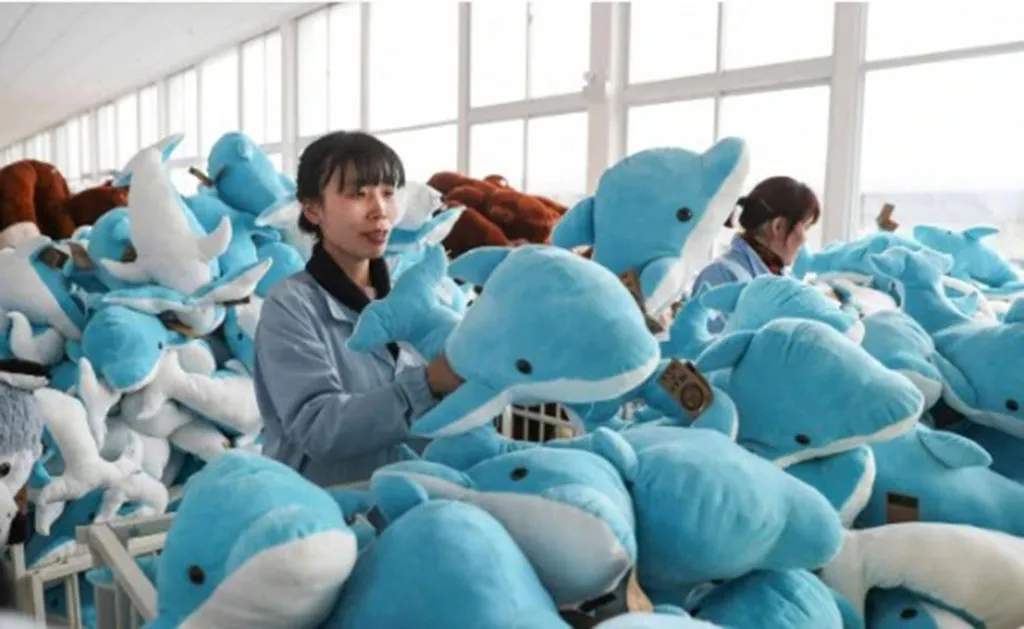
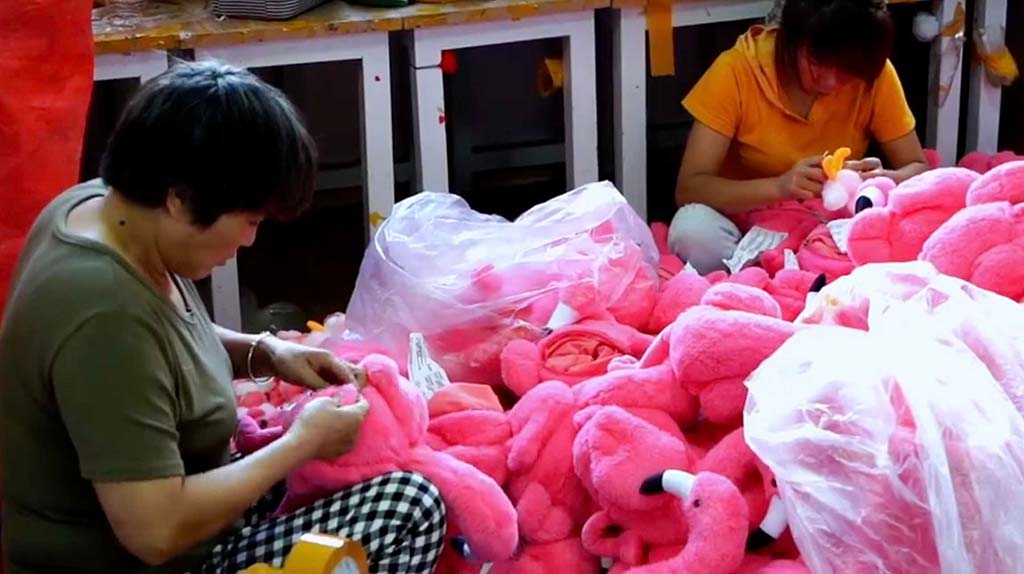
In plush toy manufacturing, sampling is where ideas become reality—and where many projects either move smoothly forward or quietly go off track.
Many factories say they can “make samples,” but that doesn’t always mean they have true in-house sampling capability. The difference matters. It affects accuracy, speed, communication, cost control, and how reliably a design can move from sample to mass production.
This guide helps buyers assess a factory’s real in-house sampling capability, focusing on what actually happens behind the scenes—not just what’s promised.
What Does “In-House Sampling” Mean in Plush Toy Manufacturing?
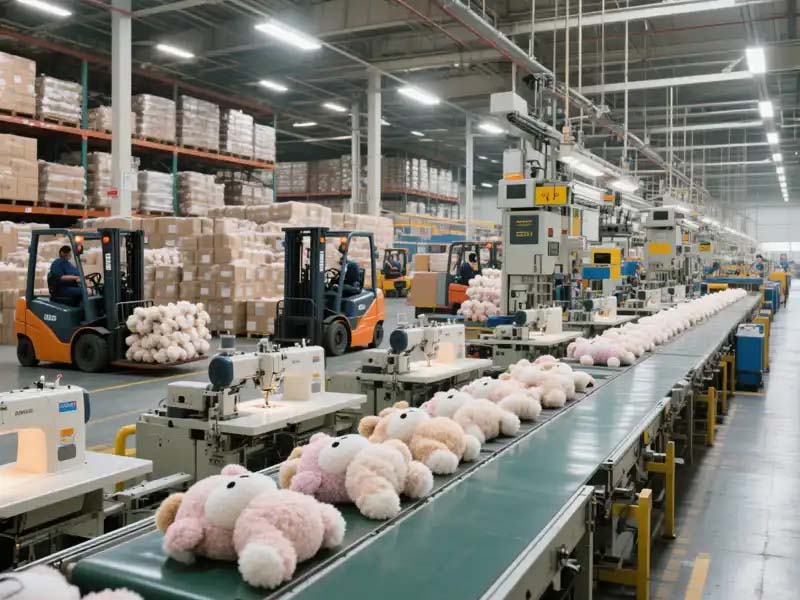
“In-house sampling” is often misunderstood.
It doesn’t simply mean that a factory can provide samples—it means the critical sampling work is controlled internally, not pushed outside.
Is In-House Sampling About Location, or About Control?
True in-house sampling means the factory:
- Employs its own sample makers and pattern technicians
- Develops patterns internally
- Controls sample revisions directly
- Coordinates design, pattern, and sewing under one roof
Some factories outsource pattern making or sewing while still presenting samples as “in-house.” This reduces control and often causes:
- Slower revisions
- Inconsistent interpretation of designs
- Gaps between sample and production teams
In-house sampling is really about control and accountability, not just physical space.
Why In-House Sampling Matters for Custom Plush Projects
When sampling is done internally, factories can:
- Respond faster to design changes
- Adjust patterns and structure immediately
- Preserve design intent more accurately
- Reduce back-and-forth communication
This is especially important for custom plush projects where designs are still evolving.
Manufacturers with real in-house sampling systems—such as Kinwin—typically treat sampling as the foundation of production, not a disconnected service.
In-House Sampling Definition Evaluation Table
| Aspect | True In-House Sampling | Limited / Outsourced |
|---|---|---|
| Pattern making | Internal technicians | External or unclear |
| Sample sewing | Internal sample makers | Partially outsourced |
| Revision control | Direct & immediate | Delayed & fragmented |
| Design alignment | High | Often inconsistent |
| Accountability | Factory-owned | Diffused responsibility |
Does the Factory Have a Dedicated Internal Sample Room?
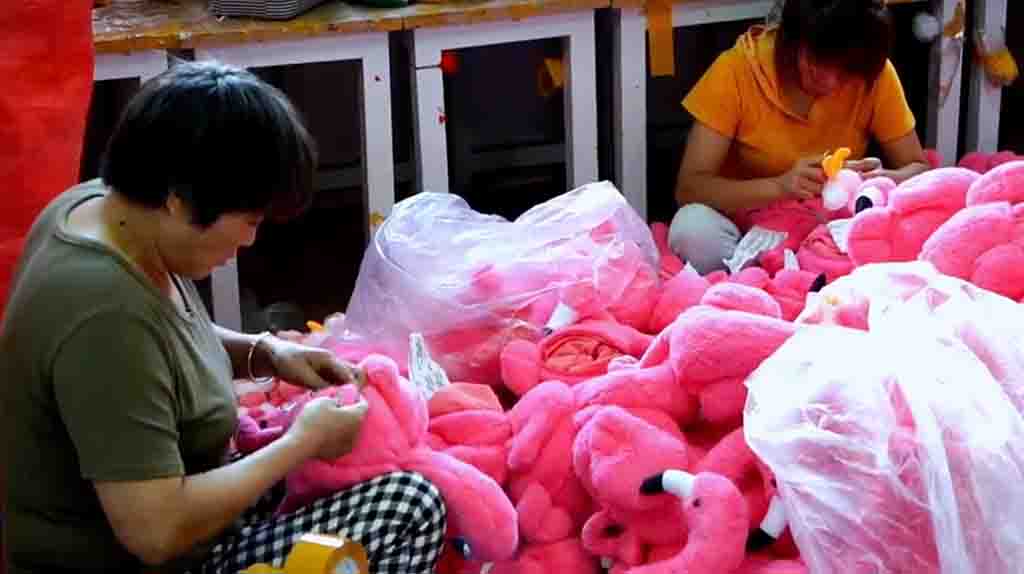
A dedicated internal sample room is one of the clearest indicators of real in-house sampling capability.
It shows whether sampling is treated as a core function—or just an occasional task squeezed into production.
Is the Sample Room a Separate, Stable Team or Just Shared Space?
Professional factories usually maintain a clearly defined sample room, not just a few sewing machines placed on the production floor.
A real internal sample room typically has:
- Dedicated sample makers, not rotating production workers
- Fixed workstations for pattern making, cutting, and sewing
- Priority scheduling separate from bulk production
Be cautious if:
- Samples are made “when production is free”
- The same workers switch between bulk orders and samples
- There is no clear person responsible for sampling
Without a dedicated setup, sampling speed and accuracy often fluctuate.
Does the Sample Room Work Closely With Design and Production Teams?
An effective sample room doesn’t operate in isolation.
Strong factories ensure:
- Direct communication between designers, pattern technicians, and sample makers
- Smooth handover of approved samples to production teams
- Consistent documentation of revisions and decisions
This continuity reduces the risk of sample–production mismatch.
Factories with structured in-house sampling workflows—such as Kinwin—often integrate the sample room tightly with both design and production, improving reliability across the entire process.
Internal Sample Room Evaluation Table
| What to Evaluate | Dedicated Sample Room | Weak Signal |
|---|---|---|
| Team structure | Fixed sampling staff | Shared with production |
| Space allocation | Separate & organized | Temporary or mixed |
| Scheduling | Sampling prioritized | Sampling waits |
| Communication | Direct & frequent | Indirect |
| Consistency | Stable output | Quality varies |
Which Sampling Processes Are Completed Fully In-House?
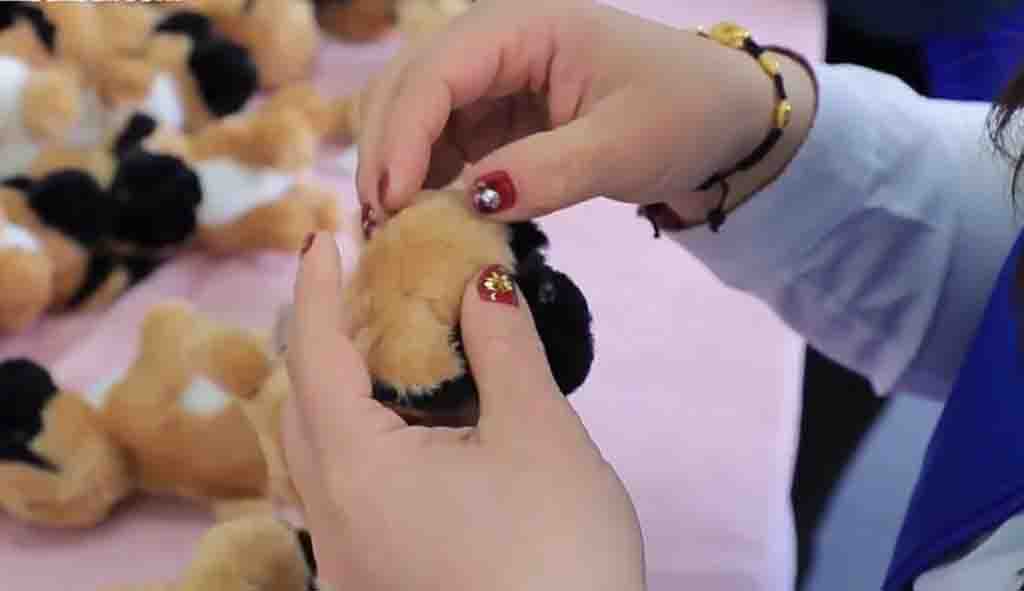
Not all sampling steps carry the same weight.
To assess real in-house capability, buyers need to look at which critical processes the factory actually controls, not just the final sewn sample.
Are Pattern Making and Structure Development Done Internally?
Pattern making is the backbone of plush sampling.
Factories with true in-house capability usually:
- Create patterns internally based on design intent
- Adjust structure, proportions, and seam placement directly
- Iterate patterns quickly without external handover
If pattern making is outsourced, common issues include:
- Slow revision cycles
- Misinterpretation of design feedback
- Structural decisions made without production context
Internal pattern control is often the difference between smooth sampling and repeated trial-and-error.
Are Cutting, Sewing, and Assembly Handled by the Same Team?
When cutting, sewing, and assembly are all done internally:
- Feedback loops are shorter
- Errors are corrected immediately
- Sample quality is more consistent
In contrast, when sewing or assembly is outsourced:
- Responsibility becomes fragmented
- Communication delays increase
- Sample results vary between rounds
Factories that manage the full sampling chain internally—such as Kinwin—are better positioned to maintain accuracy from first sample to bulk production.
In-House Sampling Process Coverage Table
| Sampling Step | Fully In-House | Risk if Outsourced |
|---|---|---|
| Pattern making | ✔ | Slow revisions |
| Structural adjustments | ✔ | Misaligned changes |
| Fabric cutting | ✔ | Inconsistent sizing |
| Sample sewing | ✔ | Variable quality |
| Assembly & finishing | ✔ | Detail loss |
How Experienced Are the Sample Makers and Pattern Technicians?
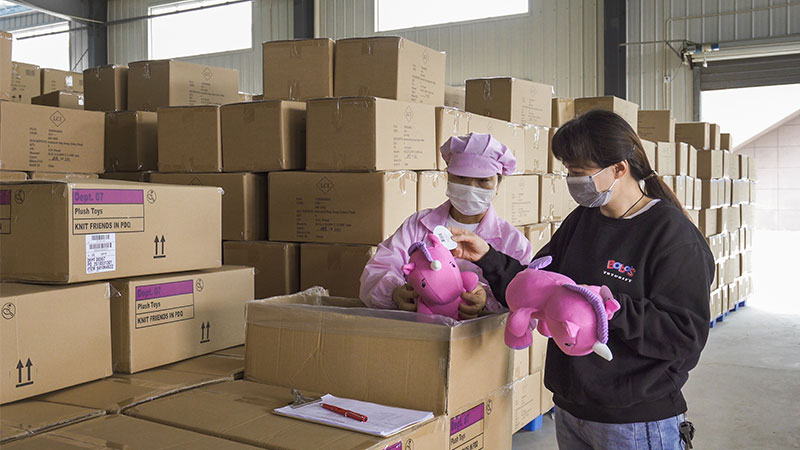
In-house sampling capability ultimately depends on people, not equipment.
Even with a dedicated sample room, outcomes vary widely based on the experience and judgment of the sample makers and pattern technicians.
Do Sample Makers Understand Plush-Specific Construction Challenges?
Experienced plush sample makers typically:
- Anticipate seam stress points and reinforcement needs
- Control stuffing density to maintain shape and expression
- Adjust sewing order to reduce distortion and rework
They don’t just follow patterns—they interpret them, making small but critical adjustments during sewing and assembly.
Be cautious if sample results rely heavily on repeated corrections or look different each round. That often signals limited plush-specific experience at the hands-on level.
Can Pattern Technicians Translate Feedback Into Structural Fixes?
Strong pattern technicians bridge design intent and physical structure.
They should be able to:
- Modify patterns to correct proportion issues
- Adjust seam placement to improve symmetry
- Balance structure for both appearance and durability
Most importantly, they should explain why a change is needed—not just apply it.
Factories that invest in skilled, long-tenured sampling teams—such as Kinwin—often achieve faster convergence between first samples and production-ready versions.
Sampling Team Experience Evaluation Table
| What to Evaluate | Strong Experience | Weak Signal |
|---|---|---|
| Plush know-how | Anticipates issues | Reacts after errors |
| Pattern judgment | Structural reasoning | Blind adjustments |
| Revision efficiency | Fewer rounds needed | Many trial samples |
| Consistency | Similar quality each round | Results fluctuate |
| Explanation clarity | Explains causes & fixes | “Just adjusted it” |
How Accurately Can They Translate Designs Into First Samples?
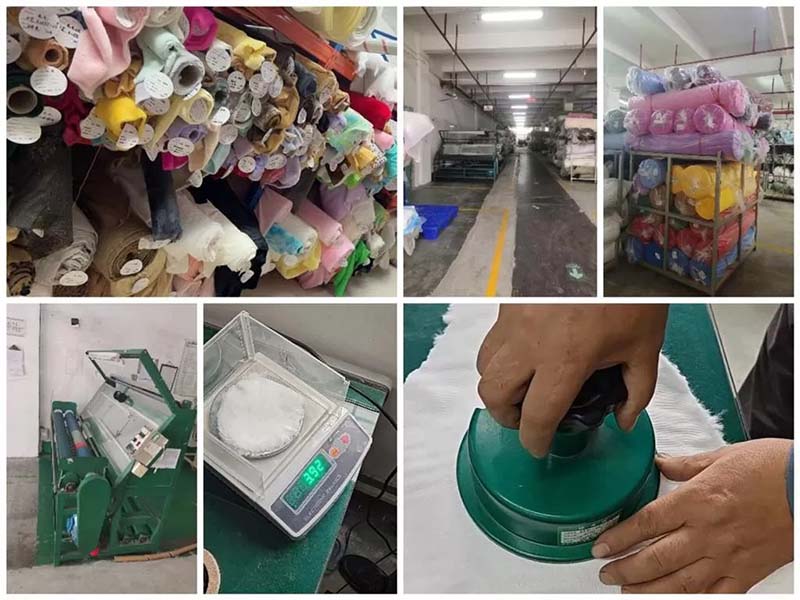
First samples reveal more about a factory’s in-house sampling capability than any promise.
Accuracy at this stage shows whether the team truly understands design intent—and can execute it without excessive trial and error.
Does the First Sample Capture the Core Design Intent?
A strong first sample doesn’t need to be perfect, but it should:
- Match overall proportions and silhouette
- Preserve key facial expressions and character traits
- Reflect intended materials and surface treatments
If the first sample already “feels right,” it indicates that the factory:
- Read the design correctly
- Anticipated structural needs
- Coordinated pattern, sewing, and stuffing effectively
Red flags include major proportion errors, lost expression, or materials that differ significantly from what was discussed.
How Much Revision Is Needed After the First Sample?
The number and type of revisions matter.
Healthy indicators:
- Revisions focus on fine-tuning (minor proportions, details)
- Feedback is implemented accurately in the next round
- The team explains what changed and why
Warning signs:
- Major structural changes needed after the first sample
- Repeated mistakes across rounds
- Feedback misunderstood or partially applied
Factories with mature in-house sampling systems—such as Kinwin—tend to converge quickly because interpretation and execution stay aligned.
First-Sample Accuracy Evaluation Table
| What to Evaluate | Strong Capability | Risk Signal |
|---|---|---|
| Overall proportion | Close to design | Clearly off |
| Character expression | Well preserved | Lost or distorted |
| Material alignment | As discussed | Substituted or unclear |
| Revision scope | Minor refinements | Major rework |
| Feedback execution | Accurate & explained | Repeated errors |
How Fast and Stable Is Their Sampling Turnaround Time?
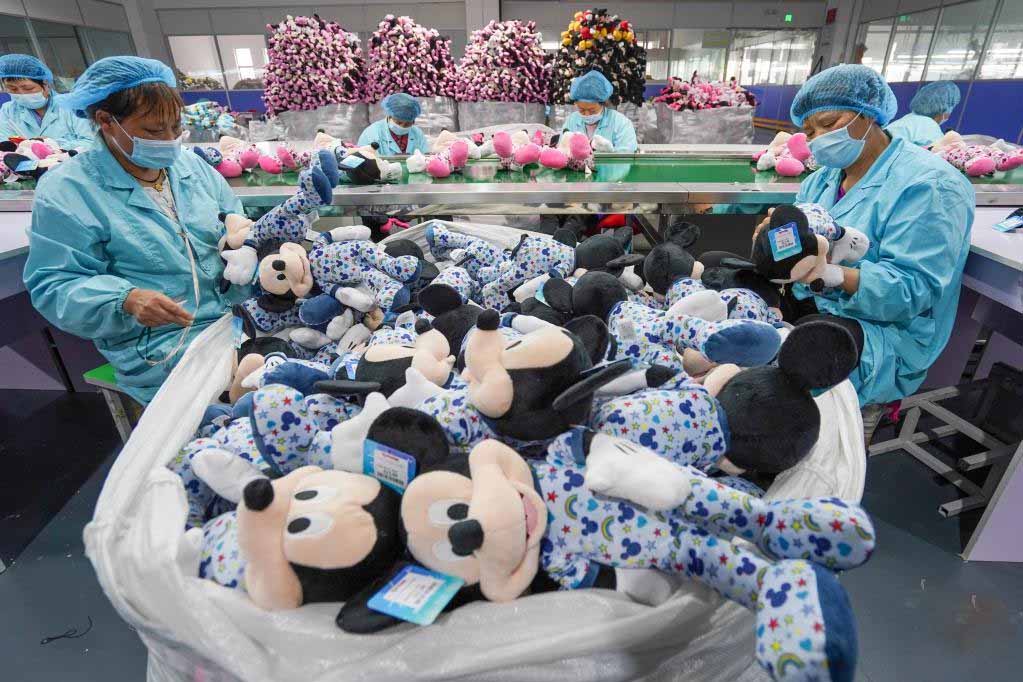
Speed alone doesn’t define strong in-house sampling capability.
What really matters is whether a factory can deliver samples quickly and predictably, without quality swinging from one round to the next.
Is Sampling Speed Consistent, Not Just Fast Once?
Many factories can rush a single sample—but struggle to maintain pace.
Strong in-house sampling teams typically:
- Provide realistic sampling timelines upfront
- Deliver samples within a similar timeframe each round
- Maintain accuracy even when schedules are tight
Be cautious if:
- The first sample is fast, but revisions slow down sharply
- Timelines change frequently without explanation
- Speed depends on “special arrangements”
Consistency indicates that sampling is a built-in capability, not an exception.
Can They Balance Speed With Quality Under Pressure?
Fast sampling should not mean careless sampling.
Professional factories:
- Prioritize structure and accuracy over cosmetic speed
- Communicate clearly when more time is needed for quality
- Avoid skipping critical steps to meet deadlines
Factories with stable in-house sampling systems—such as Kinwin—usually balance speed and quality because sampling is planned, staffed, and managed as a core function.
Sampling Turnaround Evaluation Table
| What to Evaluate | Strong In-House Capability | Risk Signal |
|---|---|---|
| Timeline clarity | Clear & realistic | Vague or shifting |
| Speed consistency | Similar each round | Highly variable |
| Quality under time pressure | Stable | Drops noticeably |
| Communication | Proactive updates | Reactive excuses |
| Scalability | Holds as projects grow | Breaks under load |
Conclusion
In-house sampling capability is one of the clearest indicators of a plush toy factory’s real execution strength.
Factories with true in-house sampling control the most critical parts of development: pattern making, structural decisions, revisions, and speed. They rely less on trial-and-error, communicate more accurately, and create a much smoother transition from sample to mass production.
On the other hand, factories that outsource key sampling steps often struggle with delays, inconsistencies, and misalignment between design and production—issues that usually surface too late and cost buyers time and money.
If you’re sourcing custom plush toys and want to reduce development risk, shorten sampling cycles, and improve first-sample accuracy, evaluating in-house sampling capability should be a priority.
For buyers who value stable sampling systems and direct control over development quality, Kinwin welcomes open discussions to help you assess sampling feasibility and move your plush projects forward with confidence.