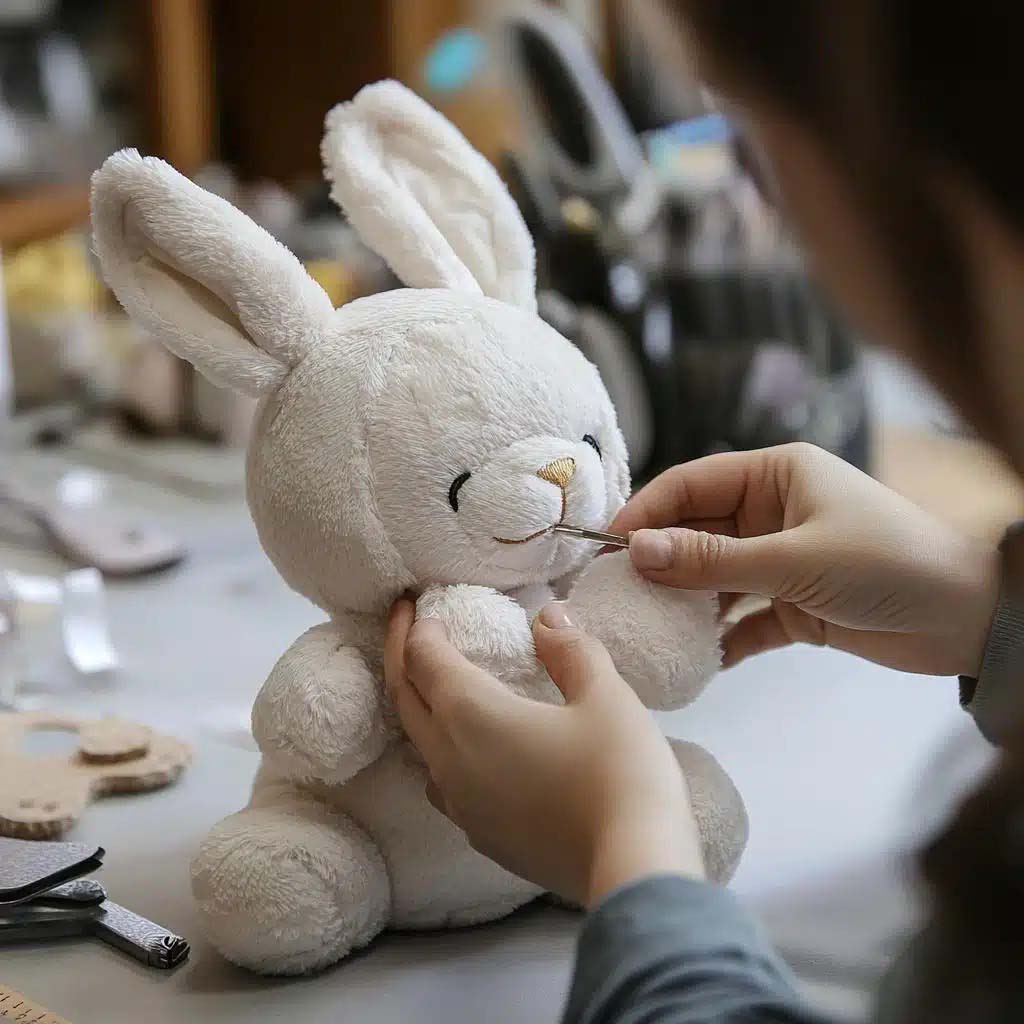
In plush toy sourcing, the word “professional” is used everywhere—but rarely defined clearly.
Some factories look professional in presentations but fall apart during production. Others may not market themselves aggressively, yet deliver stable quality, clear communication, and reliable execution year after year.
A truly professional plush toy manufacturer is defined not by promises or appearances, but by systems, consistency, and accountability. This guide breaks down what professionalism really means in plush toy manufacturing—so buyers can recognize it early and choose partners with confidence.
What Does “Professional” Mean in Plush Toy Manufacturing?
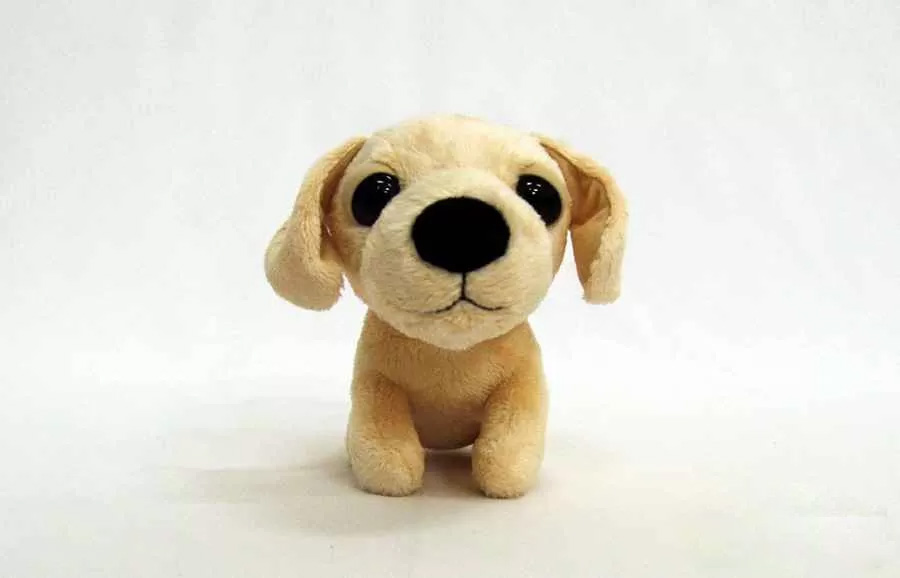
Professionalism in plush toy manufacturing is not a single trait—it’s a combination of mindset, structure, and repeatable behavior across projects.
Is Professionalism About Factory Size or About How They Work?
Many buyers assume professionalism equals:
- Large factory size
- Big client logos
- Fancy showrooms
In reality, professionalism is better reflected in:
- How clearly processes are defined
- How decisions are documented and followed
- How problems are handled when they arise
A mid-sized factory with disciplined systems can be far more professional than a large factory relying on ad-hoc decisions and verbal promises.
Professional manufacturers focus on how work is done, not just how it looks.
Do They Act Predictably, Not Emotionally or Opportunistically?
One of the clearest signs of professionalism is predictability.
Professional plush manufacturers tend to:
- Respond consistently, not emotionally
- Follow agreed processes instead of changing direction suddenly
- Communicate risks early instead of reacting late
They don’t overpromise to win orders, and they don’t disappear when challenges appear.
Manufacturers with a professional operating mindset—such as Kinwin—treat professionalism as a long-term reputation asset, not a sales tactic.
Defining “Professional” Manufacturer Table
| Dimension | Professional Manufacturer | Unprofessional Signal |
|---|---|---|
| Decision-making | Process-based | Ad-hoc & reactive |
| Behavior | Predictable & stable | Inconsistent |
| Problem handling | Proactive & structured | Defensive or delayed |
| Focus | Long-term execution | Short-term wins |
| Accountability | Owns outcomes | Shifts responsibility |
Do They Have Clear Specialization and Product Focus?
A professional plush toy manufacturer is not defined by how many products they claim they can make—but by how clearly they understand what they do best.
Are They Focused on Plush Toys, or Treat Plush as a Side Product?
One of the biggest differences between professional and non-professional manufacturers is focus.
Professional plush manufacturers typically:
- Treat plush toys as a core, long-term category
- Invest in plush-specific pattern making and development
- Understand plush materials, stuffing behavior, and construction deeply
Be cautious if a supplier:
- Lists plush toys alongside many unrelated products
- Switches frequently between product categories
- Cannot explain plush-specific challenges clearly
When plush is only a side product, knowledge tends to be shallow and inconsistent.
Do They Know Their Strengths—and Say No When Needed?
Another sign of professionalism is knowing limitations.
Professional manufacturers:
- Clearly state which plush products they specialize in
- Decline projects outside their core capability
- Explain why certain designs may not be suitable
Saying “no” (or “this needs adjustment”) is often more professional than saying “yes” to everything.
Manufacturers with clear positioning—such as Kinwin—tend to focus on specific plush categories and project types, which leads to more consistent results over time.
Specialization & Product Focus Evaluation Table
| What to Check | Professional Manufacturer | Warning Sign |
|---|---|---|
| Product scope | Clearly defined plush focus | Too many categories |
| Plush expertise | Deep, specific knowledge | Surface-level answers |
| Capability boundaries | Explains limits clearly | “We can do everything” |
| Project selection | Chooses suitable projects | Accepts all requests |
| Consistency | Repeated similar products | One-off variety |
Are Their Processes Standardized From Sampling to Mass Production?
Professionalism shows up most clearly in repeatable processes.
If every project depends on individual effort or memory, results will vary—especially as volume increases.
Do They Follow a Clear, Documented Workflow at Each Stage?
Professional plush manufacturers typically run a defined workflow that includes:
- Requirement confirmation before sampling
- Sample approval records and revision logs
- Pre-production checks before bulk cutting
- Defined handover from sampling to production teams
These steps ensure that what’s approved is what gets produced—every time.
Be cautious if:
- Sampling feels informal or undocumented
- Approved details are “re-discussed” later
- Production teams seem unaware of sample decisions
A standardized workflow protects both sides by reducing misunderstandings.
Is There Continuity Between Sampling Results and Bulk Production?
One common issue buyers face is a disconnect between sample quality and bulk output.
Professional manufacturers address this by:
- Using production-grade materials in samples
- Locking specifications before mass production
- Conducting pre-production meetings or checks
Factories with mature systems—such as Kinwin—treat sampling as part of production, not a separate or “special” phase.
Process Standardization Evaluation Table
| What to Evaluate | Professional Practice | Warning Sign |
|---|---|---|
| Workflow clarity | Defined steps & records | Ad-hoc handling |
| Sample documentation | Specs clearly recorded | Verbal agreements |
| Team handover | Smooth & informed | Gaps between teams |
| Spec locking | Finalized before bulk | Changes mid-production |
| Repeatability | Same results each run | Inconsistent output |
How Strong Is Their Quality Control and Risk Prevention System?

A professional plush toy manufacturer doesn’t rely on luck or last-minute inspection.
They build quality into the process and manage risks before they turn into problems.
Do They Control Quality at Multiple Stages, Not Just the End?
Professional manufacturers typically implement multi-stage QC, including:
- Incoming material inspection (fabric, filling, accessories)
- In-process checks during cutting, sewing, and assembly
- Final inspection before packing and shipment
This layered approach helps catch issues early, when fixes are faster and less costly.
Be cautious if:
- QC is described only as “final checking”
- There is no clear responsibility for in-process quality
- Defects are discovered only at shipment stage
Preventive QC reflects a mature understanding of production risk.
Can They Identify and Prevent Recurring Risks Proactively?
Risk prevention goes beyond inspection—it’s about learning from patterns.
Professional plush manufacturers can:
- Identify high-risk areas specific to each design
- Track recurring defects across orders
- Adjust processes or materials to prevent repetition
If the same issues keep appearing, or if problems are always blamed on “workers,” it often means there is no real risk management system in place.
Manufacturers with disciplined QC culture—such as Kinwin—tend to treat quality incidents as system improvements, not isolated mistakes.
Quality Control & Risk Prevention Evaluation Table
| What to Check | Professional Manufacturer | Risk Indicator |
|---|---|---|
| QC stages | Multi-stage control | Final check only |
| Risk awareness | Identifies weak points | Assumes no risk |
| Defect tracking | Records & analyzes | No history kept |
| Prevention actions | Process improvements | Rework only |
| Accountability | System-based ownership | Blame shifting |
Do They Understand Safety, Compliance, and Target Markets Well?
In plush toy manufacturing, professionalism is inseparable from safety awareness and market-specific compliance knowledge.
A manufacturer may produce good-looking toys—but without proper compliance understanding, those products can’t enter the market safely or legally.
Do They Know Which Safety Standards Apply to Your Target Market?
Professional plush manufacturers clearly distinguish between markets and standards.
They should be able to explain, without hesitation:
- Which regulations apply to the US, EU, UK, Japan, or other target markets
- How plush toy age grading affects testing scope
- What materials or constructions pose compliance risks
Be cautious if:
- Safety standards are discussed vaguely
- All markets are treated “the same”
- Testing is mentioned only after you ask repeatedly
Professional manufacturers treat compliance as part of the design and production process—not an afterthought.
Can They Anticipate Compliance Risks Before Production Starts?
Experience-driven professionalism shows in risk anticipation.
Professional manufacturers often:
- Warn about small parts, long pile fabrics, or detachable accessories
- Advise on labeling, packaging, and documentation needs early
- Adjust construction methods to reduce testing failure risks
Manufacturers with strong compliance awareness—such as Kinwin—integrate safety and market requirements into technical discussions from the very beginning.
Safety, Compliance & Market Understanding Evaluation Table
| What to Evaluate | Professional Manufacturer | Warning Sign |
|---|---|---|
| Market awareness | Knows specific standards | Generic safety talk |
| Regulation clarity | Explains requirements clearly | Avoids details |
| Risk anticipation | Flags issues early | Reactive approach |
| Design guidance | Compliance-driven advice | Design-first, fix later |
| Export readiness | Documentation prepared | Unclear processes |
Is Their Communication Structured, Accurate, and Accountable?
In day-to-day cooperation, communication is where professionalism becomes visible—or breaks down.
A professional plush toy manufacturer communicates in a way that reduces ambiguity, prevents errors, and builds trust over time.
Do They Communicate With Structure, Not Just Speed?
Fast replies are helpful, but clear and structured communication is far more important.
Professional manufacturers typically:
- Confirm requirements in writing
- Summarize decisions and changes clearly
- Use consistent terminology across teams
- Keep records of approvals and revisions
Be cautious if communication:
- Relies heavily on voice messages without follow-up
- Changes direction without written confirmation
- Feels fast but unclear
Structure ensures that what is discussed is also remembered and executed correctly.
Is Responsibility Clear When Issues or Changes Arise?
Accountability is a key marker of professionalism.
Professional manufacturers:
- Assign clear project owners
- Take responsibility for coordination across departments
- Address issues directly instead of shifting blame
If problems occur, they focus on solutions and prevention, not excuses.
Manufacturers with mature internal coordination—such as Kinwin—tend to maintain communication quality because systems support consistency, even as projects and volumes grow.
Communication Professionalism Evaluation Table
| What to Check | Professional Manufacturer | Risk Signal |
|---|---|---|
| Communication style | Clear & structured | Informal & scattered |
| Information accuracy | Details consistently correct | Frequent misunderstandings |
| Documentation | Written confirmations | Verbal only |
| Ownership | Clear responsibility | No clear owner |
| Issue handling | Solution-focused | Defensive or delayed |
Conclusion
A professional plush toy manufacturer is not defined by appearance, size, or sales language—it’s defined by how consistently and responsibly they operate.
True professionalism shows up through clear specialization, standardized processes from sampling to mass production, preventive quality control, strong understanding of safety and compliance requirements, and structured, accountable communication. These elements work together to reduce risk, protect brand reputation, and support long-term cooperation.
For buyers, recognizing professionalism early means fewer surprises, smoother scaling, and more sustainable partnerships.
If you’re evaluating plush manufacturers and want to work with a partner that meets professional standards in execution—not just in claims—Kinwin welcomes open discussions to help you assess fit, clarify requirements, and build a reliable manufacturing partnership with confidence.