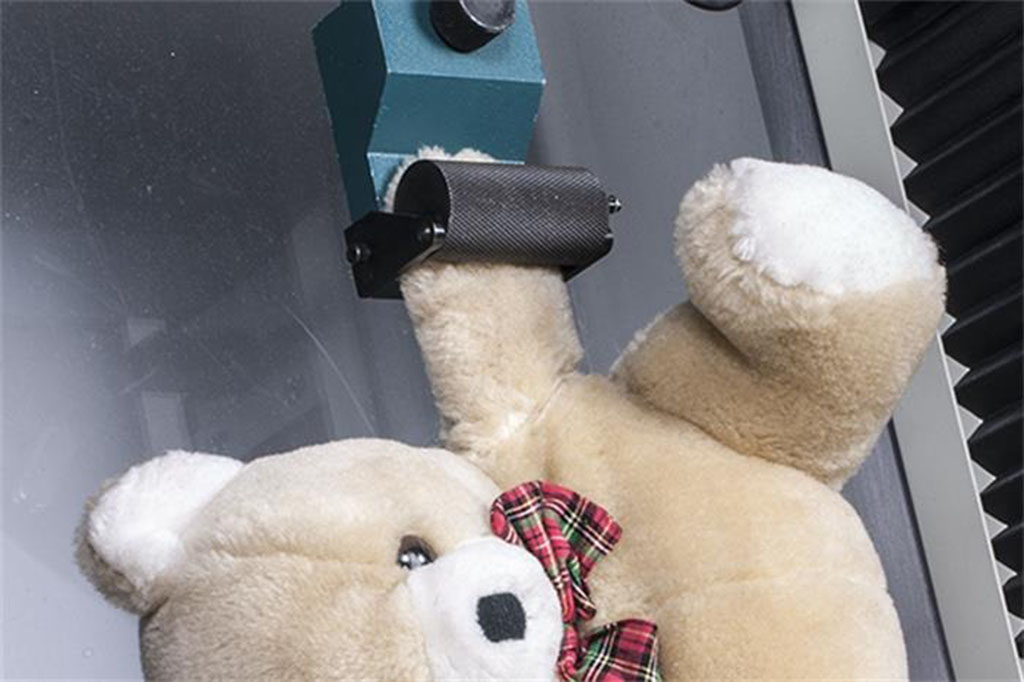
Certifications are often the first thing buyers ask about—but also one of the most misunderstood parts of plush toy sourcing.
Not every certificate applies to every product, and having “many certificates” doesn’t automatically mean a manufacturer is reliable. What matters is whether the certifications are legitimate, relevant, up to date, and correctly applied to your specific product and target market.
This guide explains what certifications a plush toy manufacturer should have, how to evaluate them realistically, and how to avoid being misled by generic or misused documents.
What Basic Business Certifications Should a Plush Toy Manufacturer Have?
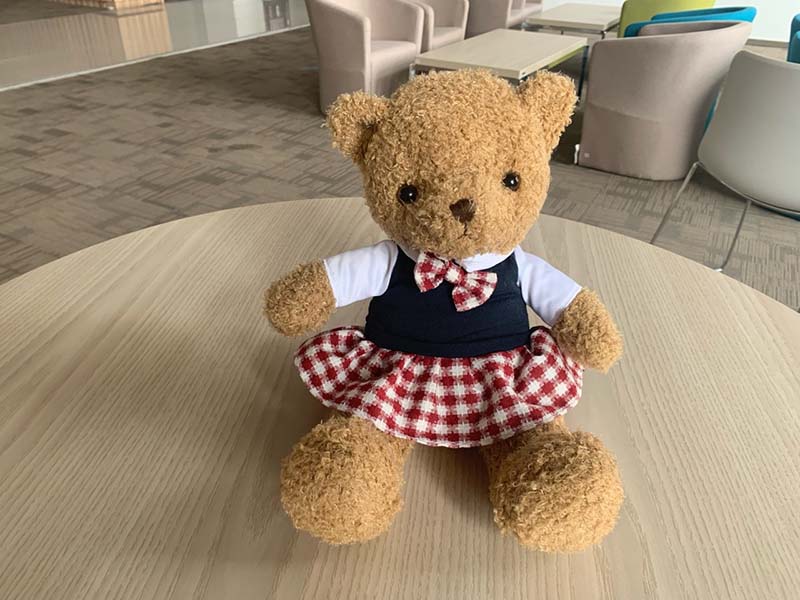
Before discussing toy safety or testing reports, the first step is confirming that the manufacturer is a legally registered, operational business.
Without this foundation, other certificates lose much of their meaning.
Is the Manufacturer a Legally Registered Company With Verifiable Documents?
At a minimum, a legitimate plush toy manufacturer should be able to provide:
- A valid business license or company registration
- A registered company name that matches contracts and invoices
- A physical business address tied to the registration
These documents confirm that:
- The company legally exists
- It can sign enforceable contracts
- Payments are made to a registered business entity
Be cautious if:
- Company names differ across documents
- Registration details cannot be shared
- Payments are requested to personal accounts
These are not “normal differences”—they are basic compliance red flags.
Do Their Business Certifications Match How They Present Themselves?
Another important check is consistency.
A reliable manufacturer’s:
- Business scope matches manufacturing activities
- Company age aligns with claimed experience
- Export activity matches target markets
For example, a factory claiming 15 years of export experience should not appear as a newly registered company online. Established manufacturers—such as Kinwin—tend to have business records that align naturally with their operational claims.
Basic Business Certification Check Table
| What to Check | Reliable Manufacturer | Warning Sign |
|---|---|---|
| Business license | Valid & shareable | Refuses to provide |
| Company name | Matches all documents | Name inconsistencies |
| Registered address | Clear & specific | Vague location |
| Business scope | Includes manufacturing | Trading-only scope |
| Payment entity | Company account | Personal account |
Which Toy Safety Certifications Are Required for Children’s Products?
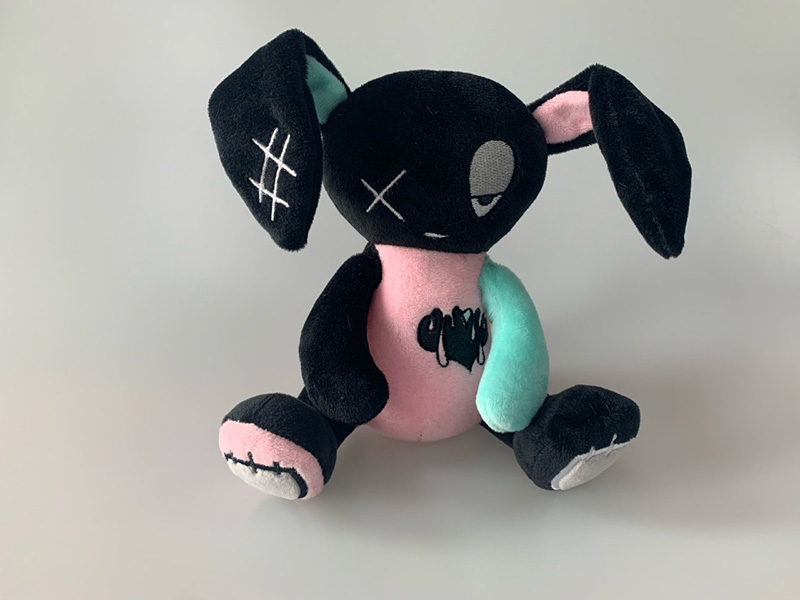
When plush toys are intended for children—especially infants and toddlers—toy safety certifications are not optional.
They are legal requirements tied directly to the market where the product will be sold.
Understanding which certifications are required helps buyers avoid shipment delays, recalls, or legal issues after launch.
Do the Required Certifications Depend on the Target Market?
Yes—and this is where many buyers get confused.
Toy safety certifications are market-specific, not factory-specific.
The same plush toy may require different testing standards depending on where it is sold.
Common examples include:
- United States: ASTM F963 (CPSIA framework)
- European Union: EN71 (Parts 1, 2, 3)
- United Kingdom: UKCA (aligned with EN71 post-Brexit)
A professional manufacturer should be able to:
- Explain which standard applies to your target market
- Clarify whether your product is legally classified as a toy
- Advise when testing should be conducted (sample vs. pre-shipment)
Vague answers like “we usually pass tests” or “it’s the same everywhere” are strong warning signs.
Can the Factory Support Product-Specific Safety Testing?
Another critical point: certifications apply to products, not factories.
A reliable plush toy manufacturer understands that:
- Each design may require separate testing
- Material changes can invalidate previous reports
- Age grading affects testing scope
Factories with real compliance experience—such as Kinwin—typically guide buyers on how to plan testing correctly, rather than reusing old reports or offering generic certificates.
Toy Safety Certification Evaluation Table
| What to Verify | Proper Practice | Risk Indicator |
|---|---|---|
| Market standard | Matches target country | “Same for all markets” |
| Product coverage | Test report is product-specific | Generic certificate |
| Age grading | Clearly defined | Not discussed |
| Testing timing | Planned in advance | “Test later” |
| Change awareness | Updates reports if needed | Reuses old tests |
What Material and Chemical Safety Certifications Are Commonly Requested?
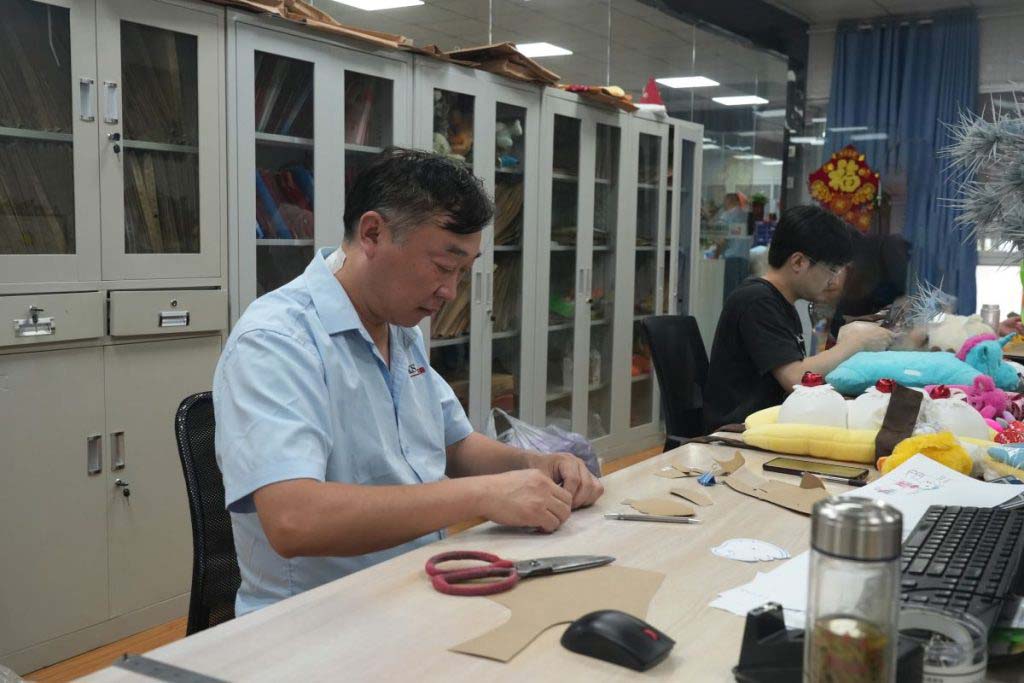
Beyond toy safety standards, many buyers—especially brands and retailers—also require material and chemical safety compliance to protect consumers and meet regulatory or internal policies.
These certifications focus on what the plush toy is made of, not just how it’s used.
Are Material and Chemical Certifications Product- and Material-Specific?
Material and chemical safety requirements are tied to:
- Fabric type
- Filling materials
- Printing inks, dyes, and coatings
- Accessories such as buttons, zippers, or labels
Commonly requested compliance areas include:
- Phthalates restrictions
- Heavy metals limits
- Azo dyes and restricted substances
- REACH SVHC (EU market)
A professional manufacturer understands that:
- These tests are material-specific
- Changing a fabric or ink may require re-testing
- Old reports cannot simply be reused for new designs
Factories that offer generic chemical certificates without linking them to actual materials should be treated with caution.
Who Is Responsible for Providing and Updating These Certifications?
Another key question is responsibility.
Reliable manufacturers can explain:
- Which material suppliers provide base compliance documents
- Which tests need to be done at the finished product level
- How updates are handled when materials change
Manufacturers with structured compliance systems—such as Kinwin—typically track material compliance proactively, helping buyers avoid surprises during audits or retailer reviews.
Material & Chemical Safety Certification Table
| What to Check | Proper Compliance Practice | Warning Sign |
|---|---|---|
| Material scope | Linked to actual fabrics & inks | Generic statements |
| Chemical limits | Clearly specified | “It’s safe” only |
| Report validity | Updated when materials change | Reused old reports |
| Responsibility clarity | Supplier & factory roles clear | Blurred accountability |
| Documentation | Traceable & verifiable | Unclear source |
Are Social Compliance and Factory Audit Certifications Important?
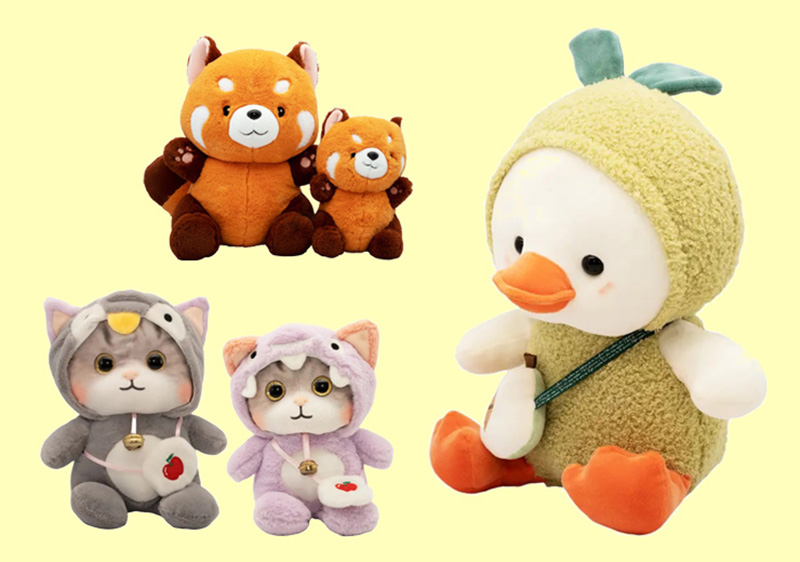
Social compliance certifications don’t test the toy itself—but they do influence who you’re allowed to sell to.
For many buyers, especially brands, retailers, and corporate clients, these certifications are not about quality—they’re about risk management, brand reputation, and supplier accountability.
When Do Social Compliance Certifications Become Necessary?
Social compliance certifications are not legally required for all plush toy projects, but they often become essential when:
- You sell to large retailers or chain stores
- You work with global brands or licensed IPs
- You supply corporate or promotional programs
- Your customer has internal ESG or sourcing policies
Common examples include:
- BSCI (Business Social Compliance Initiative)
- SEDEX / SMETA
- ICTI CARE (toy industry–specific, in some cases)
If your end customer requests these audits, the factory must already be prepared—or the project may stall.
Is a Certification Useful If It’s Not Requested?
This is where buyers need to be practical.
A social compliance certificate is most valuable when:
- It is current and verifiable
- It matches the factory you’re actually working with
- It aligns with your customer’s audit framework
A certificate that exists “just in case” but:
- Is expired
- Belongs to a different factory
- Is unrelated to your customer’s requirements
…adds little real value.
Experienced manufacturers—such as Kinwin—usually explain upfront whether social compliance audits are relevant to your specific project, instead of presenting them as universal requirements.
Social Compliance Certification Evaluation Table
| What to Evaluate | When It Matters | When to Be Cautious |
|---|---|---|
| Customer requirement | Requested by brand/retailer | Not required at all |
| Certificate type | Matches buyer’s audit system | Unrelated framework |
| Validity | Current & verifiable | Expired or unclear |
| Factory match | Same production site | Different location |
| Practical impact | Enables order approval | Just for marketing |
Which Certifications Are Market-Specific (US, EU, UK, Japan)?
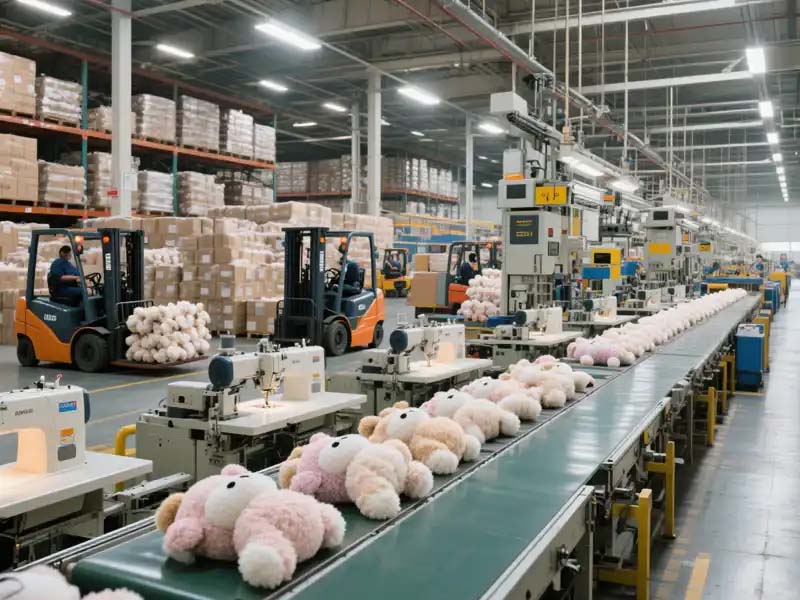
One of the biggest sources of confusion in plush toy sourcing is assuming that certifications are “universal.”
In reality, most compliance requirements are market-specific, and misunderstanding this can lead to shipment delays or rejected products.
Do Different Markets Require Different Certification Frameworks?
Yes—and factories should be able to explain this clearly.
Here’s a simplified overview:
- United States: ASTM F963 (toy safety), CPSIA-related requirements
- European Union: EN71 (Parts 1–3), REACH chemical compliance
- United Kingdom: UKCA marking (aligned with EN71 after Brexit)
- Japan: ST Standard (often requested by Japanese buyers)
A reliable manufacturer should:
- Ask which market you are selling into
- Confirm whether the product is classified as a toy or gift
- Explain which tests are mandatory vs. commonly requested
If a supplier says “it’s the same everywhere,” that’s a red flag.
Can the Factory Support Market-Specific Documentation Correctly?
Beyond knowing the standards, execution matters.
Check whether the factory can:
- Prepare test samples specifically for the target market
- Ensure reports reference the correct standards and language
- Coordinate with labs recognized in that market
Factories with broad export experience—such as Kinwin—typically manage multiple compliance frameworks in parallel and help buyers avoid unnecessary or missing tests.
Market-Specific Certification Comparison Table
| Target Market | Key Certification | Common Risk |
|---|---|---|
| United States | ASTM F963 | Missing CPSIA context |
| European Union | EN71 + REACH | Ignoring chemical scope |
| United Kingdom | UKCA + EN71 | Using CE-only docs |
| Japan | ST Standard | Assuming EN71 is enough |
| Multi-market | Combined testing | Overlooking differences |
Do Test Reports and Certificates Need to Match Each Product?
This is one of the most misunderstood—and most misused—areas in plush toy sourcing.
Many buyers are shown certificates early in discussions, but not all certificates are valid for your specific product. Understanding this distinction is critical to avoiding compliance failures later.
Are Certificates and Test Reports Product-Specific or Generic?
In most cases, test reports apply to a specific product configuration, not to a factory in general.
That means reports are usually tied to:
- A specific design or model
- Defined materials and components
- A specific size or construction method
- A defined age grading
If any of these change—fabric, filling, embroidery method, accessories—the report may no longer be valid.
Be cautious if a supplier:
- Reuses one report for many different products
- Claims a factory certificate covers all designs
- Avoids clarifying what the report actually applies to
Professional manufacturers understand that compliance is product-based, not factory-based.
How Should Buyers Use Existing Reports Correctly?
Existing reports can still be useful—if used properly.
For example, a factory may:
- Share past reports as references for capability
- Use similar products to estimate testing scope
- Explain which parts of a report may still apply
However, final compliance should always be based on:
- The finished product
- Final materials and construction
- Final packaging and labeling
Factories with strong compliance systems—such as Kinwin—typically help buyers plan testing at the correct stage, instead of relying on shortcuts that create risk.
Certificate & Test Report Validity Table
| What to Check | Correct Practice | Risk Indicator |
|---|---|---|
| Report scope | Linked to specific product | Generic or reused |
| Material match | Matches final materials | Different components |
| Design relevance | Same structure & size | Different models |
| Update handling | Retest when changed | No updates needed |
| Buyer guidance | Explains limitations | Pushes shortcuts |
Conclusion
Certifications are not about collecting documents—they are about reducing risk, meeting legal requirements, and protecting your brand.
A reliable plush toy manufacturer doesn’t simply claim to “have certificates.” Instead, they understand which certifications are required for your target market, which tests apply to your specific product, and how to plan compliance correctly as designs, materials, or markets change.
By verifying basic business legitimacy, understanding toy safety standards, checking material and chemical compliance, evaluating social responsibility audits, distinguishing market-specific requirements, and ensuring test reports truly match each product, buyers can avoid costly mistakes and delays.
If you’re unsure which certifications apply to your plush toy project—or want help interpreting reports correctly—Kinwin welcomes open discussions to help you assess compliance needs clearly and move forward with confidence.