Skip to content
At the early stage of sourcing a plush toy supplier, everything can look promising.
Quick replies, attractive pricing, and confident sales language often create a sense of reassurance.
But many buyers only realize something is wrong after they’ve paid for samples—or worse, after bulk production has already started.
Unreliable plush toy suppliers usually don’t fail in obvious ways. Instead, they reveal themselves through small warning signs that are easy to overlook if you don’t know what to look for.
The sections below break down the most common red flags—and why they matter to your project, your budget, and your brand.
Do They Avoid Sharing Real Factory Information?
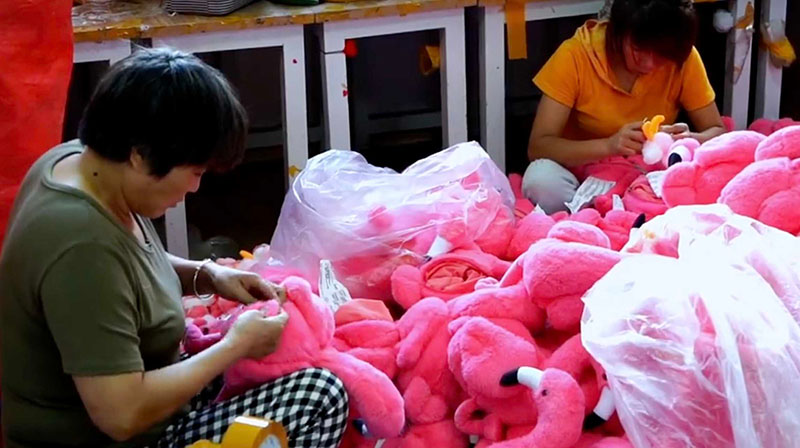
One of the earliest and most telling warning signs is a lack of transparency.
A reliable plush toy manufacturer has no reason to hide who they are or how they operate.
Are They Vague About Their Factory, Location, or Production Setup?
If a supplier avoids clear answers about:
- Factory location
- Whether they own the factory or outsource production
- What types of products they actually produce in-house
that’s a reason to pause.
Some suppliers act as middlemen while presenting themselves as manufacturers. This isn’t always a problem—but hiding it is.
When production is outsourced without your knowledge, you lose visibility and control over quality, timelines, and accountability.
Established manufacturers like Kinwin are typically open about their facilities, production focus, and working process because transparency builds trust from the start.
Do They Refuse Factory Photos, Videos, or Process Explanations?
Another red flag is reluctance to share:
- Real factory photos or videos
- Production line snapshots
- Basic explanations of how your plush toy would be made
While not every factory offers live tours, a genuine manufacturer can usually provide some form of visual or procedural proof.
Suppliers who consistently deflect these requests often do so because:
- They don’t control the production site
- They rely heavily on temporary subcontractors
- Their production conditions don’t match what they promise
For buyers, this uncertainty often translates into unstable quality and unexpected surprises later.
Are Quotations Vague, Inconsistent, or Frequently Changing?
Pricing is often the first thing buyers focus on—but it’s also where unreliable suppliers quietly expose themselves.
At the beginning, quotes may look attractive and flexible. Over time, however, numbers start to change, details remain unclear, and explanations feel evasive. These are not small issues; they are early indicators of deeper instability.
Is the Quotation Missing a Clear Cost Structure?
A major red flag is a quotation that only shows a final unit price, with no explanation of what’s included.
Unreliable suppliers often:
- Avoid breaking down material, embroidery, or labor costs
- Leave packaging, testing, or labeling undefined
- Use vague terms like “standard quality” or “normal fabric”
Without clarity, buyers lose the ability to judge value—or spot compromises. This often leads to downgraded materials or workmanship later, justified as “cost control.”
Professional plush manufacturers usually explain key cost drivers upfront, helping buyers understand where money is being spent and what options exist.
Do Prices Change Without Clear Technical or Quantity Reasons?
Price changes are sometimes reasonable—but they should never be random.
Warning signs include:
- Unit prices increasing after sample approval
- MOQ changing mid-negotiation
- Extra charges added without written confirmation
These shifts often point to poor internal control or an intentional lack of pricing discipline.
Reliable suppliers set pricing based on confirmed specs and quantities. If adjustments are needed, they explain what changed, why it matters, and how it affects the final cost—before moving forward.
Quotation Risk Check Table (For Buyers)
| Warning Sign | What It Usually Means | Risk to Your Project |
|---|---|---|
| No cost breakdown | Lack of transparency or experience | Hidden quality downgrades |
| Vague material terms | Supplier flexibility at your expense | Inconsistent final product |
| Frequent price changes | Poor cost control or unstable sourcing | Budget overruns |
| MOQ changes mid-process | Weak production planning | Delays or forced compromises |
| Extra fees added late | Disorganized order management | Disputes and delays |
Do Sample Quality and Bulk Promises Not Match?
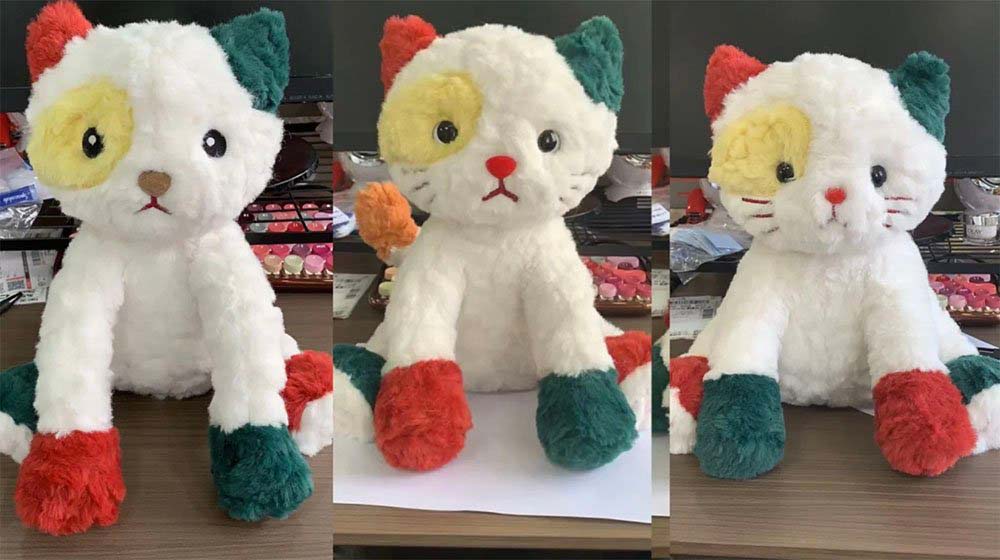
This is one of the most damaging red flags—and unfortunately, one of the most common.
Many buyers approve a sample with confidence, only to receive bulk production that looks, feels, or performs differently. By the time the issue is discovered, it’s often too late to fix without delays or financial loss.
When a supplier cannot reliably connect samples to bulk production, it signals deeper problems in process control and accountability.
Are Samples Made Differently From Real Production?
Some unreliable suppliers treat samples as a sales tool, not a production reference.
Common warning signs include:
- Samples made with extra manual work not used in bulk
- Different materials than those planned for production
- Separate “sample teams” with no involvement in mass production
These practices create a false sense of security. The sample looks great—but it doesn’t represent what the factory can consistently reproduce at scale.
Reliable manufacturers align samples closely with real production conditions. Companies like Kinwin develop samples with manufacturability in mind, ensuring what you approve can actually be delivered.
Are Bulk Commitments Vague or Based on Verbal Assurances?
Another red flag appears when suppliers rely heavily on phrases like:
- “Don’t worry, bulk will be better”
- “Production quality will be similar”
- “This is just a sample issue”
Without written confirmation of:
- Materials
- Stitching methods
- Filling weight
- Tolerances
there is no solid reference point to protect you.
Professional suppliers lock sample specifications clearly and treat them as the baseline for bulk production, not a loose guideline.
Sample vs. Bulk Risk Check Table
| Warning Sign | What It Indicates | Potential Impact |
|---|---|---|
| Sample made separately | Sales-driven sampling | Bulk mismatch |
| Material changes not documented | Poor process control | Quality disputes |
| Verbal bulk promises | Lack of accountability | Inconsistent delivery |
| No sample lock procedure | Weak order management | Rework or delays |
| “Bulk will improve” language | Risk avoidance | Customer complaints |
Is Communication Slow, Unclear, or Overly Sales-Driven?
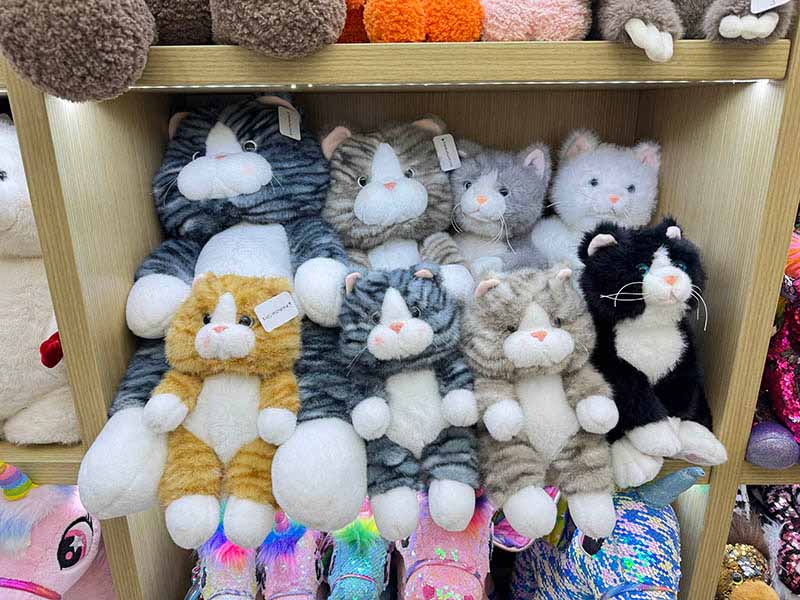
How a supplier communicates before production often predicts how they will behave when problems arise.
Unreliable plush toy suppliers tend to communicate in ways that feel reassuring on the surface—but confusing, slow, or evasive once real decisions are required.
Are Responses Slow, Incomplete, or Repetitive?
Delayed replies alone are not always a problem. What matters is consistency and clarity.
Red flags include:
- Long response times without explanation
- Answers that ignore specific technical questions
- Repeated copy-paste replies that don’t move the project forward
These patterns often indicate poor internal coordination. When communication is weak at the inquiry or sampling stage, it usually becomes worse once production starts—when timing and accuracy matter most.
Reliable manufacturers typically assign experienced coordinators who understand plush construction and can give direct, relevant answers without unnecessary back-and-forth.
Does the Conversation Feel Like Selling—Not Solving?
Another warning sign is communication that focuses too heavily on closing the deal instead of understanding the product.
Examples include:
- Overusing phrases like “no problem” or “we can do everything”
- Avoiding discussions about risks, limitations, or alternatives
- Pushing payment before specifications are fully confirmed
This sales-first approach may feel smooth early on, but it often collapses when real production constraints appear.
Professional suppliers—including companies like Kinwin—tend to communicate differently: they ask clarifying questions, flag risks early, and treat communication as part of project management, not just sales.
Communication Risk Check Table
| Warning Sign | What It Suggests | Risk to Your Order |
|---|---|---|
| Slow or inconsistent replies | Weak internal coordination | Missed deadlines |
| Vague technical answers | Limited plush expertise | Design or quality errors |
| Sales-heavy language | Deal-driven mindset | Hidden risks |
| Lack of clarification | Assumptions instead of confirmation | Costly mistakes |
| No single contact person | Poor ownership | Accountability issues |
Are Safety Standards and Compliance Questions Ignored?
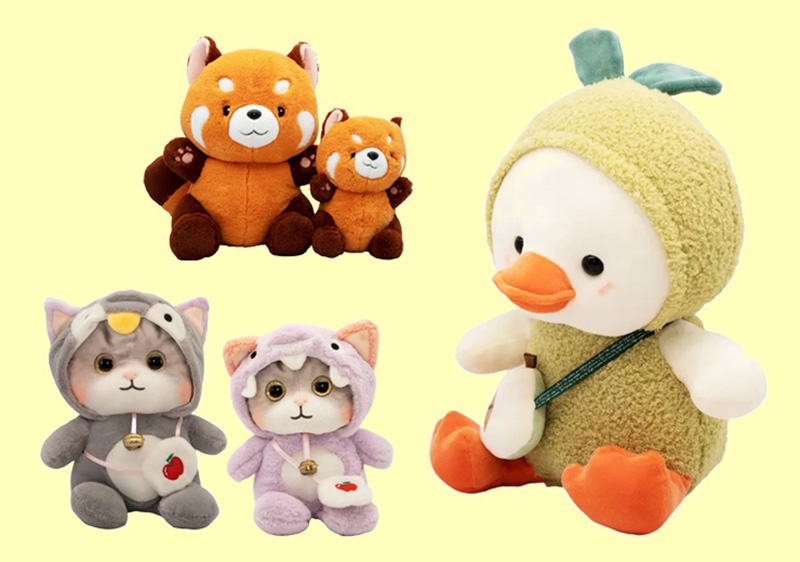
Safety and compliance are not optional topics in plush toy production—they are non-negotiable responsibilities.
When a supplier dismisses, avoids, or oversimplifies compliance questions, it’s a strong sign that they either lack experience with regulated markets or are willing to take risks on your behalf—without your consent.
Do They Downplay or Avoid Certification Requirements?
A major red flag is when suppliers respond to compliance questions with phrases like:
- “Most customers don’t need that”
- “This has never been a problem before”
- “We can do tests later if needed”
These answers suggest a lack of structured compliance knowledge.
Unreliable suppliers often fail to distinguish between:
- Different target markets (US, EU, UK, etc.)
- Toys vs. decorative or promotional plush items
- Sample testing vs. bulk testing requirements
For buyers, this creates serious exposure—especially when selling through Amazon, retailers, or licensed channels where documentation is strictly enforced.
Are Labeling, Materials, and Design Risks Not Taken Seriously?
Compliance issues don’t only come from test reports. They also come from design and material decisions.
Warning signs include:
- No guidance on age grading or warning labels
- Indifference to material composition and chemical limits
- No awareness of how design changes affect test validity
Suppliers who lack this awareness often discover compliance problems after production is complete, when fixes are expensive or impossible.
Experienced manufacturers treat compliance as part of product planning—not an afterthought—helping buyers avoid preventable risks early in the process.
Compliance Risk Check Table
| Warning Sign | What It Indicates | Potential Consequences |
|---|---|---|
| Compliance questions dismissed | Lack of regulated-market experience | Shipment delays |
| No market-specific knowledge | One-size-fits-all approach | Failed inspections |
| Testing postponed “until later” | Reactive compliance mindset | Extra cost & time |
| Labeling not discussed | Incomplete product planning | Retail rejection |
| Design risks ignored | Weak technical review | Invalid certificates |
Do Delivery Timelines and Quality Control Commitments Feel Unreliable?
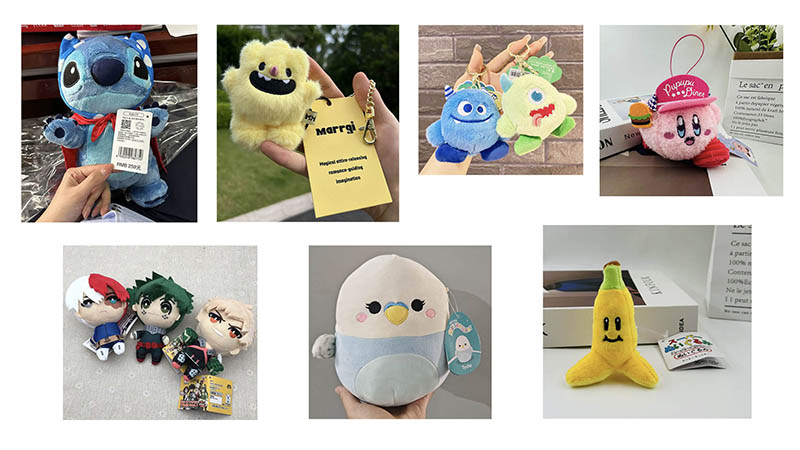
Unreliable suppliers often sound confident about delivery—right up until they miss it.
When timelines and quality control promises feel flexible, conditional, or poorly defined, it’s usually because the supplier lacks real production control. In plush toy manufacturing, that uncertainty almost always turns into delays, rework, or rushed shipments.
Are Lead Times Vague or Constantly “Adjusted”?
Clear timelines require real planning. Red flags appear when suppliers:
- Give broad ranges instead of firm lead times
- Blame delays on “busy season” without mitigation plans
- Change schedules without written updates or revised milestones
These behaviors suggest the supplier is overbooking capacity or relying on subcontractors they don’t fully control. For buyers, this makes launch planning, promotions, and logistics unpredictable.
Reliable manufacturers commit to realistic timelines and communicate early when adjustments are needed—because credibility matters more than overpromising.
Are Quality Control Commitments Not Clearly Defined or Enforced?
Another warning sign is when quality control is discussed in general terms but never documented.
Risk indicators include:
- No defined inspection stages or AQL standards
- No confirmation of sample-to-bulk locking
- No clear policy for defects, rework, or rejection
Without enforceable QC commitments, quality becomes subjective—and disputes become inevitable. Experienced suppliers set expectations in advance and treat QC as a shared, transparent process.
Manufacturers with structured systems—such as Kinwin—typically define inspection points, acceptance criteria, and responsibilities before production starts, reducing surprises at delivery.
Delivery & QC Reliability Check Table
| Warning Sign | What It Suggests | Likely Outcome |
|---|---|---|
| Vague lead times | Weak production planning | Missed launches |
| Frequent schedule changes | Overbooked capacity | Delays |
| No written QC standards | Subjective quality control | Disputes |
| Undefined inspection points | Reactive problem handling | Rework |
| No defect policy | Lack of accountability | Financial loss |
Conclusion
Unreliable plush toy suppliers rarely announce themselves clearly.
Instead, they show consistent warning signs—limited transparency, unstable pricing, unreliable samples, sales-driven communication, ignored compliance concerns, and weak delivery commitments.
For buyers, the cost of ignoring these signals is often far higher than the cost of walking away early. Delays, rework, failed inspections, or damaged brand reputation can quickly outweigh any initial savings.
Choosing the right plush toy manufacturer is not about finding the fastest “yes,” but about working with a partner who understands production reality, communicates honestly, and takes responsibility for quality and compliance.
If you want a second opinion on your current supplier—or you’re evaluating options for a new custom plush toy project—Kinwin is open to transparent, technical discussions before any commitment is made.