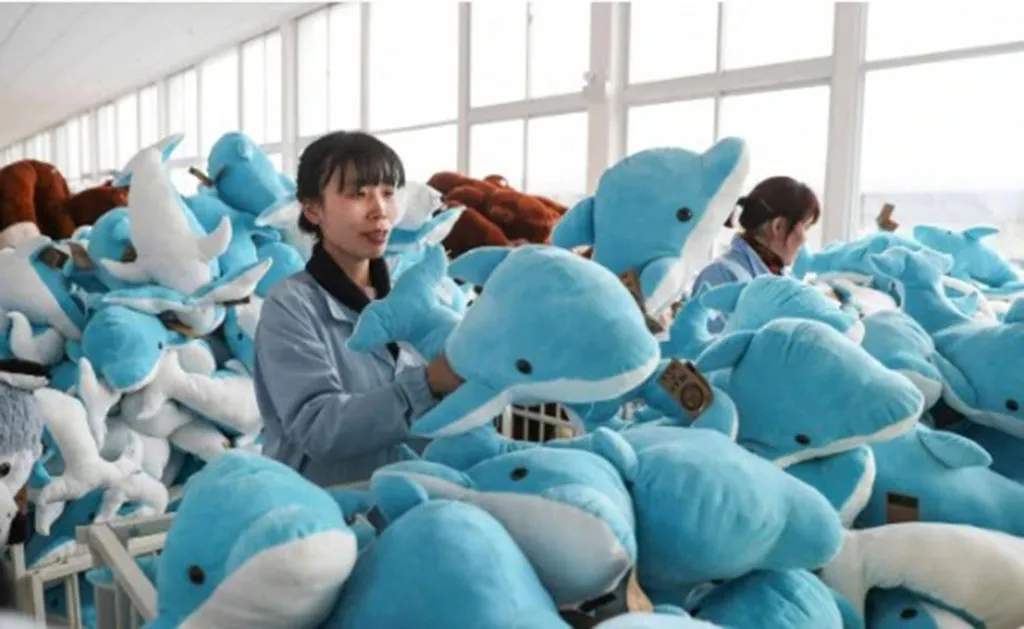
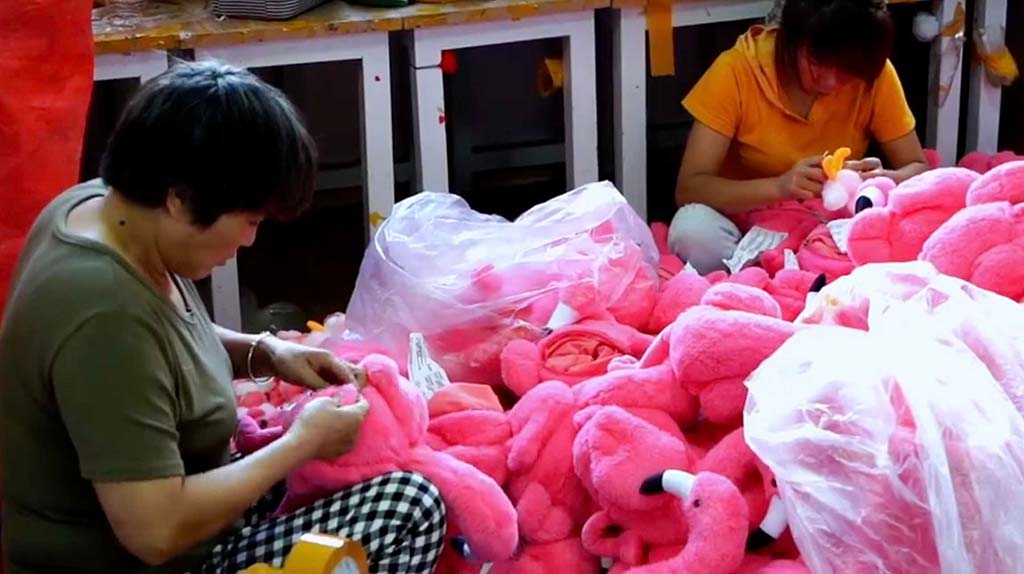
If you’ve ever messaged 10 plush factories and gotten 10 totally different answers (and 10 totally different prices), you’re not alone. Most buyers don’t have a “question system,” so factories end up guessing—and guessing creates mistakes later.
This guide gives you the exact questions that help you screen factories fast, reduce risk, and move toward a supplier you can trust. We’ll go step by step, starting with what you should prepare before you even begin asking questions—because that’s how you get accurate answers.
What should you prepare before you start asking factories questions?
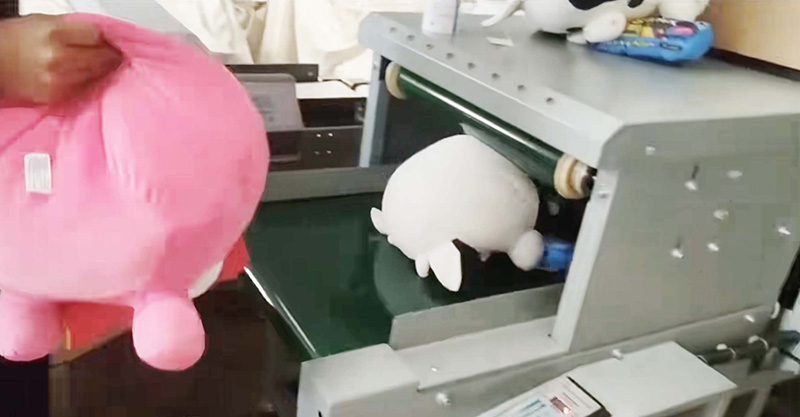
Before you ask factories anything, you need a simple “project brief.” Otherwise, your questions won’t get real answers—only vague quotes. The better you prepare, the faster you’ll spot professional factories (because they respond with structure, not confusion).
What basic product info helps factories answer accurately?
You don’t need a long document. You just need the key details that affect feasibility, price, and safety:
- Design reference
- a drawing, photo, 3D file, or similar plush reference
- mark the important details: face style, accessories, clothing, textures
- Size + target quantity
- size in cm/inches
- estimated order quantity (and whether you expect reorders)
- Selling market + age grade
- US / EU / UK / other
- 0+ / 3+ / 8+ / “not a toy” (promo)
This changes material and attachment decisions.
- Material preferences
- short plush, minky, faux fur, etc.
- color requirements (Pantone if strict)
- Logo and packaging expectations
- embroidery/print, woven label, hangtag
- individual polybag, gift box, barcode label, carton marking
When you send this, factories can respond with real technical answers instead of guessing.
How can you set expectations so factories don’t “assume wrong”?
Factories often assume what you didn’t specify. To avoid that, set two expectations clearly:
- Ask them to summarize your specs back to you
“Please confirm: size, materials, logo method, accessories, packaging, target market.”
This catches misunderstandings early. - Ask for a milestone timeline
Sampling → materials → production → QC → packing → shipping.
Not just “20–30 days.”
Quick Table: Pre-Question Preparation Checklist
| What to prepare | Why it matters | What to send | Common mistake |
|---|---|---|---|
| Design reference | Prevents wrong interpretation | Artwork/photo + notes | Text-only description |
| Size + quantity | Drives cost and capacity | Size + order range | No quantity → fake quote |
| Market + age grade | Impacts safety build | “US, 3+” etc. | Skipping compliance info |
| Materials/colors | Controls look and feel | Fabric + color references | Letting factory choose |
| Logo/packaging | Impacts execution and cost | Placement + packaging type | Mentioning later |
If you want, you can send Kinwin your design reference + size + target market + quantity. We’ll reply with a clean feasibility review and a structured list of the most important factory questions for your specific plush.
Which questions confirm the factory is real and export-capable?
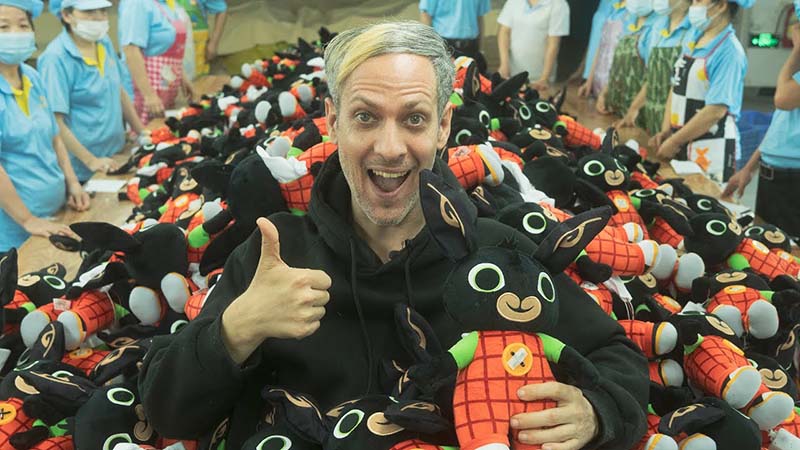
If you only ask “Are you a factory?” you’ll hear “yes” every time. The real goal is to ask questions that require proof—proof of a real workshop, real production flow, and real export experience.
These questions are also polite and normal in B2B sourcing. Serious factories are used to them.
What questions prove the factory is real (not just a trader)?
Copy-paste questions that work:
- “Can you share a 1–2 minute workshop walkthrough video?”
Please show cutting, sewing lines, stuffing/closing, and packing. - “Can we do a live video call to see the production floor?”
Please show the factory entrance/sign and active production areas. - “Do you own the factory, or are you sourcing through partner factories?”
(A transparent answer is what matters.) - “Who will make the sample, and who will manage mass production?”
Ask for roles: merchandiser/project manager, sampling team, QC lead. - “Can you share work-in-progress photos from a current order?”
Cutting bundles, embroidery panels, sewing stage, packing cartons (client info can be blurred).
If they avoid these questions, it’s usually a sign you’re not dealing with a true manufacturer—or they don’t want you to see the reality.
What questions confirm export readiness and real shipping experience?
Export capability matters because even good plush can become a headache if the supplier can’t handle packaging, labeling, carton discipline, and document flow.
Ask these:
- “Which countries do you export to most often?”
Then follow up: “Can you show an example packing list format?” - “Can you share carton marking photos from past exports?”
(Blur customer name if needed.) - “What shipping terms do you usually support (EXW/FOB/etc.)?”
A factory that ships often will answer smoothly. - “Can the company name on the contract match the bank beneficiary name?”
This is one of the best anti-fraud questions. - “Can you provide your business license/registration for verification?”
Legit suppliers may blur sensitive parts, but they won’t refuse.
Quick Table: “Real Factory + Export Ready” Question Set
| What you’re verifying | Question to ask | What a good answer looks like | Red flag |
|---|---|---|---|
| Real production | “Workshop walkthrough video?” | Shows cutting/sewing/packing | Only showroom photos |
| Factory control | “Do you own the factory?” | Clear explanation | Dodges or changes topic |
| Current operations | “WIP photos?” | Real production evidence | Only finished product photos |
| Export workflow | “Packing list/carton marks?” | Can share redacted examples | Claims export but no proof |
| Payment safety | “Bank name match?” | Names match contract entity | Different payee requested |
What questions reveal plush toy safety and compliance readiness?
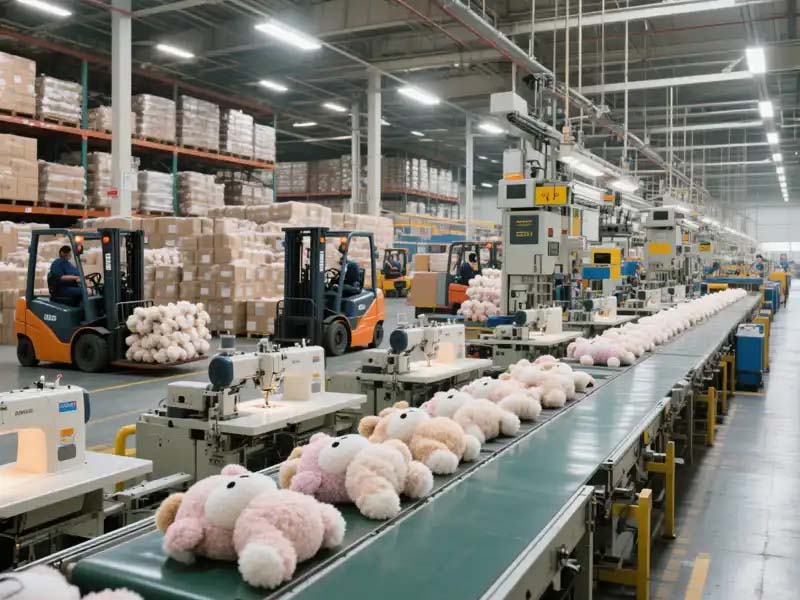
This is where buyers either protect their brand—or accidentally buy a “nice-looking plush” that becomes a compliance headache later.
A factory that’s truly compliance-ready doesn’t just say “we can pass EN71/ASTM.” They ask the right questions first (market + age grade), then explain how they build the plush in a test-ready way.
What questions confirm they understand your selling market and age grade?
Copy-paste these:
- “We plan to sell in (US/EU/UK). What compliance path do you recommend for this plush?”
You’re looking for a process answer, not “yes we can.” - “What age grading is your recommendation for this design, and why?”
A good factory will discuss small parts, attachments, and materials. - “For a kids product, what construction changes reduce test failure risk?”
Good answers include: embroidered eyes vs plastic eyes, seam reinforcement, secure attachments. - “Which parts of this design are high-risk for safety?”
(Example: long straps, small accessories, hard components.) - “Can you provide material/component specs to support testing?”
Fabric, filling, eyes/nose materials, printing inks, etc.
If they never mention market/age grade, or they promise every certificate without details, that’s a major warning sign.
What questions confirm they can support testing and documentation properly?
Ask these to check real readiness:
- “Can you support third-party lab testing for our final SKU?”
Even if you pay, they should support sample preparation and material info. - “Have you produced similar plush for children’s markets before?”
Follow up: “What changes were required for compliance?” - “How do you ensure materials stay consistent from tested sample to bulk?”
This is critical—testing is meaningless if materials change later. - “Can you confirm that any material change requires our written approval?”
This protects your test validity. - “What labeling and packaging info can you support?”
Warning labels, age marking, barcode labels, carton marks.
Quick Table: Compliance Readiness Questions
| What you want to know | Question to ask | Good factory response | Red flag response |
|---|---|---|---|
| Market knowledge | “What compliance path for US/EU/UK?” | Explains steps and risks | “Yes, no problem” only |
| Age grading thinking | “Recommended age grade and why?” | Discusses small parts/attachments | Avoids or guesses |
| Test support | “Support third-party testing?” | Clear workflow and docs | Refuses or avoids |
| Material control | “How prevent substitutions?” | Written approval + batch control | “Similar material is fine” |
| Safety design advice | “Which parts are high-risk?” | Points out real risks | “Everything is safe” |
How do you ask about materials, workmanship, and customization ability?
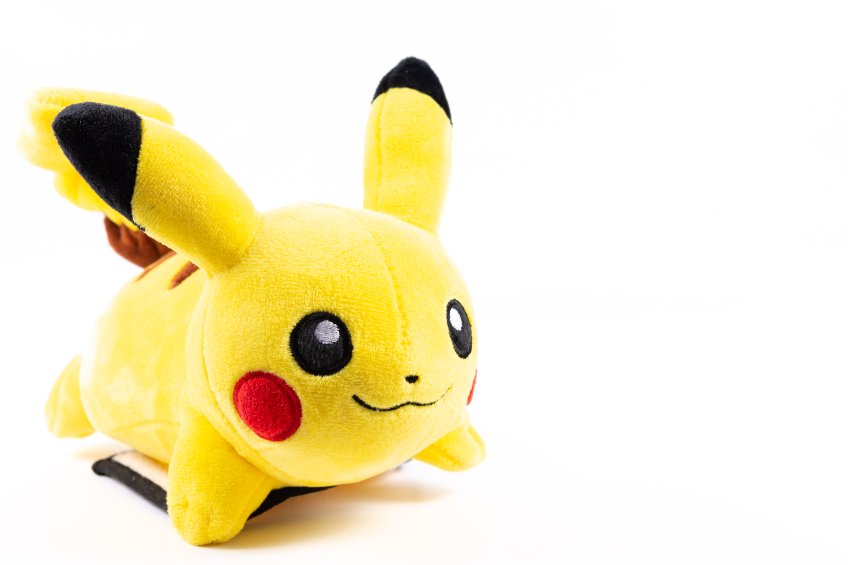
This is the part where you find out if the supplier can actually deliver your plush—not just “a plush.” Good factories don’t get annoyed by these questions. They’re used to serious buyers asking about materials, stitching standards, and how they control detail consistency.
What questions help you confirm material quality and workmanship standards?
Copy-paste questions that work:
- “What exact fabric will you use for each area (body/face/ears/belly)?”
Ask them to list fabric type and why it suits the design. - “How do you control color consistency between fabric batches?”
If brand colors matter, follow up: “Can we approve by Pantone or physical swatch?” - “What filling do you use, and how do you control stuffing firmness in bulk?”
This reveals whether they have a repeatable stuffing standard. - “Which stress points do you reinforce, and how?”
Examples: ears, arms, legs, tail base, hanging loops, keychain loops. - “What finishing checklist do you follow before packing?”
A good supplier can describe trimming threads, cleaning stains, checking seams, and appearance inspection.
You’re not asking for perfection—you’re checking whether they have a real standard and can explain it clearly.
What questions reveal true customization ability (not just “yes we can”)?
Custom plush looks simple until you get into details like face expression, embroidery density, fabric pile direction, and layered clothing. These questions expose real ability:
- “How will you make the face: embroidery, print, or mixed? What do you recommend and why?”
Good factories explain tradeoffs (clarity vs cost vs feel). - “Can you show examples of similar complexity you’ve made before?”
Ask for photos of past work that includes comparable embroidery/detail level (client info can be blurred). - “What are the top 3 risks in this design for bulk consistency?”
Strong suppliers will point out real issues, like:- long fur hiding embroidery
- tiny embroidery details losing sharpness
- small accessories needing safer attachment
- “If we revise details, how do you track file versions and changes?”
Version control matters more than most buyers realize. - “Can you provide a pre-production sample (PPS) made like bulk production?”
This is a major repeatability test.
Quick Table: Materials + Workmanship + Customization Questions
| What you’re testing | Question | Good answer sounds like | Red flag sounds like |
|---|---|---|---|
| Material clarity | “Fabric for each area?” | Specific fabric plan | “Any fabric is fine” |
| Color control | “Prevent shade drift?” | Swatches/Pantone method | “Same color, don’t worry” |
| Seam strength | “Which stress points reinforced?” | Explains reinforcement | Avoids details |
| Face quality | “Embroidery vs print recommendation?” | Tradeoff explanation | “Anything you want” |
| Repeatability | “PPS made like bulk?” | Understands PPS workflow | Doesn’t understand PPS |
| Process control | “How track revisions?” | Dated versions + notes | “We remember it” |
What questions uncover true capacity, lead time, and QC process?
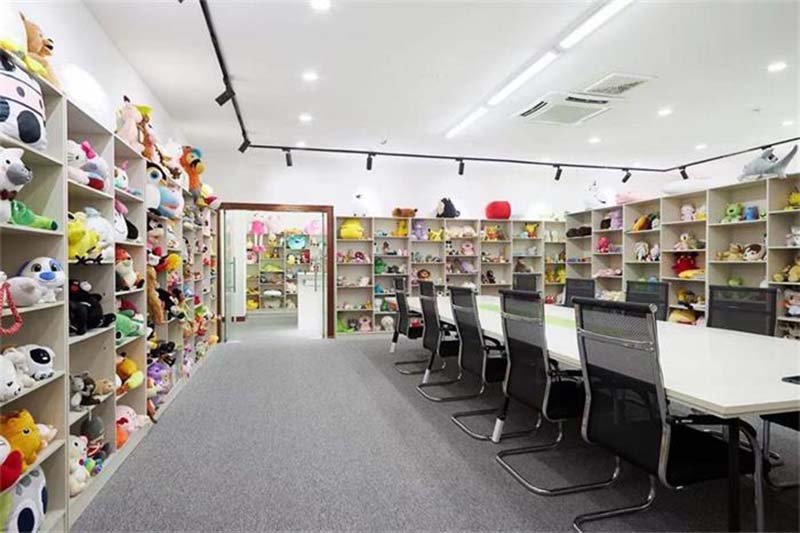
A supplier can look perfect until they get busy. Capacity and QC are the difference between “smooth delivery” and “constant stress.” The best factories don’t just give you a single lead time number—they explain how they schedule, what their output really is, and how they catch defects during production.
What questions reveal real capacity and realistic lead time?
Copy-paste these:
- “For a plush similar to ours, what is your weekly output capacity?”
(Ask them to answer with a number, not “a lot.”) - “How many sewing lines do you run, and what products are currently on those lines?”
This reveals whether they’re actually producing, and how busy they are. - “What is your sampling lead time, and what is your bulk lead time in peak season?”
Peak season is where unreliable suppliers overpromise. - “Can you break the timeline into milestones?”
Sampling → material purchasing → production → QC → packing → ship date. - “What situations could delay this order, and how do you communicate risk?”
A good factory is honest about risk and warns early.
Green flag behavior: they give a structured timeline and explain what drives it (materials, complexity, seasonal load).
Red flag behavior: “We can do any timeline” with no breakdown.
What questions confirm QC is real (not only “final inspection”)?
Copy-paste these:
- “What are your QC checkpoints: incoming, in-line, and final?”
You want to hear multi-stage QC. - “Can you share a QC checklist or inspection photo examples?”
Even one page is enough to show they have a system. - “How do you define critical, major, and minor defects?”
This creates a shared quality language. - “Do you keep a golden sample and compare bulk against it during QC?”
This is one of the best consistency controls. - “Can you provide production updates with WIP photos at key stages?”
Cutting, sewing, stuffing, packing—this prevents surprises.
Quick Table: Capacity + Lead Time + QC Questions
| What you’re checking | Question | Good response looks like | Red flag |
|---|---|---|---|
| Real capacity | “Weekly output for similar plush?” | Specific number + explanation | “Unlimited capacity” |
| Scheduling honesty | “Peak season lead time?” | Longer but realistic | Same lead time always |
| Timeline clarity | “Break lead time into milestones” | Step-by-step plan | One vague date |
| QC system | “Incoming + in-line + final QC?” | Explains checkpoints | Only final inspection |
| Quality standard | “Defect definitions + remedy?” | Clear critical/major/minor | Avoids measurable rules |
| Consistency control | “Golden sample used in QC?” | Yes + process | No reference standard |
Which questions protect you on pricing, terms, and after-sales support?
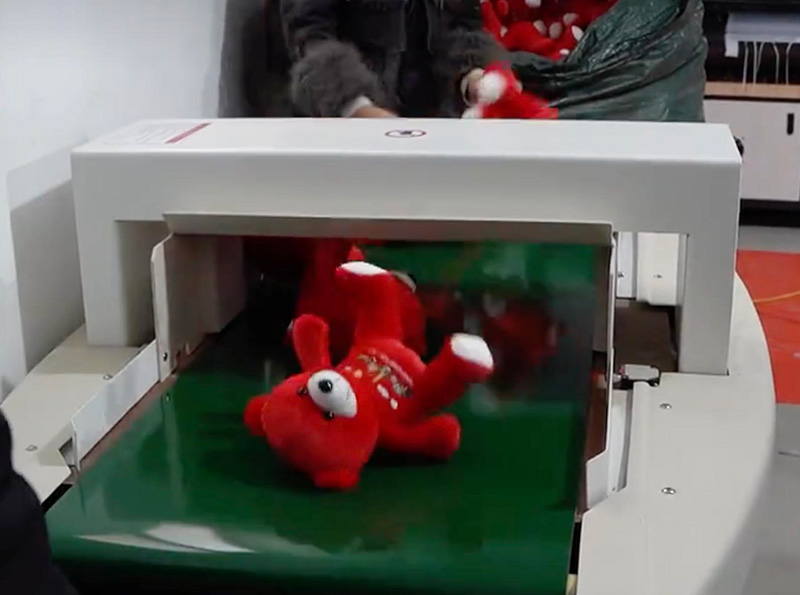
This is where you protect your money and your peace of mind. Even a capable factory can become risky if pricing is vague, terms are unclear, and after-sales support is “we’ll see later.”
Good suppliers are usually comfortable putting key terms in writing. Unreliable ones avoid it.
What questions keep pricing transparent and prevent hidden costs?
Copy-paste these:
- “Can you provide an itemized quote breakdown?”
Ask what’s included for:- fabric
- embroidery/printing
- accessories
- packaging (polybag/hangtag/box)
- sample fee
- carton packing
- “What is NOT included in the unit price?”
This question catches surprises early. - “Can you confirm materials used in bulk will match the approved sample unless we approve changes in writing?”
This blocks “cheap substitution.” - “How will price change if we change size, fabric, or accessories?”
A good supplier can explain cost drivers. - “Can you confirm MOQ logic in writing (based on fabric/colors/accessories)?”
This prevents MOQ changing after sample approval.
What questions protect you on terms, payment, and after-sales support?
Copy-paste these:
- “Do you provide a pre-production sample (PPS), and will PPS be the binding standard for mass production?”
This is the foundation of repeatability. - “What payment terms do you accept—can the balance be after QC approval or pre-shipment inspection?”
Safer structure: deposit + balance after inspection proof. - “Can the contract company name match the bank beneficiary name?”
This is one of the best anti-fraud questions. - “How do you handle defects if goods don’t meet the agreed standard?”
Ask for remedies:- rework
- replacement
- credit
- “What is the inspection and claim window after we receive goods?”
Example: buyer checks within X days, reports with photos/carton numbers, supplier responds within X days. - “How will you support reorders?”
Ask if they keep:- golden sample
- patterns
- embroidery/printing files
- spec sheets
Reorder support is a strong reliability signal.
Quick Table: Pricing + Terms + After-Sales Questions
| What you’re protecting | Question | Good answer sounds like | Red flag sounds like |
|---|---|---|---|
| Hidden costs | “What’s included vs excluded?” | Clear breakdown | “All included” but vague |
| Material substitutions | “Changes need written approval?” | Yes, documented | “Similar material is fine” |
| MOQ surprises | “MOQ logic in writing?” | Clear, stable | MOQ changes later |
| Bulk consistency | “Is PPS binding standard?” | Yes + golden sample | No PPS / no standard |
| Payment risk | “Balance after inspection?” | Reasonable flexibility | Full payment upfront |
| Fraud risk | “Bank name matches contract?” | Clean name match | Different payee |
| After-sales | “Defect remedy + claim window?” | Clear policy | “We’ll see later” |
If you want, you can take these question sets and copy-paste them into one message to any supplier. The way they respond will tell you everything: organized answers usually mean organized production.
Conclusion
The best way to choose a plush toy factory isn’t to “guess who looks professional.” It’s to ask the right questions in the right order—so the factory has to show proof, explain their process, and confirm key terms in writing.
If you use the question sets in this guide, you’ll quickly filter out risky suppliers and focus only on factories that are truly capable: real production proof, export readiness, compliance awareness, stable sampling and QC, honest capacity planning, and buyer-friendly terms that prevent surprises.
If you’re planning a custom plush project and want a factory partner who can answer these questions clearly (with real proof), you can contact Kinwin. Share your artwork/reference images, target size, selling market (US/EU/UK), and estimated quantity—we’ll reply with a practical feasibility review, material recommendations, a transparent quote, and a clear sampling + production timeline.