Skip to content
When you’re sourcing custom plush toys, the biggest mistake isn’t choosing the “wrong fabric” or “wrong size.” It’s sending money to a supplier who isn’t a real manufacturer—or a real business at all. The good news is you don’t need to be an investigator to protect yourself. You just need a clear, repeatable verification routine that filters out risky suppliers fast.
Let’s go step by step. We’ll start with the quickest “tell” signs you can catch in the first 10 minutes.
What are the fastest ways to spot a fake plush toy manufacturer?
Fake “manufacturers” usually fall into three types:
- A broker pretending to be a factory
- A trading company hiding the real producer
- A fraud supplier trying to collect deposits
The fastest way to spot them is to look for inconsistency: inconsistent names, inconsistent proof, inconsistent answers, and “too easy” promises.
Which early red flags show the supplier is not a real factory?
These are the quickest red flags buyers should take seriously:
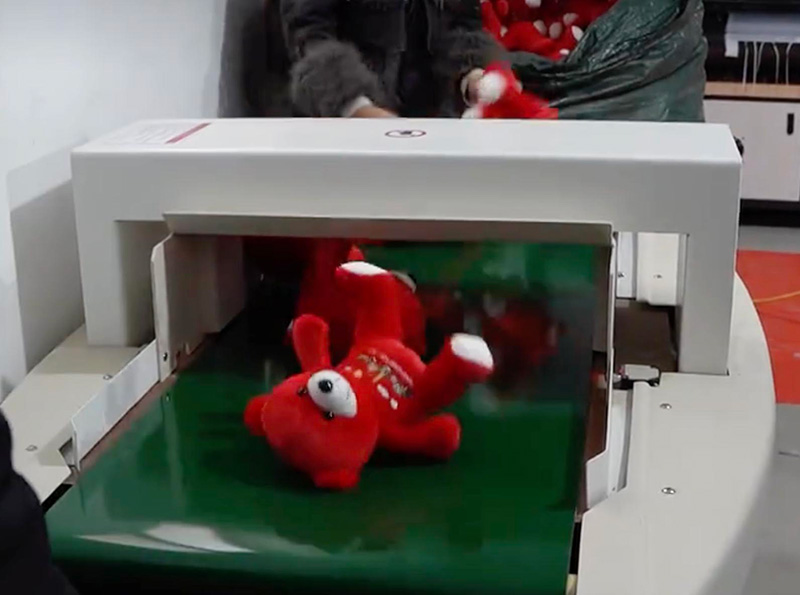
- They avoid showing production areas
If they only show product photos, a showroom, or “catalog images,” that proves nothing. Real manufacturers can show cutting, sewing, stuffing, finishing, and packing. - They can’t answer basic manufacturing questions
Ask something specific like:- “How do you reinforce hanging loops and ear seams?”
- “Do you use embroidery panels before sewing the body?”
Real factories answer naturally and with detail. Fake ones reply with “no problem” and try to move to payment.
- They push for a deposit too early
If they rush you to pay before confirming specs, sample process, or timeline milestones, that’s a bad sign. - Their company identity keeps changing
One name on WhatsApp, another name on invoice, a different name on bank account—this is one of the most common “danger patterns.”
What simple “proof tests” can you request immediately?
You don’t need complicated checks. Just ask for proof that’s hard to fake:
- A 60–120 second workshop walkthrough video
Require it to include: cutting table → sewing lines → stuffing/closing → packing cartons. - A live video call
Ask them to show:- factory entrance/sign
- workers actively sewing
- finished cartons ready for shipment
- Work-in-progress (WIP) photos
Ask for 3–5 WIP images:- cut fabric bundles
- embroidery panels
- half-finished plush bodies
- QC checking
WIP photos are far more convincing than finished glam photos.
- A “spec summary” reply
Send your requirements and ask them to summarize back:
size, fabric, logo method, accessories, packaging, target market.
Fake suppliers often can’t do this cleanly.
Quick Table: Fast Fake-Supplier Checklist
| What you request | What a real manufacturer can show | What a fake/risky supplier often does |
|---|---|---|
| Workshop walkthrough video | Cutting, sewing, stuffing, packing in one clip | Only showroom or product photos |
| Live video call | Real-time factory floor view | Avoids live call or shows “office only” |
| WIP photos | Cut pieces + sewing in progress | Only finished catalog images |
| Technical questions | Detailed, practical answers | Vague “yes we can” replies |
| Company name consistency | Same name on quote/contract/bank | “Different payee” or changing company names |
If you want, you can send Kinwin your supplier’s website/contact details + the quote screenshot (remove sensitive data), and I can help you spot red flags using the checklist above—before you spend money.
Which documents and records prove the company is real?
If a supplier is legit, they won’t be afraid of basic verification. Serious buyers ask for documents all the time—especially for overseas manufacturing—because it’s normal risk control, not “distrust.”
Your goal is to confirm three things:
- The company legally exists
- The company name matches the contract and bank details
- They can support export-style documentation and traceability
Which core documents should you request first?
Here’s a buyer-friendly document pack that real manufacturers can provide quickly:
- Business License / Company Registration
Confirms the legal entity and registered address. - Company name in full (legal name)
Ask for the exact legal name that will appear on:- contract
- invoice
- bank beneficiary
- Factory address and contact information
Not just a “sales office.” You want the actual production location. - Basic export documentation examples (redacted is fine)
Ask for one sample of:- packing list format
- carton marking photo
- shipping document screenshot with sensitive details blurred
- Bank account proof
At minimum:- beneficiary name
- bank name
- account number (you can blur part for safety)
The key is matching identity.
A real supplier may blur sensitive data, but they won’t refuse to provide anything.
What consistency checks prevent “document tricks”?
Fraud and risk often show up as mismatches.
Run these simple consistency checks:
- Same company name everywhere
The name on the business license should match the name on:- quotation
- contract
- invoice
- bank beneficiary
If it doesn’t match, you need a written explanation (for example, they use a sister export company). That can be real—but you must verify the relationship.
- Address logic
The address on the license should make sense with what you see in videos/photos. If the factory video shows a huge industrial park but the license address looks like a small office building, ask questions. - Document quality and behavior
Real companies don’t panic when you ask for documents. Risky suppliers often:- delay repeatedly
- send low-resolution photos that hide details
- change the topic to “discounts” and “deposit”
Quick Table: Documents That Prove Legitimacy
| Document/record | What it proves | What to check | Red flags |
|---|---|---|---|
| Business license | Legal existence | Legal name + address | Refuses to provide |
| Legal company name | Correct contract identity | Matches invoice + bank | Different names everywhere |
| Factory address | Real operating base | Matches video proof | Only “office address” |
| Export examples | Real export experience | Packing/carton evidence | Claims export but no proof |
| Bank beneficiary info | Safe payment target | Matches contract entity | Payment to unrelated name |
How can you confirm the factory address, capacity, and ownership?
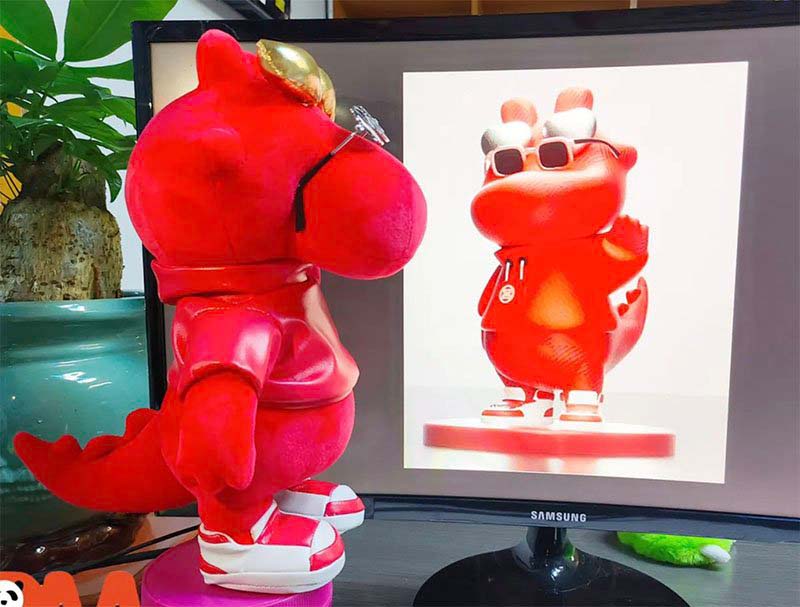
A supplier can be a real registered company and still not be a real manufacturer. That’s why you also need to confirm the “factory reality”: Is there an actual workshop? Is it theirs? Can it produce your order volume?
You don’t need to fly to China to do this—most of the time, you can verify enough through smart requests and consistency checks.
How do you confirm the factory address is a real production site?
Here are the fastest ways buyers validate a factory location remotely:
- Live video call “walk”
Ask them to start outside and show:- factory entrance/sign
- surrounding area (industrial park vibe)
- then walk into cutting/sewing/packing areas
This is hard to fake because it’s real-time and continuous.
- Workshop walkthrough video with “location anchors”
Ask for a video that includes:- entrance or company name board
- production lines running
- warehouse materials
Bonus points if they show today’s date written on a paper in the frame (simple authenticity trick).
- Ask for the address used for shipping pickup
Even if you don’t visit, you can request:- the pickup address used by their logistics partner
A fake supplier often hesitates because they don’t control the facility.
- the pickup address used by their logistics partner
- Cross-check the license address vs “factory” address
It’s normal to have different addresses (registered office vs manufacturing site), but a real supplier can explain clearly.
How do you confirm capacity and “ownership” without being rude?
Capacity and ownership matter because they affect your timeline and quality control. You can ask in a neutral, professional way:
Capacity proof questions:
- “For a similar plush (size/material complexity), what is your weekly output?”
- “How many sewing lines do you run?”
- “What is your peak season lead time?”
- “Can you show cartons from a recent bulk order (with client info blurred)?”
A real manufacturer gives numbers and explains how scheduling works. Risky suppliers give vague answers like “we can do any quantity.”
Ownership/control proof questions:
- “Is this facility owned by your company or a partner factory?”
- “Who manages QC on-site—your staff or the partner’s staff?”
- “If I reorder, will it be produced in the same workshop?”
This isn’t about “catching” them. It’s about understanding who controls production. A transparent trading company can still be acceptable—if they clearly disclose the setup and can guarantee consistency.
Quick Table: Confirming Address + Capacity + Ownership
| What you want to confirm | Best proof request | What “real” looks like | Red flags |
|---|---|---|---|
| Factory is real | Live video walk-through | Continuous view of production zones | Avoids live calls |
| Address matches reality | License vs factory address explanation | Clear, consistent answer | Confusing or changing addresses |
| Capacity is sufficient | Weekly output + lines + schedule | Real numbers + peak season notes | “Unlimited capacity” claims |
| Ownership/control | On-site QC roles explained | Clear responsibility chain | “We outsource everything” with no control |
| Reorder consistency | Same workshop confirmation | Written commitment | Won’t confirm |
What proofs should a real manufacturer show for past production?
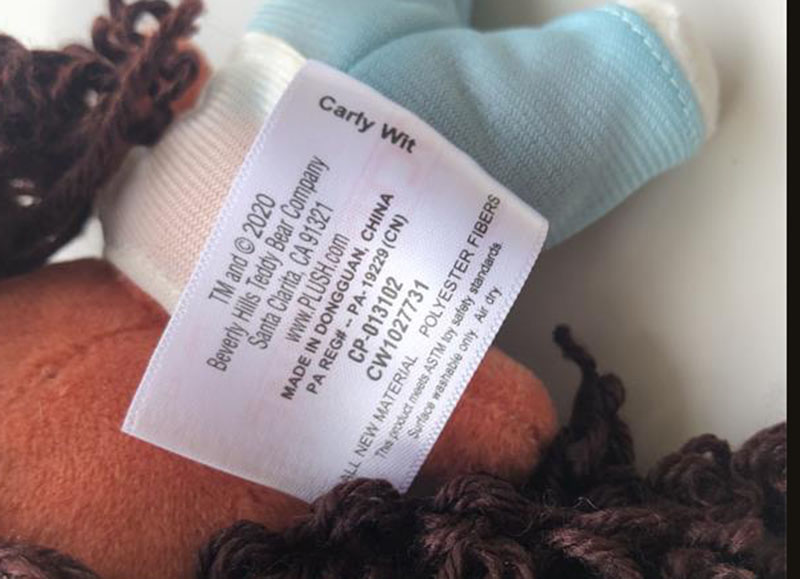
A real plush manufacturer doesn’t only show pretty product photos. They can show production evidence—things that naturally exist when you actually make and ship orders in bulk.
The goal isn’t to force them to expose customer secrets. It’s to request proof in a way that respects confidentiality while still confirming they’ve done real production.
What “safe to share” production proofs are most convincing?
Here are proof types that strong manufacturers can usually provide (with sensitive parts blurred):
- Work-in-progress (WIP) photo sets
Ask for 6–10 photos from one past project, covering:- fabric cutting bundles
- embroidery panels
- sewing in progress
- stuffing and closing
- finishing area
- cartons and packing
This is hard to fake because it shows the real production flow.
- Packing and carton marking photos
Real manufacturers often have standard carton markings (item name, quantity, carton number, gross/net weight, dimension).
Even if the customer name is blurred, the packing style and carton discipline show professionalism. - QC inspection records / checklists
You don’t need internal secrets—just an example of:- what they check
- how defects are recorded
- what “pass/fail” looks like
- Sample approval records
For example:- PPS (pre-production sample) confirmation
- revision notes
- dated file versions
This proves they run orders with a controlled system, not casual guessing.
- Shipping-support proof (redacted)
One example of:- packing list format
- commercial invoice format
(Sensitive buyer information blurred.)
This helps confirm export experience.
How do you separate “borrowed photos” from real factory proof?
Some risky suppliers borrow images from other factories. To reduce that risk, ask for proof that includes your requested details:
- Ask for a “custom proof shot”
Example:- “Please take a photo of your sewing line today with a paper showing today’s date and your company name.”
This is simple and very revealing.
- “Please take a photo of your sewing line today with a paper showing today’s date and your company name.”
- Ask for a continuous video
A short video walking from cutting → sewing → packing is harder to fake than a set of random photos. - Ask for a specific process demo
Example:- “Can you show how you do embroidery panels before sewing, and where you store embroidery files?”
Real factories can demonstrate quickly. Fake suppliers avoid it.
- “Can you show how you do embroidery panels before sewing, and where you store embroidery files?”
Quick Table: Strong Proof vs Weak Proof
| Proof type | Why it’s convincing | What to request | Weak substitute to avoid |
|---|---|---|---|
| WIP photo set | Shows real production flow | Cutting → sewing → stuffing → packing | Only finished product photos |
| Carton/packing photos | Shows bulk shipment reality | Carton marks + packed goods | Only showroom images |
| QC checklist example | Shows process discipline | QC form + defect examples | “We do QC” text only |
| PPS/revision notes | Shows controlled sampling | Change list + dated versions | “Sample approved” with no records |
| Continuous workshop video | Hard to borrow | Walkthrough with date/name | Short edited clips only |
How do sample quality, tooling, and timelines reveal authenticity?
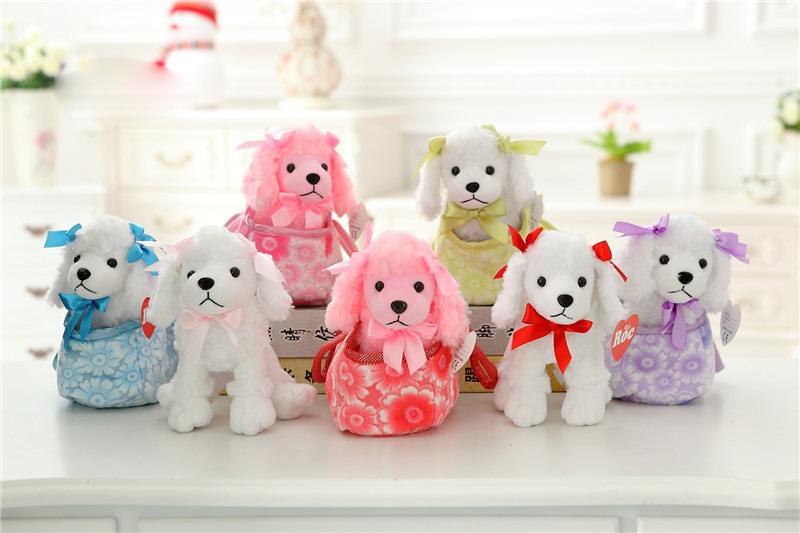
This is a surprisingly powerful test: fake manufacturers often can’t behave like real manufacturers during sampling. They might look “professional” online, but their sampling process exposes the truth fast—because real plush production requires patterning skill, materials access, and realistic scheduling.
So instead of only asking for documents, you also watch how they perform when you request a sample.
How does sample quality expose whether they have real production capability?
A real manufacturer can usually show competence in three areas:
- Pattern accuracy (shape and proportions)
The plush should match your reference in overall silhouette—head size, body balance, limb length.
Fake or weak suppliers often deliver samples that look “off,” then blame the design. - Face placement control
Eyes, mouth, cheeks, embroidery position—this is where skill shows.
If the face is crooked in the sample, bulk consistency will almost always be worse. - Construction logic
A real factory builds samples with a clear construction approach:- embroidery panels done before sewing
- seam allowance consistent
- stress points reinforced (ears, limbs, hanging loops)
- stuffing evenly controlled
Even if the first sample needs revision (normal), a real manufacturer improves it quickly with clear change notes. Fake suppliers often do vague “we adjusted” changes with no measurable progress.
What “tooling and timeline” behavior reveals if they’re real?
Real manufacturers think in “process milestones.” Fake ones think in “closing the deal.”
Tooling/process signals that feel real:
- They discuss pattern making and clarify which parts require pattern adjustments.
- They ask about fabric options and show swatches or clear material suggestions.
- They mention practical constraints:
- embroidery stitch limits for tiny details
- printing vs embroidery tradeoffs
- fur pile affecting face visibility
Timeline signals that feel real:
- They give a structured sampling timeline (for example: X days for pattern + X days to produce the sample + shipping time).
- They warn you about peak season delays instead of promising “fastest always.”
- They don’t promise miracles like “complex custom sample in 2 days” unless it’s truly simple.
A very useful authenticity test:
Ask for a PPS (pre-production sample) step and “golden sample” control. Real manufacturers understand this workflow. Weak suppliers often don’t.
Quick Table: Sampling Signals of a Real Manufacturer
| What you observe | Real manufacturer behavior | Fake/risky behavior |
|---|---|---|
| Sample progress | Measurable improvement per revision | Vague “fixed” with no change |
| Face alignment | Controlled and consistent | Crooked, inconsistent placement |
| Tooling discussion | Talks patterns, fabrics, methods | Only talks price and deposit |
| Timeline structure | Milestones + realistic duration | Overpromises or avoids details |
| PPS/golden sample | Familiar and organized | Doesn’t understand or avoids |
What payment and contract steps prevent supplier fraud?
This is the “final safety net.” Even if a supplier looks real, the fastest way to lose money is sending payment without the right identity checks and written controls.
Good suppliers won’t be offended by these steps. In fact, the best manufacturers often prefer structured payment and contract rules because it prevents misunderstandings on both sides.
What payment verification steps should you follow before sending money?
Use this buyer-safe routine:
- Match the legal company name across all documents
The company name on:- business license
- quotation/invoice
- purchase contract
should match the bank beneficiary name.
If they request payment to a different name, pause and verify the relationship in writing.
- Avoid paying personal accounts
For B2B manufacturing, payments should go to a corporate account under the contract entity (unless there is a very clear, verifiable legal structure—which should be documented). - Use staged payments
Common buyer-protective structure:- sample fee first (small commitment)
- deposit to start bulk production
- balance after QC approval or pre-shipment inspection
This reduces the risk of paying 100% before you have proof.
- Require “proof of progress” before milestone payments
For bulk, ask for:- material purchase confirmation
- in-production photos/videos
- QC photo set
- packing photos
before paying the final balance.
What contract clauses stop fraud and reduce disputes?
Keep your contract simple but specific. These clauses are the most protective:
- Approved PPS (pre-production sample) is the binding standard
Write clearly: mass production must match the approved PPS/golden sample + spec sheet. - Spec sheet and version control
Attach or reference:- fabric type + color reference
- embroidery/printing file version (dated)
- accessories and attachment method
- size measurement points + tolerance
- packaging and labeling requirements
- Change-control clause
Any change after approval requires written confirmation of:- new cost
- new lead time
This prevents “silent changes.”
- Inspection and claim window
Agree on:- inspection timeframe after receipt (e.g., X days)
- how defects are reported (photos/videos + carton/batch info)
- response time for solutions
- Remedy mechanism
If defects exceed the agreed standard:- rework
- replacement
- credit
The exact remedy can vary, but the mechanism must exist.
Quick Table: Fraud-Prevention Payment + Contract Checklist
| Risk | Protection step | What to request | Red flags |
|---|---|---|---|
| Wrong payee | Name match verification | Bank beneficiary = contract entity | Payment to unrelated name |
| Disappear after deposit | Staged payments | Balance after QC/inspection | Full payment upfront pressure |
| “Not same as sample” | PPS binding standard | PPS + golden sample reference | No written standard |
| File confusion | Version control | Dated files + spec sheet | “Old file” mistakes |
| Surprise costs | Change-control clause | Written approval for changes | Changes without confirmation |
| Dispute after delivery | Inspection + remedy rules | Claim window + rework/credit | “We’ll see later” |
If you follow these steps, you dramatically reduce the chance of supplier fraud and the risk of paying for goods that don’t match your standard.
If you’re evaluating a supplier right now and want a more secure path, you can contact Kinwin for a transparent verification package (factory proof, documentation, sampling workflow, and buyer-friendly order terms) so you can move forward confidently.
Conclusion
Verifying whether a plush toy manufacturer is real isn’t about being paranoid—it’s about being professional. The safest buyers don’t rely on “nice websites” or fast replies. They verify identity, factory reality, production proof, and payment safety in a clear routine.
If you remember the simplest workflow, it’s this:
- Spot red flags fast (inconsistent names, no workshop proof, rushed deposit)
- Verify documents (license + matching contract and bank identity)
- Confirm factory reality (live video walk, WIP proof, capacity clarity)
- Ask for past-production evidence (WIP, cartons, QC records—redacted is fine)
- Use sampling as a truth test (pattern skill, face control, realistic timelines)
- Protect payments with staged terms and a clear contract (PPS binding standard + change control)
If you want a transparent, low-risk way to produce custom plush, you can contact Kinwin. Share your design reference, target size, market, and quantity plan—we’ll provide factory proof, a clear sampling workflow, QC checkpoints, and buyer-friendly order terms so you can move forward with confidence.