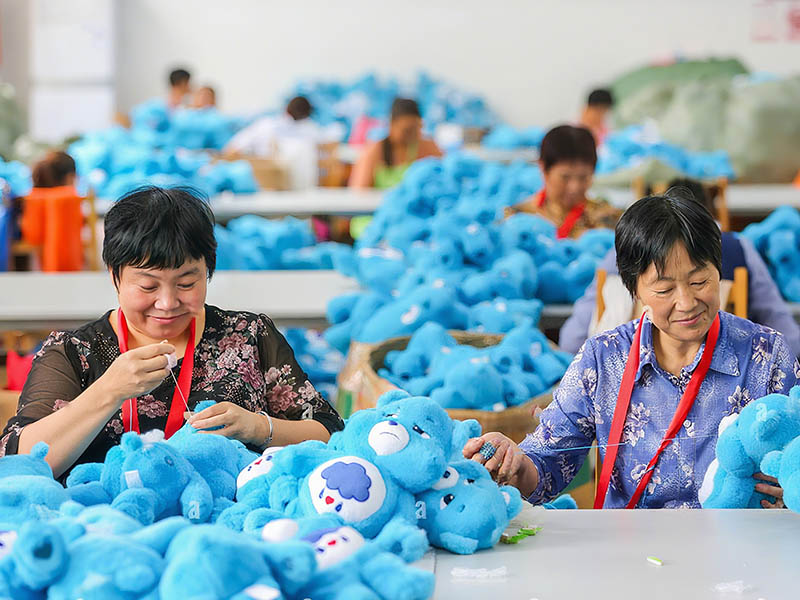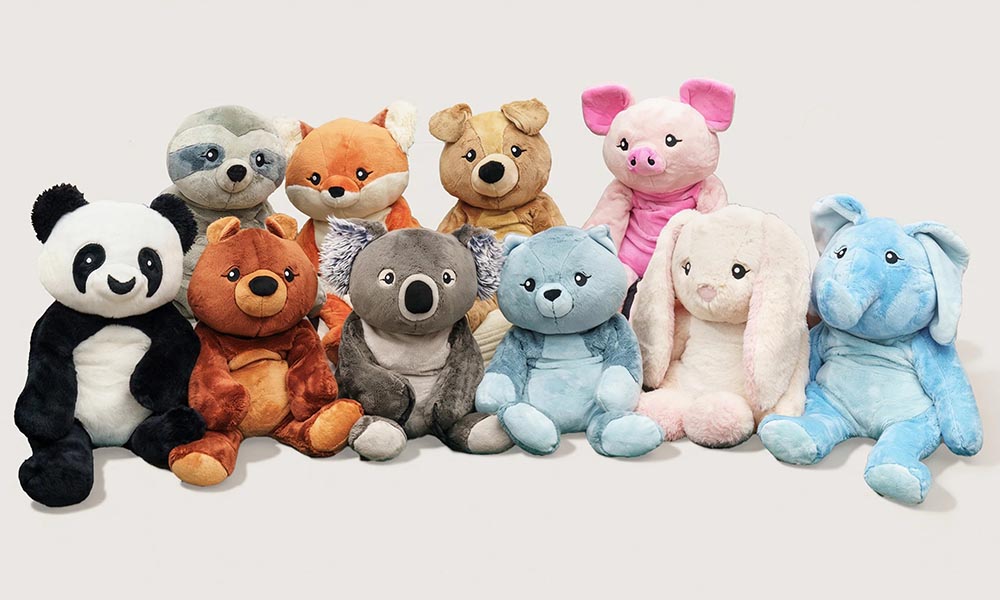
In recent years, I have seen a clear shift in how brands think about merchandise. More teams are moving away from generic giveaways and toward custom plush products that carry emotion, story, and memory. This change is not about trends—it is about results.
Traditional merchandise often focuses on visibility. Plush customization focuses on connection. When brands compete for attention across crowded digital and physical spaces, emotional engagement becomes a measurable advantage. Plush toys, when designed and produced correctly, offer something few other items can: comfort, personality, and long-term presence in daily life.
The first reason brands turn to plush customization is its ability to create stronger emotional engagement than standard promotional products.
Why Custom Plush Creates Stronger Emotional Engagement Than Traditional Merchandise
Custom plush creates emotional engagement because it is felt, not just seen. From my experience working with brand campaigns, plush products stay with consumers longer and build deeper attachment than items like tote bags, mugs, or keychains.
The first difference is tactile interaction. Plush toys invite touch, hugging, and repeated physical contact. This sensory interaction creates a subconscious emotional bond that flat merchandise cannot replicate. When a brand becomes associated with comfort or warmth, recall becomes natural rather than forced.
Plush also carries personality. Through shape, facial expression, color, and softness, a plush product can express emotion and character. This allows brands to communicate tone—friendly, playful, caring, or premium—without words. Traditional merchandise usually delivers a logo, not a feeling.
Another factor is longevity. Plush items are rarely discarded quickly. They often remain on desks, beds, shelves, or in cars. This repeated exposure builds long-term brand familiarity, far beyond the short life cycle of many promotional items.
Plush products also cross age and context boundaries. They appeal to children, adults, and collectors alike. In many campaigns, plush becomes a shared object—gifted, photographed, or passed on—extending brand reach organically.
Finally, plush triggers memory retention. Emotional objects are remembered longer. When a campaign includes a custom plush tied to a story or moment, the brand becomes linked to that memory rather than just a transaction.
| Engagement Factor | Traditional Merchandise | Custom Plush | Brand Impact |
|---|---|---|---|
| Sensory interaction | Visual only | Touch & comfort | Deeper attachment |
| Emotional expression | Logo-based | Character & emotion | Stronger identity |
| Product lifespan | Short-term use | Long-term presence | Repeated exposure |
| Audience range | Context-limited | Broad & cross-age | Wider reach |
| Memory retention | Low | High | Lasting recall |
For brands, emotional engagement is not a soft metric—it directly influences recall, sharing, and loyalty. Custom plush succeeds because it turns marketing from exposure into experience, which is why more brands are choosing it over traditional merchandise.
How Plush Customization Helps Brands Translate Identity into Tangible Experiences
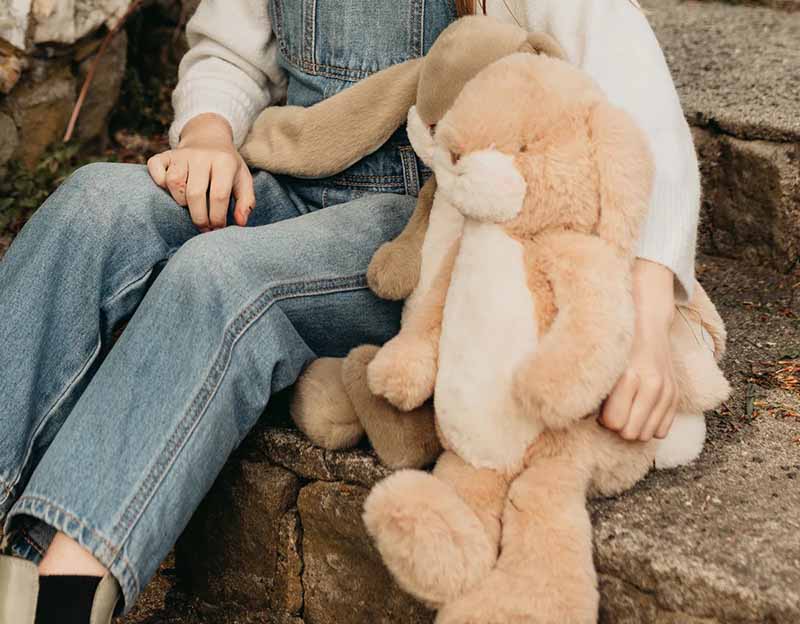
Brand identity is often defined in guidelines—but experienced by people through products. From my experience, plush customization works because it turns abstract brand values into physical, emotional objects that people can interact with every day.
The first advantage is form-driven storytelling. Shape, posture, and proportions can express a brand’s tone—friendly, bold, caring, or playful—without relying on slogans. A well-designed plush communicates personality instantly, even before a logo is noticed.
Color and texture deepen that message. Plush allows brands to use signature colors, fabric choices, and surface finishes to reinforce identity in a way flat merchandise cannot. Softness, weight, and hand feel all influence perception, making the brand experience multi-sensory rather than visual only.
Customization also enables narrative consistency across touchpoints. The same character or mascot can appear in packaging, digital content, retail displays, and social campaigns. Plush becomes the physical anchor that connects online and offline brand experiences.
Another key factor is interpretation control. With OEM plush customization, brands decide how identity is translated—down to facial expression, stitching style, and accessories—rather than relying on generic templates. This precision prevents dilution and protects brand equity.
Finally, plush objects invite personal interaction. When consumers name, photograph, or keep a plush, the brand moves from being observed to being lived with. That transition is difficult to achieve with standard promotional items.
| Brand Translation Aspect | Generic Merchandise | Customized Plush | Brand Effect |
|---|---|---|---|
| Identity expression | Logo & print | Shape, texture, emotion | Clear personality |
| Sensory depth | Visual only | Multi-sensory | Stronger perception |
| Story continuity | Fragmented | Character-led | Unified experience |
| Control over details | Limited | High precision | Brand protection |
| Consumer interaction | Passive | Personal & emotional | Deeper connection |
For brands, plush customization is not about decoration—it is about making identity tangible. When brand values can be held, hugged, and remembered, marketing moves beyond messaging into meaningful experience.
Why Customized Plush Performs Better in Social Media and Influencer Campaigns
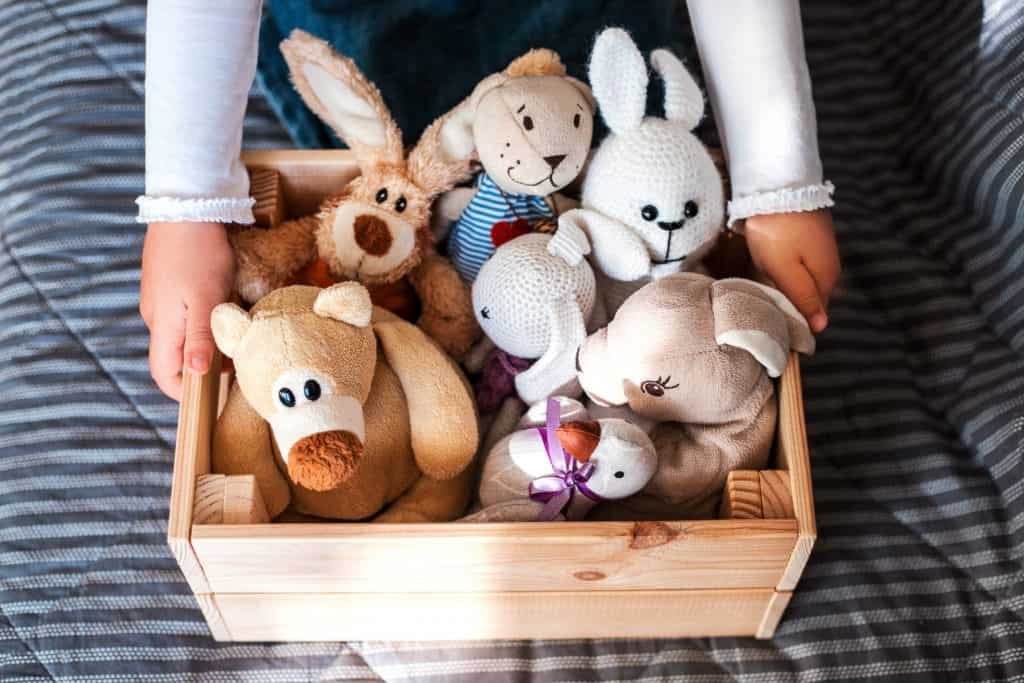
Customized plush performs better on social media because it is naturally shareable. From my experience supporting brand campaigns, plush products generate organic content not through incentives, but through curiosity, emotion, and visual storytelling.
The first reason is strong visual identity. Plush characters stand out instantly in feeds crowded with flat products. Their shape, color, and expression create a focal point that stops scrolling. Influencers do not need complex setups; the plush itself becomes the content.
Plush also encourages human interaction on camera. People hold it, hug it, place it in scenes, or react to it. These gestures add authenticity and warmth that audiences recognize as real, not staged. This increases watch time and engagement.
Another advantage is narrative flexibility. A custom plush can appear in unboxings, daily routines, travel shots, behind-the-scenes clips, and giveaways. The same product supports multiple content angles without feeling repetitive, extending campaign lifespan.
Plush products also perform well in short-form video. Their softness and movement translate effectively to reels and shorts, where tactile cues matter. Simple actions—squeezing, tossing, placing—create satisfying visual moments.
Finally, plush lowers promotion resistance. Audiences accept plush as a gift, mascot, or character more easily than overtly branded items. This makes influencer content feel less like advertising and more like personal sharing.
| Performance Factor | Standard Merchandise | Customized Plush | Campaign Result |
|---|---|---|---|
| Feed visibility | Low contrast | High visual impact | Higher reach |
| On-camera interaction | Limited | Natural & expressive | Better engagement |
| Content versatility | Single-use | Multi-format | Longer lifespan |
| Short-video fit | Weak | Strong | Higher retention |
| Ad resistance | High | Low | Authentic perception |
For brands, social performance is about earned attention. Customized plush works because it fits naturally into how people create and consume content—making campaigns feel human, shareable, and memorable rather than promotional.
How Plush Customization Supports Limited Editions and Seasonal Marketing Strategies
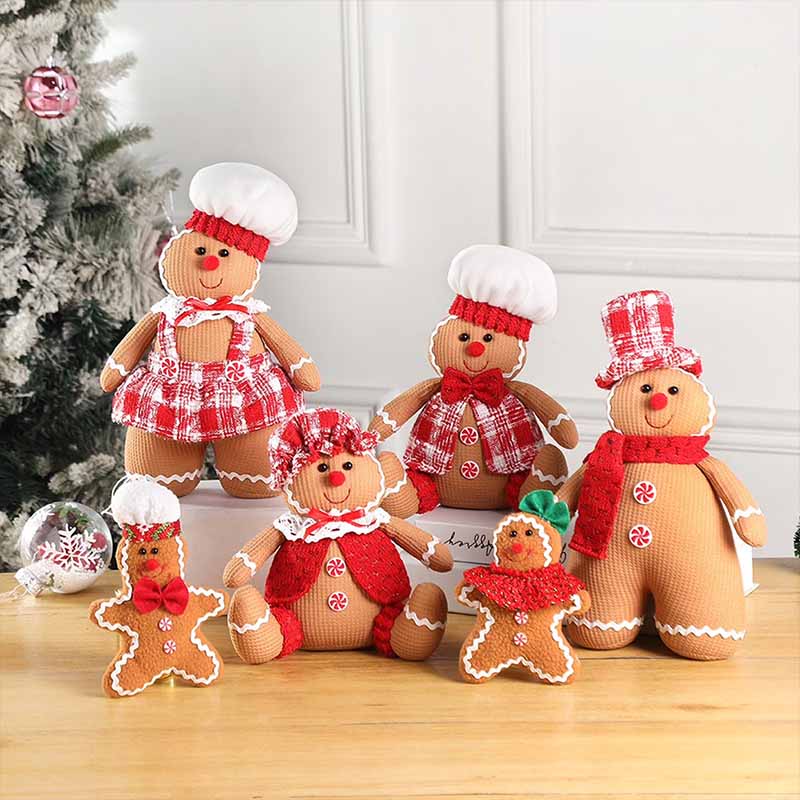
Limited editions and seasonal campaigns rely on timing, relevance, and collectability. From my experience, plush customization supports these strategies better than most merchandise because it combines emotional value with controlled scarcity.
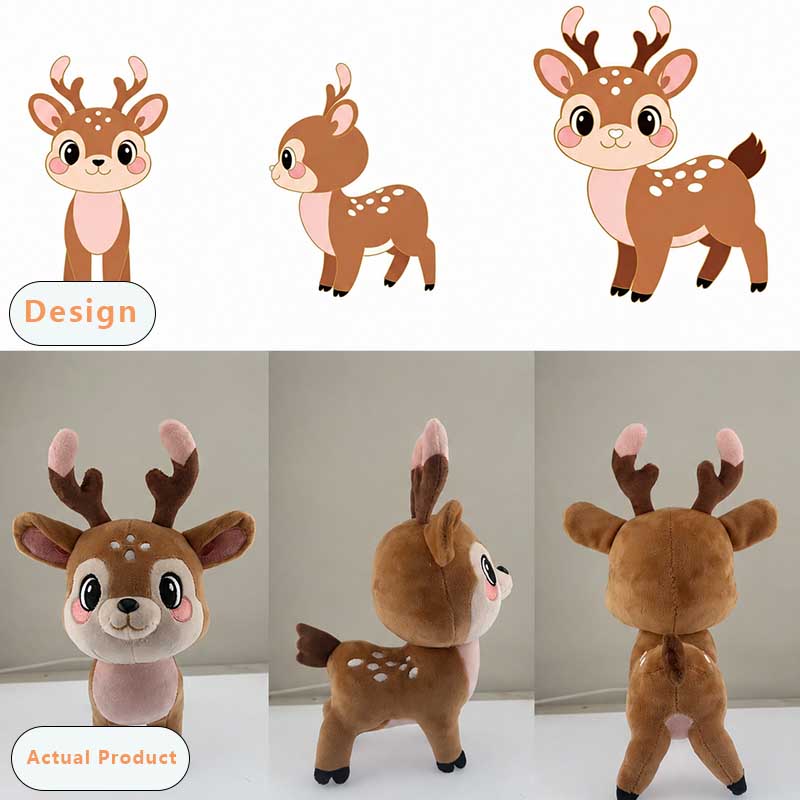
The first advantage is design flexibility within a fixed base. Brands can keep a core plush structure and adjust colors, accessories, embroidery, or packaging to match holidays, events, or collaborations. This reduces development time while keeping each release distinct.
Plush also strengthens collectible behavior. Seasonal variants—such as holiday colors or event-specific details—encourage repeat engagement. Consumers who already own one version are more likely to seek the next, turning campaigns into ongoing series rather than one-off promotions.
Another benefit is clear storytelling tied to time. Seasonal plush works as a physical reminder of a moment—festivals, launches, anniversaries. This temporal link increases perceived value and makes the product feel special rather than generic.
From an operational view, OEM plush customization supports controlled production runs. Brands can plan limited quantities, test demand, and scale selectively. This reduces inventory risk while preserving urgency in the market.
Finally, plush performs well in gift-driven seasons. During holidays, consumers actively look for items with emotional meaning. Customized plush fits naturally into gifting contexts, supporting higher conversion during peak periods.
| Seasonal Strategy Aspect | Generic Merchandise | Customized Plush | Marketing Effect |
|---|---|---|---|
| Design adaptability | Low | High with modular updates | Faster launches |
| Collectability | Weak | Strong | Repeat engagement |
| Time-based storytelling | Limited | Clear & emotional | Higher perceived value |
| Production control | Rigid | Flexible batch sizes | Lower inventory risk |
| Gifting appeal | Moderate | High | Seasonal conversion |
For brands, plush customization turns seasonal marketing into a repeatable system. By balancing variation with consistency, brands can stay relevant throughout the year while building long-term consumer attachment.
Why OEM Plush Customization Offers Better Cost Control and Scalability for Brands
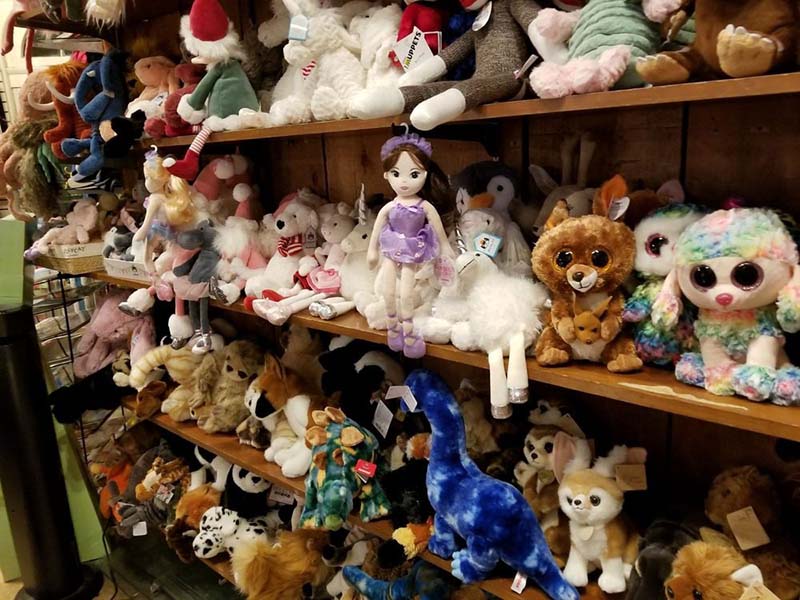
From my experience, brands that succeed with plush marketing rarely treat customization as a one-off expense. They approach it as a scalable OEM system that improves cost control over time. This is where OEM plush customization clearly outperforms ad-hoc merchandise sourcing.
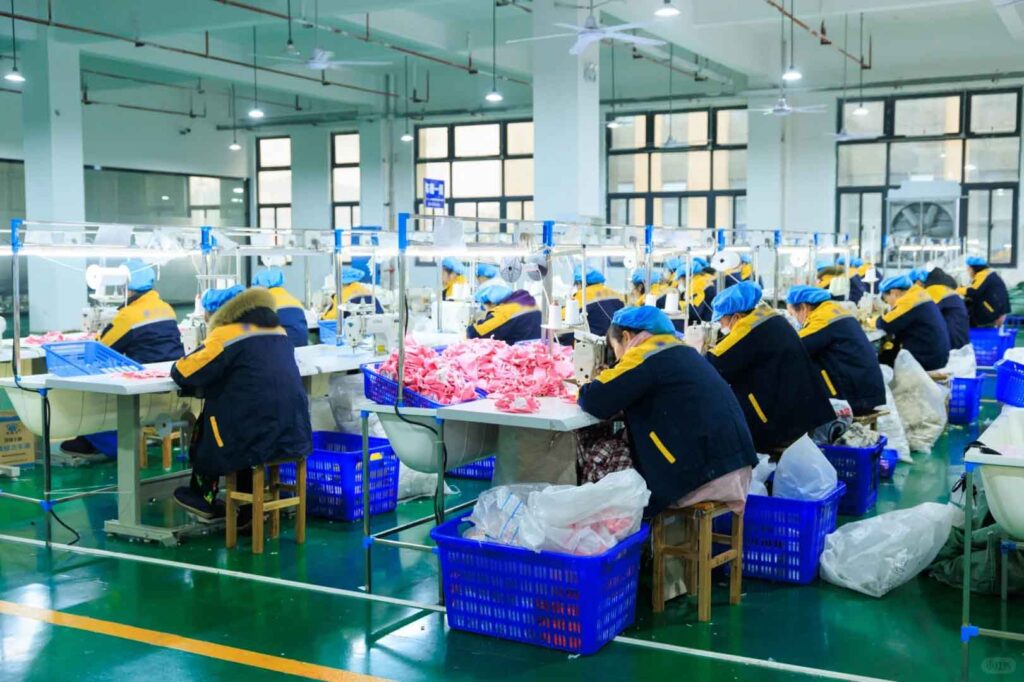
The first advantage is cost predictability. OEM production allows brands to lock materials, patterns, and processes early. Once the base structure is approved, future variations—such as colors, embroidery, or accessories—require minimal redevelopment. This keeps unit costs stable even as campaigns evolve.
Another key factor is economies of scale. As reorder volumes increase, material purchasing, cutting efficiency, and labor utilization improve. OEM partners plan production in batches, reducing waste and lowering per-unit costs without compromising quality.
OEM customization also supports modular design thinking. Brands can reuse core components across multiple campaigns or regions, adjusting only visible elements. This approach shortens lead times and simplifies inventory management, especially for global rollouts.
Risk control is another benefit. OEM factories understand compliance, testing, and production constraints from the start. This reduces unexpected rework, retesting, or shipment delays—hidden costs that often exceed initial savings from cheaper suppliers.
Finally, scalability becomes strategic. As campaigns perform well, OEM partners can support volume increases, new SKUs, or regional adaptations without resetting development from zero. This continuity allows brands to grow marketing programs confidently.
| Cost & Scale Factor | Non-OEM Approach | OEM Plush Customization | Brand Advantage |
|---|---|---|---|
| Cost predictability | Variable | Stable after setup | Budget control |
| Scale efficiency | Limited | Improves with volume | Lower unit cost |
| Design reuse | One-off items | Modular components | Faster rollout |
| Risk exposure | High | Managed early | Fewer surprises |
| Growth support | Fragmented | Scalable system | Sustainable expansion |
For brands, OEM plush customization turns marketing spend into a repeatable, scalable asset. When cost control and scalability are built into the production model, plush campaigns become easier to expand—and harder to replace.
How Data, Feedback, and Reorders Turn Plush Campaigns into Long-Term Marketing Assets
The real value of plush customization appears after the first campaign ends. From my experience, brands that track data, collect feedback, and plan reorders turn plush from a one-time promotion into a long-term marketing asset.
The first driver is engagement data. Social performance, giveaway participation, repost rates, and user-generated content all reveal how audiences respond to a plush design. Unlike many digital assets, plush provides clear behavioral signals—people either keep it, share it, or ignore it.
Customer feedback adds another layer. Comments about softness, size, character appeal, or emotional response help brands refine future versions. These insights are difficult to capture from traditional merchandise but come naturally with plush because users interact with it physically.
Reorders then transform insight into value. When a base plush design is reused and optimized, each reorder becomes faster, cheaper, and more targeted. Brands can adjust details based on past performance while keeping production stable—turning learning into efficiency.
Plush also supports lifecycle marketing. The same character can evolve across campaigns, regions, or seasons, creating continuity while staying fresh. This reduces creative fatigue and strengthens brand recognition over time.
Finally, data-backed plush programs align marketing and operations. When demand, timing, and performance are measurable, brands can plan inventory, content, and budget with confidence—something rarely possible with one-off promotional items.
| Asset-Building Factor | One-Off Merchandise | Plush Customization Program | Long-Term Impact |
|---|---|---|---|
| Performance data | Limited | High engagement signals | Better decisions |
| Customer feedback | Rare | Natural & detailed | Product refinement |
| Reorder efficiency | Low | High after setup | Cost savings |
| Brand continuity | Weak | Character-led | Strong recognition |
| Marketing planning | Reactive | Data-driven | Scalable strategy |
For brands, plush customization becomes powerful when it is treated as a system, not a stunt. With data, feedback, and reorders, each campaign builds on the last—creating lasting marketing value.
Conclusion
More brands choose plush customization because it creates emotional connection, scalable campaigns, and reusable marketing assets. When executed through OEM systems, plush turns short-term promotions into long-term brand value.
📧 Contact: [email protected]
🌐 Visit: https://kinwintoys.com