Skip to content
A professional stuffed toy manufacturer is not defined by factory size or how many samples they show online. From my experience working with global brands, retailers, and long-term OEM partners, professionalism shows up in repeatability, system strength, and decision quality under pressure.
Many factories can produce one good sample. Far fewer can deliver the same quality across multiple SKUs, repeated orders, and growing volumes—while staying compliant and on schedule. The difference lies in a few core capabilities that consistently separate professional manufacturers from short-term suppliers.
The first and most fundamental factor is manufacturing experience combined with clear product specialization. This determines whether a factory can support your brand not just today, but as it scales.
What Manufacturing Experience and Product Specialization Define Professional Capability?

Professional capability starts with focused experience, not broad claims. From my experience, the most reliable stuffed toy manufacturers can clearly explain what they do best, why they do it well, and how long they have done it at scale.
The first signal is category specialization. Professional manufacturers usually concentrate on specific plush categories—such as animal plush, character plush, promotional toys, or licensed products. This focus allows them to refine materials, patterns, and processes over time. Factories that claim to make “all kinds of toys” often lack depth in any one category.
Experience also shows in volume handling, not just years in business. A professional manufacturer can explain how they manage repeated orders, seasonal peaks, and parallel projects without quality drift. They understand that producing 1,000 units once is very different from producing 10,000 units repeatedly.
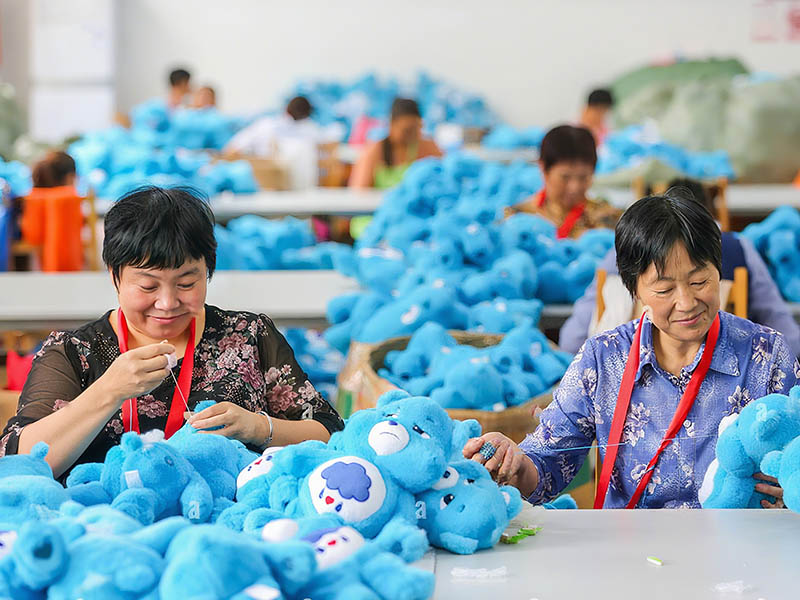
Another important factor is process maturity. Experienced manufacturers have standardized workflows for cutting, sewing, stuffing, finishing, and packing. They rely on systems rather than individual workers’ skills. This is critical for consistency as teams, shifts, or order sizes change.
Professional factories are also realistic. They know their limits and communicate them clearly. Overpromising capacity or timelines is a common sign of inexperience.
Finally, specialization supports long-term brand alignment. When a factory’s core product focus matches your brand positioning, decision-making becomes easier across materials, cost, quality, and scalability.
| Evaluation Area | Non-Professional Signal | Professional Manufacturer Signal | Buyer Advantage |
|---|---|---|---|
| Product focus | “We make everything” | Clear plush category focus | Better consistency |
| Experience depth | Years only | Volume & repeat-order experience | Stable supply |
| Process structure | Person-dependent | System-driven workflows | Predictable output |
| Capacity awareness | Overpromising | Realistic planning | Fewer delays |
| Brand alignment | Price-first | Positioning-aware | Long-term fit |
For buyers, manufacturing experience and specialization are the foundation of professionalism. When a factory understands its category deeply and operates within proven systems, every other aspect—quality, compliance, communication—becomes easier to manage.
How Do Design Support, Pattern Making, and Sampling Accuracy Reflect Technical Strength?
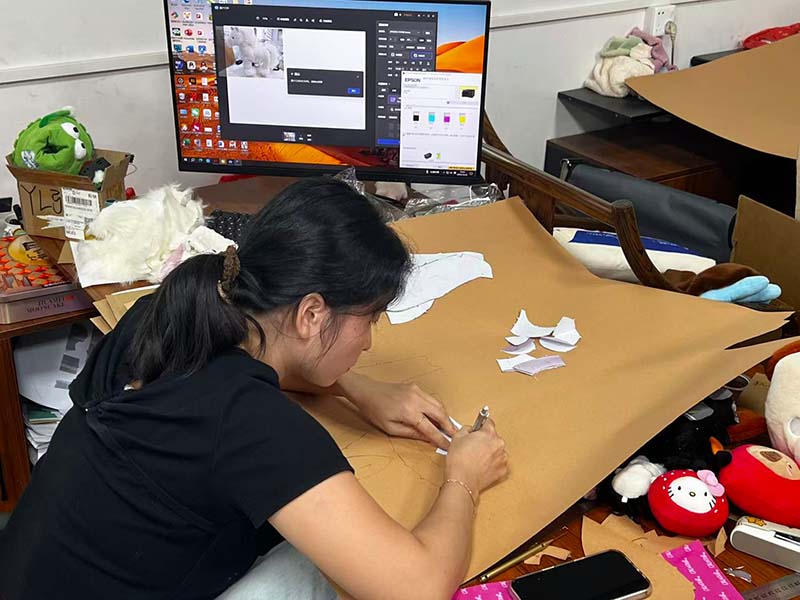
Technical strength in a stuffed toy manufacturer is revealed long before mass production. From my experience, it is most clearly reflected in how designs are reviewed, how patterns are built, and how accurately samples match intent—not in how fast a sample is delivered.
The first indicator is design support quality. Professional manufacturers do not simply execute drawings. They review proportions, seam logic, material feasibility, and durability risks. When design feedback is practical and specific, it shows deep understanding of plush construction.
Pattern making is the second indicator. Skilled pattern makers translate flat artwork into three-dimensional forms with balanced structure. They maintain consistent body ratios, facial symmetry, and seam placement across similar styles. Weak pattern making leads to distortion and inconsistency, especially when collections expand.
Sampling accuracy then validates the system. Professional factories aim for high first-sample accuracy, not endless revisions. When changes are required, they are handled systematically—feedback is summarized, adjustments are confirmed, and versions are controlled. This discipline predicts how well instructions will be followed during production.
Another critical signal is production realism in sampling. Samples should reflect actual materials, stitching methods, and construction used in bulk—not shortcuts that look good once but fail at scale.
Finally, technical strength shows in restraint. Professional manufacturers know when to recommend simplification to protect quality, cost, or repeatability—without compromising the brand’s core design intent.
| Technical Area | Weak Capability Signal | Professional Capability Signal | Brand Benefit |
|---|---|---|---|
| Design review | Executes blindly | Feasibility feedback | Fewer revisions |
| Pattern making | Style-by-style | Structural consistency | Cohesive products |
| Sampling accuracy | Many iterations | High first-pass match | Faster decisions |
| Revision control | Informal changes | Documented versions | Clear execution |
| Scale awareness | Sample-only focus | Production-intent samples | Reliable scaling |
For buyers, design support, pattern making, and sampling accuracy together form a technical preview of future performance. Manufacturers who control these stages well are far more capable of delivering consistent quality when projects move from concept to scale.
What Quality Control Systems Ensure Consistency and Reliability at Scale?
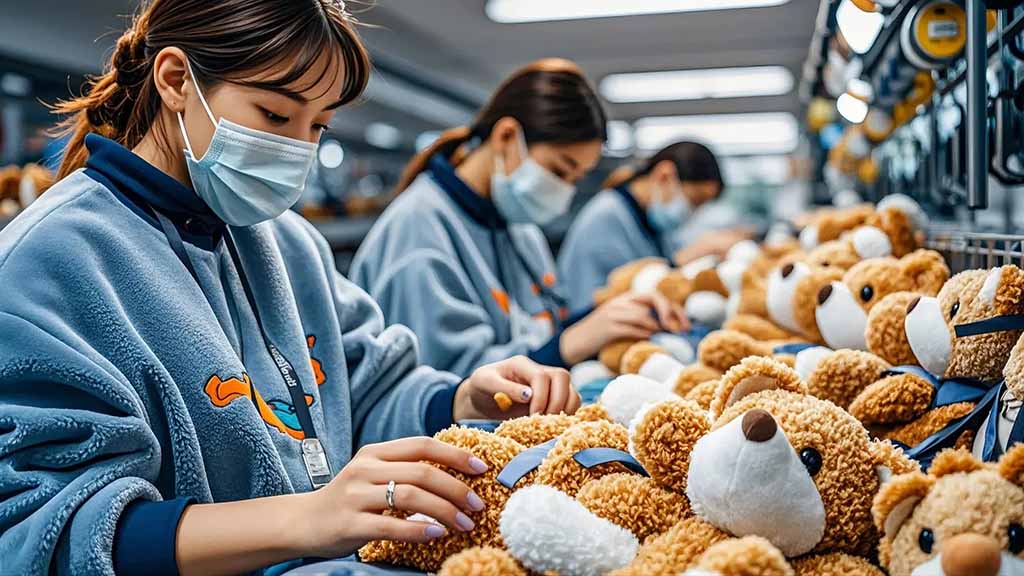
Consistency at scale is not achieved by stricter final checks—it is built through process-driven quality control systems. From my experience, professional stuffed toy manufacturers design QC to prevent defects, not just catch them at the end.
The first requirement is a layered QC structure. Reliable factories implement Incoming Quality Control (IQC) for materials, In-Process Quality Control (IPQC) during sewing and stuffing, and Final Quality Control (FQC) before packing. Each stage has defined standards and accountability, so issues are contained early.
Next is reference-based control. Professional factories keep approved golden samples, workmanship standards, and measurement guides visible on the production floor. This ensures that multiple lines and shifts produce the same result, even as volume increases.
Data matters. Factories that scale reliably track defects by type, location, and root cause. They review trends, implement corrective actions (CAPA), and verify results in subsequent runs. Without data, quality improvement is guesswork.
Scalability is another key signal. As order volume grows, inspection frequency, line audits, and cross-line comparisons must increase accordingly. Using the same QC intensity for small and large orders is a common failure point among non-professional suppliers.
Finally, transparency builds confidence. Professional manufacturers are willing to share QC plans, inspection records, and improvement actions early—before buyers request them. This openness indicates control, not risk.
| QC System Area | Weak Factory Practice | Professional System Practice | Buyer Outcome |
|---|---|---|---|
| QC structure | Final-only checks | IQC + IPQC + FQC | Early defect prevention |
| Reference control | Visual judgment | Golden samples on floor | Consistent output |
| Data usage | No trend analysis | Defect tracking & CAPA | Continuous improvement |
| Scale adaptation | Same QC for all | QC scales with volume | Stable mass output |
| Transparency | Limited sharing | Proactive reporting | Predictable delivery |
For buyers, strong QC systems signal operational maturity. When quality is protected by structure, data, and references, manufacturers can maintain reliability even as volumes, SKUs, and timelines increase.
How Do Safety Certifications, Compliance, and Testing Capabilities Meet Global Standards?
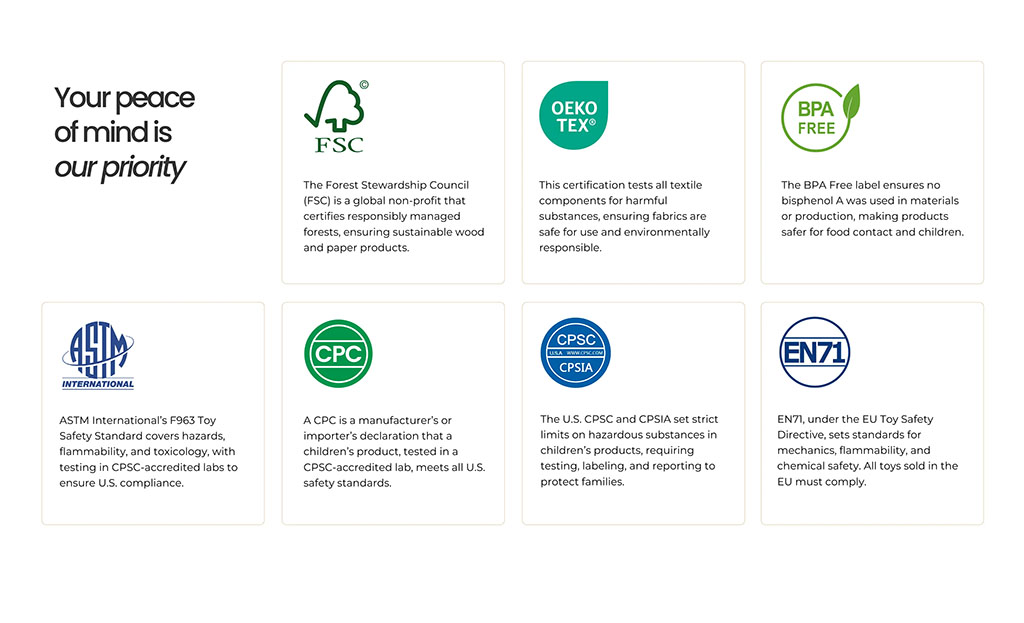
For a professional stuffed toy manufacturer, safety compliance is not an extra service—it is a core operational capability. From my experience, factories that treat compliance as paperwork often struggle once orders scale or when products enter stricter markets.
The first indicator is clear market knowledge. Professional manufacturers can explain which safety standards apply to different regions and how those standards affect materials, construction, and labeling. They understand that U.S. and EU requirements differ and plan compliance from the design stage, not after sampling.
Testing capability is the next signal. Reliable factories have stable testing workflows, either in-house or with long-term accredited labs. They know typical test items, lead times, and re-test triggers. This predictability is essential for production planning and launch schedules.
Material compliance control is equally important. Professional manufacturers maintain approved material lists, supplier declarations, and batch traceability. This ensures that materials used in mass production are identical to those that passed testing—preventing costly re-testing or shipment delays.
Documentation readiness separates professionals from short-term suppliers. Factories should be able to provide organized test reports, conformity declarations, and internal compliance records without delay. Poor documentation management often leads to last-minute compliance issues.
Finally, change management protects certification validity. Any change in fabric, filling, accessory, or process must be reviewed for compliance impact. Professional manufacturers enforce approval processes before changes are implemented.
| Compliance Area | Weak Supplier Signal | Professional Manufacturer Signal | Buyer Protection |
|---|---|---|---|
| Market understanding | Generic answers | Market-specific guidance | Correct compliance |
| Testing workflow | Ad-hoc labs | Stable testing partners | Predictable timing |
| Material control | Flexible substitution | Approved material lists | Test validity |
| Documentation | On request only | Ready & organized | Faster approvals |
| Change management | Silent changes | Approval-based control | Compliance continuity |
For buyers, strong compliance and testing capabilities mean fewer delays, lower risk, and smoother market entry. Manufacturers who manage safety systematically protect brands as they scale across regions and channels.
What Communication, Project Management, and Long-Term Support Signal a True Partner?

A professional stuffed toy manufacturer proves its value over time through how it communicates, manages projects, and supports brands beyond a single order. From my experience, these soft capabilities often determine whether cooperation stays smooth as volumes and complexity increase.
The first signal is structured communication. Professional partners confirm specifications, timelines, and decisions in writing. They summarize changes, highlight risks, and define next steps clearly. This reduces confusion when multiple revisions, SKUs, or departments are involved.
Project management maturity is equally important. Reliable manufacturers assign a clear project owner who coordinates sampling, production, QC, and logistics. Brands always know who is responsible and how issues are escalated. Without this structure, delays multiply as order size grows.
Transparency builds trust early. Professional factories share progress updates, QC findings, and potential issues proactively—before they turn into problems. Transparency does not mean perfection; it means no surprises.
Long-term support shows in problem ownership. When issues arise, true partners explain root causes, propose corrective actions, and implement preventive measures for future runs. This mindset protects brand reputation over repeated orders.
Finally, continuity matters. Professional manufacturers document processes, approvals, and decisions so projects remain stable even if personnel change. This institutional memory is critical for long-term cooperation.
| Partnership Signal | Weak Supplier Behavior | Professional Partner Behavior | Brand Benefit |
|---|---|---|---|
| Communication | Ad-hoc messages | Written confirmations | Fewer errors |
| Project ownership | Unclear roles | Dedicated manager | Faster resolution |
| Transparency | Reactive updates | Proactive sharing | Predictable execution |
| Issue handling | Deflects responsibility | Root-cause & CAPA | Long-term stability |
| Continuity | Person-dependent | Process-driven records | Scalable cooperation |
For buyers, communication and long-term support define whether a manufacturer is merely a supplier—or a true professional partner. Factories that manage information, responsibility, and improvement systematically create the foundation for reliable, scalable cooperation.
Conclusion
A professional stuffed toy manufacturer is defined by systems, not promises. When experience, technical strength, quality control, compliance discipline, and partnership mindset align, brands gain predictable quality, scalable production, and long-term sourcing confidence.
📧 Contact: [email protected]
🌐 Visit: https://kinwintoys.com